Source: JM Travel Photography / Shutterstock.com
Source: VeselovaElena / Getty Images
Source: bissun / Shutterstock.com
Source: MaraZe / Shutterstock.com
Source: Digihelion / Shutterstock.com
Source: TinasDreamworld / Shutterstock.com
Source: Gunn Polparsi / Shutterstock.com
Source: Bartosz Luczak / Shutterstock.com
Source: ltummy / Shutterstock.com
Source: Eva Orlova / Shutterstock.com
Source: AlessandroZocc / Shutterstock.com
Source: Jamie McCarthy / Getty Images
Source: JM Travel Photography / Shutterstock.com

Source: PeopleImages.com - Yuri A / Shutterstock.com

Source: polinaloves / Shutterstock.com





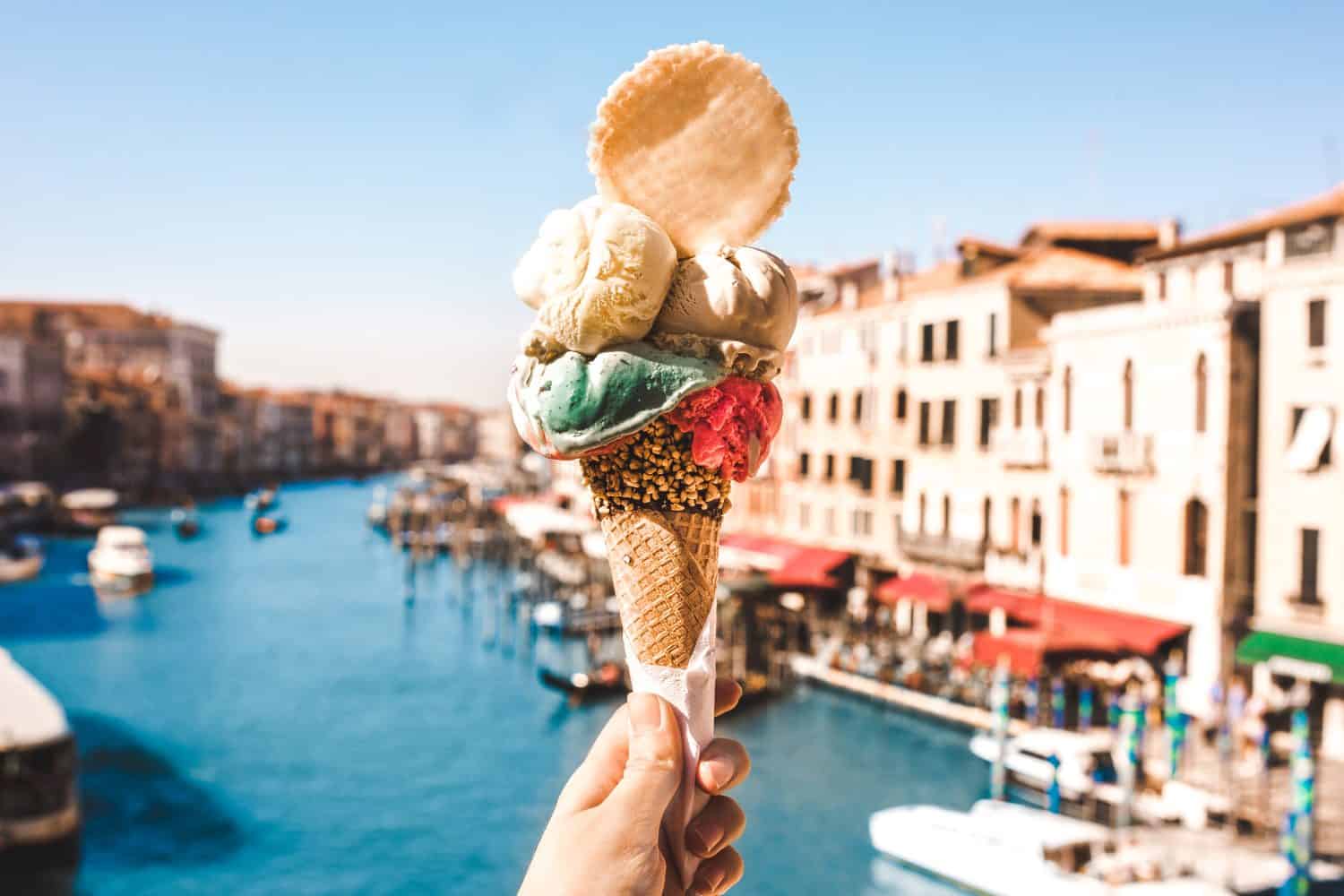
On a hot day (or, heck, even on a cold day), nothing hits the spot better than a couple of cold, comforting scoops of ice cream. And if you're in Italy, it's smooth and creamy gelato that you'll be eating. On the outside, ice cream and gelato may look the same, and you can be mistaken for thinking they pretty much taste the same and are made the same way too. But in fact, there are plenty of differences between the two.
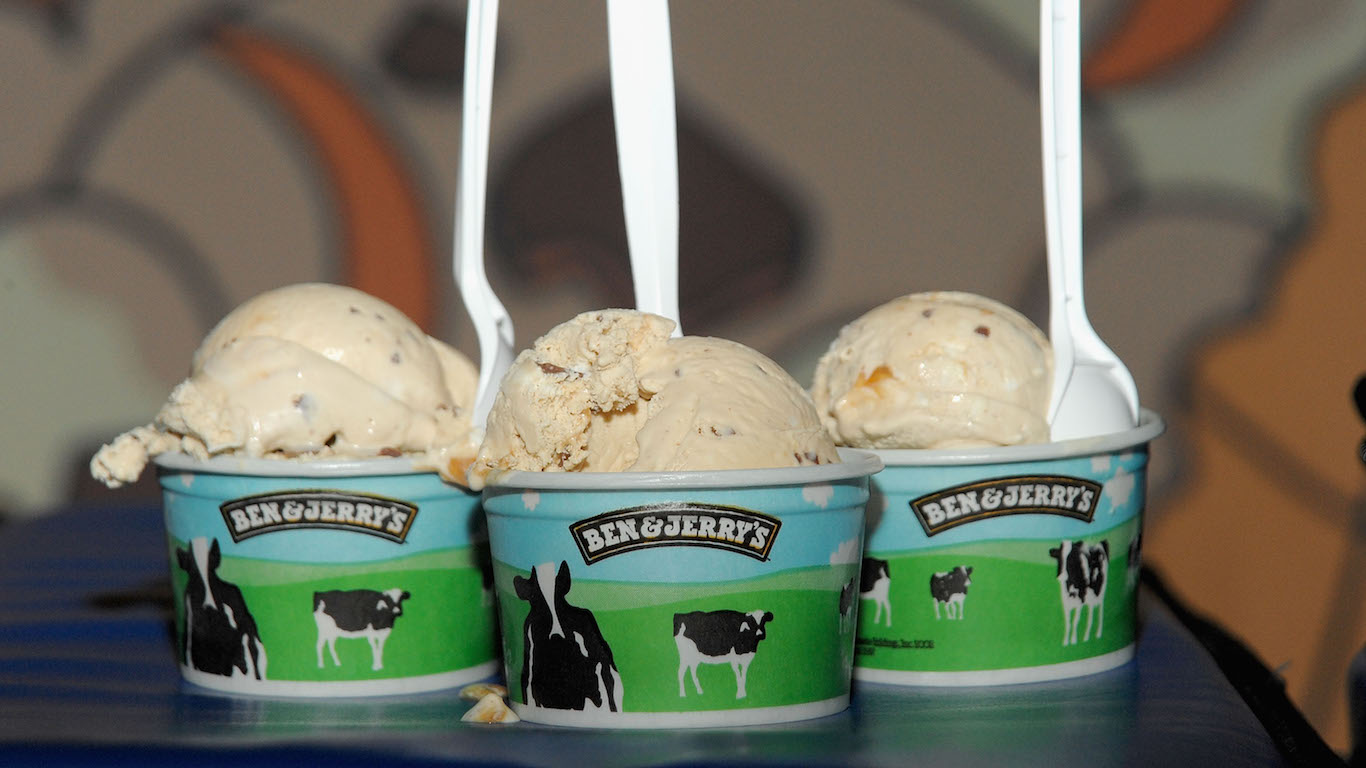
If you've scanned the shelves at your local supermarket, or have ever tasted the difference between, say, Ben & Jerry's and Breyers, then you probably already know that there's a wide variety of American ice creams out there, and we're not talking about flavors. In order for a product to be called ice cream, it needs to contain at least 10% milk fat and no less than 20% milk solids, and must weigh at least 4.5 pounds per gallon, 1.6 pounds of which needs to be solids. Outside of that, there's plenty of leeway, primarily in the amount of air the ice cream contains, which is called overrun. The lower the overrun and the higher the fat content, the higher quality the ice cream is; top-of-the-line ice creams like Ben & Jerry's and Häagen-Dazs are referred to as "super-premium," and at the other end of the spectrum, it's called "economy."
Gelato, on the other hand, tends to stick to a tried-and-true recipe, with the only variables being the quality of the ingredients used and the flavorings added. The Italians take their recipes and culinary traditions very seriously, and while you'll definitely see a whole lot of creativity at gelato shops when it comes to flavors, the core recipe, churning technique, and amount of air and fat in the gelato tend to remain consistent. Don't mess with perfection, right?
Gelato can certainly be called "Italian ice cream," but as you'll see, there are actually quite a few differences between American-style ice cream and classic Italian gelato. And if all this is making you hungry, check out the best ice cream parlor in every state.
Ingredients: Ice Cream
Ice cream contains cream, milk, sugar, and flavorings, and sometimes it's also made with egg yolks, which contribute to its richness and creaminess.
Ingredients: Gelato
Gelato is also made with cream, milk, sugar, eggs, and flavorings, but it usually contains lower amounts of cream and eggs.
Fat Content: Ice Cream
Because it contains a higher percentage of heavy cream and eggs, ice cream tends to contain more fat than gelato.
Fat Content: Gelato
On the flipside, gelato contains less fat than ice cream for the same reason.
Churn: Ice Cream
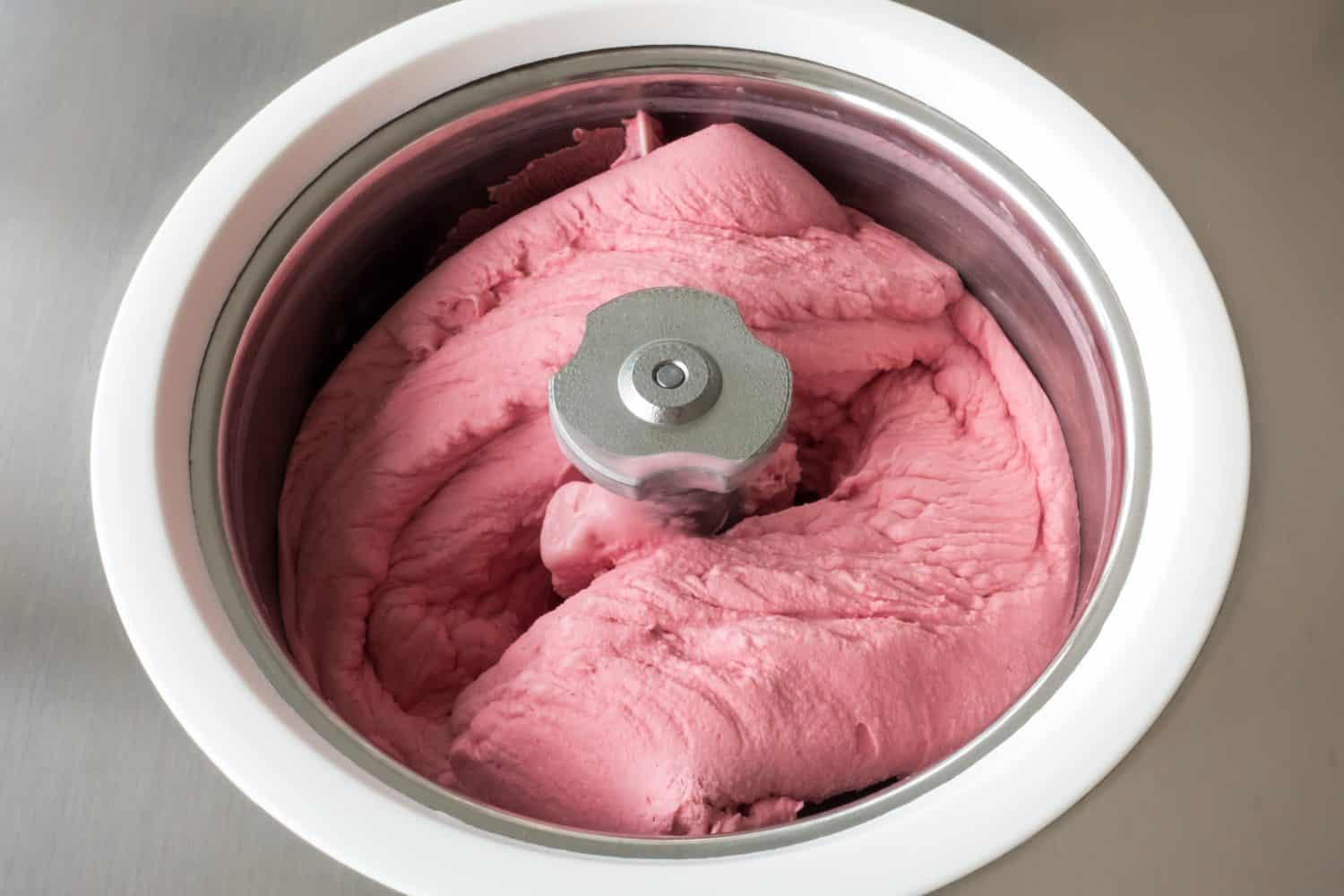
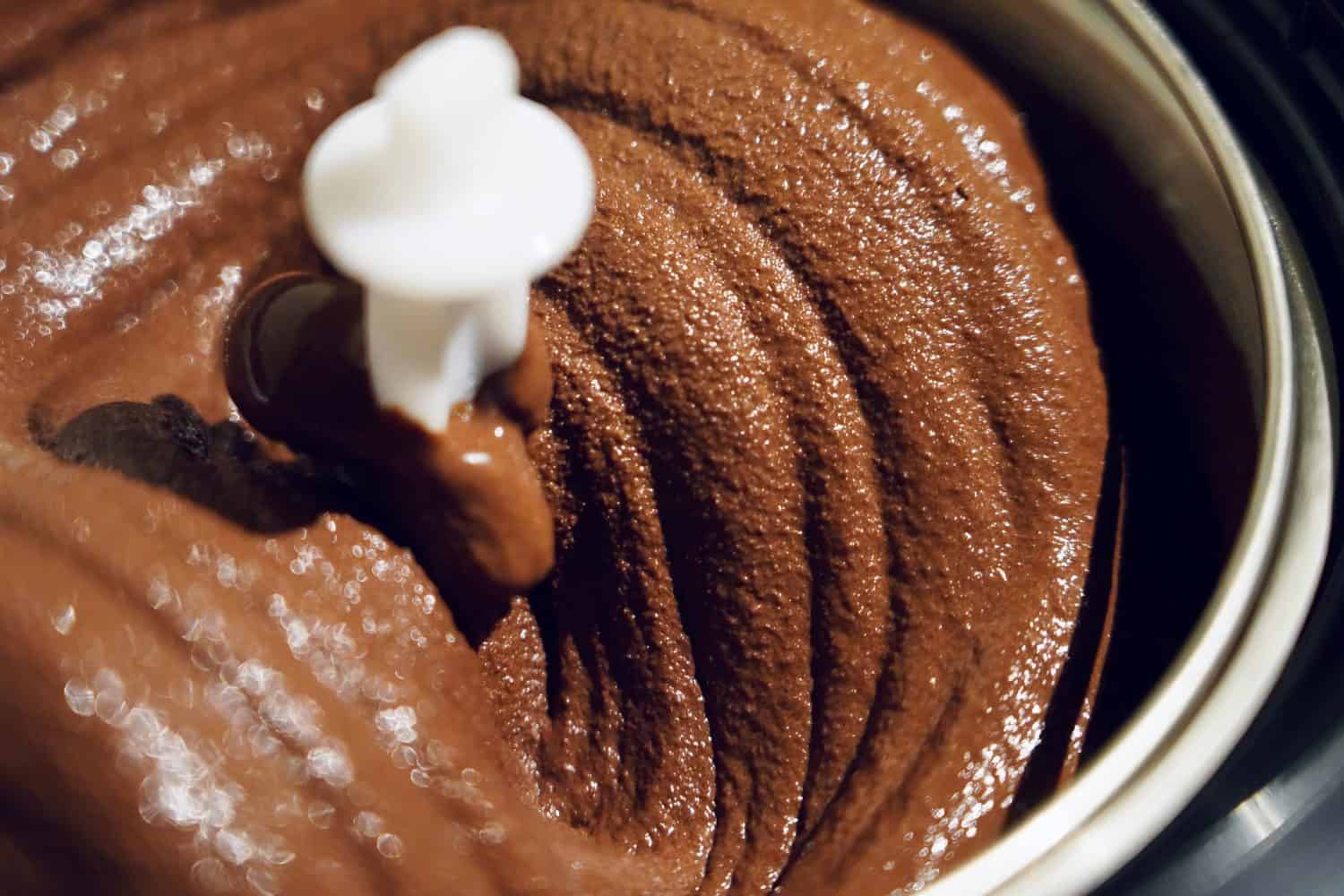
Ice cream tends to be churned at a relatively high speed, incorporating more air and resulting in a lighter texture.
Churn: Gelato
Because gelato is churned at a slower speed than ice cream, it has a denser texture.
Texture: Ice Cream
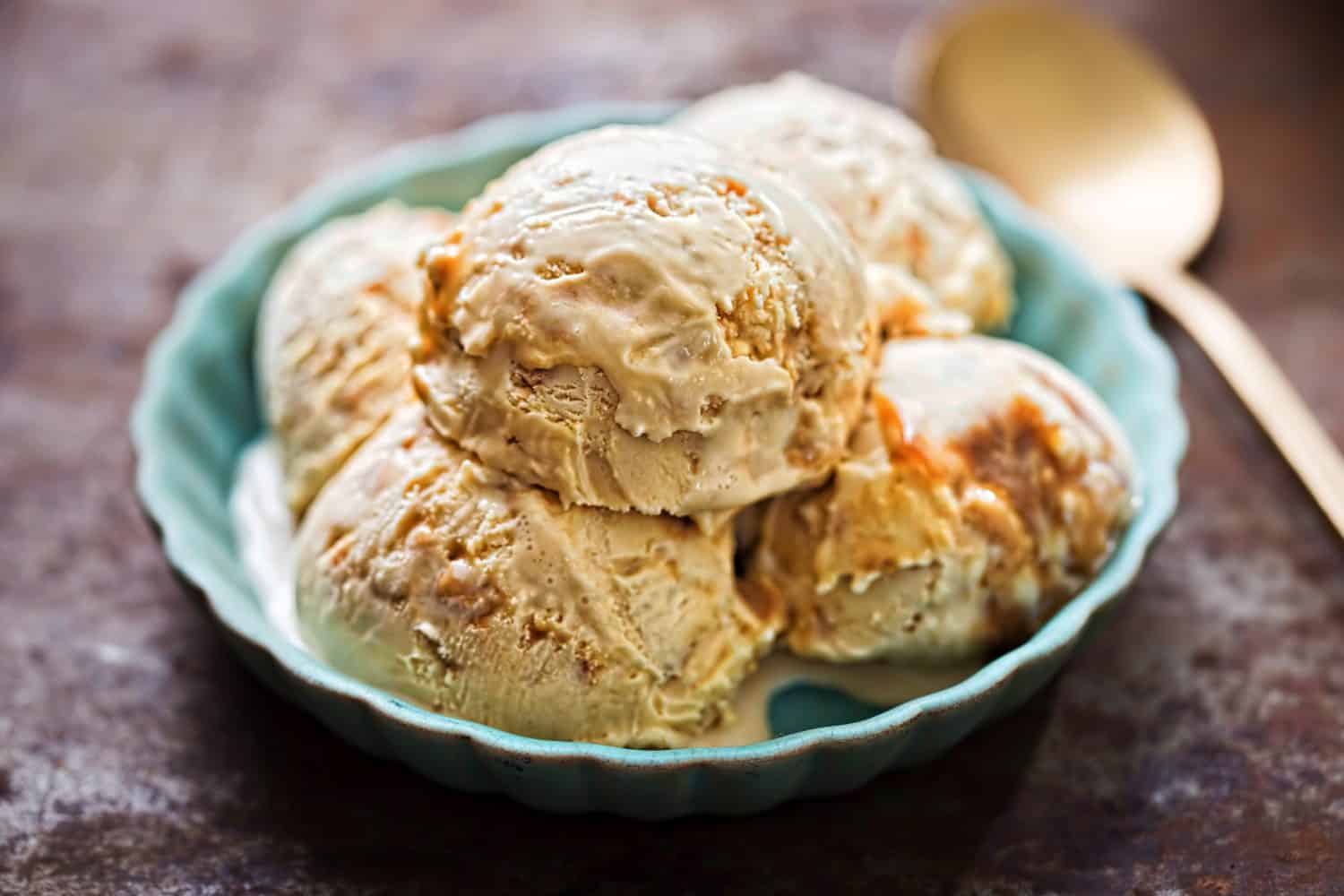
Most ice creams tend to be lighter and fluffier than gelato, and it melts faster than gelato.
Texture: Gelato
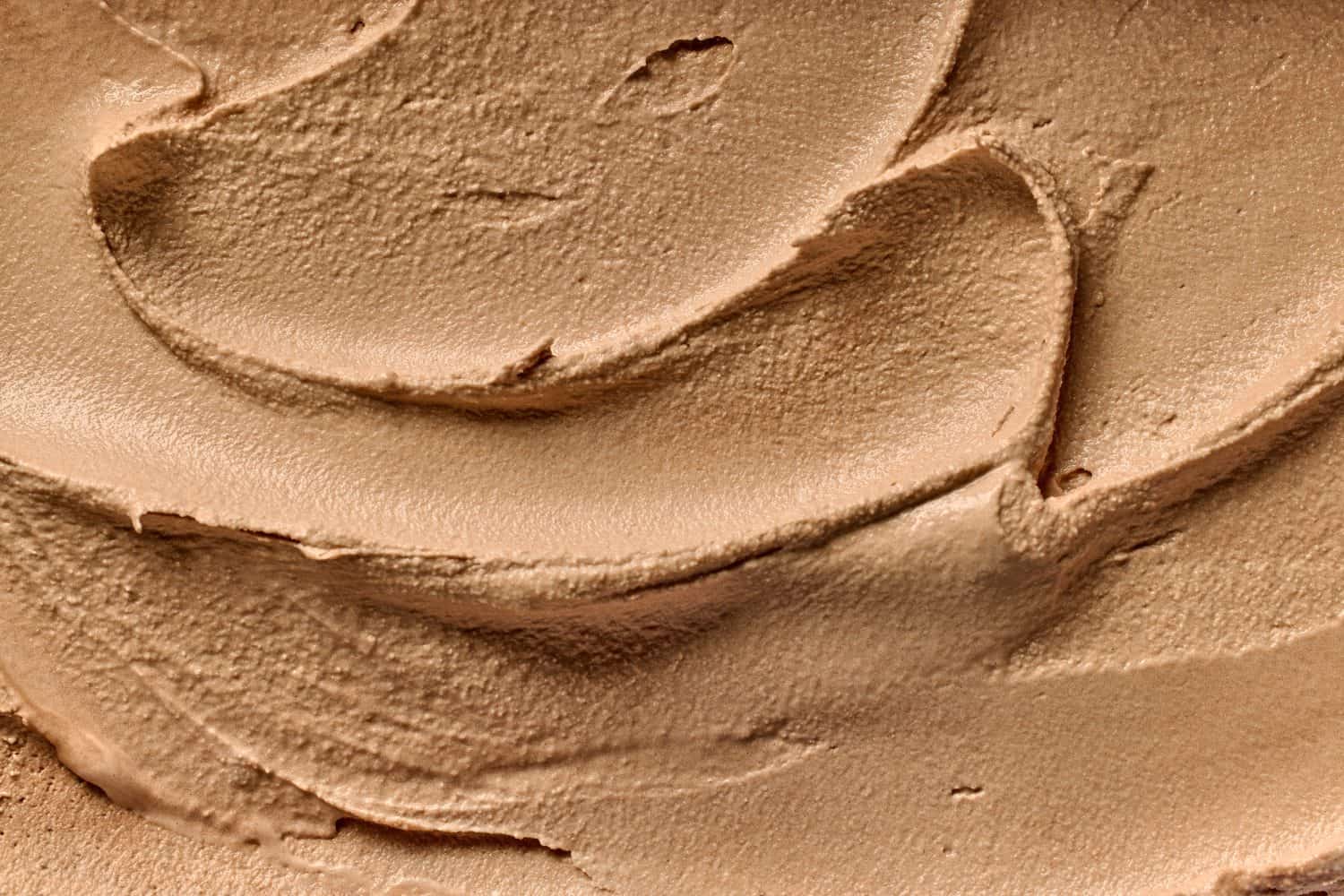
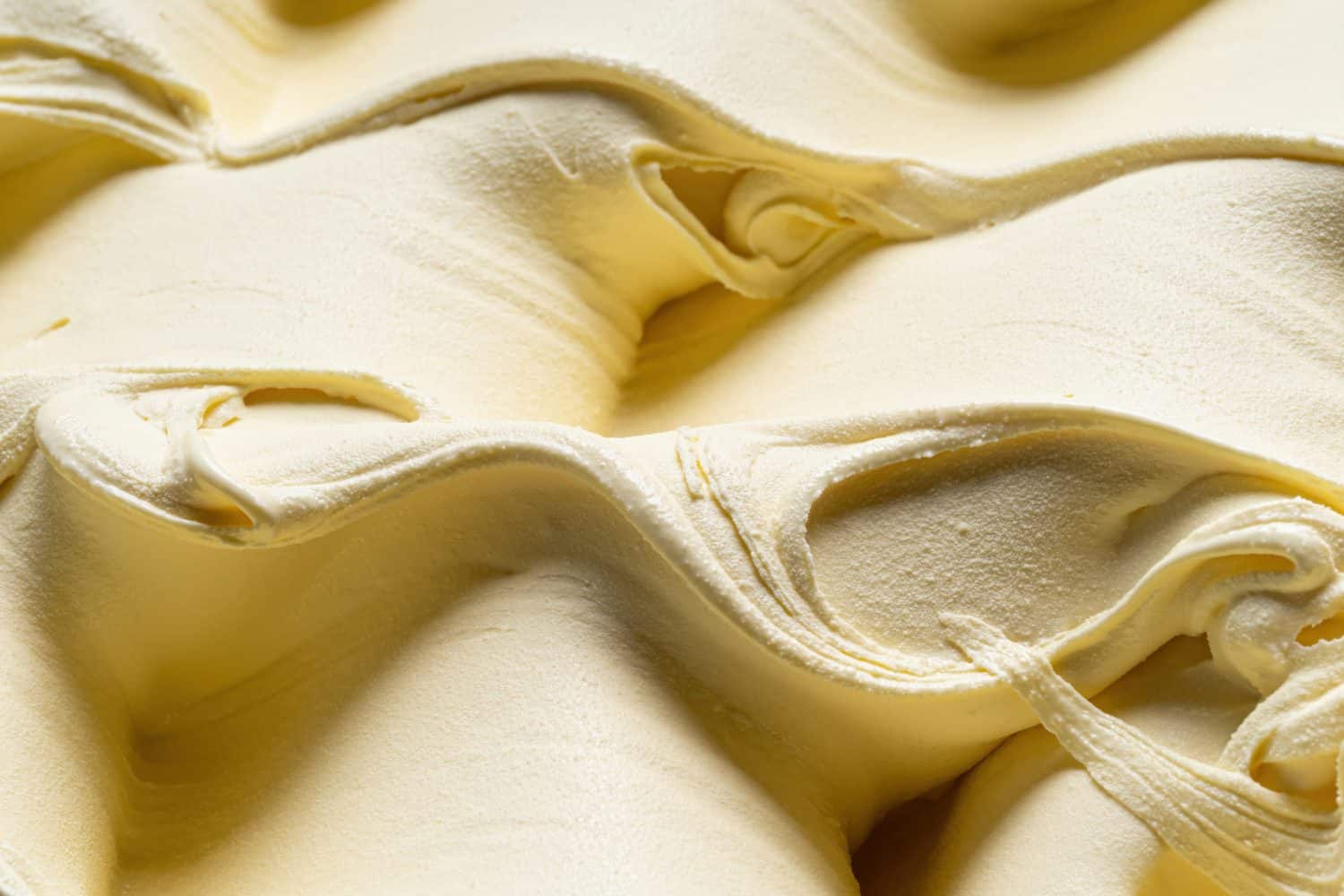
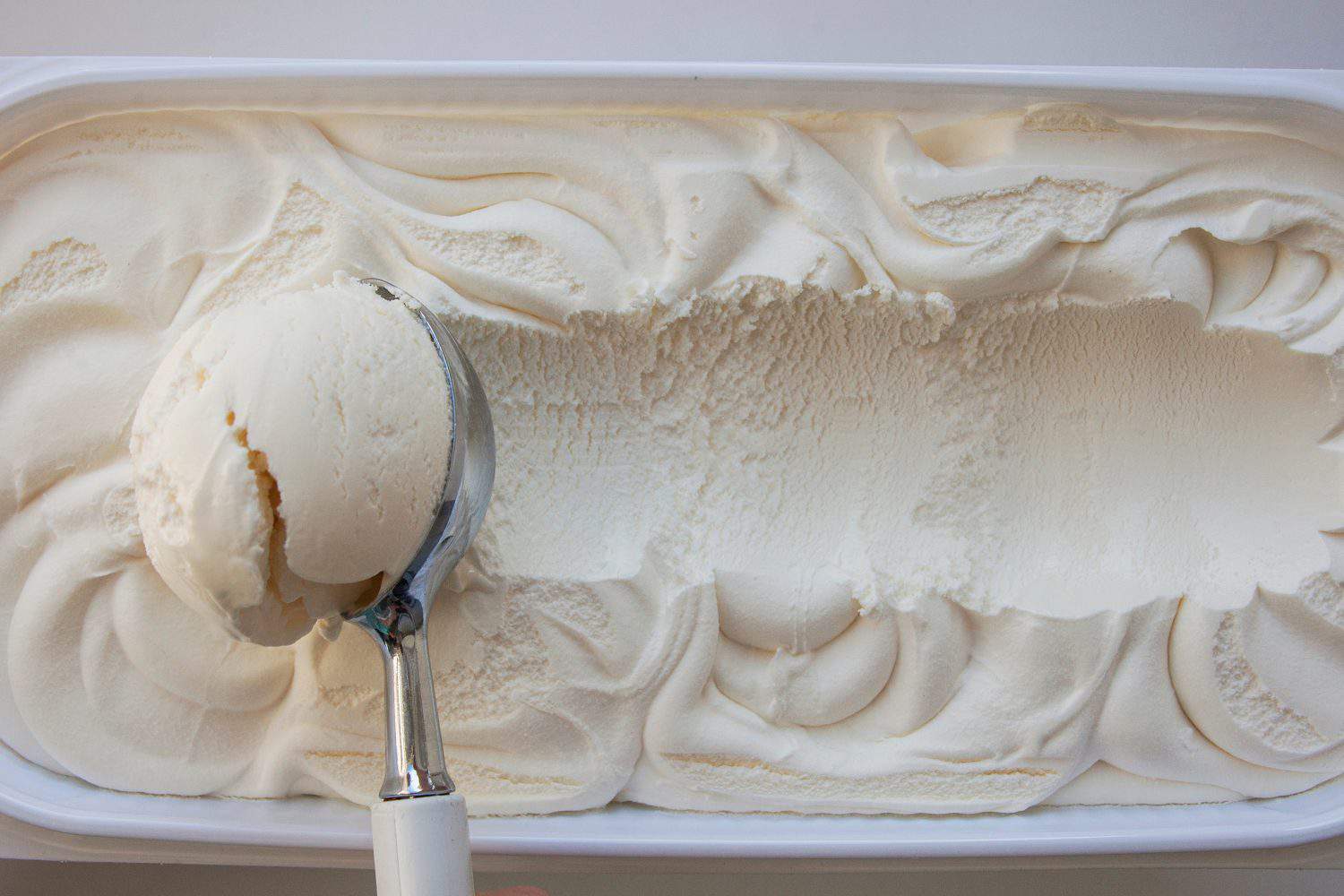
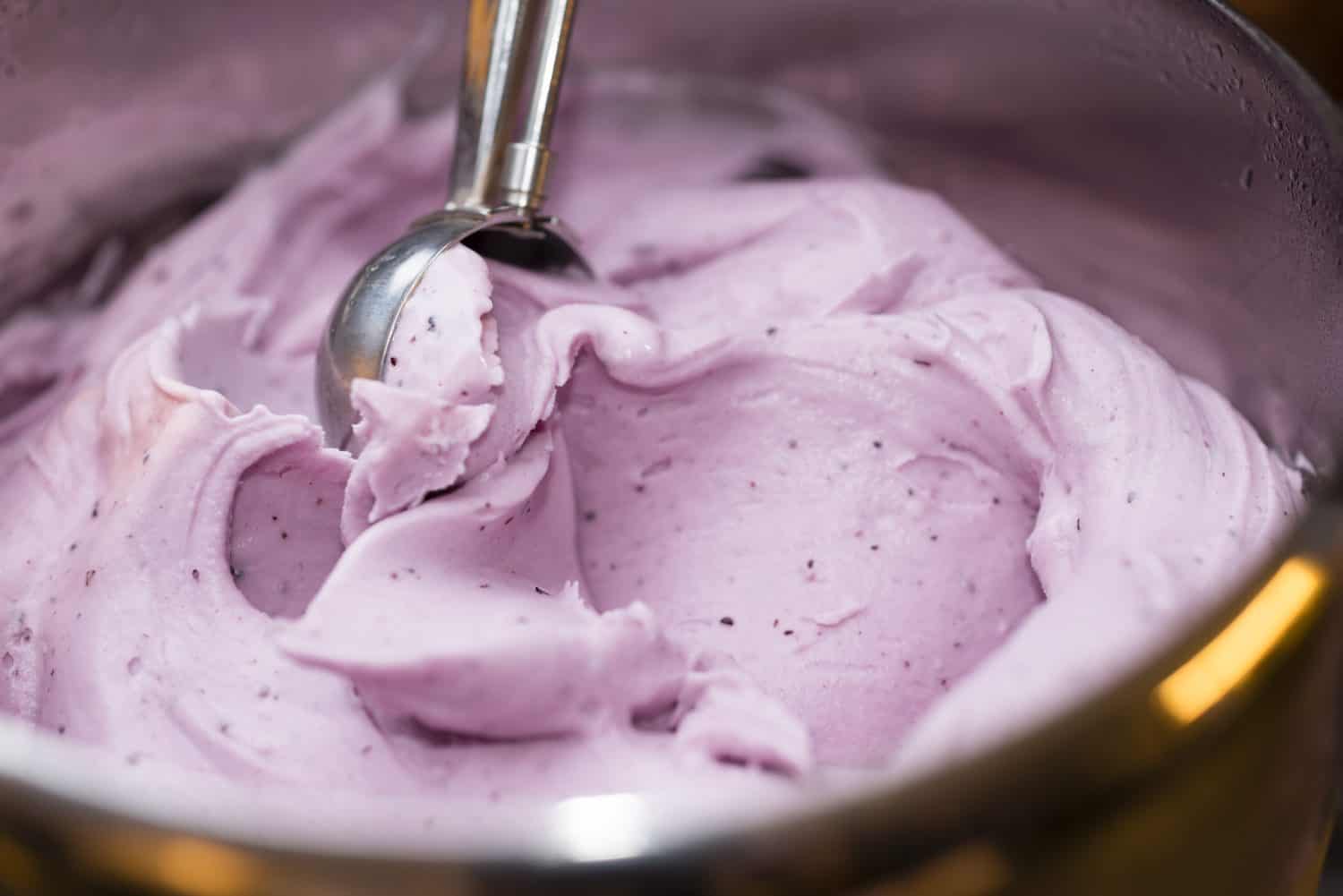
Gelato is smooth, dense, and creamy, with a slightly softer consistency than ice cream, especially when they're both served; it's generally much easier to scoop. The slower churning process and lower fat content also tends to give it a more intense flavor.
Serving Temperature: Ice Cream
Ice cream is usually served at an extremely cold temperature, around 0 to 10 degrees F.
Serving Temperature: Gelato
Gelato is usually served slightly warmer than ice cream, at around 5 to 10 degrees F.
How It's Served: Ice Cream
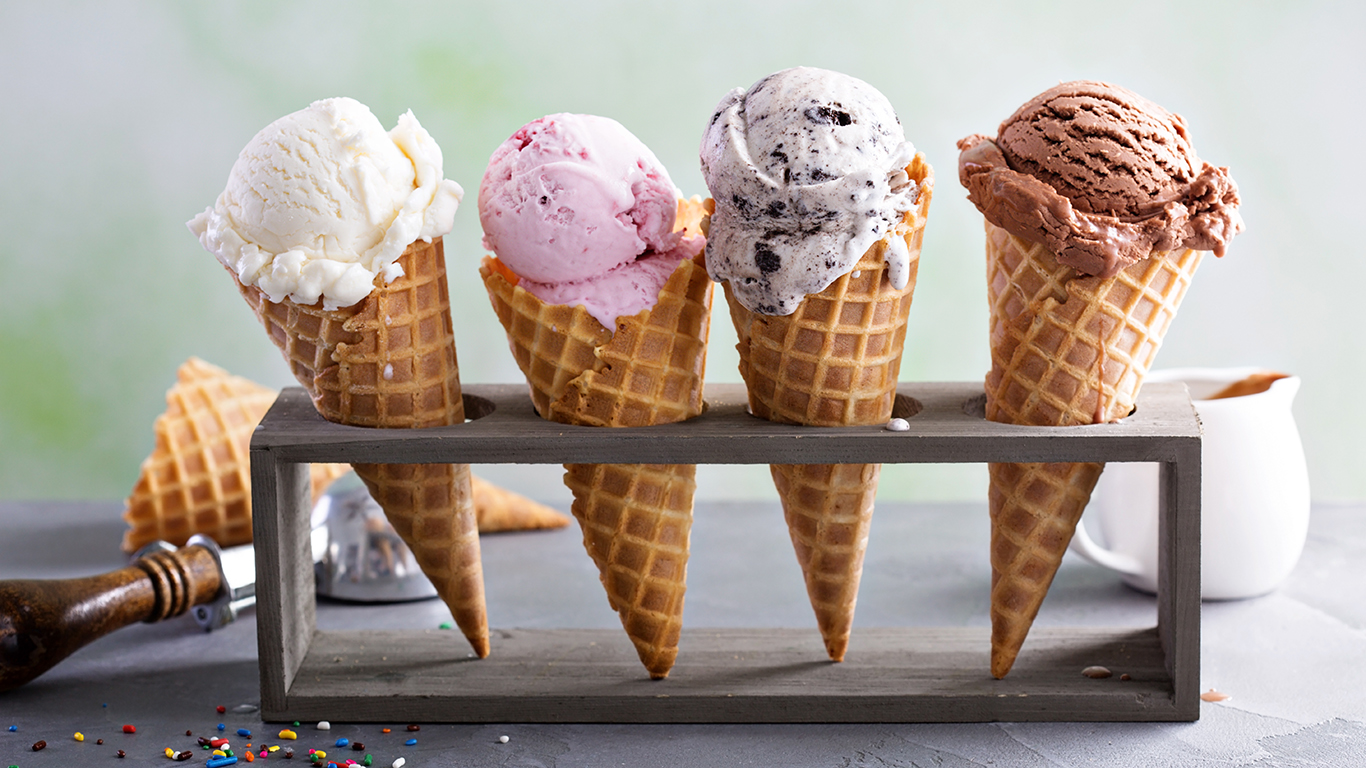
If you stop into an ice cream shop and want to inspect the offerings, you most likely won't be able to. Ice cream is usually stored inside a deep freezer, in big drums, and when you place your order the counterperson opens it up, reaches in, and grabs a scoop.
How It's Served: Gelato
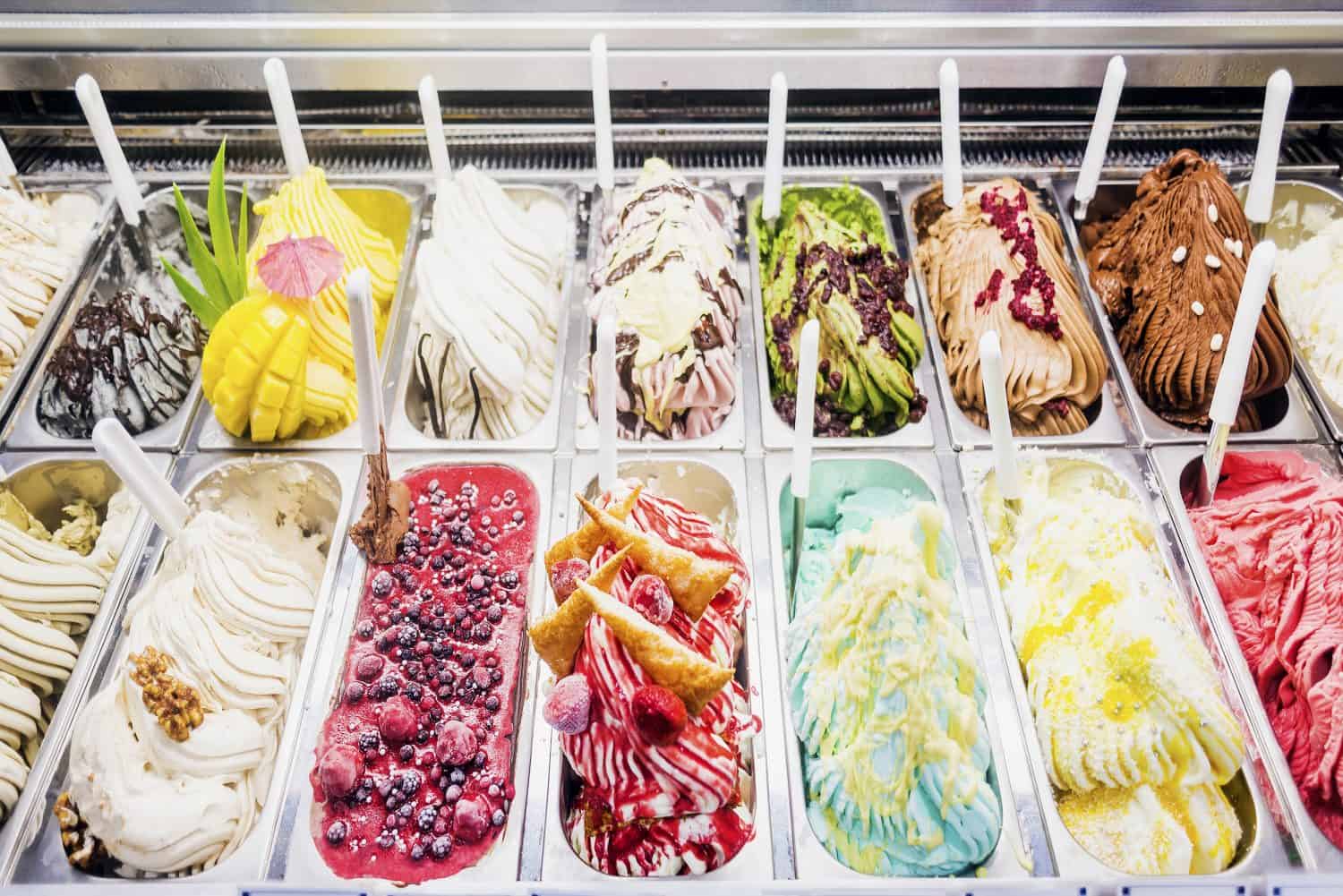
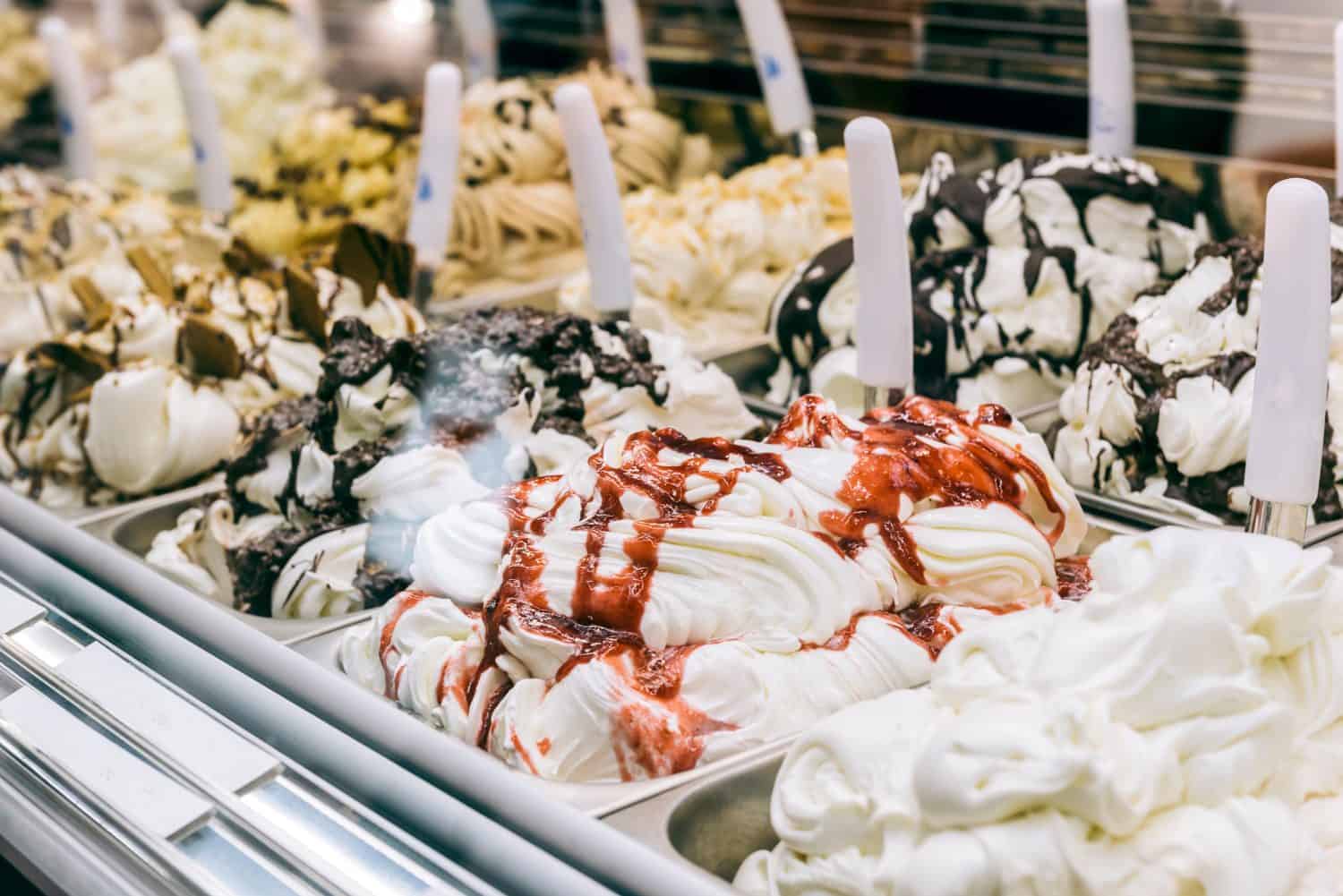
On the other hand, Gelaterias put their wares front and center. The gelati are arranged in rows behind a glass display case with signs identifying each, a beautiful array of colors with the primary flavoring ingredient – for example, hazelnuts or strawberries – usually on top of each flavor as a garnish. Gelaterias are some of the most beautiful sweet shops on earth.
Flavor Intensity: Ice cream
The high fat content and lighter texture can dilute ice cream's flavors, leading to a milder flavor.
Flavor Intensity: Gelato
Gelato tends to have a much stronger flavor than ice cream, due to its denser texture. If a flavor is added to gelato, you're definitely going to taste it! Hopefully, now you know that ice cream and gelato aren't two foods with the same name, even though they might look like it.