Photo by Spencer Platt/Getty Images
Source: Photo by Archive Photos/Getty Images
Source: Photo by Spencer Platt/Getty Images

Source: Jared Wickerham / Getty Images

Source: Photo by Spencer Platt/Getty Images

Source: Photo by Dave Einsel/Getty Images

Source: Photo by Dave Einsel/Getty Images

Source: Photo by Dave Einsel/Getty Images

Source: Photo by NOAA via Getty Images

Source: Photo by Joe Raedle/Getty Images

Source: Photo by Joe Raedle/Getty Images

Source: Photo by Stephen Morton/Getty Images

Source: Photo by Jose Jimenez/Getty Images

Source: Photo By Fema/Getty Images

Source: Photo by Hulton Archive/Getty Images

Source: Photo by Keystone/Getty Images

Source: Photo by Fox Photos/Getty Images

Source: Photo by Keystone/Getty Images

Source: Photo by R. B. Holt/MPI/Getty Images

Source: Photo by Joe Raedle/Getty Images
Source: Photo by Chris Hondros/Getty Images

Source: Photo by Chris Hondros/Getty Images

Source: Photo by NASA/Getty Images
Source: Photo by Gary Williams/Getty Images


Natural weather phenomena have been wreaking havoc on civilizations for centuries, and have shaped the world and its landscape. From hurricanes, floods, and volcanic eruptions to landslides, tornadoes, and earthquakes, no area on Earth is completely immune to natural disasters. According to NASA scientists, hurricanes have grown stronger in the last 40 years, which is indicated in these powerful images of Earth's most devastating storms.
The 2024 hurricane season is already in full force, with hurricanes Beryle, Debbie, and Ernesto already having an impact. The destruction these storms can leave in their wakes can be astronomical. To demonstrate these powerful images of Earth's most devastating storms, 24/7 Tempo consulted sources such as History.com. These images give us a glimpse into what it was like before, during, and after some of the strongest storms. (After this article, check out the wildly destructive storms that flattened entire cities.)
Here are powerful images of Earth's most devastating storms:
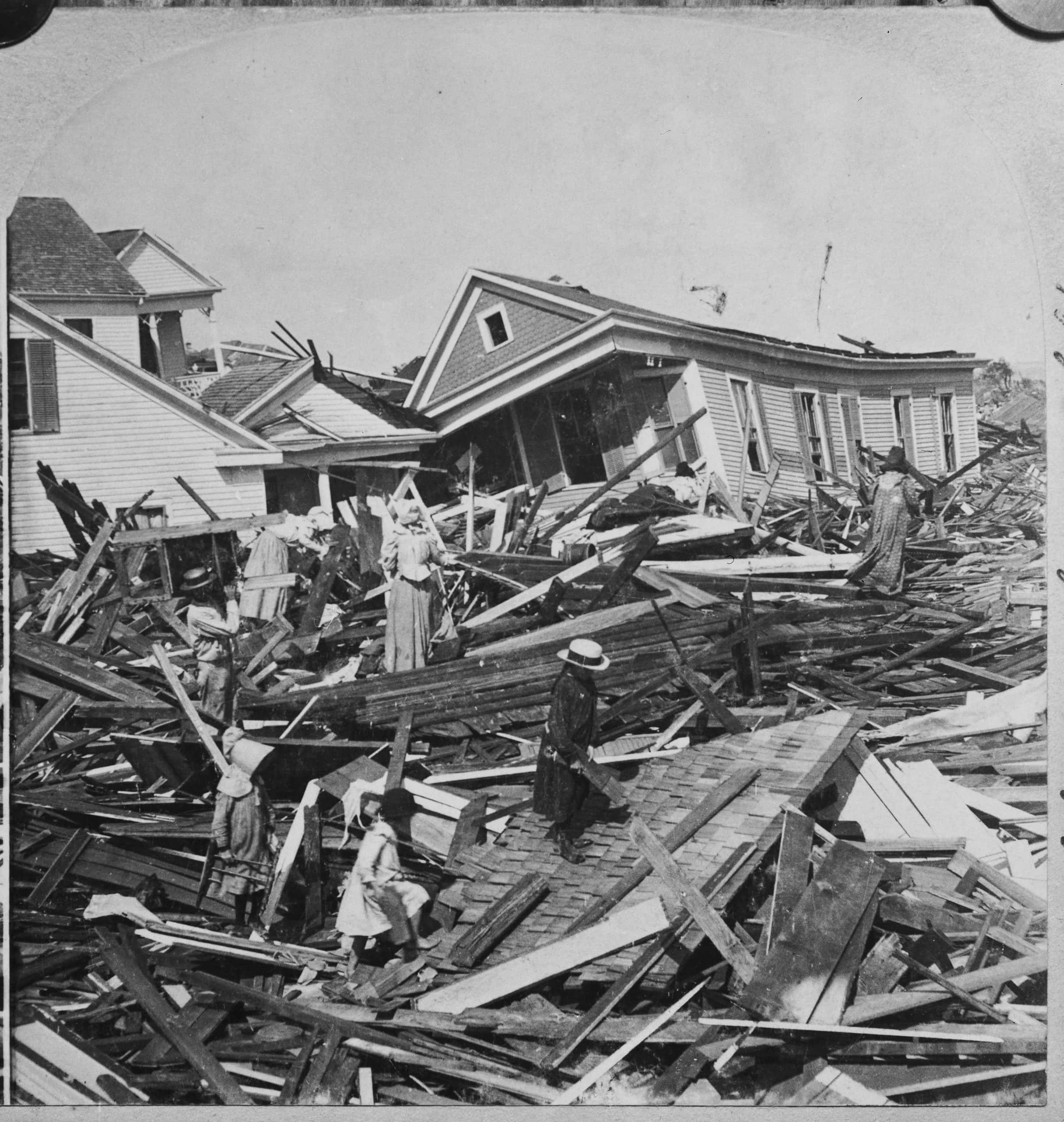
Devastation From the Deadliest Hurricane in the US
Even though it hit Texas over a hundred years ago, the Galveston hurricane of 1900 is still considered the deadliest hurricane to hit the United States. It mostly impacted Galveston, Texas, and killed about 8,000 people.
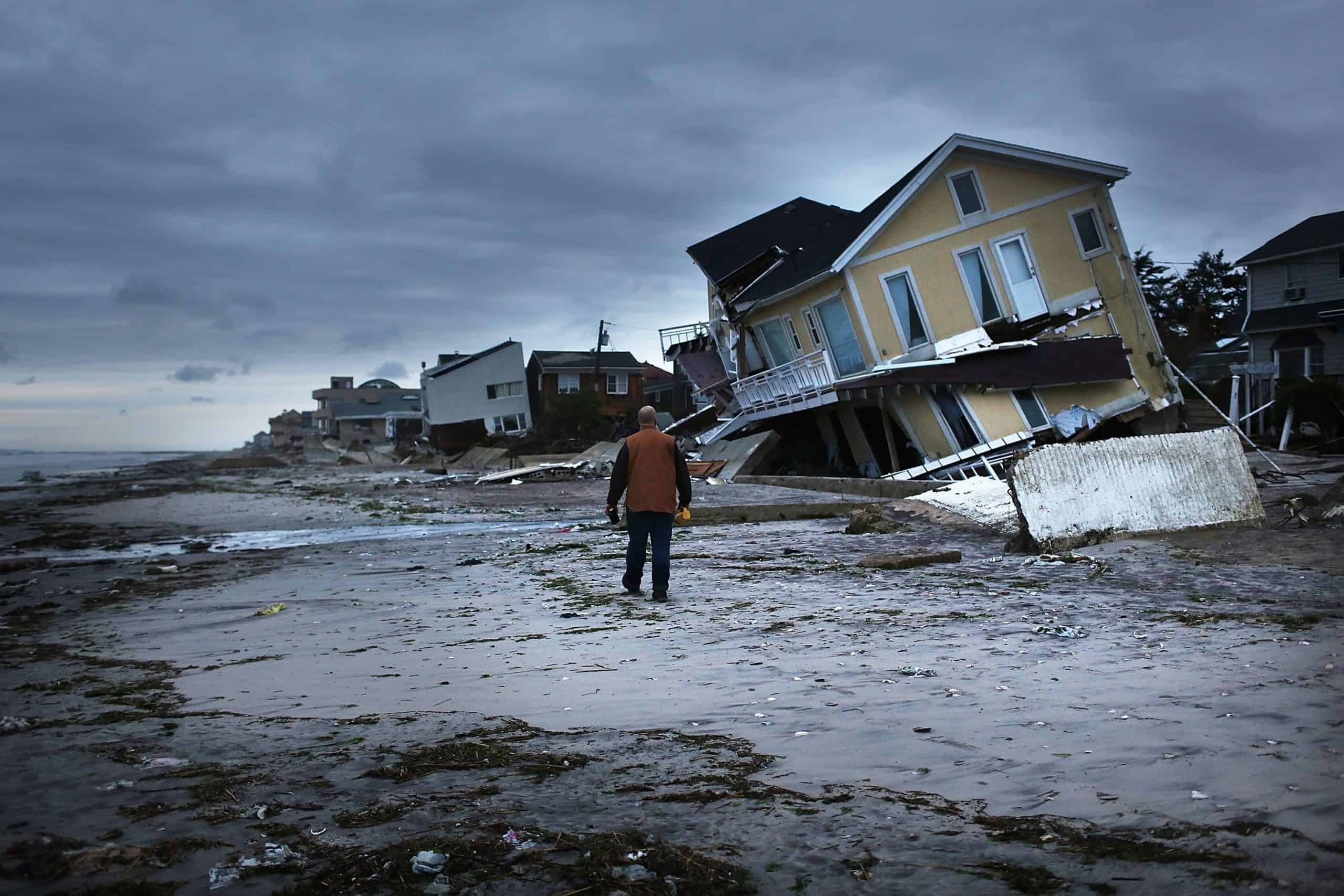
Hurricane Sandy Devastates Parts of New York City
Hurricane Sandy was a Category 3 hurricane that devastated the Caribbean and the Mid-Atlantic coastline in 2012. It largely impacted New York City. Over 40 people in the area were killed by the storm and thousands of New York homes were destroyed.
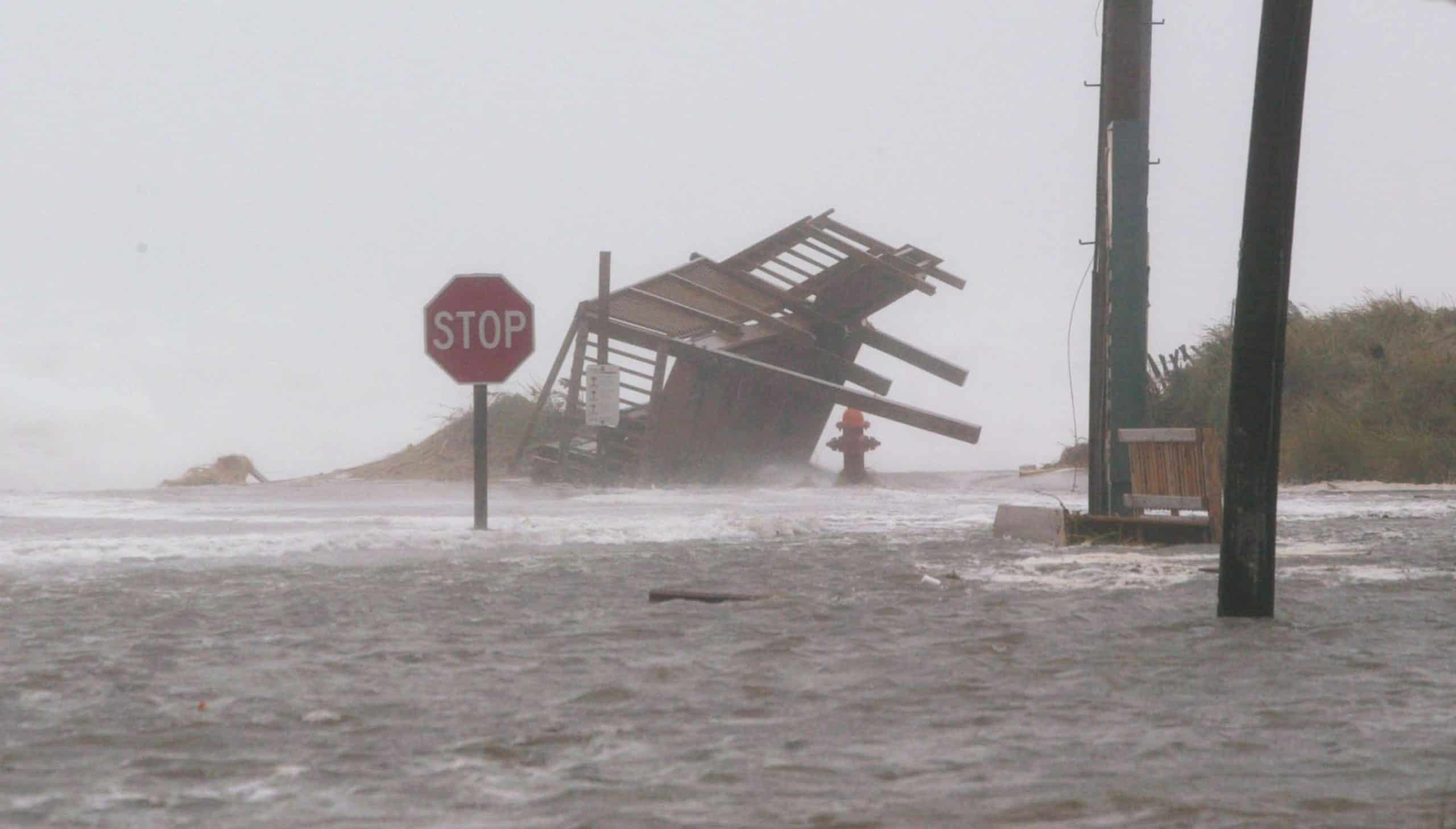
Hurricane Sandy Hitting the Coastline
By Oct. 28, 2012, most public transportation in New York city was shut down due to Hurricane Sandy. Here, a New York resident braves the storm as waves crash onto the road.
The Beginning of Hurricane Sandy in Manhattan
As Hurricane Sandy approached New York, Gov. Andrew Cuomo declared a state of emergency across the state. Before the storm hit, dark clouds covered the sky in Manhattan and the surrounding areas.
The Aftermath of Hurricane Katrina
Hurricane Katrina is among the top five deadliest hurricanes in the U.S. At least 1,000 people were killed by the storm in Louisiana. There were also at least 200 deaths in Mississippi and seven deaths in Florida.
Entire Neighborhoods Destroyed During Katrina
By the time Hurricane Katrina passed New Orleans, about 80% of the city was underwater. It took nearly two years to complete the necessary remodeling after Hurricane Katrina hit.
The Levees in New Orleans Didn't Prevent Flooding
This picture depicts the effects of Katrina once cleanup began after the storm. The failure of levees in New Orleans led to extreme flooding across the entire city. The Category 5 Hurricane was too strong for the structure of the city.
A Different Perspective of Hurricane Katrina
Hurricane Katrina was a massive storm that devastated the city of New Orleans. This photo shows what the storm looked like from above.
The Impact of Hurricane Jeanne on Florida Homes
HUTCHINSON ISLAND, FL - SEPTEMBER 28: Andrew Piccirillo stands in his bathroom hallway which is full of sand after Hurricane Jeanne destroyed his apartment September 28, 2004 in Hutchinson Island, Florida. (Photo by Joe Raedle/Getty Images)
Hurricane Jeanne was a Category 3 hurricane that hit Florida on Sept. 26, 2004. After the storm hit, millions were left without power. Hurricane Jeanne was the second hurricane to hit Florida that month with Hurricane Frances hitting just weeks before.
Florida Homes Destroyed During Hurricane Jeanne
Together, Hurricanes Frances and Jeanne caused over $7.5 billion in damage to the United States. During Hurricane Jeanne alone, thousands of Florida homes were damaged or destroyed.
Waves Crash Against Florida Pier During Hurricane Ivan
Hurricane Ivan was at one time a Category 5 hurricane before it hit Pensacola, Florida, as a Category 3 storm. Pensacola and the surrounding areas were hit hard by Hurricane Ivan, leaving over 400,000 people without power.
Hurricane Frances Passes By Puerto Rico
Hurricane Frances was a Category 4 hurricane that impacted the Bahamas, Florida, Georgia, and the Carolinas in 2004. There was initially a hurricane watch issued for Puerto Rico but the storm passed by, heading for the Bahamas instead.
North Carolina Suffers Severe Flooding During Hurricane Floyd
In 1999, Hurricane Floyd hit the Bahamas and parts of the United States. This storm hit North Carolina as a Category 2 hurricane, causing severe flooding and significant damage to the area. Over 50,000 homes were damaged in North Carolina.
New York Impacted by Hurricane Carol
Hurricane Carol in 1954 was one of the worst storms to hit parts of New England. New York was also impacted by the storm and the strong wind from Hurricane Carol caused extensive damage to New York homes.
Hurricane Donna Floods Streets of New York
Hurricane Donna was a Category 4 hurricane that affected islands in the Caribbean and parts of the United States in 1960. New York was one of the areas affected, with New York City experiencing extreme flooding and hurricane-force winds.
Damage in Miami From Labor Day Hurricane
In 1935, a Category 5 hurricane hit the state of Florida on Labor Day weekend. This powerful storm was considered the strongest hurricane in the Atlantic until 1988 when Hurricane Gilbert hit.
The Great New England Hurricane of 1938
The Great New England Hurricane of 1938 was one of the most devastating storms to hit New England. Here, a couple is pictured sitting outside their home destroyed by the hurricane.
Damage From Great Miami Hurricane
The Great Miami Hurricane hit the state of Florida in 1926. This devastating storm killed nearly 400 people and caused over $164 billion in damages in today's money.
Hurricane Isabel Hits Virginia in 2003
Hurricane Isabel was only a Category 1 hurricane when it hit Virginia but was one of the most damaging storms to hit the state. The storm caused over $1.85 billion in damage to Virginia and damaged thousands of homes.
Hurricane Isabel Causes Millions of Dollars in Damage
Virginia wasn't the only place impacted by Hurricane Isabel. North Carolina was also significantly impacted, with 700,000 residents left without power and over $400 million in damages.
Hurricane Isabel Damages Outer Banks of North Carolina
One of the areas most impacted by Hurricane Isabel was the Outer Banks of North Carolina. The storm washed away parts of Hatteras Island and caused $350 million in damage across the Outer Banks alone.
Eye of Hurricane Isabel From International Space Station
Hurricane Isabel was a Category 5 hurricane for 24 hours, but the storm weakened before it hit land. Even so, thousands of North Carolina residents were asked to evacuate. The eye of the hurricane as seen from the International Space Station is pictured here.
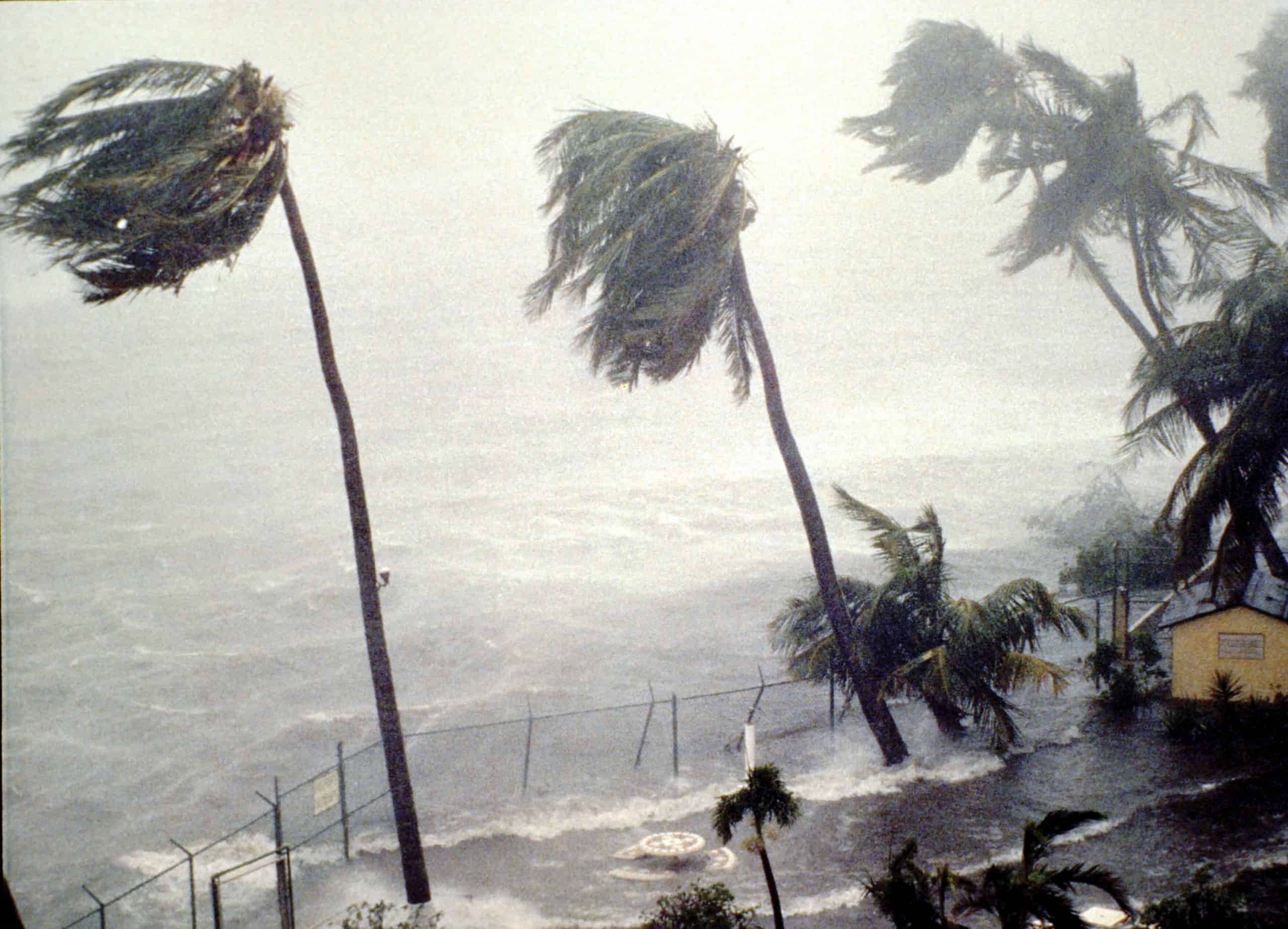
140 Mph Winds From Hurricane Hugo Hit Puerto Rico
In September 1989, Hurricane Hugo hit Puerto Rico as a Category 4 hurricane. With winds up to 140 mph, this storm caused significant damage, leaving thousands of people homeless. (Check out 15 of the most destructive storms in U.S. history.)