When Hollywood casting decisions misrepresent race and ethnicity, controversy inevitably ensues. Often referred to as “whitewashing,” this practice involves casting white actors in roles originally written for people of color. Audiences (or would-be audiences) criticize these choices for limiting opportunities for non-white actors. This raises the question: when there are plenty of Asian actors in Hollywood, why cast a white actor? Fans of already-existing stories, like book-to-movie adaptations, are further disappointed by these decisions simply for going against the original story.
At the heart of the issue is a bigger conversation about representation, authenticity in storytelling, and exclusion of entire ethnic groups from the big screen. As a widespread medium, film has a powerful influence on how cultures and identities are portrayed. While some studios have acknowledged past mistakes and made efforts to change their ways, controversies still arise, and for good reason. As viewers have become more aware and highly vocal over the years, such casting choices come under intense scrutiny. What might have gone largely unchallenged decades prior is now a major point of discussion across the entertainment industry. Here are a handful of times Hollywood ‘whitewashed’ roles.
Scarlett Johansson – Ghost in the Shell

Scarlett Johansson’s casting in 2017’s “Ghost in the Shell” was criticized for whitewashing a character tied to Japanese culture. While the female lead was not expressly described as Japanese, the majority of the story takes place in Japan, so many felt the role should have gone to an Asian actress. The controversy gained substantial negative attention and affected perception leading up to the film’s release. It ultimately became one of the most talked-about examples of casting-related backlash in Hollywood.
Tilda Swinton – Doctor Strange
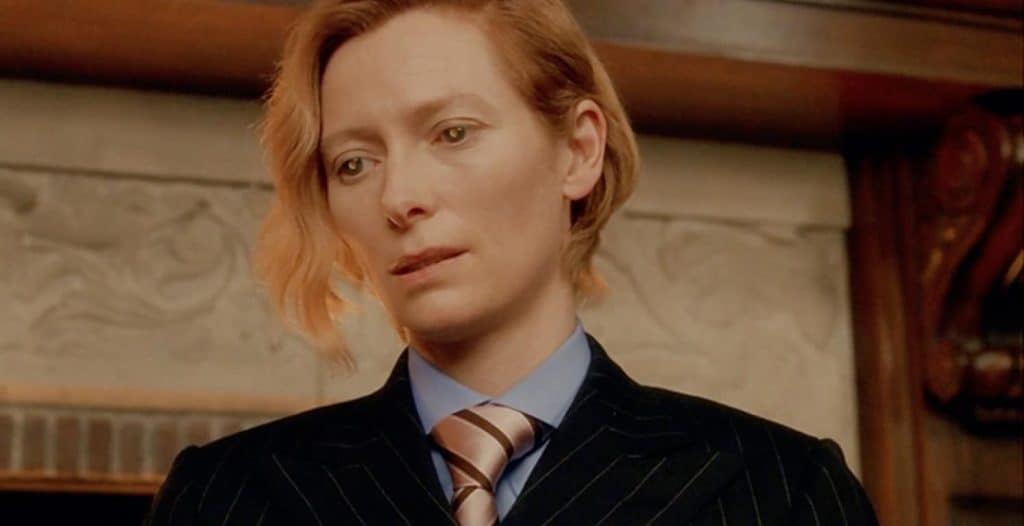
Audiences took issue with Tilda Swinton’s casting as The Ancient One in “Doctor Strange”. In the original Marvel comics, The Ancient One is a Tibetan man born in Kamar-Taj, acting as a wise, elderly mentor. While the choice to cast a woman in a role that was originally male was seen as modern and fresh, the choice to change the character’s ethnicity from the source material was viewed as problematic. Marvel later acknowledged the criticism surrounding the decision.
Emma Stone – Aloha

The film “Aloha” was criticized for its casting of Emma Stone as Allison Ng, a character written as being part Native Hawaiian and part Asian. Many viewers felt the casting choice was unnecessary and ridiculous. The decision became one of the most talked-about casting controversies of the 2010s. The controversy led to public apologies from both the director and the studio.
Noah Ringer and cast – The Last Airbender
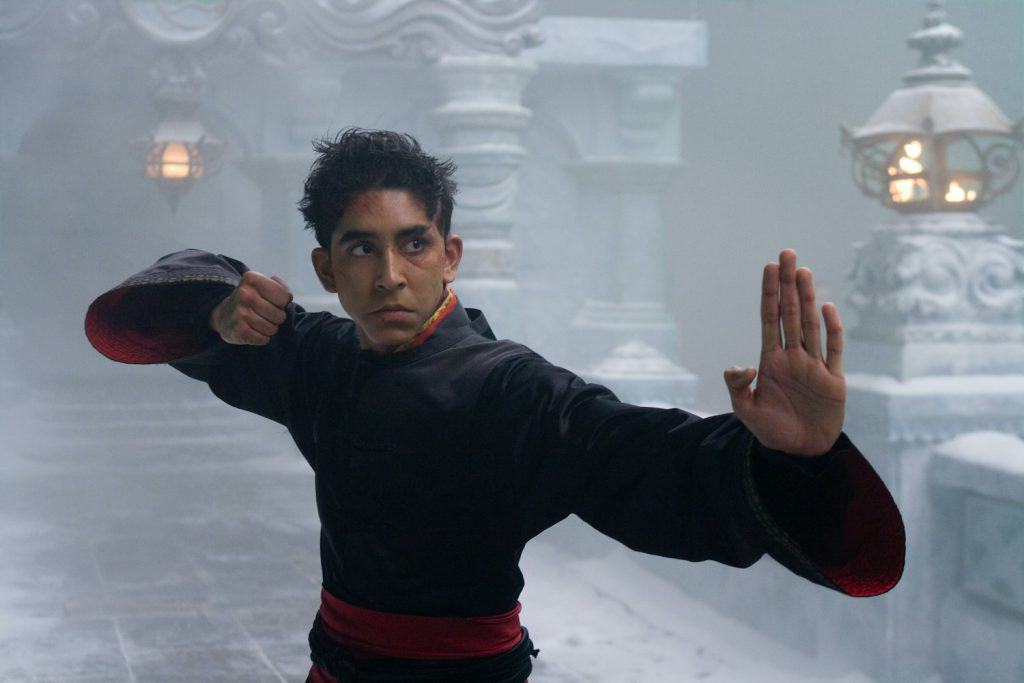
This particular whitewashing example is unique because it went far beyond one actor. While Noah Ringer was seen as an odd choice for a distinctly Asian role, other Asian and Indigenous characters in the film were also portrayed by mostly white actors. Overall, the casting of “The Last Airbender” faced widespread backlash for its lack of representation. It remains one of the most frequently cited examples of problematic race-related casting.
Jake Gyllenhaal – Prince of Persia: The Sands of Time
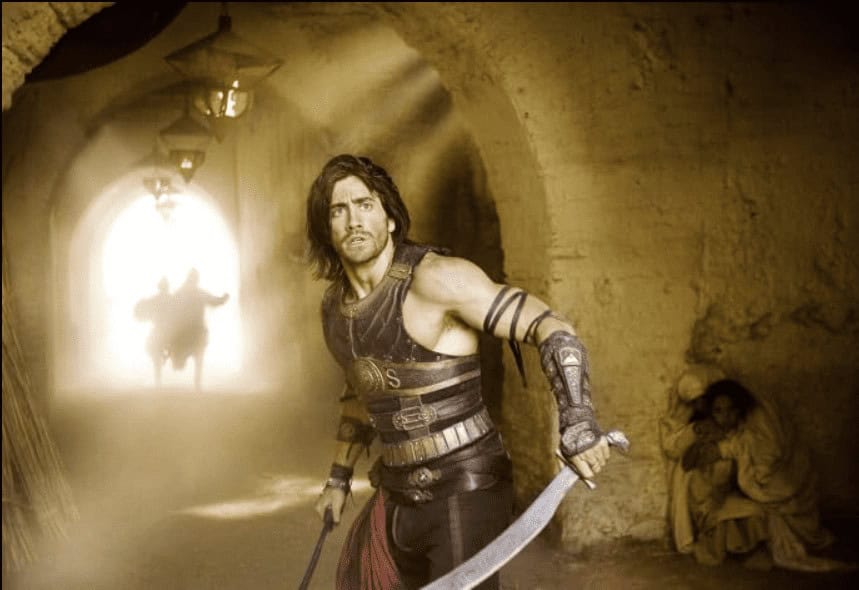
In “Prince of Persia: The Sands of Time”, the main character Dastan was portrayed by Jake Gyllenhaal, despite the fact that the story is set in ancient Persia (modern day Iran). Since the character is culturally tied to that region, viewers wondered why the studio didn’t opt for an Iranian actor. Critics argued that casting a white actor in the lead role misrepresented the setting and ultimately the entire background of the character. The film’s big-budget status only amplified the criticism, as it had the resources to find an authentic cast and the platform to represent people of color.
Christian Bale – Exodus: Gods and Kings
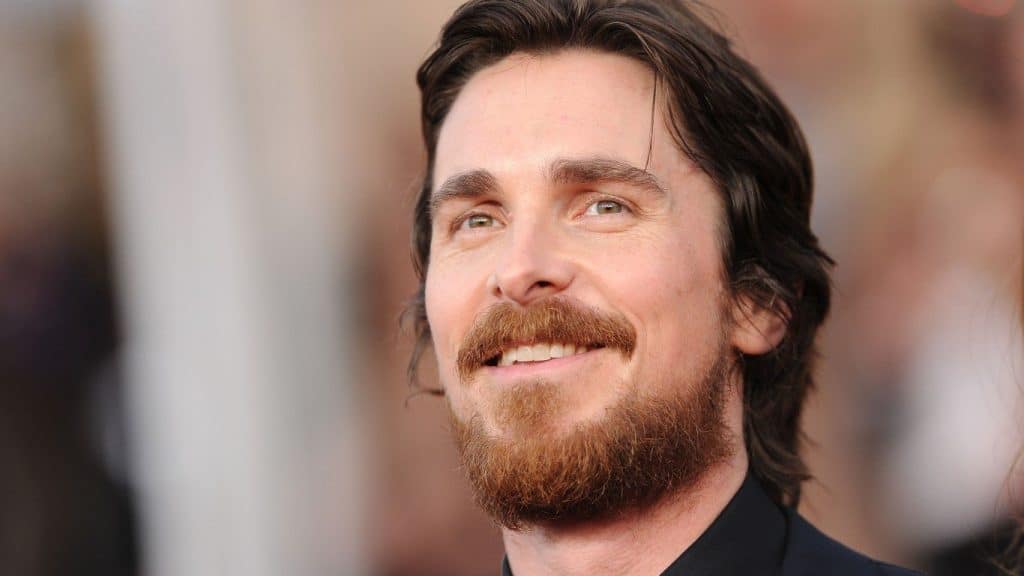
“Exodus: Gods and Kings” is a retelling of the biblical story of Moses. Major roles were meant to be of Egyptian descent, including Moses and Ramses. However, these primary roles were played by Christian Bale and Joel Edgerton. Many argued that these casting choices misrepresented a sacred religious story and overlooked actors from Middle Eastern and North African backgrounds. The contrast between the location and the casting was especially noticeable in large crowd scenes meant to depict ancient Egypt. Director Ridley Scott later defended the casting by saying it came down to financial pressures; this statement only further fueled the debate.
Gods of Egypt – Cast
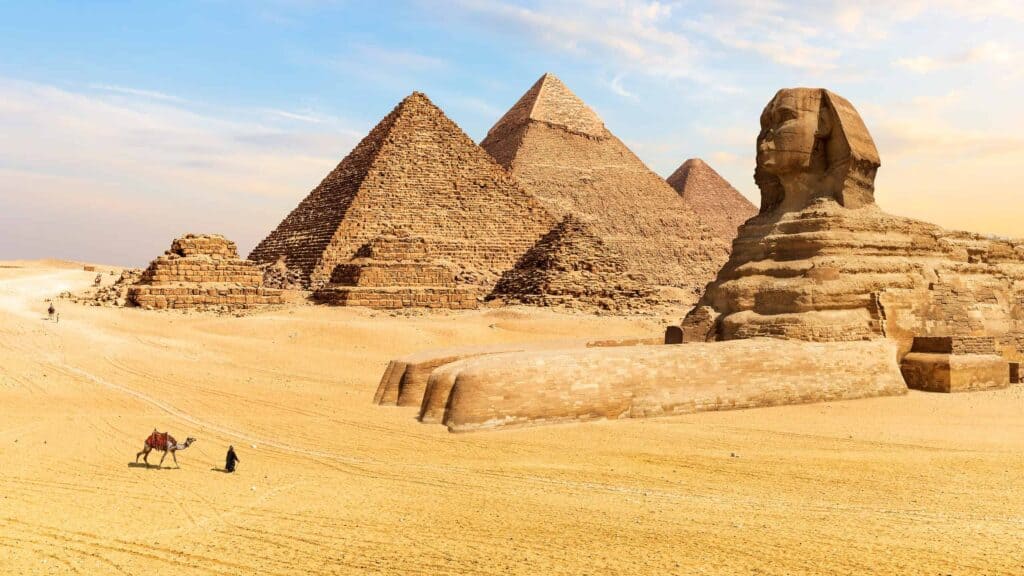
Despite the fact that “Gods of Egypt” centers on Egyptian mythology, the movie features a largely white cast in leading roles, including Gerard Butler and Brenton Thwaites. The film failed to accurately portray Egyptian gods and did not reflect the country’s historical and cultural identity. The backlash was so strong that the studio later acknowledged concerns about the lack of diversity in casting and issued a rare public apology before the film’s release.
Jim Sturgess – 21

The film “21” is based on the true story of a group of students involved in card counting. In real life, the central figure was an Asian American student. In the film, this same character was changed to a white man portrayed by Jim Sturgess. Audiences didn’t understand the choice to blatantly alter the real-life story.