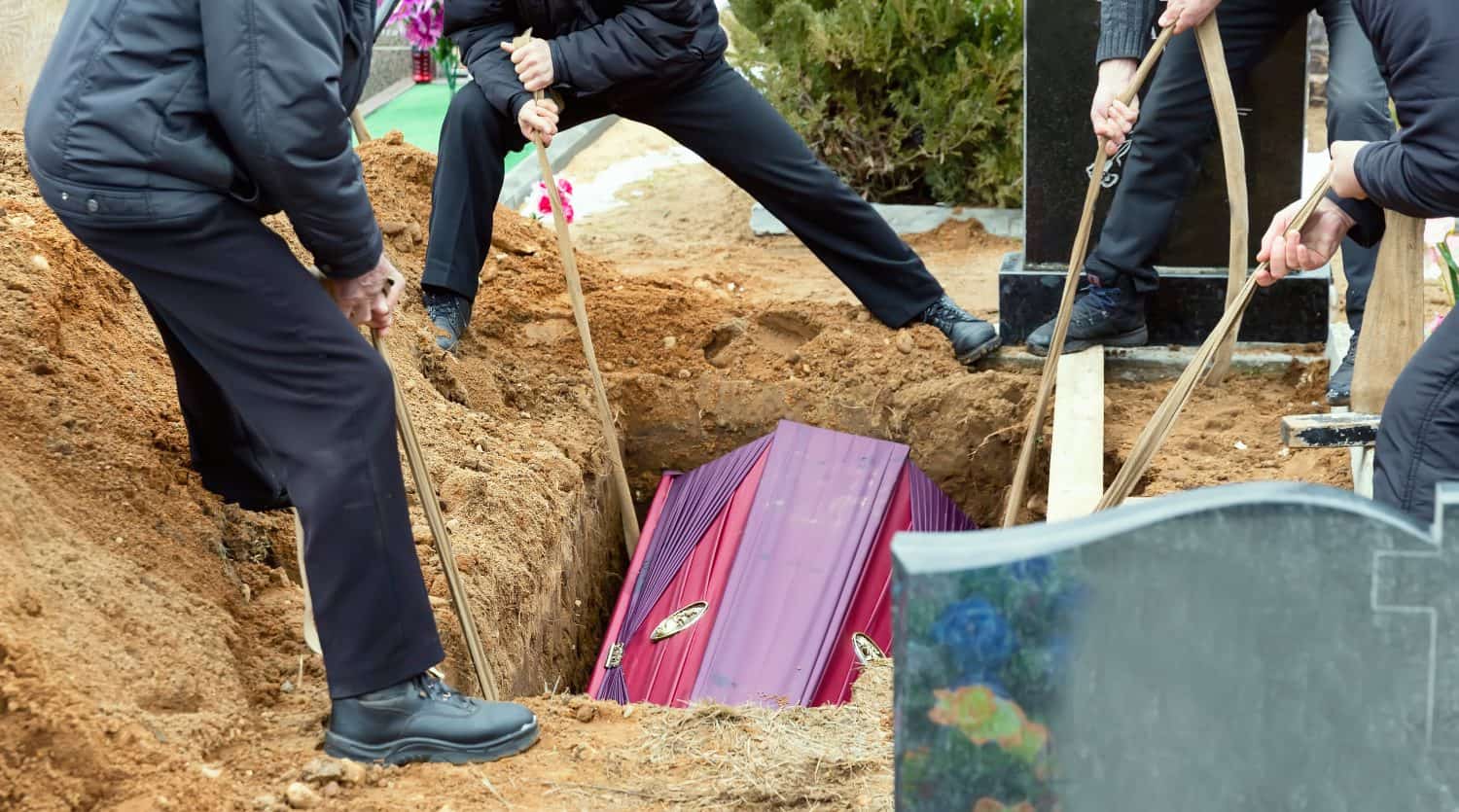
Many of the phrases we use every day have been passed down over the course of centuries. Plenty of sayings survive long after most people forgot how they began. Some of our most used phrases originated from strange places. They were first spoken aboard ships, came from medieval customs, or have roots in military life. These expressions are now so common that we repeat them without thinking. But where in the world did they come from? The stories behind them tend to be quite interesting. Here are eight everyday expressions with surprisingly unusual origins.
1. Bite the Bullet

Today, “bite the bullet” means intentionally dealing with a tough situation or facing a problem with courage. The saying has a bit of a gruesome history. It is believed to have originated before anesthesia was common. During battlefield surgeries, hurt soldiers had little to nothing available to dull the pain while doctors treated injuries. According to the popular explanation, patients were given leather, wood, or anything else available to bite down on to help endure the agony. When more practical items were unavailable, patients would occasionally be given a lead bullet for this purpose. While historians debate how often bullets were actually used in these situations, the phrase has become synonymous with enduring struggles head-on. Today, most people use it without realizing its dark origins.
2. Spill the Beans

To “spill the beans” means to tell a secret. One explanation says the phrase goes back to ancient Greece, where beans were sometimes used during voting. Different colored beans meant different choices. The beans were kept in a container and accidentally knocking it over could reveal the results before officials were ready, maybe even before the voting process had ended. Although historians can’t prove this is the exact origin, it is the most repeated explanation for the familiar saying.
3. Let the Cat Out of the Bag
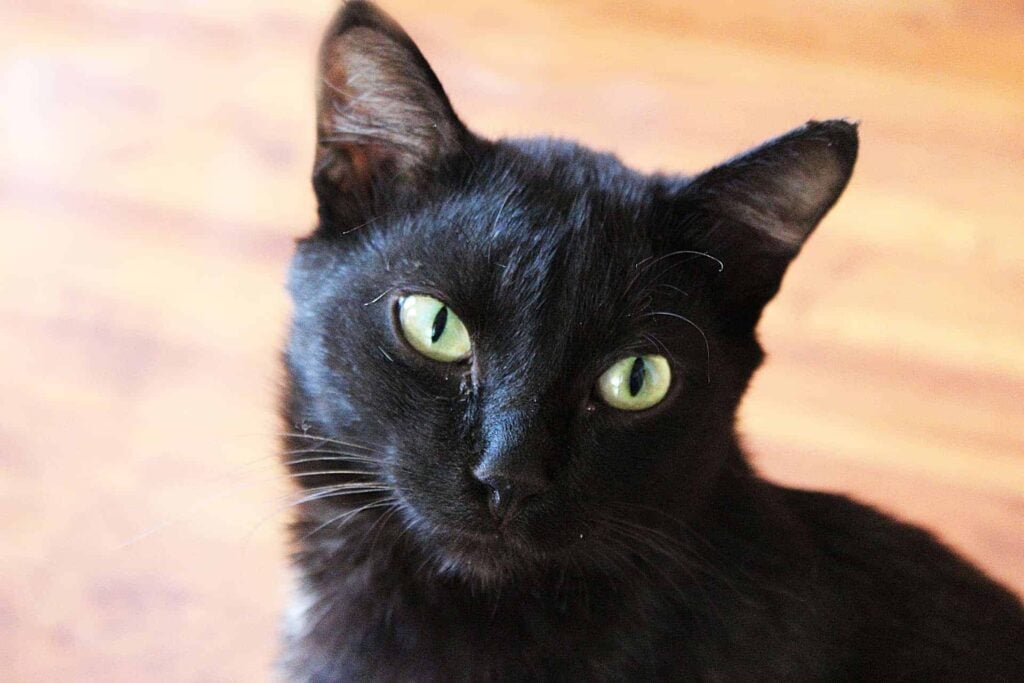
This phrase also means to accidentally divulge a secret. One possible origin comes from medieval marketplaces. In an attempt to deceive customers, merchants sometimes substituted a cat for a much more valuable piglet inside a sack. If the buyer opened the bag before walking away, the deception was exposed, and in the process, the buyer would literally “let the cat out of the bag.” Regardless of whether this legend is entirely true or not, the story fits the modern meaning.
4. Break the Ice

Today, “break the ice” refers to making people feel more comfortable in a social setting. Before it became a conversational expression, the phrase had a literal meaning. Ships navigating frozen areas used special vessels to break thick ice so boats could pass through the waterway. This literal clearing of a path eventually became a metaphor for reducing social tension between strangers.
5. Turn a Blind Eye
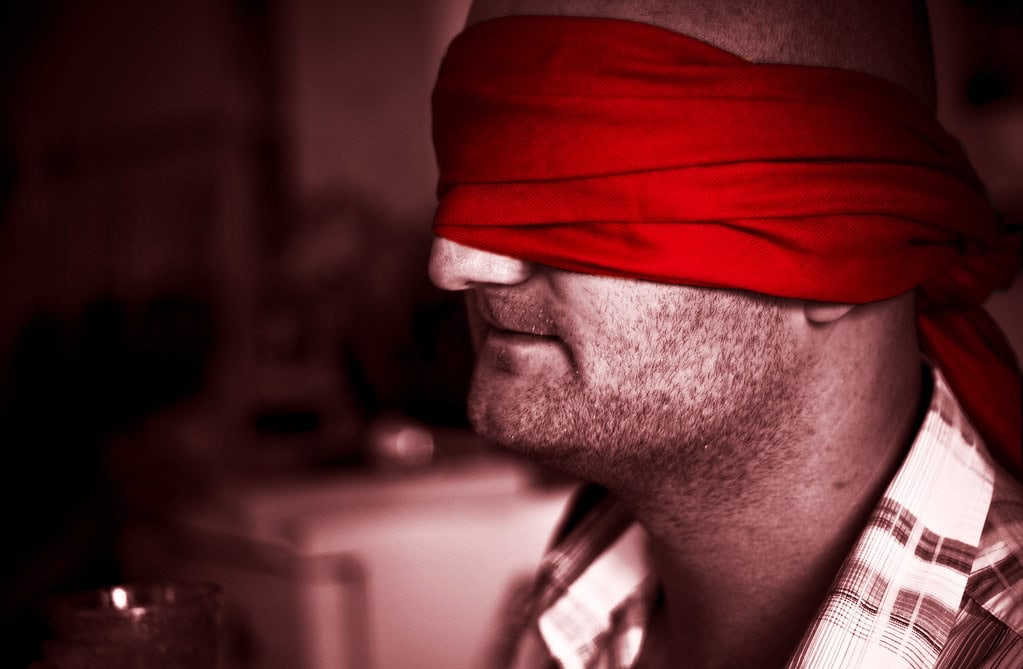
This expression describes deliberately ignoring something. It is linked to one specific British naval officer named Horatio Nelson. During a battle, Nelson was given an order to withdraw, but he was said to have raised his telescope to his blind eye so he could claim he couldn’t see the signal and was free to keep fighting. The story sounds like a joke or otherwise a bit embellished. Regardless, it is a popular idiom.
6. Saved by the Bell
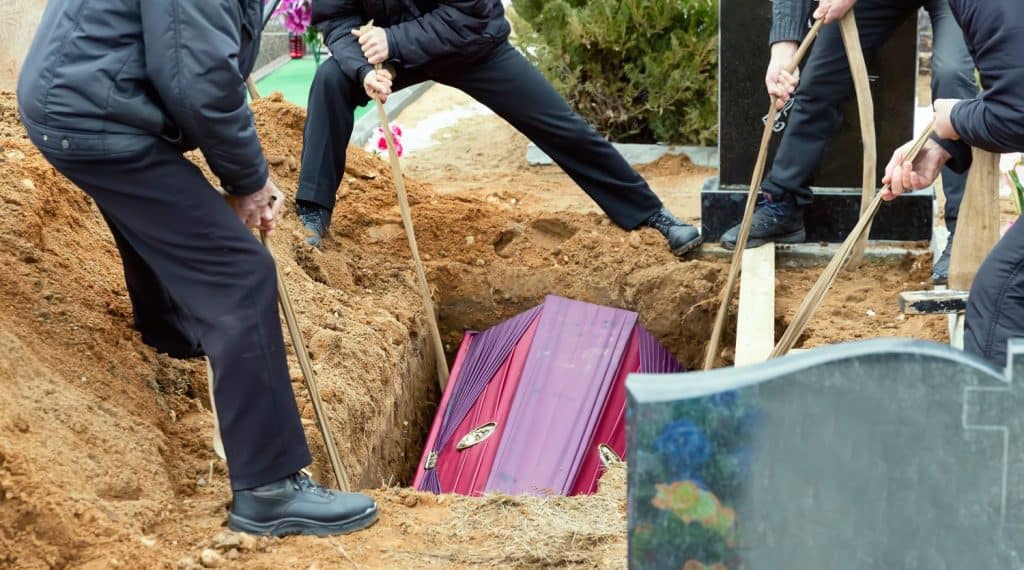
Many people think this phrase has macabre origins. Before modern medicine, it wasn’t always easy to know when a person was dead or simply unconscious. Some people being buried may just be in a coma. For this reason, bells were attached to coffins so those who were unintentionally buried alive could later ring for help. However, historians consider the story a myth. The expression actually comes from the sport of boxing. When a fighter was in trouble, the ringing bell would end the round, saving them from being knocked out. Today, the saying refers to escaping a difficult situation just in the nick of time.
7. Kick the Bucket

“Kick the bucket” has become a goofy way to refer to dying. People even make “bucket lists” that detail things they want to do before they die. But its origin is uncertain. One theory is rather gruesome, suggesting it comes from a wooden beam (“bucket”) used to hang animals for slaughter. Another similar theory says the phrase is based on old methods of execution in which a person being hanged would stand on a bucket before kicking it away. Whatever its real beginnings, the phrase has survived for centuries.
8. Close But No Cigar

This saying means someone came very close to succeeding but then fell short. It dates back to carnivals and fairs in the late 1800s and early 1900s. Back then, cigars were given as prizes for winning games. Failing to win meant going home without an award, a.k.a., cigarless. The expression is still a popular way to describe an almost-successful attempt.