Andrew Clemente

PeopleImages.com - Yuri A / Shutterstock.com
Joel Carillet / iStock via Getty Images

giftlegacy / Getty Images

Five Buck Photos / Shutterstock.com

manley099 / E+ via Getty Images

Cast Of Thousands / Shutterstock.com

PeopleImages.com - Yuri A / Shutterstock.com

Nick Fox/Shutterstock.com

2019 Getty Images / Getty Images Sport via Getty Images

Sunny studio / Shutterstock.com

guruXOX / Shutterstock.com

ElenaR/ Shutterstock

Eloi_Omella / iStock via Getty Images

oneinchpunch / Shutterstock.com

Uswatun des / Shutterstock.com

metamorworks / Shutterstock.com

Andrii Yalanskyi / Shutterstock.com

New Africa / Shutterstock.com

Graficam Ahmed Saeed / Shutterstock.com

AxOst / Shutterstock.com

Copper Rae Photos / Shutterstock.com

UladzimirZuyeu / Shutterstock.com
Annabell Gsoedl / Shutterstock.com

Bits And Splits / Shutterstock.com

Litvalifa / Shutterstock.com

Andrea Izzotti / Shutterstock.com





26 American Phrases With Surprisingly Weird Origins
American English is packed with phrases that make perfect sense until you stop and actually think about them. Why is your signature a John Hancock? Why are coworkers getting thrown under buses? And how exactly does a dime buy an entire dozen of anything these days?
Some of these expressions really did grow out of American politics, baseball, advertising, and pop culture. Others are much older phrases that simply became part of everyday American speech. Either way, their backstories usually make the words sound a whole lot less bizarre.
Here are 26 phrases Americans use all the time, what they actually mean, and where they came from when the history is known.
"John Hancock"
If someone asks for your "John Hancock," they aren't looking for an 18th-century statesman. They want your signature. John Hancock was president of the Continental Congress and the first person to sign the engrossed Declaration of Independence on Aug. 2, 1776. His signature is enormous and easily the most recognizable name on the document. There's a famous story that Hancock deliberately wrote it that large so King George III could read it without glasses, but the National Archives calls that story a myth. Whatever his reason, the signature became so famous that Hancock's name eventually became American shorthand for signing your own.
"This Side of the Mississippi"
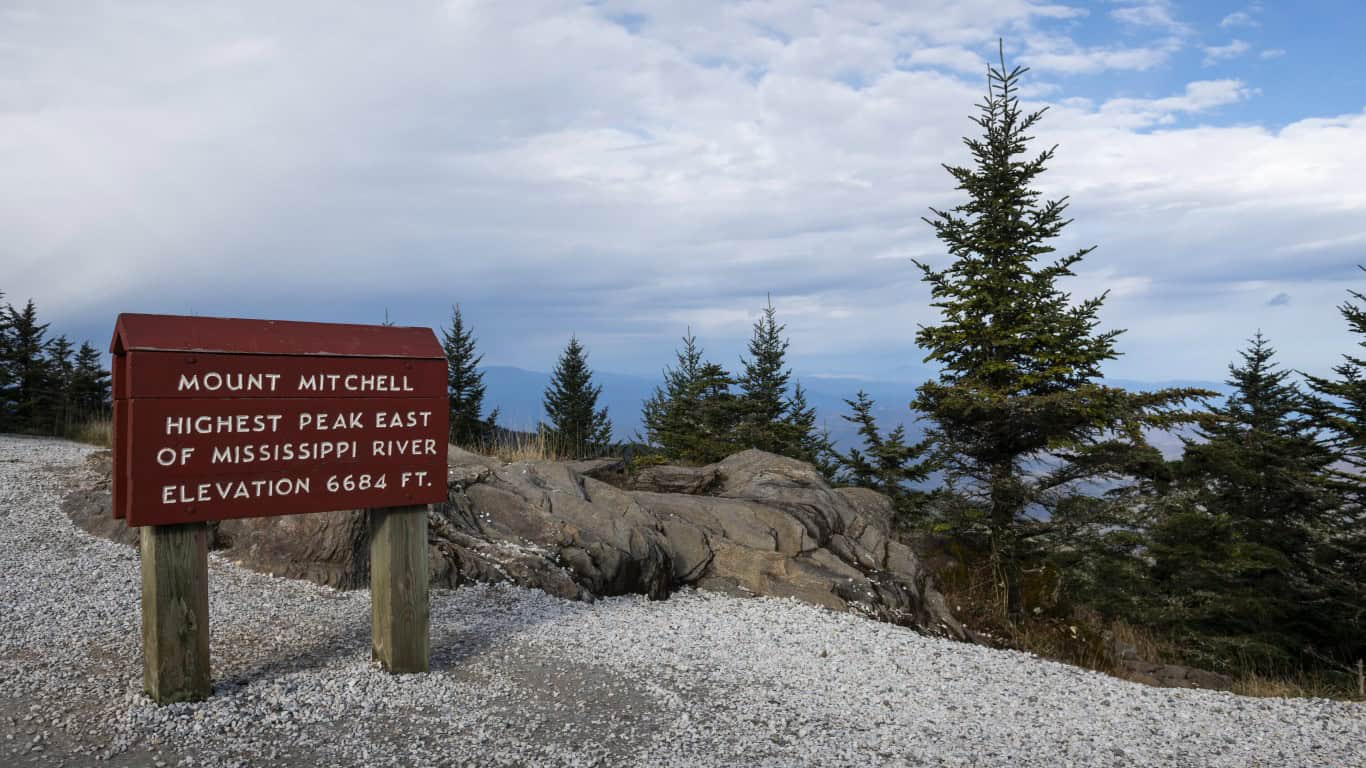
This isn't really one fixed idiom so much as a classic bit of American geographic bragging. The Mississippi River has long served as a convenient cultural and geographic dividing line, which is why you'll hear claims like "the biggest stadium west of the Mississippi" or "the best barbecue this side of the Mississippi." The exact side obviously depends on who's talking. Usually, the speaker isn't trying to redraw a map. They're emphasizing that something is unusually big, good, old, strange, or impressive within a huge chunk of the country. Basically, it's a superlative with a river attached.
"Plead the Fifth"
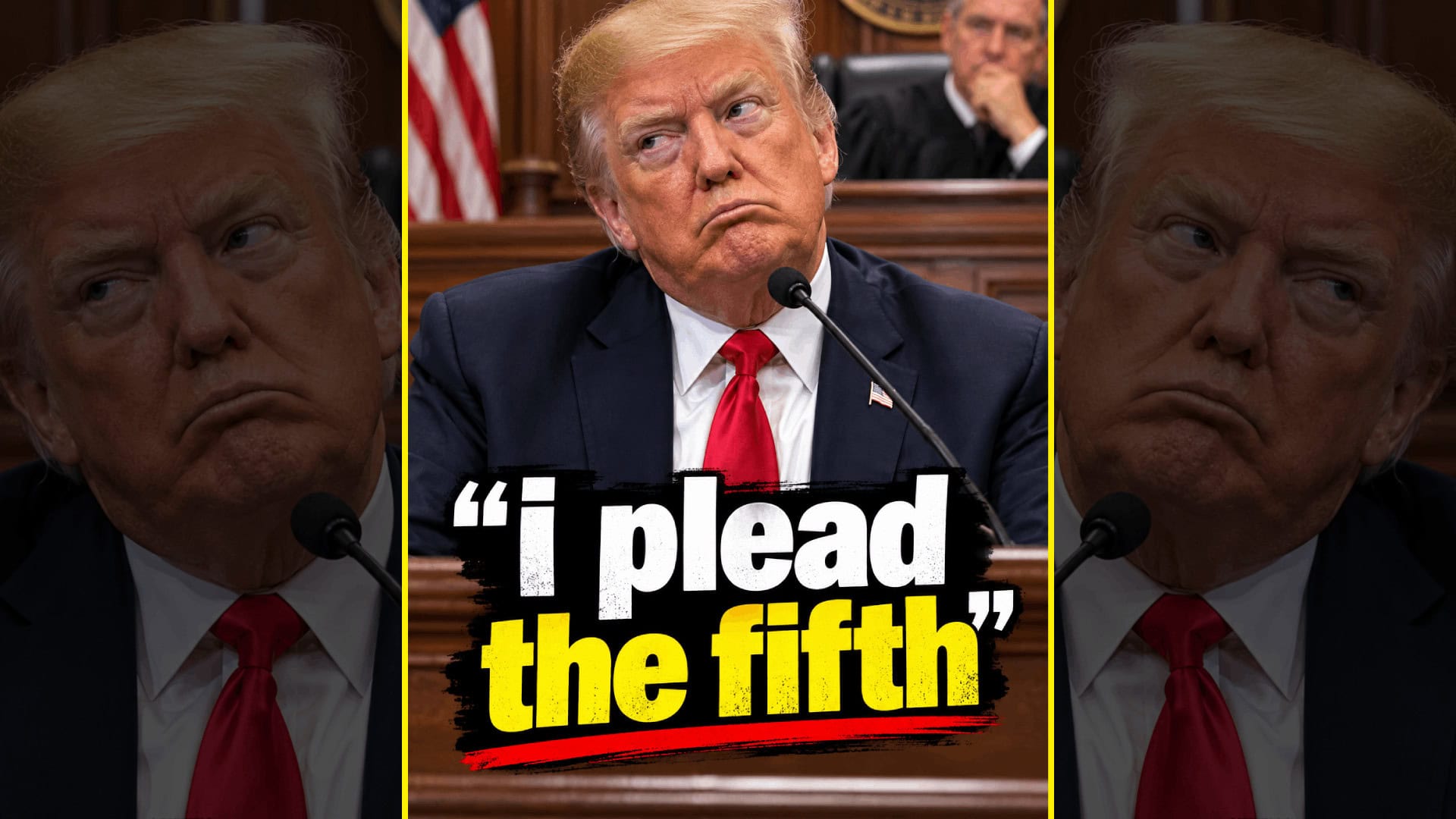
This one comes directly from the Fifth Amendment to the U.S. Constitution. Among several other protections, it says that a person cannot be compelled in a criminal case to be a witness against themselves. That's the constitutional basis behind invoking the privilege against self-incrimination. Outside a courtroom, Americans use "I plead the Fifth" much more casually. Ask your friend who ate the last slice of pizza and they might plead the Fifth rather than confess. Legally, the phrase has a very specific meaning. Around the dinner table, it usually means, "I know answering this question is probably not going to help me."
"F*ck Around and Find Out"
Usually shortened to FAFO online, this phrase means that reckless or provocative behavior eventually produces consequences. The exact origin is difficult to pin down, and it became much more visible through internet culture in the late 2010s and early 2020s. The tone matters a lot. Among friends, it can be a joking way of saying someone learned a lesson the hard way. Delivered during an argument, it can sound considerably more threatening. Either way, the basic idea is simple: keep pushing your luck and eventually reality may provide the explanation for why that was a bad idea.
"The Buck Stops Here"
Harry S. Truman made this line famous with a sign on his presidential desk reading "The Buck Stops Here." The phrase grew out of the older expression "pass the buck," meaning to shift responsibility to somebody else. That expression is generally connected to poker, where a marker called a buck could indicate whose turn it was to deal. Truman's version flipped the idea around. If the buck stops with you, responsibility goes no farther. You're the one who owns the decision, the mistake, or the result. It's accountability in five words, which is probably why the phrase survived long after Truman left the White House.
"Go Big or Go Home"
The history of "go big or go home" is surprisingly fuzzy for such a modern-sounding phrase. Sports, extreme-sports culture, advertising, and even motorcycle marketing have all been suggested as possible sources, but none has been conclusively established. Printed examples become easier to find around the late 20th century. The meaning is considerably clearer: fully commit or don't bother. Someone saying it is arguing against half measures, whether they're talking about a business idea, a vacation, a competition, or an absolutely unreasonable plate of nachos. It isn't always good life advice, but nobody can accuse it of lacking enthusiasm.
"Rain Check"
Unlike plenty of idioms, this one really does involve rain. In the 19th century, baseball clubs began giving spectators replacement tickets or vouchers when bad weather forced a game to be canceled. Those became known as rain checks. Eventually, the phrase escaped the ballpark. If someone asks to take a rain check on dinner, they're saying they can't make it now but would like another opportunity later. Whether that rescheduled dinner ever actually happens is a separate issue. The phrase can be a sincere request to postpone plans or, occasionally, one of the friendlier ways to say, "Not tonight, and let's see where life takes us."
"Don't Mess With Texas"
This sounds like somebody is about to start a bar fight, but the original message was about trash. The Texas Department of Transportation created "Don't Mess with Texas" in 1985 as an anti-litter slogan and launched the campaign publicly in 1986, including a memorable ad featuring Stevie Ray Vaughan. The line became so deeply associated with Texas pride that plenty of people now use it as a broader declaration of toughness or state identity. TxDOT, however, is still very clear about the official meaning: don't litter. So yes, the famously intimidating Texas slogan was basically telling people to stop throwing garbage out of their cars.
"That's All, Folks!"
Most people hear this line in Porky Pig's famous stutter, but Porky wasn't actually the first Looney Tunes character to use it. "That's all, folks!" appeared with Bosko in the very first Looney Tunes short, Sinkin' in the Bathtub, in 1930. Other characters used versions of the sign-off before Porky Pig made it iconic later in the decade. Today, you don't need a cartoon drum or concentric rings to use it. "That's all, folks!" has become a playful way to end virtually anything, from a presentation to a story to a conversation that has officially run out of road.
"Think Outside the Box"
If you've spent enough time in meetings, somebody has eventually told everyone to "think outside the box." The expression is closely associated with the classic nine-dot puzzle, which challenges people to connect nine dots using a limited number of straight lines. The trick requires extending the lines beyond the imaginary square people tend to create around the dots. Versions of the idea circulated in management and creativity circles during the 1960s and 1970s, although pinning the phrase on one inventor is difficult. Today, it simply means stop accepting assumptions as rules. Look at the problem differently and consider solutions that aren't immediately obvious.
"Playing Hardball"
Hardball was originally literal, referring to baseball and distinguishing it from games played with a softer ball. By the 1970s, "playing hardball" had developed its familiar figurative meaning: taking a tough, uncompromising approach. You'll hear it most often in politics, business negotiations, contract disputes, and anywhere else polite discussion has started developing sharp elbows. Playing hardball doesn't necessarily mean someone is acting dishonestly or ruthlessly. It usually means they've stopped being flexible and are prepared to use whatever legitimate leverage they have. In other words, the friendly warm-up is over and somebody has decided this meeting now has a scoreboard.
"Cost an Arm and a Leg"
If something "costs an arm and a leg," it's painfully expensive. What it probably isn't is a reference to soldiers losing limbs in the World Wars. That's a popular explanation, but there isn't solid evidence tying the phrase to wartime amputations. Another story involving portrait painters charging more to include people's arms and legs is also considered folklore. The expression appears to be American and shows up in its modern form around the late 1940s. The simplest explanation may also be the best: losing an arm and a leg would be an absurdly high price to pay for almost anything, which makes the phrase pretty effective hyperbole.
"The Big Apple"
New York City's most famous nickname grew out of horse racing, not fruit. Sportswriter John J. Fitz Gerald helped popularize "The Big Apple" in his New York Morning Telegraph racing columns during the 1920s. Fitz Gerald said he had heard Black stable hands in New Orleans use the term when talking about New York's major racetracks, essentially describing them as the big time. The nickname later spread through jazz culture before falling out of fashion. New York tourism officials revived it in the 1970s, and this time it stuck. These days, saying you're headed to the Big Apple means one city and one city only.
"It's All Downhill From Here"
This is one of those wonderful phrases that can mean almost opposite things. If you've just reached the top of a difficult climb, saying "it's all downhill from here" can mean the hard part is over and everything should get easier. Unfortunately, saying that a business, relationship, athlete, or pretty much anything else "went downhill" means it got worse. That gives the longer expression plenty of room for sarcasm. Context does all the work. If your friend says it after finishing the hardest part of a project, good news. If they say it while staring at a birthday cake with an alarming number of candles, maybe don't ask.
"Thrown Under the Bus"
Despite the visual, this phrase usually has nothing to do with an actual bus. To throw someone under the bus means sacrificing, blaming, or abandoning that person to protect yourself or improve your own position. The expression appears to have developed relatively recently, with documented examples in British political writing by the early 1980s before becoming extremely common in American politics and office culture. Picture a manager blaming one employee for a team-wide mistake to save their own job. Nobody gets run over, thankfully, but the betrayal part is very real. It's basically backstabbing with public transportation added for dramatic effect.
"Cruisin' for a Bruisin'"
"Cruisin' for a bruisin'" means someone is behaving in a way that's likely to bring trouble down on their own head. The phrase is older than the 1950s associations it sometimes gets. Researchers have found printed examples from the mid-1940s, including a 1944 military newspaper. It doesn't always promise a literal bruising, either. A kid repeatedly ignoring a parent's warning, an employee picking a fight with the boss, or somebody antagonizing the wrong stranger could all be described this way. It can sound playful or threatening depending on who's saying it, but the underlying message is always pretty clear: you may want to reconsider your current strategy.
"Come Hell or High Water"
If you're going to finish something "come hell or high water," you've already decided that obstacles aren't changing the plan. The phrase is American and was appearing in print by the late 19th and early 20th centuries, but claims that it specifically came from pioneers, cattle drives, or some single frontier tradition are difficult to prove. It may simply combine two things nobody particularly wants to encounter: hell and a flood. Either way, the meaning has stayed remarkably stable. Whether the problem is weather, money, delays, or plain bad luck, you're getting to the finish line. Preferably without encountering either half of the phrase literally.
"Hit the Nail on the Head"
When someone "hits the nail on the head," they've gotten something exactly right. The imagery is obvious enough: if you're hammering a nail, the head is precisely where you want the hammer to land. The expression itself is much older than the United States. Versions appear in English writing as far back as the 15th century, with an unmistakably familiar use recorded in the 1500s. Today, nobody needs woodworking experience to understand it. Perfectly diagnose a problem, make the exact point everyone else was circling around, or give the right answer, and you've hit the nail on the head. Hopefully only figuratively, because thumbs are expensive too.
"Lights Are On but Nobody's Home"
The corrected phrase is "the lights are on, but nobody's home," and it has nothing to do with forgetting to turn off the living-room lamp. It describes someone who appears physically present but mentally checked out, confused, distracted, or, in its harsher form, simply not very bright. The metaphor treats a person's face like a house. Everything looks operational from the street, but apparently nobody is answering the door. The exact origin is difficult to establish, so grand stories about where it supposedly began should be treated cautiously. What isn't ambiguous is the tone. Among friends it can be teasing. About a stranger, it's usually an insult.
"A Dime a Dozen"
Long before a dime struggled to buy much of anything, American advertisements really did offer inexpensive goods by the dozen for 10 cents. By the early 20th century, "a dime a dozen" had developed its modern figurative meaning: something common, plentiful, or so easy to find that it isn't especially remarkable. You might say generic souvenirs are a dime a dozen in a tourist district or that bad reality shows are a dime a dozen. The phrase can also describe ideas, talents, or products. Applying it directly to a person's value is considerably harsher, though, and usually says more about the speaker than the going market rate for humans.
"This Is Not My First Rodeo"
This sounds like something cowboys must have been saying since the Old West. Apparently not. One of the earliest widely documented appearances is in the 1981 movie Mommie Dearest, when Faye Dunaway's Joan Crawford says, "This ain't my first time at the rodeo." Country singer Vern Gosdin later helped popularize a similar version with his 1990 song "This Ain't My First Rodeo." Today, the phrase means exactly what the imagery suggests: I've done this before, I know how this works, and you don't need to explain the basics to me. It sounds ancient. In idiom years, it's practically a millennial.
"Don't Cry Over Spilled Milk"
This expression is common in the United States, but America can't claim it. An English collection of proverbs from 1659 included the line "no weeping for shed milk," and Jonathan Swift used wording much closer to the modern phrase in 1738. The lesson hasn't changed much in centuries. Once something has happened and can't be undone, endlessly mourning it accomplishes about as much as staring sadly at milk on the floor and hoping it climbs back into the glass. Clean up the mess, learn what you can, and move forward. Depending on the size of the mistake, admittedly, that's sometimes much easier advice to give than to follow.
"Rode Hard and Put Away Wet"
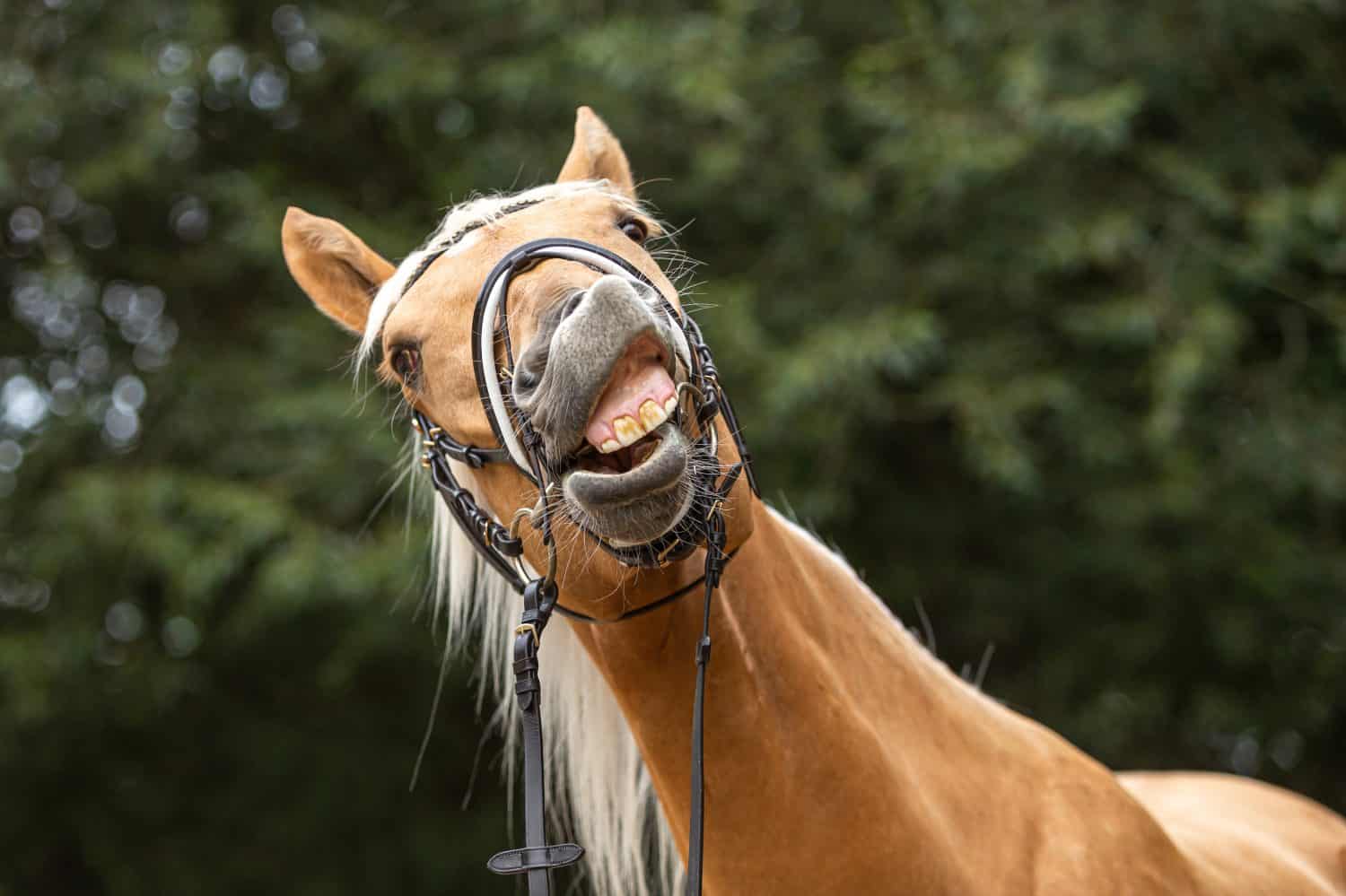
This phrase really does come from horse care. After strenuous exercise, a sweaty horse traditionally needs time to cool down and proper care before being returned to its stall. Riding a horse hard and simply putting it away wet suggests neglect. Applied to people, the expression means someone looks exhausted, worn down, or like life has been particularly enthusiastic about beating them up lately. The exact age of the figurative expression is difficult to pin down, although it became widely familiar in the 20th century. It's colorful, unmistakable, and probably not something to say when somebody has just asked, "Do I look okay?"
"Let's Table That"
In everyday American office-speak, "let's table that" usually means stop discussing it for now and come back to it later. Formal parliamentary procedure is more specific. Under Robert's Rules, laying something on the table temporarily sets it aside so the group can handle more urgent business; simply wanting to discuss it at a later date calls for a different motion. Then things get even more confusing across the Atlantic. In British parliamentary usage, to table something generally means to formally introduce it for consideration. So an American and a Brit can both agree to "table" an issue and walk away expecting almost opposite things to happen.
"Bless Your Heart"
Few Southern expressions depend more heavily on tone than "bless your heart." It can be completely sincere, expressing affection, sympathy, or concern. Someone describing a sick relative might hear it with nothing but kindness intended. It can also carry pity, exasperation, gentle condescension, or a remarkably well-mannered insult. That's why the internet's claim that "bless your heart" secretly always means something nasty isn't really accurate. Sometimes a blessing is genuinely a blessing. Other times, the speaker has somehow managed to criticize your life choices while sounding like they're about to offer you sweet tea. Context is doing most of the work.
"Jump on the Bandwagon"
Bandwagons were once exactly what the name suggests: wagons carrying musical bands, especially in 19th-century circus parades. Politicians quickly realized that a loud band, a moving platform, and a crowd weren't terrible campaign tools either. By the late 1800s, getting "aboard the bandwagon" had become a political metaphor for joining a movement that looked increasingly popular or successful. That's still the idea today. If everybody suddenly starts buying the same shoes, supporting the same team, or repeating the same opinion, newcomers may be accused of jumping on the bandwagon. Sometimes you're joining a good thing. Sometimes you just noticed everyone else already got on.