Castles are endlessly fascinating. These medieval fortresses and royal residences are full of history. They’ve stood through battles, dynasties, and centuries of change. While castles can be found all over the world, some countries are known for their high number of castles. They might be perched on mountain tops or surrounded by forests, but they always seem reminiscent of a fairytale. Here are 8 countries with the most castles in the world.
1. Germany — Around 25,000 Castles
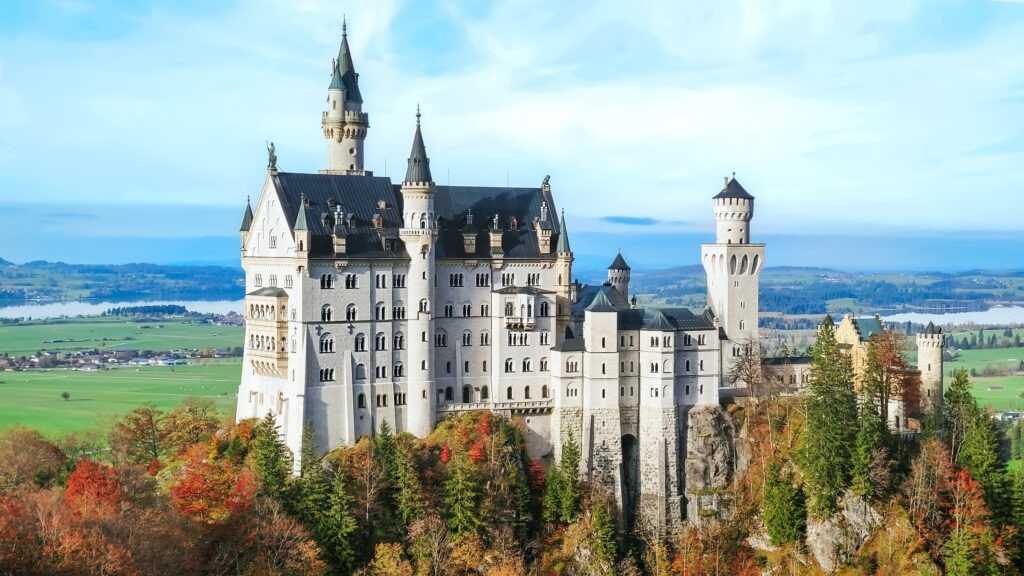
Germany is considered the ultimate castle country, having more castles than any other country in the world. We’re talking thousands, many of which are scattered throughout the countryside. You’ll find stone fortresses, romantic palaces, and barely existing ruins, all from different historic time periods. One notable example is Neuschwanstein Castle, the inspiration for Disney’s Sleeping Beauty Castle. Visitors also love the Heidelberg Castle, which towers over the city below. All in all, if you want a massive variety of castles to choose from, Germany is the go-to country.
2. France — Around 10,000 Castles
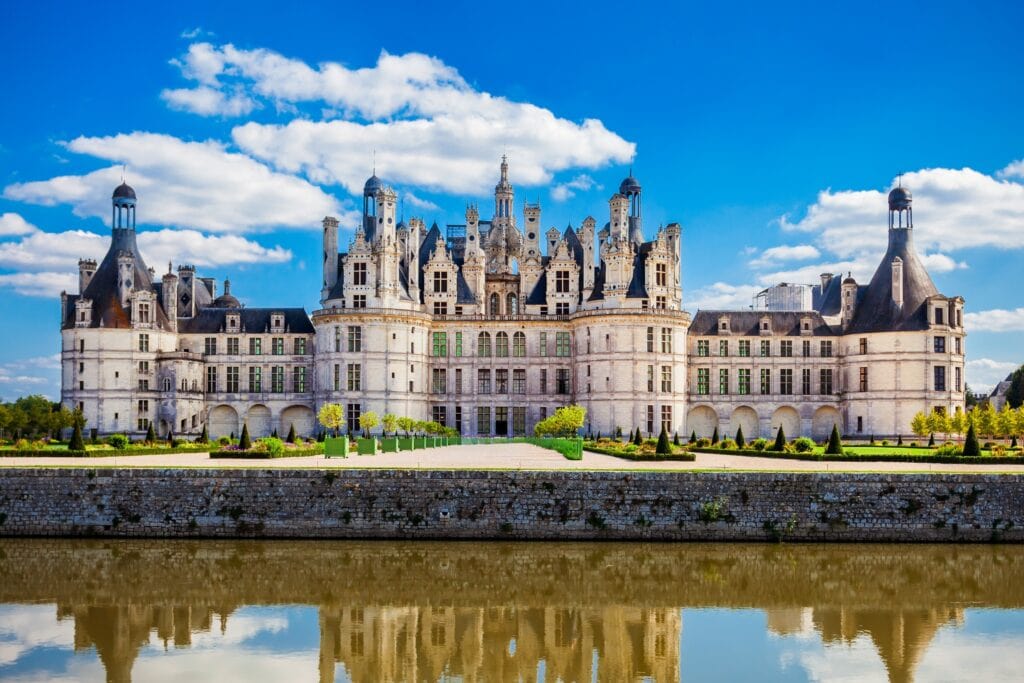
France’s castles are quite telling of the country’s history. These beautiful structures say a lot about France’s royalty and wealthy aristocracy. Known as châteaux, the majority of these structures are not massive stone fortresses that were built for war and defense. Instead, they tend to be elaborate estates built for kings, queens, and nobles. The Loire Valley is known for its high concentration of castles, home to hundreds of breathtaking chateaux, including the famous Château de Chambord and Château de Chenonceau. Since these are from different periods throughout history, France’s castles are a great way to see centuries of changing architecture.
3. Japan — Around 5,000 Castles and Castle Sites
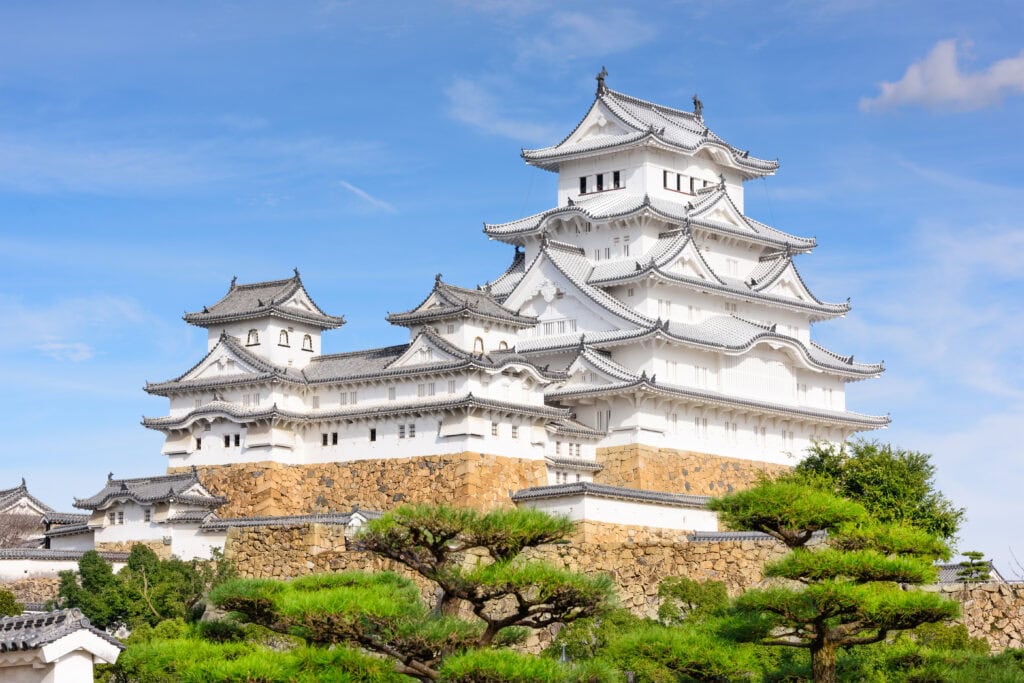
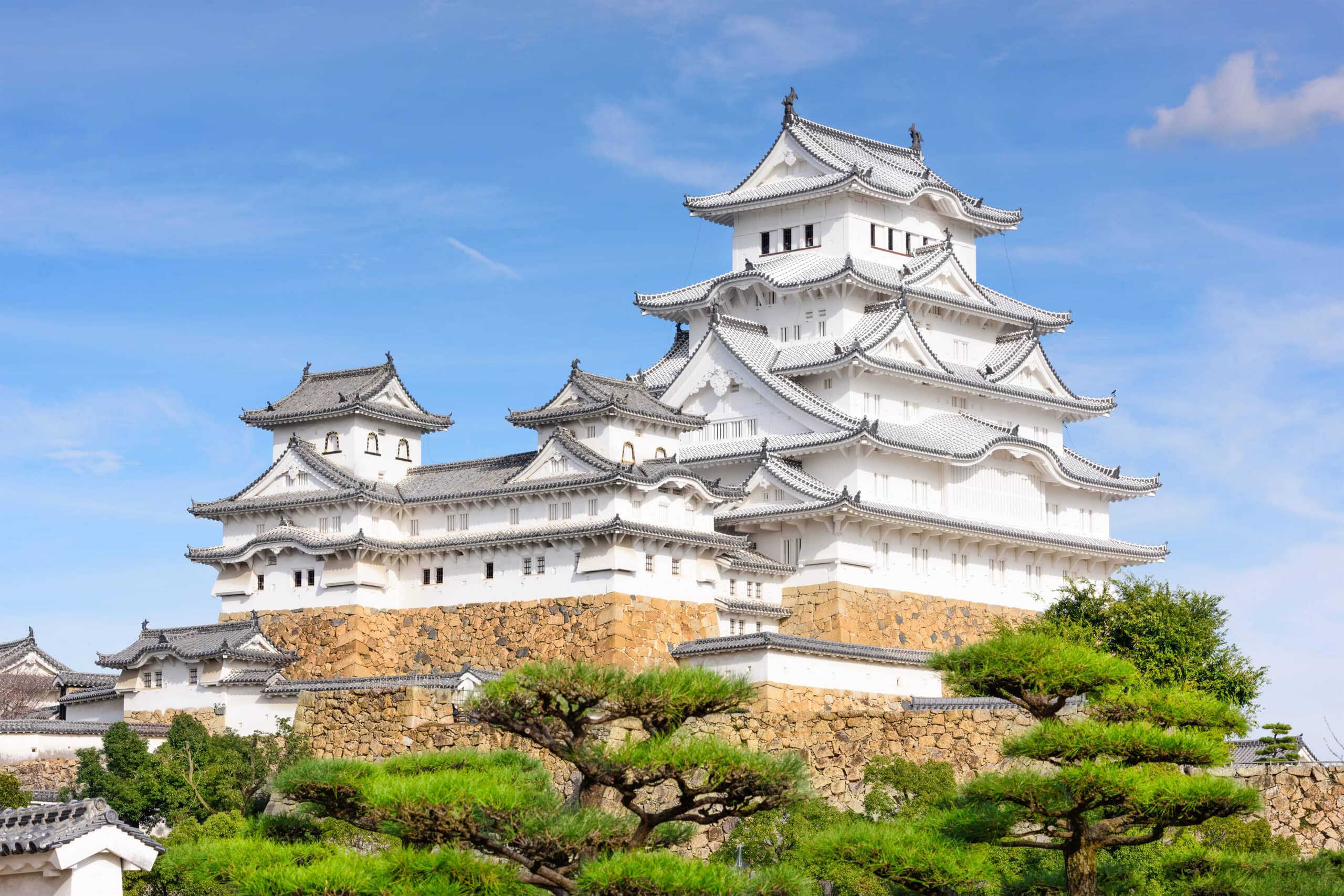
Japan’s castles look very different from those of Europe, but they are impressive in their own right. These structures were primarily built for military purposes during the country’s feudal period. Japanese castles tend to be made of wood, with towering roofs and complex defensive systems. Many were destroyed over the centuries, but some have been beautifully restored. Two notable examples are Himeji Castle and Matsumoto Castle, both of which offer a look into Japan’s samurai culture.
4. Italy — Around 4,000 Castles
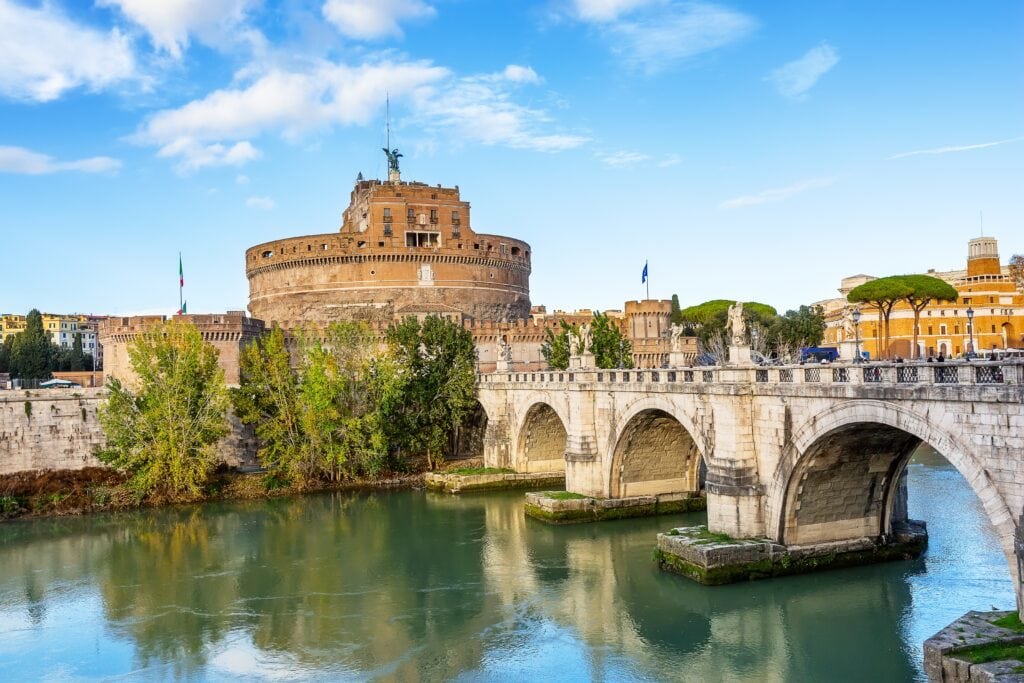
Italy’s castles remind tourists of the country’s medieval history, when city-states and wealthy families built fortifications for safety reasons. Italy’s castles are exceptionally pretty, as they tend to mix military architecture with romantic Renaissance detailing. Visitors like to check out castles along the hills of Tuscany as well as striking fortresses by the sea in Sicily. The most famous Italian castles are the Castel Sant’Angelo in Rome and the Castel del Monte in Puglia.
5. Spain — Around 2,500 Castles
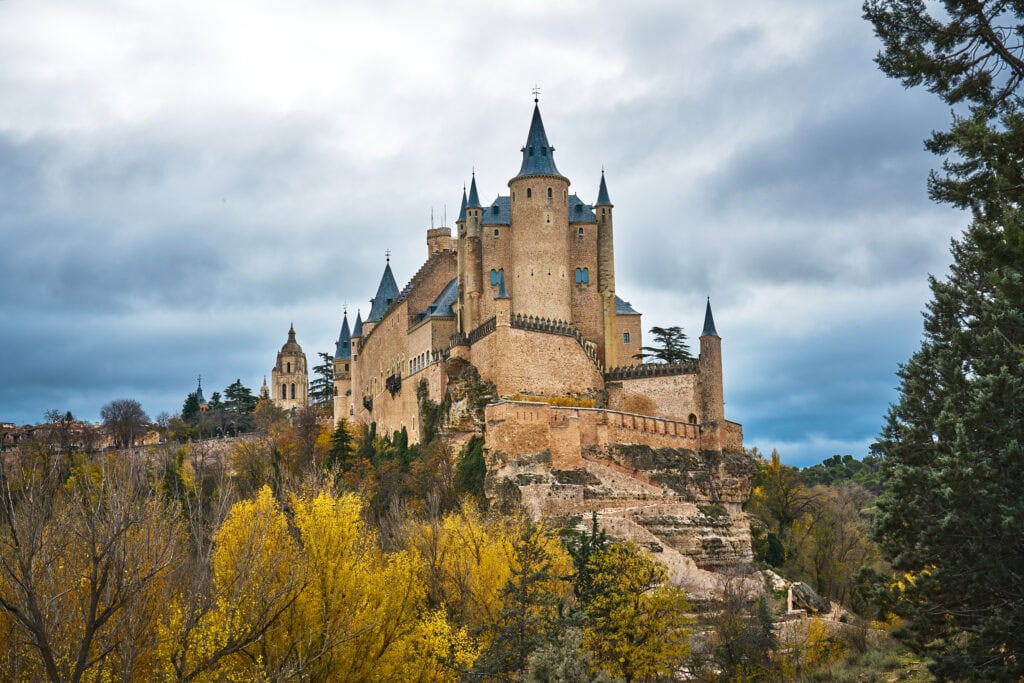
Spain’s castles are specific in that they all seem to have been built with conflict in mind. This was especially true during the medieval period when Christians and Muslims fought for control of the Iberian Peninsula. The country is filled with dramatic fortresses, including the Alcázar of Segovia and the downright massive Castillo de Coca. Many Spanish castles sit on hills and mountaintops, as this gave the strongholds the best view of approaching enemies. These imposing structures are great reminders of Spain’s fascinating history.
6. United Kingdom — Around 1,500 Castles
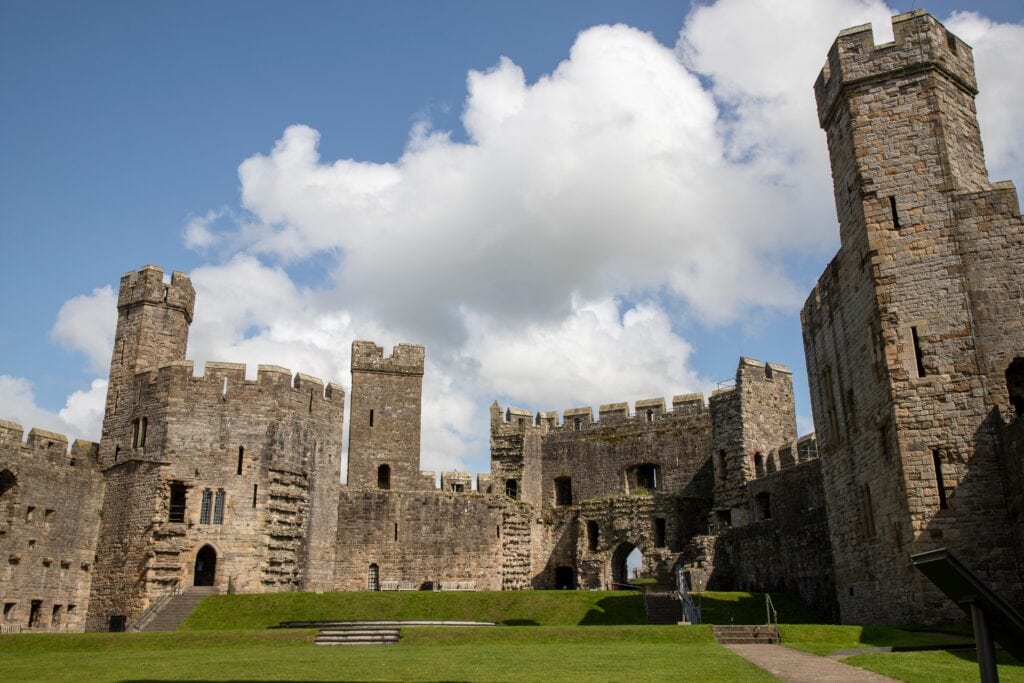
The United Kingdom is famous for its castles. Here, you’ll find both medieval ruins that have managed to exist for centuries and royal residences (some of which are still occupied today). England, Scotland, Wales, and Northern Ireland all have their own unique castles. Iconic sites like Windsor Castle, Edinburgh Castle, and Caernarfon Castle are each from different eras of British history. castles are strongly connected to the identity of the U.K., which makes a great deal of sense for a country with centuries of conflicts, invasions, and power struggles.
7. Czech Republic — Around 2,000 Castles
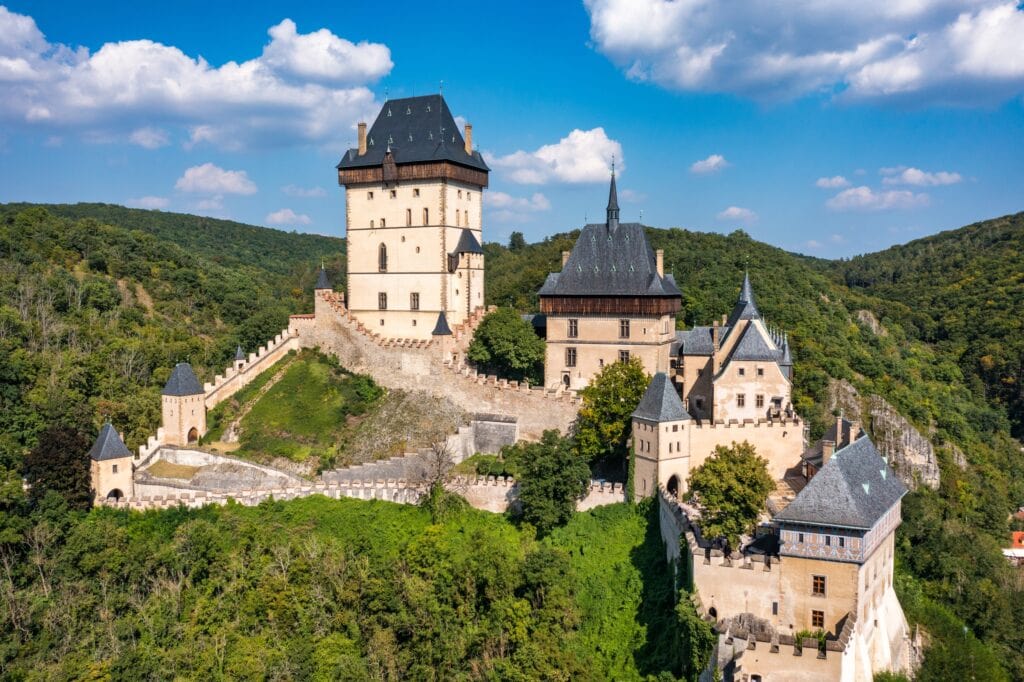
The Czech Republic may be a much smaller country compared to others in this list, but it has one of the highest concentrations of castles in the world. Its fairly small landscape is dotted with medieval strongholds, gorgeous aristocratic estates, and barely-standing ruins. Famous examples include Prague Castle, one of the largest castle complexes in the world, and Karlštejn Castle, built by Holy Roman Emperor Charles IV. The country’s castles show off a wide range of architectural styles, including Gothic, Renaissance, and Baroque architecture.
8. Portugal — Around 800 Castles
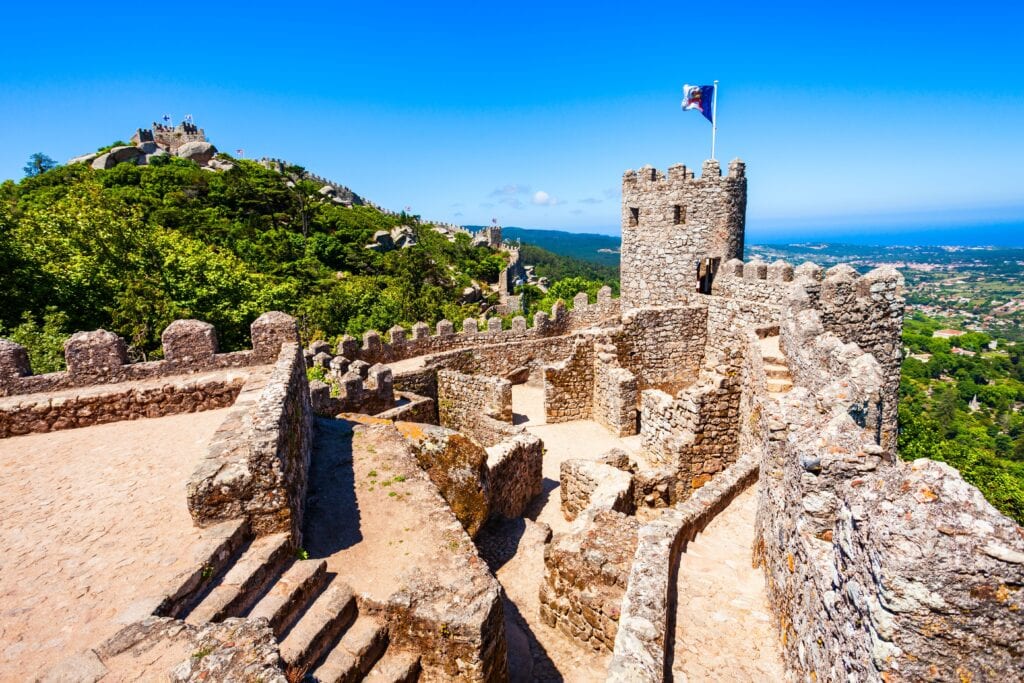
Portugal’s castles are diverse and stunning. Many were built during different periods of evolving rulers, from Roman to Moorish to Christian. The result is a unique blend of architectural styles. Visitors tend to favor the Castle of the Moors near Sintra and the medieval walls of Óbidos. Perched on cliffs, hills, and coastal landscapes, Portuguese castles are unique for having some of the most beautiful settings in Europe.