If you tend to get a little too excited when someone suggests a word game, these are for you. The best word-based board games test your vocabulary, spelling, creativity, and sometimes your ability to convince everyone else that your attempt totally counts. Some of these are classics that have been causing family arguments for decades, while others are newer games that reinvent the genre. These eight belong on every word lover’s game shelf.
Scrabble
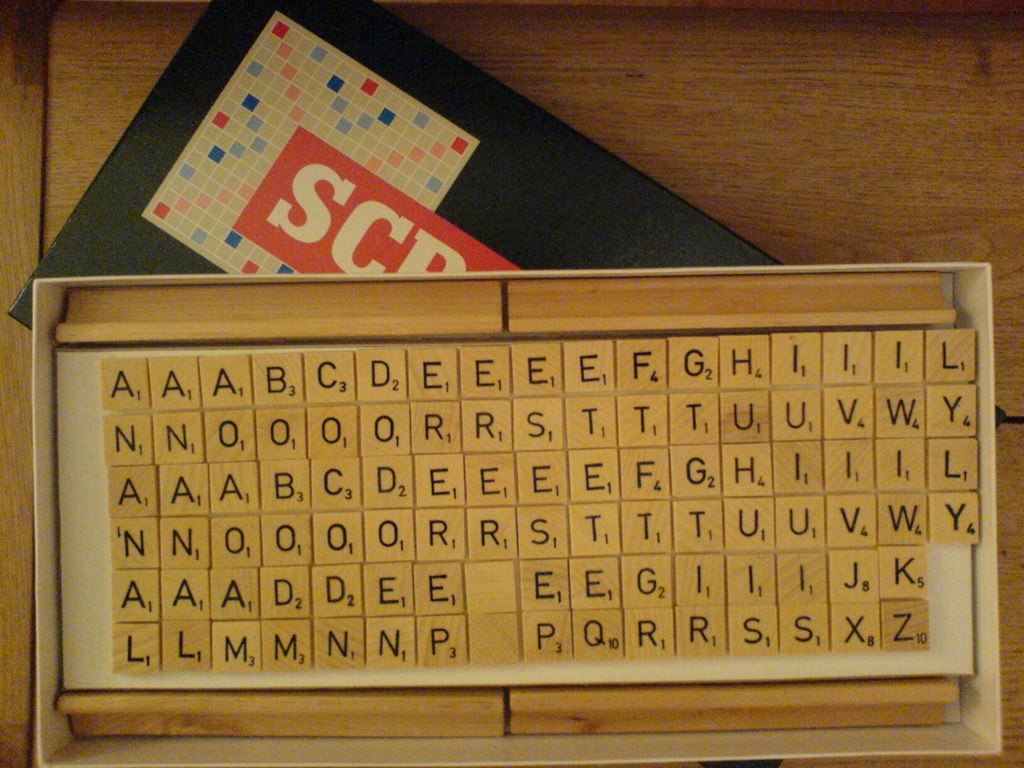
There is a reason Scrabble is still the king of word games more than 75 years after it first came out. Most of us are familiar with the basic rules: players use letter tiles to form intersecting words on a board, earning extra points for strategically placed bonus squares. Knowing obscure words certainly helps, but Scrabble is just as much about strategy. Sometimes playing a very basic two-letter word in the right spot gets you further than showing off your advanced vocabulary. The game is so popular because it’s easy to learn, difficult to master, and forever replayable.
Bananagrams
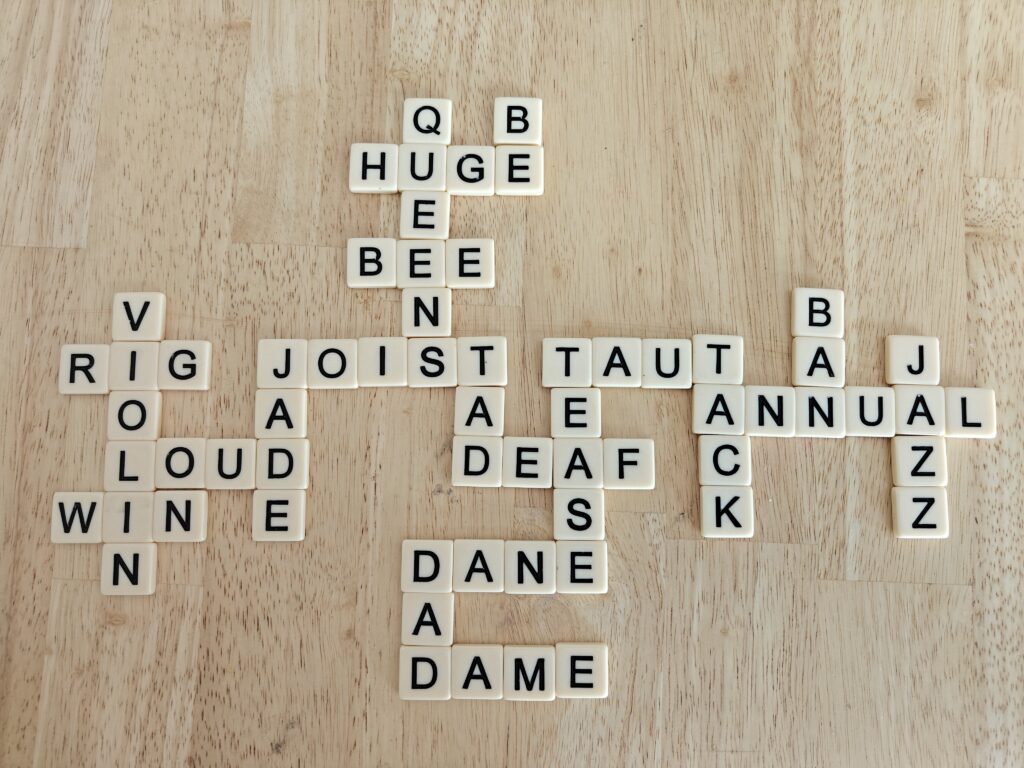
Bananagrams takes the basic premise of Scrabble (building words with letter tiles) and makes the whole thing much faster and more chaotic. Instead of taking turns, everyone races at the same time to create their own crossword-type layout. When one player uses all their letters, everyone has to grab another tile and keep going. There is no board, no continual scorekeeping, and very little downtime. It’s not the most relaxing game but it is simple and creates a lot of manic fun. It also comes in a festive banana-shaped pouch!
Codenames
Codenames is a word-association game, and it is especially wonderful for clever people (or perhaps those who think they are clever). Two teams compete to identify their secret words from multiple randomly placed word cards. The catch is that each team’s clue giver (called the spymaster) can only provide a one-word clue and a number (indicating how many words that clue connects). A brilliant clue might connect three or four words at once, while a bad one can leave everyone confused. The beauty of this is that everyone has different word associations, so whether “rings” makes players think of marriage, the Olympic Games, or Lord of the Rings is entirely dependent on the individual. Half the fun is discovering just how differently your friends’ brains work.
Boggle
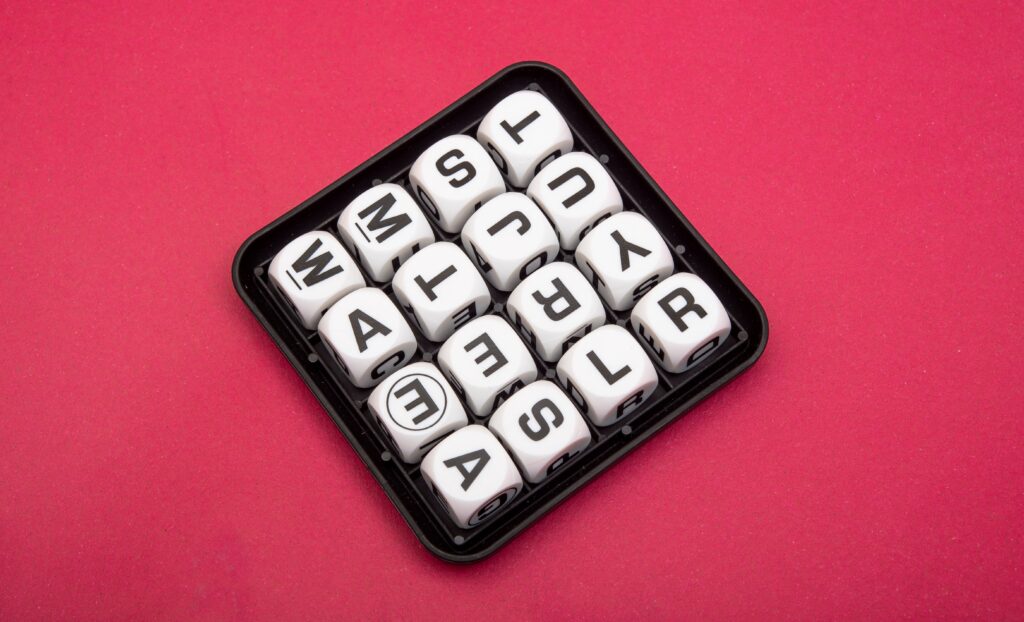
Boggle has been around since the 1970s, and its incredibly simple concept still works. Sixteen letter dice are shaken into a grid, and players race against a timer to find as many connected words as possible. Longer words are worth more points, but there is a catch: if someone else finds the same word you did, neither of you gets credit for it. That means spotting strange, unexpected words is the key to winning. A round lasts only a few minutes, which makes playing in short spurts really easy.
Just One

Just One is a cooperative party game. The premise is built around giving the perfect clue. One player has to guess a secret word while everyone else writes down a hidden one-word hint. The challenging part is that any identical clues are removed before the guesser gets to see them. Example: if the word is “Paris,” two people writing “Eiffel” means both clues disappear. Everyone is trying to think of a clue that is simple enough to be helpful but not so obvious that it will be repeated by other players. The game rewards creativity, knowing your friends, and sometimes some really bizarre logic.
Decrypto
If Codenames feels a little too easy for you at this point, Decrypto is the next level up. Each team has four secret words numbered one through four, and players give clues to try to communicate a three-number code to their teammates. The problem is that the other team is also listening and learning what your clues mean. You have to make each clue clear enough for your own team to understand but vague enough to keep your opponents in the dark. It becomes quite intense as both teams start figuring out everyone else’s secrets.
Letter Jam
Letter Jam puts a clever spin on word games. It gives everyone a letter they cannot see, but you can see everyone else’s letters. Together, the group gives word clues that help each player figure out which letter is sitting in front of them. The fun comes from deciding how to use the letters available to make useful clues.
Paperback
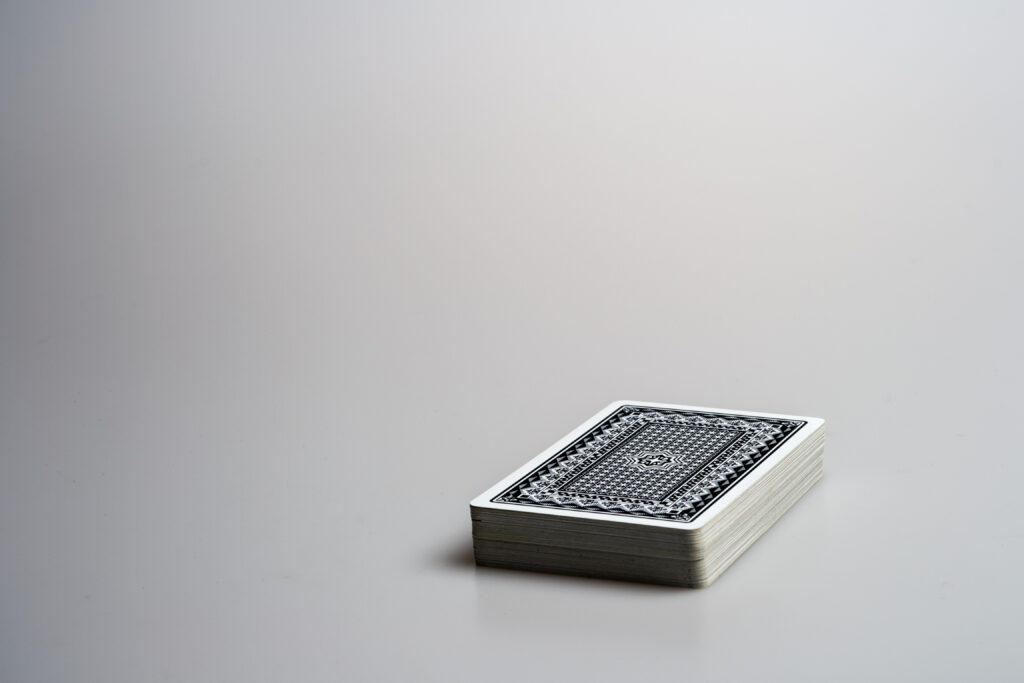
Paperback is kind of a hybrid between a word game and a deck-building game. Players start with a small deck of letter cards. Players spell words to earn money, and the cash can then be used to buy better letters and special cards. Gradually, your deck improves and your word-making possibilities grow. It’s a great option for people who love Scrabble but are ready to mix it up a bit.