Bob Pool/Shutterstock.com

VisitCentralFL / CC BY 2.0, Flickr
urbancow / E+ via Getty Images
Left_Coast_Photographer / iStock via Getty Images

Jeffrey M. Frank/Shutterstock.com

f11photo
Ingo70/Shutterstock.com

lavin photography/iStock via Getty Images

Ingo70/Shutterstock.com

Branding Pot/Shutterstock.com
Richard A McMillin/Shutterstock.com
Nicholas Courtney/Shutterstock.com

Everett Collection/Shutterstock.com
photoBeard/Shutterstock.com

No known restrictions / National Archives and Records Administration






9 States Where You Can Still Get a Taste of the Wild West and Cowboy Culture
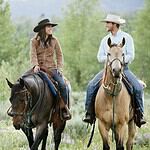
The cowboy didn't disappear when the Old West ended; he just picked up a few new tools. Working ranchers still move cattle, fix fences and deal with unpredictable weather, even if a pickup, an ATV or GPS now shares the job with a horse. Cowboy traditions run especially deep in the West and Great Plains, where livestock work remains part of the economy. The culture also reaches farther than Hollywood sometimes suggests, with roots in Mexican vaquero traditions and contributions from Indigenous and Black cowboys.
These nine states preserve both sides of that history: the work still being done on ranches and the towns, rodeos and historic sites that remember the frontier. This isn't a ranking of which state is most cowboy, and it isn't a complete list. Florida, for example, has a cattle-working tradition dating back to Spanish settlement. It's a look at places where cowboy culture is still visible, even if the day-to-day reality involves a lot fewer gunfights than the movies would have you believe.
Cowboys in America Today
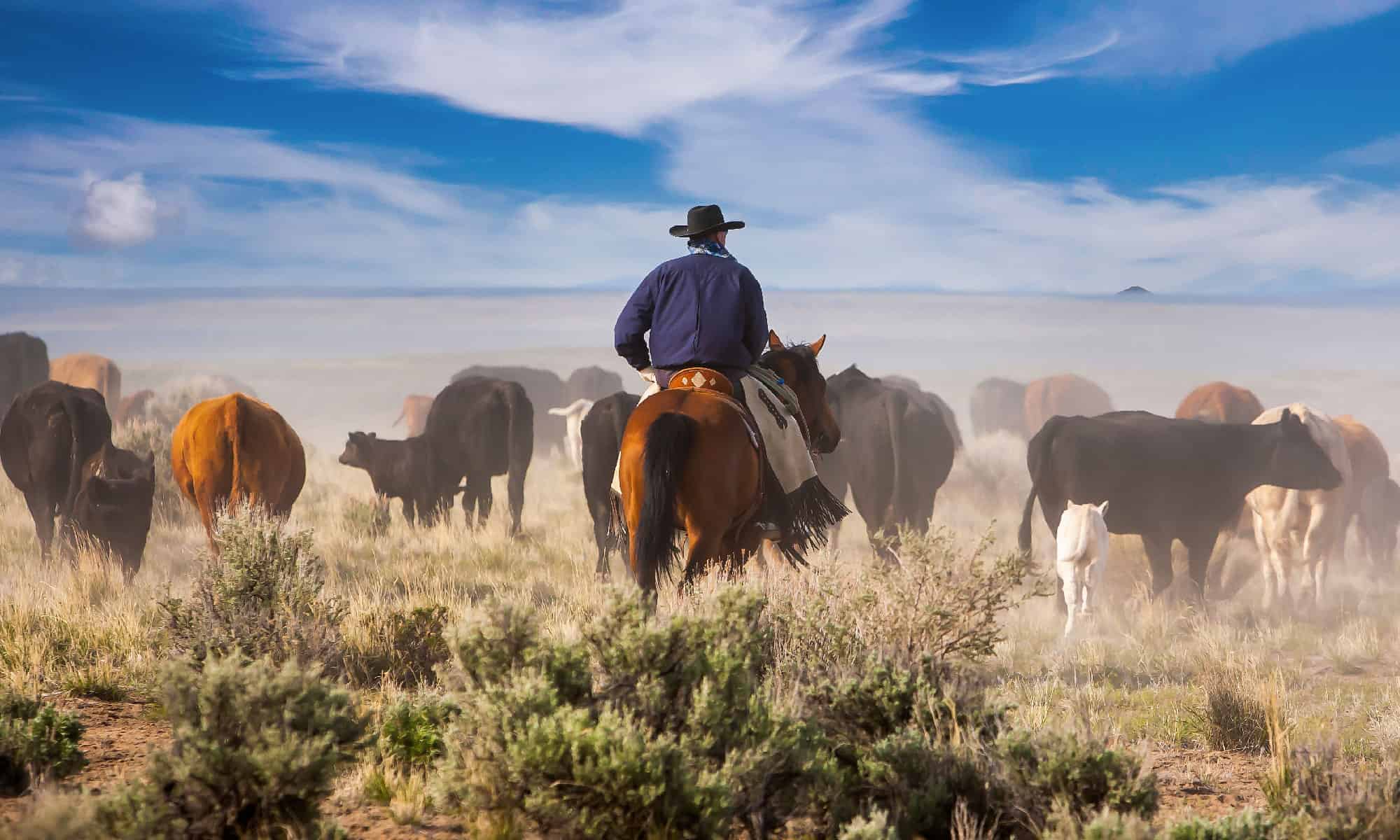
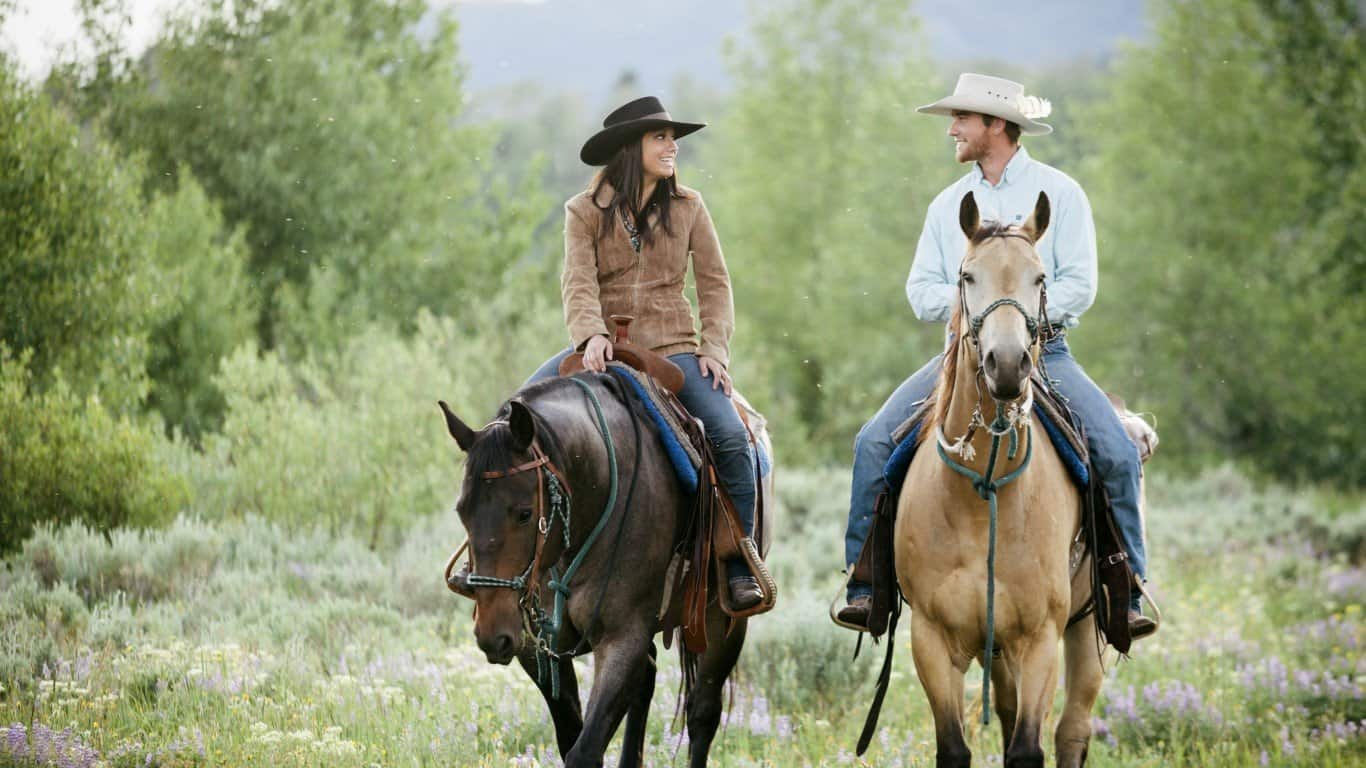
The cowboy hasn't disappeared; the job has simply picked up a few new tools. Working ranch hands still move cattle, check fences, handle branding and animal care, and deal with weather that doesn't care what day it is. Horses remain useful, but trucks, ATVs and GPS are part of many modern operations, too. Rodeos and guest ranches keep the public-facing traditions visible, although they're not the same as the work on an ordinary cattle ranch. And the history is far broader than the Hollywood image: Mexican vaqueros, Indigenous horsemen and Black cowboys all helped shape the culture. Florida has its own longstanding cattle tradition, too, even though our nine featured states focus on the West and Plains. The work is still real; the movie soundtrack is optional.
Montana
Montana didn't suddenly discover cowboys when Yellowstone came along. Cattle ranching has been part of the state's economy and identity since the 1800s, with working ranches spread across its valleys and wide-open grazing country. Ranch hands still handle livestock, repair fences, maintain equipment and prepare for winters that can be anything but forgiving. Guest ranches give visitors a chance to ride and experience a more comfortable version of that lifestyle, but the everyday work is rarely as dramatic as a television family feud. That's probably a good thing for anyone who actually has to get the cattle fed.
Arizona
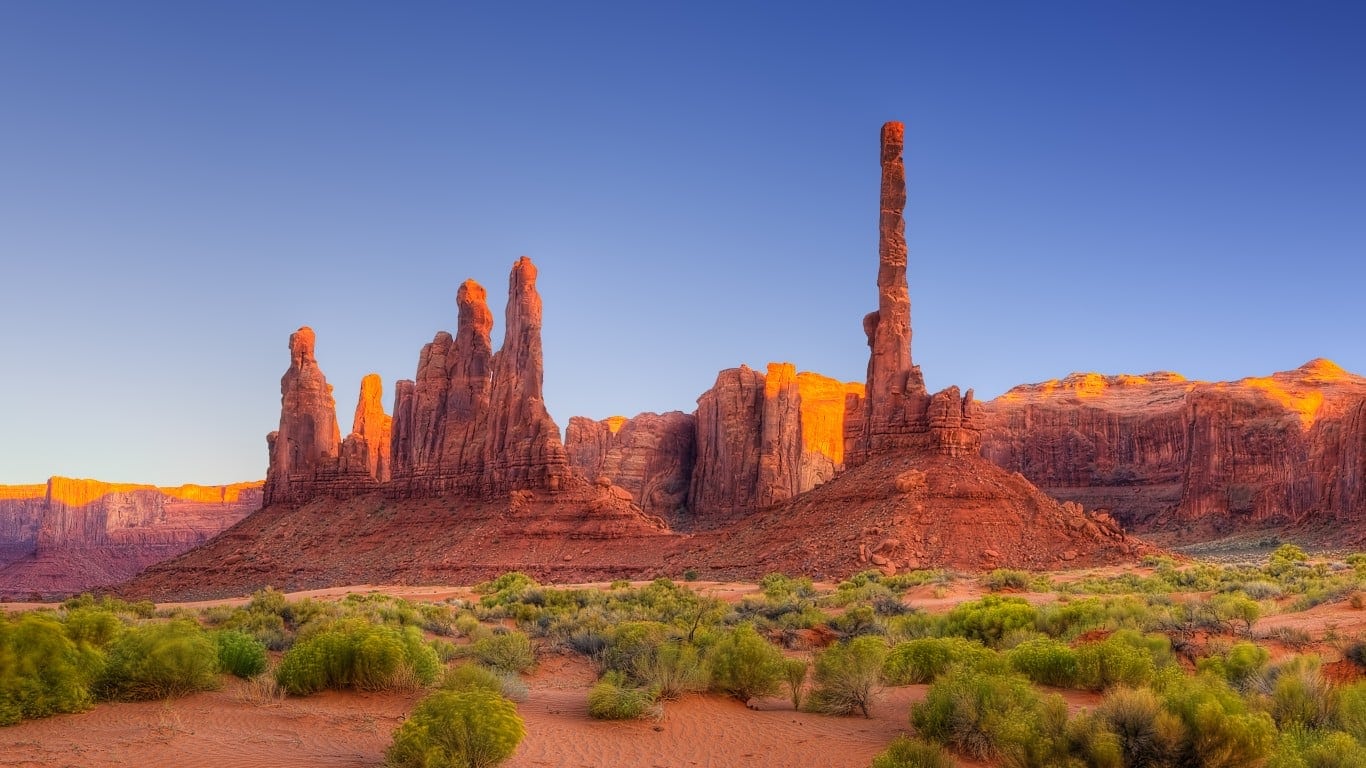
Arizona's cowboy heritage stretches from Spanish and Mexican vaquero traditions into the cattle ranches of the territorial era. Ranching is still part of life across the state's rural areas, where working with livestock often requires covering a lot of dry, rugged ground. Then there's Tombstone, the southeastern Arizona town that has turned one of the West's most famous confrontations into a major historical attraction. The gunfighters get most of the attention, naturally, but ranchers and cattle handlers have a much longer history here than any single shootout. And yes, the real story is considerably messier than the version you probably saw in a movie.
Arizona: The O.K. Corral (continued)
The famous Tombstone gunfight happened on October 26, 1881, in a vacant lot off Fremont Street near the O.K. Corral, not inside the corral itself. Town Marshal Virgil Earp, his brothers Wyatt and Morgan, and Doc Holliday confronted men associated with the Cochise County Cowboys. In roughly 30 seconds, Billy Clanton and brothers Tom and Frank McLaury were killed. Virgil, Morgan and Holliday were wounded; Wyatt escaped injury. The confrontation grew out of disputes over law enforcement, weapons, local power and personal grudges. It wasn't the tidy good-guys-versus-bad-guys showdown Hollywood likes to sell, and historians still debate parts of the encounter. The actual facts are dramatic enough.
Kansas
Kansas helped make cattle driving a major business after the Civil War. In the 1870s and early 1880s, Dodge City became a rail-shipping point for cattle brought north from Texas, attracting drovers, merchants, gamblers and lawmen. Wyatt Earp and Doc Holliday both spent time there. But some of their best-known exploits, including a story that Holliday shot a man to save Earp, aren't supported by contemporary records and deserve to be treated as legend rather than established fact. Today's Kansas cattle farms and ranches carry on the practical work, even if the saloons and gunfighters tend to get more space in the history books.
South Dakota
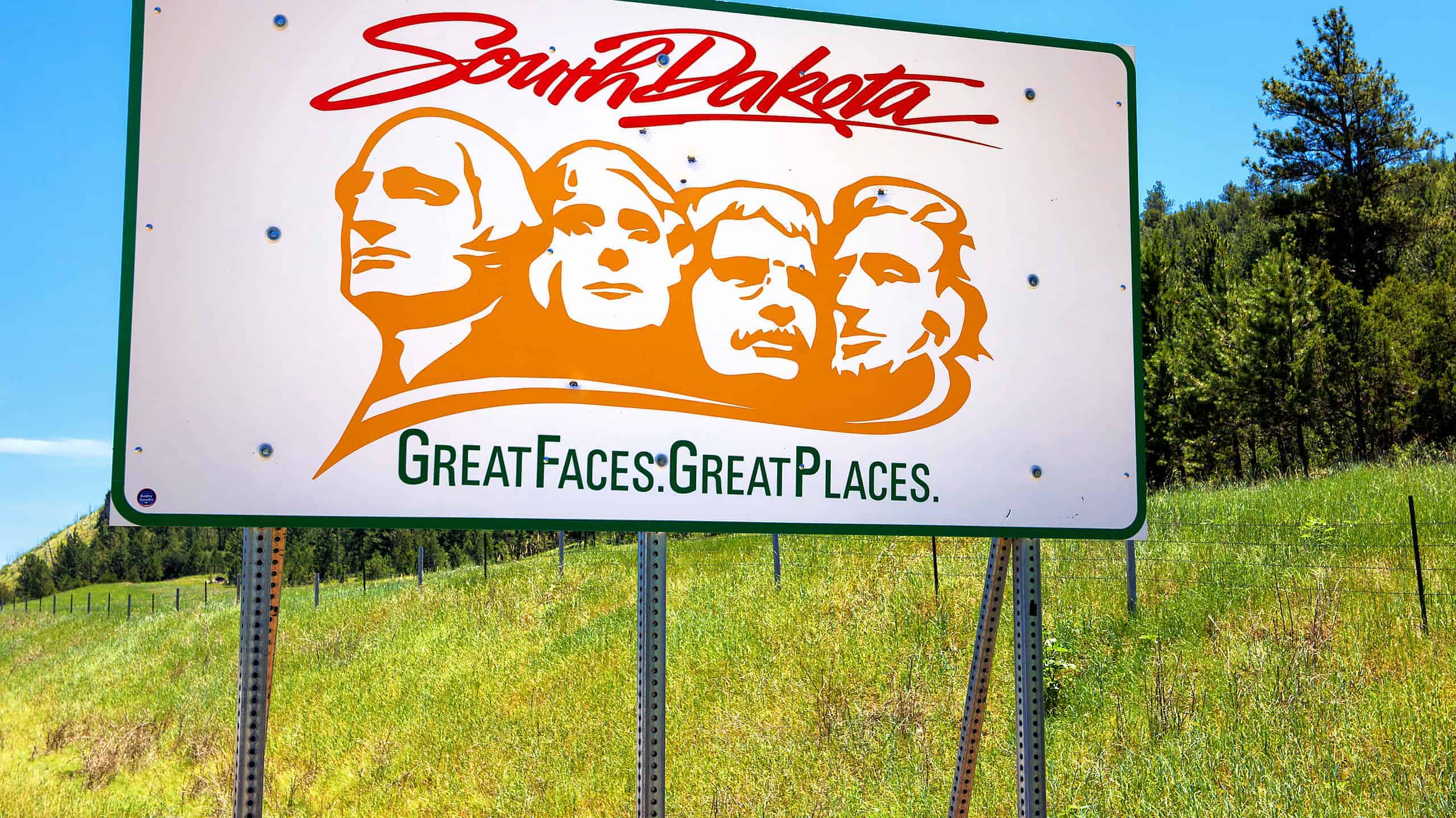
South Dakota's cowboy history goes well beyond the souvenir shops of the Black Hills. Cattle ranching remains an important part of rural life, with people moving herds, repairing fences, managing grazing land and keeping animals healthy. Some jobs are still done on horseback; others involve pickups, ATVs and other equipment. There's no rule that every modern rancher needs to own a horse, and a sorting stick isn't some universal symbol of the job. Rodeos and fairs help keep the riding traditions on display, but the less glamorous ranch work continues all year. That's the part of cowboy life that never really went away.
South Dakota: Deadwood (continued)
Deadwood was a Black Hills gold-rush town, not primarily a cattle town, but it earned a permanent place in Western lore. On August 2, 1876, Wild Bill Hickok was shot and killed while playing cards in a saloon. Calamity Jane and businessman-lawman Seth Bullock also became part of the town's history. Visitors can explore historic Main Street and Mount Moriah Cemetery, where Hickok, Jane and Bullock are buried. Sol Star, Bullock's business partner and a former Deadwood mayor, belongs in the story too, but he was buried in St. Louis, not Mount Moriah. Deadwood has more than enough real history without embellishing the details.
Wyoming
Wyoming calls itself the Cowboy State, and it's not a nickname pulled out of thin air. Ranching and cattle grazing remain visible across its open landscapes, while seasonal roundups, animal care and fence maintenance are familiar parts of the work. The equipment has changed, but plenty of ranch jobs still demand patience, skill and a willingness to deal with whatever the weather throws at you. Cheyenne Frontier Days and other rodeos celebrate the state's Western identity, though a rodeo performance and a workday on a ranch aren't quite the same thing. Wyoming is a place where both sides of cowboy culture are easy to find.
Wyoming: The Pony Express (continued)
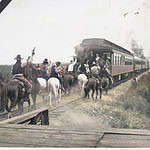
Long before Wyoming became a state in 1890, Pony Express riders crossed the territory on a relay route linking Missouri with California. The service ran from April 1860 to October 1861, using fresh horses and riders to move mail roughly 1,800 miles in about 10 days. According to the National Park Service, modern Wyoming contains 489 miles of the historic route and the locations of 43 stations. Pony Express riders weren't cattle-ranch cowboys in quite the same sense, but their skill on horseback became part of the broader Old West story. The transcontinental telegraph eventually made the expensive relay service obsolete, but its legend proved much harder to retire.
Oklahoma
Oklahoma's Western heritage is still very much on display in Oklahoma City. The National Cowboy & Western Heritage Museum covers ranching, rodeo, Western art and the many cultures that shaped the region. Nearby, the Oklahoma National Stockyards still hosts cattle auctions, generally on Mondays and Tuesdays. That's a pretty convincing reminder that the cattle business isn't only history. Stockyards City mixes working livestock commerce with Western shops and older storefronts, while ranches across Oklahoma continue to raise and manage cattle. The hats and boots are familiar, but there's real business going on behind them.
Colorado
Colorado gets plenty of attention for mountains and ski resorts, but ranching and rodeo have deep roots there too. Denver hosts the National Western Stock Show, while the ProRodeo Hall of Fame and Museum of the American Cowboy is in Colorado Springs. The state also has working cattle ranches and rodeo stock contractors, including the Cervi family. Between the historic ranching communities and major competitions, Colorado offers more than enough Western culture without pretending every ranch is a theme park. Most ranch hands would probably prefer you leave the dramatic movie soundtrack at home.
Colorado: Butch Cassidy (continued)
Robert LeRoy Parker, better known as Butch Cassidy, was born in Utah, not Colorado. But Colorado did play a major role in his outlaw career. On June 24, 1889, Cassidy and accomplices robbed the San Miguel Valley Bank in Telluride, one of the earliest major crimes attributed to him. He later became the best-known leader of the Wild Bunch, whose robberies helped build his legend. Cassidy, Harry Longabaugh (the Sundance Kid) and Etta Place traveled to Argentina in 1901. Etta's later whereabouts are uncertain. Cassidy and Sundance are generally believed to have died in a Bolivian shootout in 1908, although their remains were never conclusively identified. His Colorado connection is interesting enough without rewriting where he was born.
New Mexico
New Mexico's ranching history reaches back to Spanish and Mexican vaquero traditions, long before the familiar Hollywood cowboy arrived. Cattle operations, rodeos and guest ranches still reflect that heritage, but the state's best-known frontier name might be Billy the Kid. Also known as Henry McCarty and William H. Bonney, Billy rode with the Regulators during the Lincoln County War of 1878. They were a faction in a violent local political and business feud, not simply a gang of cattle rustlers. Sheriff Pat Garrett killed Billy at Fort Sumner in July 1881. The outlaw legend is famous; the cattle-working culture that surrounded it is still part of life in New Mexico.
Texas
Texas remains a heavyweight in the cattle business, with more cattle than any other state and ranching traditions that reach back through Spanish and Mexican settlement. Fort Worth keeps its stockyards heritage visible, while towns such as Bandera lean into the state's cowboy identity. Bandera calls itself the Cowboy Capital of the World, although that's a local nickname rather than an official worldwide ranking. The real work involves raising, moving, feeding and caring for cattle, along with all the unglamorous chores that come with a ranch. If you want to see old cowboy history overlapping with a modern livestock industry, Texas makes a strong case.