JoeSAPhotos / Shutterstock

Alex Slitz/Getty Images
2018 Handout / Getty Images Sport via Getty Images
Billion Photos / Shutterstock.com

Atlantist Studio/shutterstock
JoeSAPhotos / Shutterstock
Maxisport / Shutterstock.com

PeopleImages / Shutterstock.com
2016 Getty Images / Getty Images Sport via Getty Images

Alexandr Grant / Shutterstock.com
Phil Walter / Getty Images Sport via Getty Images
Andrew Angelov / Shutterstock.com

Anton Vierietin / Shutterstock.com
imagean / iStock via Getty Images







9 Sports Where Sound Matters More Than You Think
Most sports are visual by nature. Watch the ball, watch your opponent, watch the clock. But spend enough time around elite athletes and you realize their ears are working almost as hard as their eyes.
Sometimes sound is built directly into the rules. A sprinter reacts to a starting signal, an archer follows audible timing commands, and a skeet shooter's voice can actually trigger the release of the target. In team sports, a single shouted warning can stop a screen, organize a defense, or tell a teammate what is happening just outside their field of view. These nine sports show just how much of the game can be heard as well as seen.
NASCAR: The Voice in a Driver's Ear Really Matters
A NASCAR driver may be alone inside the car, but they are definitely not racing alone. Throughout an event, drivers communicate by radio with their crew chief and spotter while trying to control a car at extremely high speeds with other vehicles just feet away.
The spotter is particularly important because the driver's view is limited. NASCAR describes spotters as another set of eyes above the track, constantly telling the driver whether another car is inside, outside, clear, or part of a developing wreck. When everything happens that quickly, a few words over the radio can make a huge difference.
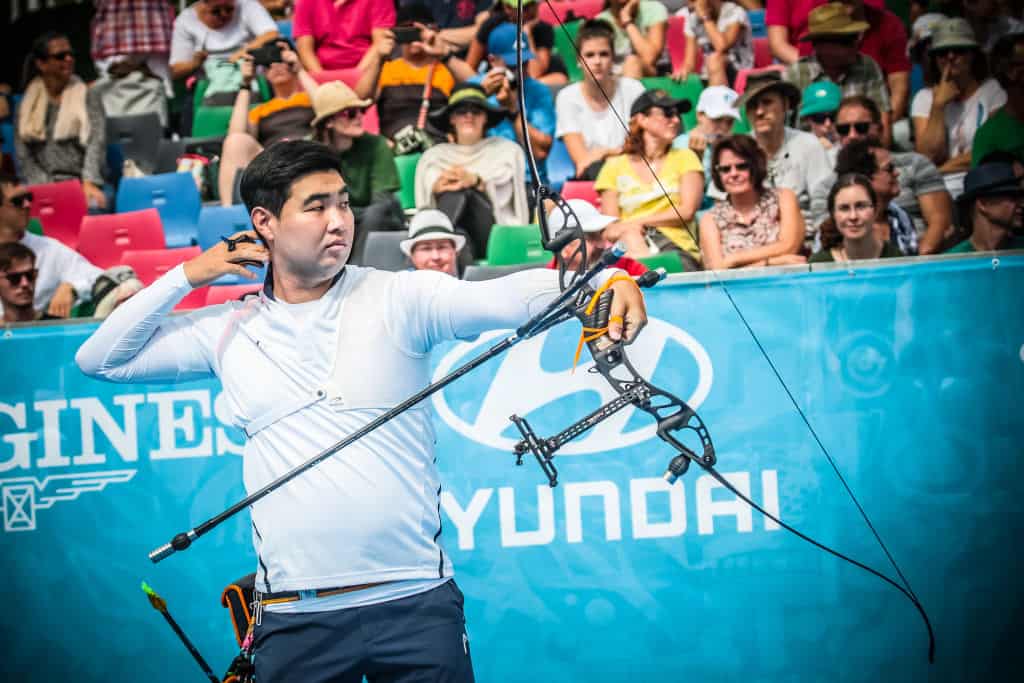
Archery: The Important Sounds Aren't Necessarily What You Think
Archery certainly requires concentration, but elite archers are not simply standing there listening for the wind. Outdoor World Archery competitions use visible flags and windsocks to help competitors judge changing conditions.
Sound still has an official role. Audible signals help control when athletes move to the line, begin shooting, stop shooting, and retrieve their arrows. World Archery's judging guidance even spells out what should happen if the audible signal and visual timing system disagree. So while quiet can help concentration, the sport itself has a very specific language of sounds.
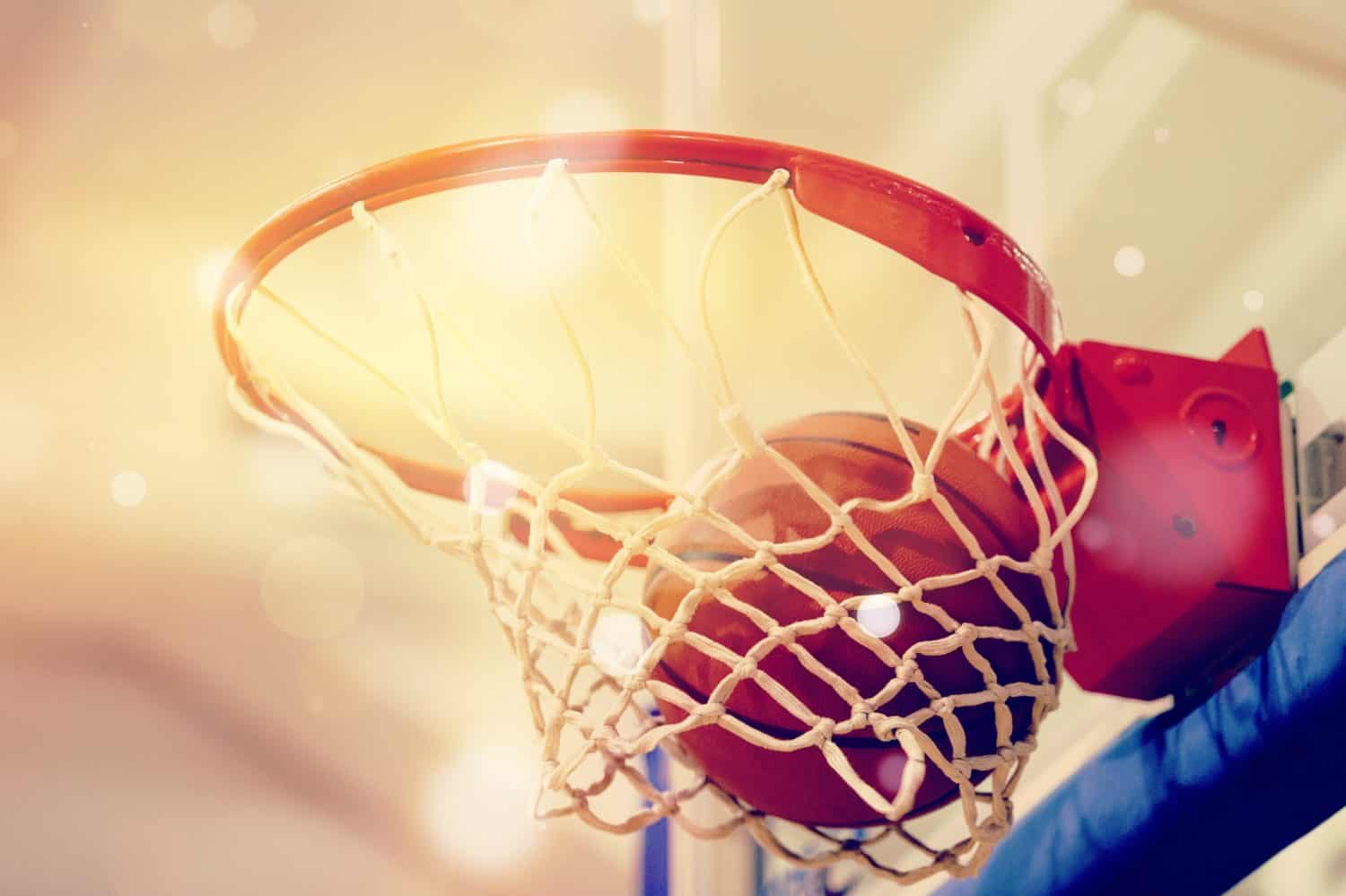
Basketball: Five Players Have to Sound Like One Defense
A basketball court moves too quickly for one player to see everything. That is why good teams are constantly talking, especially on defense. A defender guarding the ball may have no idea that a screen is arriving from behind unless a teammate warns them.
FIBA coaching materials repeatedly emphasize communication when defending screens, switching assignments, and coordinating help defense. Offensive players communicate too. Even something as simple as a screen can involve both a visual signal and a verbal cue telling a teammate when to make a cut.
Skeet Shooting: The Athlete's Voice Can Launch the Target
Here is one of the clearest examples on the list. In competitive skeet shooting, the athlete calls for the target, and modern ranges use an acoustic release system that responds to that call.
The clays are launched from high and low houses at fixed locations around the skeet range, and the athlete has only a short window to track and hit them. The shooter has to stay composed, issue the call clearly, react to the target's release, and execute the shot almost immediately. In this sport, sound is literally part of the mechanism that starts the action.
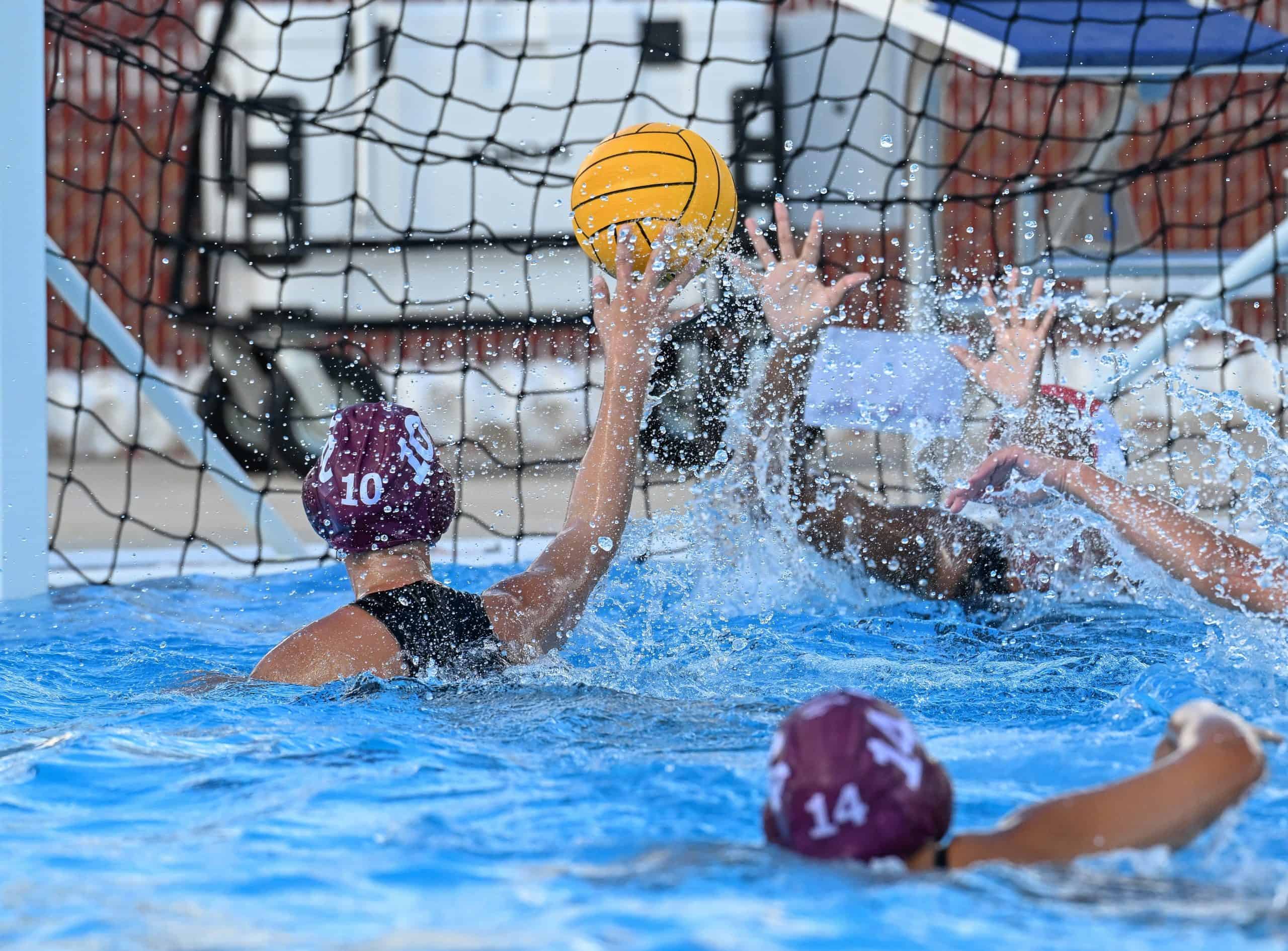
Water Polo: Referee Whistles Have to Cut Through the Chaos
Water polo is already difficult enough before you consider the environment. Players are swimming, wrestling for position, tracking the ball, listening to teammates, and trying to understand the officials while water and crowd noise surround them.
Whistles are built directly into the rules. World Aquatics requires referees to whistle for the start and restart of play, goals, various throws, and rule violations. Players also communicate constantly as defenses shift and attackers move into open water. Being able to pick out the important sound from all that noise is part of the game.
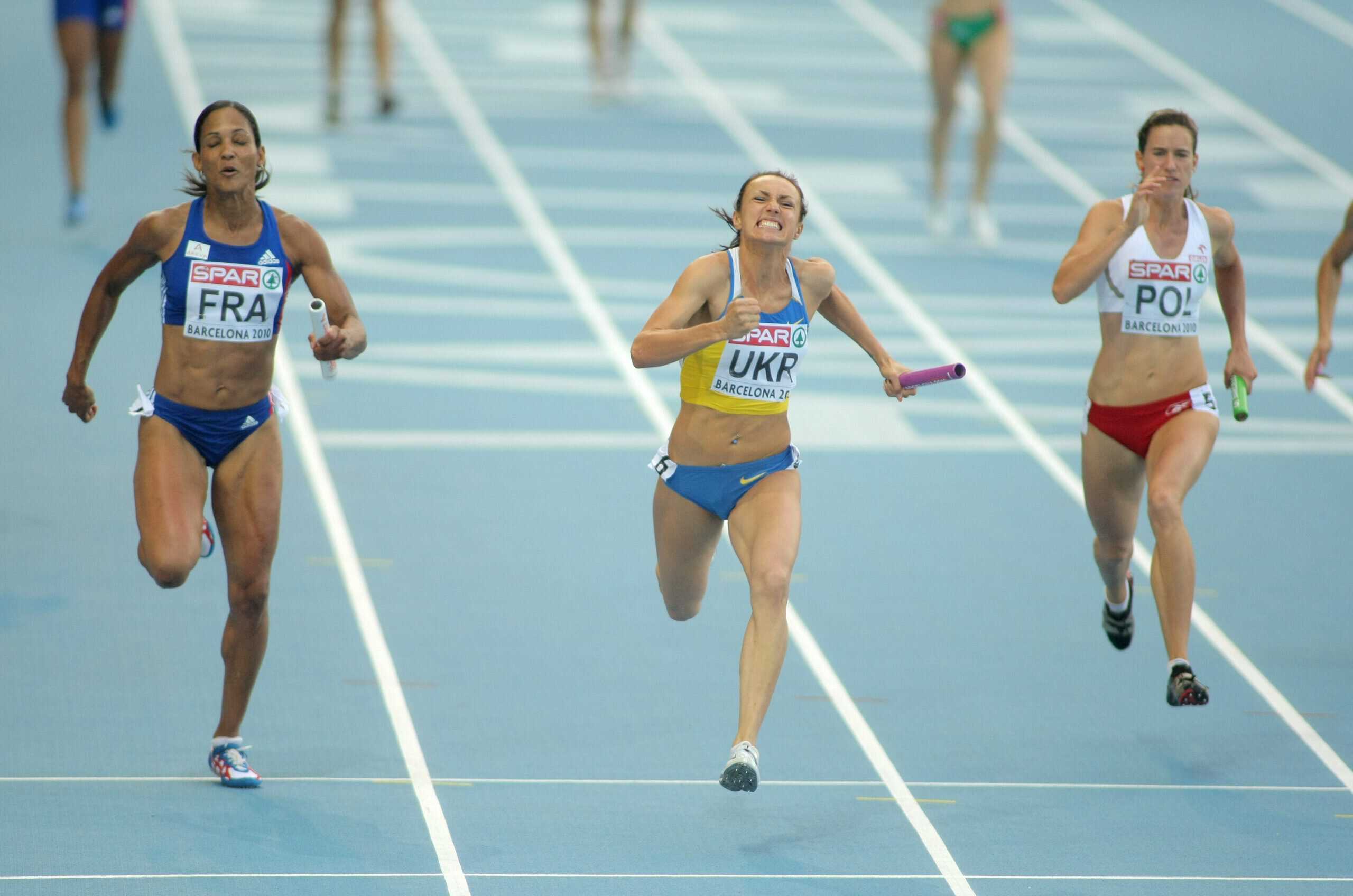
4x100 Relay: A Perfect Handoff Takes More Than Speed
The 4x100-meter relay is four sprints tied together by three exchanges, and those exchanges can decide the race. Under current World Athletics rules, the baton must be passed inside a 30-meter takeover zone.
The outgoing runner is accelerating while the incoming runner is closing fast from behind, which does not leave much room for hesitation. World Athletics notes that the incoming athlete will typically use a verbal signal as they approach the exchange. The outgoing runner then reaches back without turning around and trusts that the baton will be there.
The Race Begins With Another Sound That Cannot Be Ignored
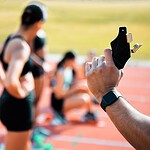
Before anyone worries about the baton, the first runner has to react to the starter's signal. At the elite level, tiny differences in reaction time matter, but anticipating the start too aggressively can create an entirely different problem.
World Athletics uses starting systems designed to give athletes the signal simultaneously and detect reaction times at major competitions. So in a race normally defined by pure speed, the very first job is actually listening and reacting correctly.
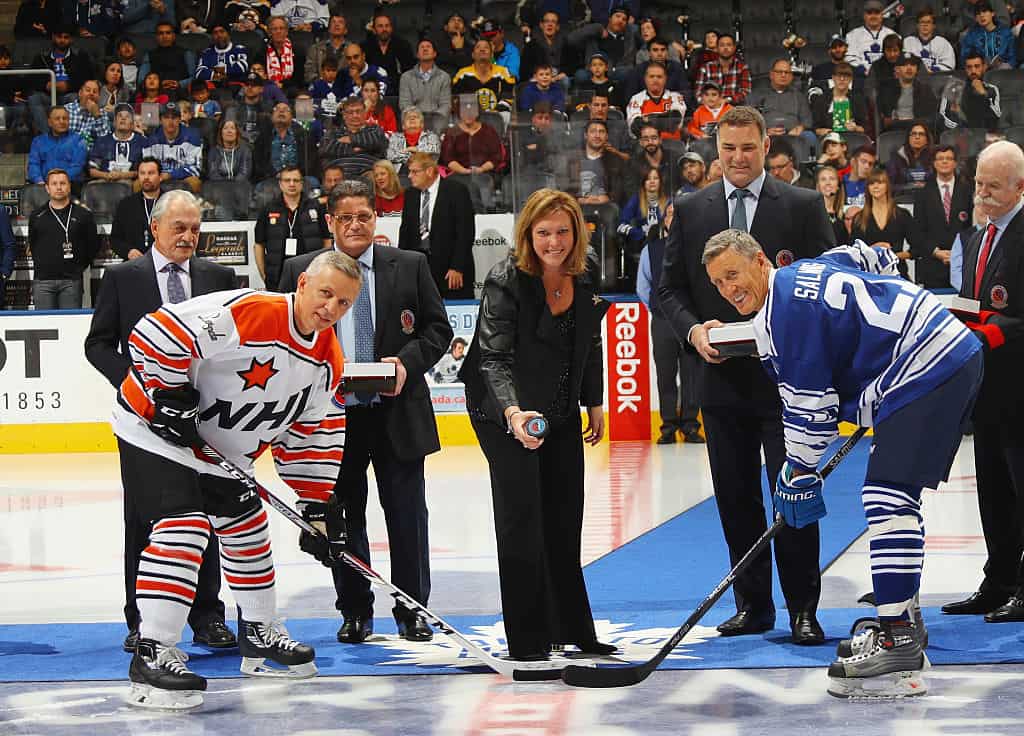
Hockey: Players Are Talking Even When You Can't Hear Them
A hockey rink is loud, fast, and full of moments where a player cannot simply stop and look around. That makes short verbal calls especially useful when teammates are retrieving the puck, moving through traffic, or dealing with a forecheck.
NHL players even use quick calls such as "leave," "up," and "over" to keep goalies and defensemen on the same page during puck retrievals. Those few syllables can tell a player what is happening behind them without forcing them to take their eyes off the puck.
The Whistle Is Just as Important as the Puck
Hockey also depends on one sound that every player learns to react to immediately: the referee's whistle. It stops play for everything from offsides and icing situations to penalties and other violations.
That sounds obvious until you consider how often players are moving at full speed and may not be looking anywhere near the official. Add the scrape of skates, sticks hitting the ice, the puck bouncing off boards, and a roaring arena, and hockey becomes one of the noisiest examples of athletes constantly filtering useful information from background noise.
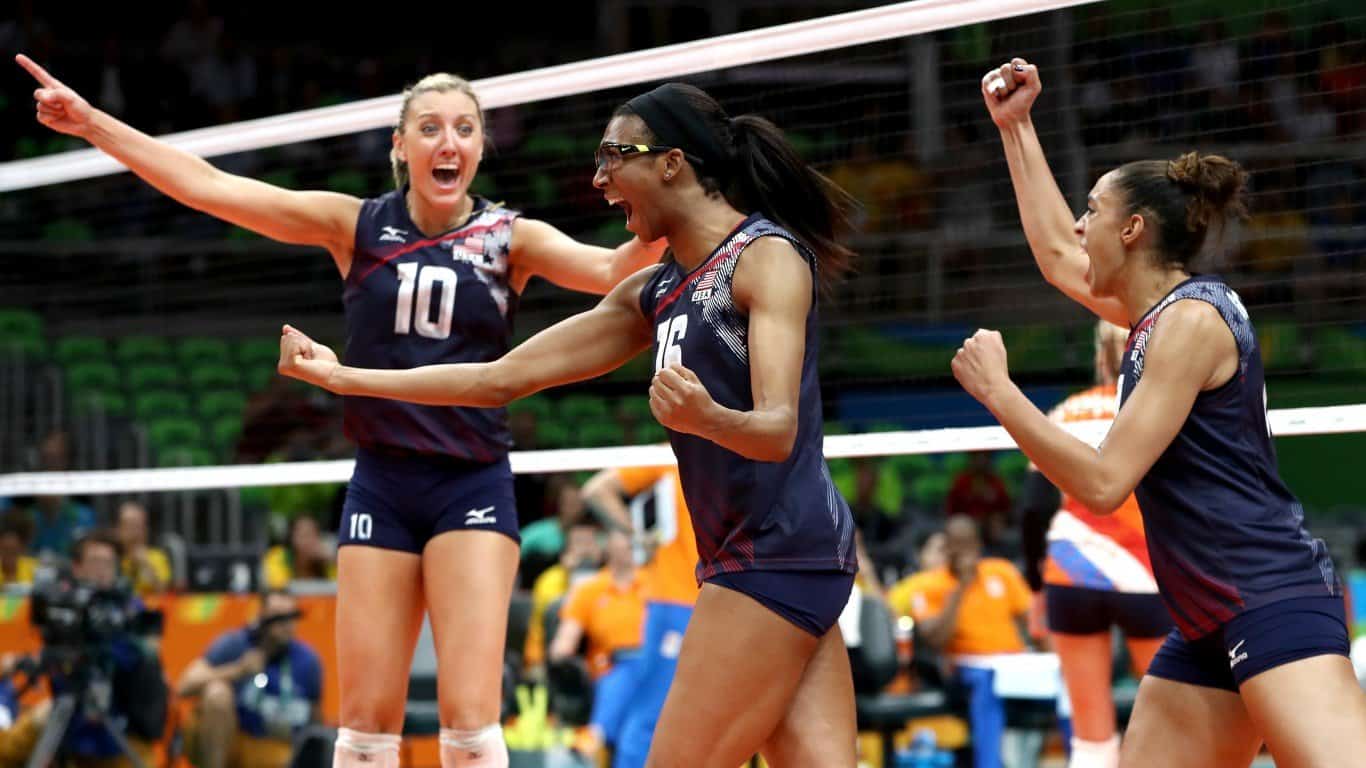
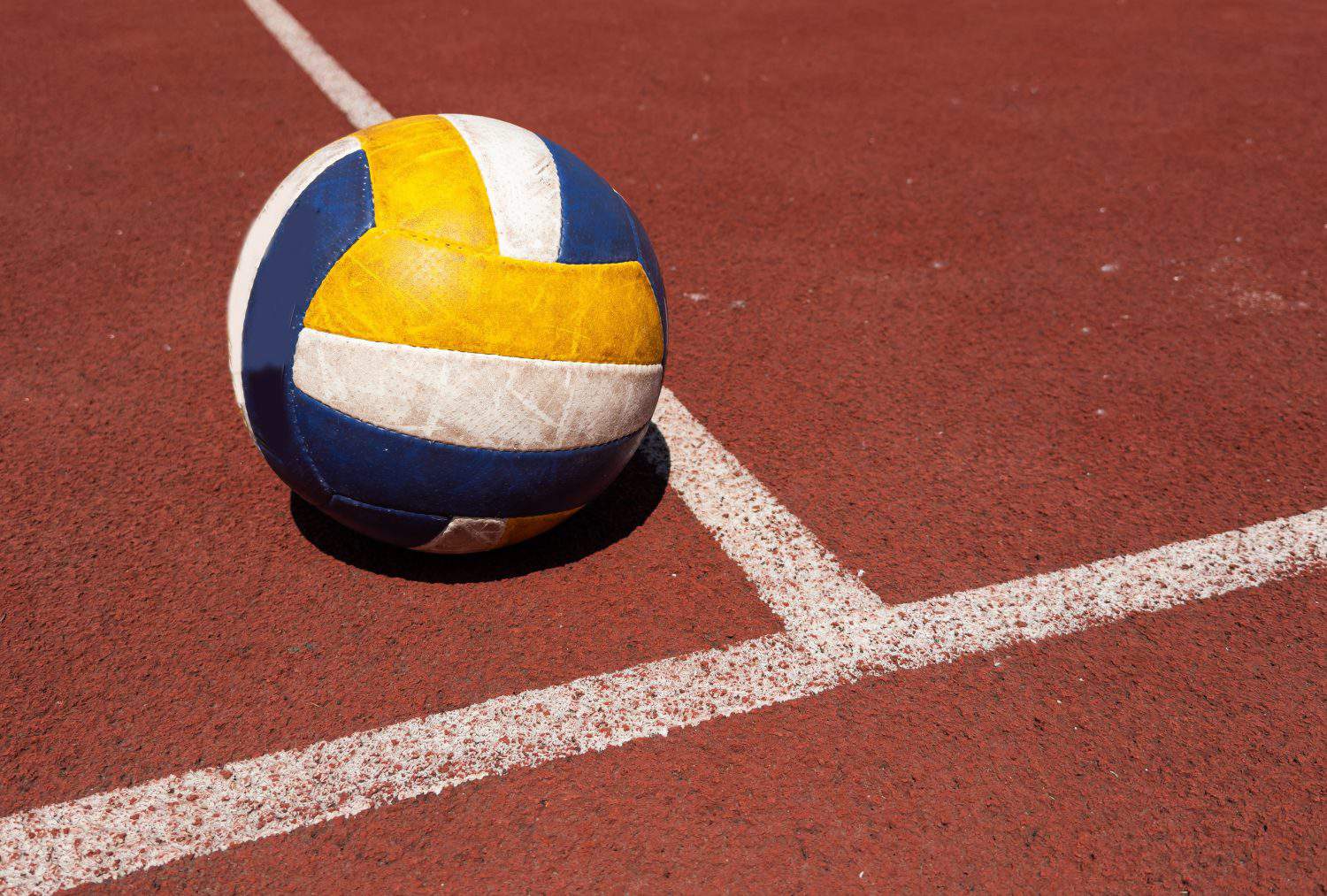
Volleyball: Sometimes the Most Important Word Is "Mine"
Volleyball puts several teammates in a relatively small space while sending the ball toward them at high speed. If two players both assume the other person is going to make the play, the rally can end in a hurry.
That is why players call for the ball, identify hitters, communicate blocks, and constantly tell teammates what they see developing. Beach volleyball makes that communication even more obvious because only two athletes are responsible for covering the entire court.
Officials Use Sound Too, Just Not the Way the Old Myth Suggests
You may hear people claim volleyball officials listen for the net to make a noise when a player touches it. That is not how the rule is written. Officials judge net faults through what they observe, with hand signals identifying the player and side responsible.
The referee's whistle, however, is unmistakably part of the sport. It signals faults and stops play, and players have to recognize it immediately even in a loud gym packed with spectators. In volleyball, sound matters far more for communication and officiating than trying to hear the net move.
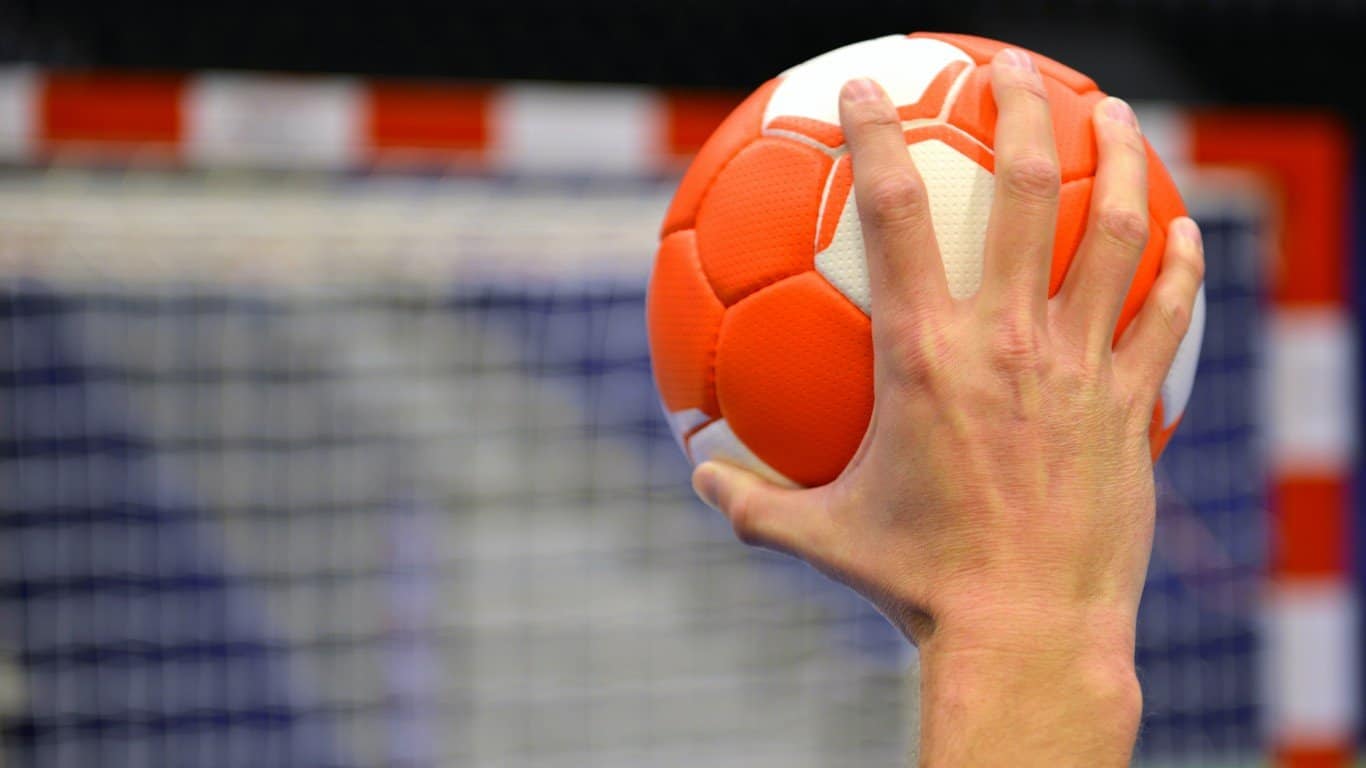
Handball: First, Forget the "Extra Points" Myth
One correction first: indoor handball does not award extra points for a long-distance goal. The broken line nine meters from the goal is the free-throw line, not the handball equivalent of basketball's three-point arc.
A normal goal is a goal regardless of whether the shot comes from six meters, nine meters, or farther away. That does not make those long-range shots any less impressive, especially with defenders trying to block the lane and a goalkeeper reacting from just a few meters away.
Handball Defenses Have to Communicate Constantly
Where sound really matters in handball is organization. Attacks develop quickly, players cross and screen, and defenders have to pass assignments from one person to another without losing track of the ball.
Officials rely on audible signals as well. Under IHF rules, referees use whistles throughout the game and confirm a scored goal with two short whistle signals along with the appropriate hand signal. In a sport built around constant motion, everyone needs to recognize those cues instantly.