Djuli Pamungkas / Wikimedia Commons
Cameron Spencer / Getty Images
Abasaa / Public Domain / Wikimedia Commons
griffhome / Flickr/CC BY-SA 2.0
jacquesvandinteren / Getty Images
fotonio / iStock Unreleased via Getty Images
saschapohflepp / Flickr/CC BY 2.0
BravissimoS / Getty Images
proni / Flickr/Public Domain
imagean / iStock via Getty Images
Roland Zumbühl / Wikimedia Commons
Stephen Barnes / iStock via Getty Images
belurmath / Flickr /Public Domain
Snap2Art_RF / Getty Images
Wikipedia
GWMB / iStock Editorial via Getty Images
Public Domain / Wikimedia Commons
tobiaslone / Flickr/CC BY 2.0
Djuli Pamungkas / Wikimedia Commons
dbgg1979 / Flickr/CC BY 2.0
Neil Taylor / Wikimedia Commons




20 Wild Sports From Around the World Americans Rarely See
American sports fans know football, baseball, basketball, hockey, and soccer inside and out. Travel far enough from the familiar major leagues, though, and the rules can start looking very different. In some places athletes punch an oval ball instead of throwing it. In others they wrestle on sawdust, race cattle through flooded rice fields, or deliberately try to make gunpowder explode with a metal disc.
Some of these games are enormous in their home countries. Others survive as regional traditions, festival competitions, or niche sports with intensely loyal followings. A few even have professional leagues and international championships despite getting little mainstream attention in the United States.
From Australia's enormous oval fields to Colombia's explosive tejo courts, these are 20 sports and competitive games Americans rarely get to see.
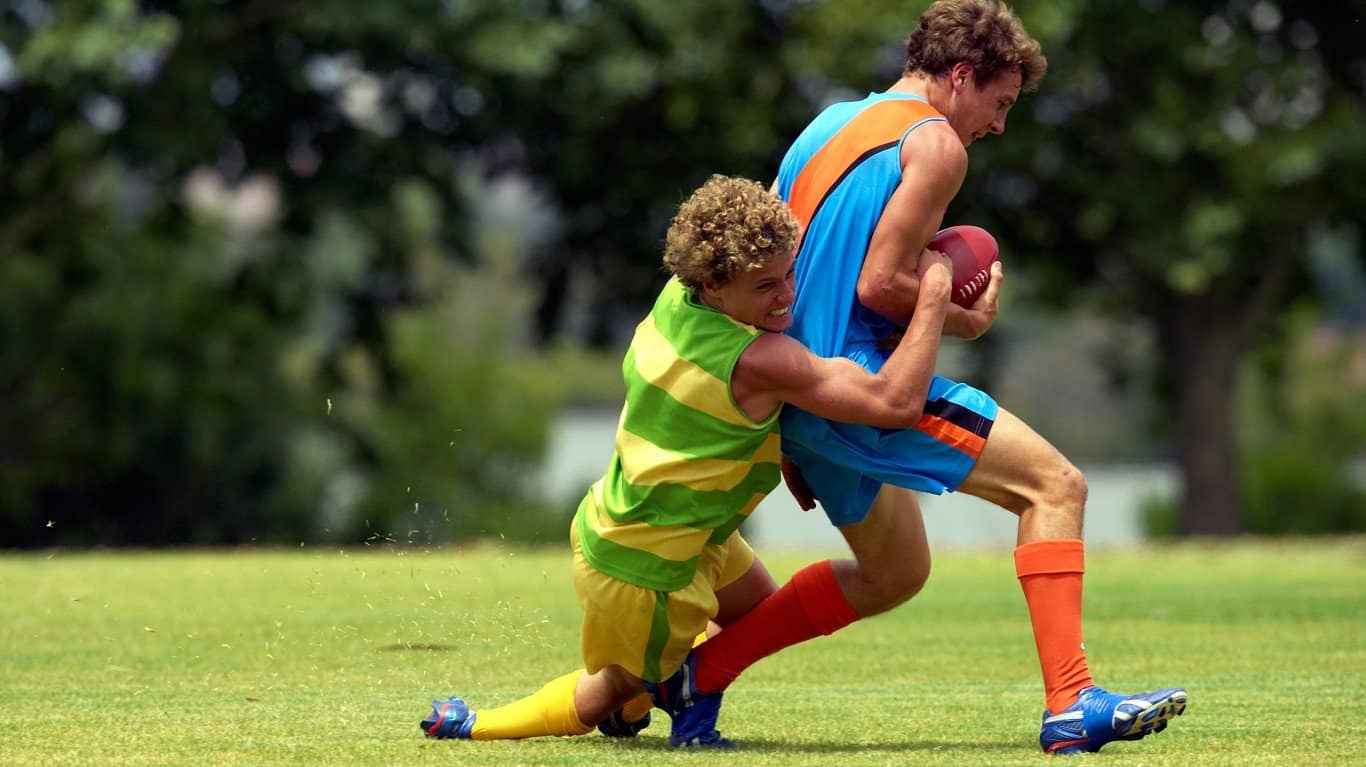
Australian Rules Football
Australian rules football, usually just called footy, is one of Australia's biggest sports and looks a little like several familiar American games collided on an enormous oval field. AFL teams put 18 players on the field at a time. Players can kick the oval ball or move it with a handball, which requires punching the ball from one hand with the other fist. Simply throwing it is illegal. Kicking the ball between the two tall center posts scores six points, while a ball passing between a goal post and one of the shorter behind posts scores one.
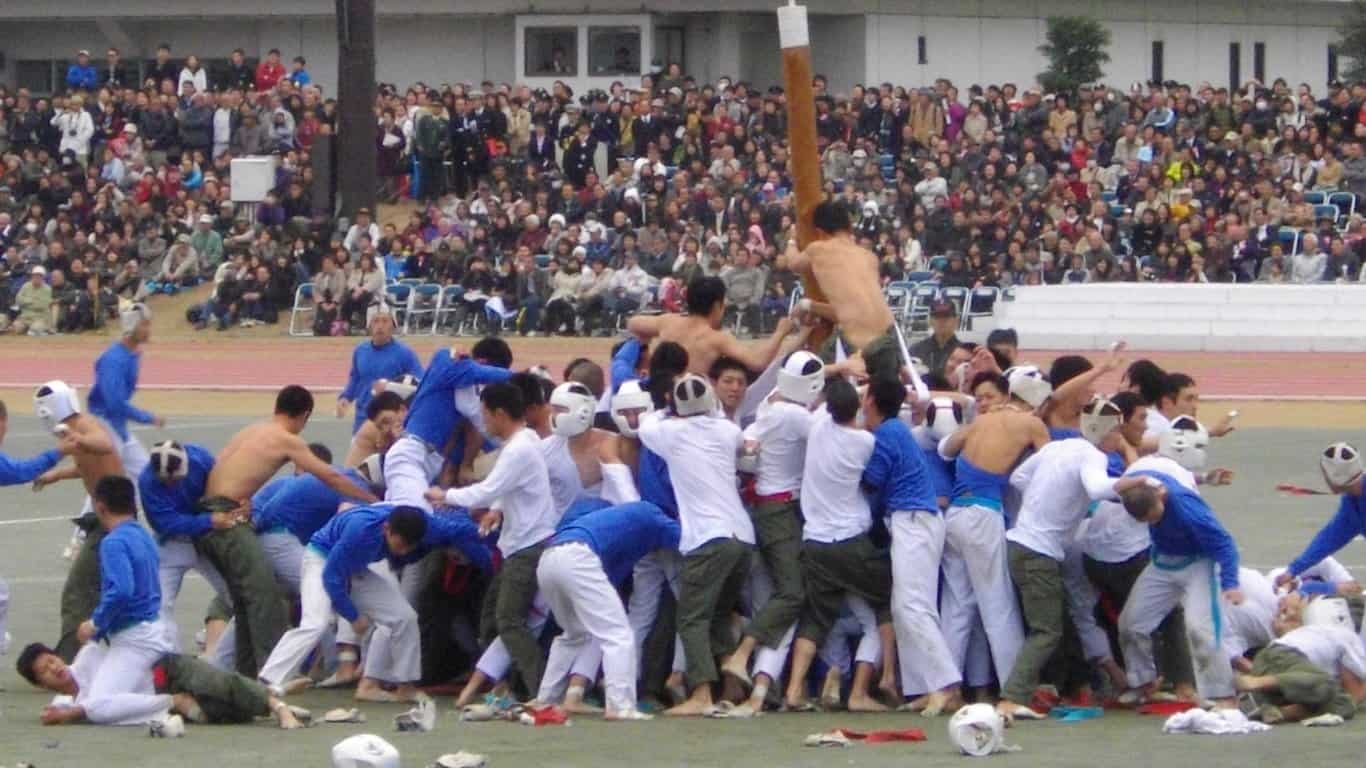
Bo-Taoshi
If capture the flag involved 300 people and a giant wooden pole, it might look something like bo-taoshi. The version famously played by cadets at Japan's National Defense Academy pits two 150-person teams against one another. Each divides into 75 attackers trying to pull down the opponent's pole and 75 defenders protecting their own. A team loses when its pole is forced down to about 30 degrees from the ground. The whole thing looks chaotic, but punching, kicking, strangling, and other dangerous attacks are prohibited.
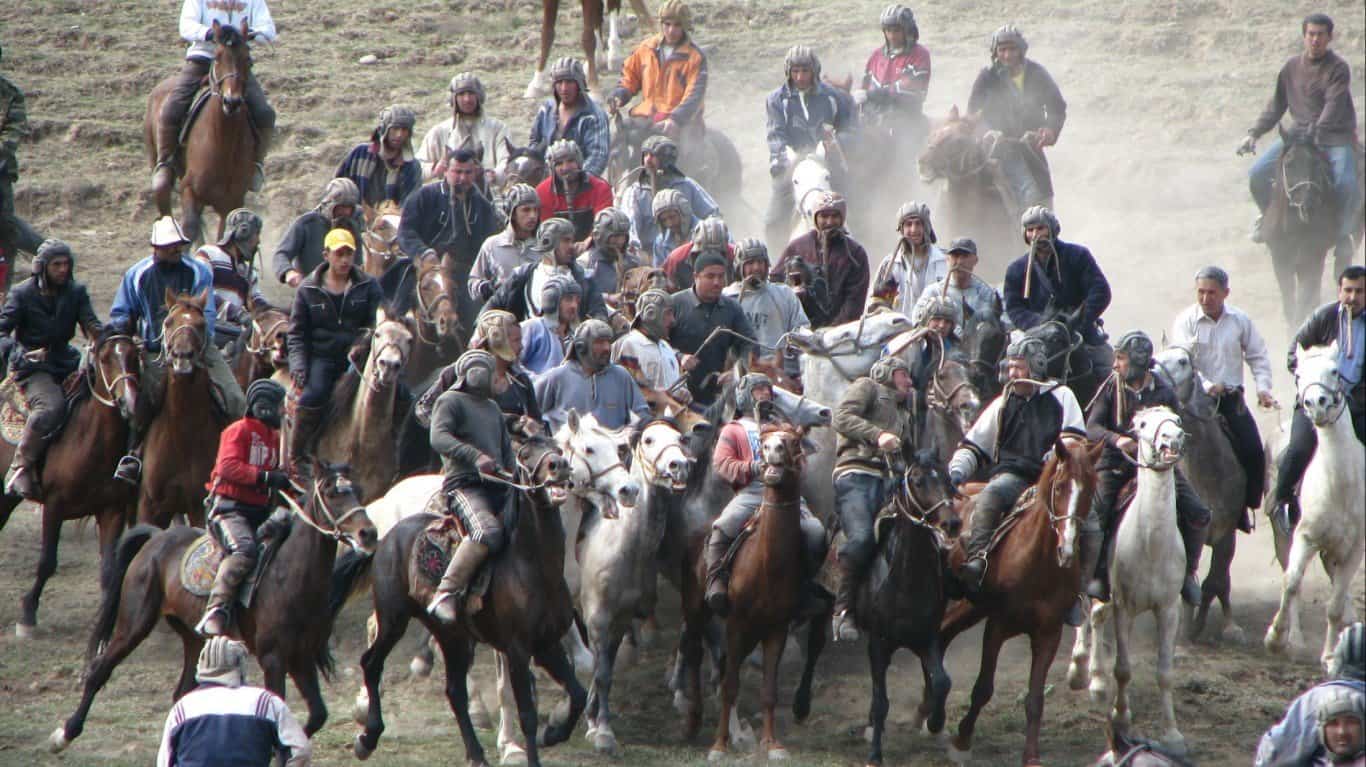
Buzkashi
Buzkashi is widely regarded as Afghanistan's national sport, although its roots extend across Central Asia. Horsemen battle for possession of a goat or calf carcass and attempt to carry it through a scoring area while opponents try to take it away. That description barely captures how physical the game becomes when skilled riders and horses collide at full speed. The Taliban banned buzkashi during its first period in power in the 1990s, but despite concerns after the group's 2021 return, the sport is once again being played and continues to draw large crowds.
Caber Toss
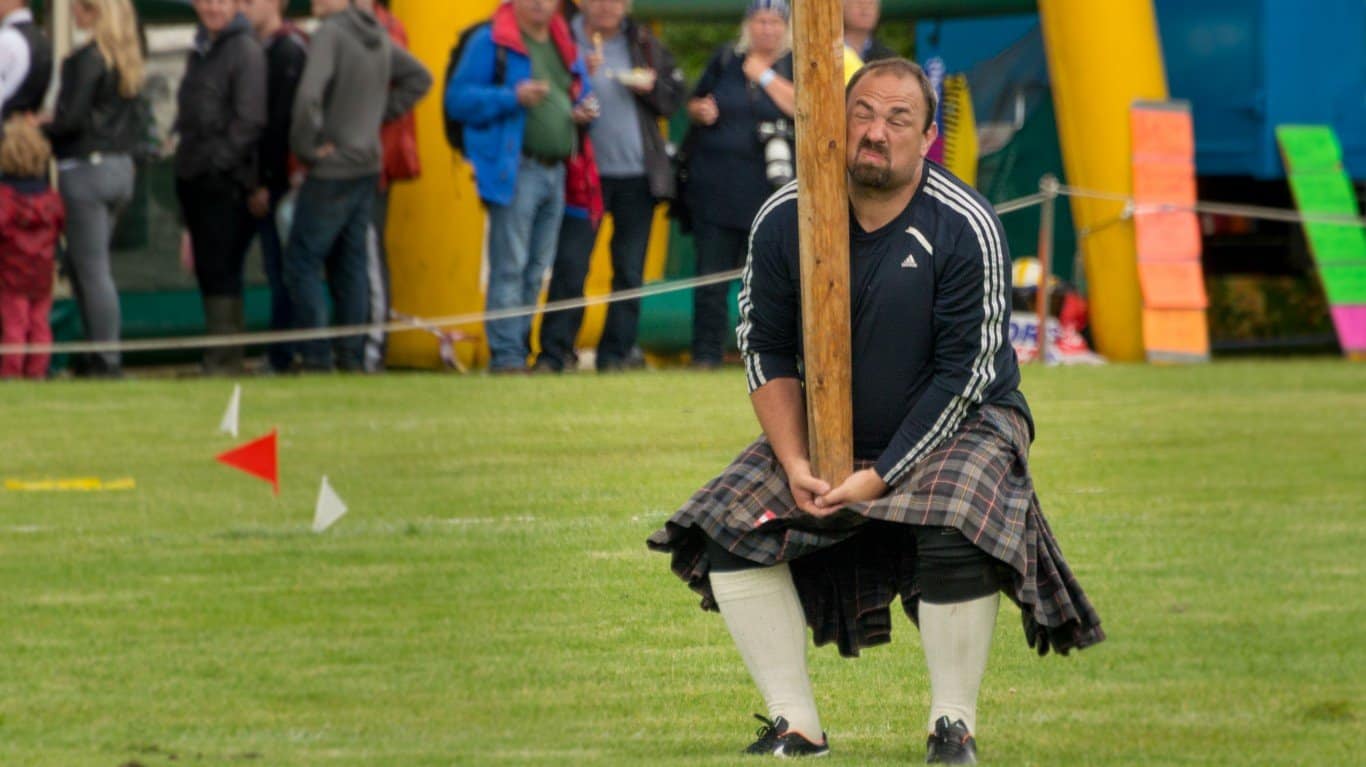
The caber toss is one of the signature events of Scotland's Highland Games, but the goal is not simply to throw a huge log as far as possible. Cabers vary in size and weight depending on the competition, with some measuring roughly 16 to 22 feet and weighing well over 100 pounds. The athlete lifts the caber vertically, runs forward, and tries to flip it end over end. A perfect toss leaves the smaller end pointing directly away from the thrower at the imaginary 12 o'clock position. Distance barely matters. Control and accuracy decide the winner.
Calcio Storico Fiorentino
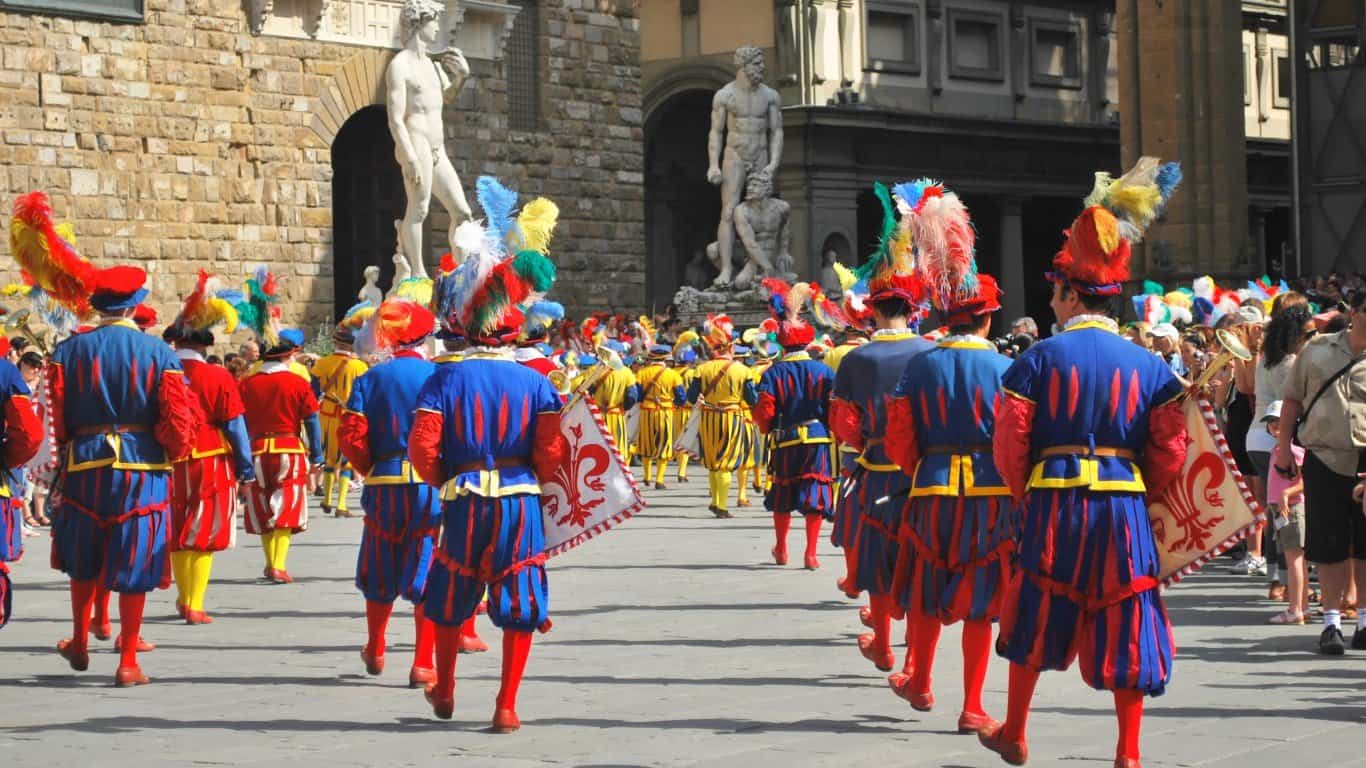
Florence's calcio storico looks like soccer, rugby, and a mass brawl sharing the same sand-covered field. Each team represents one of four historic Florentine districts and sends 27 players into a 50-minute match at Piazza Santa Croce. Teams score by getting the ball into a net running across the opponent's end. Physical contact is a huge part of the game, including grappling and some striking, but it is not literally anything goes. Modern rules restrict especially dangerous conduct. The annual tournament remains part athletic competition, part neighborhood rivalry, and part living piece of Florentine history.
Chessboxing
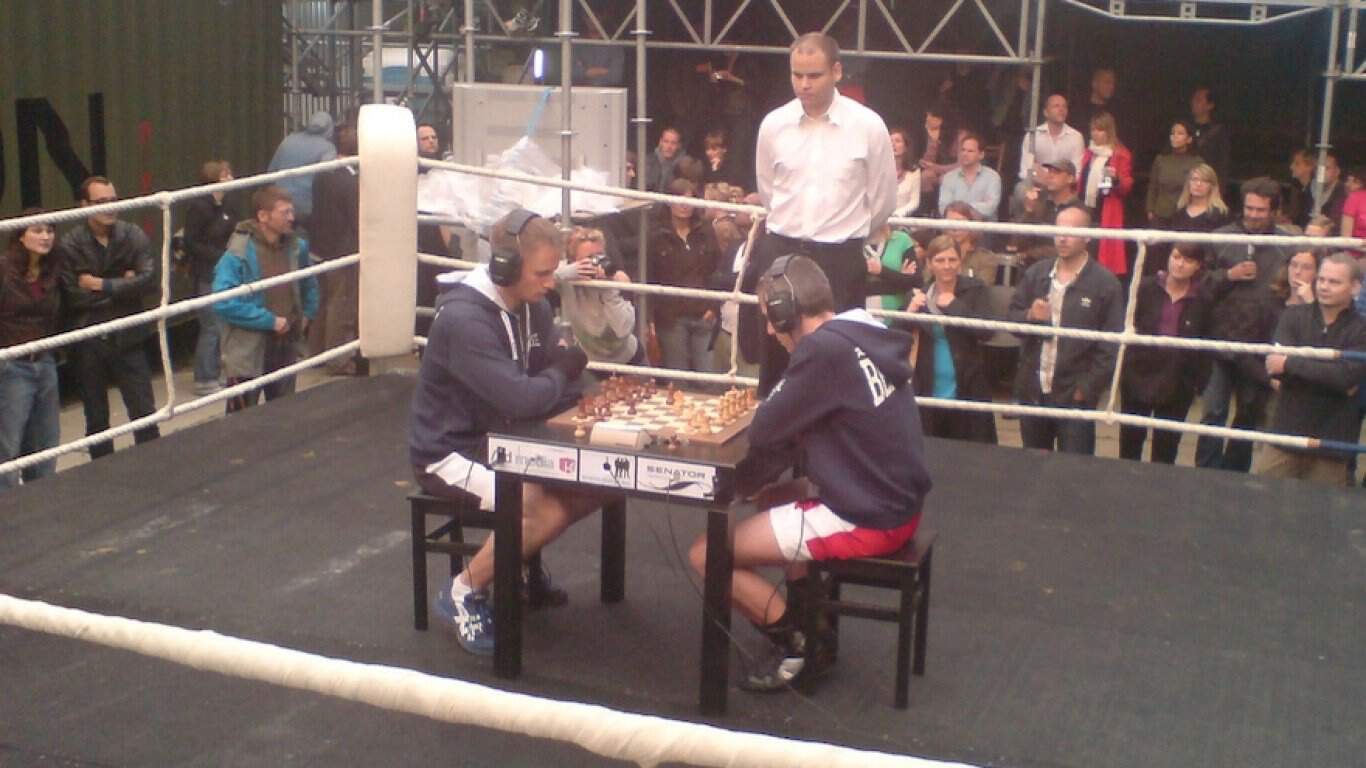
Chessboxing asks competitors to switch between two skills that could hardly seem more different. Fighters alternate between chess and boxing rounds, meaning someone can be thinking several moves ahead at the board and then taking punches moments later. Long-format bouts can run as many as 11 rounds, with six rounds of chess and five of boxing. A competitor can win by checkmate, running the opponent out of chess time, knockout, or technical knockout. The mental transition may be the hardest part of all.
Futsal
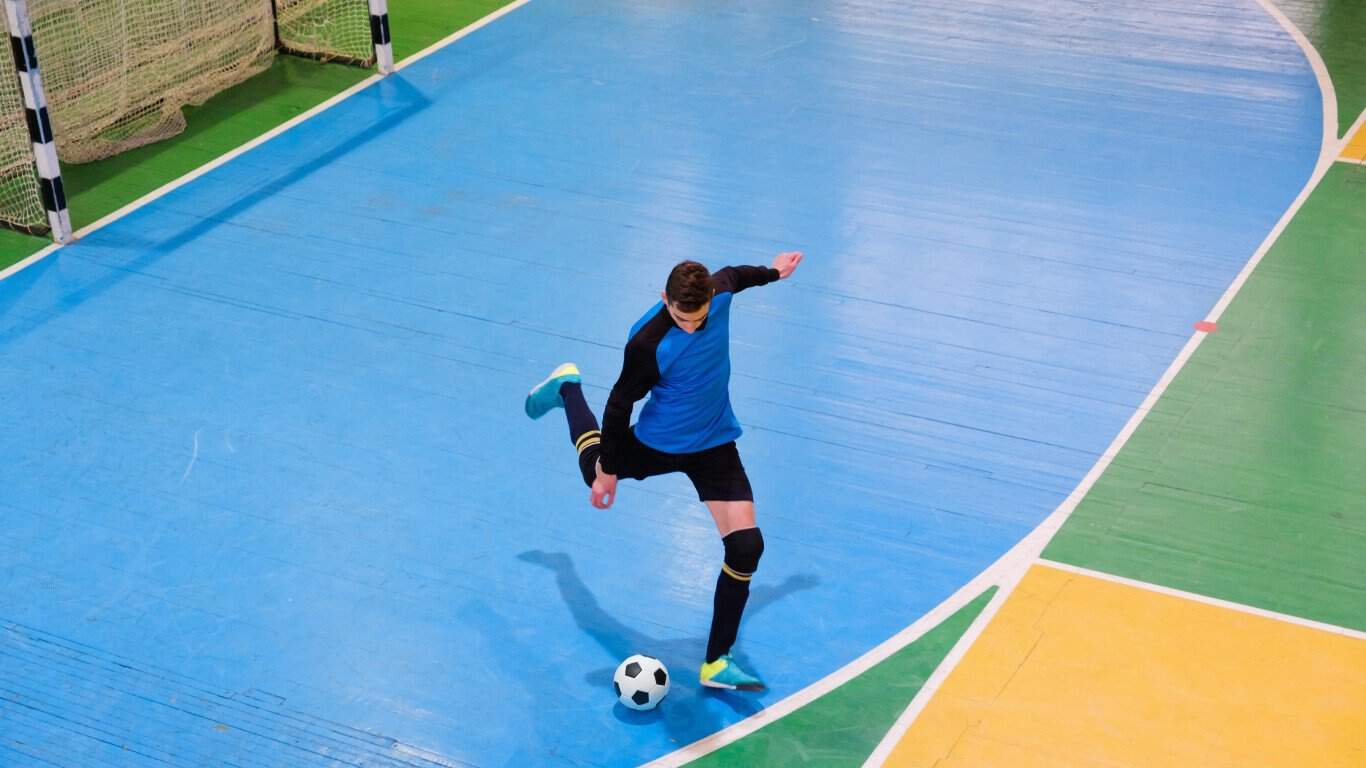
Futsal is sometimes casually called indoor soccer, but it has developed into a distinct FIFA-recognized sport with its own rules and international competitions. Teams use five players at a time, including the goalkeeper, on a much smaller hard court. The ball is smaller and designed to bounce less than a standard soccer ball, which encourages close control, quick passing, and technical play. Elite futsal is especially popular in Europe and South America, and many famous soccer players grew up using it to sharpen their footwork.
Gaelic Football
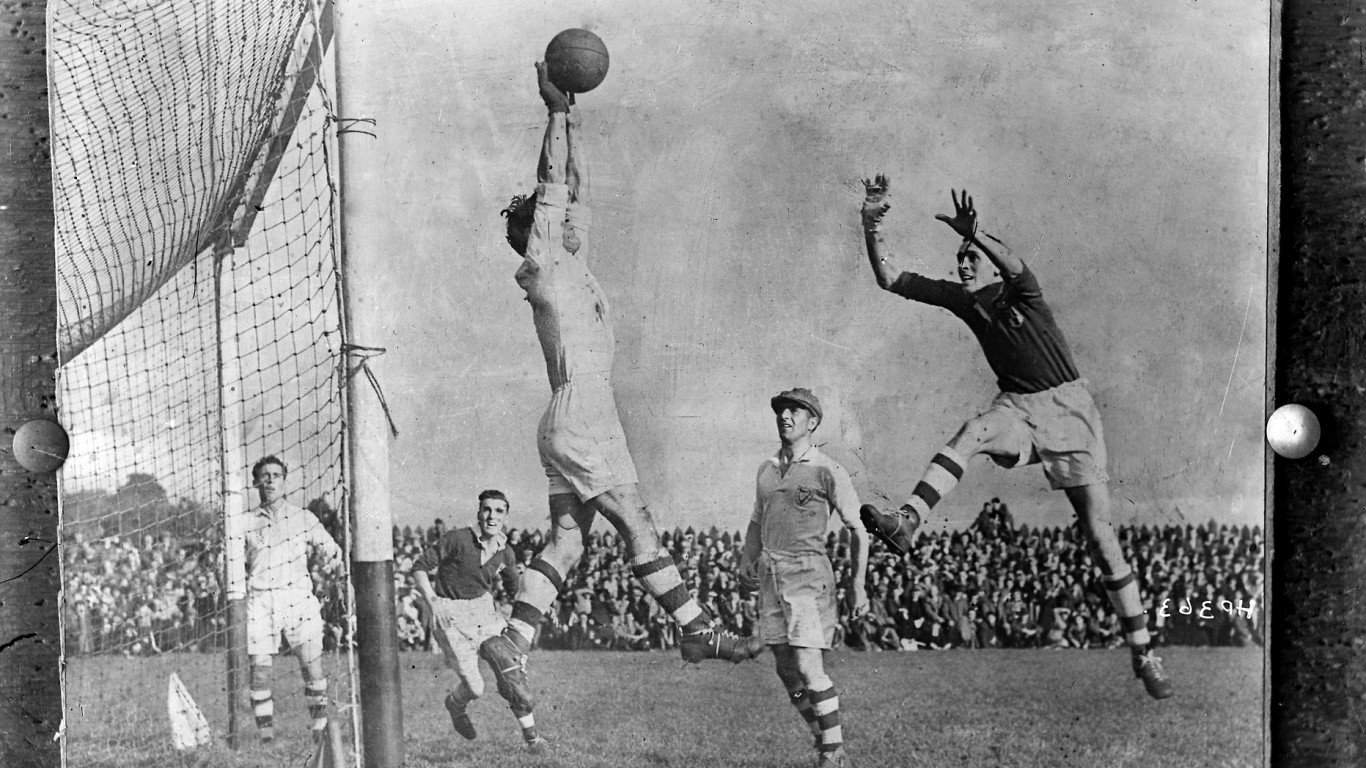
Gaelic football is one of Ireland's signature national games and combines skills that can remind an American viewer of soccer, rugby, and basketball without being quite like any of them. Teams of 15 play with a round ball on a large rectangular field. Players can kick, hand-pass, carry, bounce, and solo the ball while trying to score through H-shaped goalposts. The sport shares a governing body and scoring structure with hurling, and the biggest inter-county matches fill stadiums with crowds that rival major professional sports.
Team Handball
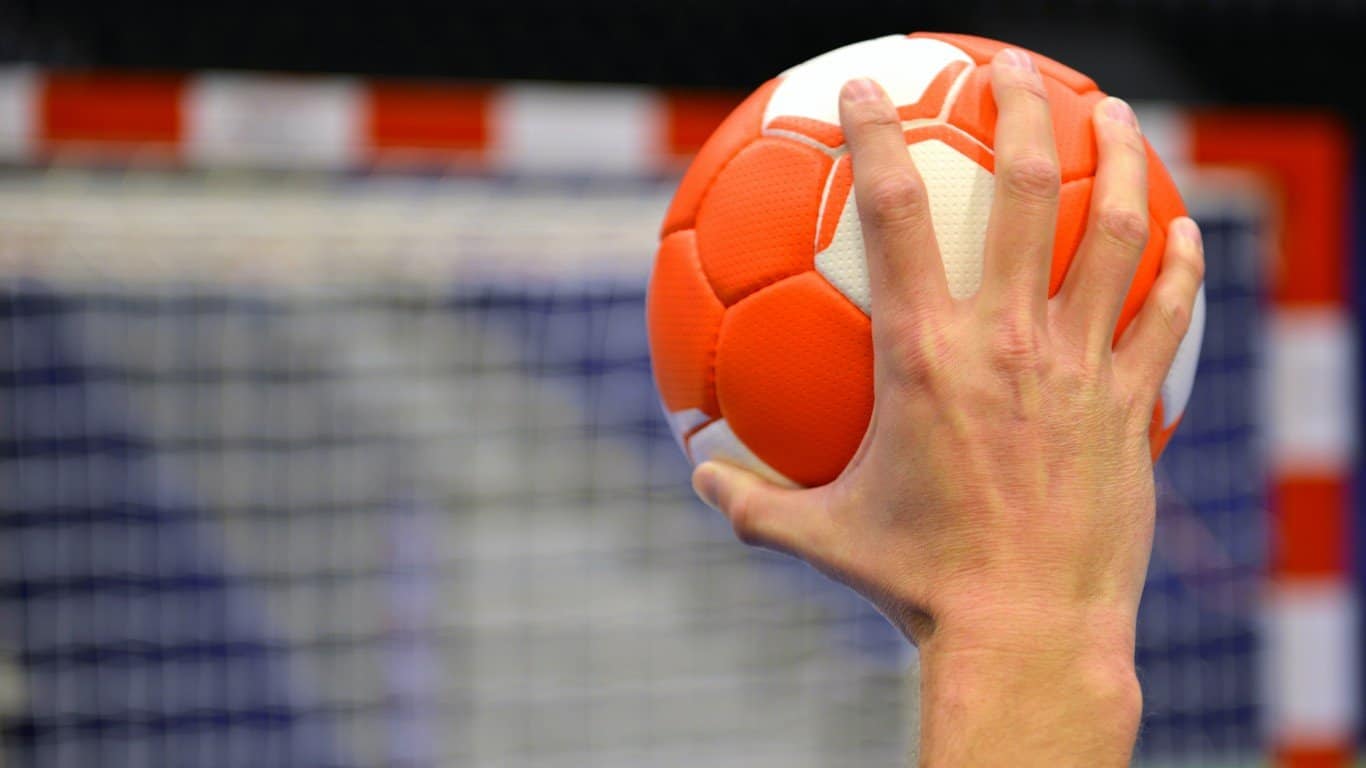
This is not the handball Americans may remember from hitting a ball against a wall. International team handball puts seven players per side, including a goalkeeper, on a 40-by-20-meter court. Players pass and dribble with their hands before leaping toward a goal that looks like a smaller soccer net. The pace is relentless, scores can climb quickly, and body contact is part of defending. Handball is especially strong across Europe but is played internationally and has been an Olympic sport for decades.
Hornussen
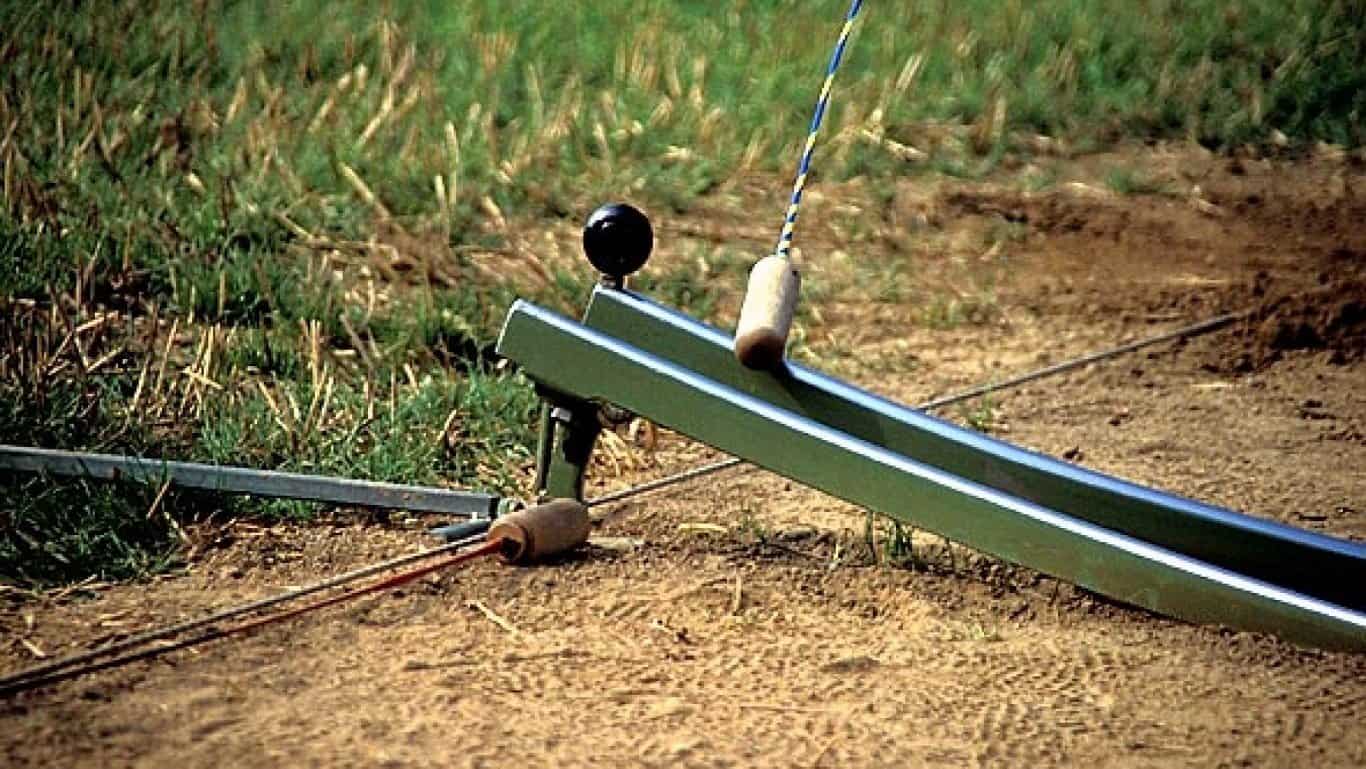
Hornussen is a Swiss team sport that looks a little like golf and baseball until the object being hit starts flying at highway speeds. The attacking team launches a small puck called a Nouss into the field using a flexible striking device. Defenders spread out downfield and try to knock the flying puck out of the air with large boards called schindels. Switzerland Tourism says a Nouss can exceed 300 kilometers per hour, or roughly 190 mph. Missing one is not just bad defense. It also seems like an excellent reason to keep your eyes open.
Hurling
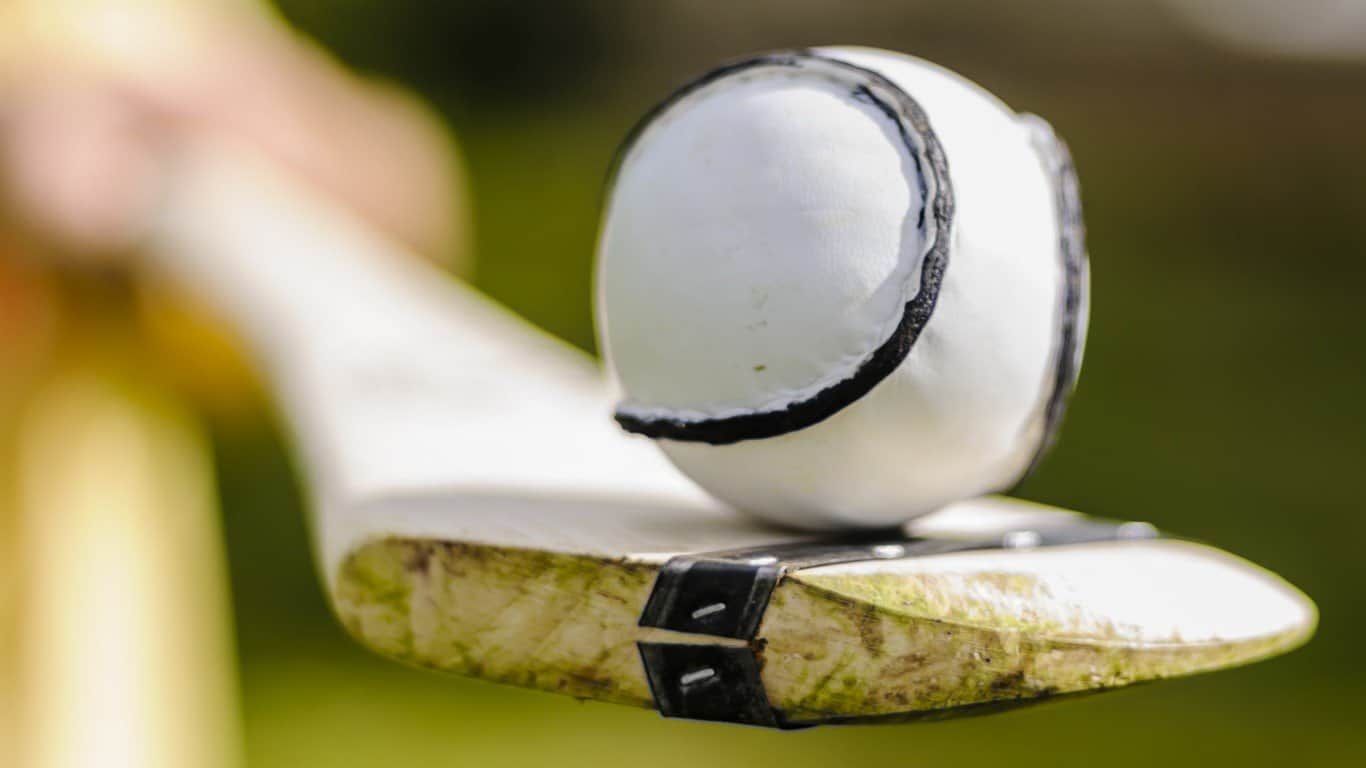
Calling hurling 800 years old badly undersells it. The Gaelic Athletic Association says forms of the Irish game can be traced back at least 2,000 years, with some historical traditions reaching closer to 3,000. Players use a wooden stick called a hurley to strike a small ball called a sliotar, either through the goal for three points or over the crossbar for a point. Fifteen players line up on each side. The ball can move astonishingly fast, which is why hurling is often described as one of the fastest field sports in the world.
Kabaddi
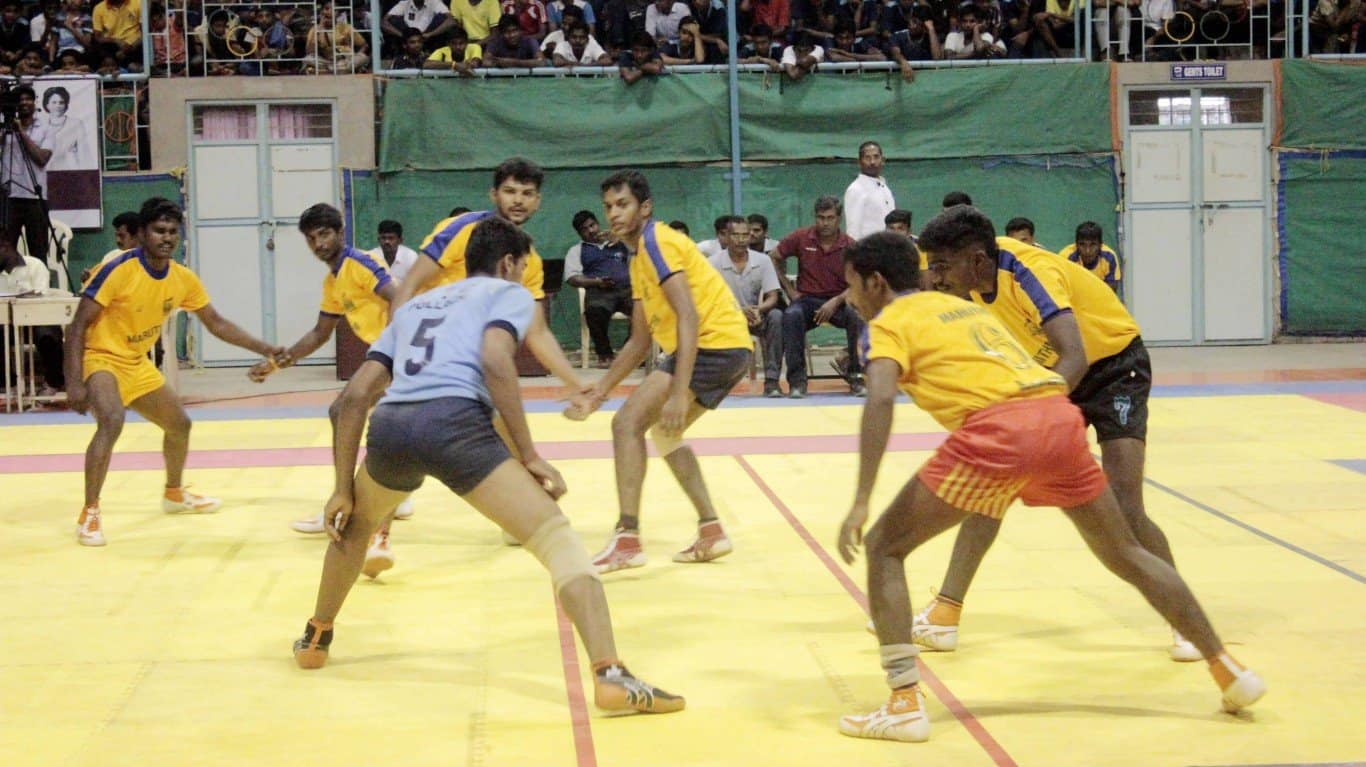
Kabaddi turns playground tag into a full-contact tactical sport. Two seven-player teams take turns sending a raider into the opponent's half, where the raider tries to tag defenders and make it safely back across the center line. Defenders score by trapping or tackling the raider before that happens. The sport is deeply rooted in South Asia and is particularly prominent in India and Bangladesh. Bangladesh recognizes kabaddi as its national game, while Nepal's national sport is actually volleyball, despite a common misconception that kabaddi holds that title there.
Netball
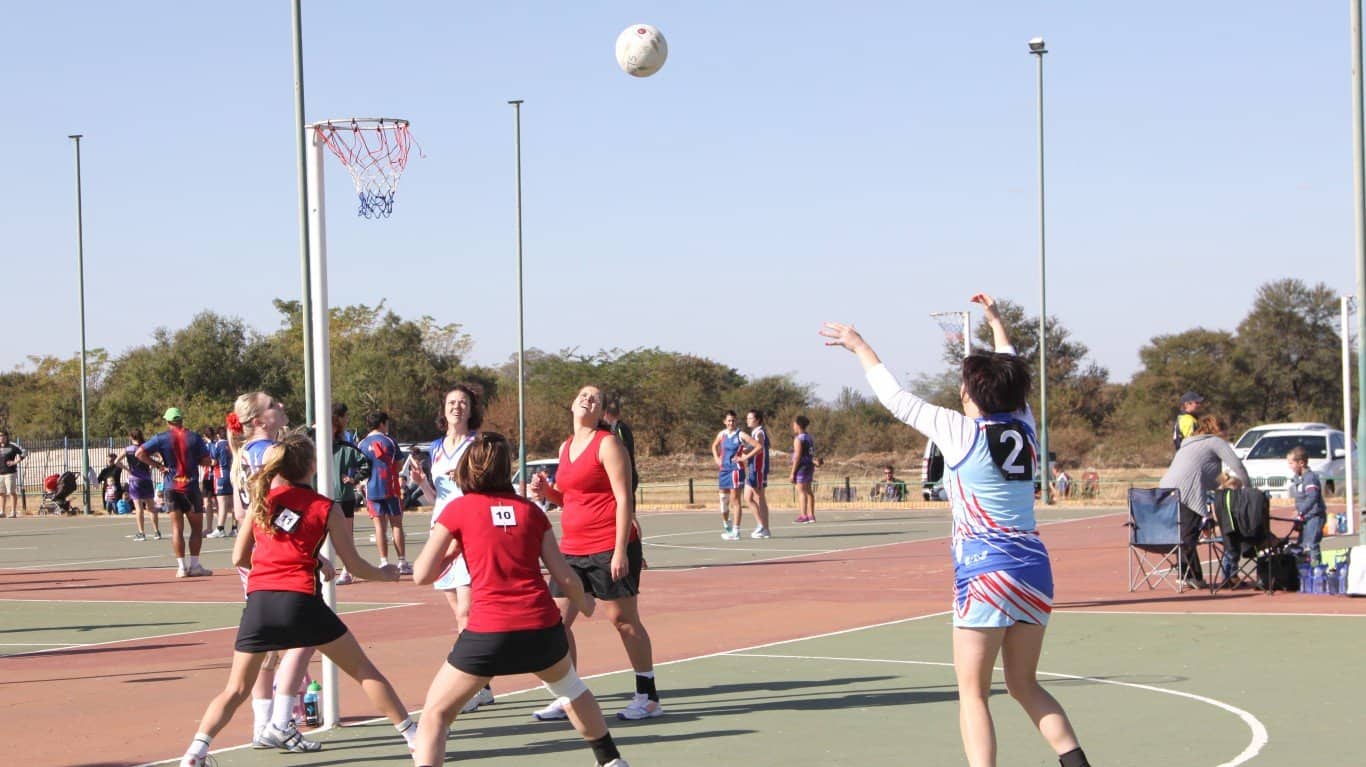
Netball grew out of early versions of basketball in the 1890s but developed into a very different sport. Seven players take the court for each team, and every position is restricted to particular sections of the floor. Players cannot simply dribble up the court as they would in basketball, making quick passing and positioning essential. The goal ring also has no backboard. Netball is particularly strong in Australia, New Zealand, England, Jamaica, South Africa, and other Commonwealth nations, and the international game remains dominated by many of those countries.
Pesäpallo
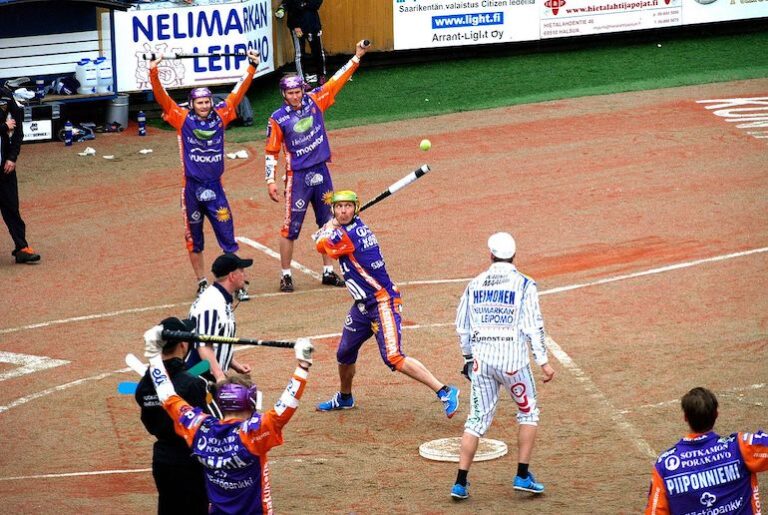
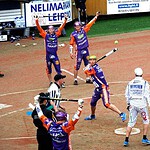
Finland took baseball, rearranged some of its most familiar features, and ended up with pesäpallo, the country's national game. The sport still involves batting, running bases, fielding, and scoring runs, but the similarities quickly get strange. The pitcher stands beside the batter and tosses the ball almost straight upward above home plate, while the bases are arranged in a zigzag pattern rather than an American-style diamond. Finland has organized leagues, championships, and a detailed modern rulebook for the sport, which remains largely unknown to American baseball fans.
Pacu Jawi
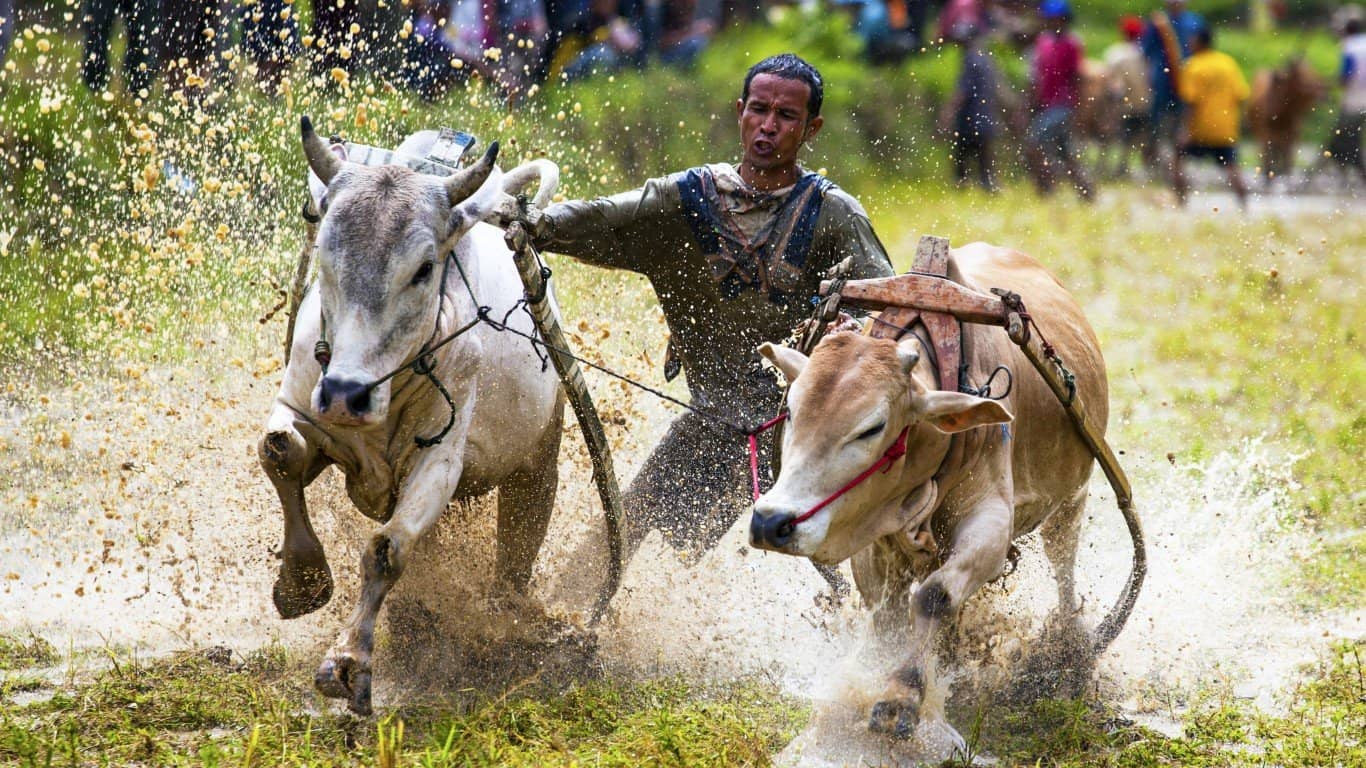
Pacu Jawi turns a muddy rice field into a racecourse in West Sumatra, Indonesia. A jockey balances behind a pair of cattle on a wooden plow while the animals charge through a flooded field after the rice harvest. Speed matters, but it is not the only thing spectators watch. Local tourism authorities say cattle are also valued for running straight rather than veering across the field. Events rotate among communities in several districts of Tanah Datar, making Pacu Jawi as much a post-harvest cultural tradition as an athletic spectacle.
Pato
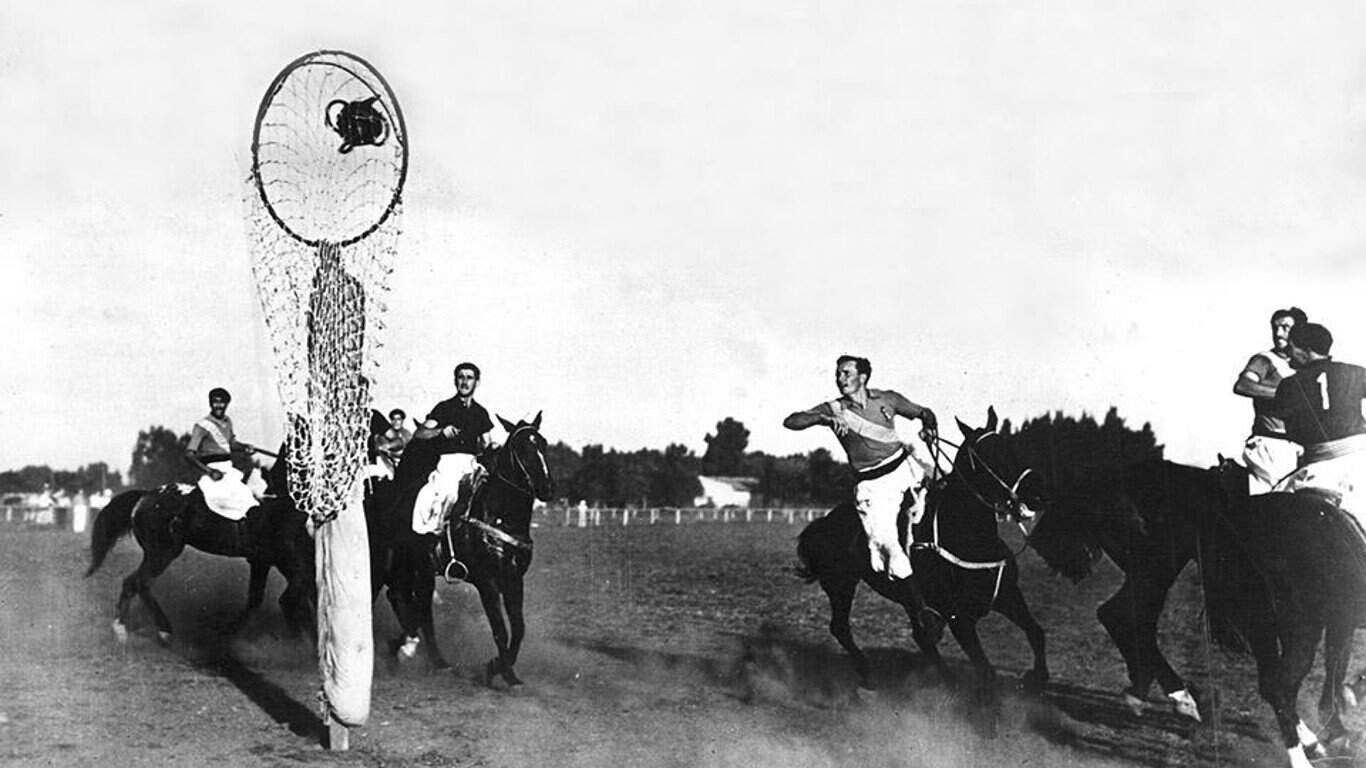
Argentina's national sport looks like basketball decided it would be much more interesting on horseback. Pato players race across the field carrying a leather ball fitted with six handles and try to throw it through a vertical hoop. The modern game is considerably safer than its historical predecessor, which once used a live duck inside a basket and became so dangerous that authorities repeatedly tried to ban it. Formal rules transformed pato into an organized equestrian sport, and Argentina officially recognized it as the national sport in 1953.
Schwingen
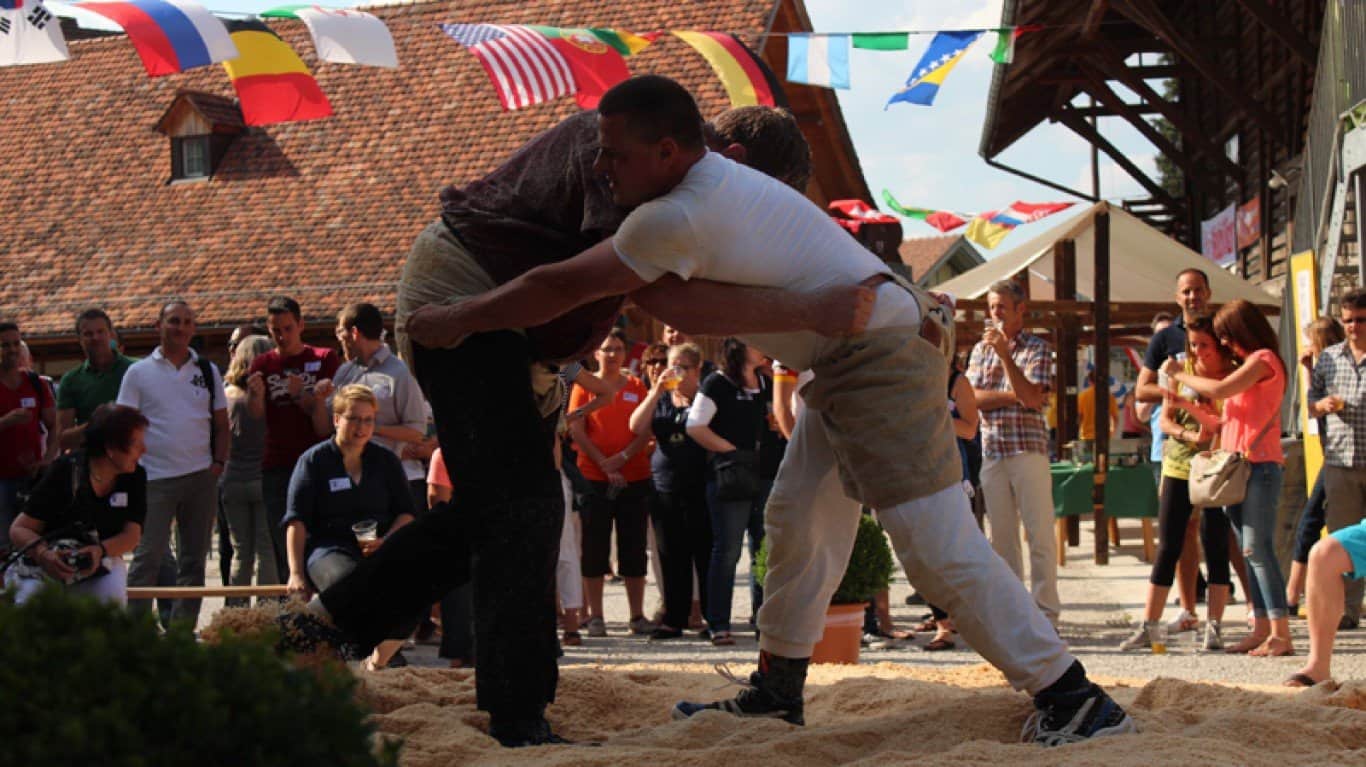
Schwingen is Switzerland's traditional style of wrestling, fought inside a circle of sawdust. Competitors wear heavy shorts over their clothing and begin by gripping those shorts, giving them leverage for a wide range of throws. A standard bout lasts about five minutes. Victory comes when an opponent lands with both shoulder blades on the sawdust. The best part may come afterward: tradition requires the winner to brush the sawdust from the loser's back. Major Schwingen festivals remain huge cultural events in Switzerland, complete with some unusually Swiss prizes, including prize cattle.
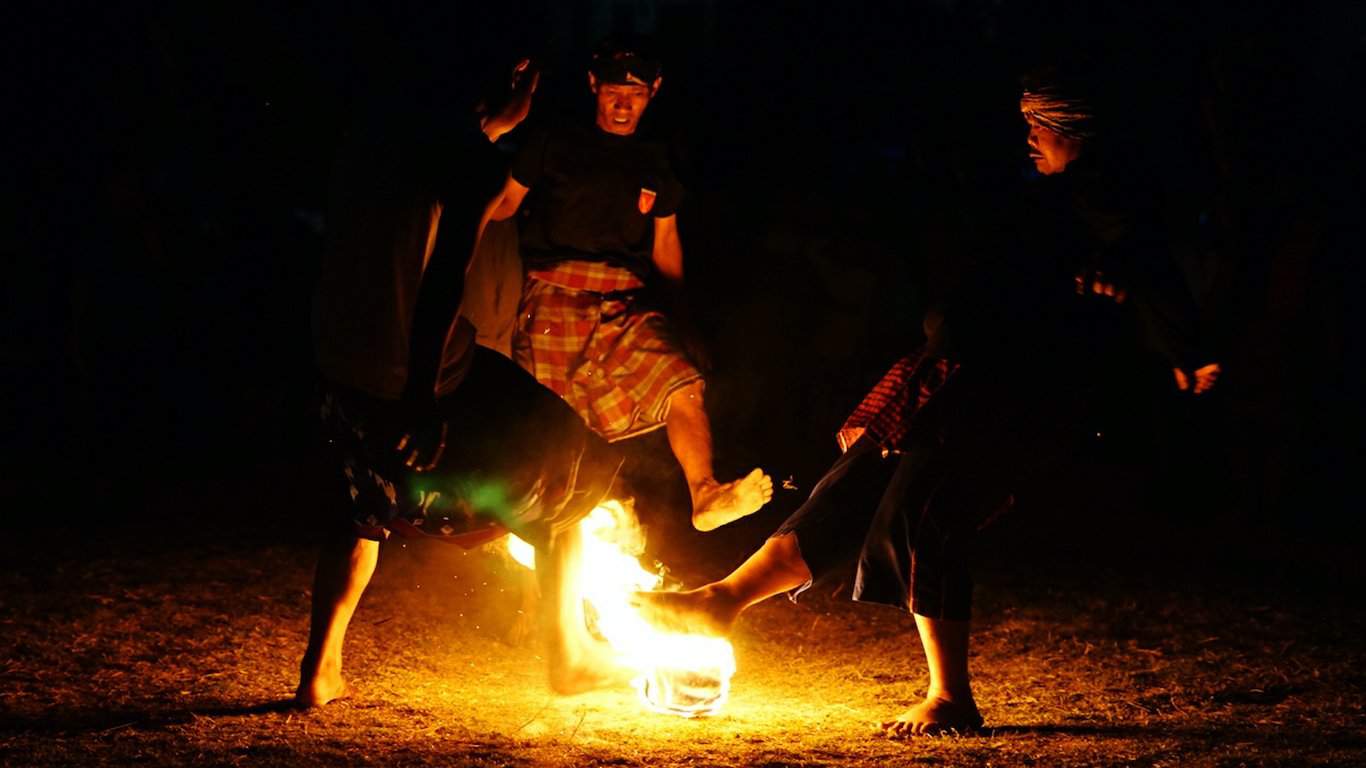
Sepak Bola Api
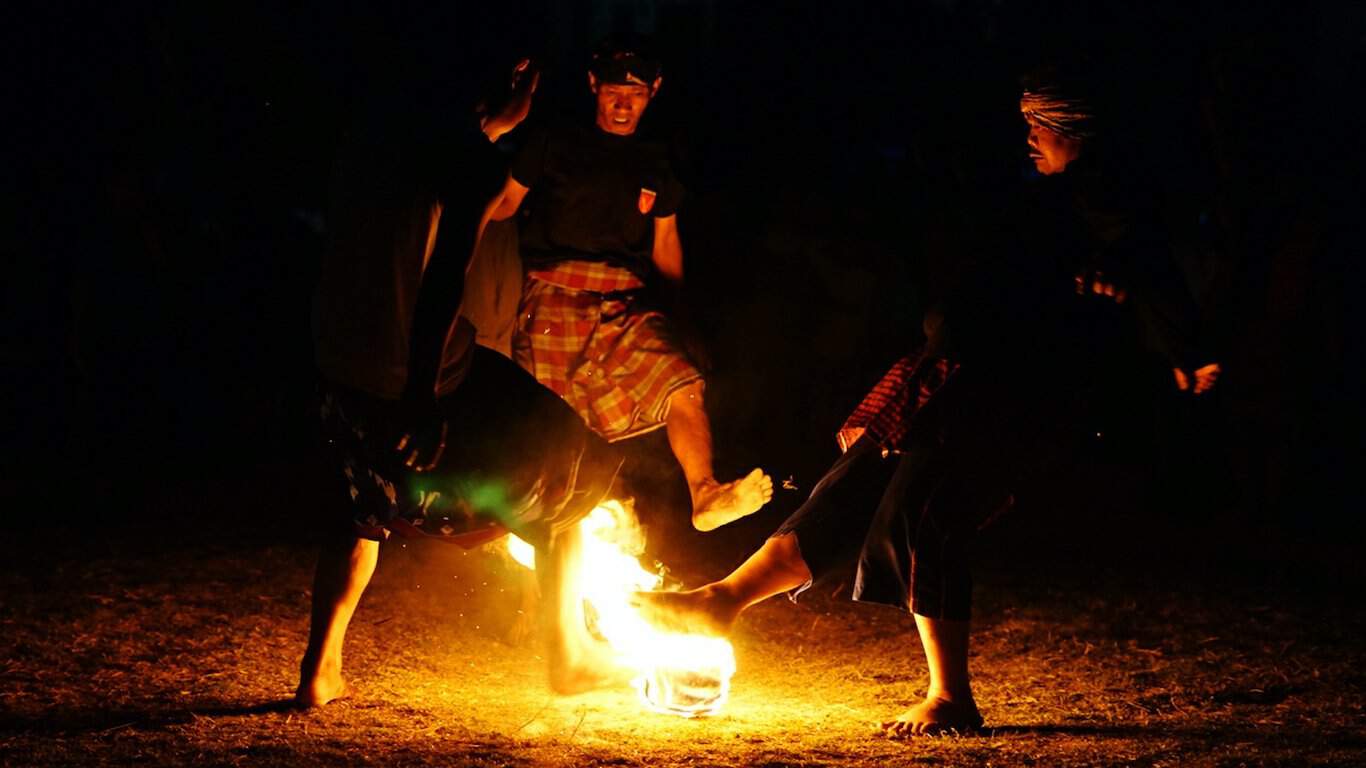
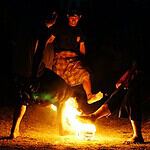
Sepak bola api translates roughly to fire football, and that is an unusually literal description. The Indonesian tradition uses a burning ball, commonly made with coconut material, in a game structured loosely around soccer. Exact rules and preparation vary because this is a local cultural tradition rather than an internationally standardized sport with one governing body. That is also why some of the more dramatic claims surrounding it should be treated cautiously. The part that does not require embellishment is already strange enough: players are voluntarily kicking a flaming object around a field.
Sepak Takraw
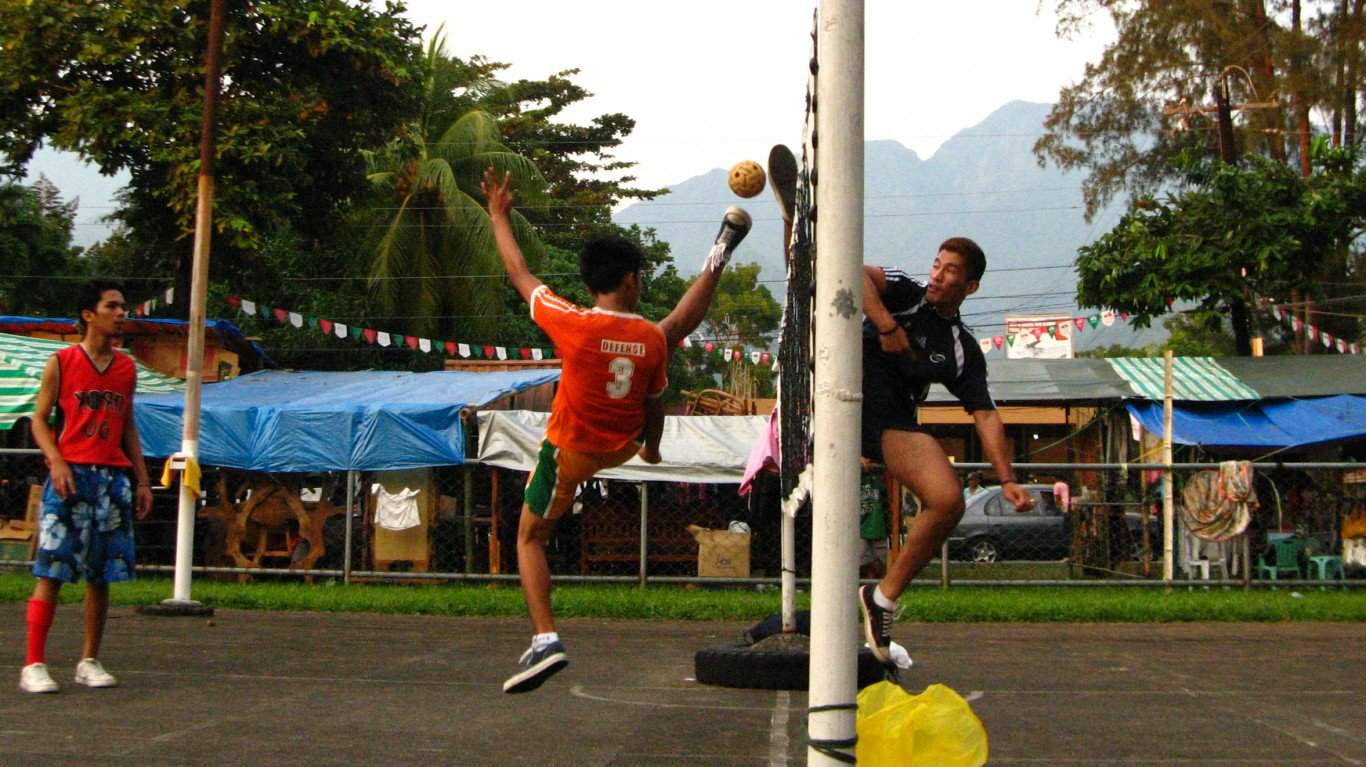
Sepak takraw is what volleyball might look like if using your hands were against the rules. In the standard regu format, teams of three send a small woven or synthetic ball over a net using their feet, legs, knees, body, or head. The resulting rallies can involve bicycle-kick-style spikes that would look spectacular on any soccer highlight reel. The game is deeply associated with Southeast Asia and has organized international rules and championships. Watching elite players launch themselves almost completely upside down to attack the ball explains the appeal pretty quickly.
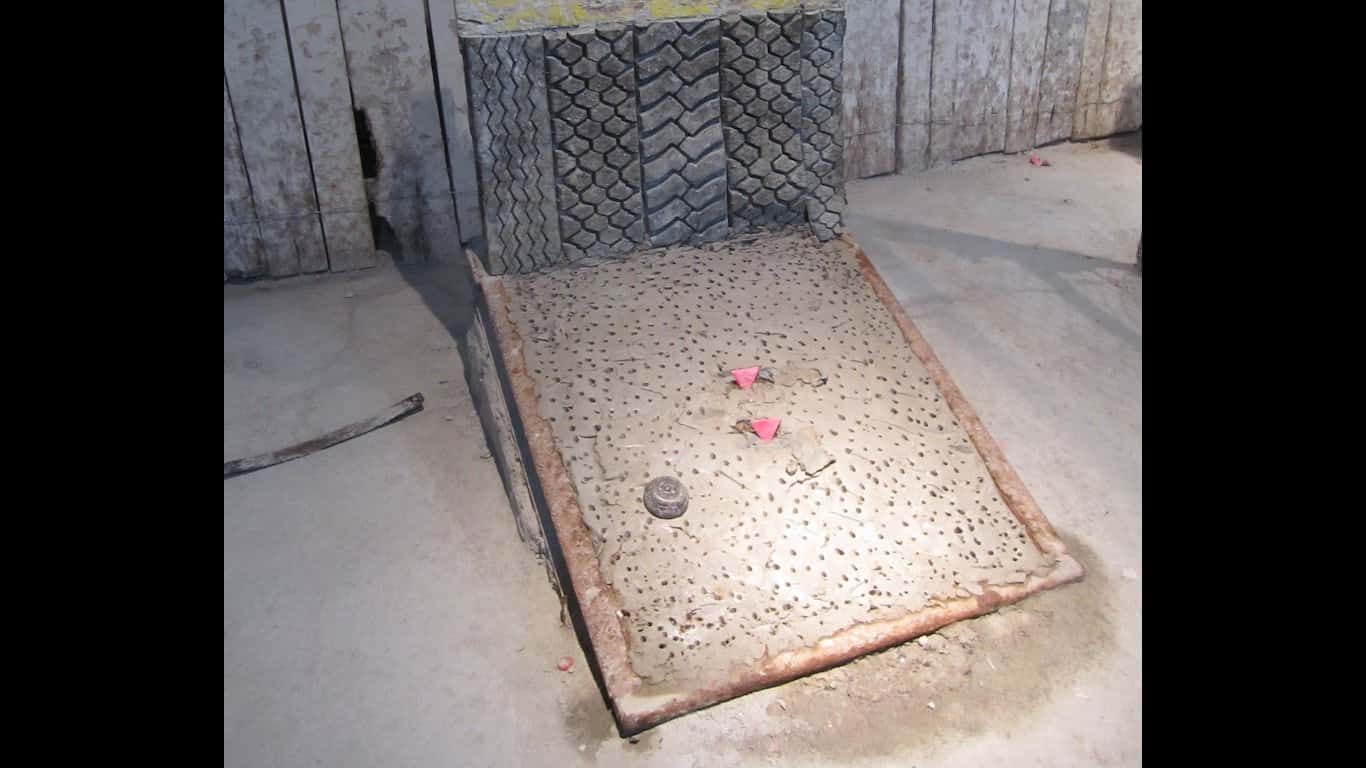
Tejo
Imagine cornhole or horseshoes, except someone surrounded the target with tiny packets of gunpowder. That gets you surprisingly close to Colombia's traditional sport of tejo. Players throw a heavy metal disc into a clay-filled target containing a metal ring and small triangular explosive packets called mechas. Landing closest earns a point, hitting a mecha and making it explode earns three, landing inside the central ring earns six, and doing both at once scores nine. Tejo courts are famously social places, so food, music, and a few drinks often accompany the competition. The explosions, however, are very much part of the actual sport.