Most sports make sense once someone explains the rules. Then there are competitions that involve boxing between chess moves, racing horses on foot, wrestling with your toes, riding a unicycle while playing hockey, or chasing a wheel of cheese down a hill at a speed your knees absolutely did not approve.
Some of these started as local traditions. Others were dreamed up in pubs, inspired by movies, or created by people who apparently looked at an ordinary household object and wondered whether it could become sporting equipment. A surprising number have since developed rules, championships, governing organizations, and fiercely competitive followings.
24/7 Tempo reviewed current event organizers, sport governing bodies, historical archives, and other reliable sources to revisit 30 of the strangest sports and competitions people have actually played around the world.
Chess Boxing
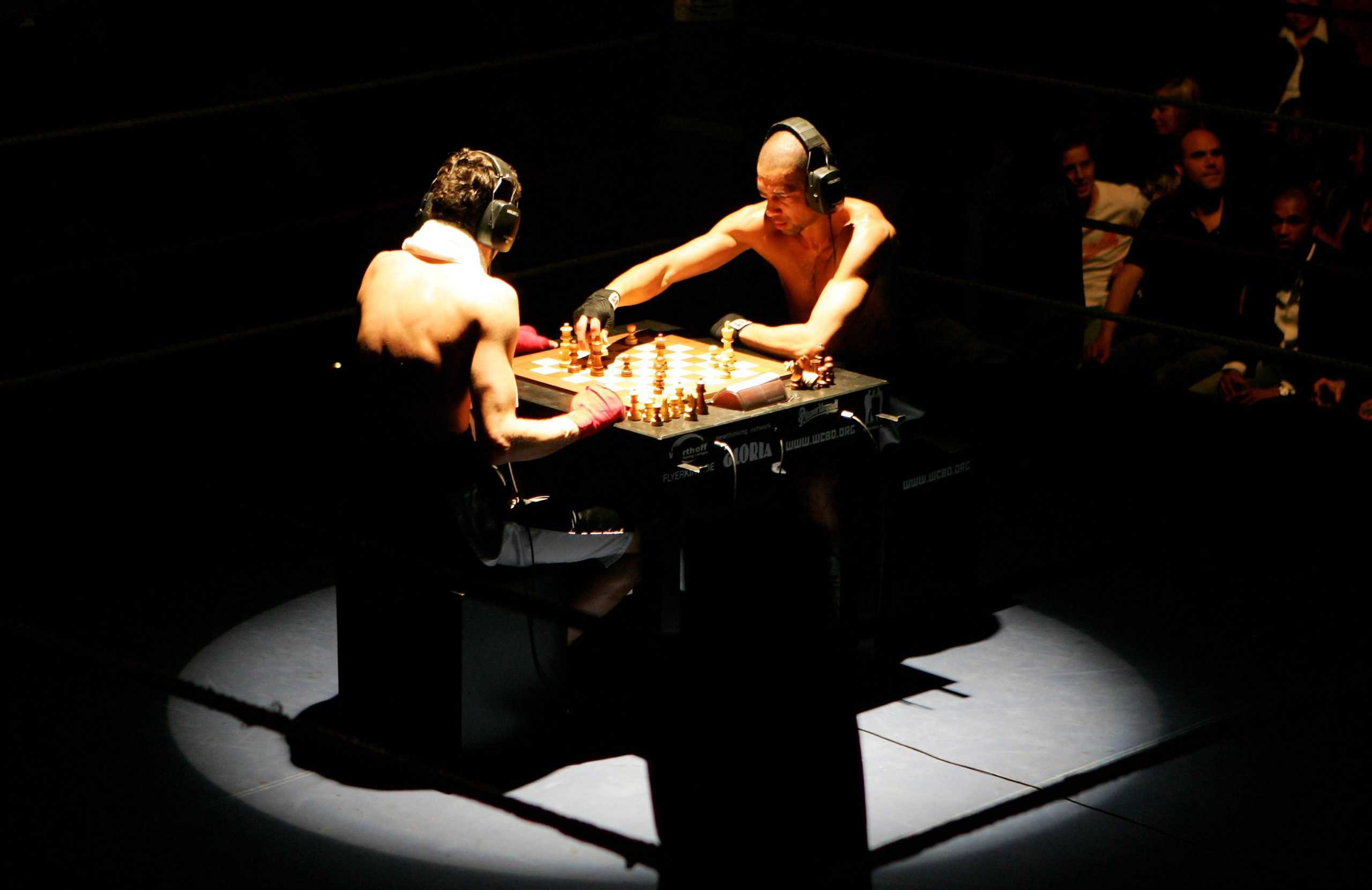
Chess boxing is exactly the collision its name suggests. Competitors alternate between rounds at a chessboard and rounds in a boxing ring, meaning a match can end by checkmate, knockout, a boxing decision, or running out of chess time.
The modern sport was created by Dutch performance artist Iepe Rubingh, who staged a chess boxing event in Berlin in 2003 after drawing inspiration from Enki Bilal’s graphic novel Froid Équateur. The first world championship followed in Amsterdam that same year. It has since developed an international competitive scene, proving there was apparently an untapped market for getting punched in the face and then immediately calculating your next move.
Face Slapping
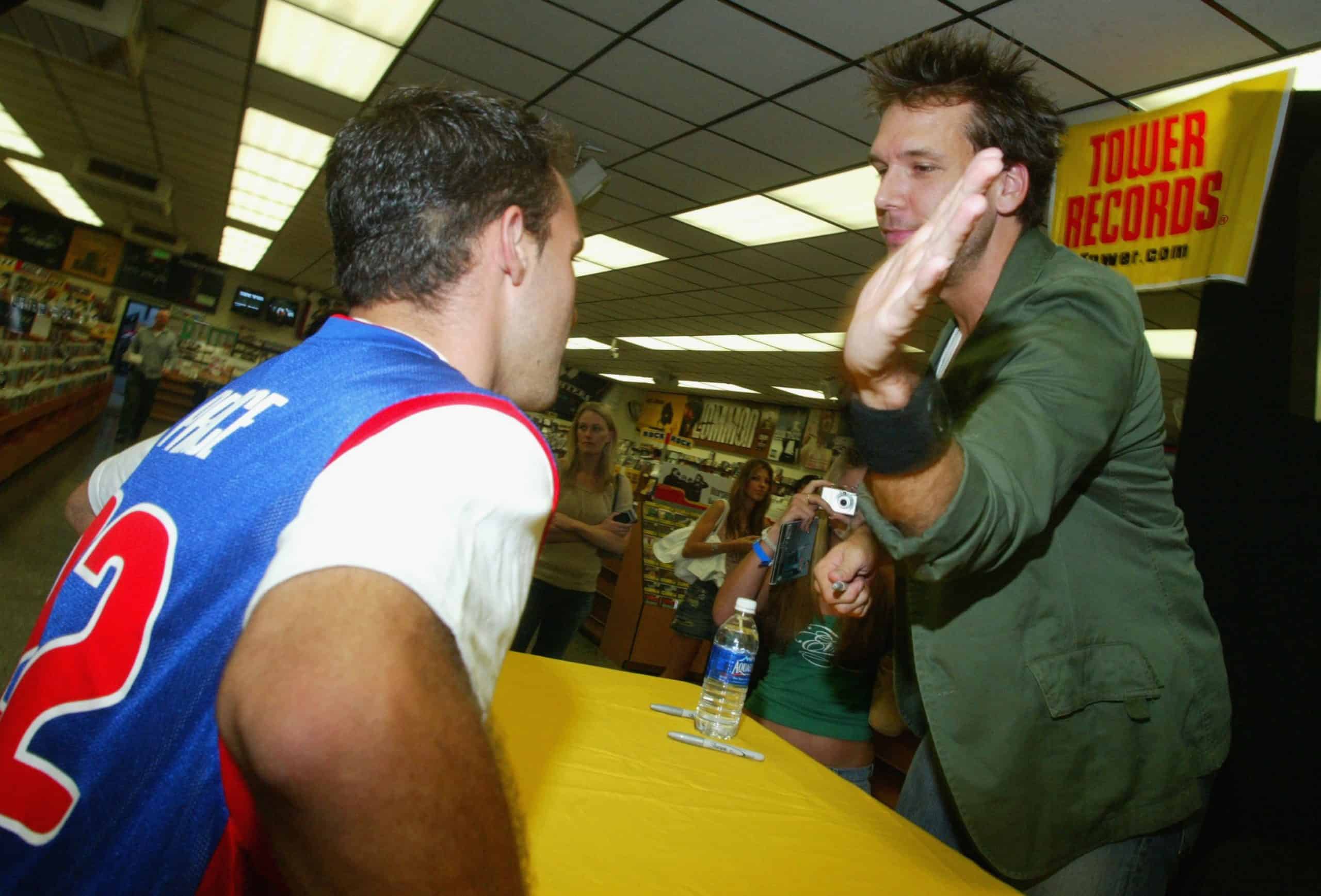
Competitive face slapping removes almost everything from combat sports except the part where someone gets hit. Opponents take turns delivering open-handed slaps while the person receiving the strike must remain in a regulated defensive position.
The most visible modern version is Power Slap, promoted by UFC figure Dana White. Its official rules allow victories by judges’ decision, knockout, technical knockout, or disqualification, with strict rules governing foot position, windup, legal striking areas, and recovery time. Whatever you think of its merits as a sport, the competitors are definitely not pretending those slaps hurt.
Bossaball
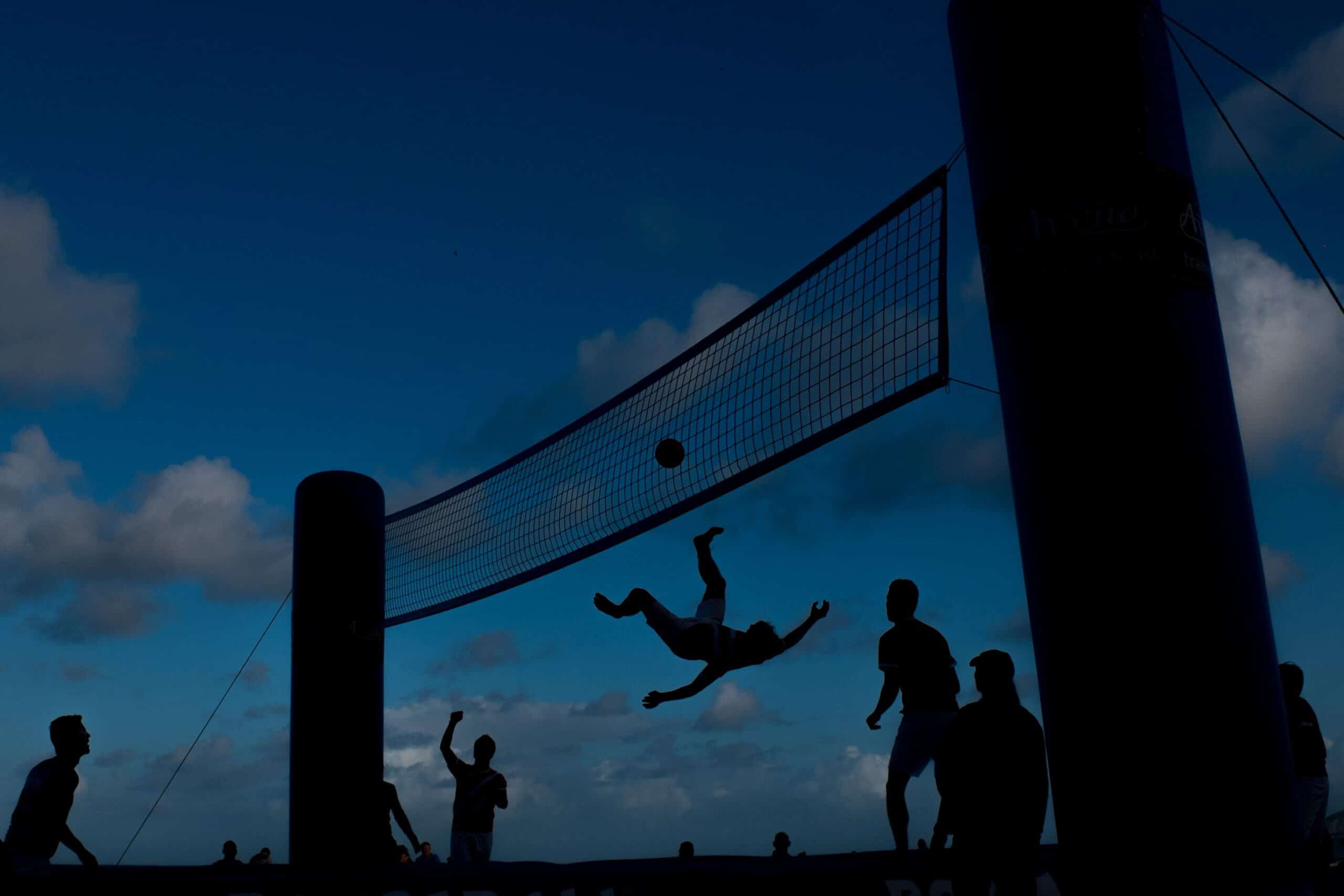
Bossaball looks like somebody combined volleyball, soccer, gymnastics, and a bounce house. Teams compete on a giant inflatable court divided by a net, with a trampoline built into each side to send players flying high above the playing surface.
Belgian creator Filip Eyckmans developed the sport while living in Spain in the early 2000s, drawing inspiration partly from the beach culture and sports he encountered in Brazil. Current Bossaball rules use teams of four and allow up to five contacts before the ball must cross the net. Players can use volleyball-style touches with their hands or soccer-style touches with other parts of the body, and landing the ball directly on an opponent’s trampoline earns extra points.
Toe Wrestling
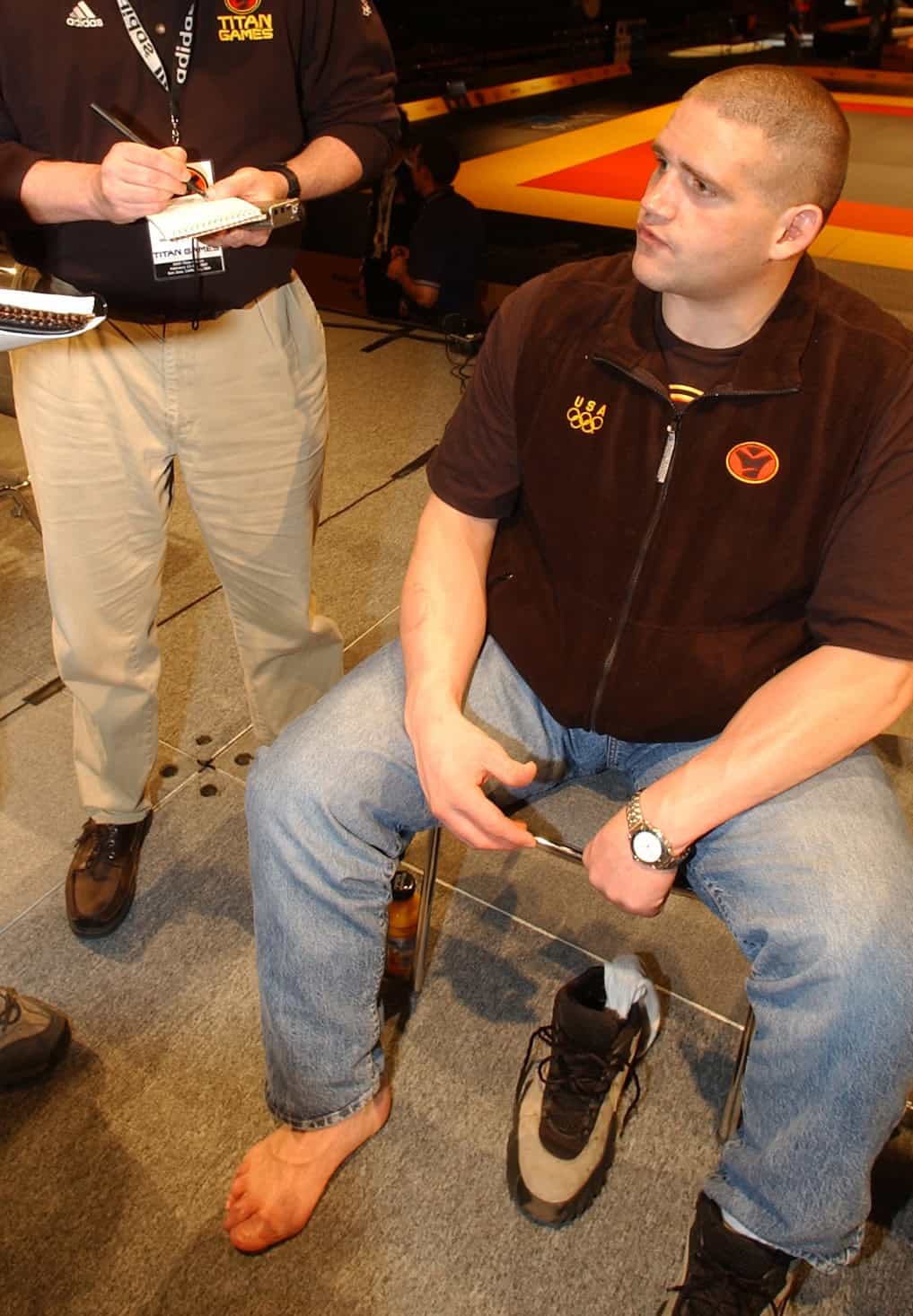
Toe wrestling is basically arm wrestling relocated to a much less dignified part of the body. Two competitors lock bare toes and try to force the opponent’s foot against the side of the competition area.
The sport’s own organizers trace it to 1974, when four regulars at Ye Olde Royal Oak Inn in Wetton, Staffordshire, decided Britain needed a sport it could reliably win. That plan backfired spectacularly when a Canadian won two years later. Toe wrestling eventually returned in the 1990s and is very much alive. The 2026 World Toe Wrestling Championship was held in Ashbourne, Derbyshire, in July with a £9,000 prize fund.
Sporthocking

Sporthocking takes one of life’s least athletic activities, sitting down, and somehow turns it into a street sport. Participants perform spins, throws, jumps, balances, and other tricks with a specially designed stool before finishing the move by sitting on it.
The sport is generally credited to German brothers Michael and Stephen Landschutz, who developed it in 2007. Its lightweight plastic stool can be tossed and manipulated almost like a skateboard or juggling prop. Sporthocking even received a best-new-product nomination at a German sporting-goods trade show in 2014. Humanity had finally disrupted the chair.
360ball
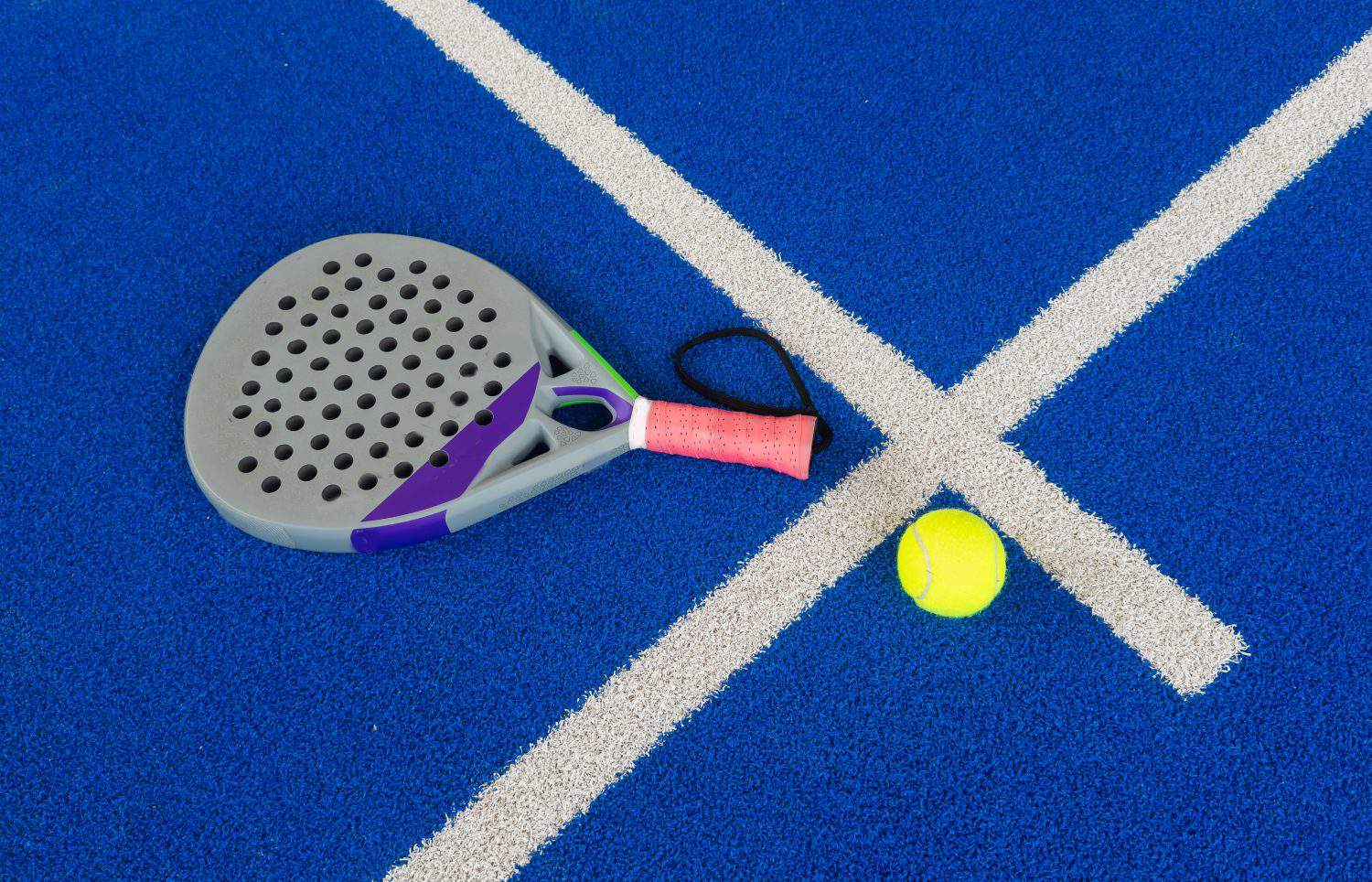
Most racket sports put opponents on opposite sides of something. 360ball throws that idea out. Players move around a circular court and strike the ball onto a central disc, allowing attacks and returns to come from almost any direction.
South African brothers Mark and John Collins introduced the concept in 1990 and later refined and relaunched it. Today’s game can be played in singles or doubles, with teams required to make two hits before directing the ball onto the center disc. There are no traditional left and right sidelines to hide behind, so peripheral vision becomes rather important.
Man vs. Horse Marathon
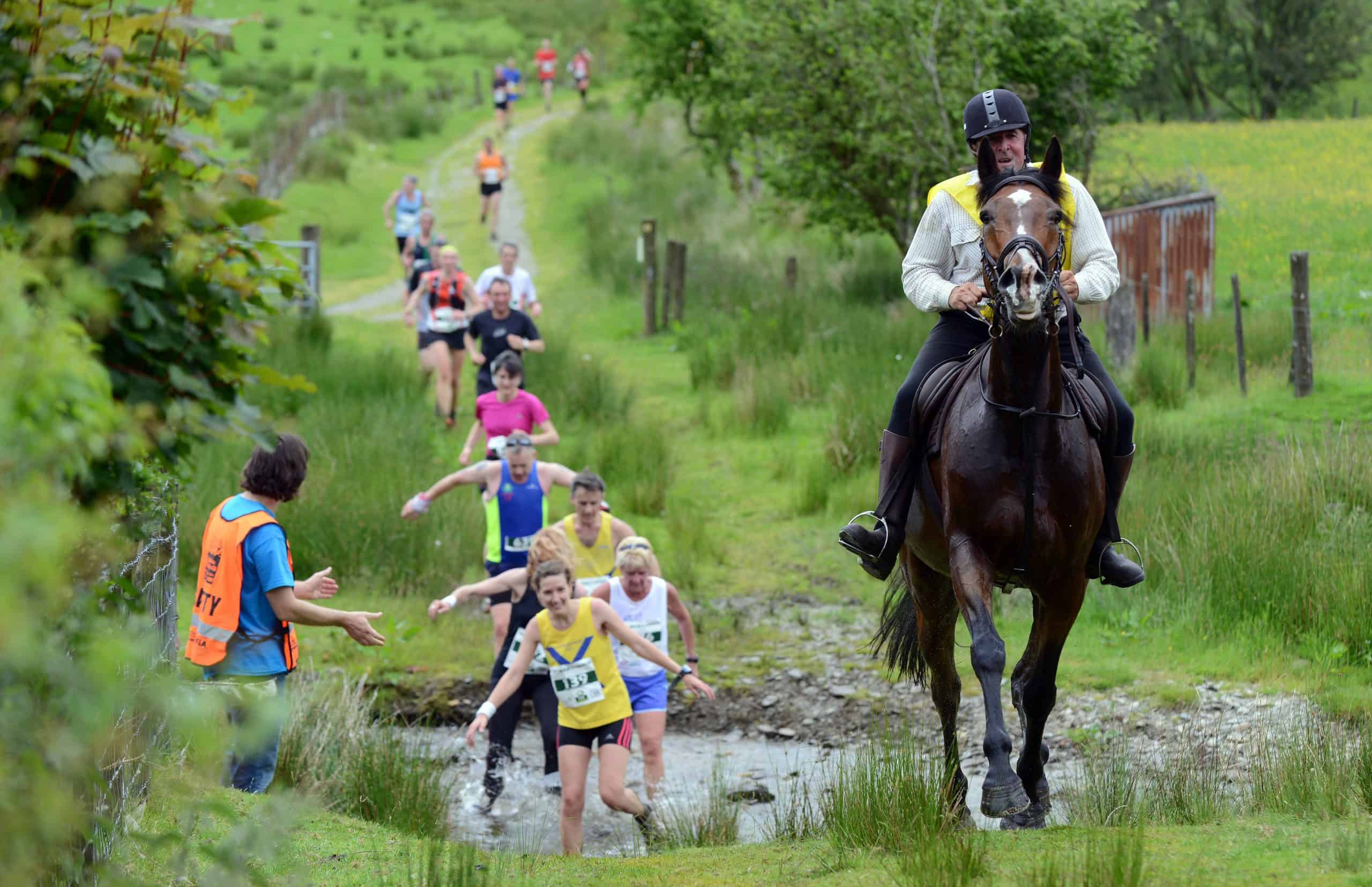
The Man vs. Horse Marathon asks a question most people have never felt the need to test experimentally: over a long, rugged course, can a human runner beat a horse?
The event began in Llanwrtyd Wells, Wales, in 1980 after Neuadd Arms landlord Gordon Green overheard a pub debate about whether a person could outrun a horse over a sufficiently long distance. The modern course covers roughly 22 miles and more than 4,000 feet of climbing and descending. The horses dominated for years. Huw Lobb finally became the first runner to beat the fastest horse in 2004, 24 years after the competition began. The race was held again in June 2026.
Oil Wrestling
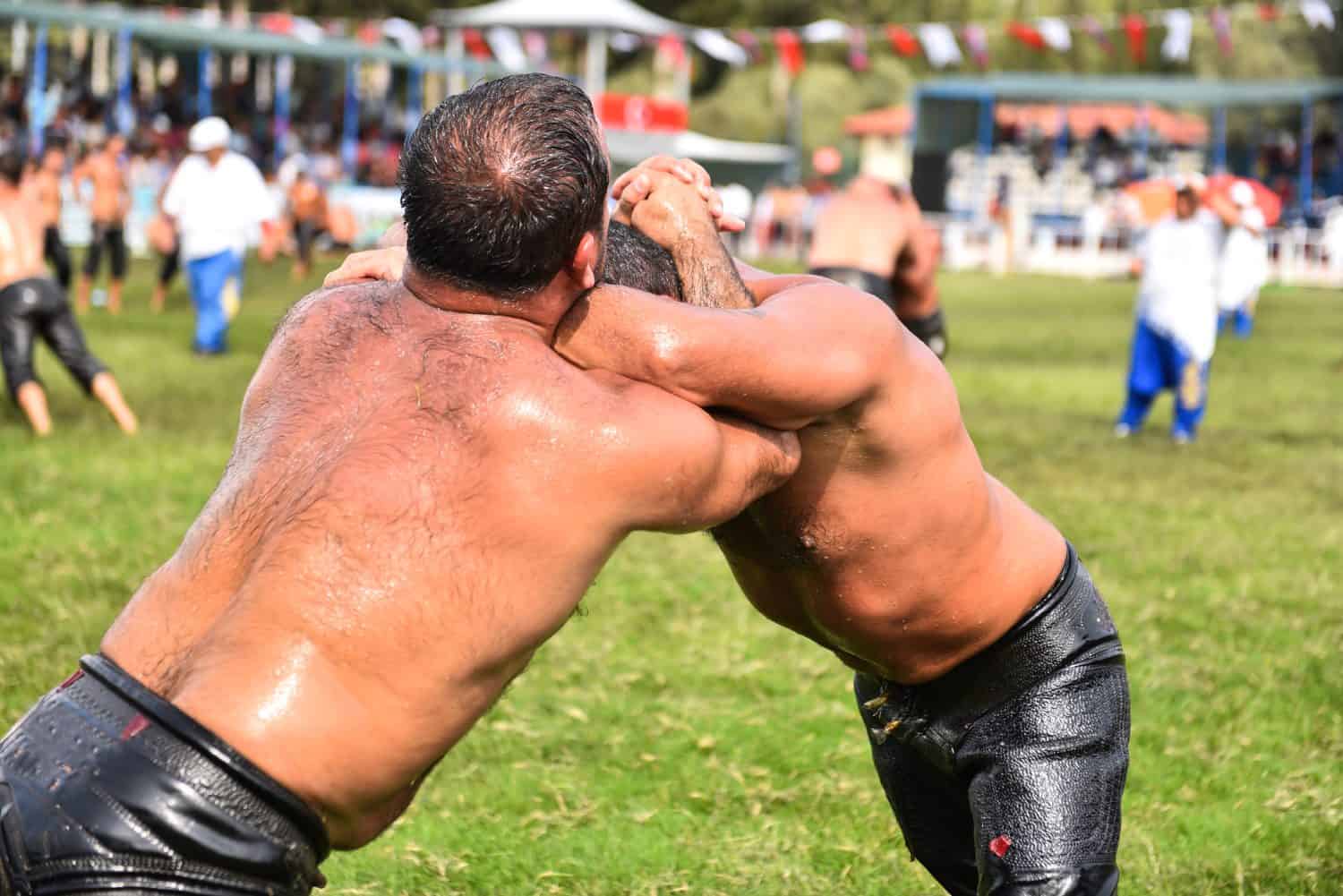
Wrestling is difficult enough before both competitors are deliberately covered in oil. Turkish oil wrestling does exactly that. Wrestlers known as pehlivans coat themselves in olive oil and compete while wearing heavy leather trousers called kıspet.
The famous Kırkpınar Oil Wrestling Festival in Edirne traces its tradition to the 14th century and remains one of Turkey’s most important traditional sporting events. UNESCO added the festival to its Representative List of the Intangible Cultural Heritage of Humanity in 2010. Unlike some of the intentionally goofy competitions on this list, Kırkpınar has centuries of cultural history behind it.
Wheelbarrow Olympics

The Wheelbarrow Olympics took an ordinary garden tool and built an entire competition around it. Events included speed races, obstacle challenges, and team categories involving actual wheelbarrows rather than the human wheelbarrow races you may remember from elementary school.
Hosszúhetény, Hungary, became known for hosting the event, with competitors arriving from several European countries and beyond. Historical records and photos document multiple editions through the 2010s, including the 15th Wheelbarrow Olympics in 2015. Current international competition information is much harder to verify, so this one is better viewed as a wonderfully strange documented sporting tradition rather than a major active world championship.
Zorbing
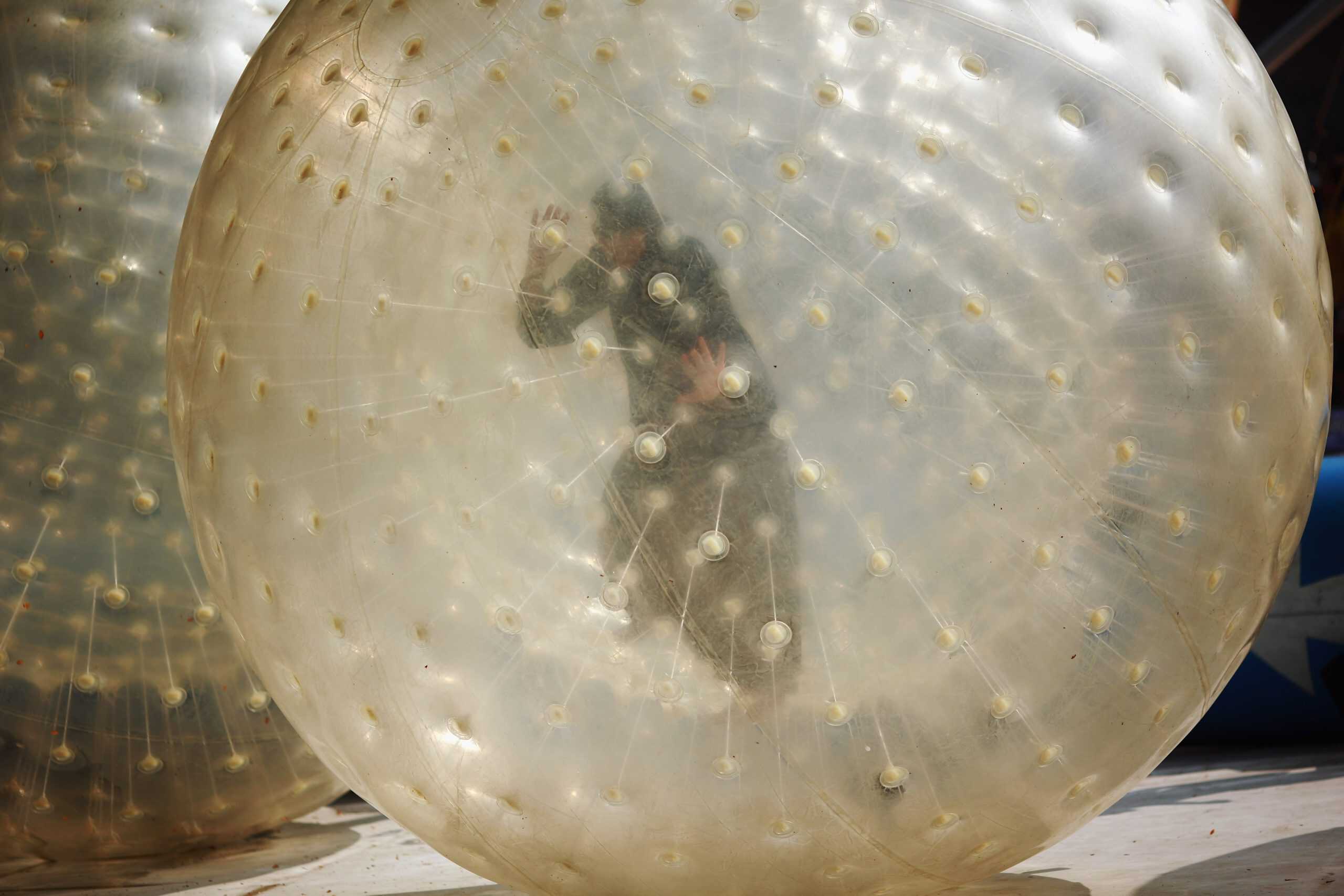
Zorbing puts a person inside a huge transparent inflatable sphere and lets gravity handle most of the remaining details. The classic version sends the ball rolling down a hill with the rider bouncing and sliding around inside an inner chamber.
New Zealanders Andrew Akers and Dwane van der Sluis invented the modern ZORB in 1994 after initially experimenting with a ball that could move across water. They soon realized rolling downhill was considerably more practical than accidentally floating toward the horizon. Commercial operations began in 1995, and a permanent ZORB site opened in Rotorua in 1997.
Shin-Kicking
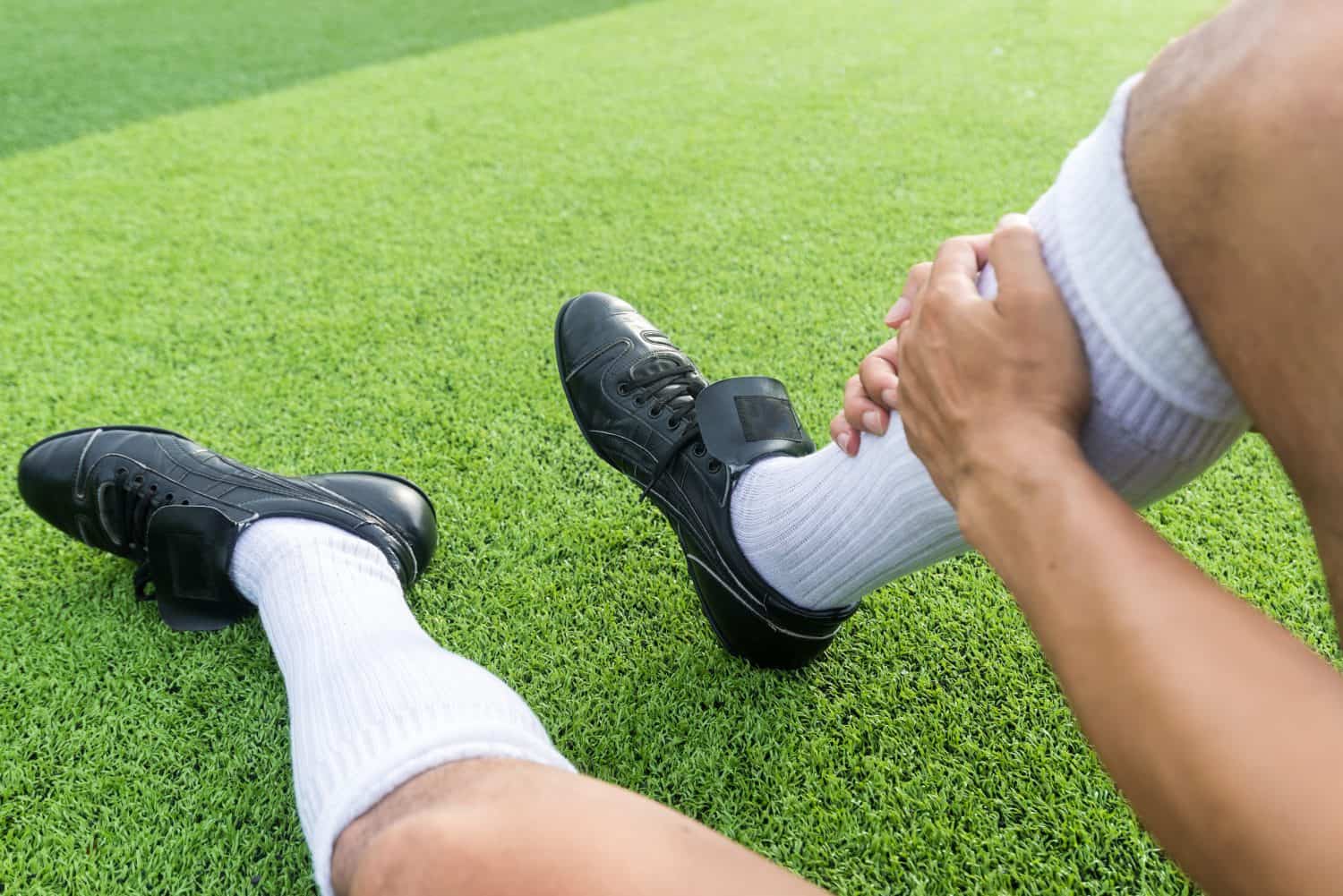
Shin-kicking is one of those sports whose name doubles as a complete explanation of the sport. Competitors grab each other and repeatedly kick at the opponent’s shins while trying to force them to the ground.
The Cotswold Olimpick Games trace their history to around 1612 and list shin-kicking among their traditional competitions. The modern version is slightly more civilized than some historical accounts suggest. Steel-toed footwear is banned, competitors wear soft shoes or boots, and they may stuff straw down their trousers to protect their shins. The World Shin-Kicking Championships returned as part of the Cotswold Olimpick Games in May 2026.
Ostrich Racing
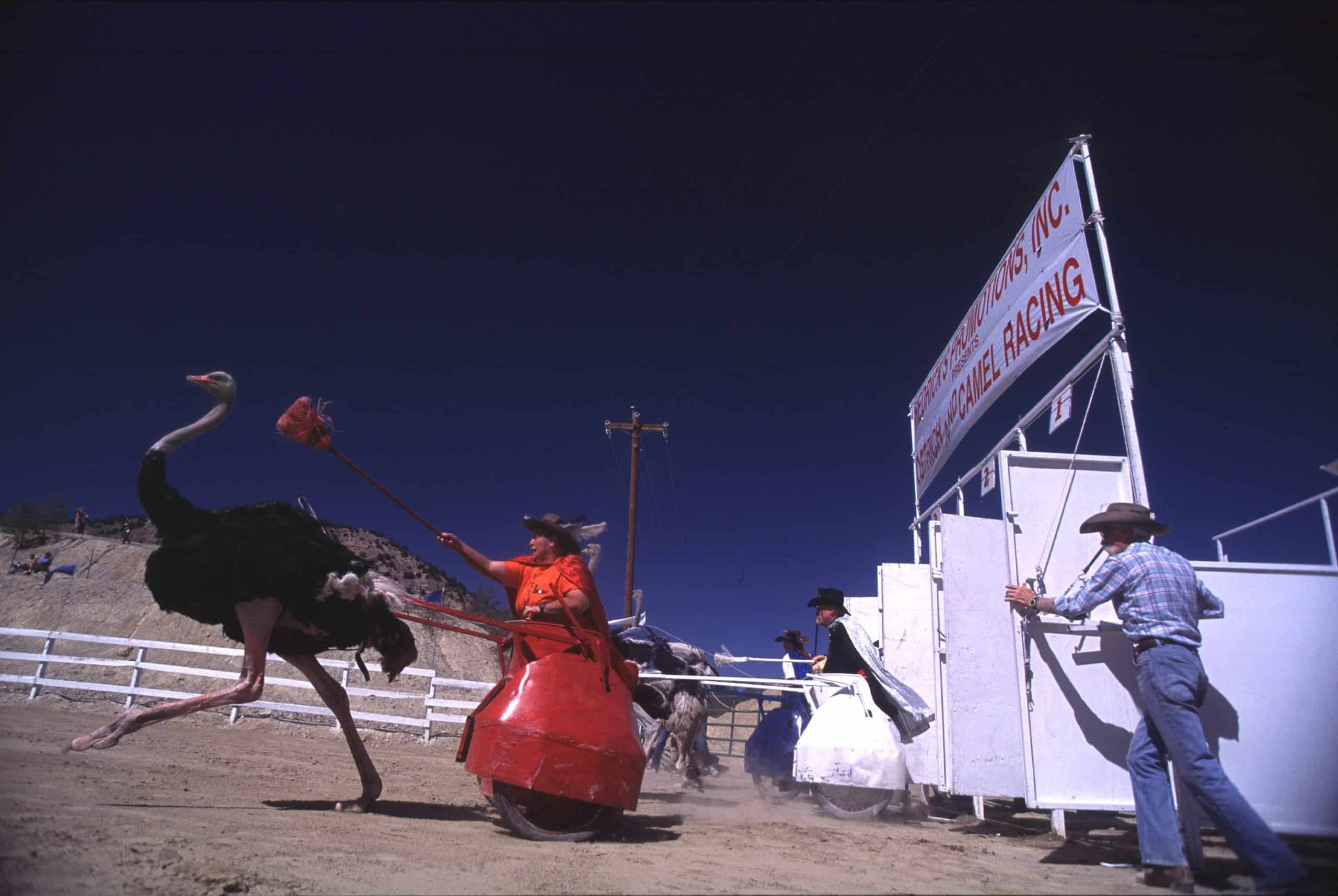
Horse racing apparently was not unpredictable enough for everyone. Ostrich racing substitutes enormous, fast, and considerably less cooperative birds, sometimes with riders directly on their backs.
The sport still exists. Virginia City, Nevada, scheduled its 67th annual International Camel and Ostrich Races for September 11 through 13, 2026, with professional and amateur riders competing at the fairgrounds. One outdated claim can be put to rest, however: Arizona’s famous Chandler Ostrich Festival no longer holds ostrich races. Its 2026 organizers explicitly say the birds are present at the festival but are not raced.
Bog Snorkeling
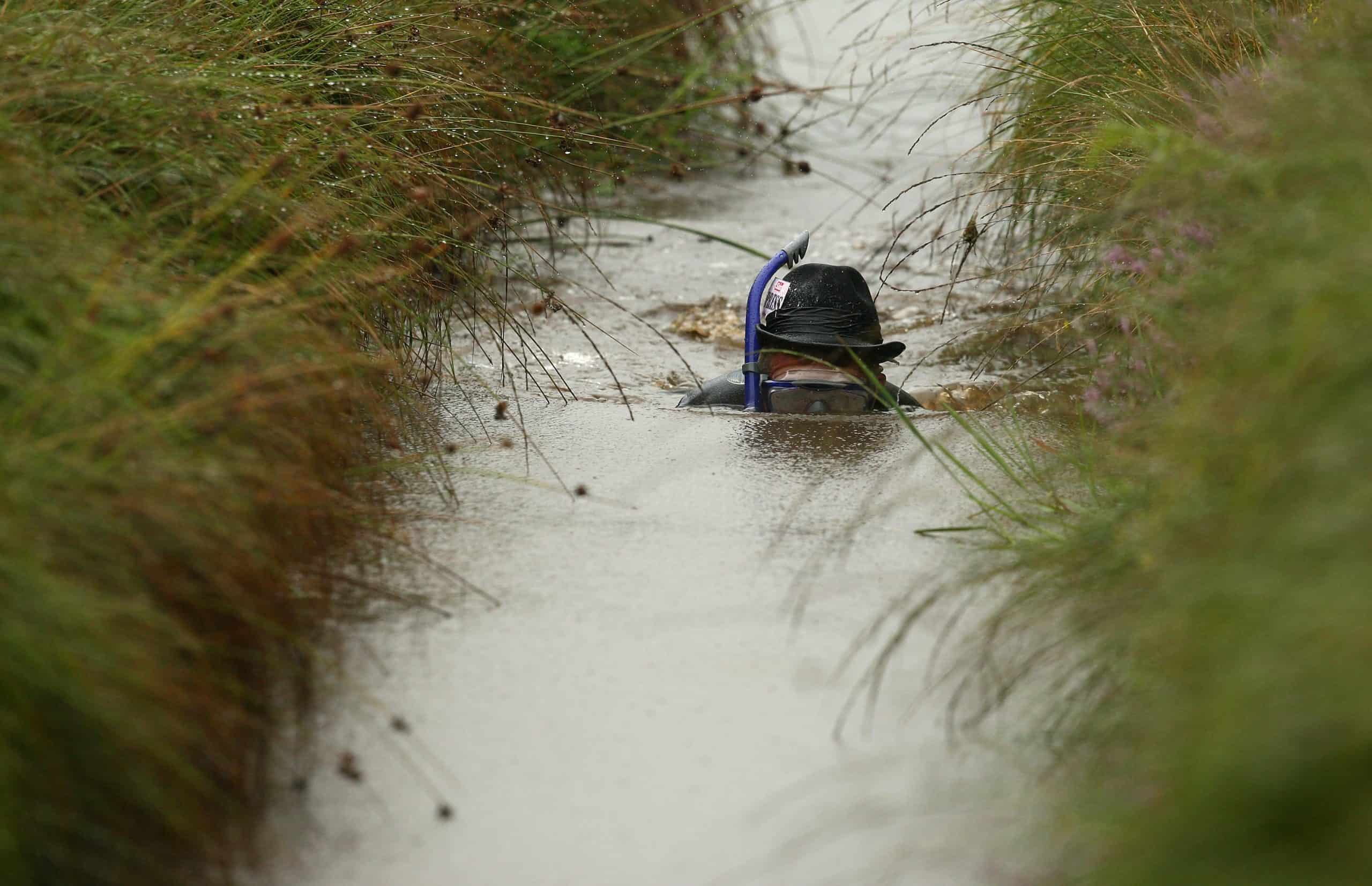
Bog snorkeling is swimming stripped of nearly everything that makes swimming pleasant. Competitors put on a mask, snorkel, and flippers and race through a water-filled trench cut into a Welsh peat bog.
The World Bog Snorkelling Championships began near Llanwrtyd Wells in 1985. Competitors complete two lengths of a 60-yard trench for a total of 120 yards, and normal swimming strokes are largely prohibited. The current world record belongs to Neil Rutter, who covered the course in 1 minute, 12.34 seconds in 2023. The 2026 championship was held at Waen Rhydd bog on August 30.
Extreme Ironing

Extreme ironing asks participants to haul an ironing board somewhere it has absolutely no business being and then press clothing there. Mountains, cliffs, waterways, and other awkward locations have all become temporary laundry rooms.
The activity is widely credited to Phil Shaw of Leicester, England, who began combining ironing with outdoor adventure in 1997. It spread internationally over the following years and became famous enough to produce competitions, expeditions, and attempts at increasingly ridiculous ironing locations. Somewhere along the way, doing laundry apparently stopped being boring.
Jugger
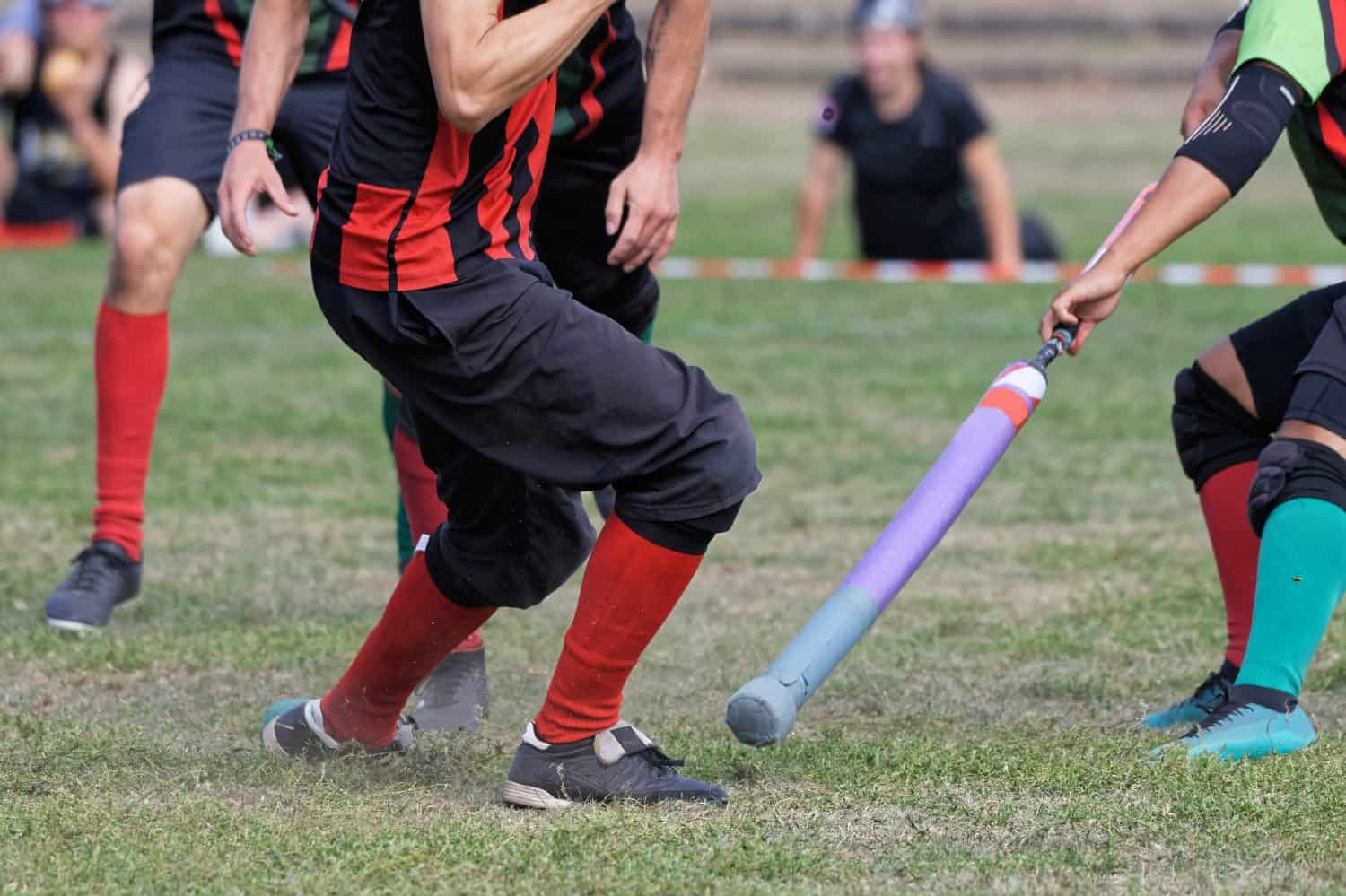
Jugger looks like rugby wandered into a medieval weapons convention, although the swords, staffs, and chains used in the real sport are padded for safety. Teams fight for control of a game object commonly called the skull or jugg while one designated runner attempts to score.
The sport was inspired by the violent fictional game depicted in the 1989 film The Blood of Heroes, also released as The Salute of the Jugger. Real-world versions were subsequently developed in Germany and Australia. Modern Jugger is played internationally, with clubs in roughly 30 countries and several different national rule systems. In September 2026, Dresden, Germany, hosted an international World Club Championship drawing teams from multiple continents.
Milk Carton Regatta
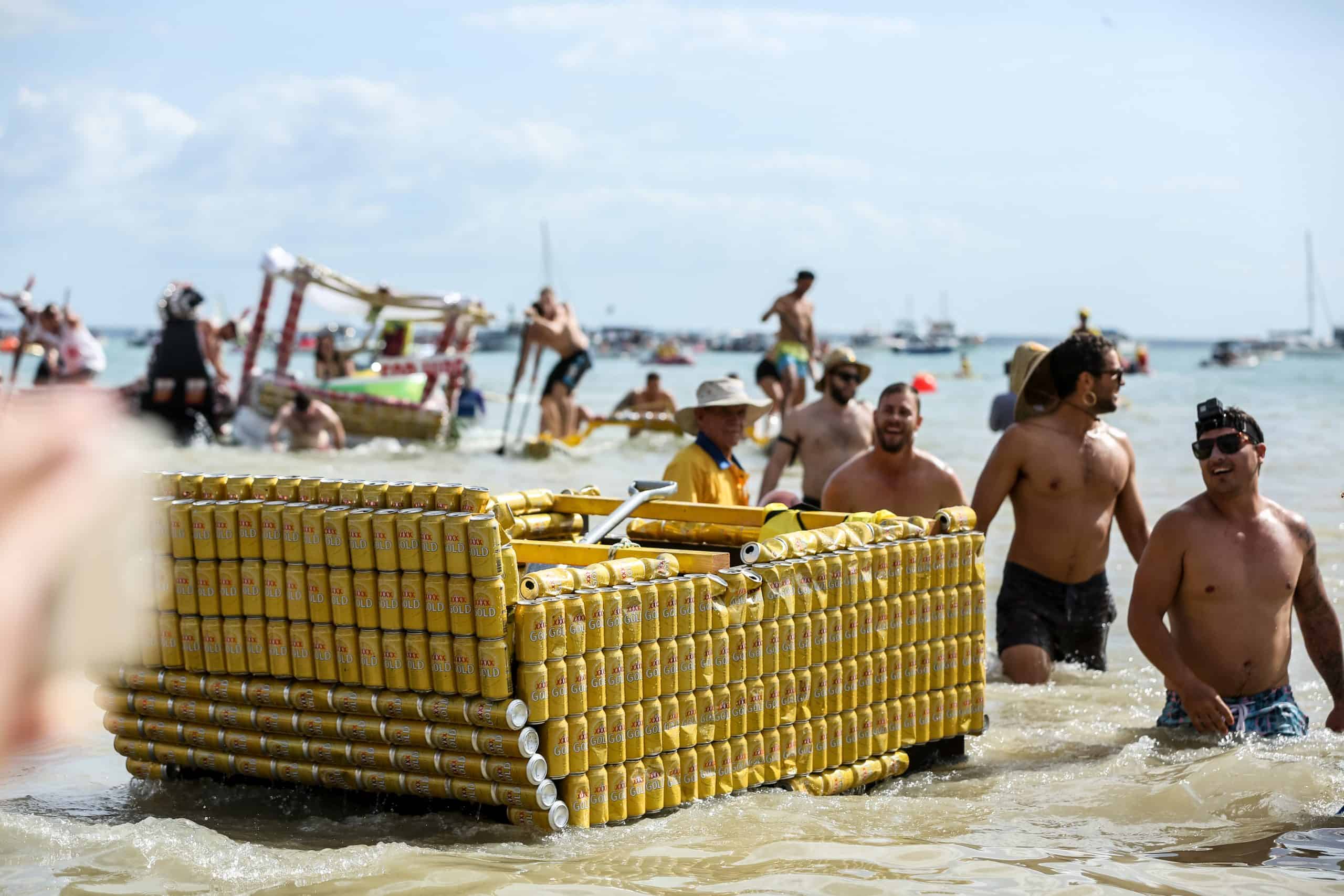
A milk carton regatta turns disposable packaging into questionable naval engineering. Competitors construct floating craft using milk cartons and then attempt to race them without becoming swimmers halfway through.
South Australian government archives document a major Milk Carton Regatta on the Patawalonga River at Glenelg in 1980 as part of a promotional campaign. An impressive 280 craft were entered. Similar carton-boat races have been staged in different places over the years, although claims that one uninterrupted Adelaide championship has continued annually since 1980 are difficult to substantiate.
Quadball, Formerly Quidditch
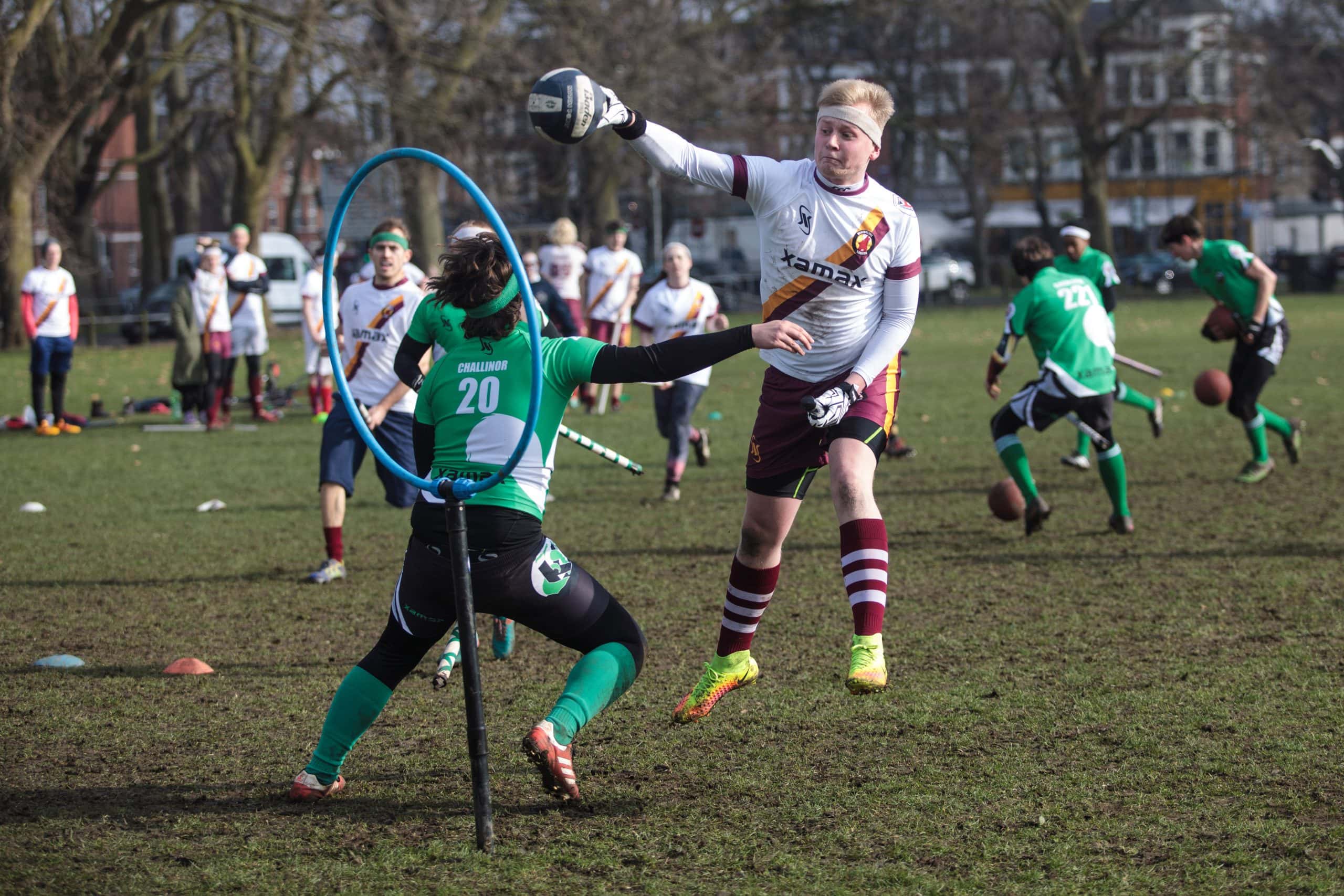
A sport inspired by the flying game in the Harry Potter books became a surprisingly serious real-world competition despite one obvious limitation: nobody has figured out the flying broom part.
The real game was developed at Middlebury College in Vermont in 2005 by students Xander Manshel and Alex Benepe. Players run while carrying broom-like poles and attempt to score through hoops while filling several different positions. In 2022, the major governing organizations changed the sport’s name from quidditch to quadball. The International Quadball Association continues to publish formal rules and oversee international competition.
Cycle Ball
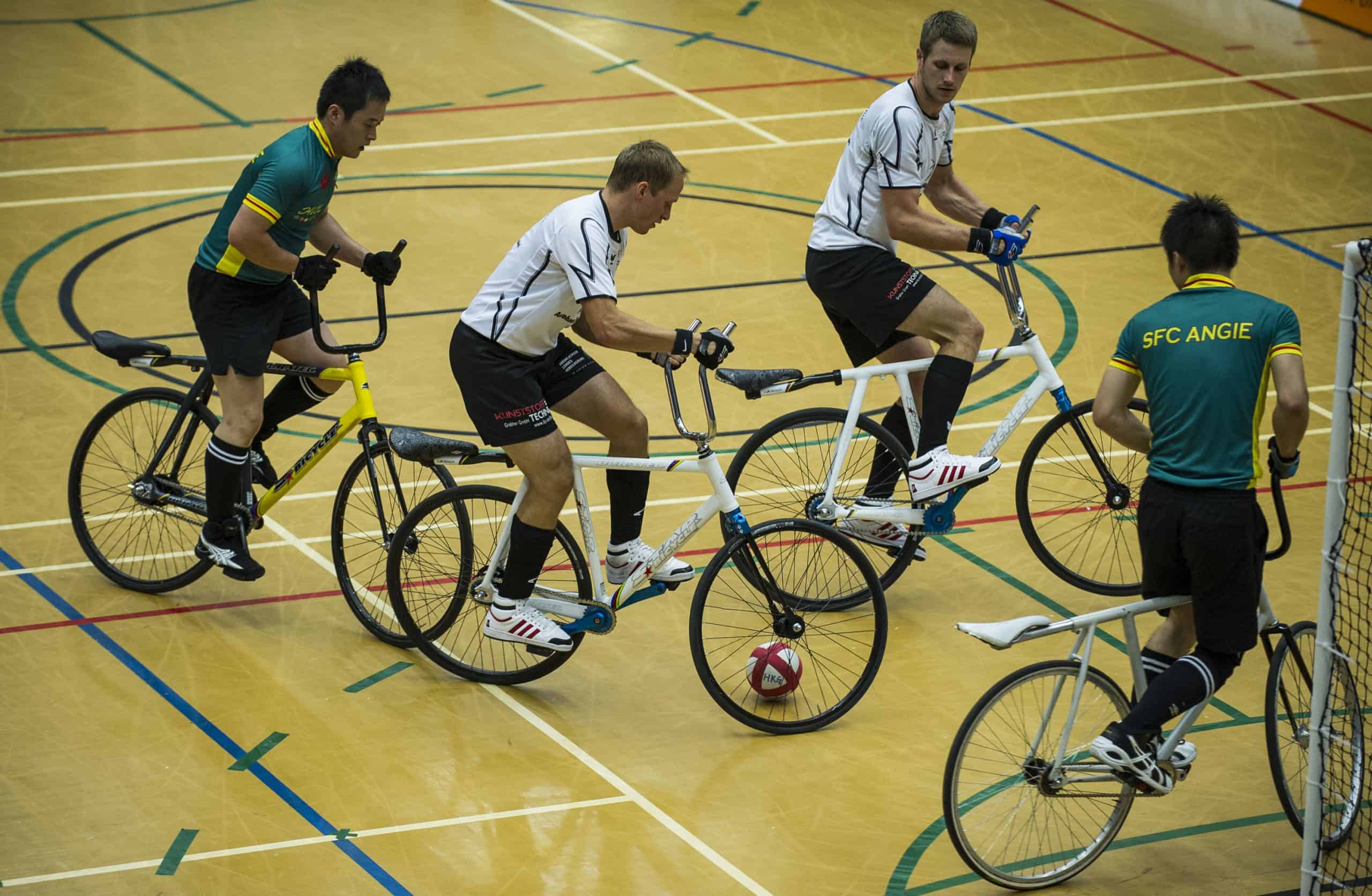
Cycle ball is soccer played on specially designed bicycles, which is substantially harder than regular soccer was asking to be. Two-person teams use their wheels and heads to move a ball into the opposing goal. Feet cannot be used to shoot the ball, although the goalkeeper may use their hands within the penalty area.
The UCI traces the sport to artistic cyclist Nick Kaufmann, who played an early form with John Featherly in Rochester, New York, in 1883. It became especially popular in Central Europe, and the first UCI Cycle Ball World Championships were held in 1930. Far from disappearing, cycle ball still has a World Cup circuit, with the 2026 season beginning in Kobe, Japan.
Poohsticks
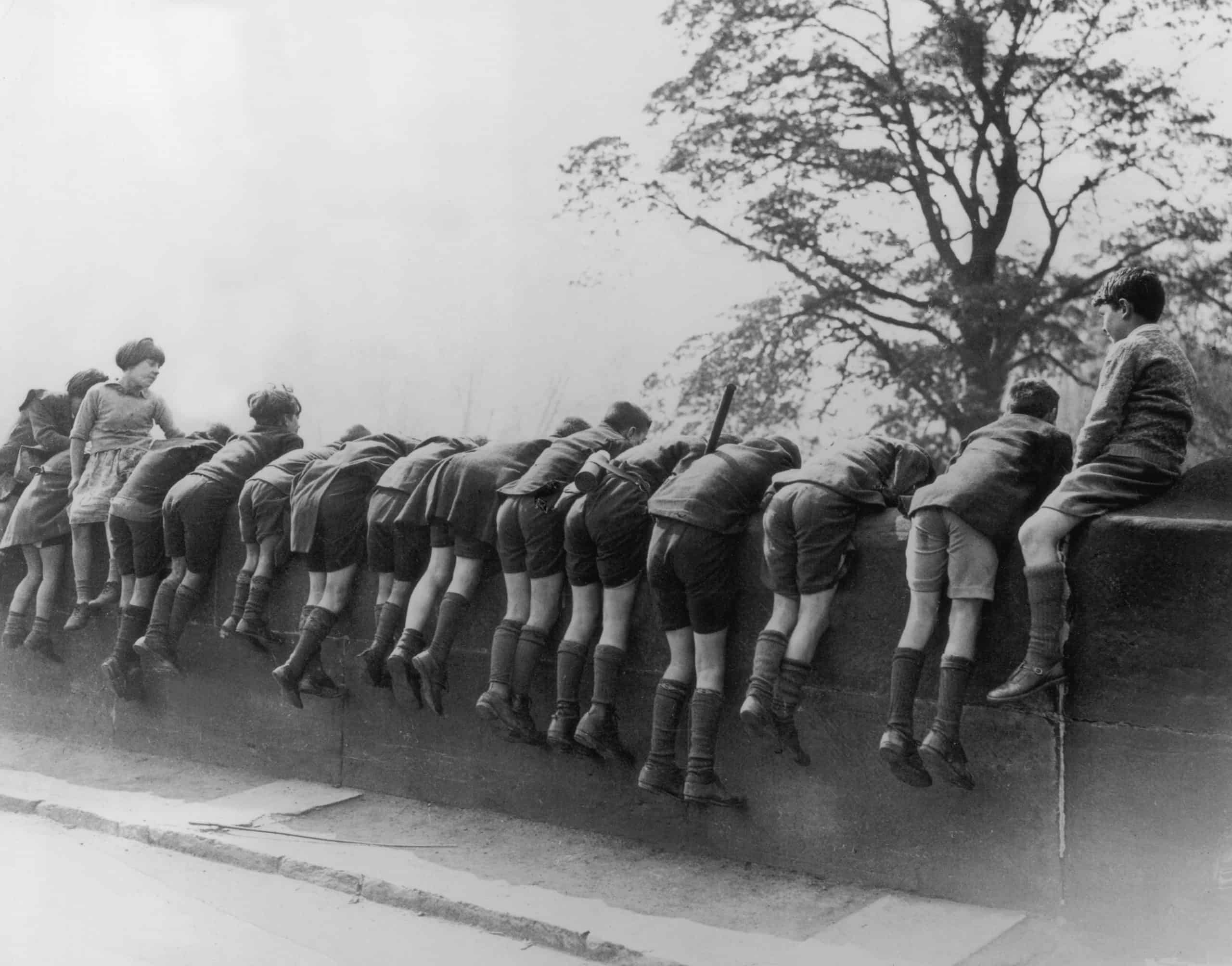
Poohsticks requires no athletic ability, expensive equipment, or willingness to be kicked in the shins. Players select sticks, drop them simultaneously from the upstream side of a bridge, and race to the other side to see which stick appears first.
A.A. Milne popularized the game through his Winnie-the-Pooh stories, and fans eventually turned it into an organized competition. The World PoohSticks Championships are still held in England, complete with formal rules for selecting and releasing the sticks. The 2026 championship took place on May 24. Sometimes a sport really can just be throwing a stick into a river and hoping for the best.
Lawnmower Racing
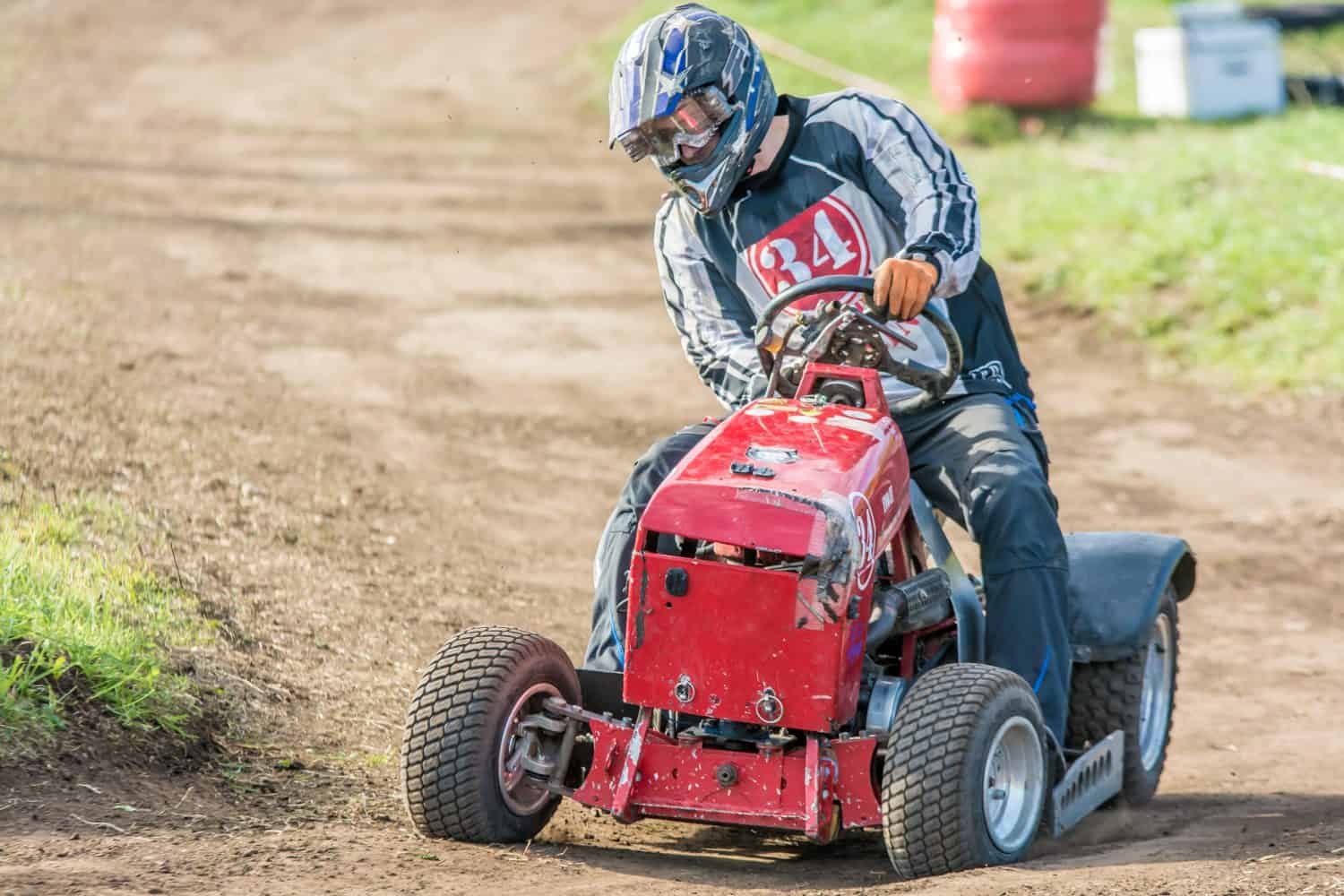
Lawnmower racing takes machines designed to make suburban chores easier and turns them into motorsport. The cutting blades are removed, safety rules are added, and competitors race modified mowers around purpose-built courses.
Britain recorded an organized Lawn Mower Grand Prix in 1968, while the British Lawn Mower Racing Association was founded in 1973 by Jim Gavin and other motorsport enthusiasts looking for a cheaper form of racing. Contrary to the idea that competitors simply bolt enormous engines onto lawn tractors, British rules tightly control modifications. The association still stages championships and its famous 12-hour endurance race.
Goanna Pulling
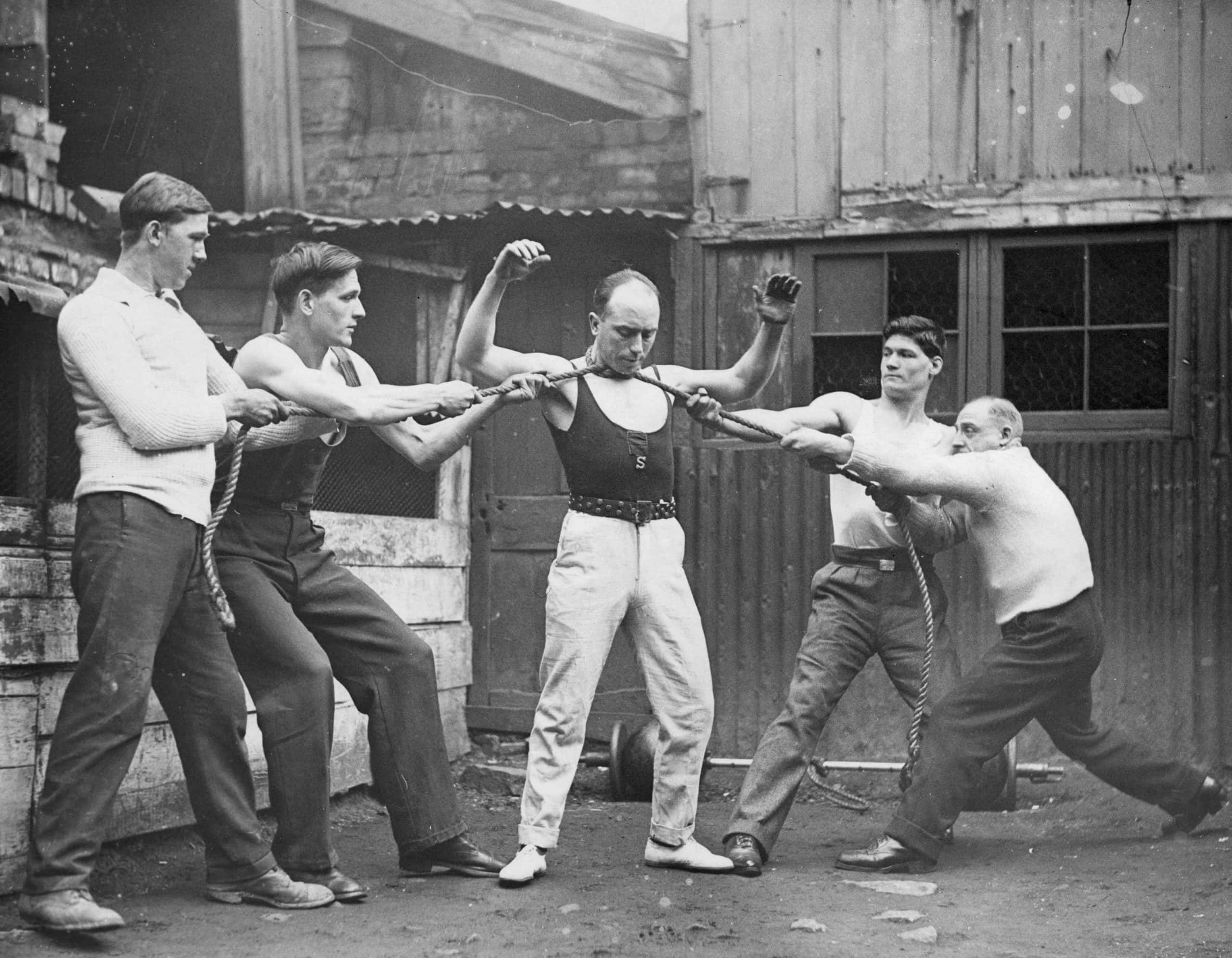
Despite the name, no Australian monitor lizards are involved in goanna pulling. Instead, two people face one another close to the ground with a leather strap or harness looped behind their necks and attempt to drag the opponent across a dividing line.
The Australian National Goanna Pulling Championships are associated with Wooli on the northern coast of New South Wales, where the unusual strength contest has been staged since the mid-1980s. The low crawling position of the competitors is what gives the event its reptilian name. Local tourism organizations still promote goanna pulling as one of Wooli’s signature events.
Unicycle Hockey
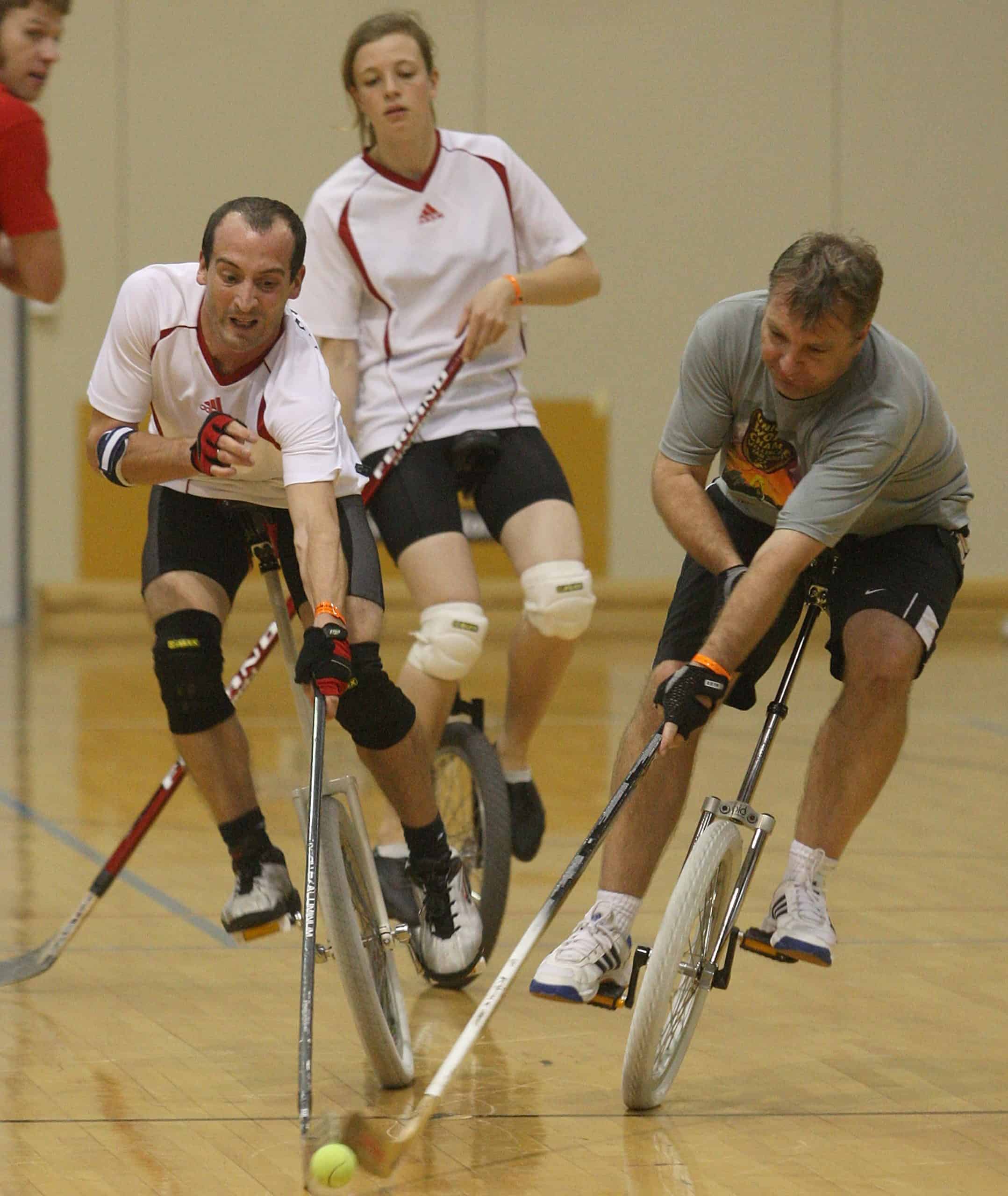
Hockey already demands speed, balance, and hand-eye coordination. Unicycle hockey adds the entirely unnecessary requirement that everybody stay balanced on one wheel.
The International Unicycling Federation recognizes the sport and publishes competition rules. Players use hockey sticks and typically play with a tennis ball rather than a puck. Teams have five players on the court, and there is no permanently privileged goalkeeper. Anyone can defend the net, but they still have to be properly mounted on the unicycle to participate in play.
Dog Surfing
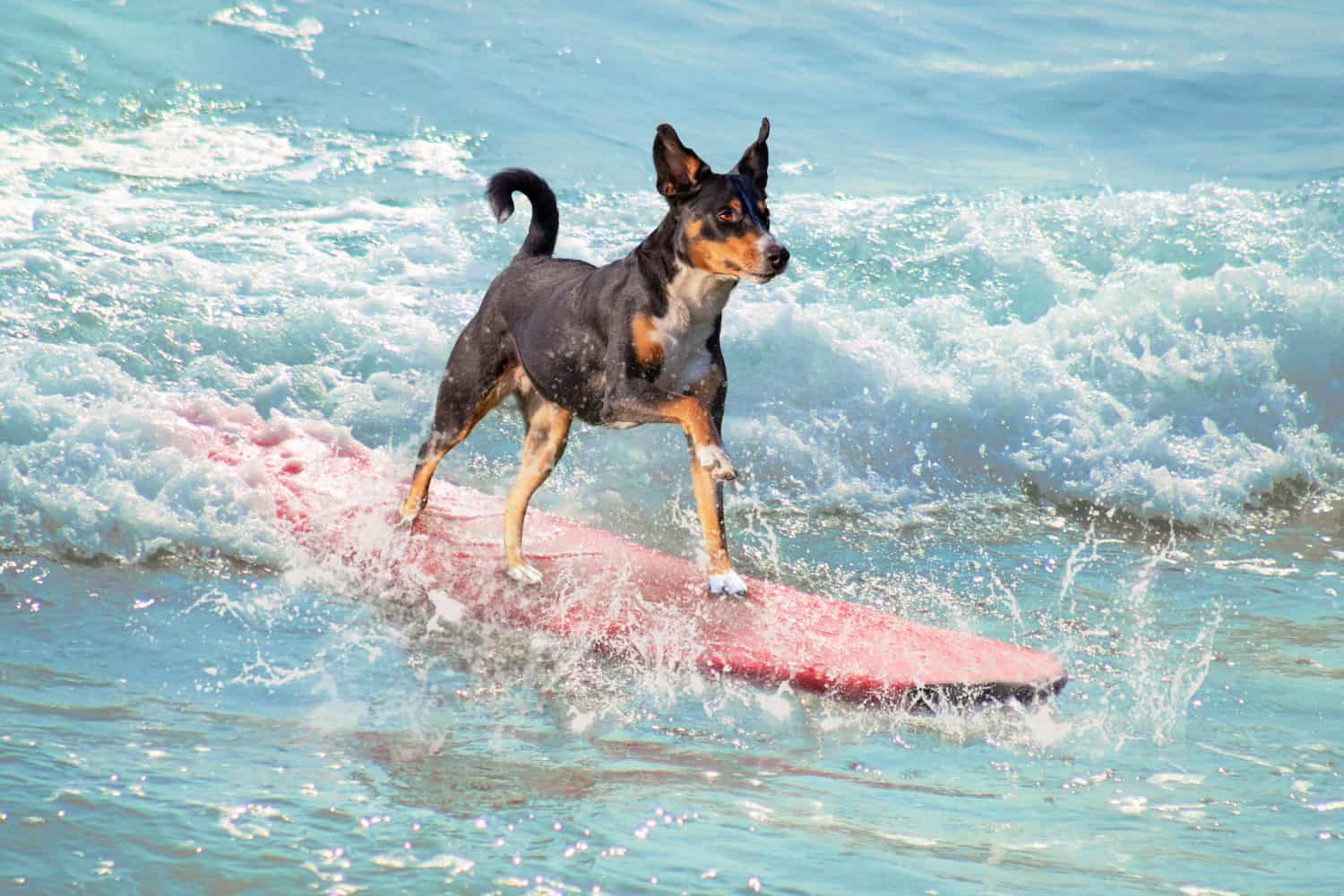
Yes, some dogs really surf, and no, they are not all just being pushed onto a board for a photo. Competitive dog surfing judges canine surfers on their ability to ride waves, remain on the board, and sometimes perform with human or canine partners.
The organizers of the World Dog Surfing Championships trace the first organized surf-dog competition to the Small Wave Surf Dog Competition held at the Loews Coronado resort near San Diego in 2006. Similar events later appeared in California, Florida, Australia, and elsewhere. The sport remains active, with the 2026 World Dog Surfing Championships held in Pacifica, California.
Shovel Racing
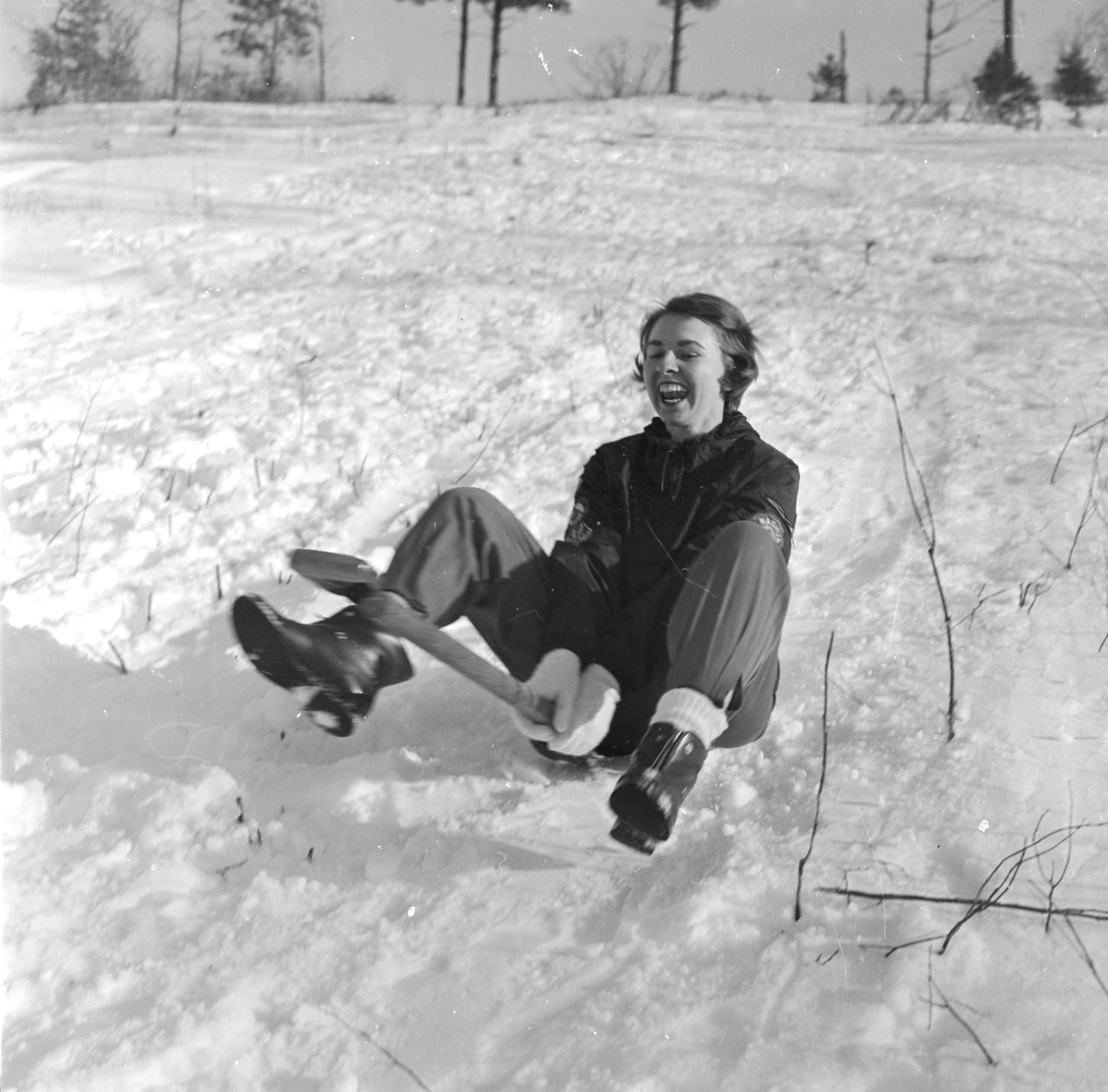
Shovel racing turns a grain shovel into a minimalist sled. The rider sits in the scoop with the handle pointed downhill and lets gravity provide both the horsepower and most of the bad decisions.
The competition grew out of New Mexico ski-country culture in the 1970s, where resort workers reportedly used shovels to slide down snowy slopes. It eventually appeared at the Winter X Games before disappearing from that program, but shovel racing itself survived. Angel Fire Resort held its World Championship Shovel Races again in February 2026, requiring racers to use grain shovels along with helmets and eye protection.
Bed Racing
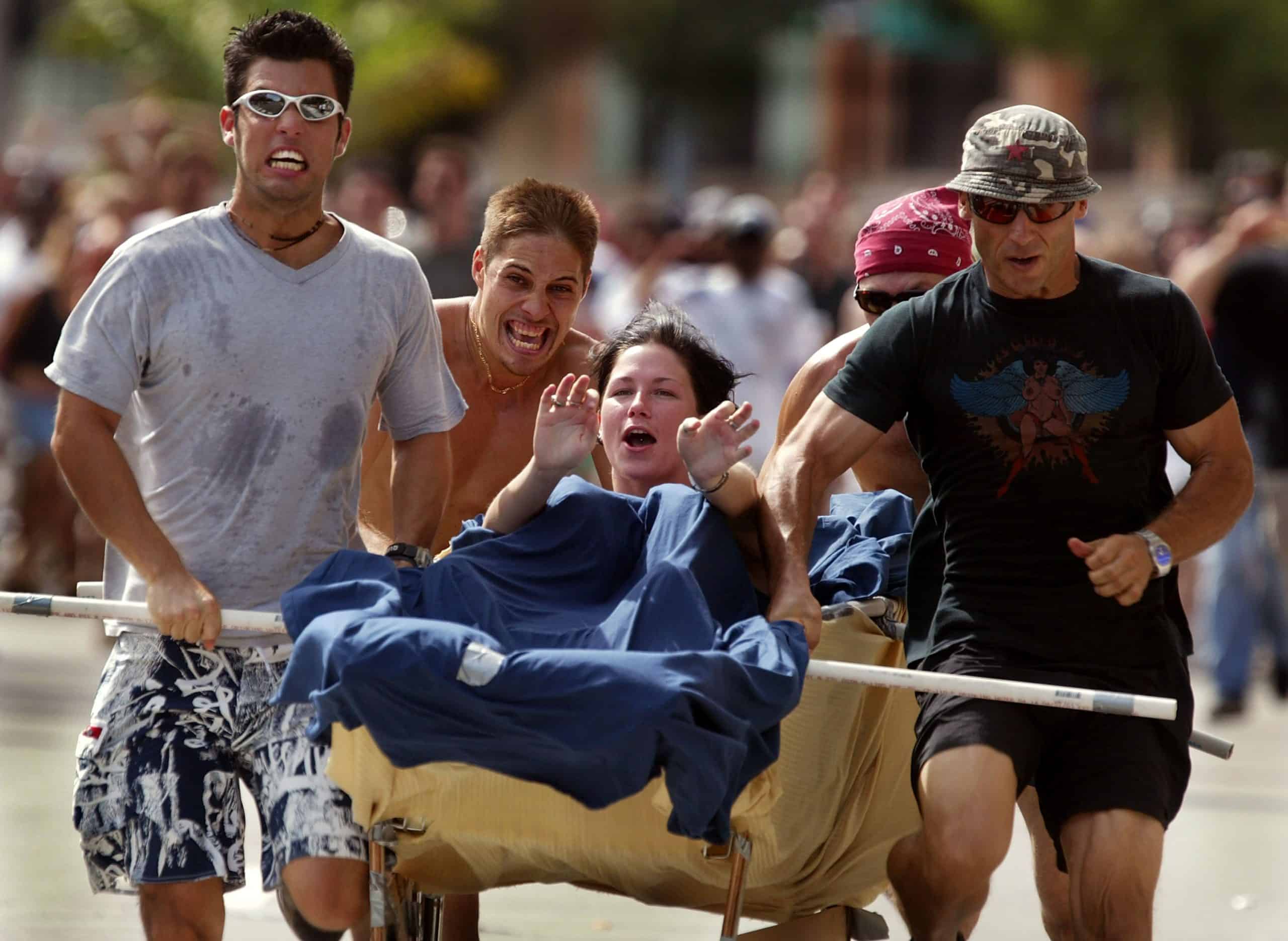
The Great Knaresborough Bed Race is considerably more demanding than pushing somebody down a hallway on a mattress. Teams of six runners push a wheeled bed carrying a passenger around a 2.4-mile course through Knaresborough, England.
The race began as a charity event in 1966 and concludes with competitors taking their beds through the River Nidd. Ninety teams now participate, and elaborate costumes and bed decorations are part of the tradition before the actual racing starts. The event celebrated its 60th anniversary in June 2026. Few sentences beginning with “six people pushing a bed” end with a river crossing, but here we are.
Wife Carrying

At the Wife Carrying World Championship in Sonkajärvi, Finland, competitors race through an obstacle course while carrying another person. Despite the name, the person being carried does not actually have to be the competitor’s wife.
The official course is 253.5 meters long and includes a water obstacle and two dry obstacles. The person being carried must weigh at least 49 kilograms, or additional weight is added. The event’s folklore connects it to stories about the 19th-century bandit Herkko Ronkainen, although those tales are best treated as local legend rather than documented sporting history. The World Championship remains very much alive, with Taisto Miettinen and Katja Kovanen winning the 2026 title.
Underwater Torpedo League
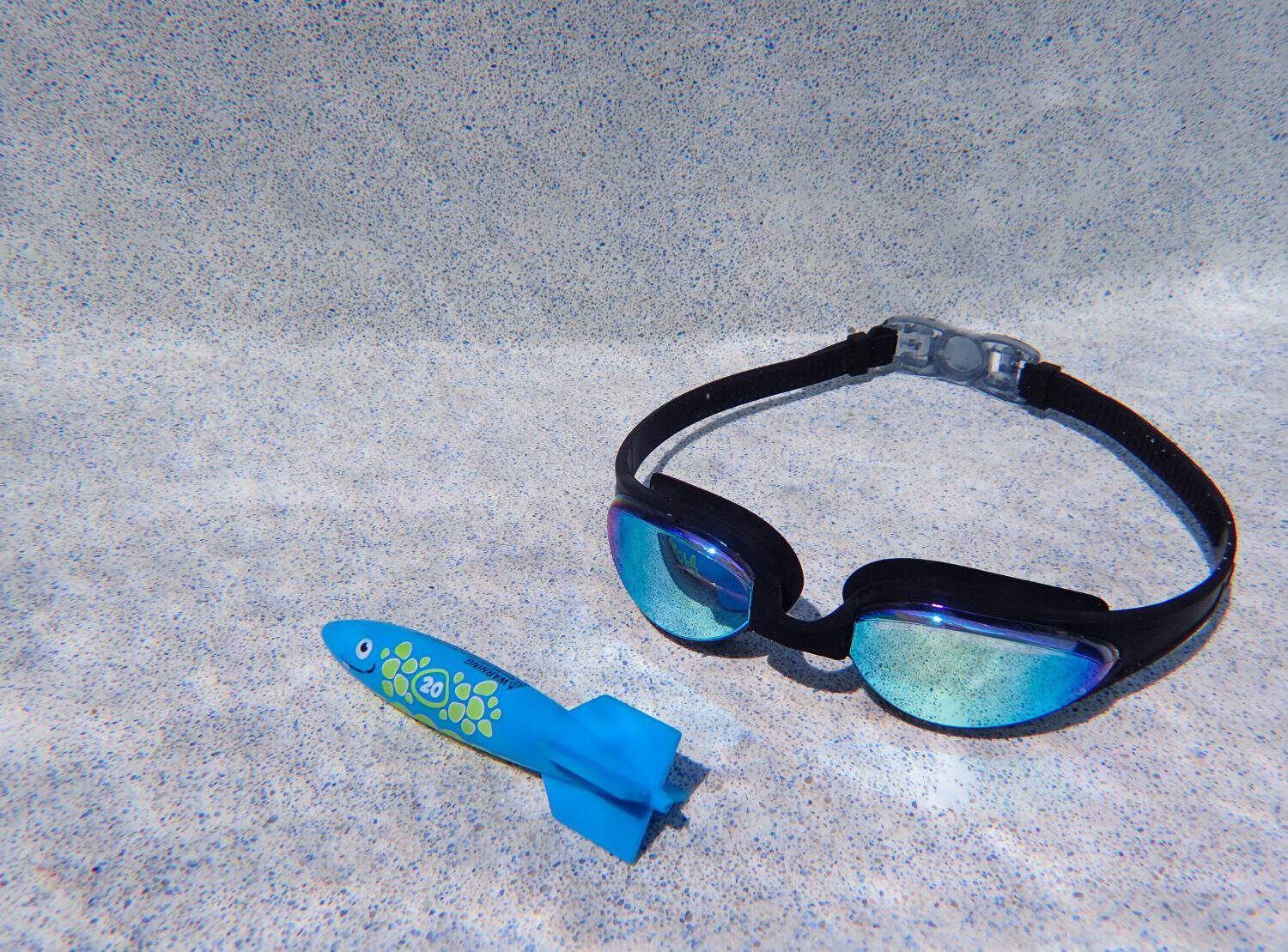
Underwater Torpedo League takes one of those torpedo-shaped pool toys and turns it into a full-contact underwater team sport. Two teams of five maneuver a weighted torpedo through the deep end of a swimming pool and try to place it in a small goal on the bottom.
Former Marine Raiders Prime Hall and Don Tran developed the game after working together as Marine Corps water-survival instructors. Players can swim with, hand off, or pass the torpedo while submerged, and limited grappling is allowed against the player possessing it. The founders later incorporated the sport into their Deep End Fitness training programs, which have attracted professional athletes as well as military and civilian participants.
Fireball Soccer
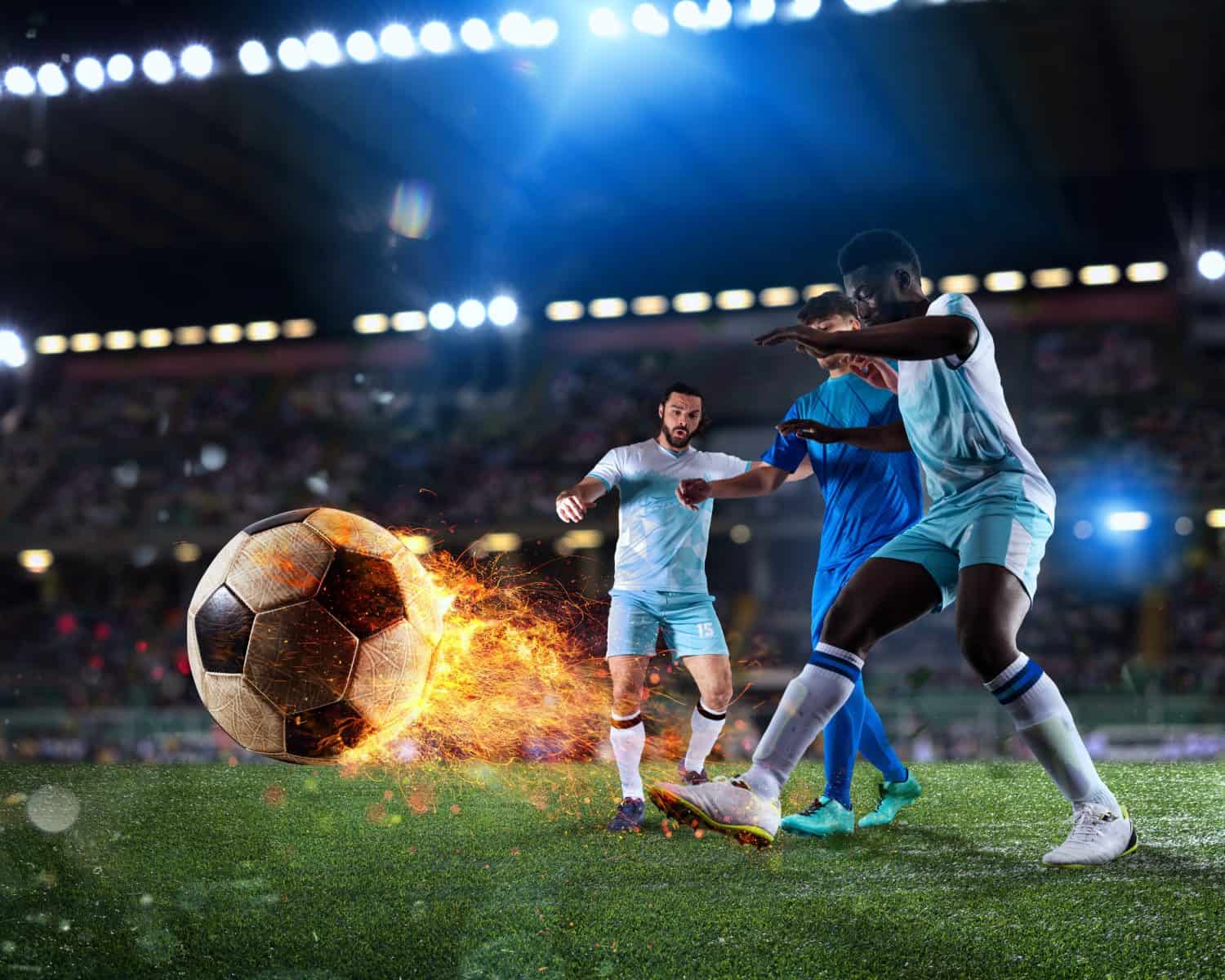
Fireball soccer sounds like something invented for a video game, but versions of it have been played in Indonesia. Instead of an ordinary soccer ball, participants kick a dried coconut that has been soaked in kerosene and set on fire.
The practice has been documented at Islamic boarding schools in Java as part of activities surrounding Ramadan. Matches are played barefoot at night, when the flaming coconut is particularly visible. Stories sometimes add elaborate claims that special mixtures or rituals make players immune to burns. Those claims are far harder to establish than the very real fact that people have played soccer with a burning coconut, which honestly seems unusual enough on its own.
Cheese Rolling
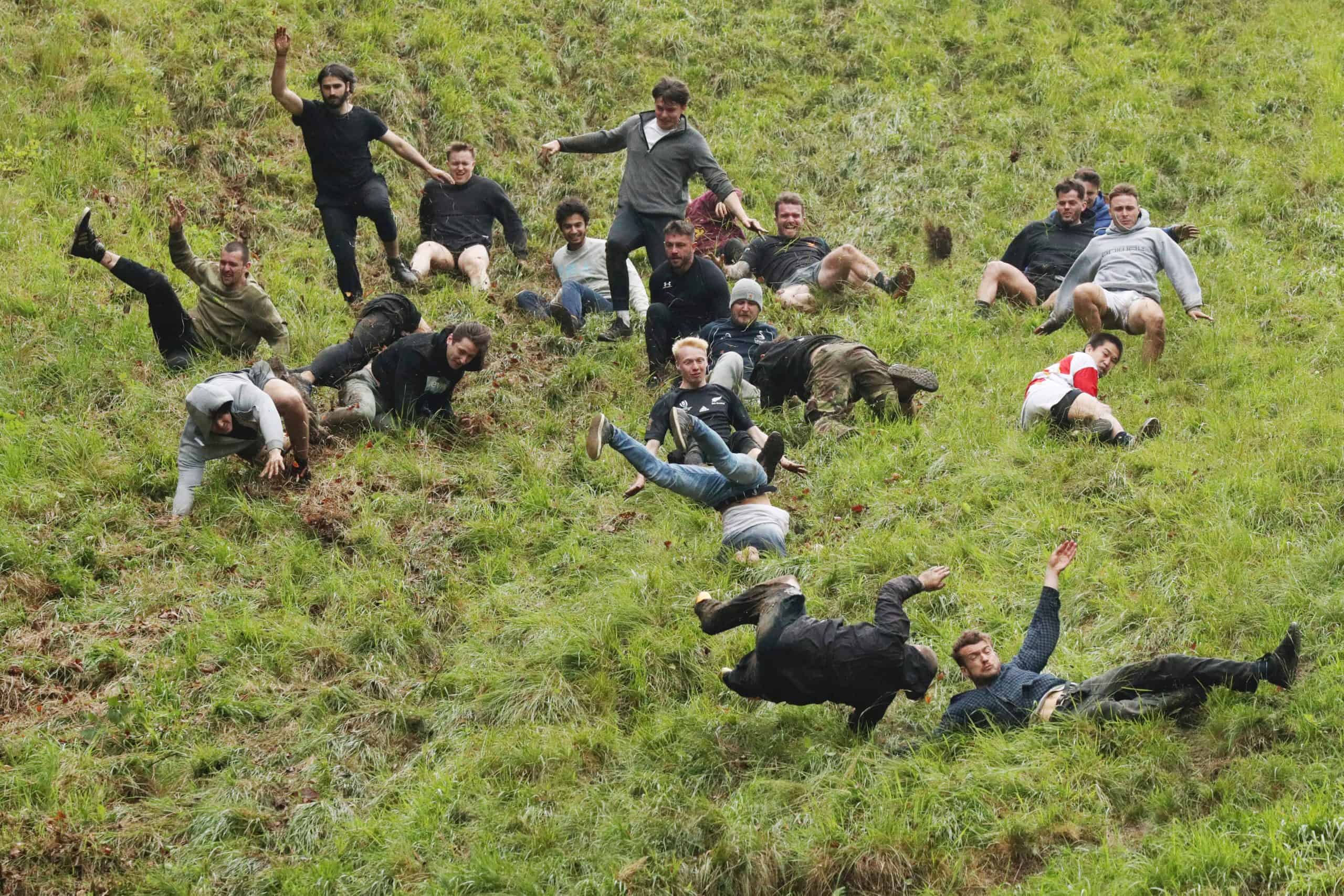
Cooper’s Hill Cheese-Rolling has one of the simplest and most hazardous-looking rule sets on this list. A wheel of Double Gloucester cheese is sent down an extremely steep hill and competitors charge after it, usually transitioning from running to tumbling much sooner than planned.
The event takes place near Brockworth in Gloucestershire, England, traditionally on the spring bank holiday. Its precise age is uncertain, which makes claims that it is 600 years old difficult to prove. Written evidence goes back at least to the 19th century, and local tradition may be considerably older. What is not in doubt is that the event remains active in 2026 and continues attracting competitors from around the world despite its obvious talent for producing spectacular falls.
Urban Golf
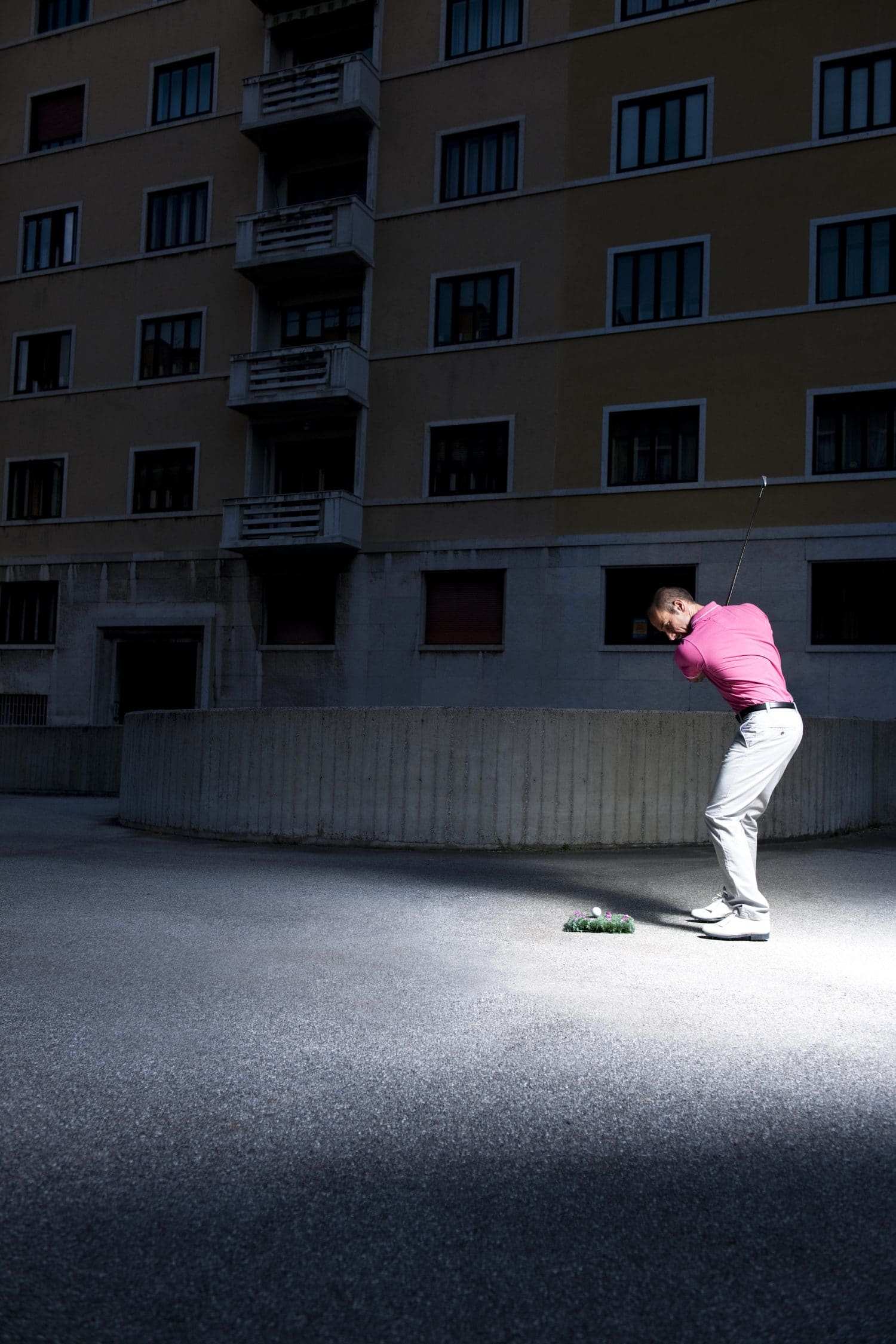
Urban golf, also called crossgolf or street golf, removes the manicured fairways from golf and replaces them with city streets, vacant lots, industrial areas, parks, and whatever obstacles happen to be standing nearby.
The modern European movement traces a major part of its history to Hamburg, Germany, where Torsten Schilling and the Natural Born Golfers began taking the game into urban spaces in 1992. Safer balls are commonly used rather than firing regulation golf balls toward unsuspecting windows. The sport now has international competition: the 2026 World Urban Golf Cup was held in Winterthur, Switzerland, in August with teams representing nine countries.