Andrew Clemente
TonyBaggett / iStock via Getty Images
internetarchivebookimages / Flickr
John Vanderlyn / Public Domain / Wikimedia Commons
ikrichter / Flickr
lordsutch / Flickr

Hulton Archive / Getty Images
iip-photo-archive / Flickr
aiva / Flickr
iip-photo-archive / Flickr / Public Domain
iip-photo-archive / Flickr
edwarddallas / Flickr

iip-photo-archive / Flickr
PatriceO / iStock via Getty Images
edwarddallas / Flickr
ra3rn / iStock via Getty Images

Hulton Archive / Getty Images

Hulton Archive / Getty Images
National Archives / Getty Images
Roberto Galan / iStock Editorial via Getty Images
rdb466 / Flickr

wfryer / Flickr
Fotosearch / Archive Photos via Getty Images
traveler1116 / iStock Unreleased via Getty Images
Central Press / Hulton Archive via Getty Images
Keystone / Hulton Archive via Getty Images
Washington Bureau / Archive Photos via Getty Images
Keystone / Getty Images
Hulton Archive / Hulton Archive via Getty Images

pingnews / Flickr
John Moore / Getty Images News via Getty Images
Tom Pennington / Getty Images Sport via Getty Images



31 U.S. Presidents Who Served in the Military
Before they moved into the White House, a surprising number of U.S. presidents had worn a uniform. Some commanded armies through major wars. Others served in state militias, the National Guard, or the Navy, and a few never saw combat at all. That makes their military backgrounds more varied—and more interesting—than a simple count of war heroes would suggest.
By the broad historical definition used here, 31 presidents had military affiliations, including colonial and state militias and local home guards. The distinction matters: a militia commission was not always active federal service, and Millard Fillmore’s home-guard involvement came after he had already left office. Military service is not a prerequisite for the presidency, and the experience of these 31 men ranged from brief local appointments to some of the most consequential commands in American history.
For this updated list, 24/7 Tempo reviewed historical records and biographies from the Smithsonian’s National Museum of American History, the U.S. Army Center of Military History, the Naval History and Heritage Command, the Library of Congress, and presidential libraries. Dates distinguish active-duty and reserve service where appropriate, and ranks reflect the highest documented grade, including honorary brevet promotions when relevant.
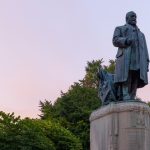
George Washington
- Presidential term: 1789–1797
- Military service: 1753–1758; 1775–1783; 1798–1799
- Highest rank: Continental Army commander in chief; later U.S. Army lieutenant general
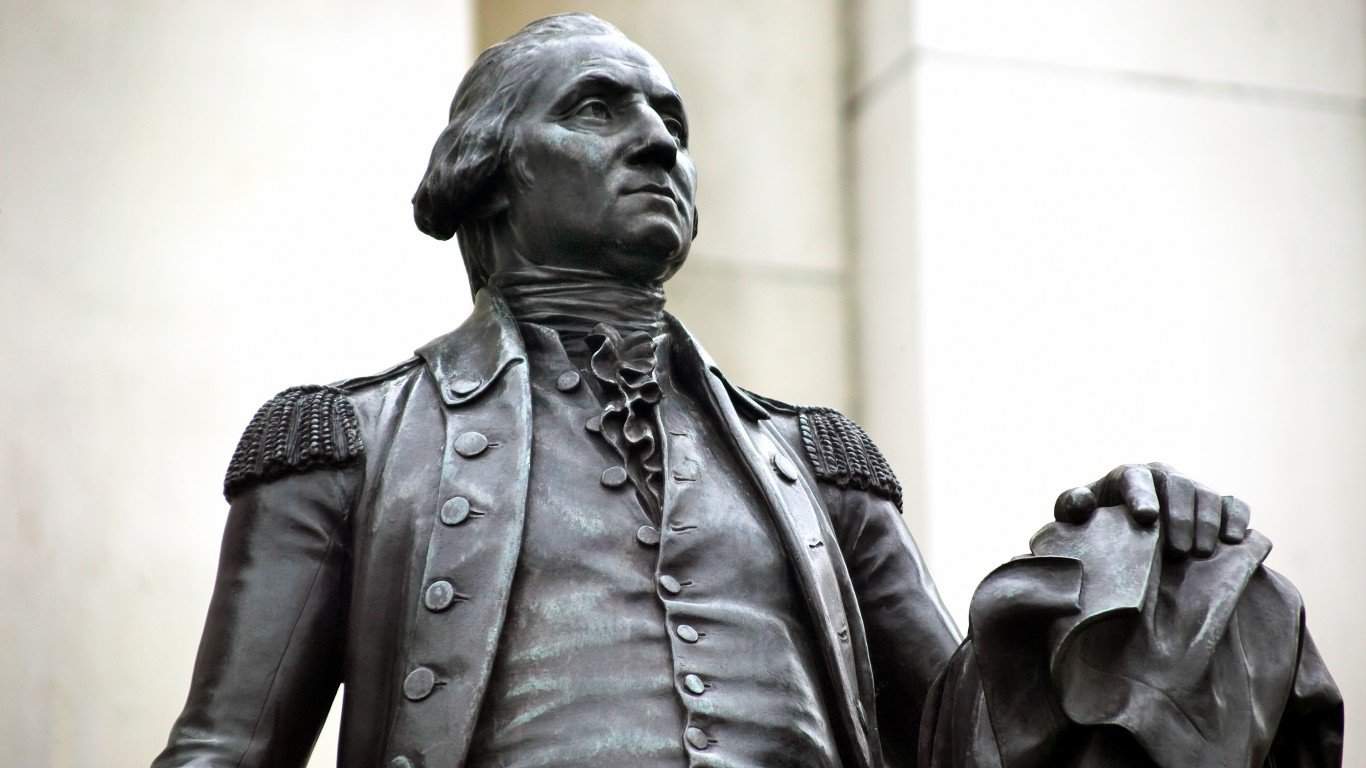
Long before taking the oath as America’s first president, George Washington had already spent years in uniform. He gained experience with Virginia’s colonial forces during the French and Indian War, then took command of the Continental Army in June 1775. The Revolutionary War was hardly an uninterrupted string of victories, but Washington held his army together through setbacks, shortages, and a brutal winter at Valley Forge. He resigned his commission in 1783, a decision that helped establish civilian control of the military. Even after his presidency, he accepted a lieutenant general’s commission in 1798 as tensions with France mounted.
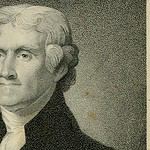
Thomas Jefferson
- Presidential term: 1801–1809
- Military service: 1770–1779 (Virginia militia)
- Highest rank: Colonel, Virginia militia
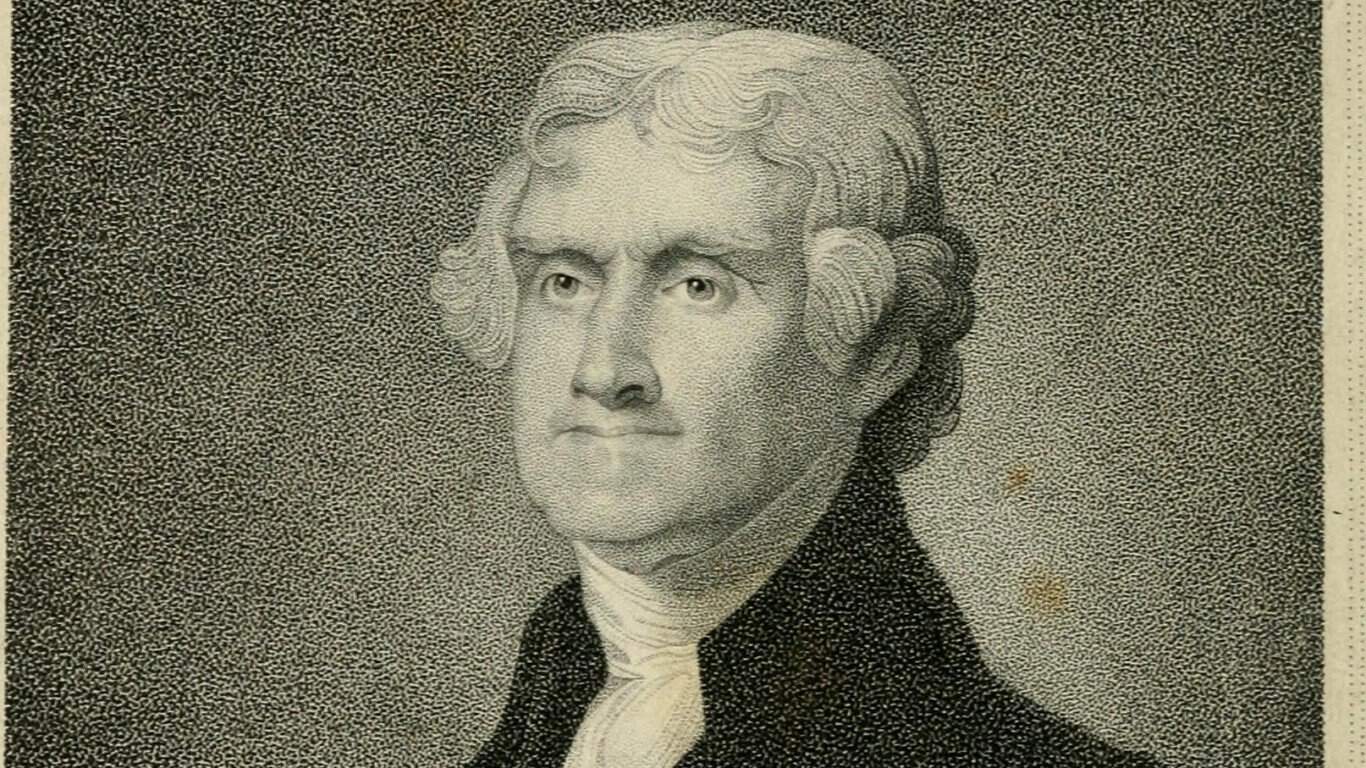
Thomas Jefferson is remembered for writing the Declaration of Independence, not leading soldiers into battle. Still, he held a colonel’s commission in the Albemarle County militia before and during the Revolutionary War. His responsibilities were much closer to local organization than the battlefield command associated with generals such as Washington. Jefferson spent much of the war working in Virginia politics and later served as the state’s governor. His inclusion here reflects the broad definition of military service used for this article: colonial and state militia commissions count, even when they did not involve combat.
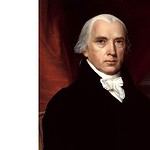
James Madison
- Presidential term: 1809–1817
- Military service: 1775–1781 (Virginia militia)
- Highest rank: Colonel, Virginia militia
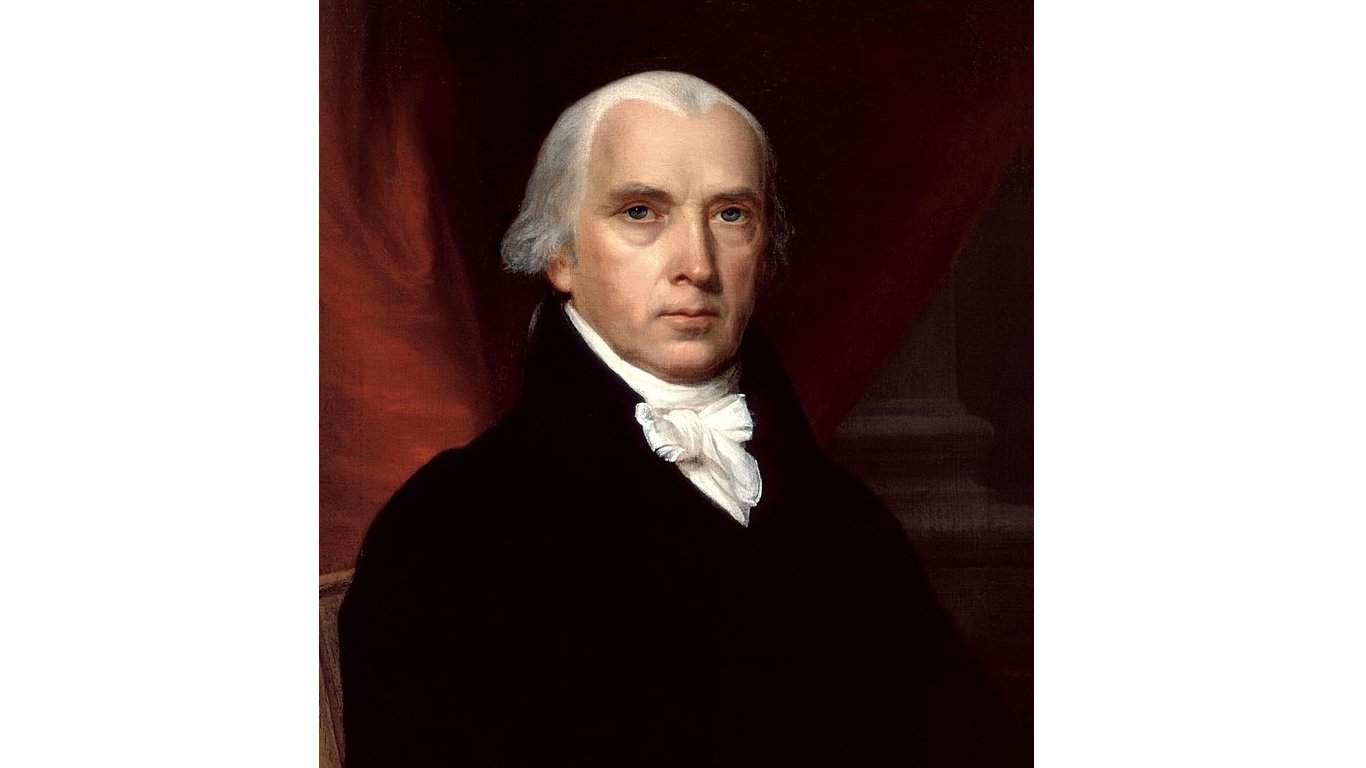
James Madison held a commission in Virginia’s militia during the American Revolution, but he was never a celebrated battlefield commander. His health limited his ability to serve in the field, and he made his greatest contributions through politics, constitutional debates, and public administration. That makes Madison a useful reminder that military experience among presidents was not always the sort that produced dramatic war stories. He later led the country through the War of 1812 as commander in chief, but that presidential responsibility is separate from his earlier militia affiliation.
James Monroe
- Presidential term: 1817–1825
- Military service: 1775–1778 (Continental Army); later Virginia militia service
- Highest rank: Major, Continental Army; later lieutenant colonel, Virginia militia
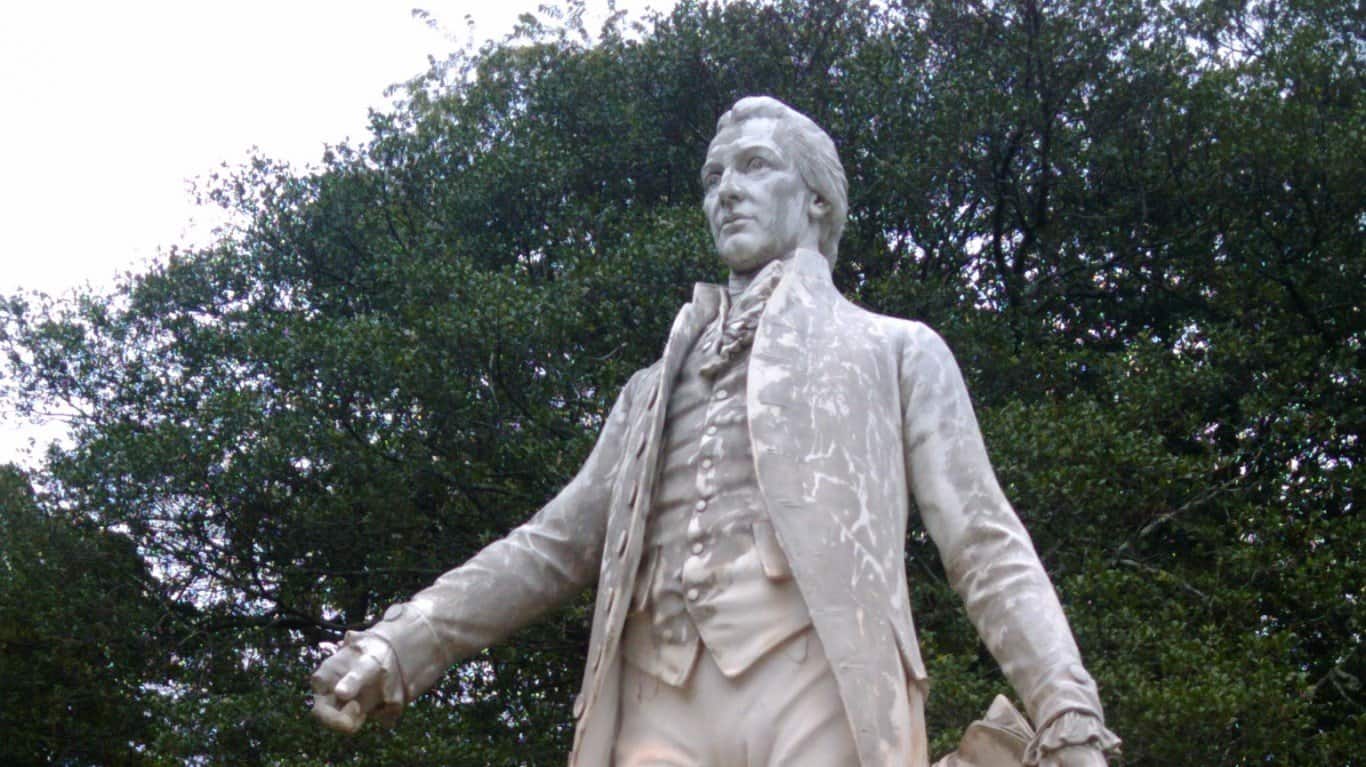
James Monroe came much closer to losing his life in military service than most presidents. The young Continental Army officer joined Washington’s campaign against Trenton in December 1776 and suffered a serious wound during the fighting. He survived, returned to duty, and eventually rose to major in the Continental Army. Monroe later helped organize military support in Virginia, where he held a lieutenant colonel’s commission in the militia. His combat experience was real and substantial, but the original description overstated his later role at Yorktown. Monroe’s political career followed years in which the Revolution had already left a physical mark on him.
Andrew Jackson
- Presidential term: 1829–1837
- Military service: 1802–1821 (Tennessee militia and U.S. Army)
- Highest rank: Major general, U.S. Army
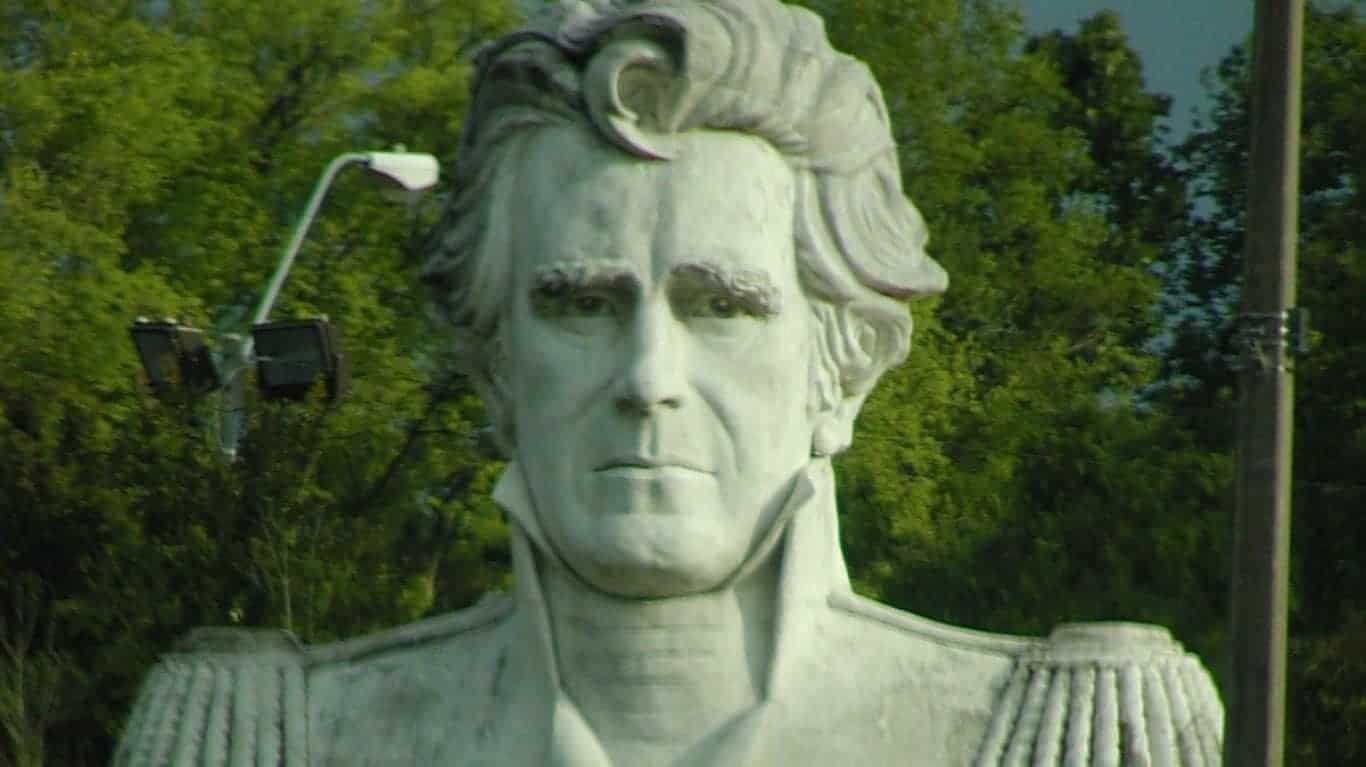
Andrew Jackson had little formal military schooling, yet he became one of the country’s best-known commanders. After rising through Tennessee’s militia, he led troops during the Creek War and won a major victory over British forces at New Orleans in January 1815. The battle made him a national celebrity and supplied much of the reputation that later propelled him into politics. There is another side to that military record: his campaigns against Native American nations caused enormous suffering and helped set the stage for the removal policies of his presidency. Jackson’s fame was considerable, but the consequences of his victories were far from universally celebrated.
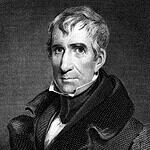
William Henry Harrison
- Presidential term: 1841
- Military service: 1791–1798; 1812–1814
- Highest rank: Major general, Kentucky militia; commander of the Army of the Northwest
William Henry Harrison’s military record was considerably longer than his presidency. He entered the U.S. Army in 1791, served on the frontier, and later led forces against Tecumseh’s confederacy at Tippecanoe in 1811. During the War of 1812, he held major general rank in the Kentucky militia and commanded the Army of the Northwest. His forces defeated British and Native American allies at the Battle of the Thames in 1813. Those victories became central to his 1840 presidential campaign. Harrison then died 31 days after taking office, leaving his military career as a far larger part of his public legacy than his time in the White House.
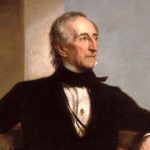
John Tyler
- Presidential term: 1841–1845
- Military service: 1813 (Virginia militia)
- Highest rank: Captain, Charles City Rifles, Virginia militia
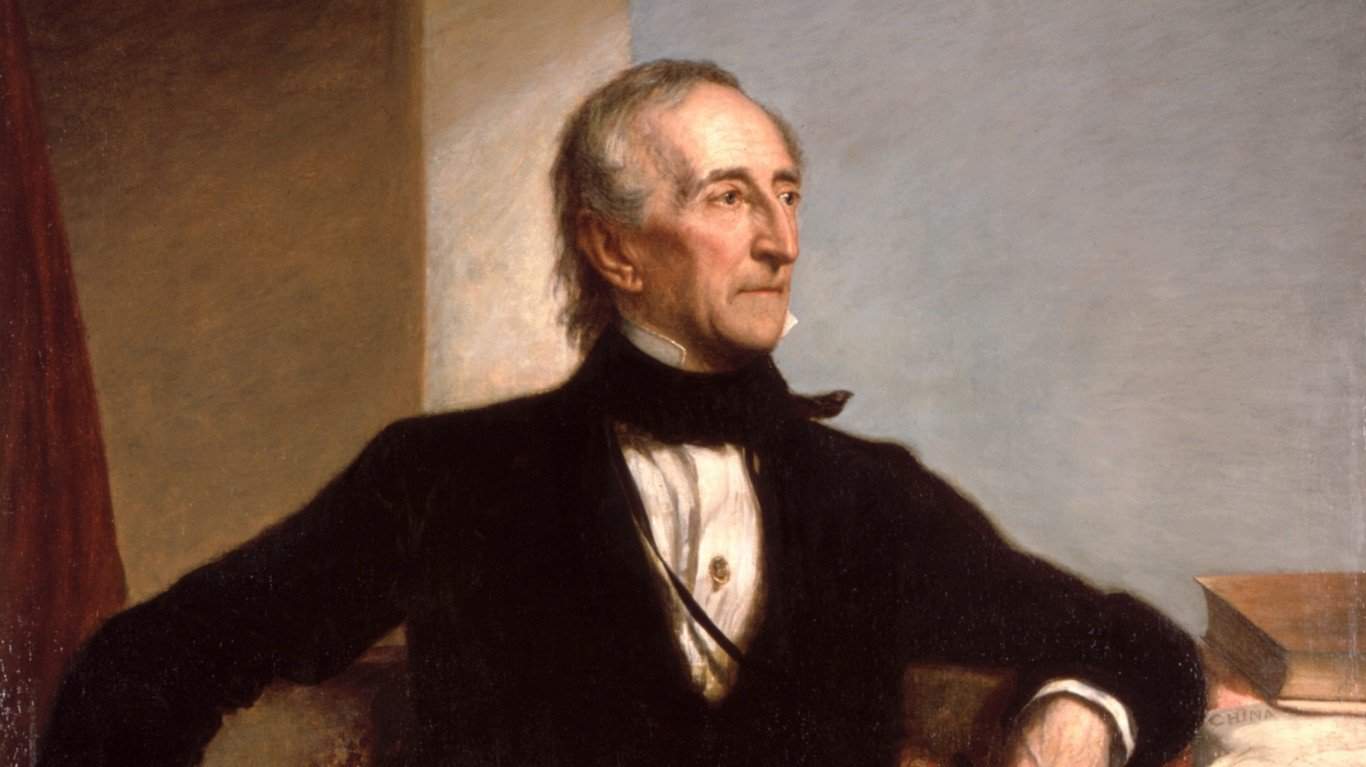
John Tyler’s military career was brief, local, and decidedly less dramatic than those of some of his predecessors. During the War of 1812, reports of British activity along Virginia’s coast prompted him to join the Charles City Rifles. He served as a captain, organized the volunteers, and marched with the militia toward Williamsburg. The feared confrontation never happened, and the company returned home without seeing combat. Tyler later became vice president under William Henry Harrison and assumed the presidency when Harrison died in 1841. His inclusion here is based on militia service, not a wartime command or battlefield decoration.
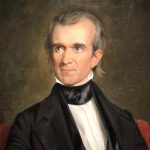
James K. Polk
- Presidential term: 1845–1849
- Military service: 1821 (Tennessee militia)
- Highest rank: Colonel, Tennessee militia
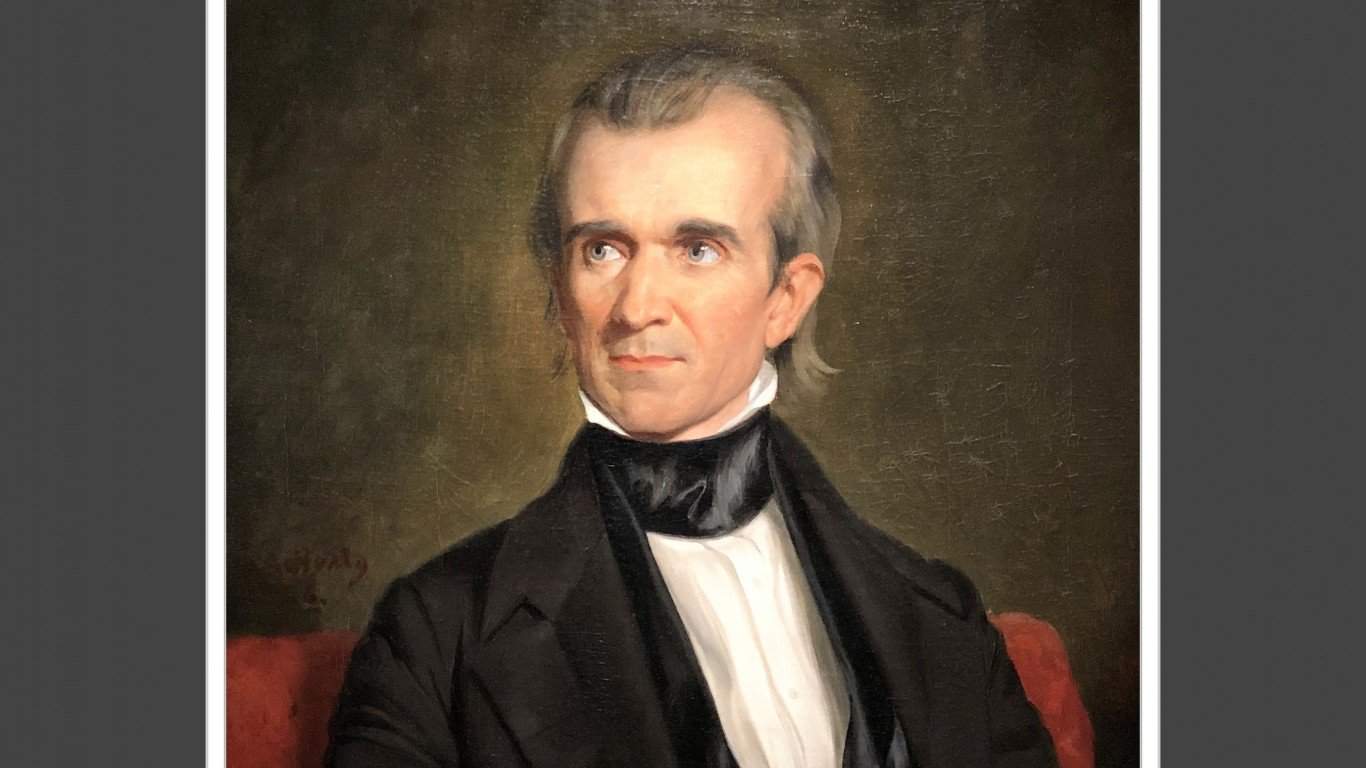
James K. Polk’s military résumé was surprisingly thin for a president whose administration oversaw a major war. He held a colonel’s commission in the Tennessee militia in 1821, but that was not the same as serving in combat. His much more consequential connection to the armed forces came after he entered the White House. Polk was commander in chief during the Mexican-American War, which ended with the United States acquiring an enormous amount of territory in the West. That expansion also intensified the national conflict over slavery. Polk belongs on a list that includes militia officers, but his presidency should not be confused with a distinguished military career.
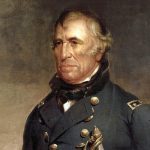
Zachary Taylor
- Presidential term: 1849–1850
- Military service: 1808–1849 (U.S. Army)
- Highest rank: Major general, U.S. Army
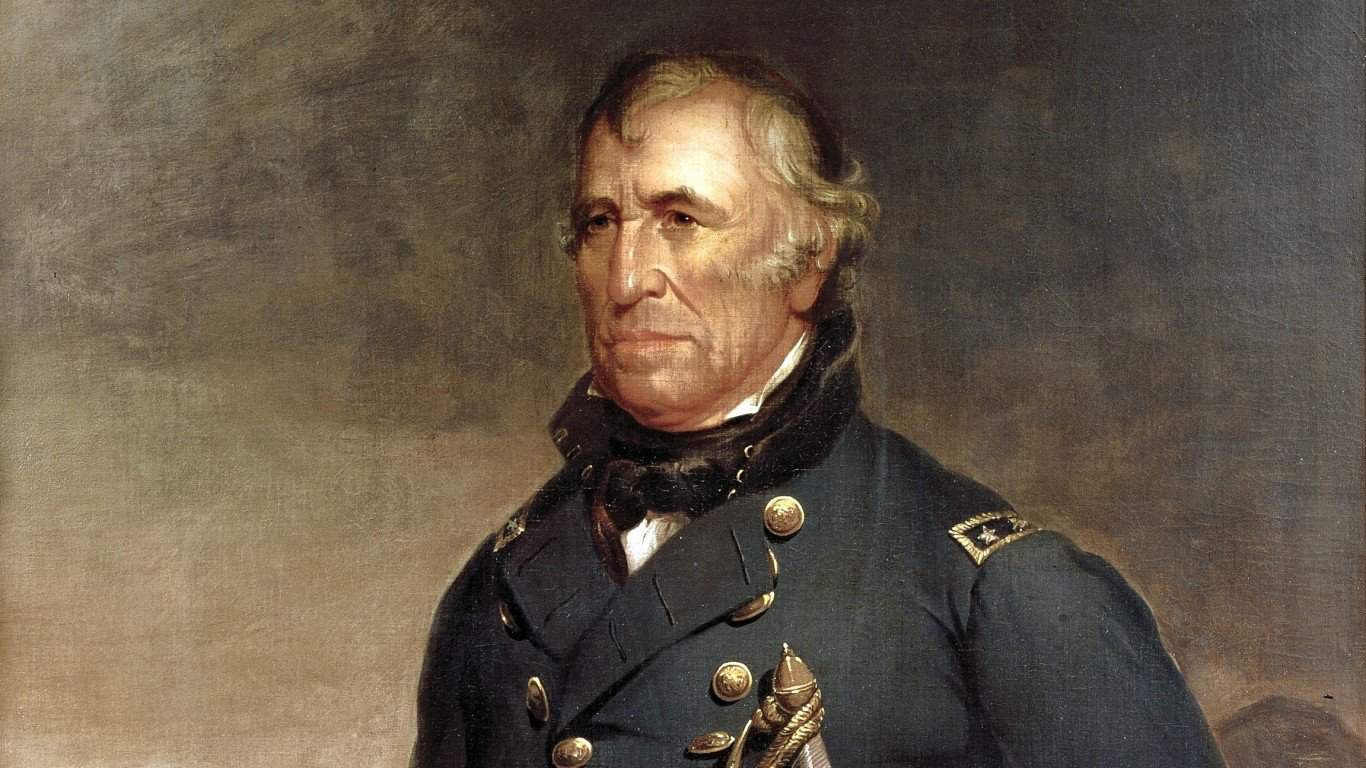
Zachary Taylor was a career soldier long before anyone imagined him in the White House. Commissioned in 1808, he served through decades of frontier conflict and fought in the War of 1812, the Black Hawk War, and the Second Seminole War. His victories during the Mexican-American War, particularly at Buena Vista, made him a national hero. Troops called him “Old Rough and Ready” because of his plain manner and willingness to share the discomforts of camp life. Taylor had little conventional political experience when he won the 1848 election. His presidency ended abruptly with his death in 1850, after roughly 16 months in office.
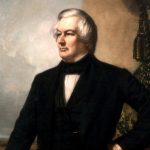
Millard Fillmore
- Presidential term: 1850–1853
- Military service: Beginning in 1861, after his presidency (Buffalo home guard)
- Highest rank: Major and commander, Union Continentals home guard
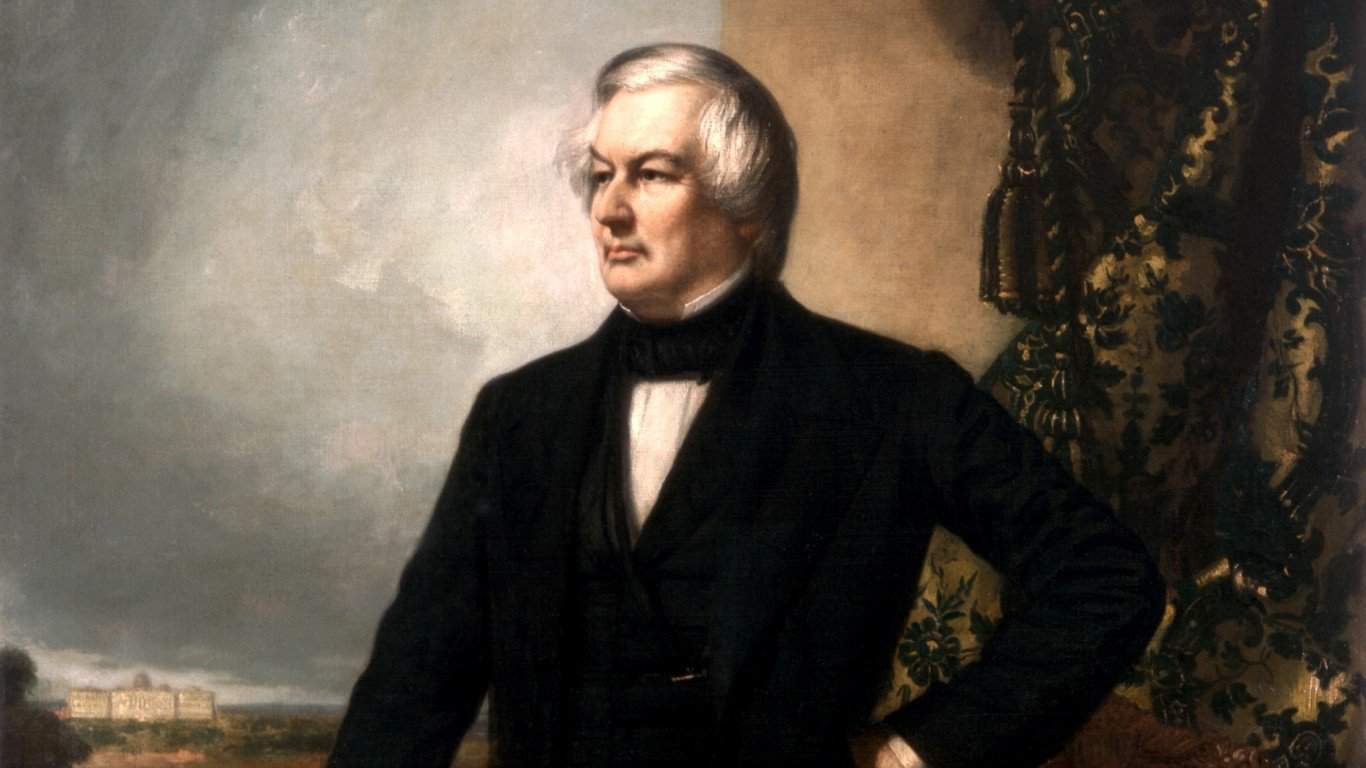
Millard Fillmore is the unusual case on this list because his home-guard activity came after he left the White House. During the Civil War, the former president helped lead the Union Continentals, a Buffalo-area organization of older men formed to support the Union cause and help protect the city if necessary. The unit did not become a conventional frontline Army formation, and it is misleading to describe Fillmore as a Union combat veteran. He also took part in local wartime ceremonies, including events surrounding Abraham Lincoln’s funeral procession. His example helps explain why “presidents with military affiliations” is a more precise description than “31 combat veterans.”
Franklin Pierce
- Presidential term: 1853–1857
- Military service: 1831 (New Hampshire militia appointment); 1846–1848 (Mexican-American War)
- Highest rank: Brigadier general, U.S. volunteers
Franklin Pierce had a much more substantial military career than the garbled dates in the original article suggested. He held a New Hampshire militia appointment in the 1830s and volunteered when the Mexican-American War began. His political standing helped him win a commission, and by 1847 he was a brigadier general leading troops under Winfield Scott. Pierce suffered a painful leg injury after his horse fell during the fighting near Mexico City, complicating his ability to remain in action. He returned to politics after the war and won the presidency in 1852. His military service is well documented, although historians have debated his performance as a field commander.
James Buchanan
- Presidential term: 1857–1861
- Military service: 1814 (Pennsylvania militia)
- Highest rank: Private, Pennsylvania militia
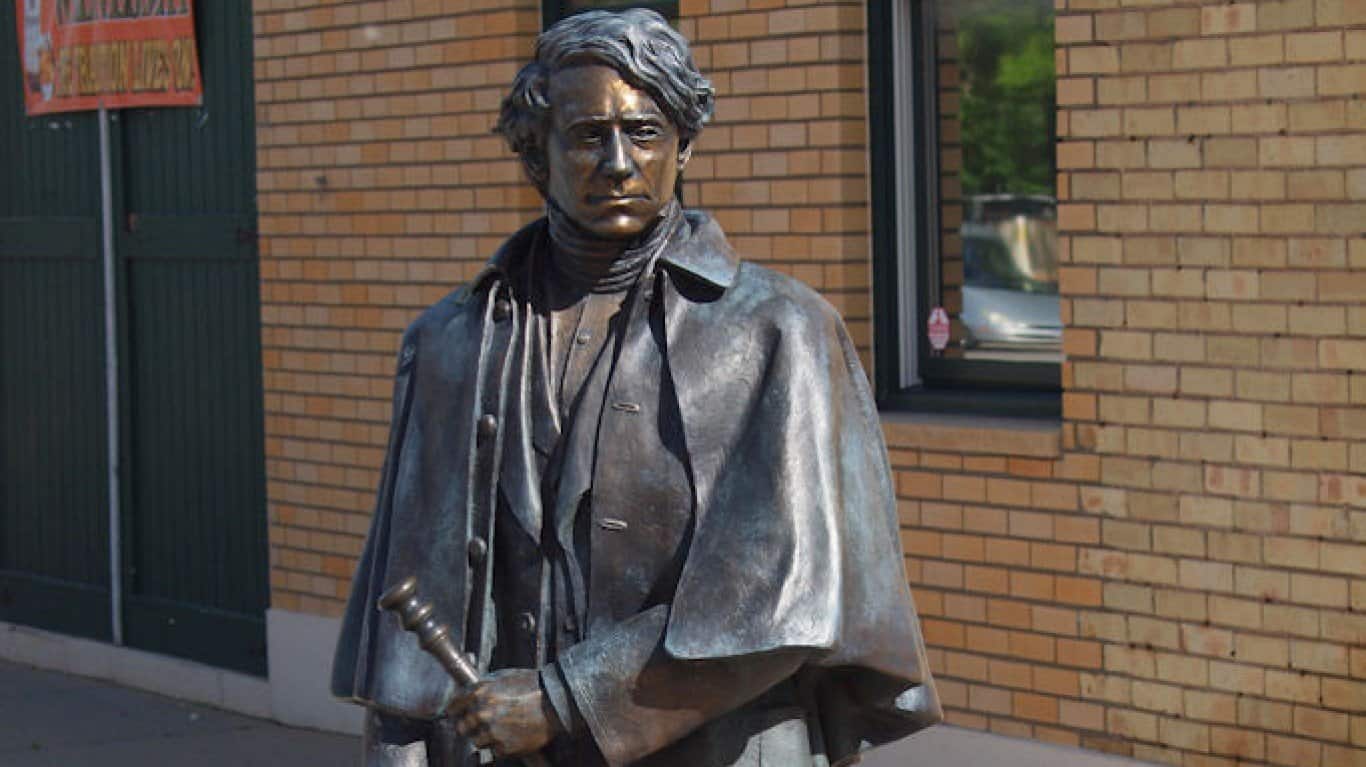
James Buchanan stands out for a reason that has nothing to do with battlefield glory: among the presidents counted here, he is generally identified as the only one whose military service never advanced beyond the enlisted ranks. In 1814, during the War of 1812, Buchanan joined a Pennsylvania militia company as a private after British forces attacked Washington. He took part in the mobilization to defend the region, though his service was brief. Decades later, Buchanan became president just as the country was sliding toward civil war. His short stint as a militia private was a small chapter in a public career that ended under the shadow of national division.
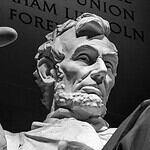
Abraham Lincoln
- Presidential term: 1861–1865
- Military service: 1832 (Illinois militia)
- Highest rank: Captain, Illinois militia
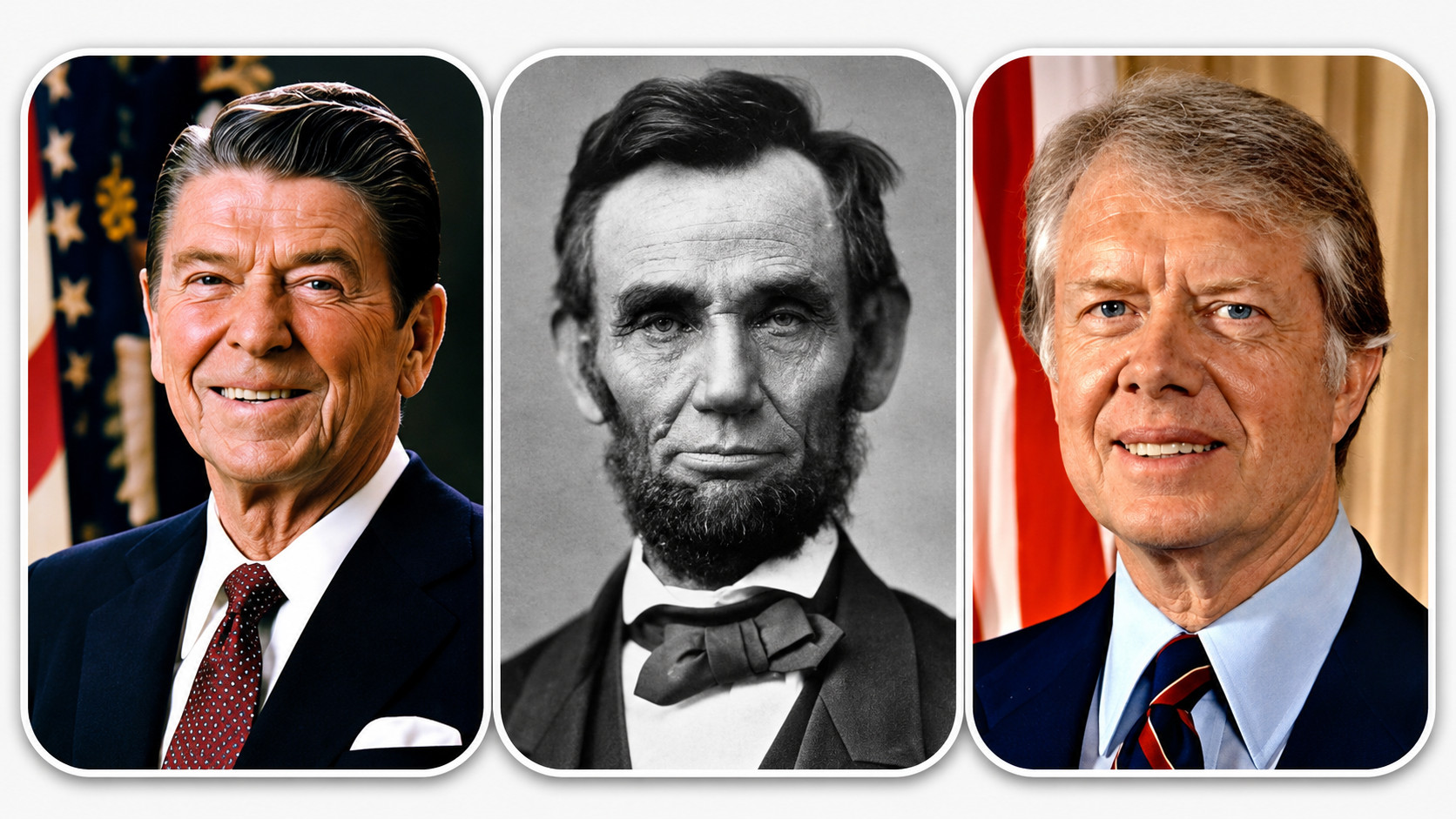
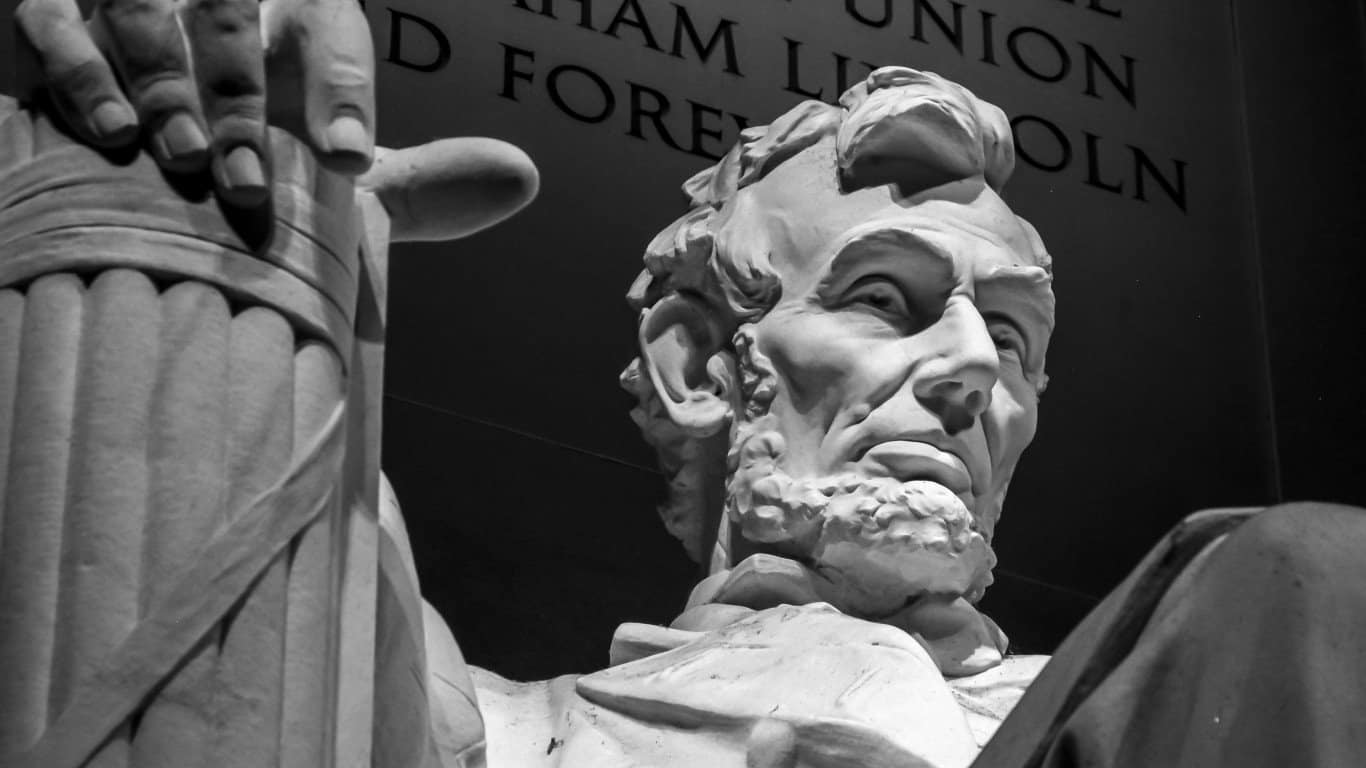
Abraham Lincoln’s military experience amounted to a few months in the Illinois militia during the Black Hawk War of 1832. Fellow volunteers elected him captain, an honor he later recalled fondly, but his unit did not take part in a major battle. After his initial company disbanded, Lincoln continued briefly as an enlisted man. Nearly three decades later, the former militia captain found himself directing an enormous national war as president. He learned military strategy through experience, worked through a string of commanding generals, and eventually trusted Ulysses S. Grant to lead Union forces. His Civil War leadership was presidential, not a continuation of his 1832 military service.
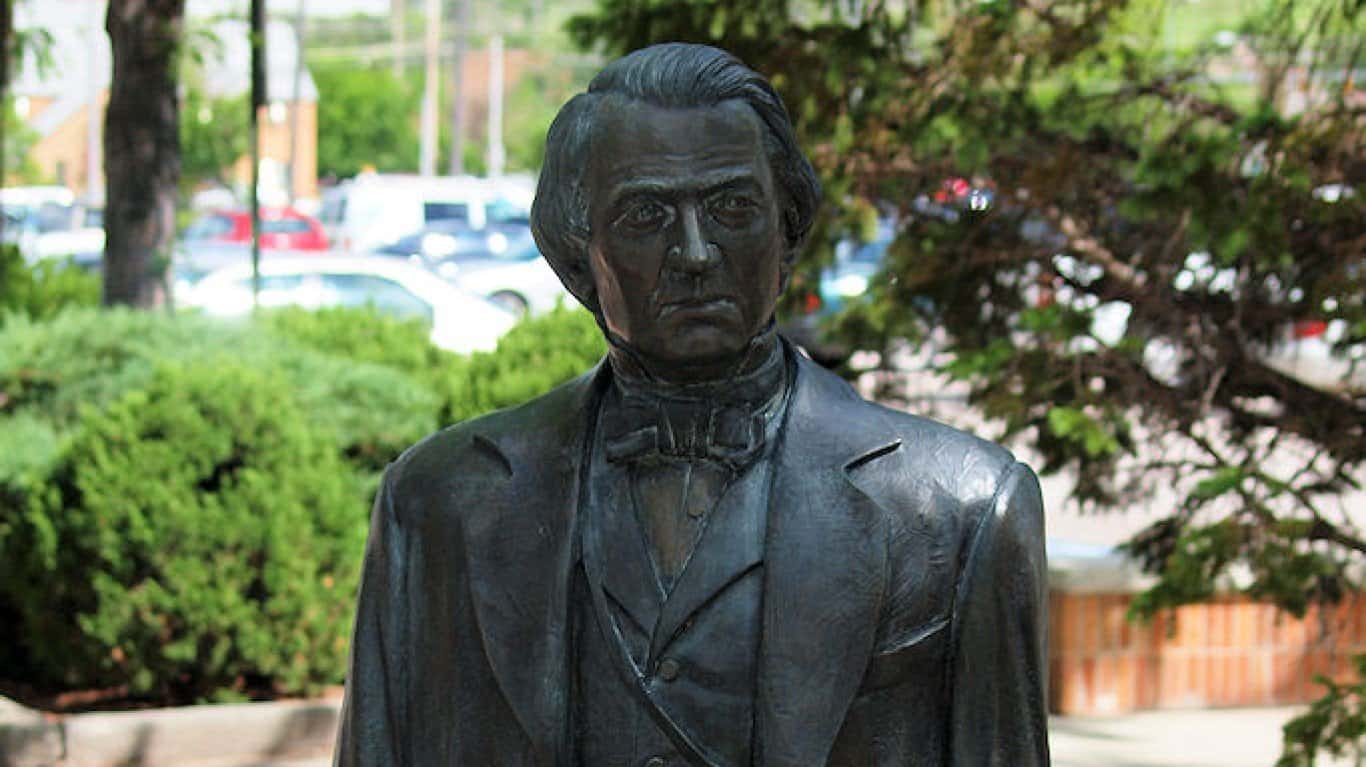
Andrew Johnson
- Presidential term: 1865–1869
- Military service: 1862–1865 (military governorship)
- Highest rank: Brigadier general, U.S. volunteers
Andrew Johnson did not make his name by leading charges across a battlefield. A Tennessee Unionist who opposed secession, he was appointed military governor of Tennessee by Abraham Lincoln in 1862 and given the rank of brigadier general. The assignment involved restoring federal authority and administering a deeply divided state during the Civil War. Johnson later joined Lincoln’s reelection ticket as vice president and became president after Lincoln’s assassination in April 1865. His service therefore counts as a military appointment, but it was primarily a political and administrative role rather than a conventional combat command.
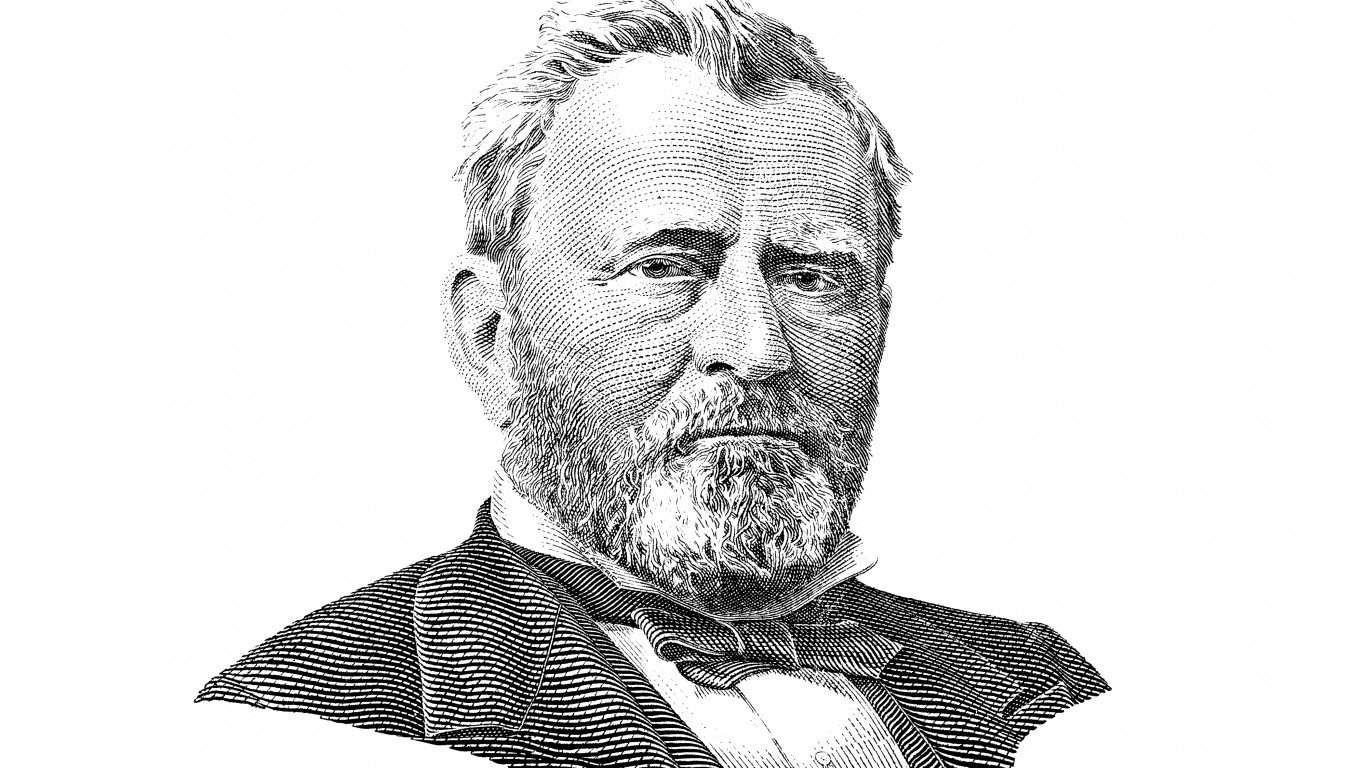
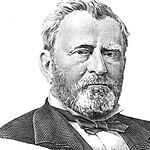
Ulysses S. Grant
- Presidential term: 1869–1877
- Military service: 1843–1854; 1861–1869 (U.S. Army)
- Highest rank: General, U.S. Army (four-star rank)
Few presidents were as closely identified with military command as Ulysses S. Grant. A West Point graduate, he served in the Mexican-American War, left the Army in 1854, and returned after the Civil War began. Victories at Fort Donelson and Vicksburg established his reputation before Lincoln placed him in charge of all Union armies in 1864. Grant helped bring the Confederacy to defeat, and Congress later created the four-star rank of General of the Army, which he received in 1866. By the time he entered the White House in 1869, voters already knew him as the general who had led the Union to victory. His military achievements, rather than an established career in elected office, drove his rise.
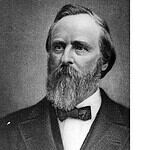
Rutherford B. Hayes
- Presidential term: 1877–1881
- Military service: 1861–1865 (Union Army)
- Highest rank: Brevet major general, Union volunteers
Rutherford B. Hayes left a comfortable law career to join the Union Army when the Civil War erupted. His service was anything but ceremonial. He fought in multiple campaigns, suffered several wounds, and earned promotions that eventually included the brevet rank of major general. A brevet promotion recognized distinguished service but did not always carry the same pay or command authority as a permanent grade. Hayes was elected to Congress while still in uniform and later served as governor of Ohio. His war record became a major part of his public identity, though it did not prevent the contested presidential election of 1876 from becoming one of the most disputed in American history.
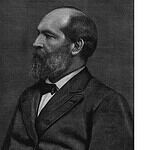
James A. Garfield
- Presidential term: 1881
- Military service: 1861–1863 (Union Army)
- Highest rank: Major general, Union volunteers
James A. Garfield entered the Civil War as an Ohio volunteer and showed an early talent for organizing and commanding troops. His leadership in the Kentucky campaign around Middle Creek earned attention, and he later served in the campaigns at Shiloh and Chickamauga. Garfield rose to major general before resigning his commission to take a seat in Congress in 1863. That political career eventually took him to the presidency in 1881. His time in office lasted a little more than six months, not four: he was shot in July and died in September. Garfield’s military achievements helped establish his reputation, but his presidency was cut short before he could put much of his agenda into practice.
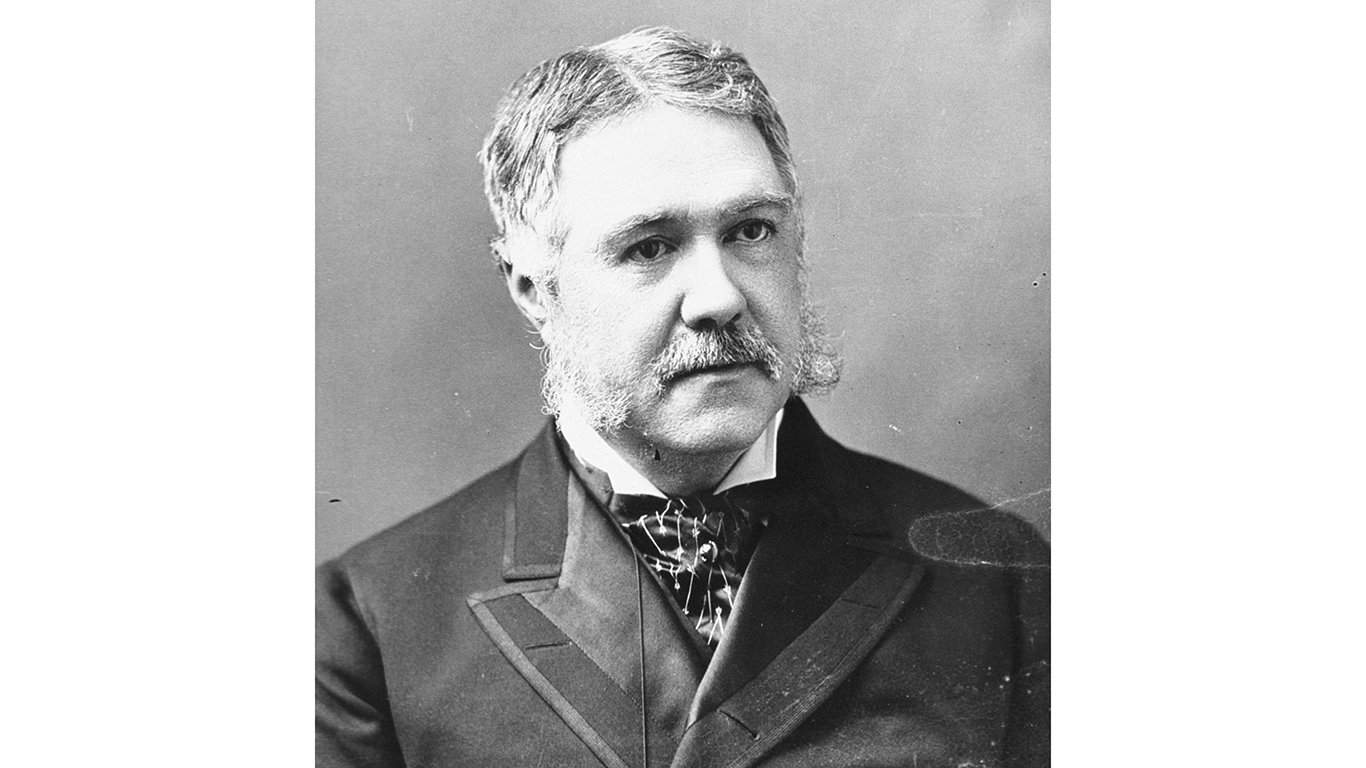
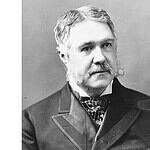
Chester A. Arthur
- Presidential term: 1881–1885
- Military service: 1858–1863 (New York militia)
- Highest rank: Brigadier general, New York militia
Chester A. Arthur’s Civil War contribution took place mainly behind the lines. As an officer in New York’s militia, he handled recruiting, supplies, transportation, and other logistical work needed to equip soldiers heading to the front. Those tasks were not glamorous, but an army cannot operate for long without them. Arthur held senior state military appointments and is generally listed as having attained brigadier general rank. After returning to law and Republican politics, he became vice president under James Garfield. Garfield’s assassination put Arthur in the White House in 1881, giving a former wartime logistics officer a very different kind of responsibility.
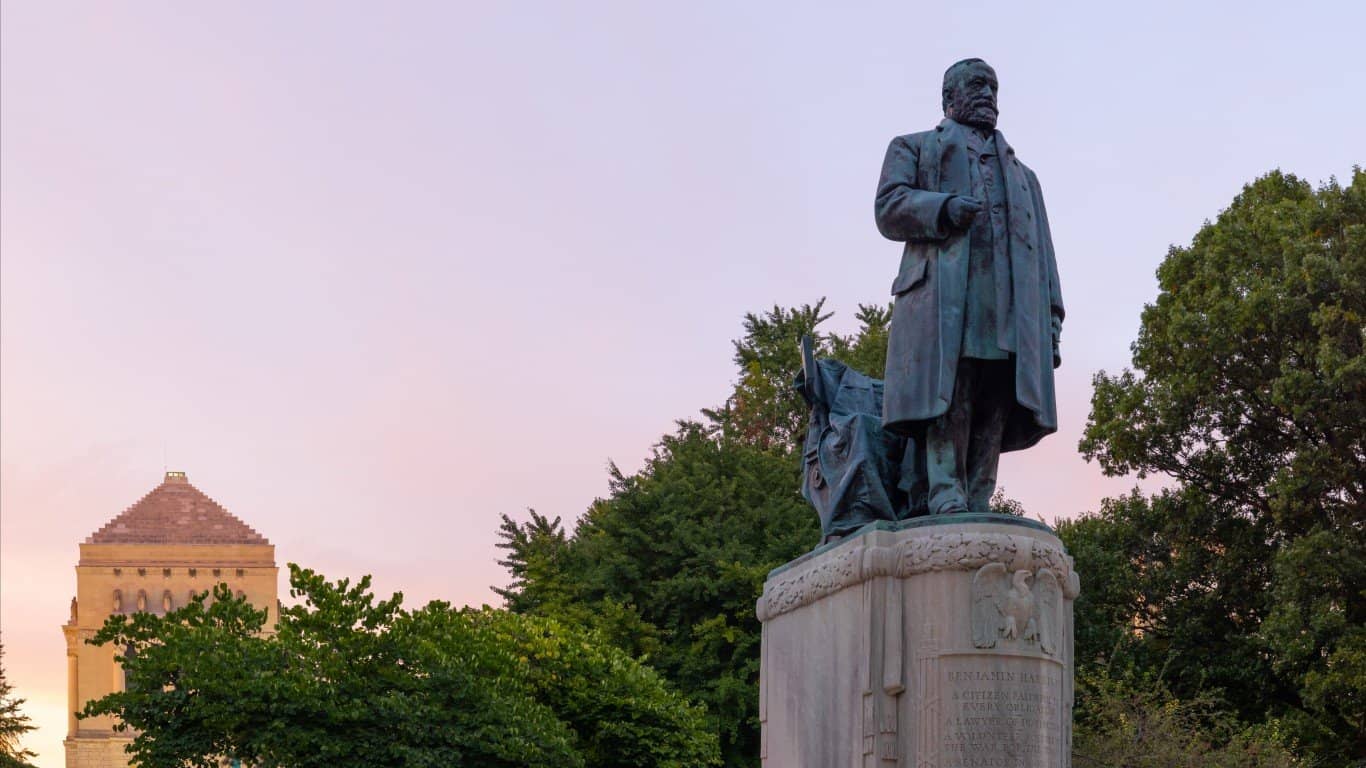
Benjamin Harrison
- Presidential term: 1889–1893
- Military service: 1862–1865 (Union Army)
- Highest rank: Brevet brigadier general, Union volunteers
Benjamin Harrison helped recruit Indiana volunteers and became colonel of the 70th Indiana Infantry during the Civil War. His regiment took part in the Atlanta campaign, and his leadership brought him a brevet promotion to brigadier general in 1865. That honorary grade recognized his service while leaving his underlying regimental rank distinct. Harrison was also the grandson of William Henry Harrison, making the two the first grandfather and grandson to hold the presidency. Unlike his grandfather, Benjamin served a full term, from 1889 to 1893. His wartime record remained an important credential as he built a political career after leaving the Army.
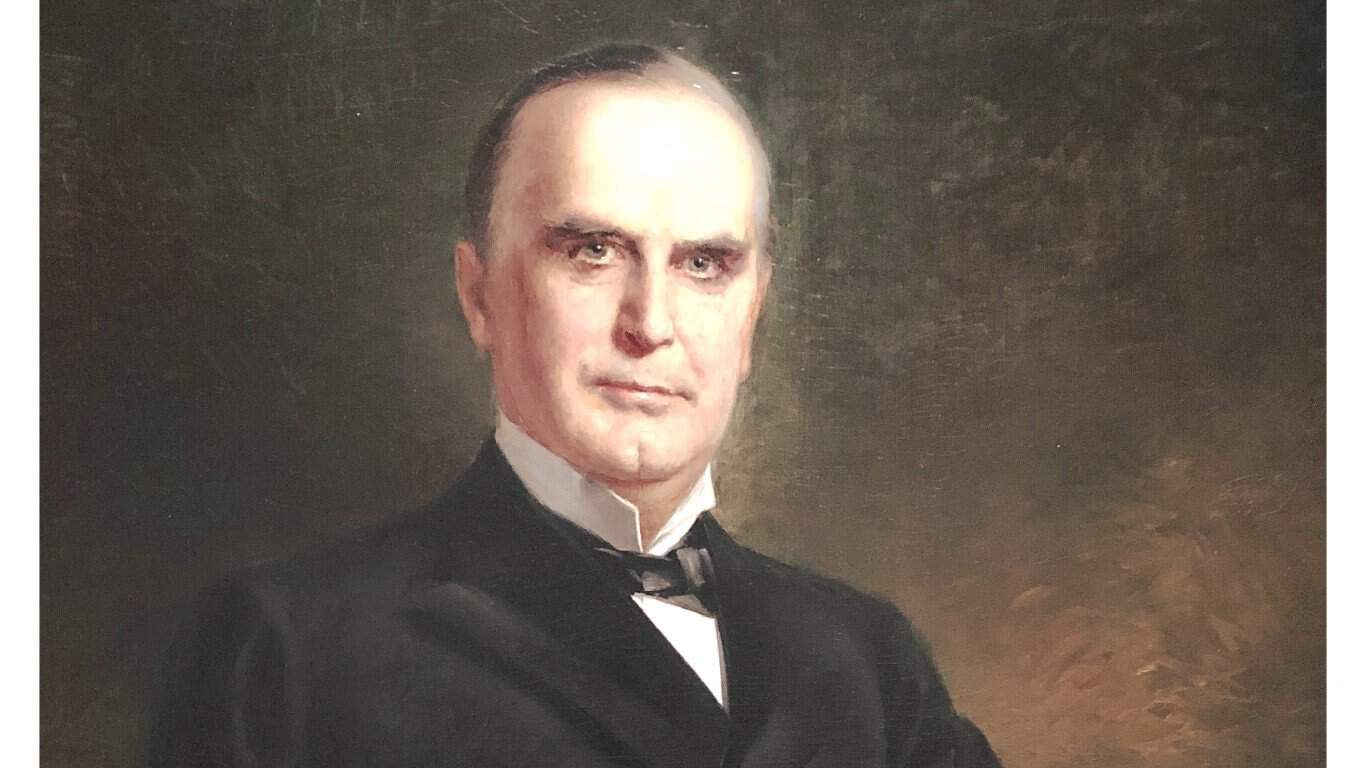
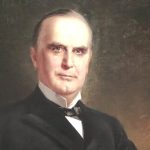
William McKinley
- Presidential term: 1897–1901
- Military service: 1861–1865 (Union Army)
- Highest rank: Brevet major, Union Army
William McKinley enlisted as a teenager in 1861 and began his Union Army service as a private. One of the best-known accounts from his wartime career involves bringing food and hot coffee to troops under fire at Antietam. He later served on the staff of fellow Ohioan Rutherford B. Hayes and finished the war with the brevet rank of major. Decades afterward, McKinley’s reputation as a Civil War veteran helped him connect with voters who remembered the conflict. He was elected president in 1896 and won a second term in 1900, but died in 1901 after being shot by an assassin. He was the last president to have served in the Civil War.
Theodore Roosevelt
- Presidential term: 1901–1909
- Military service: 1882–1886 (New York National Guard); 1898 (U.S. volunteers)
- Highest rank: Colonel, U.S. volunteers
Theodore Roosevelt already had experience with the New York National Guard when he resigned as assistant secretary of the Navy to fight in the Spanish-American War. In 1898, he helped organize the volunteer cavalry regiment that became famous as the Rough Riders, then led soldiers in combat in Cuba. Roosevelt turned those exploits into a major part of his public image, though other units also played essential roles in the fighting. In 2001, he received a posthumous Medal of Honor for his conduct at San Juan Heights. He remains the only U.S. president to have received that decoration, making his military career distinctive even among presidents who served.
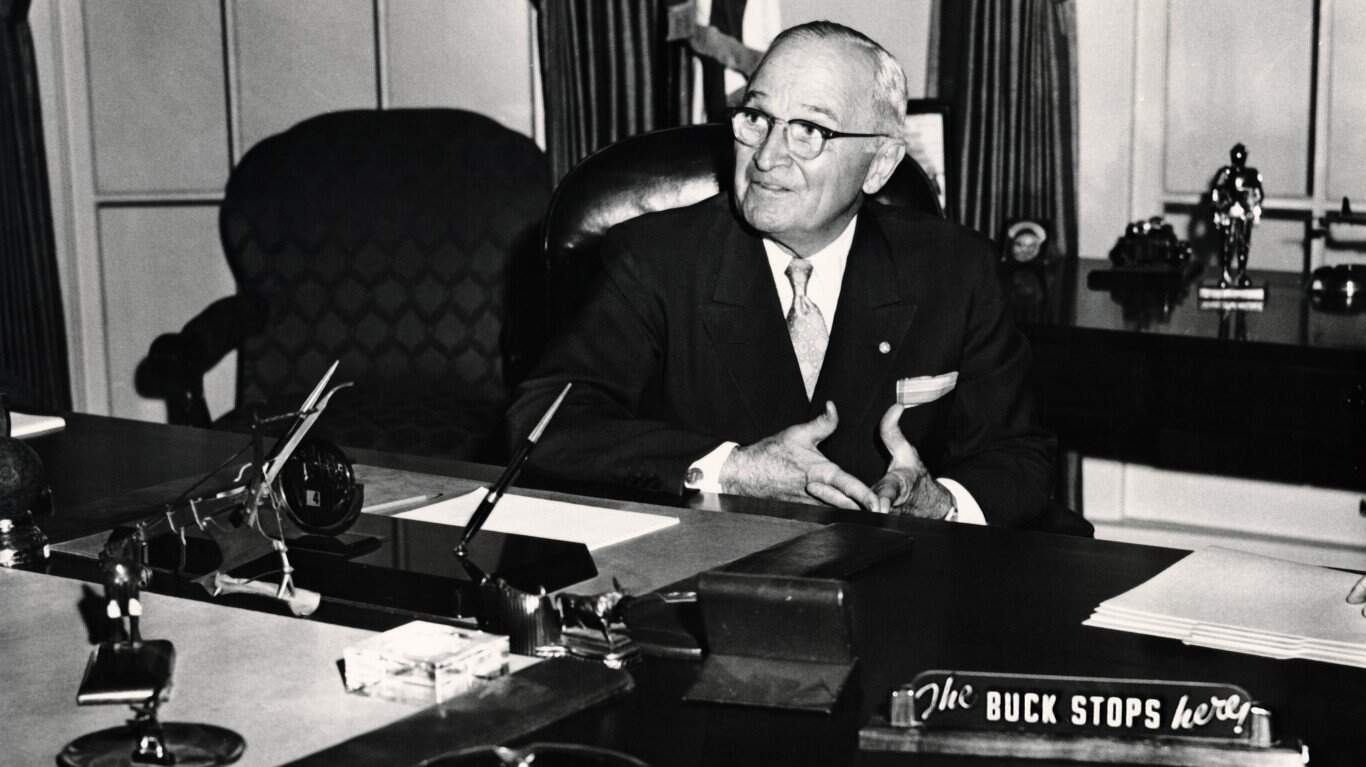
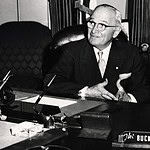
Harry S. Truman
- Presidential term: 1945–1953
- Military service: 1905–1911 (National Guard); 1917–1919 (active duty); 1920–1953 (Army Reserve)
- Highest rank: Colonel, U.S. Army Reserve
Harry Truman did not enter military service with an elite résumé. He joined the Missouri National Guard in 1905 and returned when the United States entered World War I. In France, he commanded Battery D of the 129th Field Artillery, earning a reputation for keeping a difficult group of soldiers focused under pressure. The wartime friendships he formed became lasting political relationships back home. After the war, Truman continued in the Army Reserve and eventually reached colonel, retiring in January 1953. His experiences in uniform later informed decisions that carried far greater stakes, including the final months of World War II and the beginning of the Cold War.
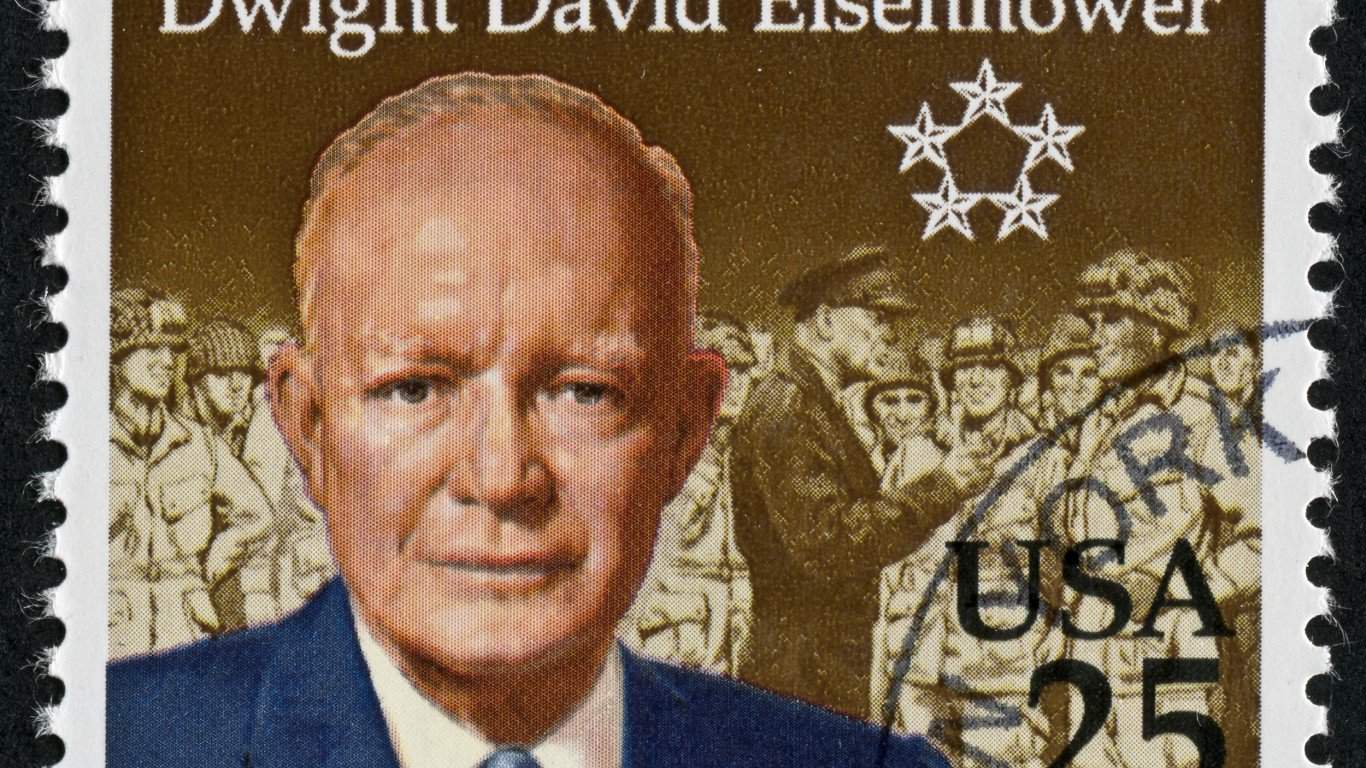
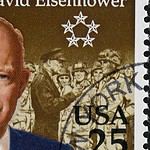
Dwight D. Eisenhower
- Presidential term: 1953–1961
- Military service: 1915–1948; recalled 1951–1952 (U.S. Army)
- Highest rank: General of the Army (five-star rank)
Dwight D. Eisenhower had one of the most consequential military careers of any American president. A 1915 West Point graduate, he rose through the ranks to command Allied forces during World War II. He helped coordinate campaigns across North Africa and Europe and oversaw the Normandy invasion in June 1944. In December of that year, Eisenhower was promoted to General of the Army, the five-star grade, not simply a generic general’s rank. His ability to manage enormous coalitions and competing personalities became central to his wartime reputation. The public later saw those same skills as qualifications for the presidency, which he won in 1952.
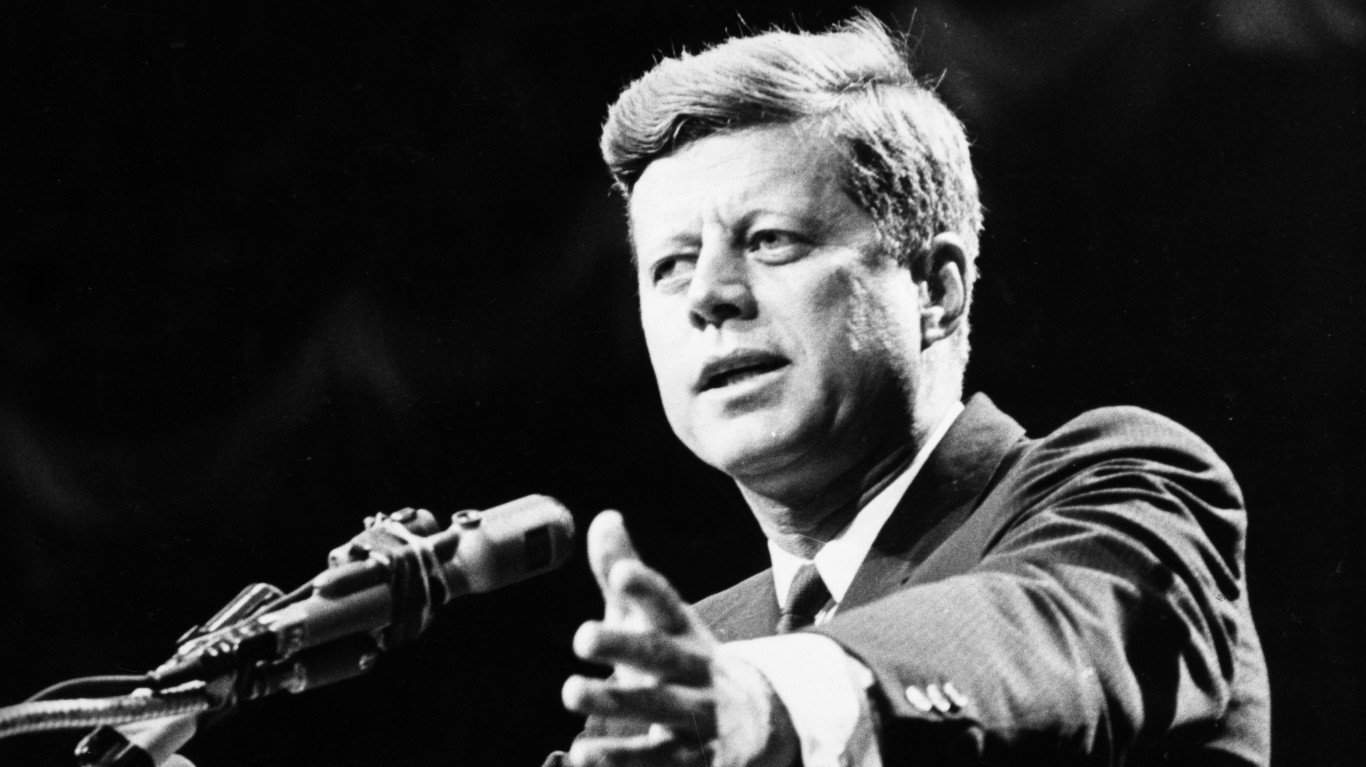
John F. Kennedy
- Presidential term: 1961–1963
- Military service: 1941–1945 (U.S. Naval Reserve)
- Highest rank: Lieutenant, U.S. Navy
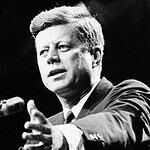
John F. Kennedy’s best-known military story began when a Japanese destroyer struck his patrol torpedo boat, PT-109, near the Solomon Islands in 1943. Two crew members were killed, and Kennedy helped guide the survivors to safety, even towing an injured sailor as they swam. The Navy later awarded him the Navy and Marine Corps Medal, and he also received a Purple Heart. Kennedy was the first president to have served in the U.S. Navy, but the original article’s suggestion that connections alone explained his commission does not do justice to what he subsequently did. His wartime record became a defining part of his public biography.
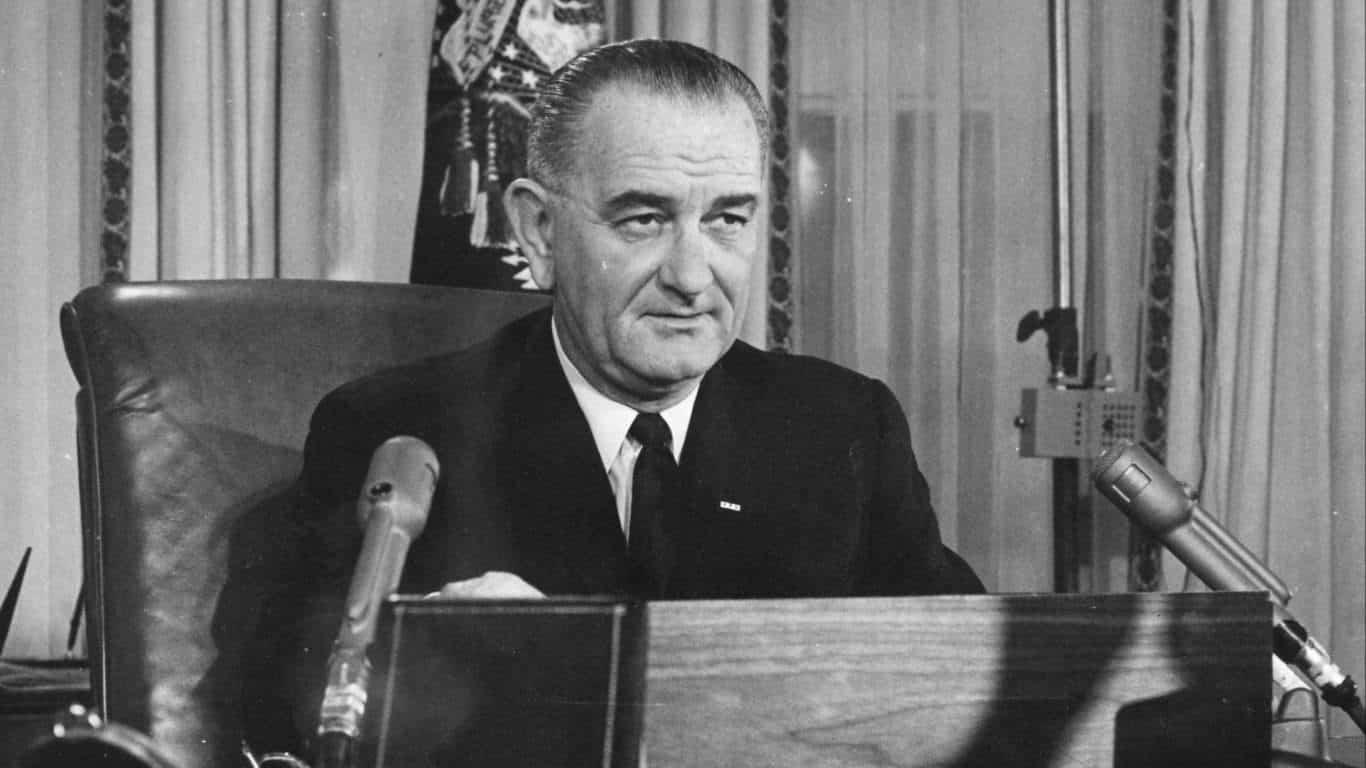
Lyndon B. Johnson
- Presidential term: 1963–1969
- Military service: 1940–1964 (Naval Reserve); active duty 1941–1942
- Highest rank: Commander, U.S. Naval Reserve
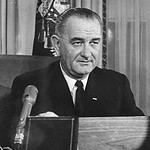
Lyndon B. Johnson was already a congressman when he received a commission in the Naval Reserve in 1940. After Pearl Harbor, he requested active duty and traveled to the Pacific to observe wartime operations. He participated as an observer on a bomber mission in New Guinea in June 1942 and received an Army Silver Star awarded through Gen. Douglas MacArthur’s command. Historians have debated the circumstances and significance of that award, so it is better not to embellish the incident. Johnson later returned to Congress and remained affiliated with the Naval Reserve, ultimately reaching commander. He became president after John F. Kennedy’s assassination in 1963.
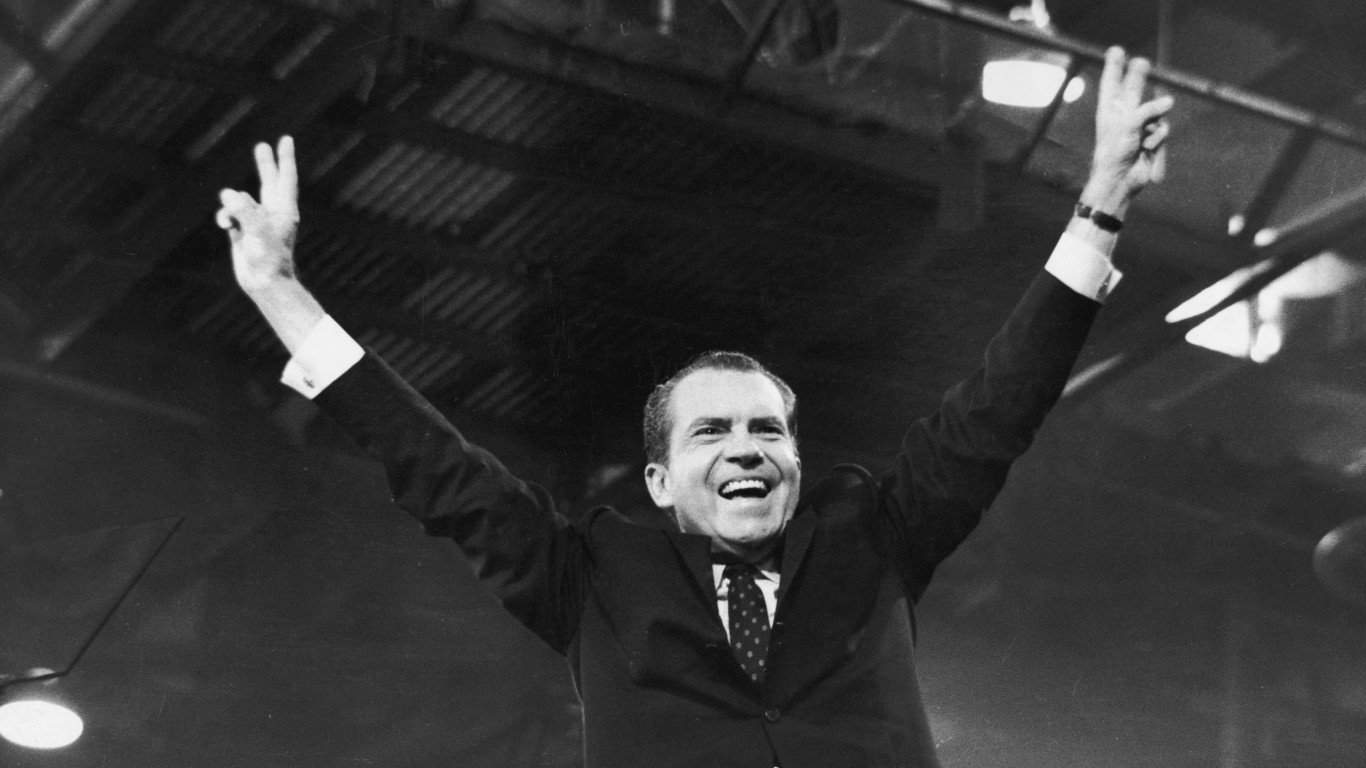
Richard M. Nixon
- Presidential term: 1969–1974
- Military service: 1942–1946 (active duty); Navy Reserve until 1966
- Highest rank: Commander, U.S. Naval Reserve
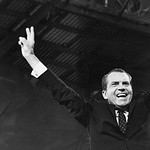
Richard Nixon could have sought an exemption from military service during World War II, but he joined the Navy in 1942 instead. He worked in naval aviation administration and logistics, including assignments in the South Pacific, rather than serving as a combat pilot. Nixon left active duty in 1946 and remained in the Naval Reserve for years afterward, eventually reaching the rank of commander. His experience helped shape the foreign-policy interests that became a central part of his public career. It is also worth separating his wartime lieutenant commander rank from the higher reserve rank he received later, something the original article failed to do.
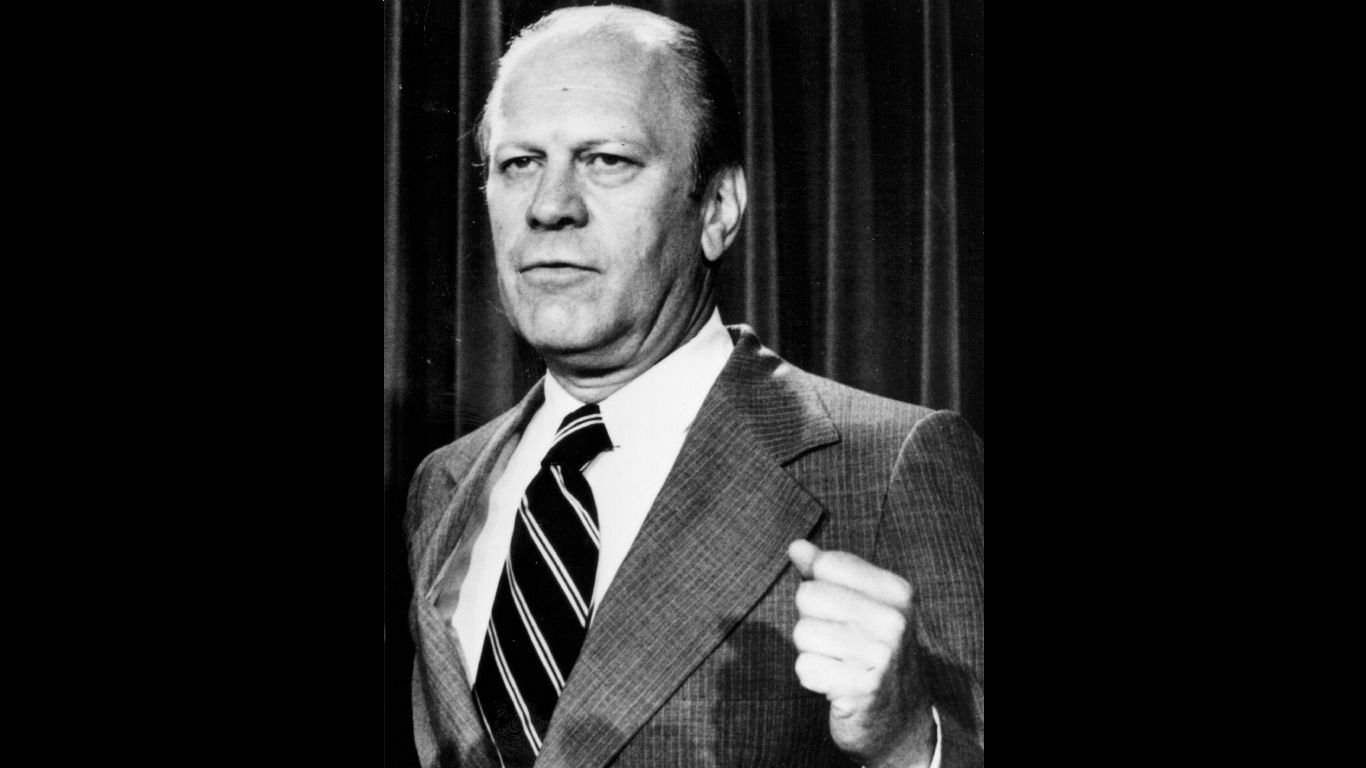
Gerald R. Ford
- Presidential term: 1974–1977
- Military service: 1942–1946 (World War II active duty)
- Highest rank: Lieutenant commander, U.S. Naval Reserve
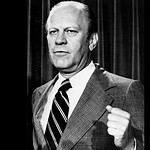
Gerald Ford served aboard the aircraft carrier USS Monterey in the Pacific during World War II. His duties included navigation and antiaircraft work as the ship took part in major operations against Japanese forces. In December 1944, Monterey was caught in a devastating typhoon, and Ford narrowly escaped being washed overboard. He was released from active duty in 1946 after almost four years of service. Decades later, he became the first vice president appointed under the 25th Amendment and then assumed the presidency after Richard Nixon resigned. His military experience was not simply a résumé footnote; he served aboard a carrier in dangerous conditions.
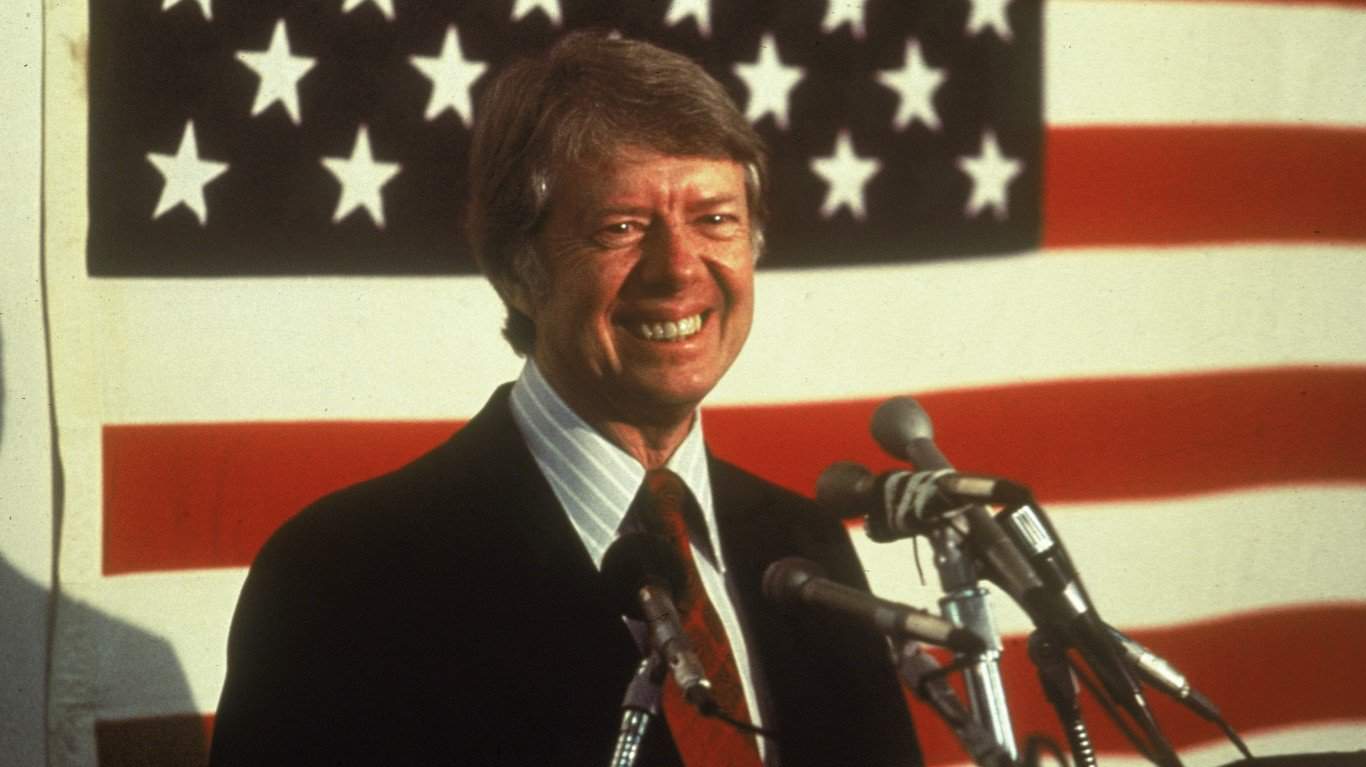
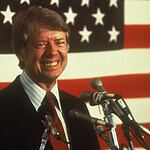
Jimmy Carter
- Presidential term: 1977–1981
- Military service: 1946–1953 (U.S. Navy)
- Highest rank: Lieutenant, U.S. Navy
Jimmy Carter graduated from the U.S. Naval Academy in 1946 and built a career in submarines. He served on surface ships before moving into submarine duty and eventually joining the early nuclear-propulsion program associated with Adm. Hyman Rickover. Carter helped with work on reactor technology before leaving active service in 1953 following his father’s death. He returned to Georgia, entered politics, and eventually became president. Carter died on December 29, 2024, at age 100, making him the longest-lived U.S. president in history. Any version of this article that refers to him in the present tense needs to be updated.
Ronald Reagan
- Presidential term: 1981–1989
- Military service: 1942–1945 (U.S. Army active duty)
- Highest rank: Captain, U.S. Army Air Forces
Ronald Reagan spent much of World War II making films, but those were military productions, not ordinary Hollywood assignments. After being called to active duty in 1942, he worked with the Army Air Forces’ motion picture operation on training and instructional material. His eyesight limited his eligibility for overseas combat service. Reagan advanced to captain before leaving the military in 1945, then resumed an entertainment career that eventually led him into politics. His service differed sharply from the experiences of combat veterans such as Kennedy and George H. W. Bush, but it was still active-duty Army service during wartime.
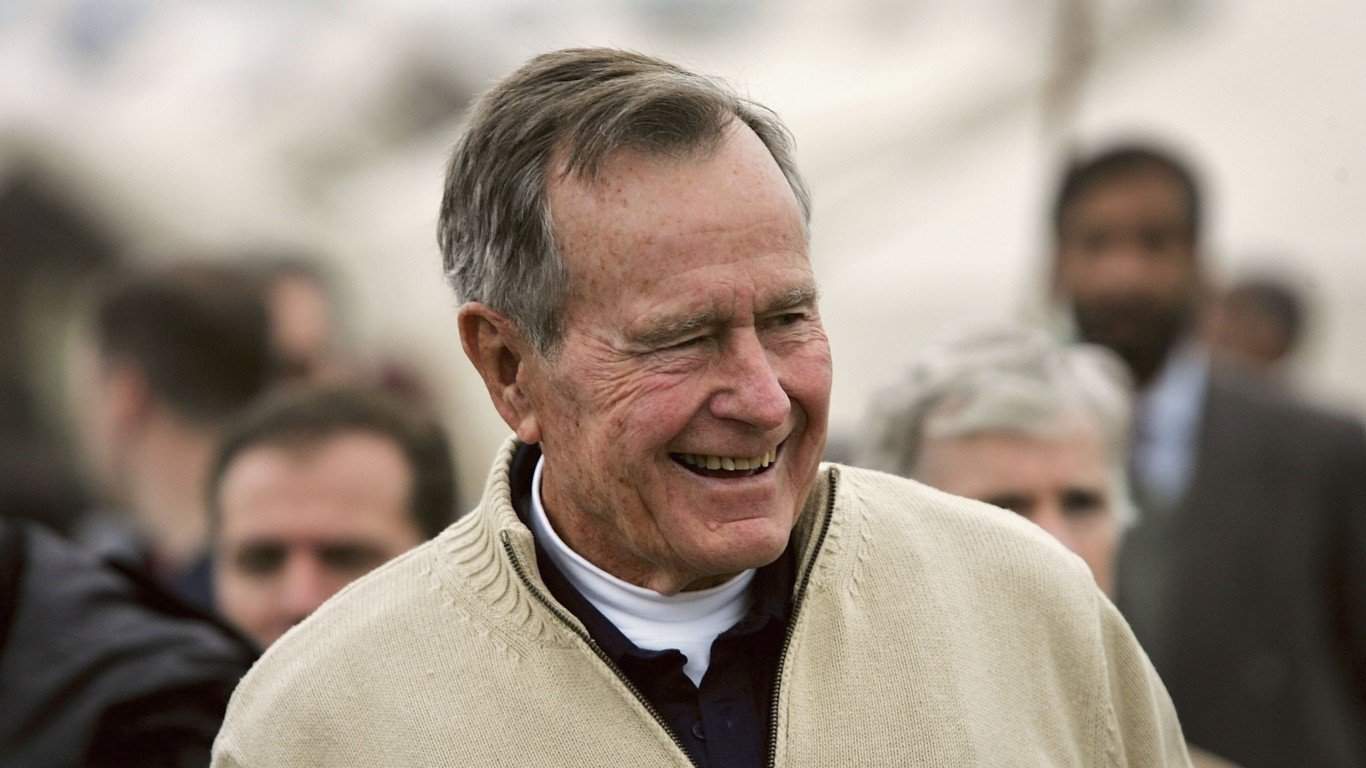
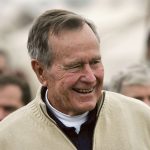
George H. W. Bush
- Presidential term: 1989–1993
- Military service: 1942–1945 (U.S. Navy)
- Highest rank: Lieutenant (junior grade), U.S. Naval Reserve
George H. W. Bush joined the Navy on his 18th birthday and became a naval aviator during World War II. Flying from USS San Jacinto, he completed 58 combat missions in the Pacific. In September 1944, Japanese fire struck his aircraft during an attack near Chichijima. Bush bailed out and was rescued by the American submarine USS Finback, while the other two crew members were lost. He received the Distinguished Flying Cross for his service. His wartime experience came decades before he became vice president under Ronald Reagan and then president himself, and it remained central to his account of public duty.
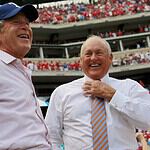
George W. Bush
- Presidential term: 2001–2009
- Military service: 1968–1974 (Air National Guard)
- Highest rank: First lieutenant, Texas Air National Guard
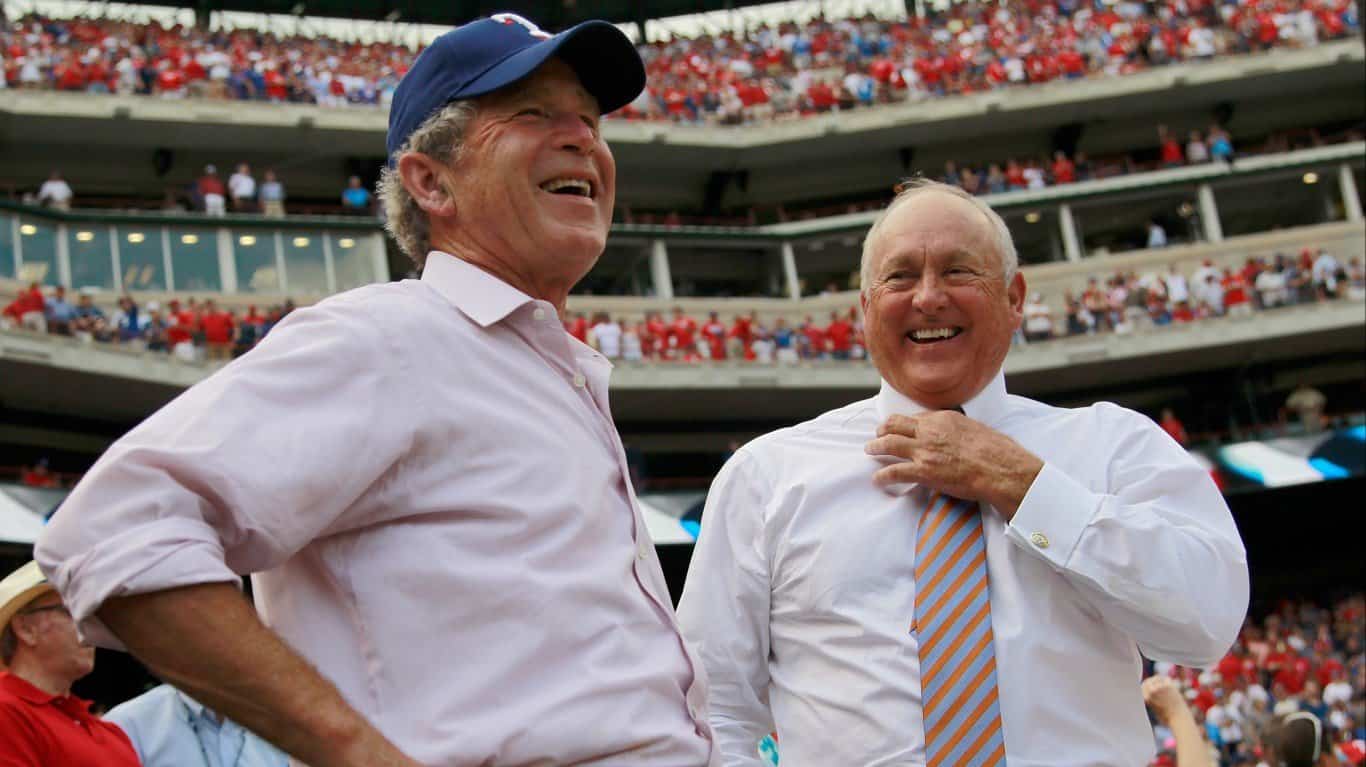
George W. Bush entered the Texas Air National Guard in 1968, during the Vietnam War, and trained as a pilot of the F-102 fighter-interceptor. He served in Texas and later had an assignment connected to the Alabama Air National Guard while working on a political campaign. Bush did not serve in Vietnam, and questions about his attendance and service record became an issue in his 2004 reelection campaign. He nonetheless received an honorable discharge in 1974. The original article contained an unfortunate typo claiming he was “honorably discarded.” The correct term is “honorably discharged,” and the distinction is a basic one any military-history piece should get right.