
Piotr Piatrouski / Shutterstock.com

Artit_Wongpradu / iStock via Getty Images

Manjiri Gujar / iStock via Getty Images

Public Domain/Wikimedia Commons

Sproutable at English Wikibooks, Public domain, via Wikimedia Commons

rez-art / Getty Images

LauriPatterson / Getty Images
yulyamade / Shutterstock.com
KarepaStock / Shutterstock.com

Joe Raedle / Getty Images

Lilechka75 / iStock via Getty Images

_jure / iStock via Getty Images

thesomegirl / iStock via Getty Images

Public Domain/Wikimedia Commons

Susan Vineyard / iStock via Getty Images

Azurita / iStock via Getty Images

Public Domain/Wikimedia Commons

Dreamer Company / Getty Images

Public Domain/Wikimedia Commons

sorendls / Getty Images
_jure / iStock via Getty Images


20 Things You Should Think Twice About at an All-You-Can-Eat Buffet
There's something satisfying about walking into an all-you-can-eat buffet and realizing you don't have to choose just one entree. From a Vegas spread with more seafood than you can reasonably put on a plate to a neighborhood breakfast buffet, the options can be almost overwhelming.
Not everything on the line deserves a spot on your plate, though. Some items are best enjoyed fresh, others need careful handling to reduce the risk of foodborne illness, and a few simply take up valuable stomach real estate. The CDC recommends checking restaurant inspection scores, washing your hands before eating, and choosing dishes that are served appropriately hot or cold. For most perishable foods, a common restaurant standard is hot holding at 135°F or higher and cold holding at 41°F or below.
Drawing on guidance from the CDC and FDA, along with practical considerations for getting the most out of an all-you-can-eat meal, 24/7 Tempo rounded up 20 buffet items worth thinking twice about. Most aren't inherently unsafe; the way they're prepared and served makes all the difference.
Raw Oysters
Raw oysters are one of the few items on this list worth skipping even at a well-run buffet. They can contain Vibrio bacteria without looking, smelling, or tasting any different from a safe oyster. A bed of ice doesn't eliminate that risk. If you're craving shellfish, opt for thoroughly cooked oysters instead.
Dinner Rolls
A warm dinner roll with a little butter is hard to resist. There's nothing inherently wrong with the bread, but if you've paid for an elaborate buffet, you might want to save some room for dishes you don't normally get at home. Take a roll if you really want one; just don't make it the main course.
Improperly Chilled Tuna
Tuna comes with an unusual food safety concern. If it isn't kept at the right temperature during storage and handling, bacteria can produce histamine, which can cause scombroid poisoning. Neither cooking nor freezing can reliably undo that damage. Skip tuna that should be chilled but is sitting at room temperature, and don't assume a seared tuna steak is immune to the problem.
Raw Sprouts
Alfalfa and bean sprouts might look like a harmless addition to your salad, but the warm, humid conditions in which they grow are also ideal for bacteria. Even washing the sprouts can't reliably remove the danger. The CDC recommends thoroughly cooked sprouts as the safer option, so save them for a hot dish instead.
Onion Rings
Onion rings are best when they're fresh out of the fryer, not after they've spent half an hour losing their crunch under a heat lamp. There's also a more serious consideration for anyone with a food allergy: the same fryer may be used for shrimp, fish, and other foods. Ask the staff about shared fryers if you have an allergy, and don't rely on the buffet labels alone.
Chicken Salad
Chicken salad can be perfectly safe when it's prepared and refrigerated properly. The trouble starts when a bowl of ready-to-eat chicken salad isn't kept cold or is contaminated during preparation or service. The CDC also advises people with weakened immune systems to avoid premade deli salads. If the buffet's cold station isn't doing its job, choose a freshly cooked chicken dish instead.
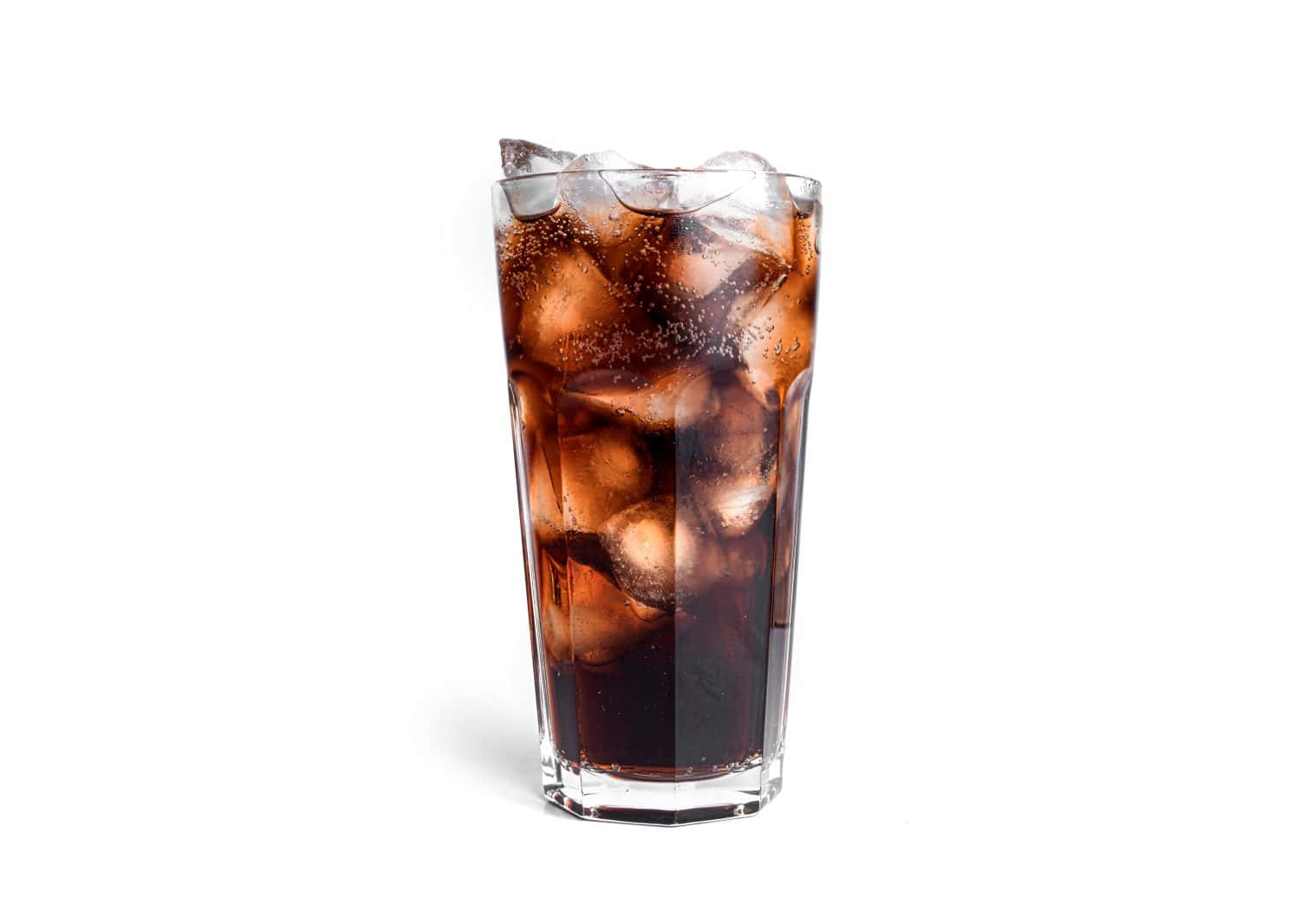
Unlimited Soda
If you've come to the buffet to sample a little bit of everything, you probably don't need to drink three glasses of soda before your first trip to the dessert station. Carbonated drinks can leave some diners feeling bloated, and regular soda adds sugar and calories. Water is an easy alternative, particularly if you're more interested in what's on the menu.
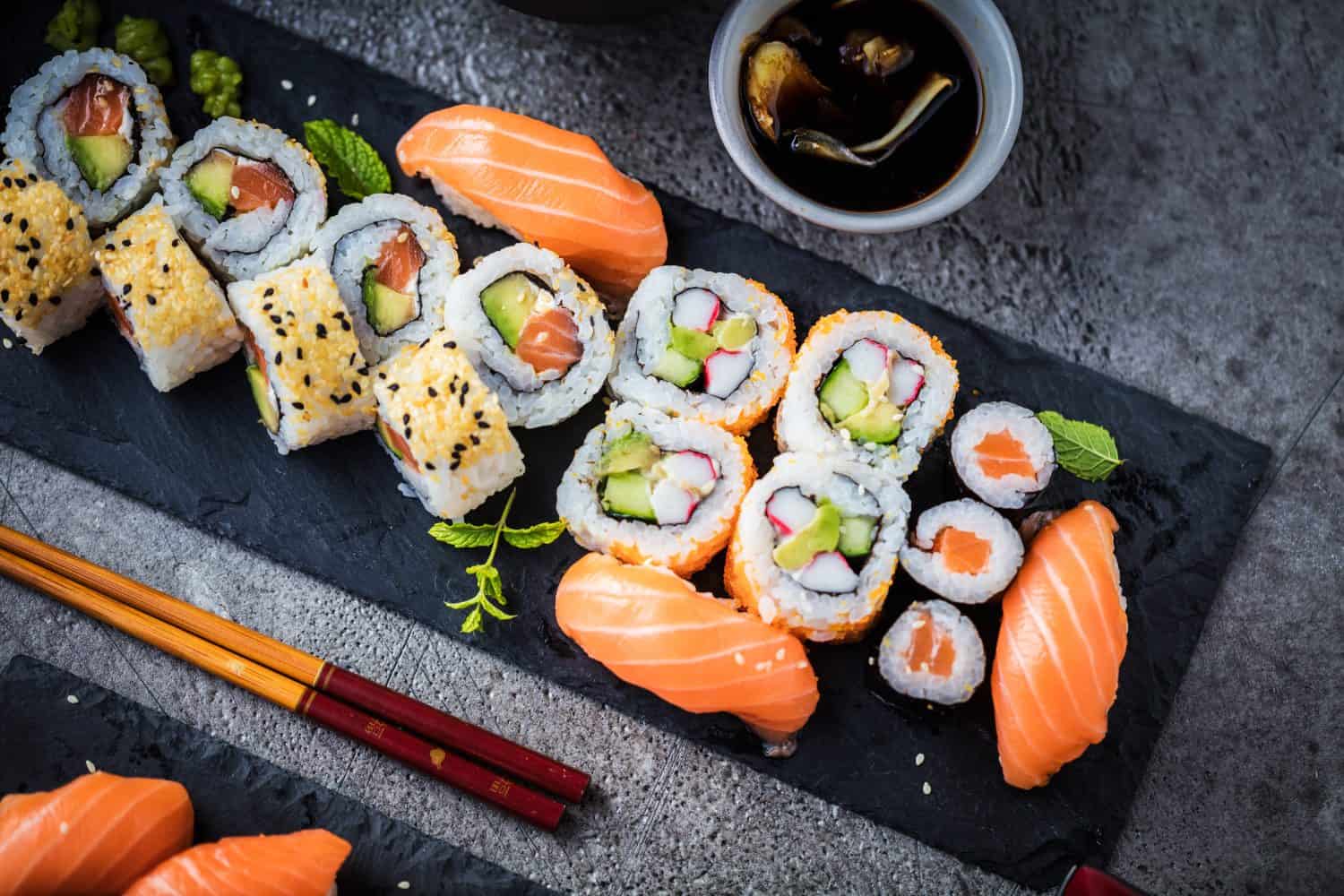
Sushi Made With Raw Fish
The location of a buffet tells you surprisingly little about the safety of its sushi. What matters is how the fish was sourced, handled, and stored. Even properly handled raw fish carries a greater risk of foodborne illness than cooked seafood. If you're unsure about the sushi station, stick with rolls made with cooked ingredients or a hot seafood dish.
Cut Cantaloupe
Cantaloupe's rough rind can harbor bacteria that transfer to the flesh when the melon is sliced. Once cut, the fruit needs to be kept cold. If those melon pieces are sitting out without proper refrigeration, give them a pass. Freshly cut or properly chilled melon can be a good choice, and a whole orange you peel yourself is another option.
Lukewarm Quiche
Quiche can be one of the better items at a breakfast buffet, provided it's thoroughly cooked and held at a safe temperature. A tray of egg-based food that has been allowed to sit lukewarm is a different story. Look for a fresh batch served hot or quiche that has been properly chilled, rather than taking a chance on a neglected serving tray.
Food With Misused Serving Utensils
There's no need to bring your own serving spoon to a buffet. A well-run self-service station provides clean, dedicated utensils for each dish. However, a tong that has been moved from the shrimp to the vegetables, or a spoon handle buried in the food, is a good reason to ask for a replacement. For people with food allergies, even small amounts of transferred food can be a serious concern.
Sweet-and-Sour Fried Dishes
Battered chicken or pork covered in a sweet-and-sour glaze can be delicious, but the combination of fried coating and sugary sauce can make it a particularly rich choice. Calories vary considerably by recipe and portion size. If you'd rather sample more of the buffet, take a small serving or try a dish with grilled meat and vegetables.
Lemon Wedges With Questionable Handling
A slice of lemon doesn't automatically make your drink a health hazard. Like any produce, though, lemons need to be washed before they're cut and handled with clean utensils. If the garnish station looks neglected, or guests are reaching directly into the bowl, it's easy enough to enjoy your water without the lemon.
Crawfish That Aren't Being Kept Hot or Cold
A good crawfish boil can be a highlight of any seafood buffet, whether you're on the Gulf Coast or hundreds of miles inland. Previously frozen seafood can be safe when handled correctly. The bigger concern is cooked crawfish that haven't been held at the proper temperature. Choose a freshly replenished hot tray or properly chilled crawfish, not a pile that's been sitting lukewarm.
Egg Salad That Isn't Properly Chilled
The texture of egg salad won't tell you whether it's safe to eat. Hard-boiled eggs and other ingredients can become contaminated after cooking, and inadequate refrigeration gives bacteria an opportunity to multiply. If the salad isn't being kept cold, move on. Premade egg salad is also a riskier choice for diners with weakened immune systems.
Poorly Supervised Chocolate Fountains
Chocolate fountains are a magnet for kids and adults alike, which is part of the problem when nobody is monitoring them. A fountain with guests dipping half-eaten strawberries or putting their fingers in the chocolate isn't worth the risk. A properly supervised station with clean skewers and protection from contamination is another matter entirely.
Neglected Salad Bars
Salad is hardly something you need to avoid at every buffet. However, leafy greens are eaten without a final cooking step that could kill harmful bacteria. Look for a clean, well-maintained station that keeps cut greens properly chilled and provides separate serving utensils. Never handle the lettuce to check its temperature, and don't assume crisp-looking greens are automatically safe.
Custards and Puddings With Uncertain Preparation
Most properly prepared puddings and custards are fine, but desserts containing raw or lightly cooked eggs can carry a Salmonella risk unless pasteurized eggs were used. Perishable dairy and egg desserts also need appropriate temperature control. If you're unsure how a custard was prepared or find a cold dessert sitting lukewarm, pick something else from the dessert station.
Unprotected Condiments and Dressings
An open container of ketchup isn't inherently dangerous, and a well-maintained pump dispenser is a reasonable way to serve condiments. The things to watch for are uncovered bowls with dirty utensils, obvious contamination, and perishable dressings that aren't being chilled. Individually packaged condiments are a convenient alternative if the station is looking a little worse for wear.
The First Dishes You See
Before piling your plate high with the first few items on the line, take a lap around the buffet. You might discover a carving station, a dish you rarely get to try, or a dessert that deserves a little room. There's no universal rule that the first dishes are the cheapest or most filling, but surveying the options first is a smart way to make the most of your meal.