Courtesy of Ophelia B. via Yelp
toji0078, Public domain, via Wikimedia Commons

KarepaStock / Shutterstock.com
sweet marshmallow / Shutterstock.com
enzodebernardo / iStock via Getty Images

Rachael Norris and Marina Freudzon / Mayscallop at en.wikipedia, Public domain, via Wikimedia Commons
hlphoto / Shutterstock.com

Annabell Gsoedl / Shutterstock.com

Photos of Japan, CC0, via Wikimedia Commons

MONGO, Public domain, via Wikimedia Commons


9 Types of Meat That Are Commonly Eaten Raw Around the World
If you’ve never tried steak tartare, beef carpaccio, or expertly prepared sushi, you’re missing out on some of the most celebrated dishes in the world. Across different cultures, certain types of meat are traditionally served raw or lightly cured, offering unique textures and flavors that cooked versions simply can’t replicate.
Of course, eating raw meat does come with real risks, including exposure to bacteria and parasites if it’s not handled properly. That’s why these dishes are typically prepared using high-quality, fresh ingredients and strict food safety practices. Vulnerable groups, including pregnant women, young children, older adults, and anyone with a weakened immune system, are generally advised to avoid raw or undercooked meats.
Still, raw meat dishes remain a staple in many cuisines. From French steak tartare to Italian carpaccio, from oysters on the half shell to sushi and sashimi, these foods are widely enjoyed around the world. When prepared by experienced chefs or trusted sources, they can be both safe and incredibly rewarding to try. This list takes a closer look at the types of meat most commonly served raw and the traditions behind them.
Beef
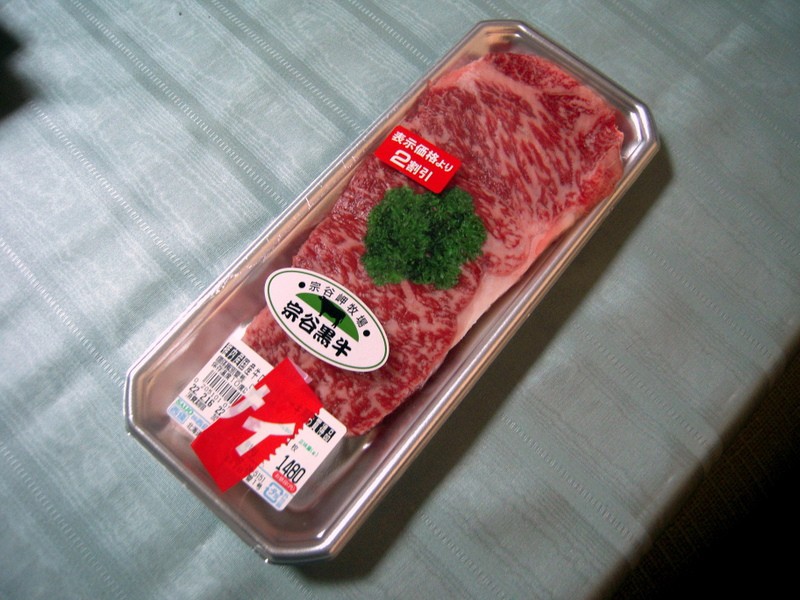
We’re not saying that you can go to the supermarket and eat raw ground beef right out of the package, but at fine French restaurants, chefs will chop up super-fresh beef (usually the filet mignon) and serve it as steak tartare. It’s usually seasoned with mustard, capers, and other garnishes and served with toasted bread. Italian restaurants also serve raw filet that’s been sliced paper-thin, arranged on a plate, and topped with ingredients like arugula, Parmigiano-Reggiano, and balsamic vinegar. Some Japanese restaurants also serve beef sushi.
Sushi-Grade Fish
A staple of many cuisines, raw fish is especially prominent in Japanese culture. Sushi restaurants usually freeze their fish for several days before serving in order to kill parasites, and the fish should be the highest-quality possible. Freshwater fish carries more risk of foodborne illness than ocean fish, so the most popular sushi fish are saltwater fish like salmon, tuna, yellowtail, and mackerel.
Oysters
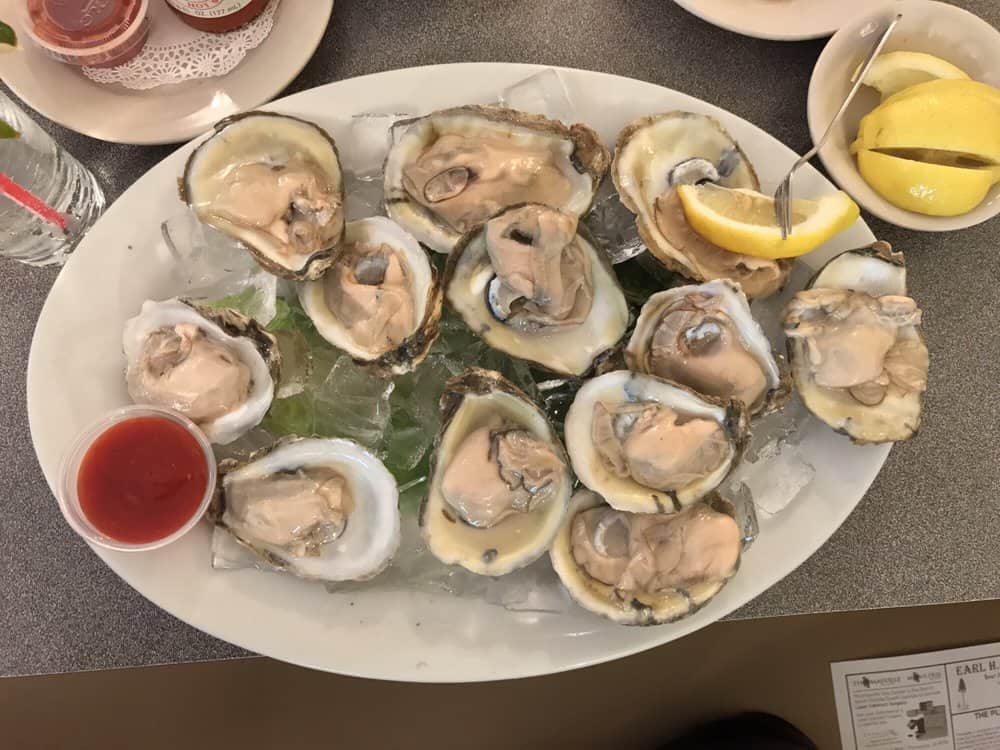
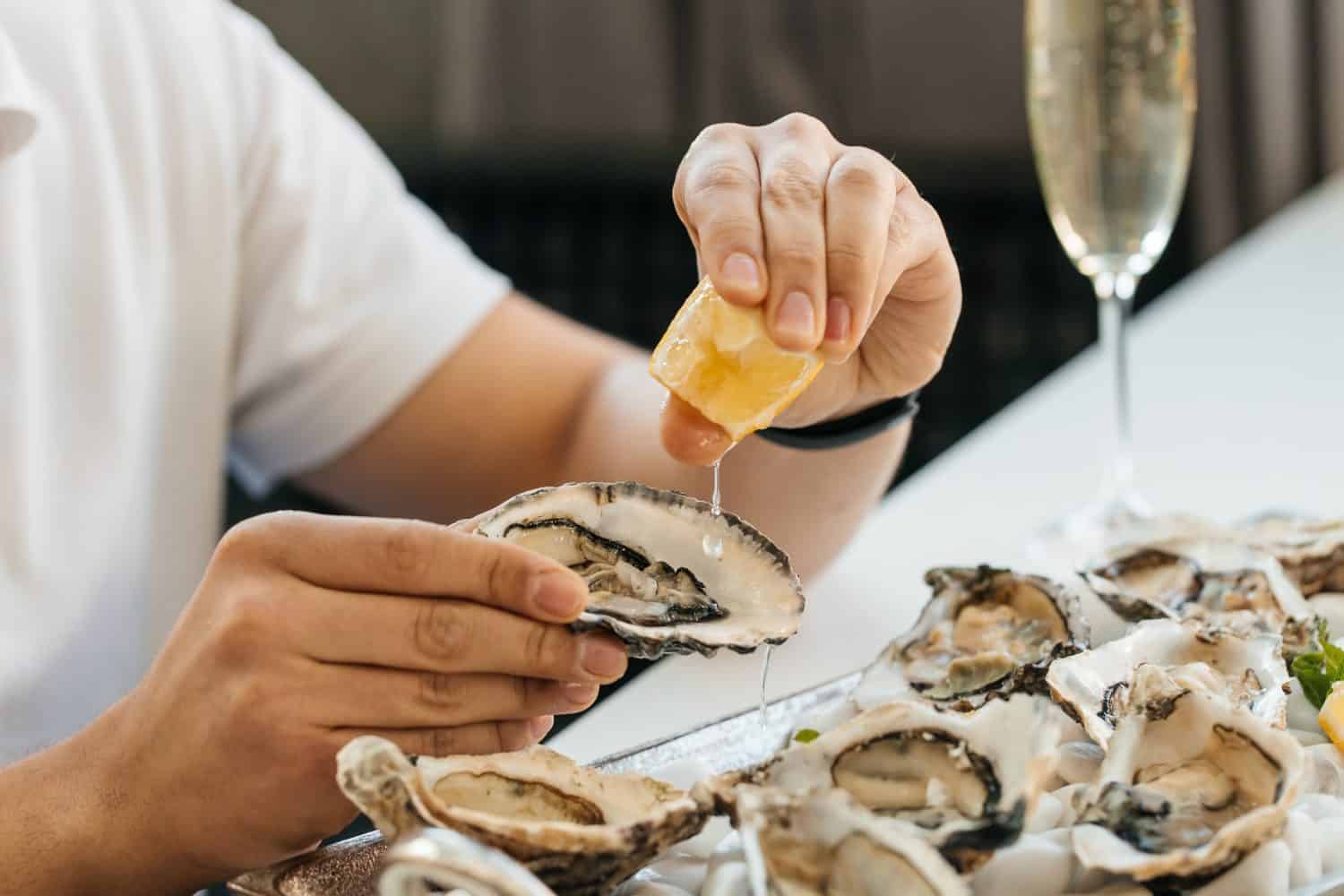
While oysters can be served cooked – usually breaded and fried, grilled, or baked (like oysters Rockefeller), they’re primarily eaten raw, on the half-shell, with optional toppings including lemon, horseradish, cocktail sauce, and a vinegar-shallot sauce called mignonette. A popular appetizer everywhere from steakhouses to gastropubs, oysters come in a wide range of different varieties from different regions, in many varying flavors. They carry a risk of foodborne illness when not thoroughly cooked, however, so if it doesn’t smell fresh or seems a little dodgy, it’s best to not risk it.
Clams
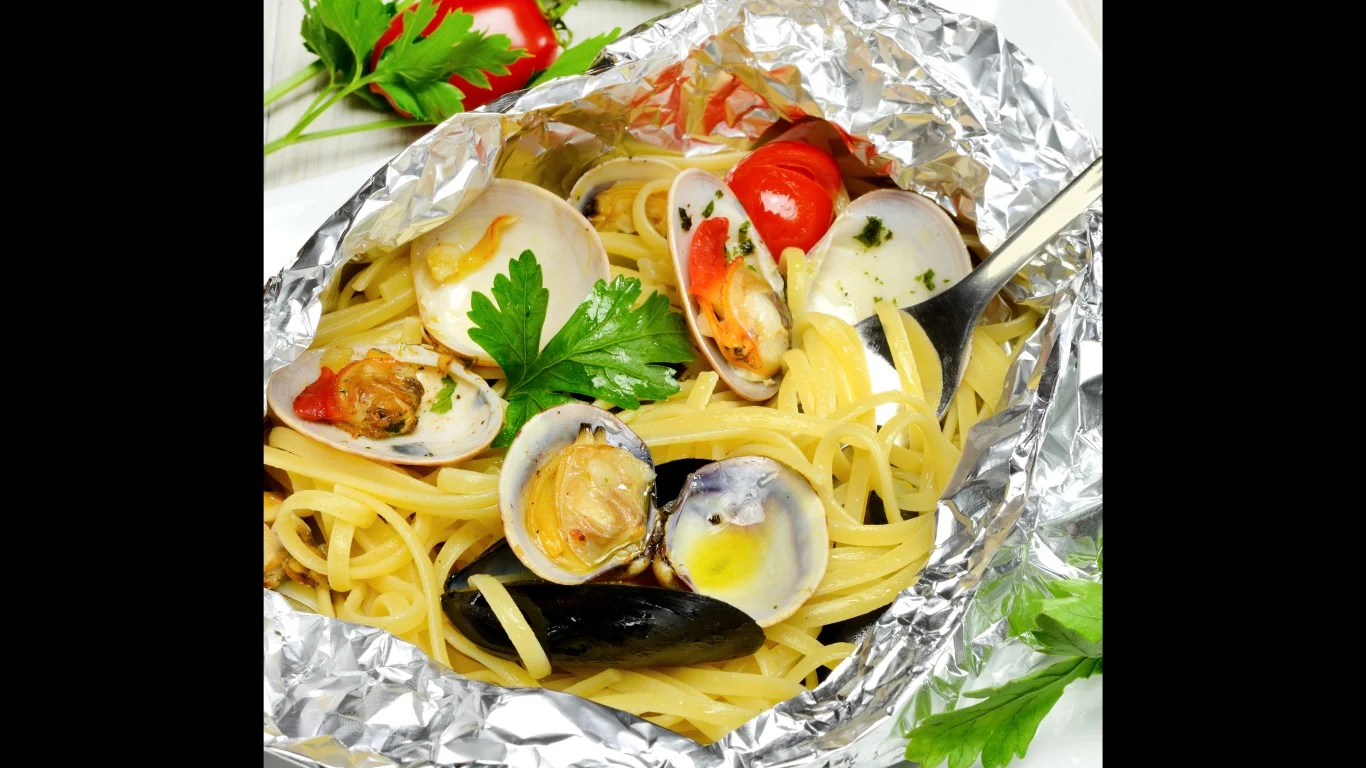
Like oysters, clams are also a super-popular raw seafood, found everywhere from hundred-dollar shellfish towers at steakhouses to paper plates at seaside seafood shacks. But like oysters, they must be super-fresh, supplied by reputable sources, and kept cold until served.
Scallops
Raw scallops have long been a sushi staple, but more and more restaurants are serving them nowadays, especially as a crudo or ceviche. Many fine dining restaurants are also slicing them very thinly crosswise and using them as a canvas for culinary creativity.
Lamb
Raw lamb is still relatively rare, but when fresh, high-quality, and sourced from a reputable provider, it’s just as safe to eat raw as beef. Raw lamb is popular in the Middle East and Mediterranean regions, in dishes such as kibbeh nayyeh, a Lebanese dish of raw minced lamb.
Horse
Yes, we know. In Western cultures, horse meat carries a major stigma, and serving the animal’s meat is actually banned in the United States, along with other foods including haggis and lung. But it’s actually a fairly commonly red meat eaten in parts of Europe and Asia, especially France and Japan. In France, it’s often served raw as tartare, and in Japan it’s sliced thin, dipped in soy sauce and served with garlic or Japanese horseradish in a dish called bashshi.
Venison
Game meats including venison can also be eaten raw or very lightly cooked in certain culinary traditions. It’s usually served in the same fashion as raw beef, in either tartare or carpaccio.
Elk
Like venison and other red game meats, elk can also be treated like beef and eaten raw. Elk has a rich, robust flavor that’s earthy and slightly gamey, with hints of grassiness and herbal notes, depending on its diet. Serving it raw really helps to highlight its unique flavor. If you’re looking for foods on the other end of the spectrum, here are some foods you really should never eat raw.