
Courtesy of Universal Studios

Courtesy of Universal Pictures

Courtesy of Disney Channel

Courtesy of Columbia Pictures

Courtesy of Twentieth Century Fox

Courtesy of New Line Cinema
Courtesy of Universal Studios

Courtesy of Warner Bros

Courtesy of Paramount Pictures

Courtesy of Paramount Pictures

Dia Dipasupil / Getty Images Entertainment via Getty Images

Courtesy of Warner Bros.
IMDB
IMDB
IMDB
IMDB



15 Hit TV Shows That Lost Their Magic on the Big Screen
Turning a hit TV show into a movie sounds easy. The characters are already familiar, the audience already exists, and Hollywood has years of source material to work with. Yet some of the most recognizable shows in television history have struggled badly when someone tried to squeeze their formula onto the big screen.
Not every movie here was a financial bomb. In fact, a few made plenty of money. The problem was something else: poor reviews, disappointed audiences, a drastic change in tone, or a movie that simply never captured what people loved about the television version in the first place.
From expensive science-fiction misfires to comedies that barely resembled the shows that inspired them, these 15 television favorites discovered that success on the small screen does not automatically survive the trip to theaters.
The Flintstones (1994)
Calling The Flintstones a box-office flop would be flat-out wrong. The live-action adaptation earned roughly $358 million worldwide against a reported $45 million production budget, making it one of the bigger commercial successes on this list. What it did not win was much affection from critics or audiences. Rotten Tomatoes currently has the movie at 23% from critics and 25% from viewers. John Goodman looks almost perfectly cast as Fred Flintstone, and the physical recreation of Bedrock is impressive, but the movie buries much of the cartoon's charm beneath a busy corporate plot and a mountain of puns.
Leave It to Beaver (1997)
The original Leave It to Beaver ran from 1957 to 1963 and turned the Cleaver family into one of television's defining visions of suburban America. Four decades later, Hollywood tried to rebuild that world with Cameron Finley as Beaver, Christopher McDonald as Ward, and Janine Turner as June. The result struggled to find a reason to exist beyond nostalgia. Rotten Tomatoes currently puts it at 22% from critics and 32% from audiences, while its domestic box office stopped at about $10.7 million. The movie tried to modernize Beaver's world without really modernizing the idea behind it, leaving the whole thing stuck somewhere between the 1950s and 1990s.
Bewitched (2005)
Nora Ephron did not simply remake Bewitched. She tried something much stranger. Nicole Kidman plays an actual witch who gets cast as Samantha in a Hollywood remake of Bewitched, opposite Will Ferrell as the actor playing Darrin. That movie-within-a-movie concept was certainly more ambitious than a straight reboot, but it did not click with many viewers. Rotten Tomatoes currently has the film at 23% from critics and 28% from audiences. It earned about $131 million worldwide against an $85 million production budget, so it was not an outright commercial disaster, but it never came close to creating the magic of the Elizabeth Montgomery sitcom that ran from 1964 to 1972.
The Beverly Hillbillies (1993)
The Clampetts were television giants. The Beverly Hillbillies ran for nine seasons from 1962 to 1971 and became one of the defining sitcoms of its era. The 1993 movie assembled a surprisingly strong comedy cast, including Jim Varney, Cloris Leachman, Diedrich Bader, Dabney Coleman, and Lily Tomlin. Critics were not impressed. The movie currently sits at 26% on the Tomatometer and 33% with audiences. Financially, it did better than its reputation suggests, earning roughly $55.6 million worldwide on a $25 million budget. Still, the numbers were not enough to turn the Clampetts into a lasting movie franchise.
Lost in Space (1998)
The problem with 1998's Lost in Space was not that audiences had suddenly stopped liking science fiction. The movie actually opened with more than $20 million domestically and eventually earned about $136 million worldwide. The problem was the cost and the reception. With a reported $80 million production budget, the hoped-for franchise never materialized. Rotten Tomatoes now has the movie at 27% from critics and 25% from audiences. Gary Oldman, William Hurt, Heather Graham, and Matt LeBlanc gave it plenty of recognizable faces, but expensive effects could not replace the strange family chemistry and camp that made the 1965 series memorable.
Land of the Lost (2009)
This one really was a box-office flop. Universal reportedly spent about $100 million producing Land of the Lost, only for the movie to earn roughly $69 million worldwide. The original 1970s Sid and Marty Krofft series mixed family adventure with delightfully strange dinosaurs, Sleestaks, and low-budget science fiction. The movie kept those ingredients but turned the whole thing into a PG-13 Will Ferrell and Danny McBride comedy loaded with crude humor. Rotten Tomatoes currently has it at 27% from critics and 32% from audiences. There is a small cult of people who still find it hilarious, but in 2009 the studio clearly expected a lot more.
The Dukes of Hazzard (2005)
The Dukes of Hazzard was another movie that critics hated considerably more than paying customers did. Jay Chandrasekhar's adaptation currently has a 14% Tomatometer but a much healthier 46% audience score. It also earned nearly $110 million worldwide against a reported $53 million production budget. Seann William Scott, Johnny Knoxville, Jessica Simpson, Willie Nelson, and Burt Reynolds gave the movie plenty of personality, while the General Lee remained the real star. The film worked well enough as a broad car-chase comedy, but it never recreated the easygoing television formula that kept Bo and Luke Duke racing around Hazzard County for seven seasons.
The Last Airbender (2010)
Avatar: The Last Airbender is an American animated Nickelodeon series inspired partly by Japanese anime, not itself a Japanese anime as it is sometimes described. That distinction is minor compared with what happened when the story reached theaters. M. Night Shyamalan's The Last Airbender currently has just 5% on the Tomatometer and 30% from audiences. The movie earned nearly $320 million worldwide on a reported $150 million production budget, so the failure was not simply financial. Fans objected to the compressed story, character changes, pronunciation choices, casting controversies, and a tone that stripped away much of the humor and personality of the animated series. A planned film series never followed.
Baywatch (2017)
The original Baywatch became a worldwide television phenomenon by mixing rescue drama, soap-opera relationships, and an abundance of slow-motion beach running. The 2017 movie decided the solution was to turn the whole thing into an R-rated action comedy starring Dwayne Johnson and Zac Efron. Critics largely rejected it, giving the movie an 18% Tomatometer, although audiences have been noticeably kinder at 55%. It also made roughly $176 million worldwide on a reported $60 million production budget, thanks largely to international business. So this was no catastrophic financial bomb. It was more a case of Hollywood buying a famous name and then making a very different product with it.
The Mod Squad (1999)
Now this is much closer to an undisputed miss. The original Mod Squad ran from 1968 to 1973 with Michael Cole, Peggy Lipton, and Clarence Williams III playing young undercover cops. The 1999 movie replaced them with Claire Danes, Omar Epps, and Giovanni Ribisi, but star power did not help much. Rotten Tomatoes currently gives the adaptation an astonishingly low 3% Tomatometer and 17% audience score. It earned only about $13 million domestically. Instead of updating the counterculture energy of the original for a new generation, the film arrived feeling strangely disconnected from both the old series and the late 1990s audience it was trying to reach.
Wild Wild West (1999)
On paper, Wild Wild West had everything a summer blockbuster could want: Will Smith at the height of his box-office power, Kevin Kline, Kenneth Branagh, Salma Hayek, huge sets, elaborate gadgets, and Barry Sonnenfeld directing. What audiences got was a bizarre steampunk western built around a giant mechanical spider. The film was inspired by the 1965 television series about Secret Service agents James West and Artemus Gordon, but critics thought the movie buried that buddy-spy premise beneath spectacle. It currently holds a 16% Tomatometer and 28% audience score. The film made plenty of money at the box office, but its enormous cost and terrible reception turned it into shorthand for a Hollywood misfire.
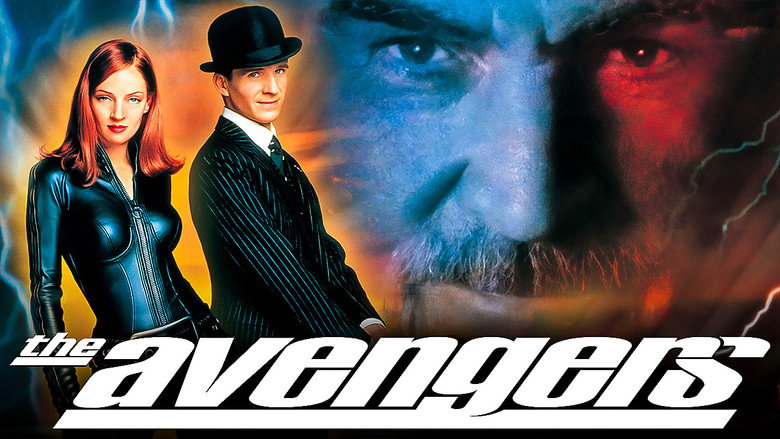
The Avengers (1998)
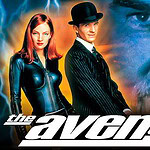
No, not the Marvel team. This Avengers was based on the stylish British spy series starring Patrick Macnee and Diana Rigg. The movie certainly had talent, with Ralph Fiennes as John Steed, Uma Thurman as Emma Peel, and Sean Connery playing a weather-controlling villain. Somehow, almost none of it worked. Rotten Tomatoes currently gives the film a brutal 5% Tomatometer and 15% audience score. Its roughly $60 million production budget was also larger than its reported worldwide theatrical gross. The original series was witty, strange, sophisticated, and unmistakably British. The movie reproduced plenty of the surface-level weirdness while losing much of the chemistry underneath it.
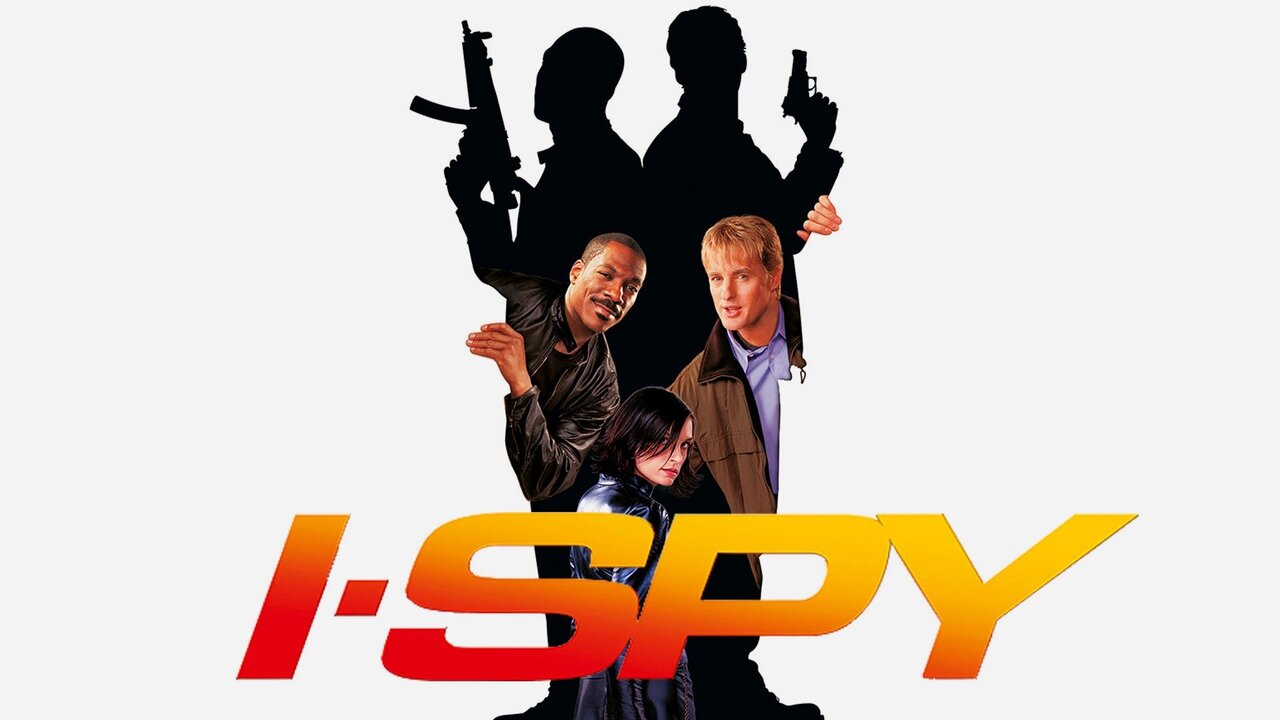
I Spy (2002)
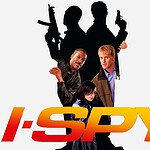
The original I Spy broke ground in the 1960s with Robert Culp and Bill Cosby playing globetrotting secret agents. The 2002 adaptation kept the spy concept but transformed the formula into a buddy comedy starring Owen Wilson and Eddie Murphy. That combination sounded bankable, but audiences never really bought in. Rotten Tomatoes currently has the movie at 15% from critics and 33% from viewers. More importantly for the word "flop," its reported $70 million production budget exceeded its worldwide theatrical gross, which sources place at around $60 million or less depending on the accounting source. A movie that was once positioned as potential franchise material ended up being a one-and-done.
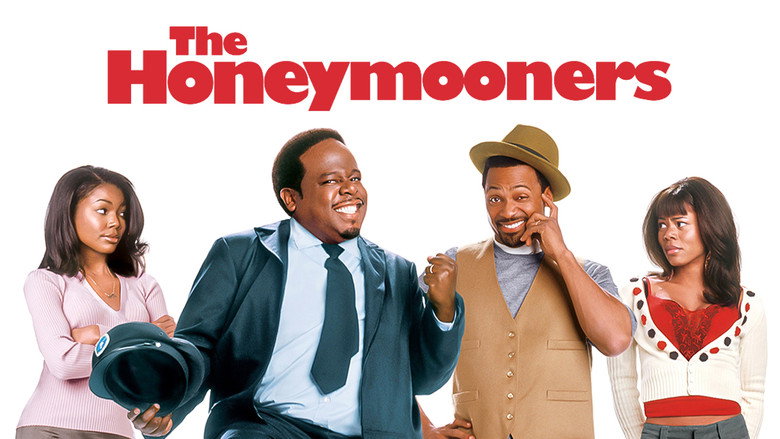
The Honeymooners (2005)
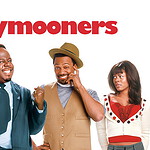
Few television comedies are more iconic than The Honeymooners, which made Ralph Kramden and Ed Norton part of American pop culture in the 1950s. The 2005 movie made the perfectly reasonable decision to update the characters rather than simply imitate Jackie Gleason and Art Carney, casting Cedric the Entertainer and Mike Epps alongside Gabrielle Union and Regina Hall. Unfortunately, the finished movie never found much of an audience. Rotten Tomatoes currently has it at 13% from critics and 30% from viewers. It earned only about $13 million worldwide against a reported production budget of roughly $25 million, making this one both a critical and commercial disappointment.
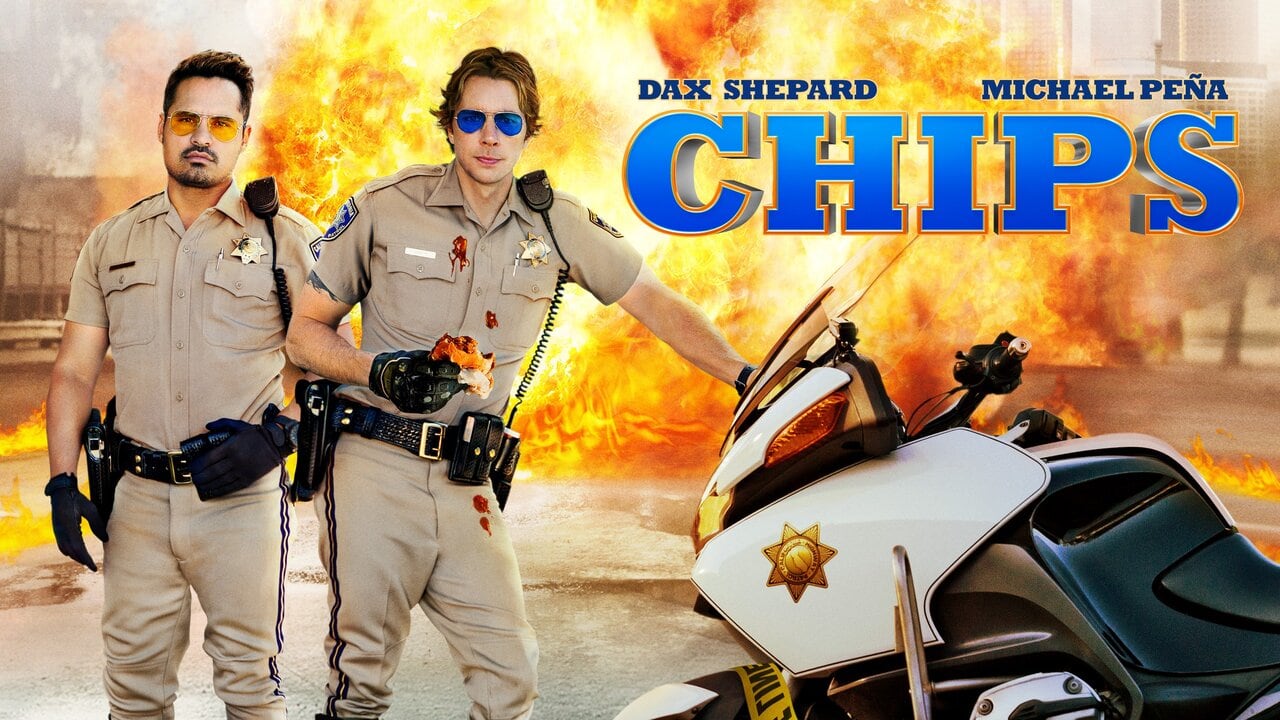
CHiPs (2017)
The original CHiPs followed California Highway Patrol motorcycle officers Jon Baker and Frank "Ponch" Poncherello for six seasons beginning in 1977. Forty years later, Dax Shepard wrote, directed, and starred in an R-rated movie version opposite Michael Peña. Rather than lean into the light, earnest appeal of the television show, the remake went hard on crude comedy, sex jokes, and over-the-top action. Rotten Tomatoes currently gives it a 20% Tomatometer and 45% audience score. The movie earned only $18.6 million domestically, and whatever hopes Warner Bros. had for another nostalgic comedy franchise ended with one film.