
The Manhattan Project brought together some of America’s most accomplished scientists during World War II. Their assignment was to develop an atomic weapon before the country’s enemies could do the same. But as the project moved closer to success, some of the very people helping develop the bomb began questioning whether it should be used.
The secret research effort had begun before the United States entered World War II, but it expanded dramatically after Japan attacked Pearl Harbor in December 1941. The Manhattan Engineer District was formally established in August 1942, bringing scientists, engineers, technicians, and thousands of other workers together across several highly classified facilities.
On July 16, 1945, the United States successfully detonated the world’s first nuclear device during the Trinity test in New Mexico. One day later, a petition drafted by physicist Leo Szilard and signed by 70 Manhattan Project workers called on President Harry Truman to reconsider how the new weapon might be used against Japan.
The petition didn’t demand that atomic weapons be banned under every circumstance. Instead, it urged Truman to publicly establish the terms of Japan’s surrender and give the country an opportunity to accept them before authorizing an atomic attack. It also warned that using the bomb could set a dangerous precedent for future warfare.
Truman never saw the petition before American atomic bombs struck Hiroshima on August 6 and Nagasaki on August 9, 1945. Among those who signed were 10 women working at the University of Chicago’s Metallurgical Laboratory. Some became prominent scientists, while others remain largely unknown outside the historical records. All 10 added their names to one of the Manhattan Project’s most significant appeals for restraint.
Katharine Way

Katharine “Kay” Way was one of the Manhattan Project’s leading women physicists. After earning her bachelor’s degree from Columbia University and her doctorate in physics from the University of North Carolina, she joined the research effort at Chicago’s Metallurgical Laboratory.
Way studied nuclear reactor behavior and helped develop the Way-Wigner formula, which describes the decay of radioactive fission products. Her work took her to other Manhattan Project sites, including Hanford, Oak Ridge, and Los Alamos.
After signing the Szilard Petition, Way continued speaking about the dangers of nuclear weapons and co-edited the influential 1946 book One World or None. She later established the Nuclear Data Project, helping scientists organize and evaluate nuclear research.
Mary T. Burke
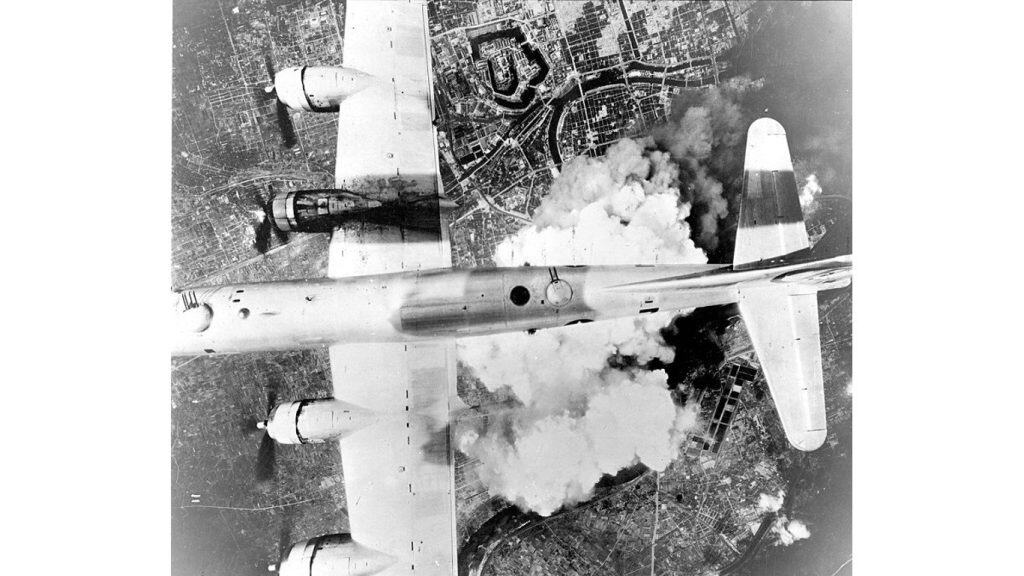
Mary T. Burke worked as a research assistant in the Instruments Division of the University of Chicago’s Metallurgical Laboratory during World War II.
Although relatively little information about her individual assignments survives in readily available historical records, her name appears among the scientists and technical workers who signed the July 1945 petition.
Burke’s participation is a reminder that concerns about the bomb’s potential use weren’t limited to famous physicists or senior project leaders. Researchers working behind the scenes also had serious questions about the consequences of their work.
Ethaline Hartge Cortelyou
Ethaline Hartge Cortelyou earned her bachelor’s degree in chemistry from Alfred College in 1932. During the Manhattan Project, she worked as a junior chemist at the Met Lab, where she helped prepare a classified table of isotopes and handled technical scientific information.
But her willingness to challenge established thinking didn’t end with the Szilard Petition. After World War II, she became an outspoken advocate for women in science, criticizing the way qualified female chemists were pushed into supporting positions instead of research careers.
Cortelyou argued that scientific ability had nothing to do with gender and called for better professional opportunities for women. At a time when women were routinely overlooked for advanced scientific positions, that was another battle worth fighting.
Margaret H. Rand
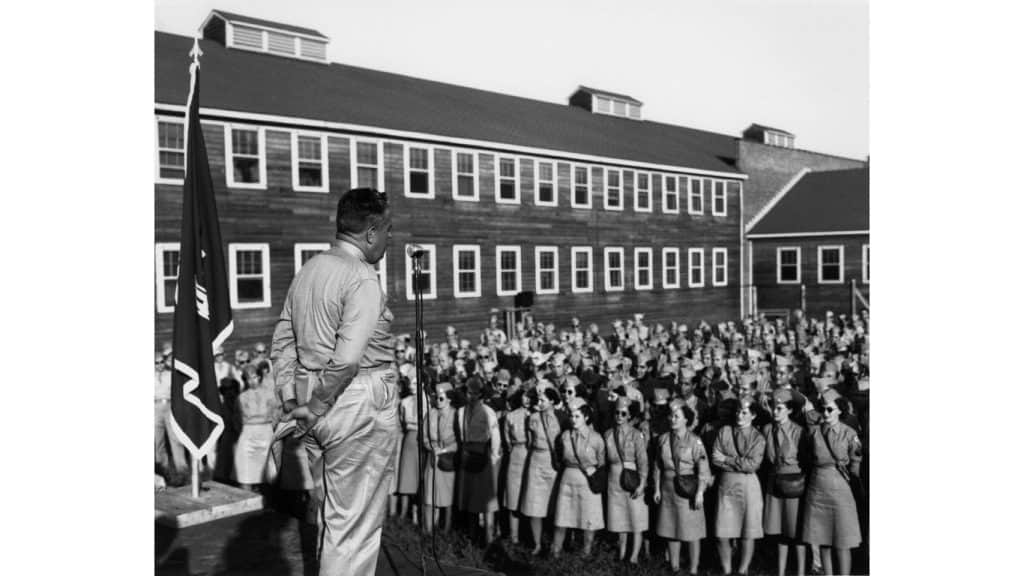
Margaret H. Rand served as a research assistant in the Met Lab’s Health Section, part of the broader effort to understand the health and biological consequences of working with radioactive materials.
Detailed accounts of her individual research are difficult to establish from the surviving public records. Her signature on the Szilard Petition, however, is documented.
Rand joined colleagues who believed the United States needed to consider more than the bomb’s military effectiveness before deciding whether to use it against Japanese cities.
Mildred C. Ginsberg Goldberger

Long before computers became machines sitting on desks, the word “computer” often referred to a person performing complex mathematical calculations. That was part of Mildred Ginsberg’s work at the Met Lab, where she assisted with theoretical physics research.
After earning a bachelor’s degree in mathematics from the University of Illinois in 1943, Ginsberg worked as a research assistant and human computer during the Manhattan Project. She signed the Szilard Petition while still early in her scientific career.
Later known as Mildred Goldberger, she worked in mathematics and economics and supported scientific communication and education. Her husband, physicist Marvin Goldberger, served as president of the California Institute of Technology from 1978 to 1987.
Marietta Catherine Moore
Marietta Catherine Moore was a technician in the health research operation at the University of Chicago’s Metallurgical Laboratory.
Technicians were essential to the Manhattan Project, helping scientific teams carry out the practical work required by an enormous and highly secretive research program. While Moore’s specific day-to-day assignments aren’t well documented in readily available sources, her participation in the Szilard Petition is confirmed.
She was among the women who chose to support a formal appeal for caution just as the United States was preparing to use its new weapon.
Miriam Posner Finkel
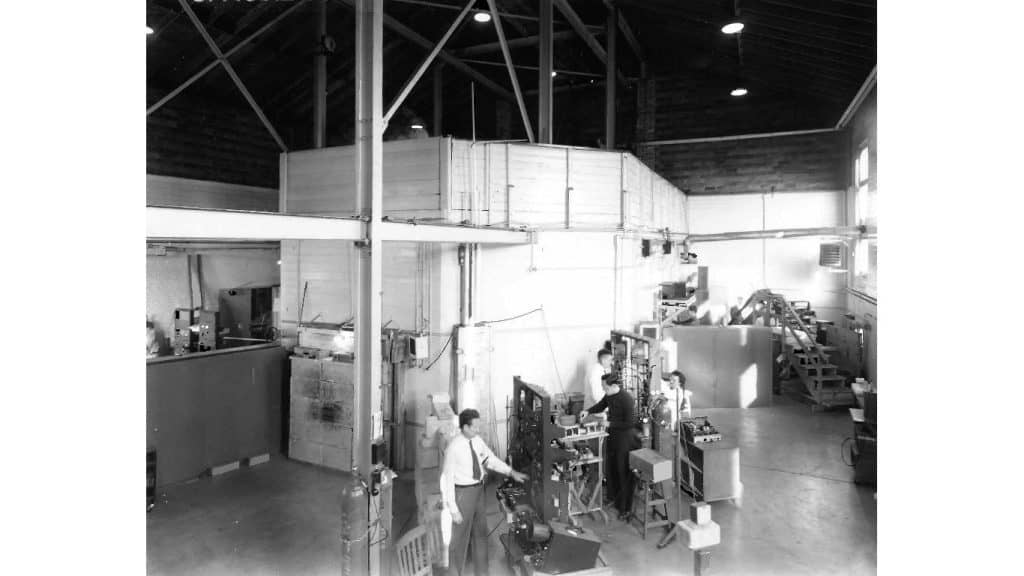
Miriam Posner Finkel understood that developing atomic technology involved more than producing a powerful explosion. At the Met Lab, she studied the toxicity of radionuclides and the effects of radioactive materials on living organisms.
Finkel earned her doctorate in zoology from the University of Chicago in 1944 and worked as an associate biologist during the Manhattan Project. Her research helped improve scientific understanding of radiation hazards and contributed to health and safety standards.
She signed the Szilard Petition in 1945 and later continued her work at Argonne National Laboratory. Her subsequent research also contributed to molecular biology, including studies involving a tumor-associated virus in mice.
Mary M. Dailey

Mary M. Dailey worked as a research assistant in the Met Lab’s Health Division during World War II. Her department operated within a program that had to confront questions about radiation exposure and the potential effects of radioactive materials.
Although detailed public records of Dailey’s individual work are limited, her participation in the Szilard Petition is established.
By signing, she joined other Manhattan Project workers who wanted American leaders to give Japan an opportunity to surrender before deciding whether atomic weapons should be used.
Marguerite N. Swift
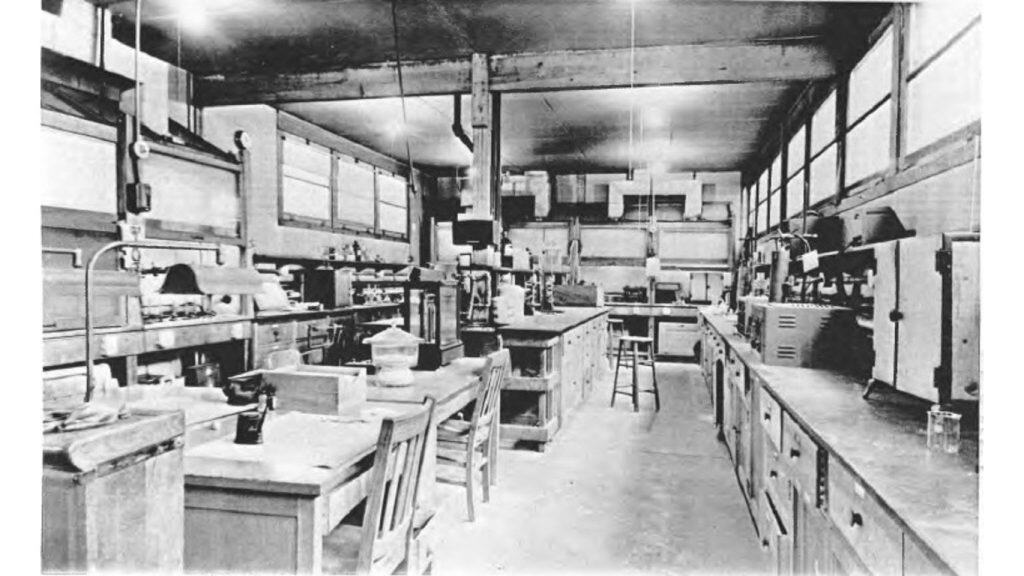
Marguerite N. Swift was an associate physiologist working with the Met Lab’s Health Group. Physiology concerns how living organisms function, making it an important field for understanding the biological questions raised by radioactive materials.
Although the available historical records provide few details about Swift’s individual assignments or later career, they identify her position and confirm her signature on the Szilard Petition.
Like the other women on this list, she supported an appeal for restraint at a critical moment in the development of nuclear warfare.
Hoylande Young
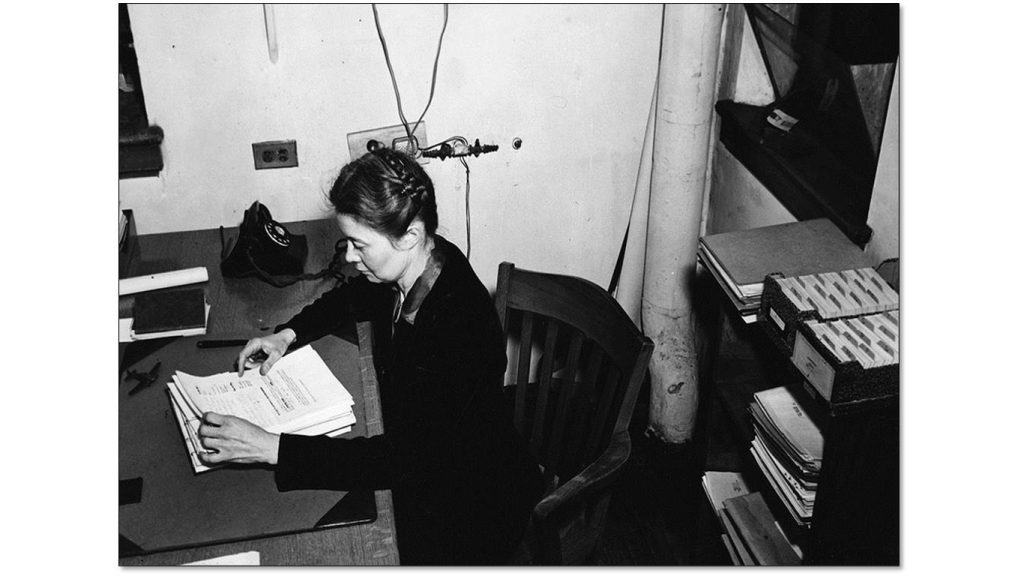
Hoylande Young had already built an impressive scientific career before joining the Manhattan Project. She earned a doctorate in organic chemistry from the University of Chicago in 1926 and went on to work as a senior chemist at the Met Lab.
During the Manhattan Project, Young helped edit technical information about nuclear research. She also participated in laboratory council meetings and signed the Szilard Petition.
In 1946, she became director of technical information at Argonne National Laboratory, making her the institution’s first female division director. Young later became the first woman to chair the Chicago Section of the American Chemical Society, helping open doors in a profession that had long limited women’s opportunities.