Disney / IMDB
Courtesy of RKO Radio Pictures

Courtesy of Warner Bros.
Courtesy of Buena Vista Pictures Distribution

Courtesy of Home Box Office (HBO)
Courtesy of American Movie Classics

Courtesy of AMC+
IMDB

Courtesy of Walt Disney Studios Motion Pictures

HBO / BY 3.0

Courtesy of Twentieth Century Fox





10 TV and Movie Character Deaths Fans Still Aren’t Over
Sometimes you know how a story ends as soon as it starts. You stay around anyway because the journey is what matters. Not all movies and TV shows are so kind. Some catch you completely off guard with an ending or character death that is hard to see coming even in hindsight. All you can do is sit there.
Those devastating moments all have one thing in common: the loss, or apparent loss, of a character viewers had become invested in. Today, we're looking at 10 TV and movie character deaths, including one famously ambiguous possible death, that shocked audiences or left a lasting impression. Some are still controversial years later, and every one changed its story in a way that was hard to forget.
Bambi's Mother, Bambi (1942)
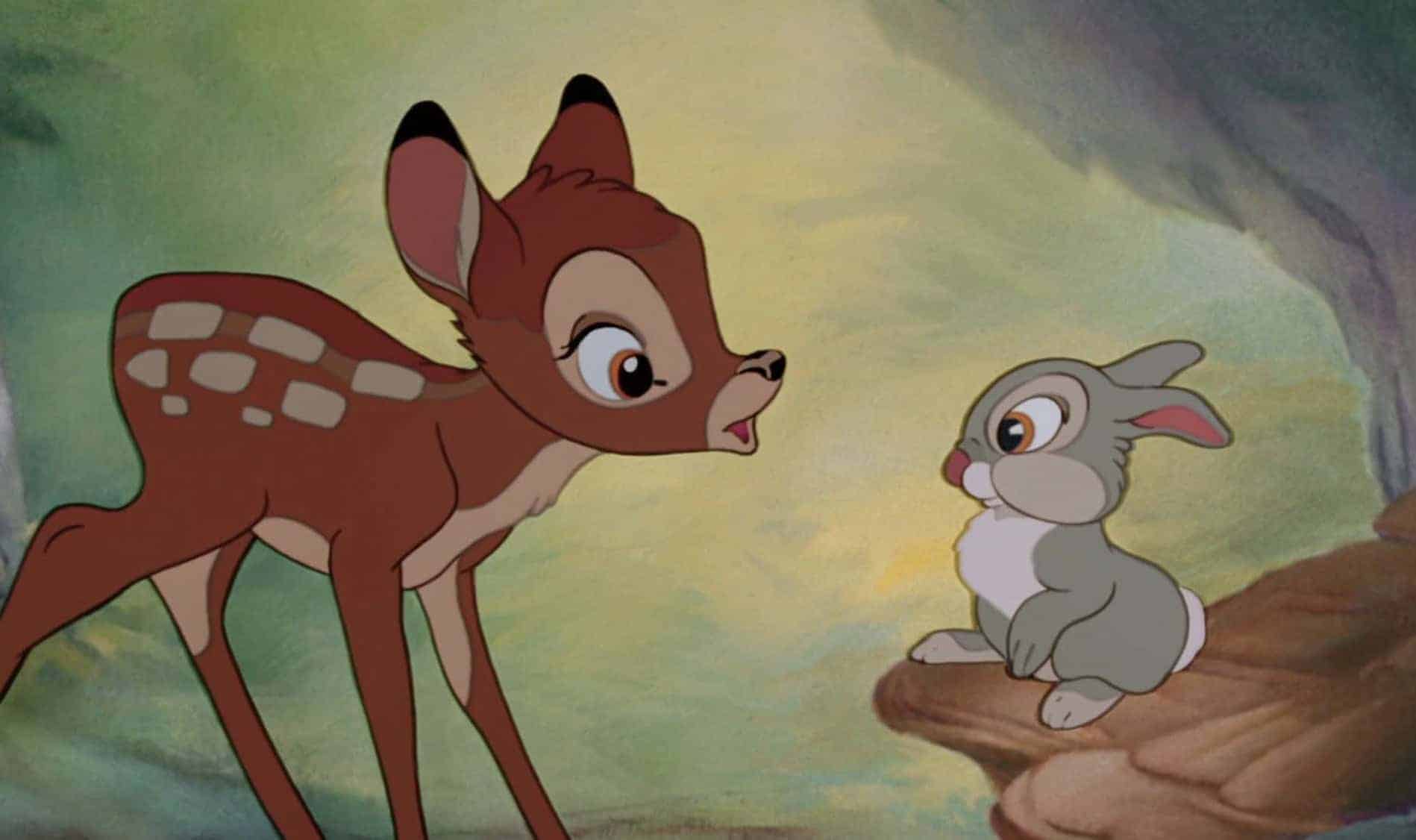
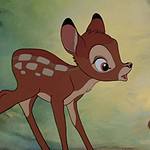
Bambi's mother is killed by hunters during the winter. A gunshot rings out as Bambi runs through the snow. He calls for his mother, but she doesn't answer. His father eventually finds him and tells him that his mother can no longer be with him. The film never shows her body, leaving Bambi and the audience to understand what happened at the same moment.
That restraint is a big part of what makes the scene so difficult to watch. There is no final goodbye between Bambi and his mother, and the film quickly has to move forward without her. More than 80 years after the movie's 1942 release, it remains one of the most memorable examples of a family film confronting a young character with death.
Artax, The Neverending Story (1984)
In Wolfgang Petersen's 1984 fantasy film, the young hero Atreyu journeys through the Swamp of Sadness with his horse, Artax. The swamp is dangerous because those who allow sadness to overwhelm them sink into it.
Artax stops moving. Atreyu pleads with him, pulls on the reins, and desperately tries to get him to continue, but the horse sinks into the swamp. There is no villain to fight and no last-second rescue. Atreyu can only watch as his companion disappears beneath the surface. That simplicity is what makes the moment so difficult to shake.
Mufasa, The Lion King (1994)
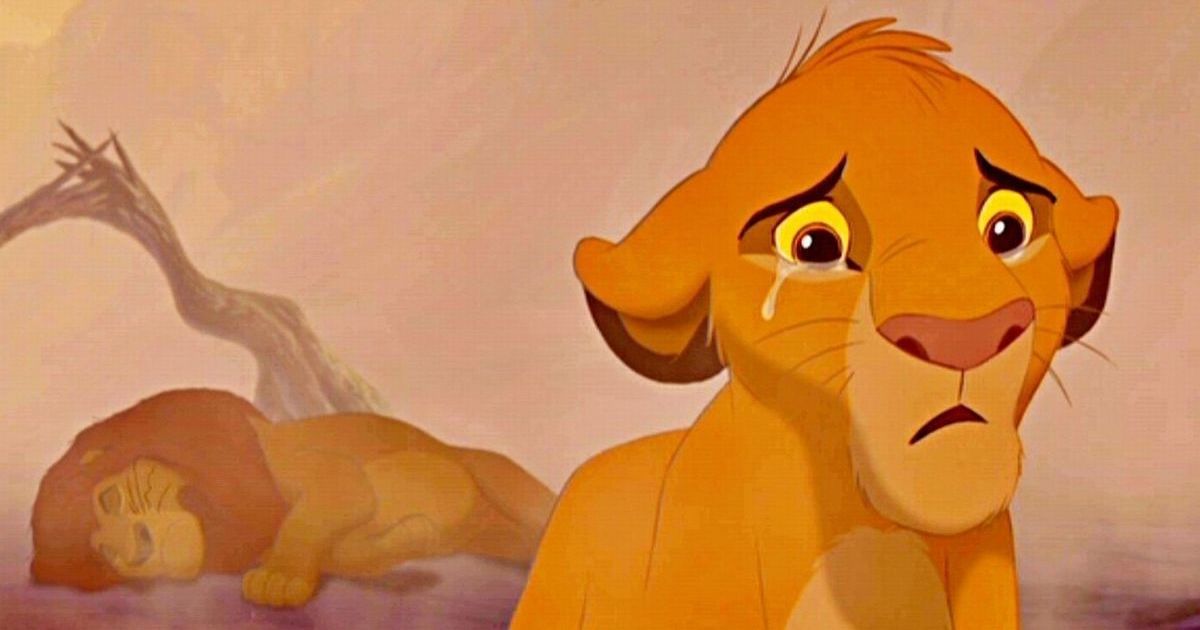
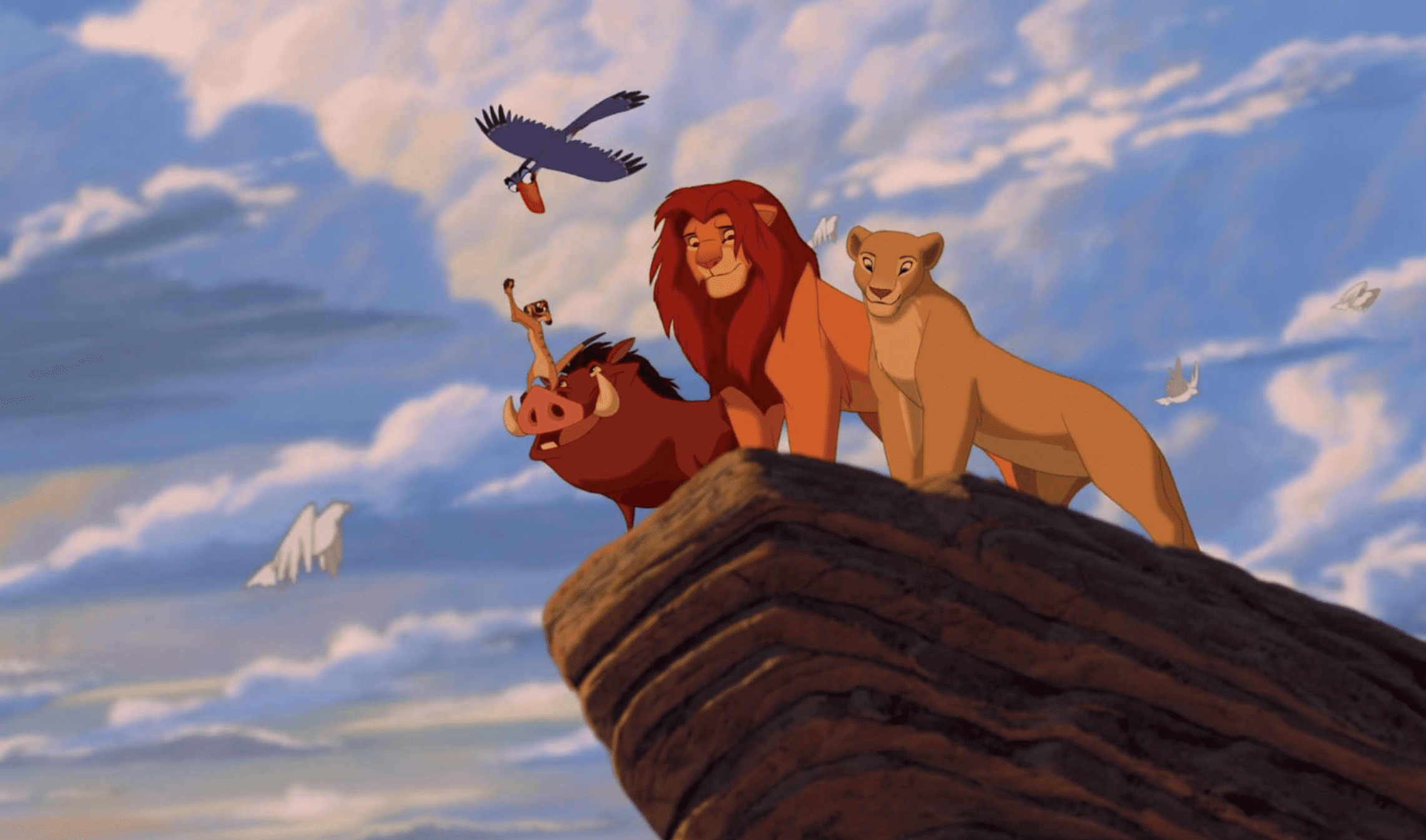
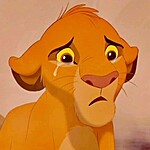
This is one of those scenes where you can see what's coming but still have a hard time accepting it once it happens. Mufasa rescues Simba from the wildebeest stampede and manages to climb toward safety, only to find Scar waiting above him. Scar betrays his brother and sends him falling back into the stampede. Simba finds his father's body shortly afterward.
Simba tries to wake Mufasa before curling beneath one of his father's forelegs. Scar then manipulates the young cub into believing Mufasa's death was his fault, a lie that follows Simba through much of the movie.
The filmmakers were conscious of an earlier Disney tragedy while shaping the sequence. Co-director Rob Minkoff later explained that the team discussed the death of Bambi's mother and wanted Simba to confront the reality of his father's death rather than have Mufasa simply disappear from the story. The result is a scene that makes both Simba and the audience stay with the loss.
Ned Stark, Game of Thrones (Season 1, 2011)
By episode nine of Season 1 of Game of Thrones, viewers who had not read George R.R. Martin's books had plenty of reason to see Ned Stark as the show's central protagonist. Sean Bean played him as a man of rigid, sometimes naive integrity, and much of the season had revolved around his investigation and increasingly dangerous political position.
Then Joffrey ordered Ned's execution in front of the crowd, with Ned's daughter Arya nearby.
The episode, "Baelor," aired on June 12, 2011, and was the penultimate episode of the first season. Killing a character who had occupied such a central place in the story sent a clear message that Game of Thrones was not going to protect someone simply because audiences assumed he was the lead.
That changed the way viewers approached nearly everything that followed. Future threats carried more weight because the show had already demonstrated that a major character could actually be removed from the story.
Hank Schrader, Breaking Bad (Season 5, 2013)
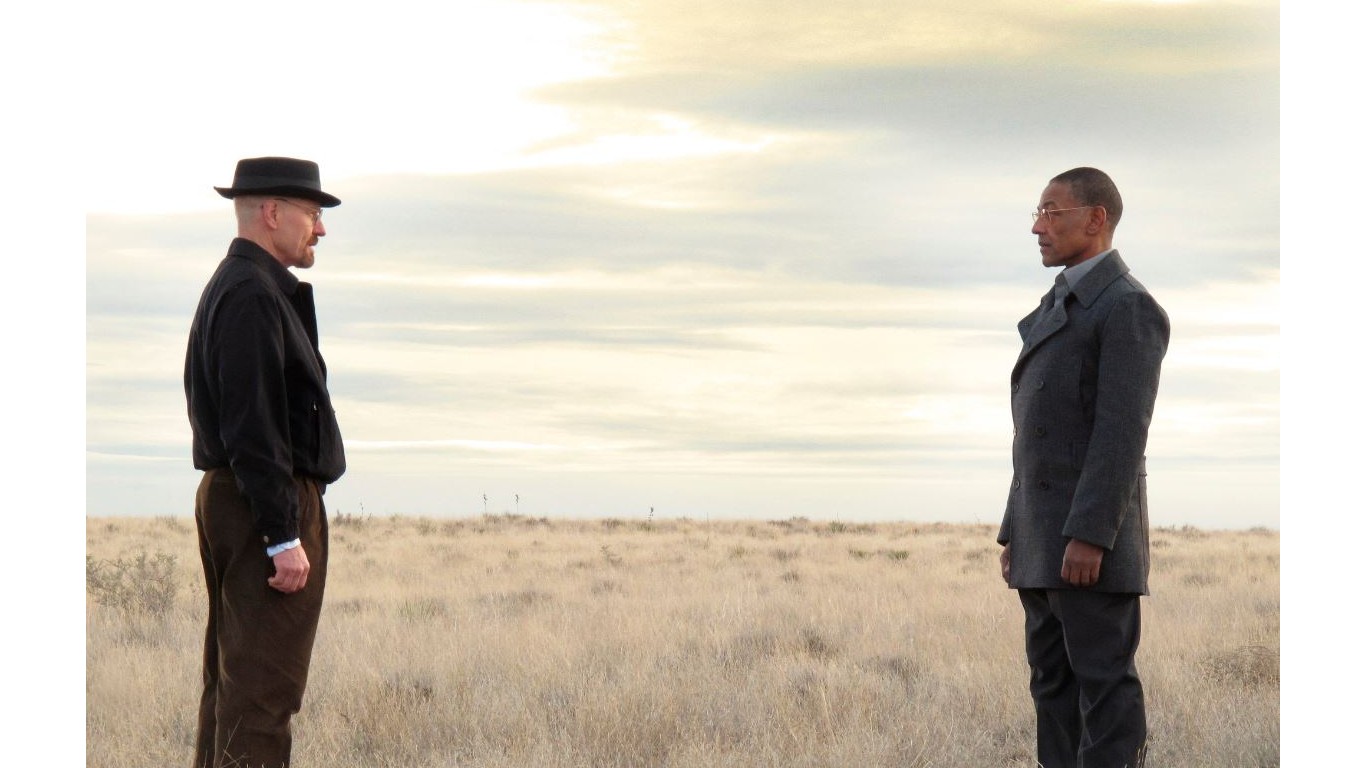
Near the end of Breaking Bad, Hank Schrader, an agent with the U.S. Drug Enforcement Administration and Walter White's brother-in-law, finally has Walt in custody in the New Mexico desert. Hank calls his wife, Marie, to tell her that he has Walt. For a moment, it appears that the long pursuit is over.
Then Jack Welker and his armed gang arrive. Walt had previously called them for help before desperately trying to stop them from coming once he realized Hank was there. Walt pleads for Hank's life, but Hank understands that Jack has already decided what he is going to do.
Jack shoots Hank, and Hank and fellow DEA agent Steve Gomez are later revealed to have been buried at the site. Hank's death leaves Walt staring directly at another consequence of the criminal empire he built. For viewers who once sympathized with Walt, the scene makes it increasingly difficult to ignore how much destruction his choices have caused.
Glenn Rhee, The Walking Dead (Season 7, 2016)
Glenn Rhee's voice is briefly heard at the end of The Walking Dead's 2010 premiere, and he first appears on screen in the second episode. He survived through the first six seasons before meeting Negan in the Season 7 premiere. Negan kills Glenn with his barbed-wire-wrapped baseball bat, Lucille, while Glenn's pregnant wife, Maggie, is forced to watch. The sequence plays out in graphic detail.
The Season 7 premiere drew about 17 million viewers in Nielsen's live-plus-same-day ratings. The following week's episode fell to roughly 12.5 million, a sharp one-week decline. The show never again matched the premiere's live-plus-same-day audience, although the ratings alone cannot establish that Glenn's death was the reason individual viewers stopped watching.
Glenn's basic fate mirrored what happened to the character in Robert Kirkman's comic series, but putting the killing on television in such graphic detail made the episode particularly divisive. Glenn had survived walkers, human enemies, and repeated near-death situations for years. Watching that run end so brutally changed the tone of the series for a lot of viewers.
Will Gardner, The Good Wife (Season 5, 2014)
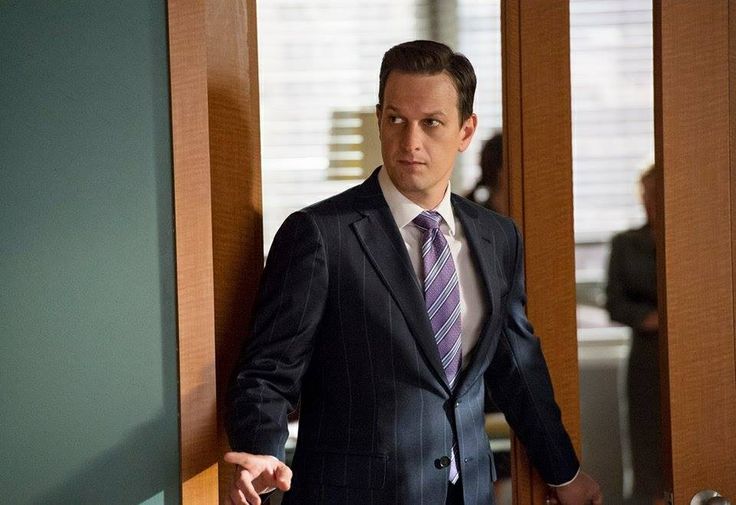
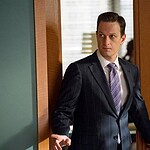
Will Gardner had been a central part of The Good Wife since the series premiered in 2009. Josh Charles played him as Alicia Florrick's longtime friend, former law school classmate, colleague, and unresolved romantic interest. Their relationship gave the show an emotional tension that lasted for years.
In the Season 5 episode "Dramatics, Your Honor," which aired on March 23, 2014, Will is shot in a Chicago courtroom by his client, Jeffrey Grant. The shooting comes suddenly, and Alicia learns that Will has died while she is away from the courthouse.
The departure came after Charles decided to leave the series. He later explained that his contract had ended after the previous season and he was ready to move on, but he agreed to return for 15 episodes so the show could give Will a proper ending. The Good Wife continued for two more seasons before its series finale aired on May 8, 2016.
Ellie, Up (2009)
Early in Pixar's Up, the movie compresses decades of Carl and Ellie Fredricksen's life together into a short montage. We see their wedding, their plans to start a family, the miscarriage that leaves them unable to have the children they wanted, years of ordinary married life, Ellie's declining health, and eventually Carl sitting alone after her death.
The married-life montage runs for about four minutes without dialogue, with Michael Giacchino's score carrying the sequence. Director Pete Docter said an early version of the montage looked as though it could run for roughly 20 minutes before the filmmakers pared it down to the moments they considered essential. They also stripped away most of the sound effects, allowing the images and music to tell the story.
That's what makes Ellie's death land so quickly. The audience has barely started the movie, yet it has already watched Carl build a life with someone, lose the future they originally imagined, grow old with her, and finally lose her too. The main adventure hasn't even begun.
Tony Soprano's Possible Death, The Sopranos (2007)
Tony Soprano does not die on screen, which is exactly why the ending remains so heavily debated. The series finale, which aired on June 10, 2007, ends with Tony sitting in a New Jersey diner as members of his family arrive. He looks up, and the episode abruptly cuts to black while Journey's "Don't Stop Believin'" is still playing.
There is no gunshot, body, or explicit confirmation of Tony's fate in the episode itself. The sudden blackout instead leaves viewers with the same uncertainty Tony has lived with throughout the series: any ordinary moment could be interrupted without warning.
Creator David Chase has discussed the ending many times over the years. Some of his later comments have been interpreted as evidence that Tony dies, while Chase has also pushed back against reducing the finale to a simple yes-or-no answer about whether Tony is alive. What the episode itself gives us is deliberately incomplete. Nearly two decades later, that missing answer is a major reason people are still arguing about the final scene.
Wolverine, Logan (2017)
By the time Logan arrived in 2017, Hugh Jackman had already appeared as Wolverine in eight previous X-Men films, including brief appearances in X-Men: First Class and X-Men: Apocalypse. James Mangold's Logan finds the character older, physically deteriorating, and caring for an ailing Charles Xavier near the Mexican border.
Logan reluctantly becomes responsible for protecting Laura, a young mutant created using his genetic material. During the final confrontation, he is mortally wounded while protecting Laura and the other young mutants. Laura stays with him as he dies, and Logan uses his final moments to urge her not to become what her creators tried to make her.
At the time, the death also carried the weight of what was expected to be Jackman's final appearance as Wolverine. Jackman ultimately returned in 2024's Deadpool & Wolverine, but as another version of Wolverine; the Logan who dies in the 2017 film remains dead. That allows Logan's ending to retain its finality even after Jackman's return to the role. After years of watching this version of Wolverine survive injuries that would kill almost anyone else, seeing him finally unable to heal makes the ending hit differently.