Fox Photos / Getty Images
John Pratt / Hulton Archive via Getty Images
Michael Ochs Archives / Moviepix via Getty Images
Frazer Harrison / Getty Images Entertainment via Getty Images

Ian Wilson, CC BY-SA 4.0
Archive Photos / Getty Images

Atlantic Records, CC BY-SA 4.0
Emma McIntyre / Getty Images Entertainment via Getty Images
Michael Ochs Archives / Michael Ochs Archives via Getty Images

Thomas Niedermueller / Getty Images Entertainment via Getty Images

Kevork Djansezian / Getty Images




10 Music Legends Who Heard “No” Before Becoming Superstars
Getting rejected is practically a rite of passage in the music business. A demo gets ignored, a label says no, or an artist finally lands a deal only to get dropped before an album ever sees daylight. For some musicians, that is the end of the story. For others, it becomes a pretty funny footnote once they start filling arenas.
The artists below all ran into major setbacks before becoming household names. Some were explicitly rejected by record labels. Others were dropped, told they weren't ready, or shopped around the industry without finding anyone willing to take a chance. Here are 10 famous musicians who heard some version of “no” before proving just how wrong that answer could be.
The Beatles
- Rejected By: Decca Records
- Later Signed With: Parlophone, part of EMI
- Notable Songs: "Here Comes the Sun," "I Want to Hold Your Hand," and "Let It Be"
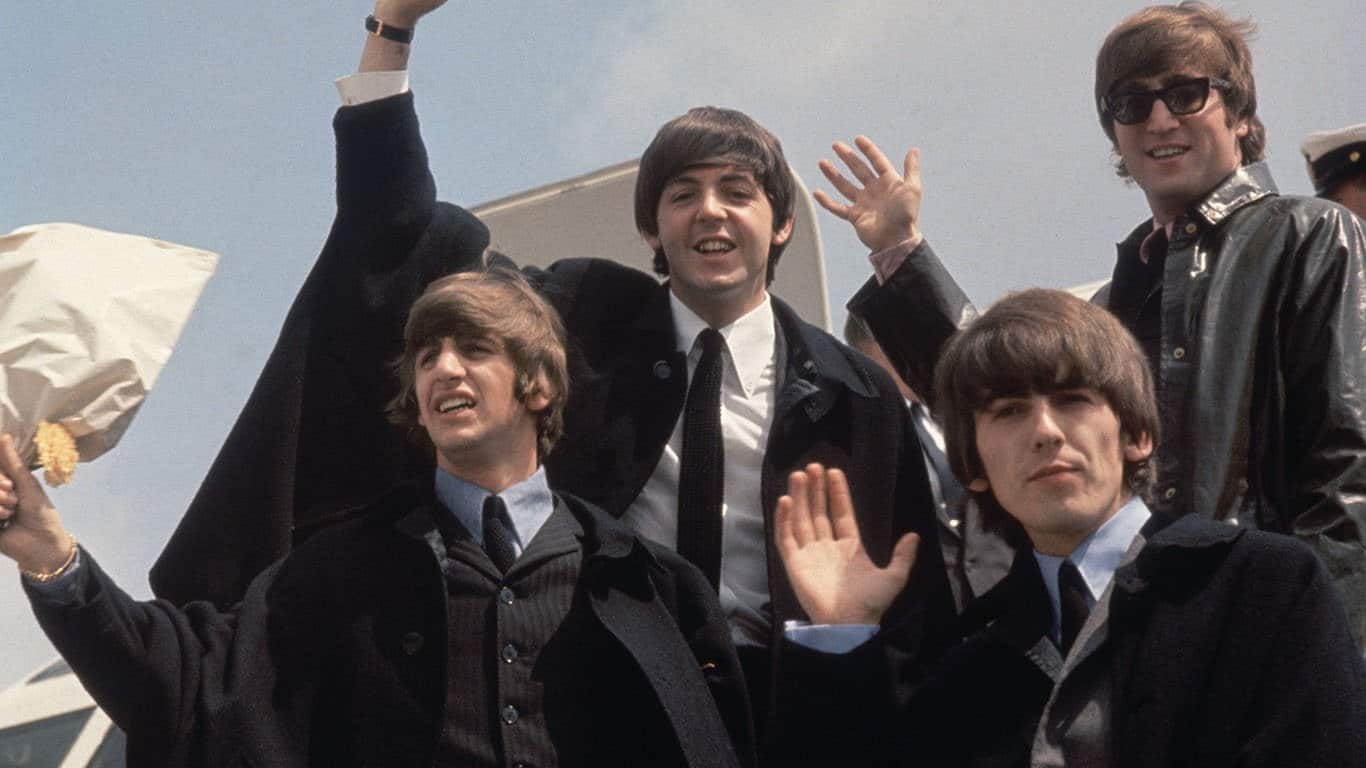
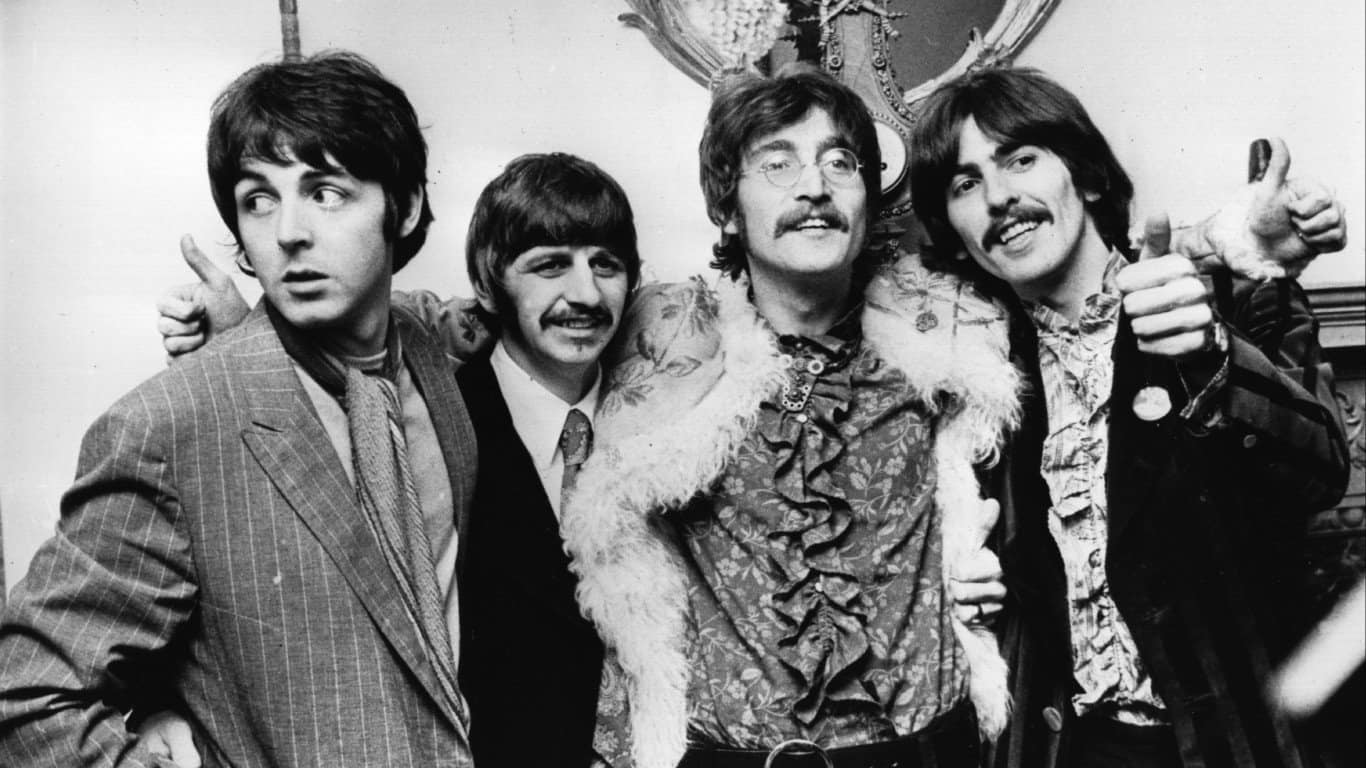
Few record-label decisions have aged quite like Decca passing on the Beatles. The band auditioned for the company in London in early 1962 but did not get a contract. Their manager, Brian Epstein, continued shopping their recordings around, with other parts of the British record industry also showing little interest. Eventually, producer George Martin agreed to meet and record the group for EMI's Parlophone label. That one worked out slightly better.
Madonna
- Rejected By: Millennium Records
- Later Signed With: Sire Records
- Notable Songs: "Vogue," "Like a Virgin," and "Material Girl"
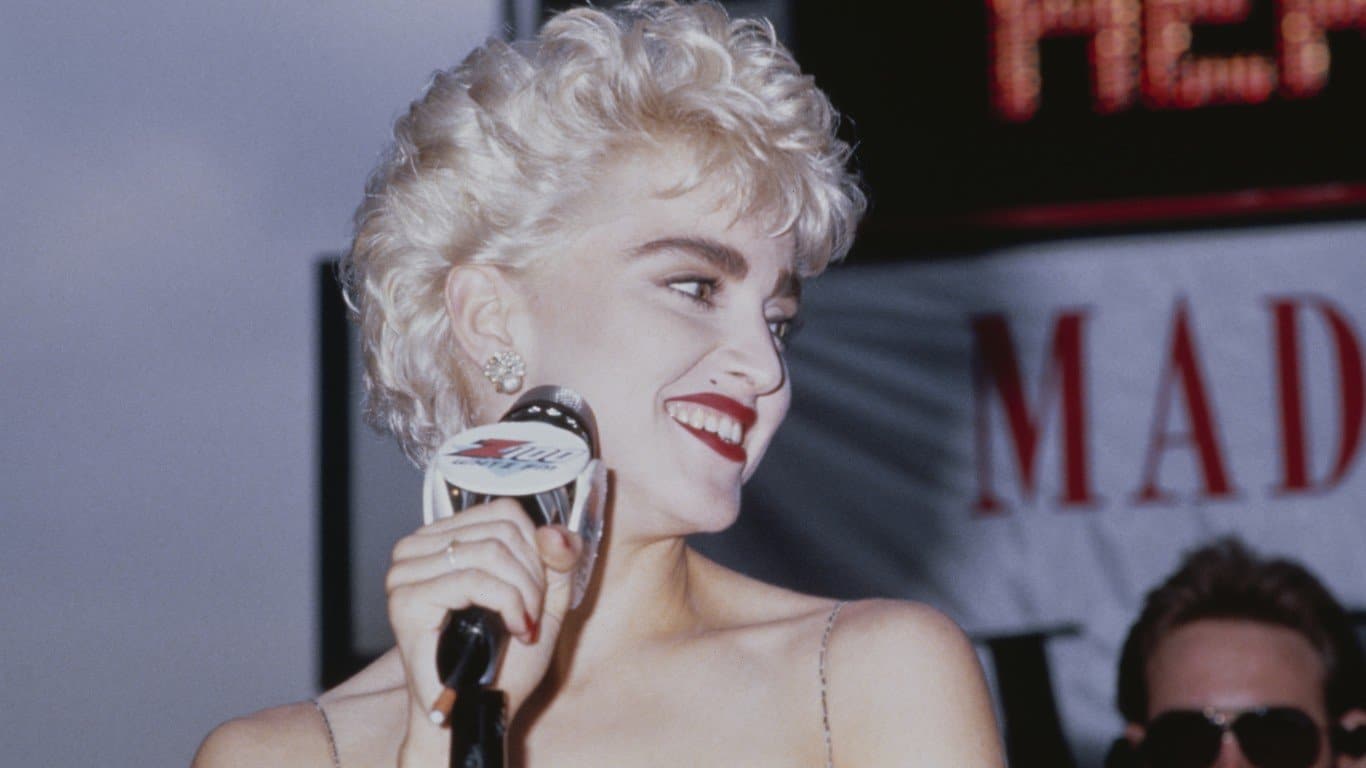
Madonna's rejection came with receipts. In 1981, Millennium Records president Jimmy Ienner listened to a demo and sent back a letter praising her production, arrangements, and potential but saying he did not think she was ready. He passed on the project. Madonna continued working New York's club scene, signed with Sire Records the following year, and soon made that rejection letter a fascinating little piece of pop history.
Kanye West
- Rejected By: Capitol Records and other labels
- Later Signed With: Roc-A-Fella Records
- Notable Songs: "All Day," "Blame Game," and "Can't Tell Me Nothing"
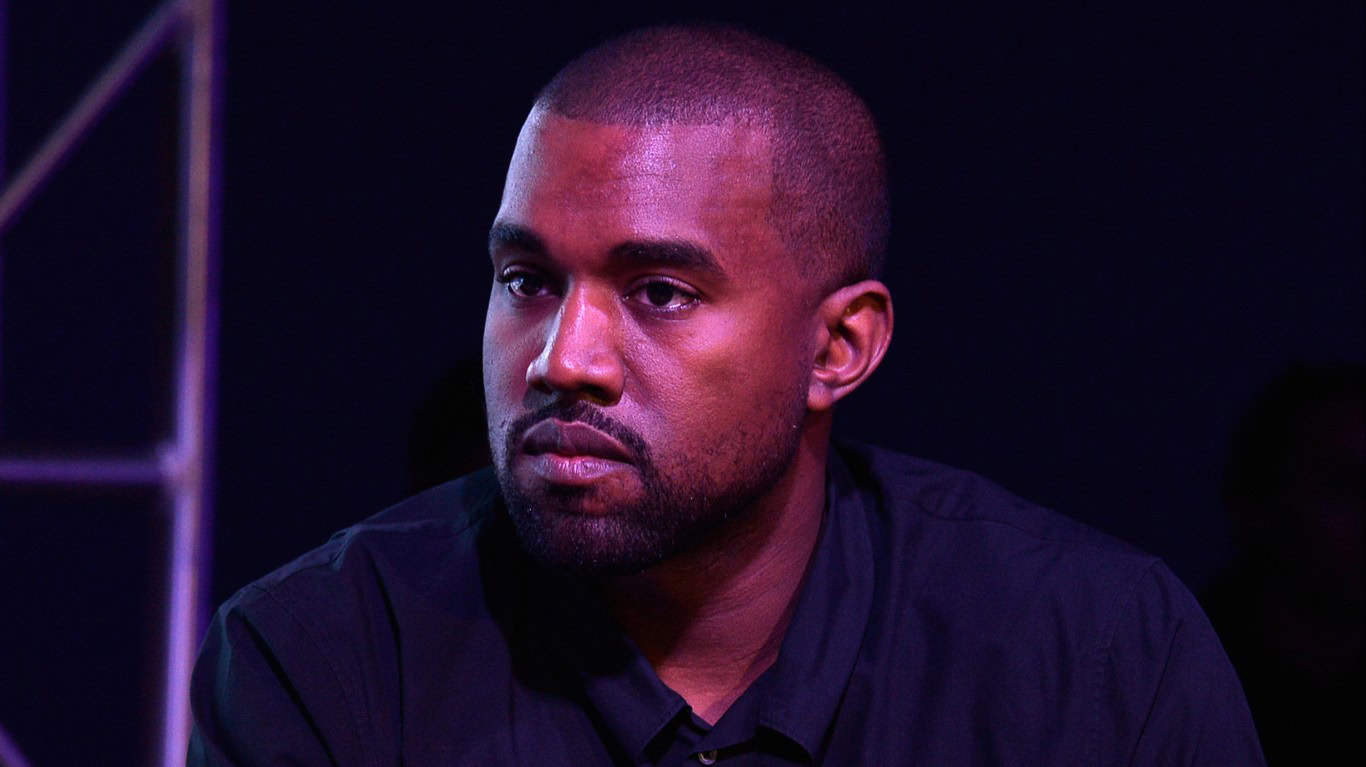
Kanye West was already making a name for himself as a producer, including work for Jay-Z and other Roc-A-Fella artists, but getting labels to view him as a recording artist was another matter. Capitol Records was among the companies that passed, and Roc-A-Fella co-founder Damon Dash has recalled that labels simply did not want to sign West as a rapper. Roc-A-Fella eventually did, leading to his 2004 debut album, "The College Dropout."
U2
- Rejected By: RSO Records and Arista Records
- Later Signed With: Island Records
- Notable Songs: "Hold Me, Thrill Me, Kiss Me, Kill Me," "40," and "I Still Haven't Found What I'm Looking For"
Long before U2 became one of the world's biggest rock bands, record companies were not exactly fighting over them. The band's own archive preserves rejection letters from both Arista and RSO Records. The 1979 RSO letter, addressed to Paul Hewson, better known as Bono, simply informed him that the group's demo was not suitable for the company at the time. U2 eventually landed with Island Records and released its debut album, "Boy," in 1980.
Elvis Presley
- Early Rejections: The Songfellows and Eddie Bond's band
- Breakthrough Labels: Sun Records and RCA Victor
- Notable Songs: "Can't Help Falling in Love," "(You're the) Devil in Disguise," and "Jailhouse Rock"
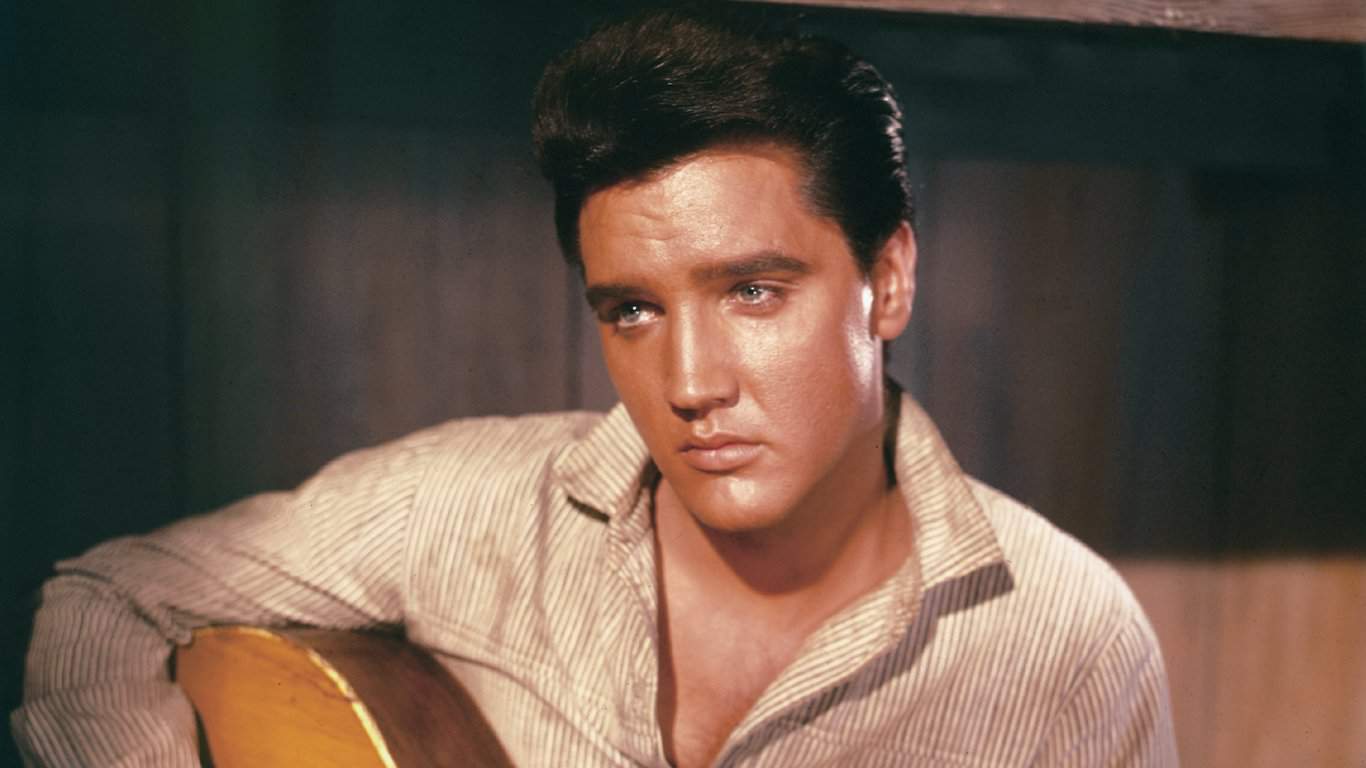
Elvis Presley heard no before anyone was calling him the King. After making self-funded demos at Memphis Recording Service, he unsuccessfully auditioned for the Songfellows gospel quartet and was also turned down by bandleader Eddie Bond. Sun Records owner Sam Phillips eventually brought Presley into the studio with guitarist Scotty Moore and bassist Bill Black in July 1954. Their version of "That's All Right" became Presley's first Sun single, and RCA Victor purchased his recording contract the following year.
Missy Elliott
- Early Rejection: Multiple labels passed on her as a solo artist
- Breakthrough Label: The Goldmind Inc. through Elektra
- Notable Songs: "Hot Boyz," "Work It," and "The Rain (Supa Dupa Fly)"
Missy Elliott's path was anything but straightforward. Her group Sista secured a deal connected to Elektra, but its album was shelved, and Elliott later recalled that labels evaluating her as a solo performer liked her talent but objected to her image. She shifted toward songwriting and production, helping create Aaliyah's "One in a Million" before labels came calling again. This time Elliott had leverage. Her eventual deal with Elektra executive Sylvia Rhone included her own imprint, The Goldmind Inc., and substantial creative control.
Katy Perry
- Major Career Setback: Dropped by Columbia Records
- Breakthrough Label: Capitol Records
- Notable Songs: "Roar," "Last Friday Night (T.G.I.F.)," and "Part of Me"
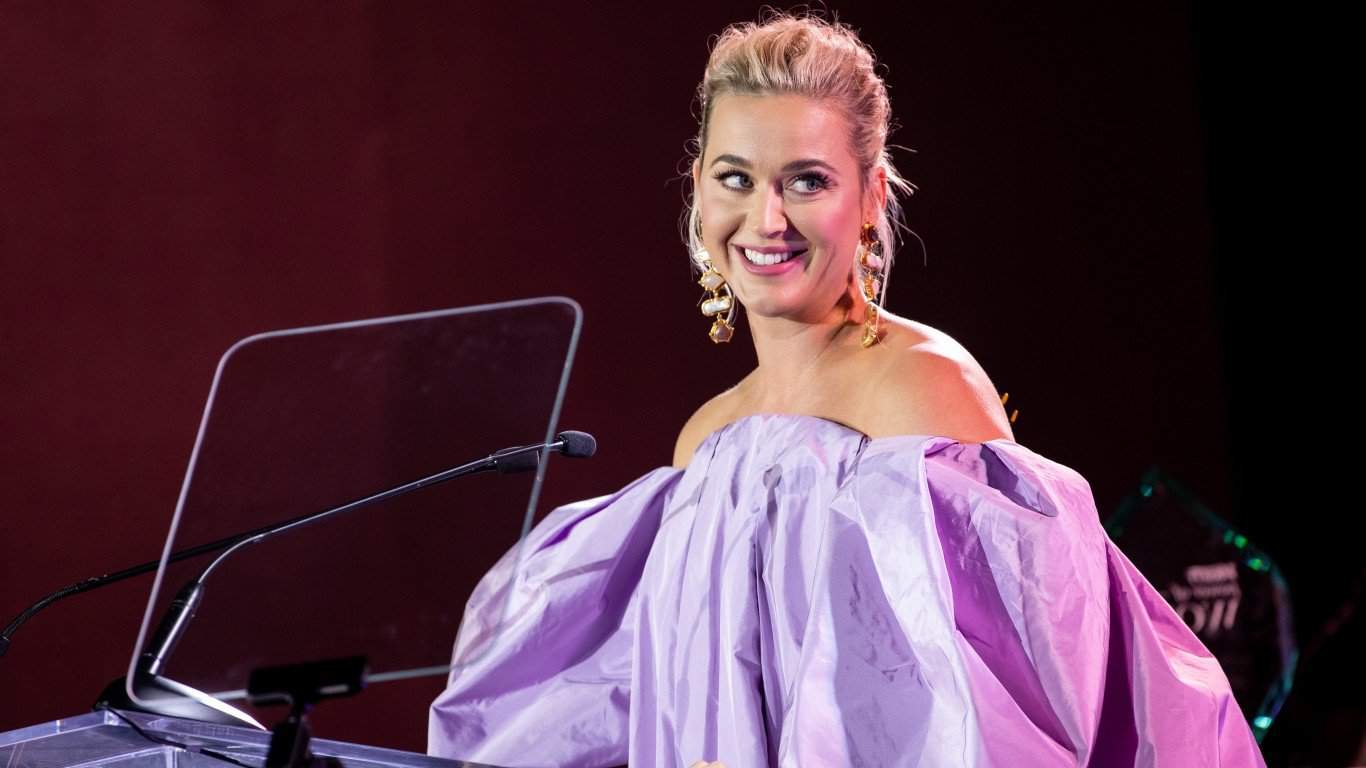
Katy Perry had already released a gospel album and gone through multiple label situations before signing with Columbia Records. She recorded most of a planned album there, but Columbia stopped the project and dropped her before it could be released. Perry signed with Capitol Records in 2007, and "One of the Boys" arrived the following year. Its singles "I Kissed a Girl" and "Hot n Cold" finally delivered the commercial breakthrough that had repeatedly slipped away.
The Supremes
- Initially Rejected By: Motown Records, while performing as the Primettes
- Later Signed With: Motown Records
- Notable Songs: "Where Did Our Love Go," "Baby Love," and "You Can't Hurry Love"
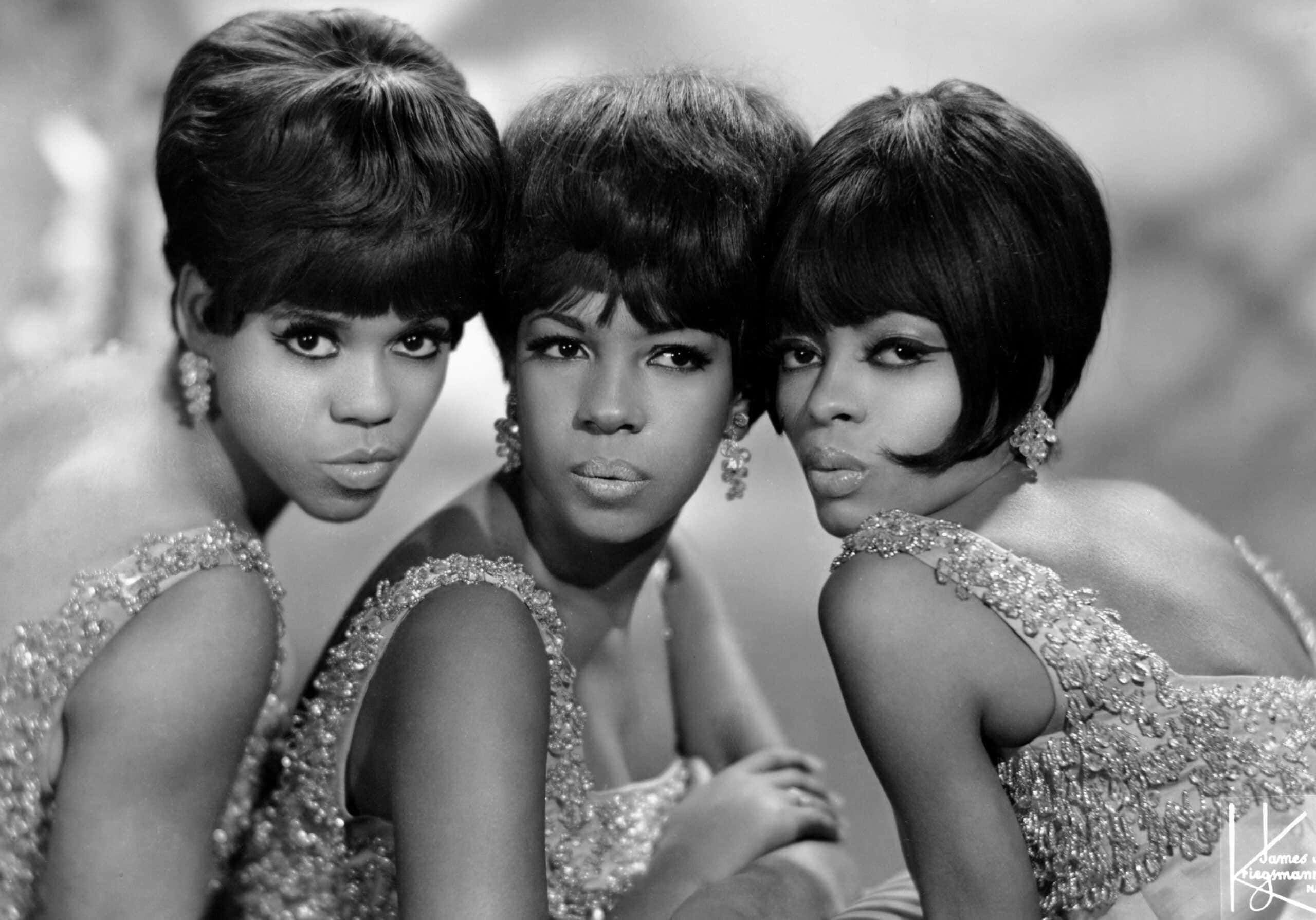
Before they were the Supremes, Diana Ross, Florence Ballard, Mary Wilson, and their bandmates performed as the Primettes and went after a Motown contract. Berry Gordy initially turned the young group down. Instead of disappearing, they kept showing up at Motown and helping around recording sessions until their persistence paid off. Gordy signed them in 1961, they became the Supremes, and a few years later they were Motown's biggest female act.
Ed Sheeran
- Early Rejection: Multiple labels passed on his music
- Breakthrough Label: Atlantic Records
- Notable Songs: "Perfect," "I Don't Care," "Beautiful People," and "Take Me Back to London"
Ed Sheeran spent years releasing music independently and playing small venues while trying to get the industry's attention. His manager Stuart Camp later recalled that Sheeran had met with labels and initially found nobody willing to sign him. The situation changed after his independently released "No. 5 Collaborations Project" shot up the iTunes chart. Labels suddenly became interested, but Sheeran chose Atlantic, which had already been paying attention before the buzz arrived.
Eminem
- Early Rejection: Multiple labels passed on his demos
- Breakthrough Labels: Aftermath Entertainment and Interscope Records
- Notable Songs: "Rap God," "The Real Slim Shady," and "Sing for the Moment"
Eminem's independent 1996 album "Infinite" failed to break him into the mainstream, and music-industry advocate Wendy Day has said she shopped his music around to labels without finding anyone willing to sign him. His fortunes changed after he placed second at the 1997 Rap Olympics in Los Angeles. An Interscope staffer obtained his "Slim Shady EP," which eventually reached label head Jimmy Iovine and then Dr. Dre. Dre signed him to Aftermath, and "The Slim Shady LP" turned the repeatedly overlooked Detroit rapper into a superstar.