
The final vote for the Big, Beautiful Bill is looming as we speak. What do you need to know about it?
If you’ve been paying attention to the news lately, you’ve probably heard back-and-forth conversations about the One Big Beautiful Bill Act. It’s a proposed budget reconciliation bill that has already passed the House and is set to move forward to voting in the Senate soon with a deadline of July 4, 2025.
The One Big Beautiful Bill Act is very controversial. It increases the United States’ debt while cutting welfare programs that the public needs. Recent benefits of the bill once thought to be included have changed, including untaxed tip income and other tax shifts. But what is actually on the line should this bill pass in a matter of hours?
According to polls, the majority of Americans are either opposed to the passage of the One Big Beautiful Bill Act or don’t understand it – understandably so, as it’s a lengthy act that has undergone numerous changes. For a period, the sale of public lands was also listed.
Ready to learn more about the most unbelievable provisions in the One Big Beautiful Bill Act? Note: The topic is currently under debate and review, so everything we know now is subject to change.
This post was updated July 3rd, 2025, to reflect additional information.
Medicaid Restrictions

One of the most significant provisions in the bill is the extensive changes to Medicaid. There are proposed restrictions limiting the number of people who qualify for this program.
Medicaid Cuts
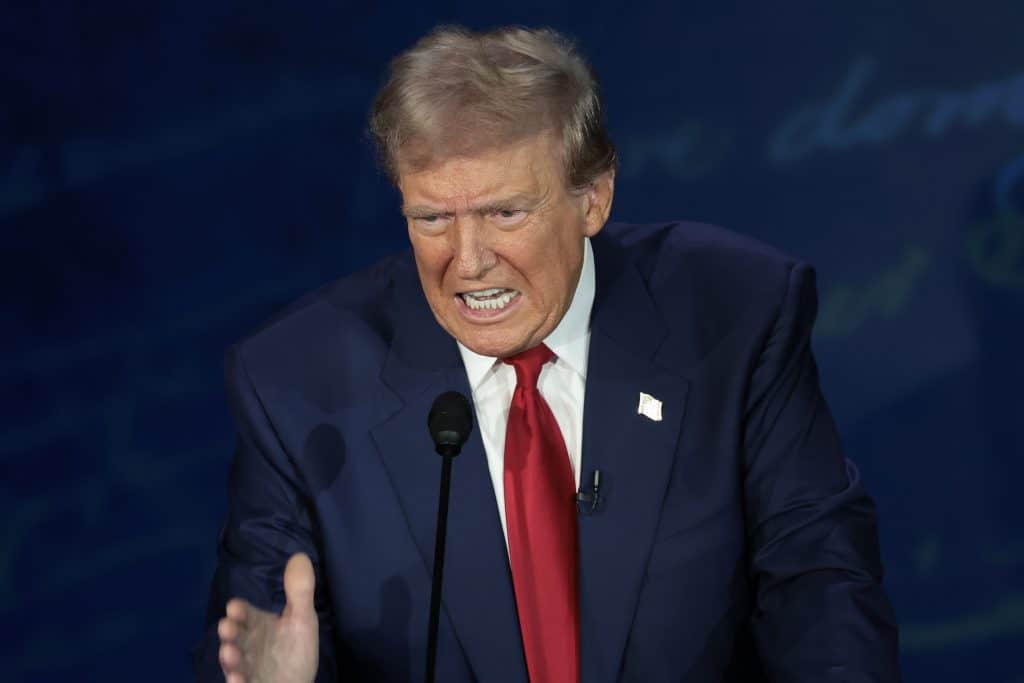
Restrictions aren’t the only thing that would happen to Medicaid if this bill is passed with its current provisions. There would also be substantial financial cuts, up to $800 billion.
Lower Funding for Supplemental Nutrition Assistance Program (SNAP)

Beginning in 2028, if a state has a payment error of 8% or higher, it will be required to pay a portion of the Supplemental Nutrition Assistance Program (SNAP).
$46 Billion For the U.S.-Mexico Border Wall

Immigration measures are costly. Also in the bill is a proposed $46 billion for the U.S./Mexico border wall – something Trump has been after since his first presidency.
Hiring More Immigration and Customs Enforcement Officers

Additional tax money will also be allocated for hiring more immigration and customs enforcement officers, including a proposed $10,000 bonus for new hires.
Golden Dome Missile Defense System
The development of the Golden Dome Missile Defense System is also receiving funding of approximately $25 billion.
Increasing the Debt Ceiling by $4TN
Although this act proposes a budget to slash taxes, it will actually increase the debt ceiling by $4 trillion. Some Republicans are proposing $5 trillion.
Federal Clean Energy Tax Credits

The act also proposes rolling back and ending tax cuts and credits for clean energy.
Medicaid Co-Pay

Another potential change to Medicaid is the inclusion of a $35 co-pay for any service.
Pausing A.I. Regulations

States will not have the power to make changes or regulations of AI for at least 10 years.