

Bad Boys: The Most Infamous Outlaws of the 1950s
For those of us captivated by the dark dance between law and lawlessness, few symbols are as iconic as the FBI's Most Wanted List. We've seen its grainy mugshots stare back at us from the walls of post offices, tucked between missing persons notices and government bulletins. What's now a staple of true crime lore actually began as a bold innovation in 1950, a new weapon in the Bureau's arsenal against America's most elusive fugitives.
Conceived under the direction of the formidable J. Edgar Hoover, the list was born to rally public awareness in the hunt for dangerous outlaws, particularly escaped convicts who slipped through the cracks. It wasn't that there were fewer criminals before; there simply hadn't been a centralized roster of those considered most perilous to society. That changed with the advent of this list, which essentially turned the American public into a vast network of amateur sleuths.
The results were staggering. Of the 532 fugitives ever named, 494 have been captured, many thanks to tips from vigilant citizens. Women, though rare, have graced the list too 11 in total. And while some from the original 1950 lineup were swiftly caught even before the list went live, others managed to fade into legend, evading capture for years or disappearing entirely.
For fans of crime history, the Most Wanted List is more than a tool, it's a timeline of America's most notorious. Each entry marks a moment where law enforcement and the public converged in a shared mission: to bring justice out of the shadows.
To compile a list of the FBI's most wanted: the most infamous outlaws of the 1950s, 24/7 Tempo reviewed information from "Ten Most Wanted History Pictures," a report published by the FBI that identifies over 500 current and former criminals who have appeared on the list, along with the details of their arrests. (Here is a list of 26 Wild West outlaws who became legends.)
Here are the FBI's most wanted: the most infamous outlaws of the 1950s:
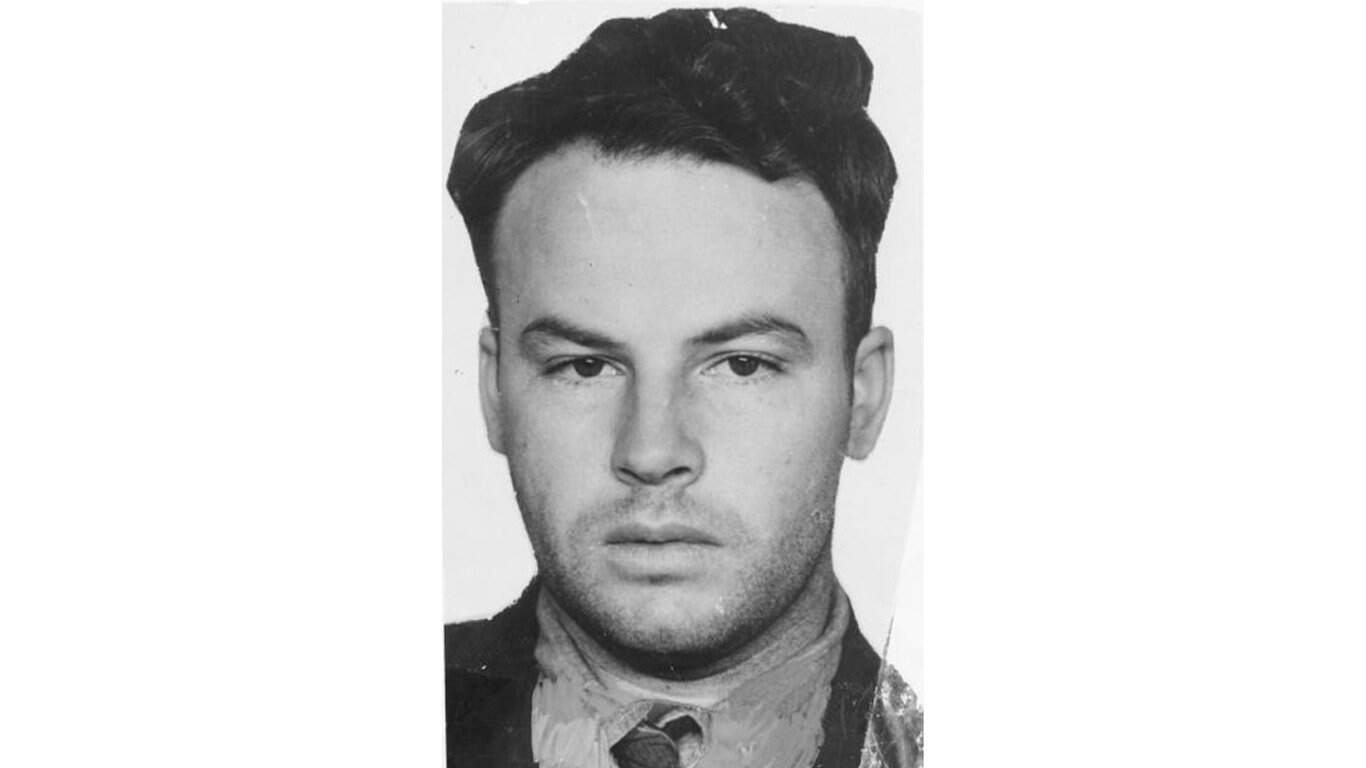
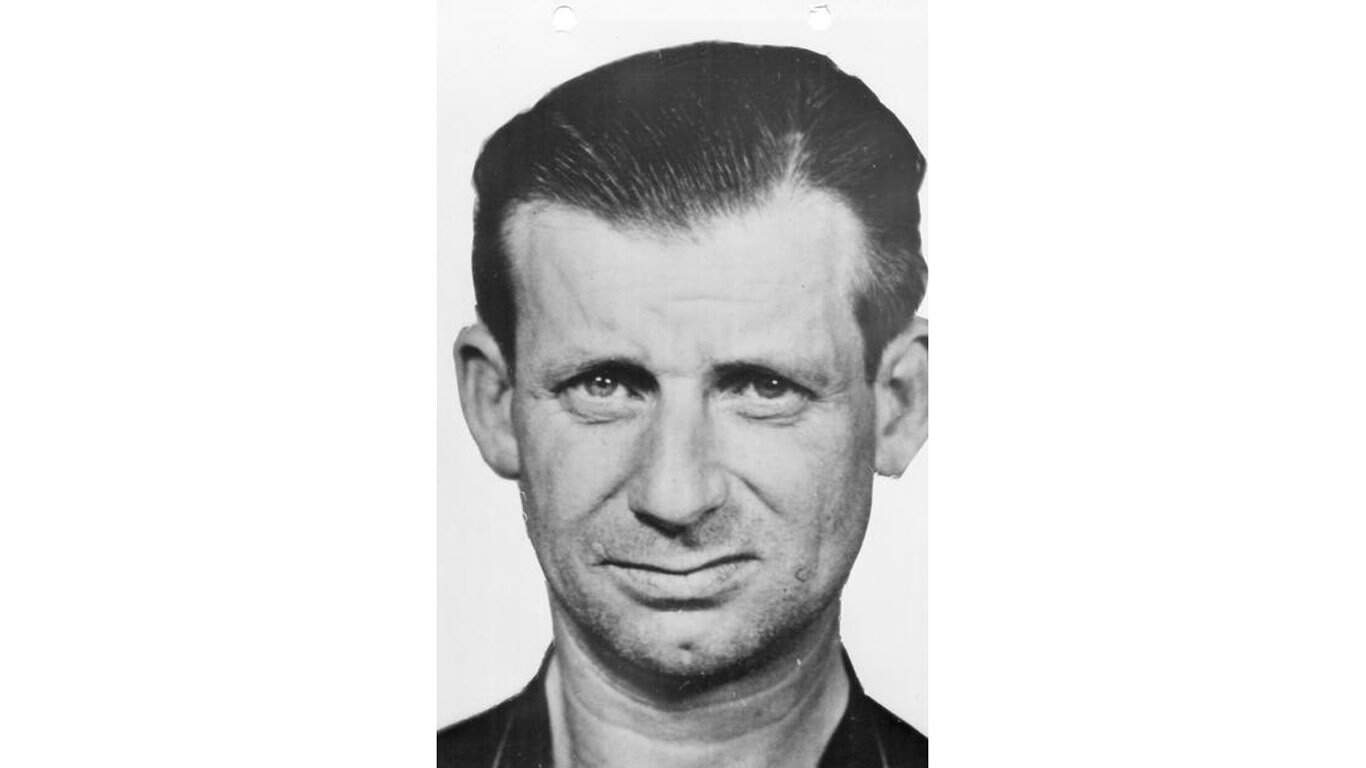
Omar August Pinson
After initially serving time for burglary and armed robbery, Pinson was released from prison and promptly shot and killed an Oregon police officer in 1947. Sentenced to life in prison this time, he escaped in 1949, evaded capture after a shootout the following year, and was finally caught shortly after spending five months on the Most Wanted List. He was paroled in 1959.
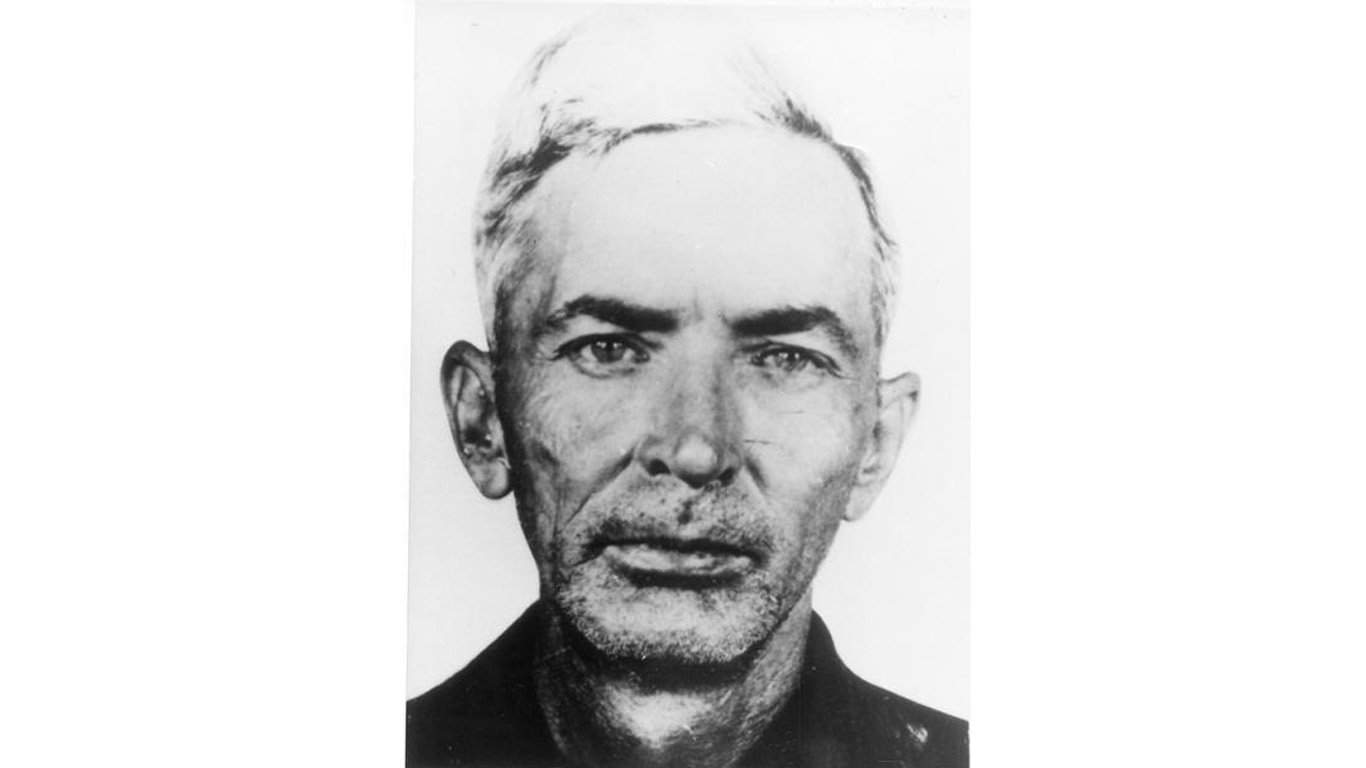
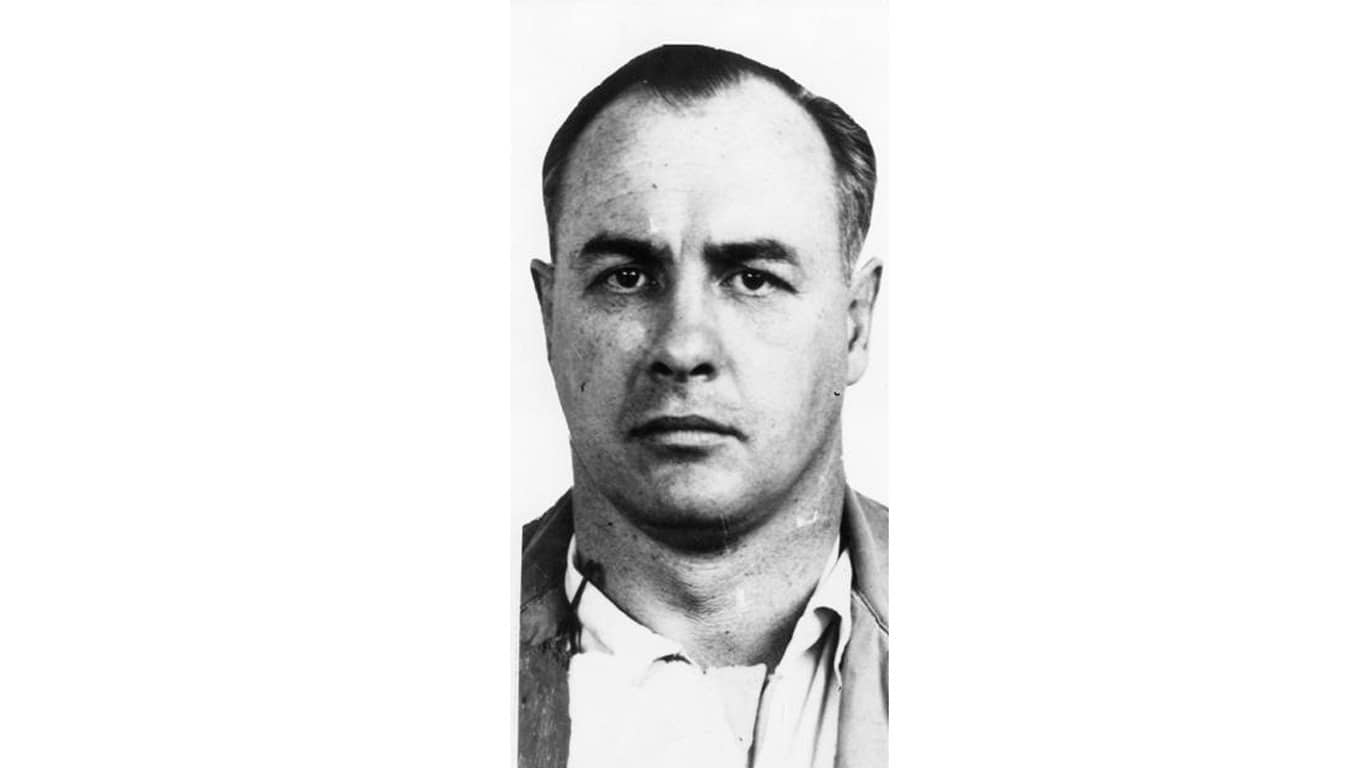
Glen Roy Wright
A member of the Karpis-Barker Gang in the 1930s, Glen Roy Wright was sentenced to life in prison at Oklahoma State Penitentiary for armed robbery in 1934 after being wounded in two separate gun battles with police. He escaped from prison in 1948 but was recaptured after nine months on the Most Wanted List and died in prison in 1954.
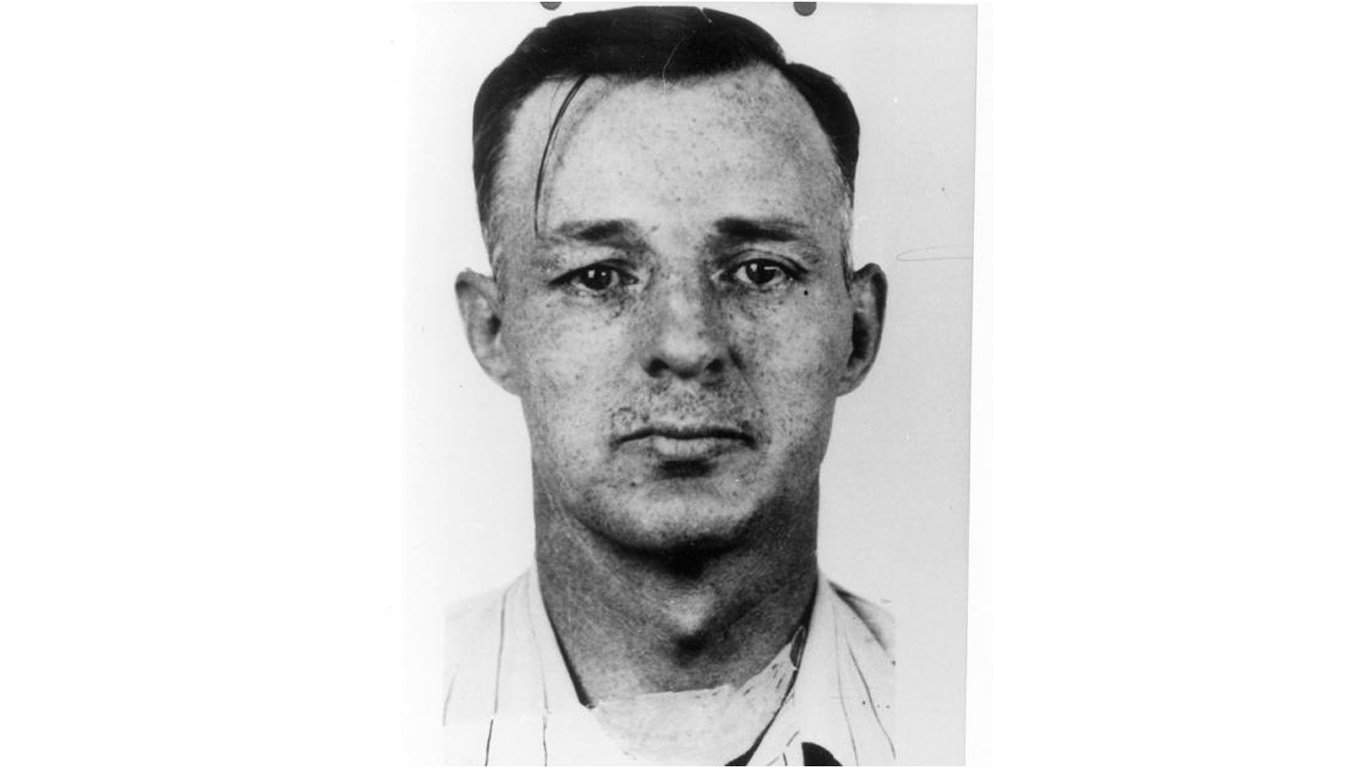
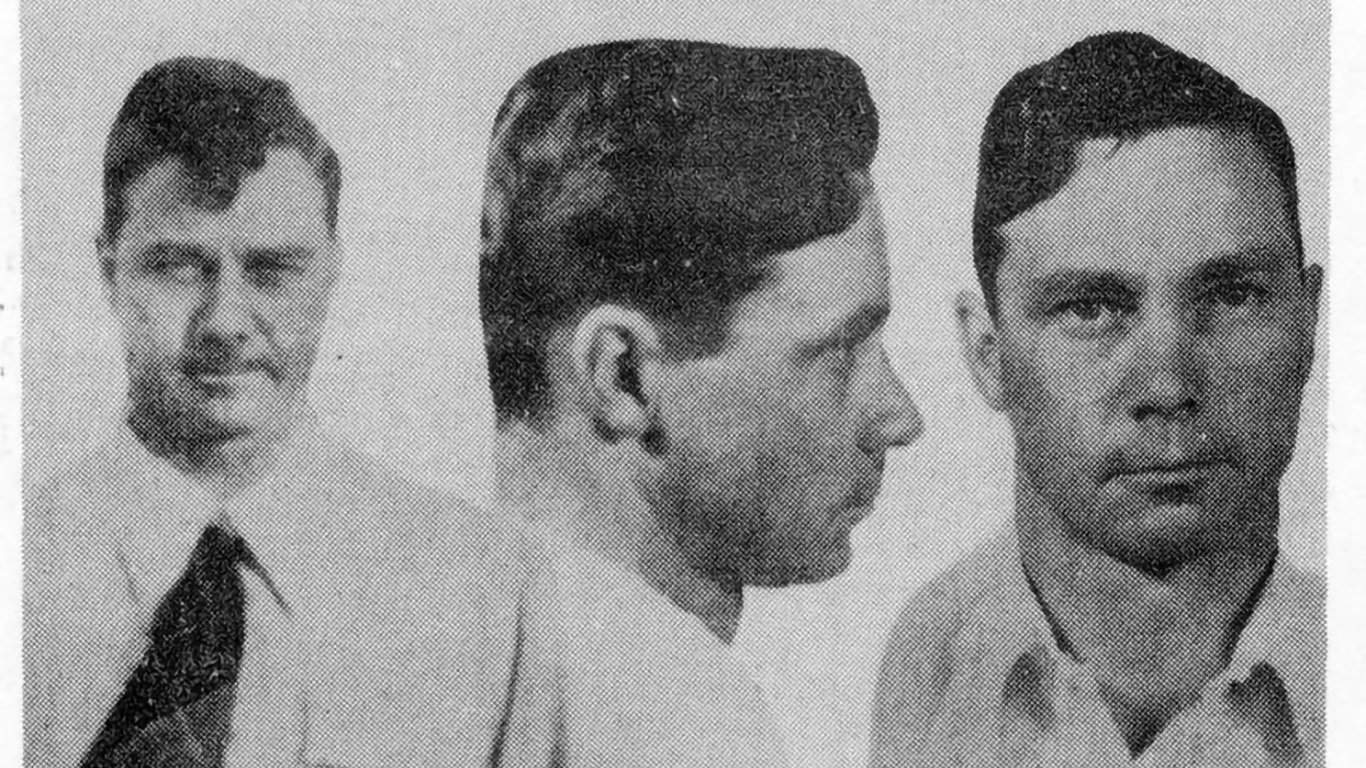
Lee Emory Downs
Skilled at safecracking and holdups, Lee Emory Downs robbed a San Jose, California, telephone company office in 1948, and two years later he was arrested in a Florida trailer park with dynamite and other weapons after a month on the Most Wanted List. After his parole in 1968, he was sent back to prison after attempting to rob the Colombian consulate in San Francisco.
Thomas Kling
Thomas Kling, a serial bank robber, spent two years on the FBI's Ten Most Wanted List before being arrested in New York City in 1952.
Courtney Townsend Taylor
Courtney Townsend Taylor was a seasoned jewel thief spotted by a jeweler in Mobile, Alabama, who recognized his face from a flier, in 1951. The jeweler called the FBI and local police, and he was quickly apprehended. He'd spent one month on the FBI's list.
Harry H. Burton
Harry H. Burton spent a year on the Most Wanted List for a 1951 murder (during which he was featured on the popular "True Detective Mysteries" radio show). Following his capture he was acquitted after a witness testified that he was actually at his dying mother's bedside during the time of the murder.