
Many things we take for granted today were once considered luxuries that few families could afford. During the 1970s, technological advances were changing American homes, but the most exciting innovations came with massive price tags. Appliances now found in every American kitchen were missing from millions of homes, as the cost was too steep. As manufacturing improved, prices became more affordable. These once-exclusive products are now a normal part of everyday life. Here are eight things that were considered luxuries 50 years ago.
Microwaves
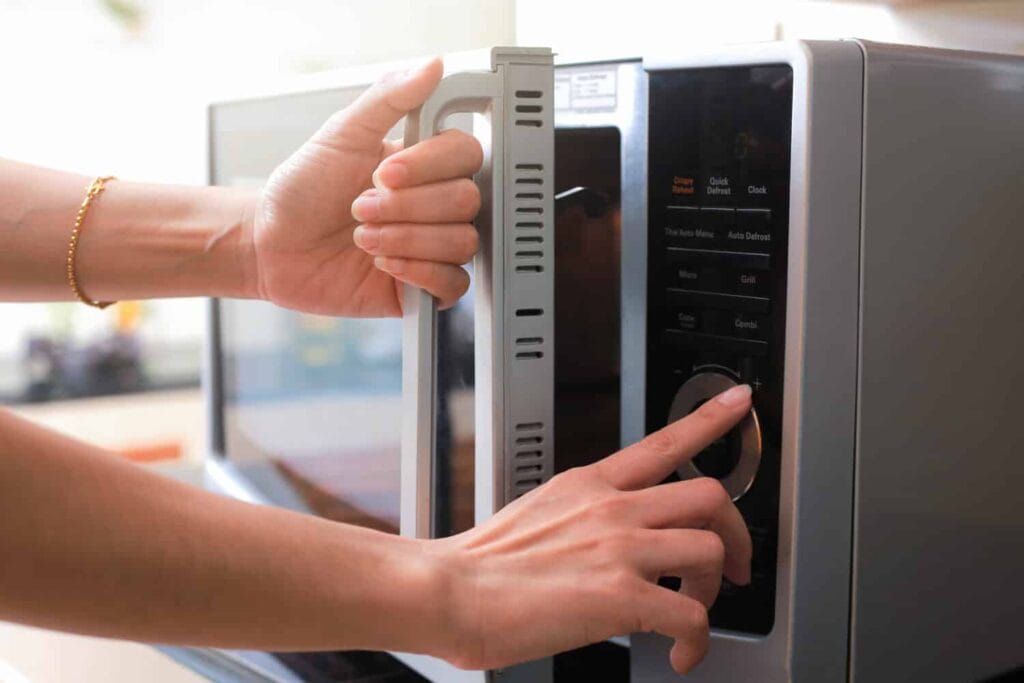
Today, microwaves are used in pretty much every American kitchen, but that was nowhere near the case in the 1970s. Although microwave technology had existed for decades, countertop models were novel and relatively expensive, so many people were unfamiliar with the appliances. Early versions could cost hundreds of dollars, and 50 years ago, that was no small chunk of change. They were a significant investment for the average family, and even by 1978, only around 8% of American households owned a microwave. It’s strange to think that an appliance so widely used today was once quite rare in the average home. The idea of reheating leftovers in a regular oven seems downright taxing.
Color Televisions

Watching TV in color is beyond basic today, but it was once a major home upgrade. During the 1960s and early 1970s, many families regularly watched their favorite shows in black-and-white. Although color televisions had become increasingly common by the 1970s, they were still a significant purchase for families. Owning one was definitely a point of pride, as in, “y’all come on over and we’ll watch it on the color set.” By the middle of the 1970s, color TV ownership was on the upswing but still wasn’t universal.
Central Air Conditioning
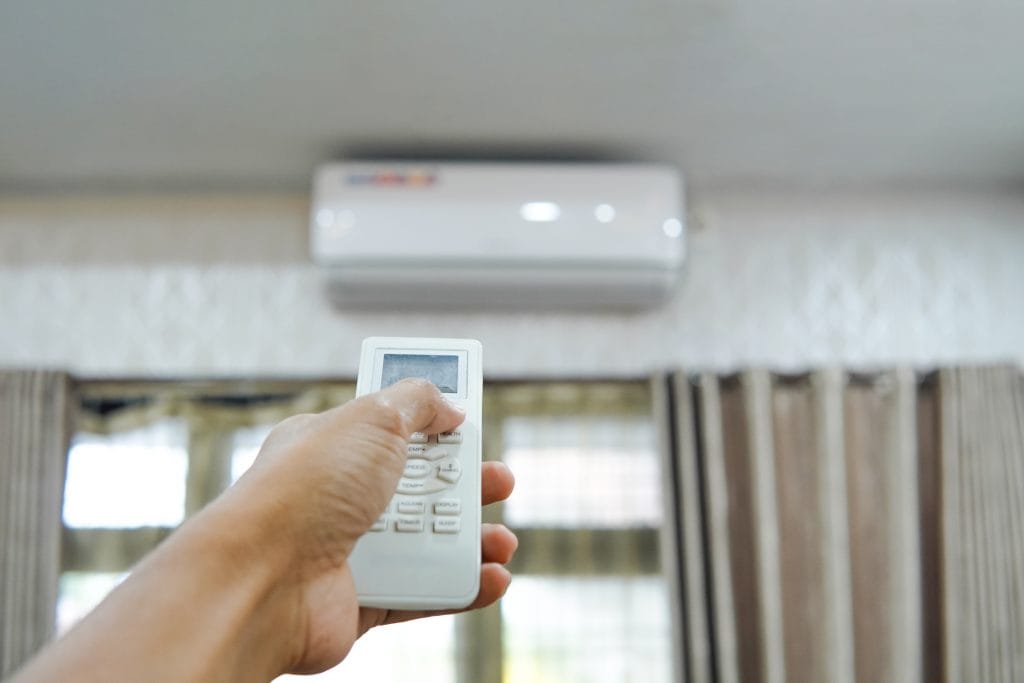
For much of American history, staying cool during the summer relied on a multistep strategy of opening windows, running fans, and rubbing ice across sweltering bodies. Air conditioning was growing in popularity by the 1970s, but central systems were still far from standard in American homes. Many families had window units, but these only cooled one or two rooms. Others had no air conditioning at all, and staying a bit sweaty was simply part of life. Installing a central system was expensive, particularly in older houses that didn’t have the necessary ductwork. Maintaining a comfortable and consistent temperature in a home was a significant luxury. Today, not having central air conditioning in areas with long, hot summers almost feels impossible.
Dishwashers
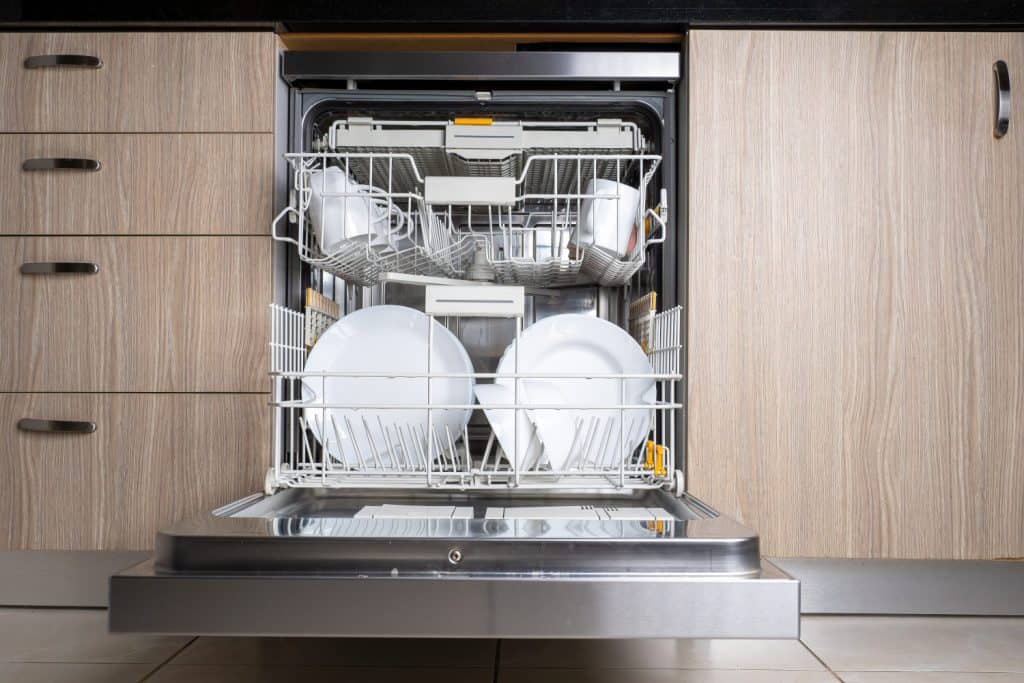
In 1978, only about 35% of American households had a dishwasher. Washing dishes meant physically standing over a sink with warm, soapy water and scrubbing every dish by hand. This was just part of life for millions of American families in the 1970s. Although automatic dishwashers were popping up in kitchens across the country, they were still an expensive convenience instead of the household necessity they are today. Installing one wasn’t easy and likely required additional plumbing and constructing extra cabinet space. Families fortunate enough to own dishwashers were living the good life indeed, and they were the envy of every stay-at-home mom in the neighborhood.
Video Cassette Recorders
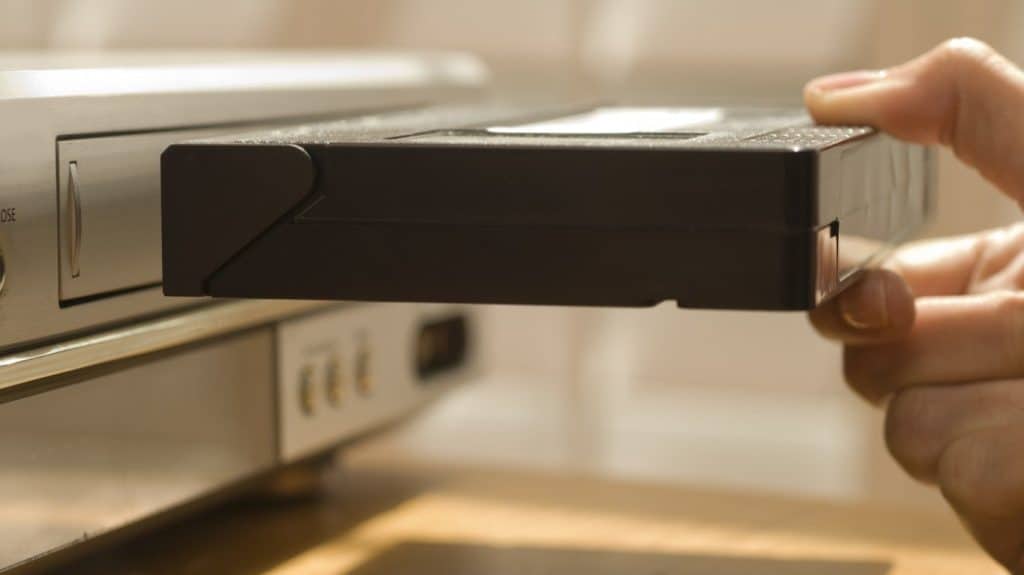
Today, there have been several updates to technology since the VCR, which in the ‘70s was highly innovative stuff. We quickly moved on to DVDs and are now streaming our butts off all over the place. But home entertainment was very different in the 1970s. Before VCRs were widely available, families had to do the unthinkable: watch TV shows and movies when they aired. If you missed it, you hoped like heck you could catch a rerun. Consumer VCRs started popping up in homes during the second half of the decade, but early models were extremely expensive. For a few years, having the ability to record shows or watch movies on a whim was a major technological breakthrough and an entirely novel experience. Prices really started dropping throughout the 1980s, which is when VCRs became common, and the home video rental industry was at its peak. Hello, Blockbuster!
Clothes Dryers

Washing machines were pretty common by the 1970s, but their counterparts, clothes dryers, weren’t as universal. Families dried their clothes on outdoor clotheslines or indoor drying racks, and planning ahead was necessary to make sure you had clean clothes that were also dry. Electric and gas dryers offered convenience, allowing people to dry clothing quickly, regardless of the weather. But many people weren’t willing to pay for the appliance or the ensuing higher utility bill. And some simply didn’t have the space. In 1978, only around 45% of American households had a clothes dryer.
Home Computers

Personal computers were a brand-new, highly technological item in the late 1970s, and owning one was an unusual luxury. Early models were not only very expensive, but they also required technical knowledge to operate. Unlike today’s devices, they were not user-friendly or made for a mass customer base. They lacked intuitive interfaces and entertainment options. And of course, internet access was not really a thing. Most households had no practical reason to spend lots of money on a computer. Early PC owners tended to be technology enthusiasts or people with specialized interests. As we now know all too well, home computing gradually became more mainstream. Today, computers have become an ordinary part of everyday life.
Long-Distance Telephone Calls
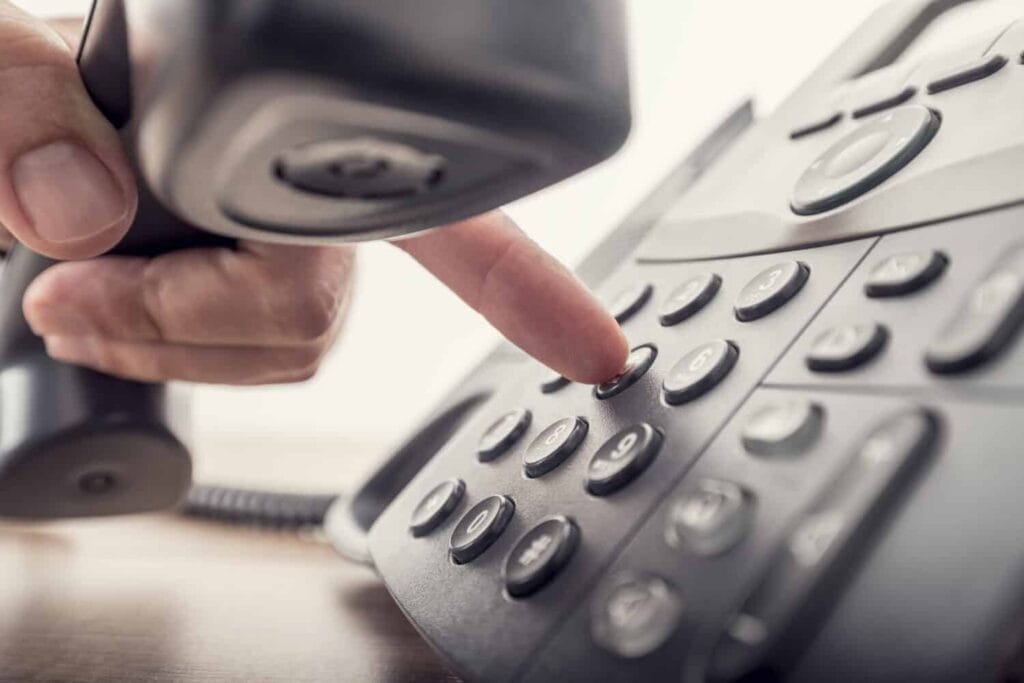
When we call a friend today, we never consider how far away they are, but this wasn’t the case in the ’70s. Calling someone across the country was considered “long distance” and was something families carefully considered before placing a call. During the 1970s, long-distance calls were billed separately from local calls. The cost depended on the distance and length of the conversation. Evenings and weekends were known to have lower calling rates, and people would plan their calls accordingly to take advantage of the discount. Some people even timed their calls to avoid running up the monthly telephone bill.