Megachurch US
ColbieCreative / iStock via Getty Images
Tom Robertson / Shutterstock.com
LMPark Photos/Shutterstock.com
Megachurch US
2020 Getty Images / Getty Images News via Getty Images
Megachurch US
2020 Getty Images / Getty Images News via Getty Images
Megachurch US
Michael Ochs Archives / Getty Images
Megachurch US
2008 Getty Images / Getty Images News via Getty Images
Missing attribution
2010 Getty Images / Getty Images News via Getty Images

2012 Getty Images / Getty Images Entertainment via Getty Images






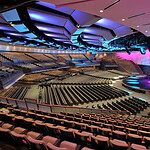


How America’s Megachurches Became So Powerful
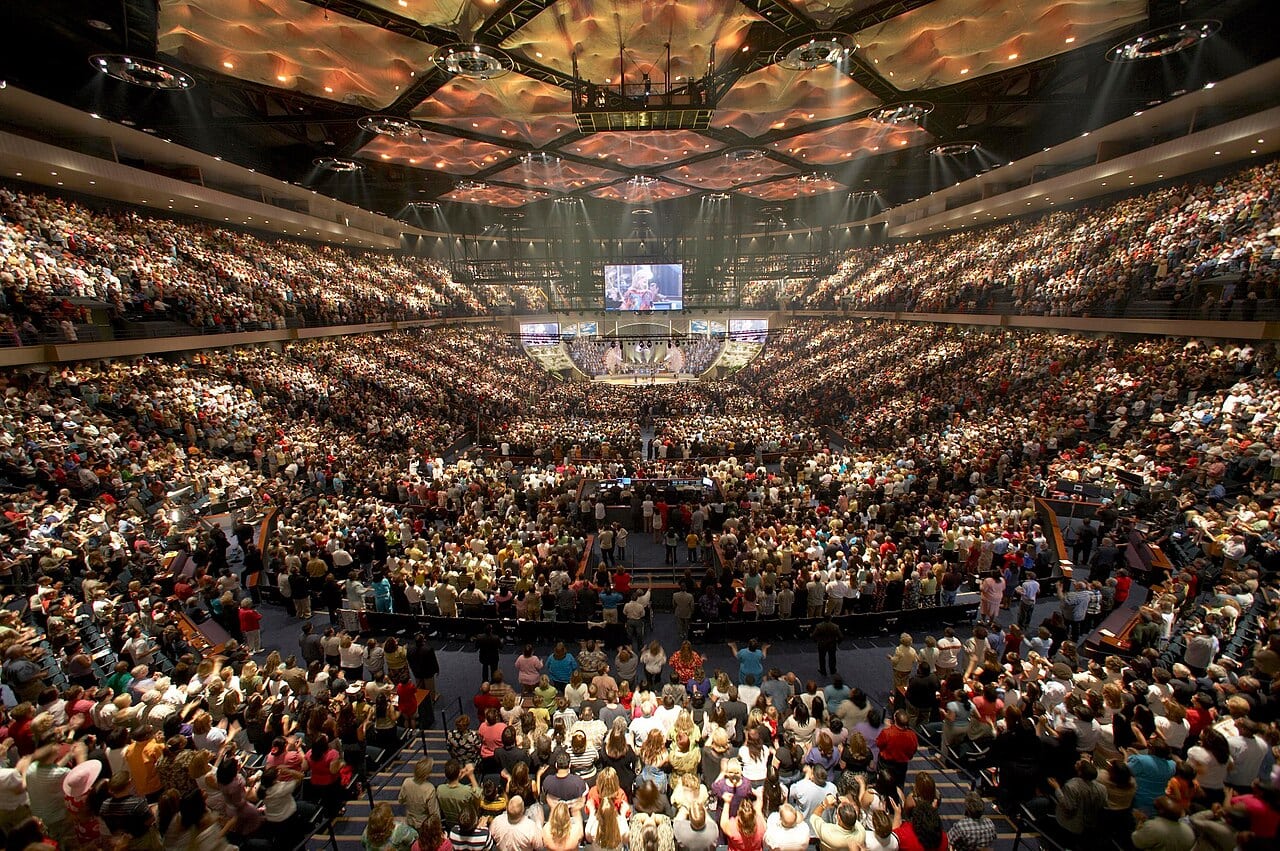
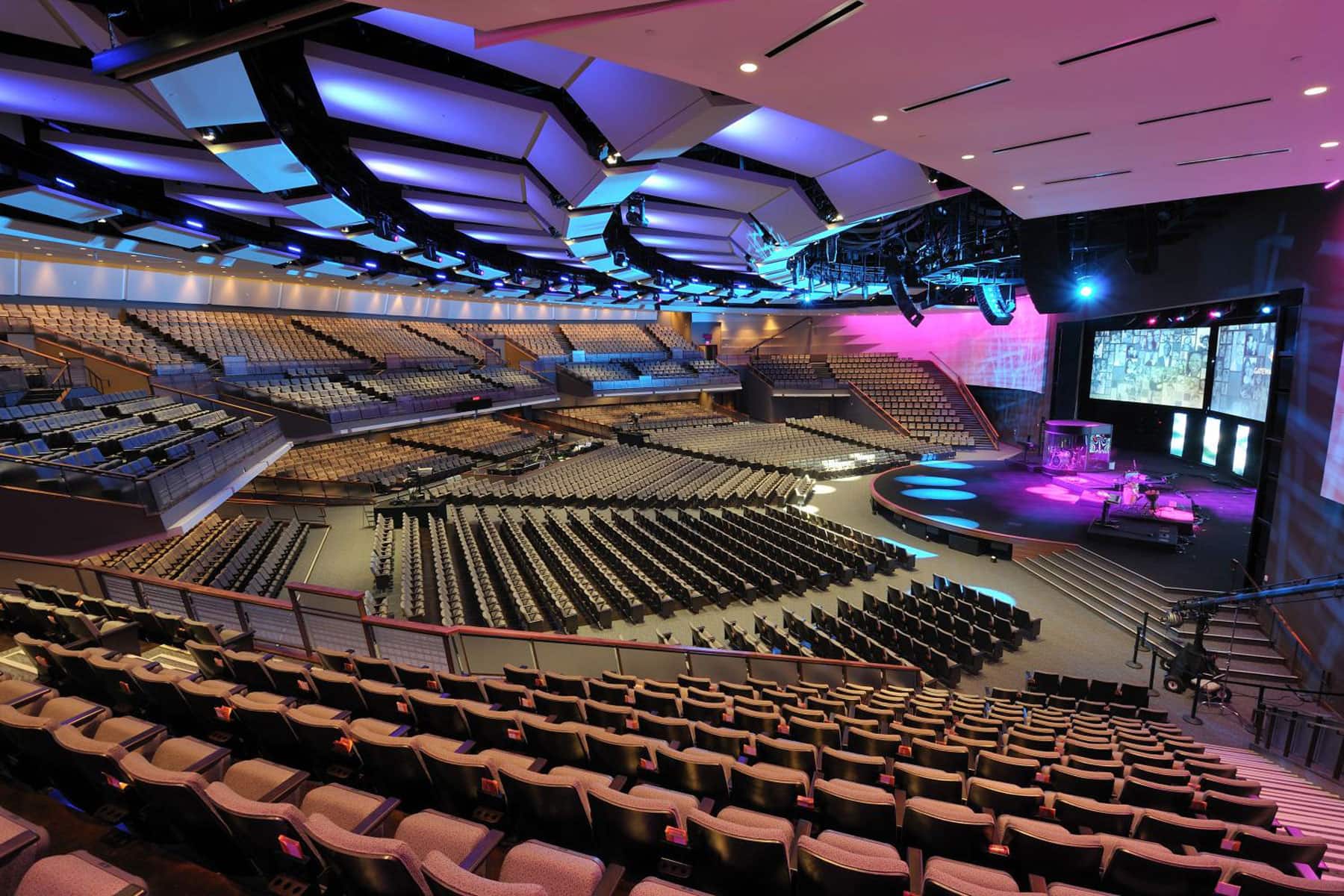
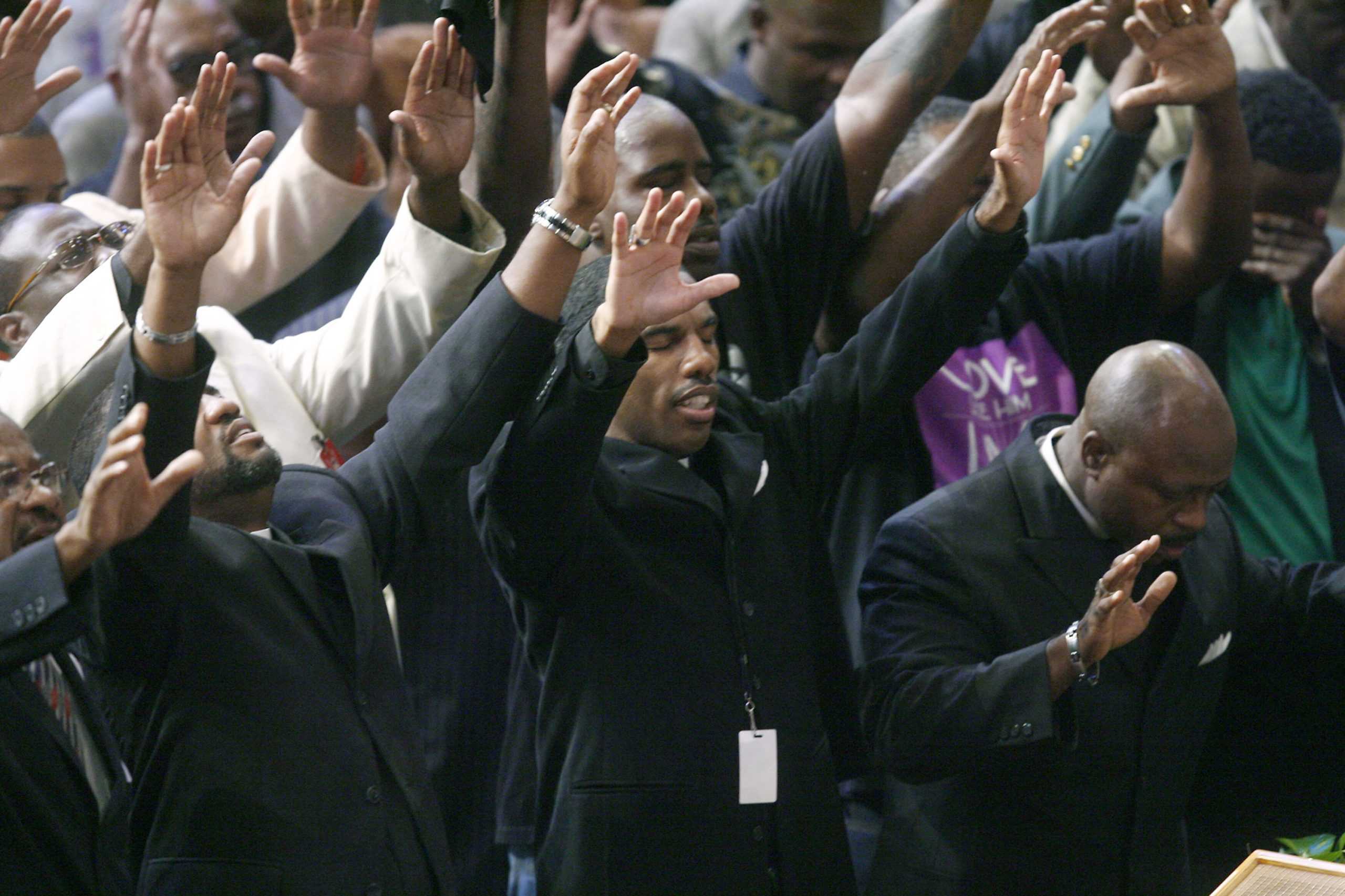
Megachurches are easy to reduce to stereotypes: enormous sanctuaries, polished worship bands, celebrity pastors, and massive budgets. The reality is more complicated. Large congregations have existed in some form for centuries, and many modern megachurches operate extensive community programs, small groups, charitable ministries, and educational programs. At the same time, their size can concentrate enormous amounts of money and influence under one roof. That makes transparency and accountability especially important. Here is how the megachurch became such a powerful force in American Christianity, and where legitimate criticism of the model begins.
What Actually Counts as a Megachurch?
Researchers generally use weekly attendance, not the physical size of a building, to define a megachurch. The most common benchmark is a Protestant congregation averaging around 2,000 or more people at worship each week. Many are nondenominational or evangelical, but megachurches are not a denomination of their own, and their theology, leadership structures, and worship styles can vary considerably.
What Actually Counts as a Megachurch? (continued)
The scale is remarkable. Research released by the Hartford Institute for Religion Research in 2026 estimated that the United States has roughly 1,850 megachurches, representing less than 1% of Protestant congregations but attracting about one in every six Protestant worshippers on a typical weekend. The same study found that 67% had surpassed their pre-pandemic attendance and 66% now qualified as multiracial congregations.
Megachurches Have Much Older Roots Than You Might Think
The modern word "megachurch" may feel new, but the basic idea is not. Religious historian David Eagle has traced important elements of the modern megachurch deep into Protestant history. During the Reformation, preaching became especially central to Protestant worship, encouraging the development of church spaces where large numbers of people could clearly see and hear the person delivering the sermon.
Megachurches Have Much Older Roots Than You Might Think (continued)
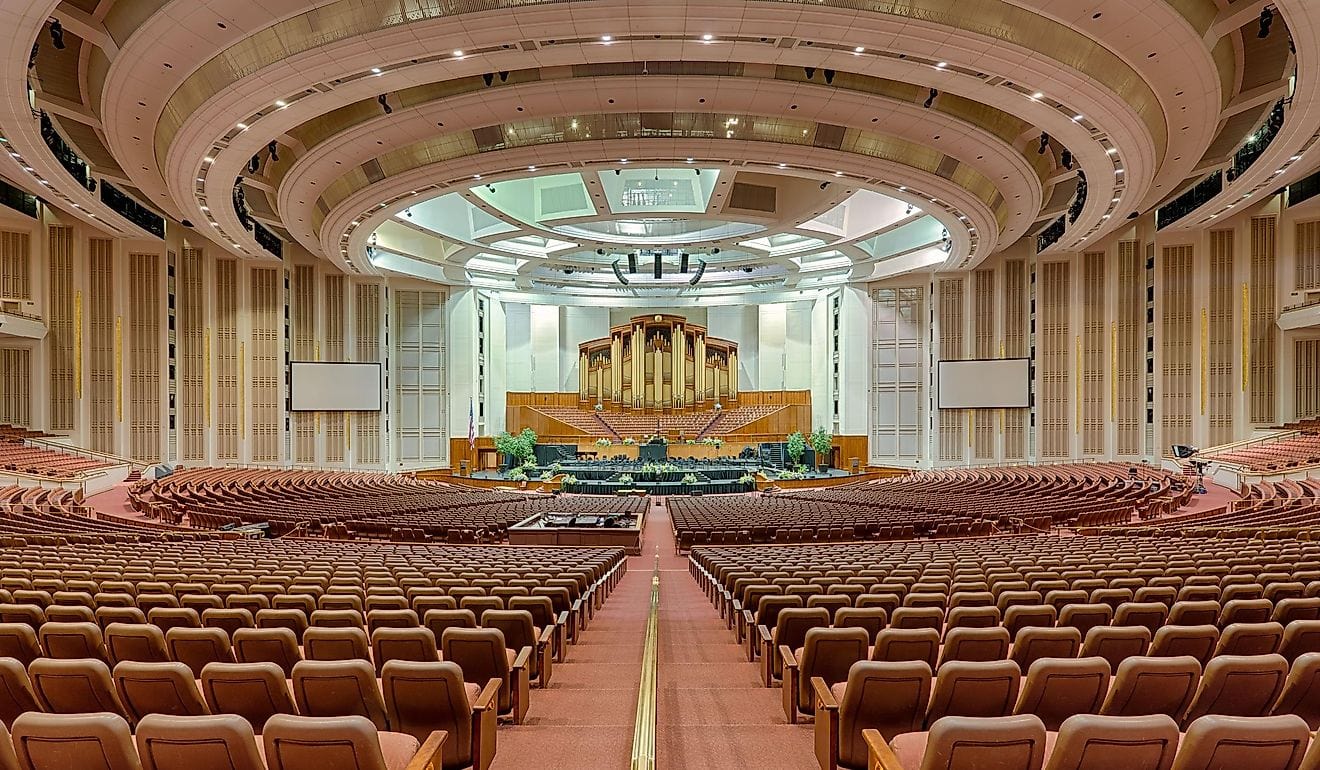
That architectural shift mattered. Rather than treating an enormous and elaborate building as the point of worship itself, many Protestant reformers emphasized its practical purpose: gathering believers, preaching the Word, and administering the sacraments. Large, centralized worship spaces eventually made it possible to gather thousands of people around a preacher centuries before microphones, video screens, livestreams, and modern sound systems existed.
A 1601 Church Design Could Hold Nearly 10,000 People
One of the most striking early examples never actually made it off the drawing board. In 1601, Huguenot architect Jacques Perret published plans for an enormous Protestant temple that historian David Eagle describes as capable of holding nearly 10,000 people on its main floor, with two additional balconies. The preacher would stand near the center of the nearly square sanctuary so worshippers throughout the building could hear the sermon.
A 1601 Church Design Could Hold Nearly 10,000 People (continued)
Perret's massive temple was never constructed, but the idea was not pure fantasy. Other large French Protestant churches followed similar principles. Historical records cited by Eagle describe a temple at Quevilly attracting around 8,000 worshippers, one at Dieppe drawing roughly 6,000, and the famous Temple de Charenton seating several thousand. Some of these buildings could also serve community purposes outside regular worship, another feature that feels surprisingly familiar today.
George Whitefield Turned Preaching Into a Mass Event
Long before television evangelists filled stadiums, George Whitefield was drawing enormous crowds in the 18th century. The English evangelist became famous for an energetic and theatrical preaching style that could hold the attention of thousands of listeners. He frequently preached outdoors, but he also commissioned large buildings known as tabernacles to accommodate the crowds attracted by the Protestant revival.
George Whitefield Turned Preaching Into a Mass Event (continued)
Whitefield's large London tabernacles could accommodate thousands of worshippers. Their comparatively centralized layouts and galleries helped put people around the preacher rather than stretching them down a long nave. Without electronic amplification, architecture itself had to help carry the speaker's voice. Whitefield demonstrated something future megachurch leaders would understand very well: reaching a very large audience requires both a compelling communicator and a space designed around that communication.
America Had Megachurch Predecessors in the 1800s
The American version began taking recognizable shape during the 19th century. Revivalist Charles Grandison Finney preached at New York's converted Chatham Street Chapel beginning in the early 1830s before moving to the purpose-built Broadway Tabernacle in 1836. The new sanctuary seated about 2,400 people and could reportedly accommodate around 4,000 when standing room was included.
America Had Megachurch Predecessors in the 1800s (continued)
The Philadelphia Baptist Temple pushed the concept even further after opening in 1891. It seated at least 3,000 people and possibly as many as 4,500 with standing room. Its larger ministry included a college, gymnasium, nearby athletic facilities, an affiliated hospital, banquet space, and a separate youth congregation that could accommodate around 2,000 people. In other words, the "church that offers everything" model was already taking shape more than a century ago.
Postwar America Created the Modern Megachurch Formula
The biggest acceleration came after World War II. America's rapidly expanding suburbs, highway system, car ownership, baby boom, and growing middle class created ideal conditions for large regional churches. Instead of walking to a small neighborhood congregation, families could drive several miles to a campus offering worship, children's programs, youth activities, classes, counseling, recreation, and other ministries in one location.
Postwar America Created the Modern Megachurch Formula (continued)
Leaders such as Robert Schuller embraced new media and suburban culture, beginning with his drive-in church in Southern California in 1955 and later broadcasting services on television. By the 1970s and 1980s, the church-growth movement helped popularize contemporary music, theater-style auditoriums, professional sound systems, extensive programming, and a focus on making church approachable to people who might never enter a traditional sanctuary. Churches such as Willow Creek and Saddleback became nationally influential examples of the model.
When the Pastor Becomes the Brand
The size of a megachurch can give its senior pastor an unusual amount of visibility and influence. Television, books, podcasts, social media, conferences, and satellite campuses can turn a local minister into a national personality. That is not automatically a problem, and charismatic preaching has been part of Christian history for centuries. Trouble can begin when the identity of the ministry and the identity of one leader become almost impossible to separate.
When the Pastor Becomes the Brand (continued)
Money is where that distinction matters most. Large churches need large budgets to employ staff, maintain facilities, operate ministries, support missions, and serve their communities. That is very different from treating donations as a path to personal luxury. Churches are generally exempt from the IRS requirement that most tax-exempt organizations file an annual Form 990, so independent boards, outside audits, and voluntary financial transparency become especially important. The fair criticism is not that a church is large or successful. It is when weak oversight allows ministry, celebrity, and personal enrichment to become difficult to tell apart.