The Walt Disney Company is almost always synonymous with family-friendly classics, animated hits, and feel-good stories. But Disney-produced films feature more than just princesses and talking animals. Through subsidiaries like Touchstone Pictures and Hollywood Pictures, the legendary company has also released a wide range of R-rated films. While many of these movies were successes, others failed considerably, forever landing in the “flop” category.
The R-rated movies on this list struggled with critics, audiences, or both. They were criticized for plotlines that fell flat and earned poor reviews, before ultimately fading into relative obscurity. Some of these films failed to connect with viewers despite strong casts or an interesting premise. In other cases, they fell short for crummy character arcs and lackluster storytelling. They remind us of the risks Disney has taken over the decades in expanding its brand. Here are some of the R-rated Disney-produced films that simply didn’t measure up.
This post was updated April 22, 2026.
1. Outrageous Fortune (1987)
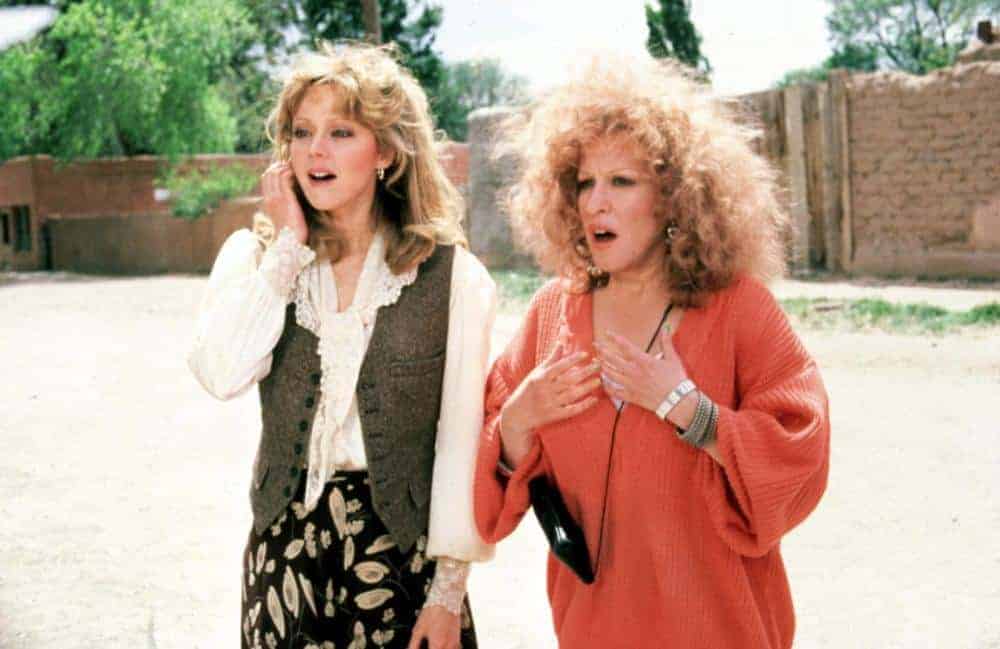
“Outrageous Fortune” is a comedy that follows two very different women who discover they were both involved with the same man. Forced together, they take a chaotic cross-country journey, filled with misunderstandings and odd personalities. While the film benefits from the quality actors and on-screen chemistry, the humor simply didn’t land. Some critics said the comedy felt forced and leaned too heavily into slapstick rather than resulting from good writing. Despite its flaws, some remember it as a lighthearted, quirky 1980s comedy.
2. Summer of Sam (1999)
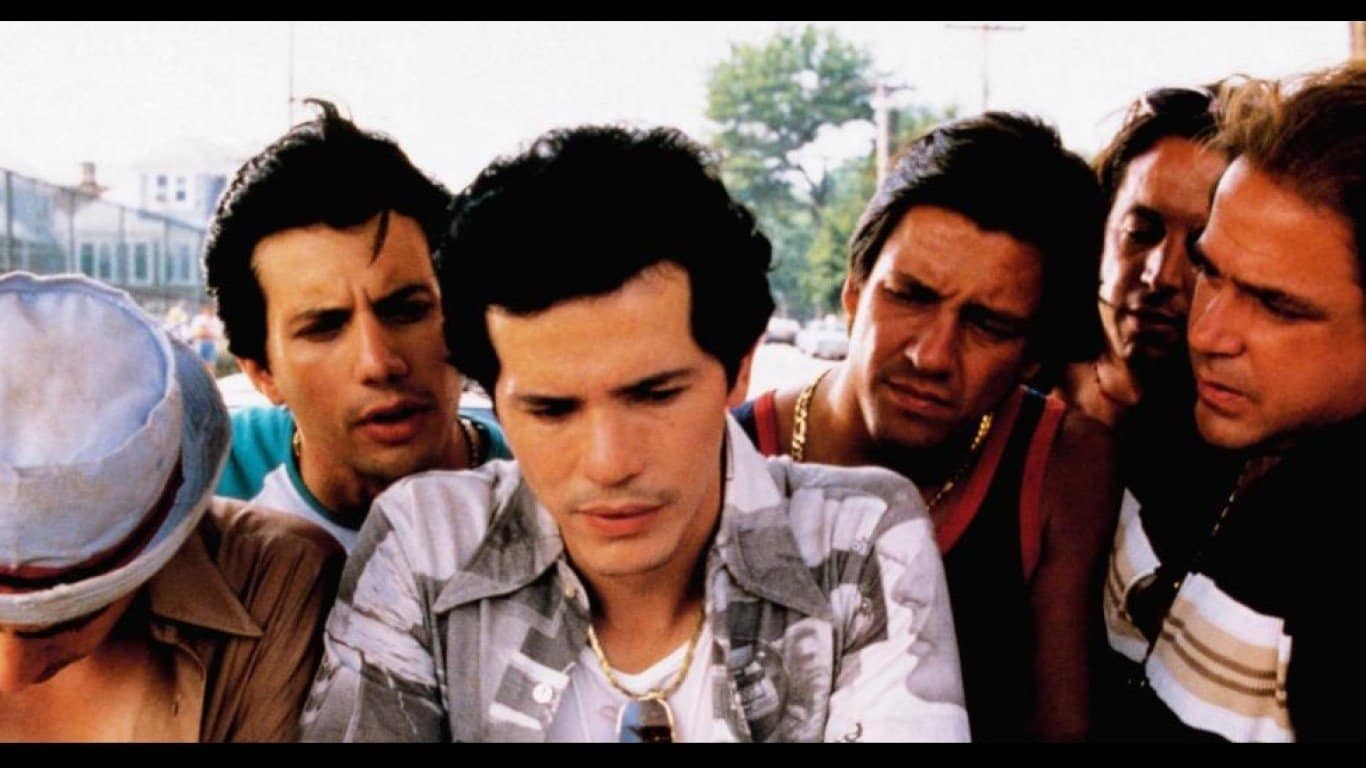
“Summer of Sam” directed by Spike Lee, explores life in New York City during the infamous Son of Sam killings in the late 1970s. However, instead of focusing solely on the crimes, the film takes a look at paranoia, relationships, and social dynamics in a Bronx neighborhood. Its ambitious choices led to mixed reactions from audiences. Some viewers liked the raw storytelling, while others found it rambling and far too long.
3. Blaze (1989)
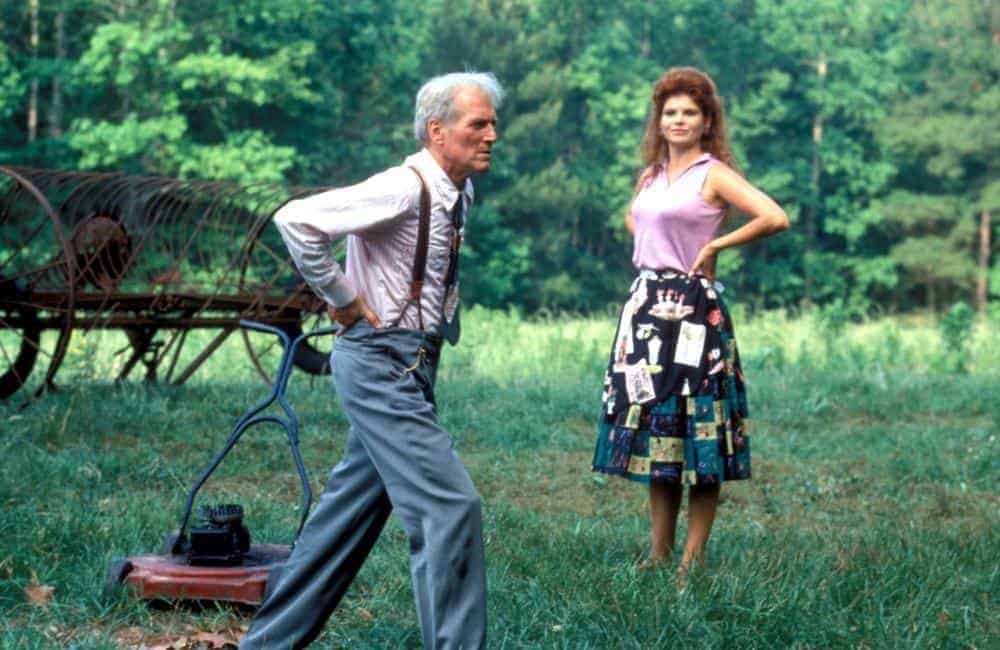
“Blaze” is a biographical drama about Louisiana governor Earl Long and his controversial relationship with a young woman named Blaze Starr. The movie made an attempt to blend political controversy with romance. While Paul Newman’s performance was praise, the film itself struggled to find a consistent tone, as though the creators themselves weren’t sure what the movie was supposed to be. Critics stated it often abruptly shifted between serious drama and satire.
4. Shopgirl (2005)

“Shopgirl,” adapted from Steve Martin’s novel, tells the story of a quiet department store employee as she contends with loneliness and navigates romantic relationships in Los Angeles. The film focuses on the emotions of the main characters rather than plot development, which led many to criticize it as slow. However, the performances from Claire Danes and Steve Martin were widely praised.
5. The Program (1993)

“The Program” offers a behind-the-scenes look at the pressures and culture of college football. It follows a group of players dealing with competition, academics, and struggles both on and off the field. The film clearly intended to highlight the intensity of the sport, but critics felt it relied too much on stereotypes and clichés. While it does a good job captures the high stakes of college football, it’s not enough to make up for its poor storytelling.
6. The Hand That Rocks the Cradle (1992)

“The Hand That Rocks the Cradle” is a psychological thriller about a nanny who uses a family for a hidden agenda. As she becomes more involved in the unsuspecting family’s lives, her intentions grow increasingly dangerous. The film builds tension through its slow unraveling of trust and control, but ultimately many critics thought the premise was exaggerated to a point of unbelievability.
7. Veronica Guerin (2003)

“Veronica Guerin” is a biographical drama about an Irish journalist investigating drug trafficking in Dublin. As she digs deeper into her cases, she faces danger and pressure from the individuals she exposes. Cate Blanchett’s intense performance was praised as authentic, but critics were disappointed that the film ultimately followed a predictable narrative. What starts as a compelling story about courage and investigative journalism unravels towards the end.
8. Mumford (1999)
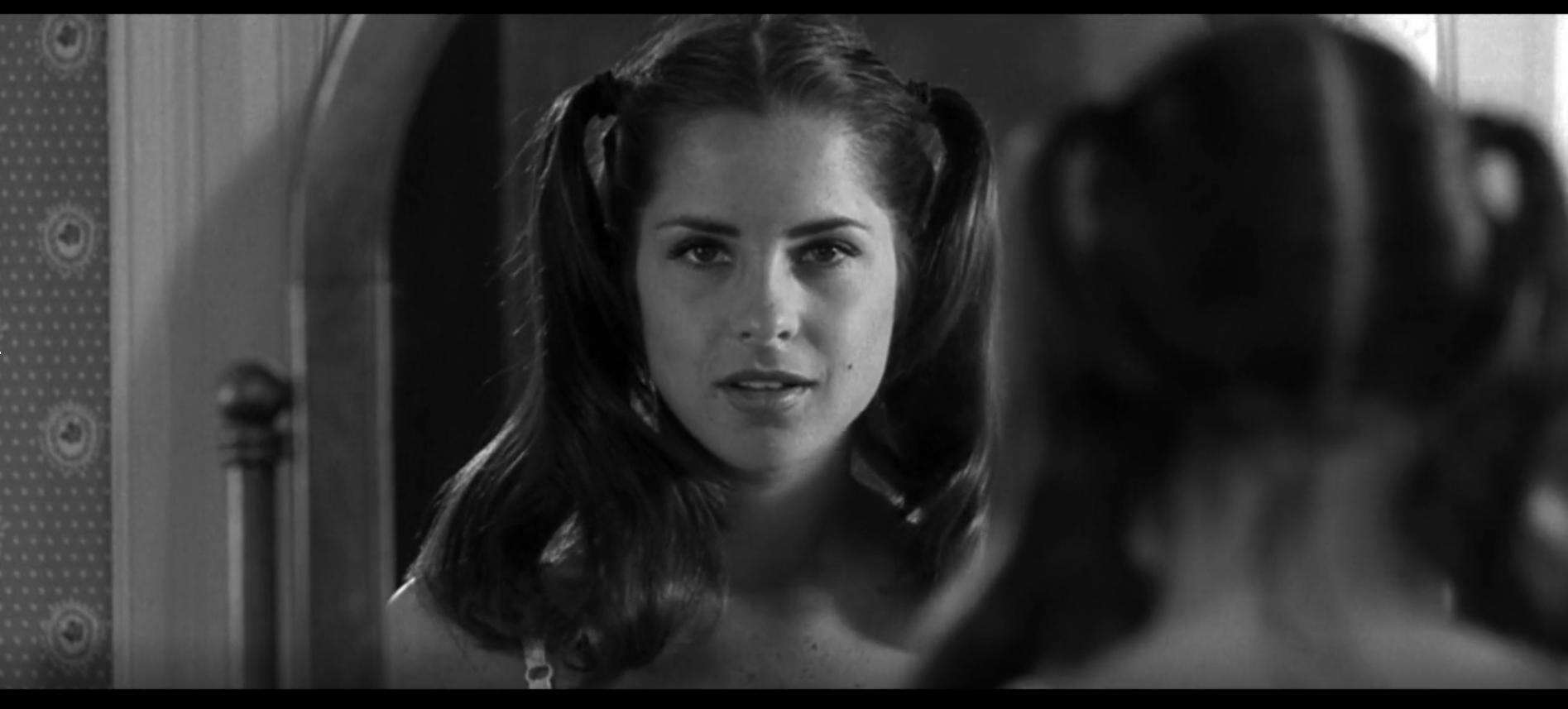
“Mumford” is a quirky drama about a therapist who moves to a small town and begins treating its eccentric residents. As he becomes more involved in their lives, secrets about his own past start to become apparent. The film was clearly meant to mix humor with drama, but its tone can feel uneven at times. Audiences found it overly sentimental.
9. Dead Presidents (1995)
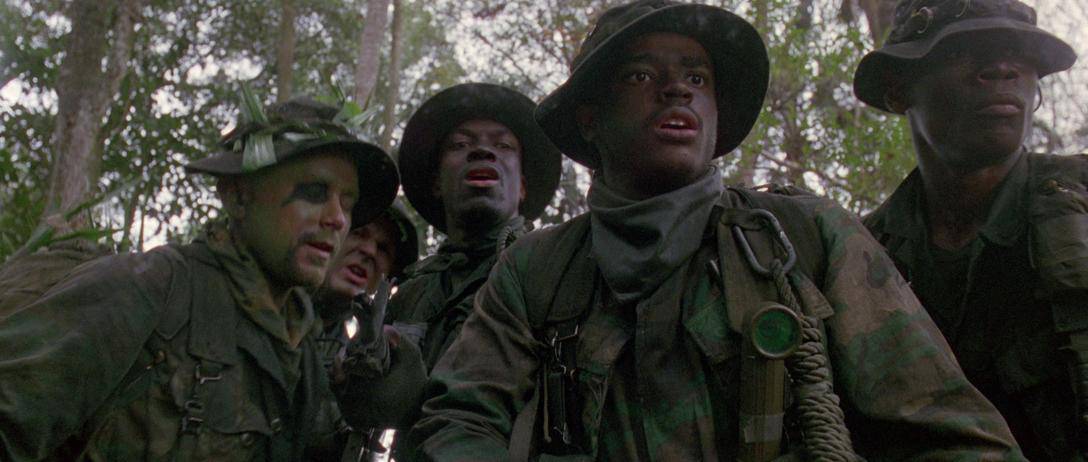
“Dead Presidents” is about a young man whose life takes a turn after serving in the Vietnam War. As he struggles to readjust to post-war civilian life, he becomes involved in a dangerous criminal plan. The film includes strong themes of war, identity, and economic challenges. While its message is powerful, the story didn’t hold together, and critics described it as “lacking cohesion.”
10. Down and Out in Beverly Hills (1986)

“Down and Out in Beverly Hills” is a comedy about a wealthy family whose lives are disrupted when they take in a homeless man. At its best, the film satirizes wealth, privilege, and social norms in an unconventional way. But its intentional offbeat humor was loved by some and hated by many. It’s certainly a unique entry in 1980s comedy.