Fin Costello / Getty Images

D-Stanley / BY 2.0

jdlasica / BY 2.0

Roger Green / BY-SA 2.0

kentarotakizawa / BY 2.0
Keystone / Hulton Archive via Getty Images

Ariya J / Shutterstock.com

SibRapid / Shutterstock.com

KarleHorn / BY 3.0
Unknown authorUnknown author / BY-SA 4.0

Comunità♔Queeniana / BY 2.0

Cportav / BY-SA 4.0
Hulton Archive / Hulton Archive via Getty Images

CLender / BY 2.0

Comunità♔Queeniana / PDM 1.0
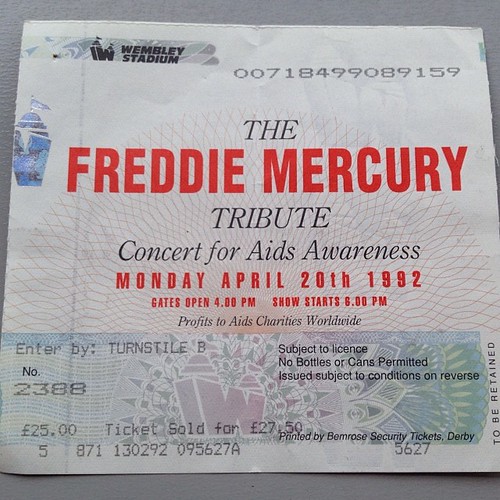
markhillary / BY 2.0

history-of / PDM 1.0

MTV International / BY 3.0
Fin Costello / Getty Images






Celebrating Freddie Mercury’s Birthday and His Remarkable Career
Freddie Mercury's birthday was on September 5, 1946, a day that remains one of the most electrifying days in rock history. Each year, fans around the world celebrate his birthday and ensure he will always be unforgettable. His influence reaches across generations, with Queen’s anthems still echoing through stadiums, films, and playlists decades later.
Before fame, Freddie’s story began in ways many don't expect. Mercury’s voice carried emotion in ways few could replicate, and it was only a matter of time before he made his own path to fame. This is the legacy of Freddie Mercury and how his life, spirit, and heart made Queen the band we know and love today.
As we revisit his journey on what would have been his birthday, we’ll explore his early life, the rise of Queen, their most legendary performances, and Mercury's enduring impact on music and culture. Sources for this piece include Rolling Stone, BBC, Queen’s official archives, and biographies such as Somebody to Love: The Life, Death, and Legacy of Freddie Mercury.
Early Years in Zanzibar
Freddie Mercury was born Farrokh Bulsara on September 5, 1946, in Stone Town, Zanzibar. He spent much of his early childhood surrounded by music and cultural diversity, with his global perspective influencing his early artistic leanings.
Moving to England
After political upheaval in Zanzibar, Freddie’s family relocated to England in 1964. The move placed him in the heart of a thriving music scene during the British Invasion, and it was in London that his artistic identity began to crystallize.
Art Student and Dreamer
Mercury studied art and graphic design at Ealing Art College. He explored his passion for fashion and performance, often sketching ideas for stage costumes, foreshadowing the theatrical style he later brought to Queen.
First Steps in Music
Before Queen, Freddie performed with bands like Ibex and Sour Milk Sea. These early groups never found fame, but they gave him valuable stage experience and hinted at the superstar he was becoming.
Queen Is Formed
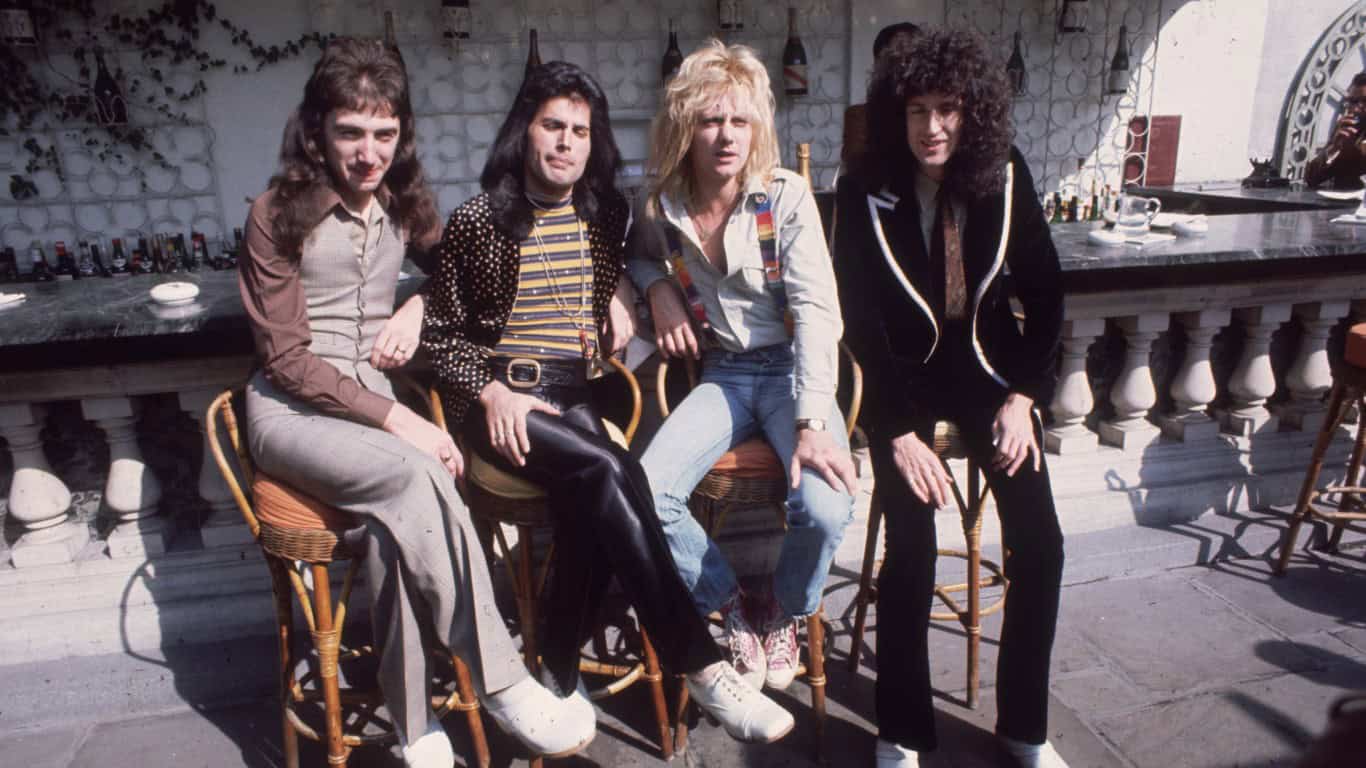
In 1970, Mercury joined guitarist Brian May and drummer Roger Taylor to form Queen, with John Deacon completing the lineup the following year. Their chemistry was undeniable, and Mercury quickly became the band’s frontman.
Breakthrough Success
Queen’s early albums built momentum, but it was 1975’s A Night at the Opera that made them global stars. The record featured ‘Bohemian Rhapsody,’ a six-minute epic that defied industry norms. Freddie’s daring vision paid off, and the song became one of the most iconic in rock history.
Freddie’s Stage Persona
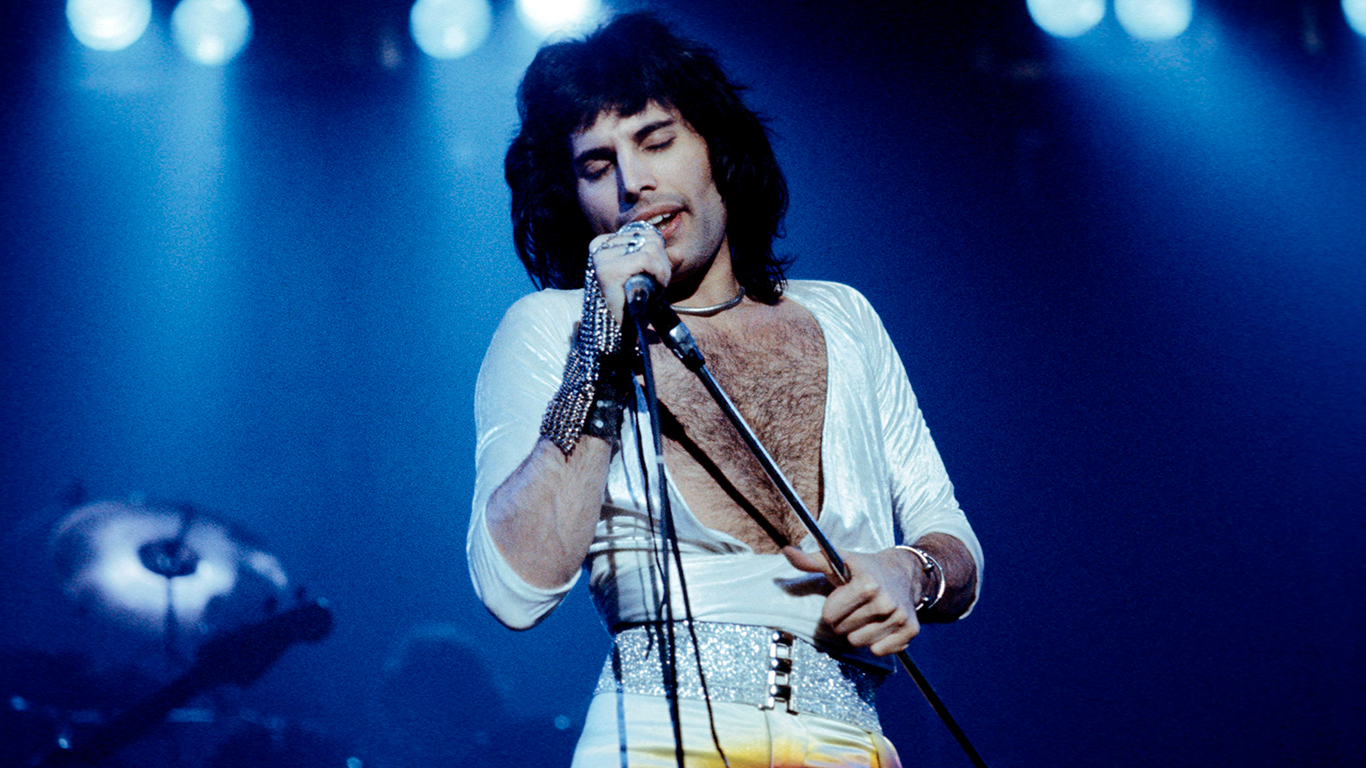
Mercury embraced flamboyance, strutting across the stage in tight leotards, capes, and so much more. His confidence created a magnetic energy that captivated audiences worldwide, transforming concerts into theatrical affairs.
Greatest Hits Emerge
Throughout the 1970s and 1980s, Queen released a string of hits like ‘Somebody to Love,’ ‘We Will Rock You,’ and ‘We Are the Champions.’ These songs still serve as soundtracks for celebrations and victories across the globe, becoming unforgettable.
Live Aid Triumph
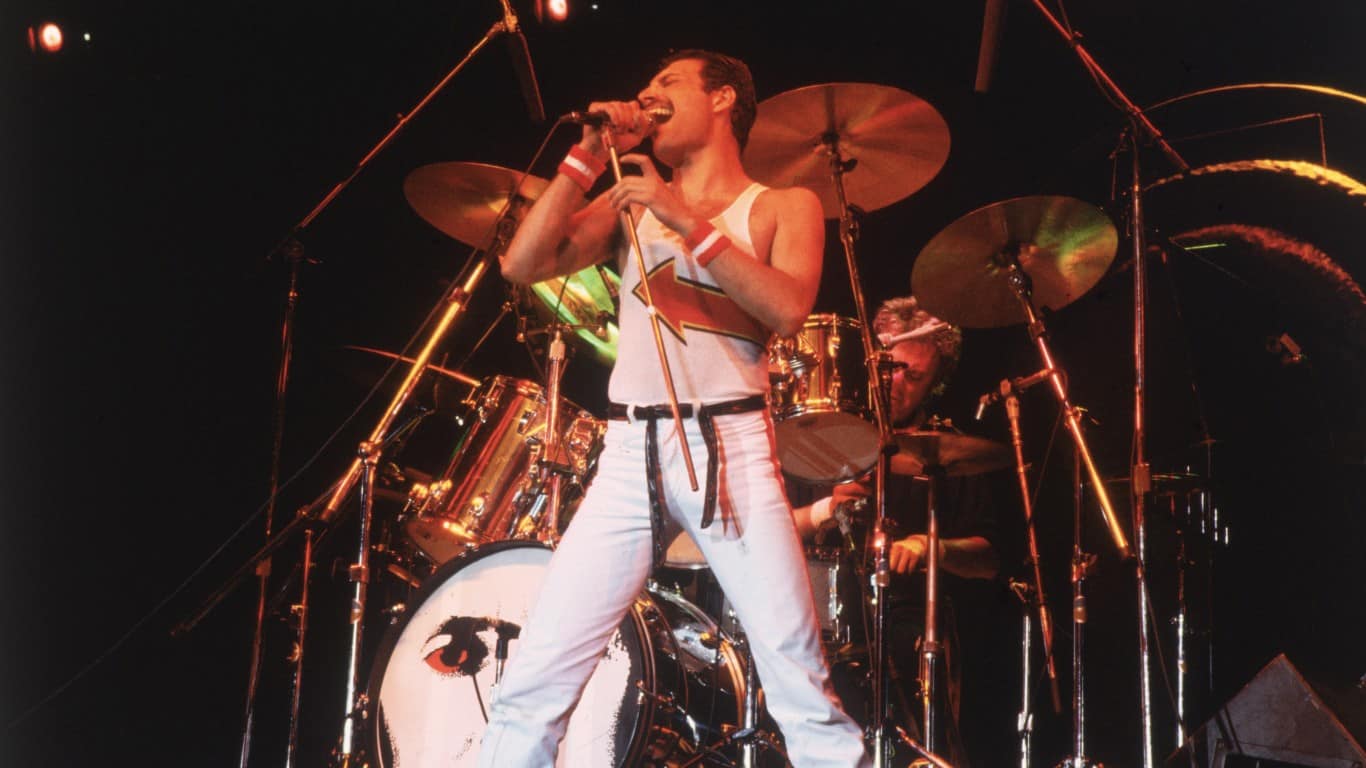
On July 13, 1985, Freddie led Queen in their legendary Live Aid performance. His 20-minute set is often hailed as one of the greatest live performances in rock history. The sight of 70,000 fans clapping in unison remains etched in music lore, cementing Queen as an unforgettable band.
Personal Life
Though intensely private, Freddie surrounded himself with close friends and companions who grounded him. His long-term relationship with Mary Austin became one of the most meaningful connections of his life. He once described her as his common-law wife despite not being legally married.
Solo Projects
Outside of Queen, Mercury released solo albums like Mr. Bad Guy in 1985. He experimented with different styles as well, including disco and opera. His duets, especially with opera star Montserrat Caballé, showcased his fearless creativity.
Facing Illness
By the late 1980s, Freddie began showing signs of illness, though he kept it largely private. In 1987, he was diagnosed with AIDS, a reality he revealed only shortly before his death. Despite his condition, he continued recording music and living the life he wanted to live.
The Miracle Sessions
Even as his health declined, Mercury pushed through to record songs for The Miracle and Innuendo. His voice carried incredible strength, often completed in just a few takes, something that's impressive for any artist, let alone one struggling with health concerns.
Final Years
Freddie Mercury spent his last years surrounded by trusted friends in his home, Garden Lodge. He worked tirelessly in the studio whenever he could, determined to leave behind as much music as possible. His courage inspired bandmates and fans alike.
Death and Tributes
Freddie Mercury died on November 24, 1991, at the age of 45. The news shocked the world, and tributes poured in from across the globe, cementing his place as an irreplaceable icon.
The Freddie Mercury Tribute Concert
In April 1992, Queen and an array of global stars performed at Wembley Stadium to honor Freddie’s life. The concert raised awareness and millions for AIDS charities. It stands as one of the most powerful tributes in music history.
Legacy in Pop Culture
Freddie’s influence endures today through films, covers, and countless new artists citing him as inspiration. The 2018 film Bohemian Rhapsody introduced his story to a new generation, which is just another reason why his artistry continues to resonate.
Enduring Icon
Today, Freddie Mercury is remembered not only as Queen’s frontman but as one of the greatest vocalists ever. His artistry pushed boundaries of what rock music could be. Each birthday reminds fans of the joy, defiance, and brilliance he left behind.