Natalia Lisovskaya/Shutterstock.com

Olesya_sh/Shutterstock.com

Nikolai Averin / Shutterstock.com

Ralph Notaro / Shutterstock.com

Butsaya / Shutterstock.com
ddukang / Getty Images

The Image Party / Shutterstock.com

IbanezJem7v / Shutterstock.com

Juliet Arza / Shutterstock.com

sky-and-sun / Shutterstock.com




9 Things Americans Get Wrong About Sushi
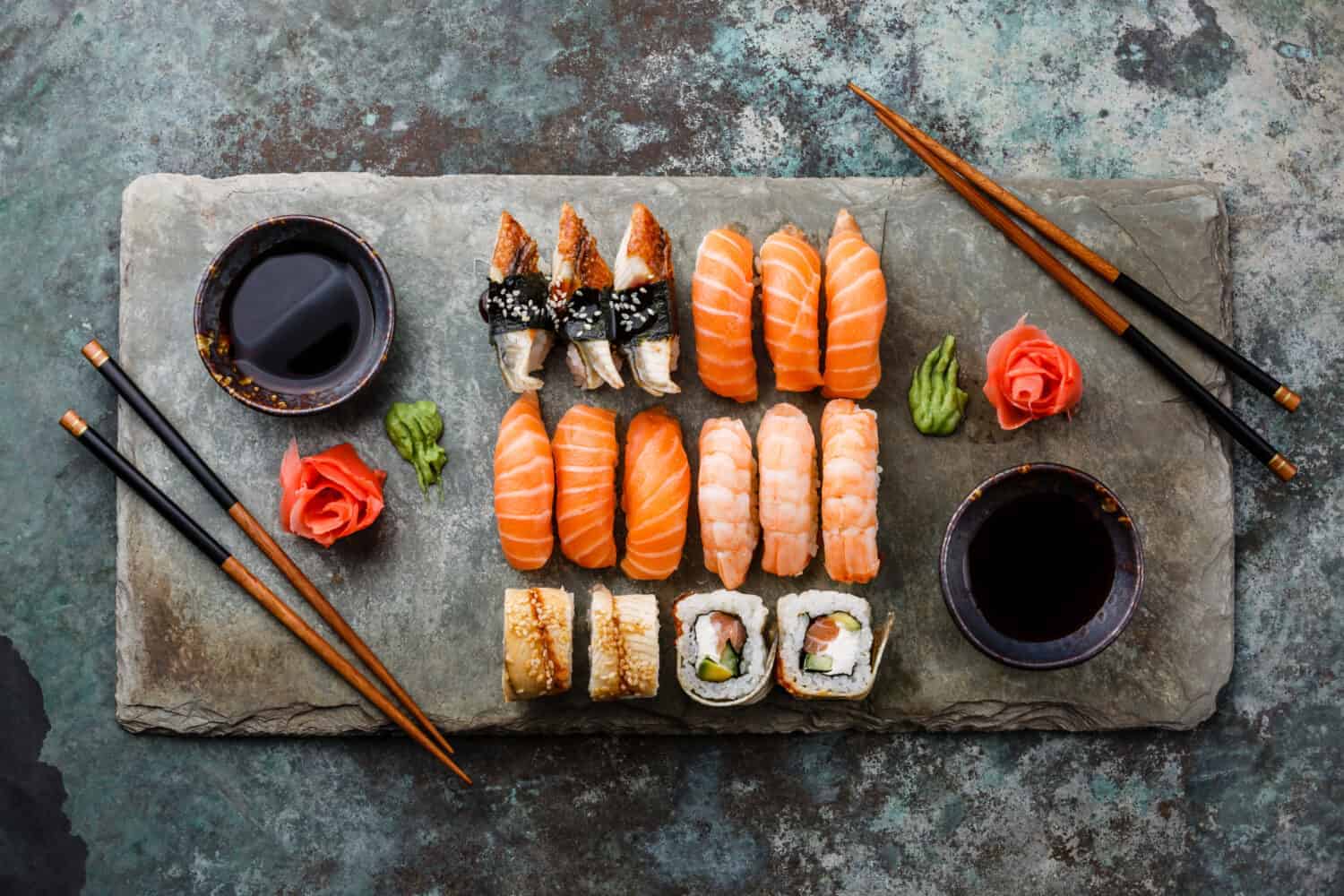
Sushi has become a favorite for everything from quick lunches to special dinners, but there is a lot more to it than picking a roll off the menu. At its core, sushi is built around vinegared rice paired with ingredients like seafood, vegetables, and egg. Some styles use raw fish, others use cooked ingredients, and plenty do not include fish at all.
In the U.S., sushi has taken on a life of its own, with popular creations like California rolls, spicy tuna rolls, avocado rolls, and Philadelphia-style rolls. But many of the habits Americans have picked up along the way are not exactly how sushi is traditionally eaten in Japan. Before your next sushi night, here is a look at its history, customs, and a few etiquette rules you might not know.
When Was Sushi Invented?
Sushi does not have a single invention date. One of its earliest ancestors was narezushi, a method of preserving salted fish with rice through lactic acid fermentation that is thought to have reached Japan along with rice cultivation from continental Asia. Japan's Ministry of Agriculture, Forestry, and Fisheries identifies funazushi as one of the oldest surviving forms of narezushi.
One Wakayama narezushi tradition has a history of more than 800 years. In that preparation, mackerel is salted for at least a month, desalted, combined with cooked rice, wrapped tightly in leaves, and allowed to ferment for several days. Narezushi has traditionally been served during autumn festivals in the region, sometimes accompanied by ginger and amazake. Japan’s Ministry of Agriculture, Forestry, and Fisheries shares a modern recipe for narezushi.
Sushi was being eaten in the United States by the early 1900s, decades before it became a mainstream American food. World War II and the forced removal and incarceration of Japanese Americans disrupted Japanese American communities and businesses across the West. In Los Angeles, Kawafuku added a sushi bar around 1965 and became one of the restaurants that helped introduce nigiri sushi to a wider American audience. Other Little Tokyo restaurants soon followed.
The California roll is generally associated with Los Angeles in the 1970s, but its exact inventor remains disputed. One widely cited account credits Tokyo Kaikan chef Ichiro Mashita with using avocado and crab when fatty tuna was unavailable. Other histories credit different Los Angeles sushi chefs, so the roll's precise origin cannot be stated with certainty.
American Sushi vs. Japanese Sushi Explained
Both Japanese and American-style sushi are built around vinegared rice, but the toppings and combinations can be very different. Japanese sushi includes many styles, although traditional nigiri and maki often emphasize the rice and a relatively small number of carefully prepared ingredients. Nori is common in rolls, while nigiri generally consists of a topping placed directly over vinegared rice.
American-style rolls often combine additional ingredients and sauces such as avocado, cream cheese, spicy mayonnaise, tempura, and other cooked fillings. These differences are better understood as adaptations to different tastes rather than one version being inherently right or wrong.
Soy sauce, pickled ginger, and wasabi are common accompaniments at sushi restaurants, although they are not necessarily served with every type of sushi or in every restaurant. Etiquette can also vary by setting. A high-end sushi counter may follow more formal customs than a casual conveyor-belt restaurant.
Never Cut Your Sushi Into Bite-Sized Pieces
Traditional nigiri is generally made in bite-sized portions and is typically eaten whole soon after the chef serves it. Using a knife and fork to cut a piece of nigiri is not the traditional approach. Sushi rolls are normally sliced into individual pieces by the chef before they reach the table. If a piece is unusually large, however, eating comfortably is more important than forcing it into one bite.
Use Chopsticks or Your Fingers
Both chopsticks and your fingers are acceptable ways to eat sushi. The Japan National Tourism Organization notes that chopsticks are commonly used, while eating sushi with your hands is also perfectly acceptable, especially at traditional sushi counters. An oshibori, the damp towel often provided at Japanese restaurants, is intended for cleaning your hands before eating. If you need another type of utensil, you can ask the restaurant, although one may not be available at more traditional establishments.
Do Not Dip the Rice Side Into the Soy Sauce
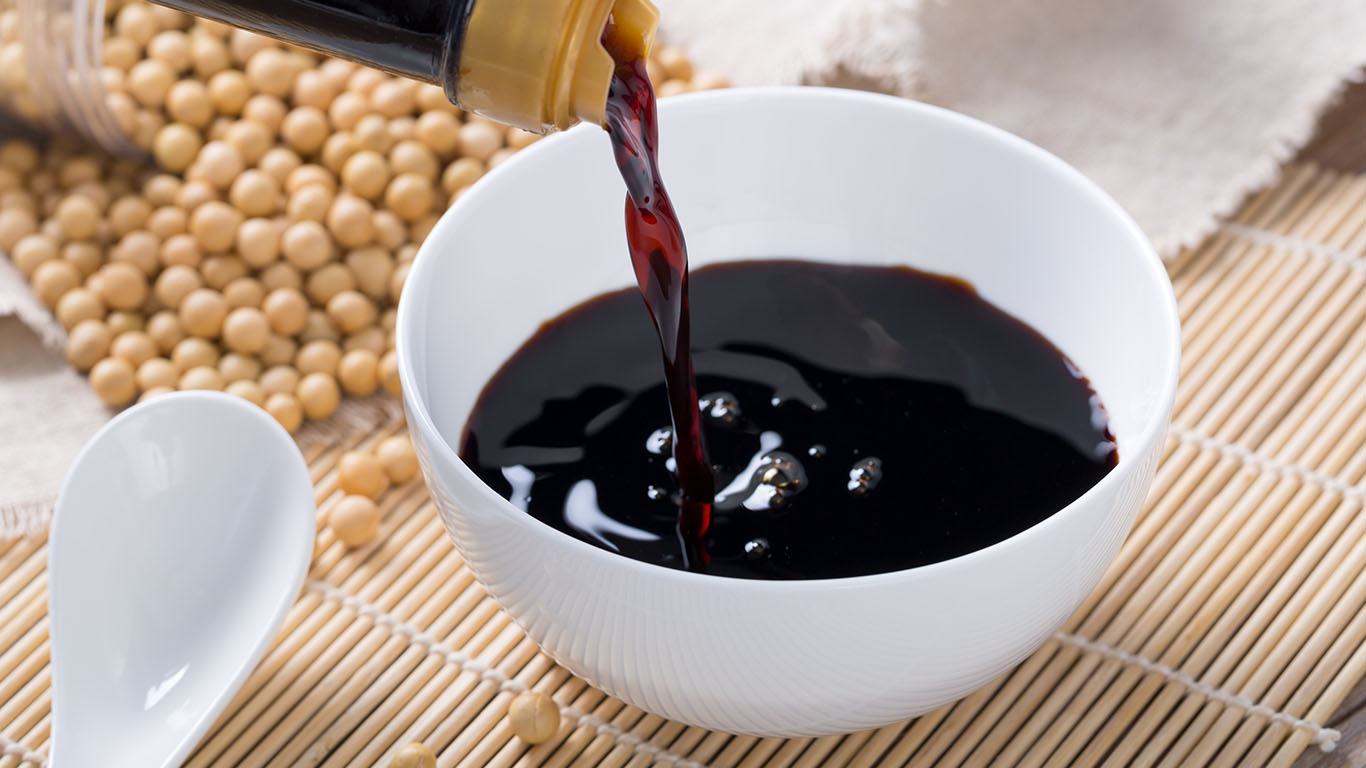
When eating nigiri, turn the piece gently so the topping, rather than the rice, gets a light touch of soy sauce. Dipping the rice directly into soy sauce allows it to absorb too much liquid, which can overpower the flavor and cause the rice to fall apart. If the chef has already brushed or seasoned the sushi, additional soy sauce may not be necessary. Rolls can also be dipped lightly if desired, but there is no need to soak them.
Eat Pickled Ginger Between Pieces as a Palate Cleanser
Pickled ginger, known as gari, is traditionally eaten between different pieces or orders of sushi to refresh the palate. It is not intended to be placed on top of the sushi. Eating it separately helps clear lingering flavors before you move on to the next type of fish.
Go Easy on Extra Wasabi
At many traditional sushi counters, the chef already places an appropriate amount of wasabi between the fish and rice, so extra wasabi may not be necessary. If you do want more, use a small amount so it does not overwhelm the other flavors. Traditional Japanese sushi etiquette also generally calls for keeping wasabi separate from the soy sauce rather than stirring the two together. Casual restaurants tend to be more relaxed about these customs.
Don't Stand Your Chopsticks Upright in Rice
When you pause during a meal, use a chopstick rest when one is provided. Two of the most important chopstick taboos in Japan are sticking chopsticks vertically into a bowl of rice and passing food directly from one person's chopsticks to another person's. Both practices resemble rituals associated with Japanese funerals and should be avoided at the table.
Sake Can Be Enjoyed With Sushi
Sake is made primarily from rice, but that does not mean it should only be enjoyed after a sushi meal. The Japan National Tourism Organization specifically recommends sake as an excellent pairing with sushi, and different styles of sake can complement different kinds of seafood. Green tea is another traditional choice and is especially common at casual and conveyor-belt sushi restaurants. Ultimately, either can be enjoyed alongside the meal.