Lukas Bischoff / Getty Images

No machine-readable author provided. Marsyas assumed (based on copyright claims)., CC BY-SA 3.0 , via Wikimedia Commons
Paul Hermans, CC BY-SA 3.0 , via Wikimedia Commons
Badgernet, CC BY-SA 3.0 , via Wikimedia Commons

Public Domain / Wikimedia Commons

James Wilson Carmichael, Public domain, via Wikimedia Commons

DoD photo by: PH3(AW/SW) JAYME PASTORIC, USN, Public domain, via Wikimedia Commons

U.S. Navy (A503 FM30-50 booklet for identification of ships, published by the Division of Naval Inteligence of the Navy Department of the United States), Public domain, via Wikimedia Commons

GeorgePhoto, CC BY-SA 4.0 , via Wikimedia Commons

Qualiesin, CC BY-SA 4.0 , via Wikimedia Commons

Public Domain / Wikimedia Commons

jjsala, CC BY 2.0 , via Wikimedia Commons

Martin Bahmann / Wikimedia Commons
Naval History & Heritage Command, Public domain, via Wikimedia Commons

Public Domain / Wikimedia Commons

Public domain via Wikimedia commons

Bcarlsness / Getty Images

Albert Kok2, CC BY-SA 3.0 , via Wikimedia Commons

Frank Leslie's Illustrated Newspaper, Public domain, via Wikimedia Commons

See page for author, Public domain, via Wikimedia Commons
George Grantham Bain, Public domain, via Wikimedia Commons

Cmeide / Wikimedia Commons

U.S. Library of Congress

Public Domain / Wikimedia Commons

JavierKohen, CC BY-SA 3.0 , via Wikimedia Commons

Public Domain via Wikimedia commons

Francis Godolphin Osbourne Stuart, Public domain, via Wikimedia Commons

Public Domain / Wikimedia Commons

Jacklee / Wikimedia Commons

Pool / Getty Images Entertainment via Getty Images

29 Famous Shipwrecks and the Stories Behind Them
Ships are built to survive rough seas, but history is full of reminders that the ocean rarely cooperates. Some vessels went down in battle, others were caught by storms, and a few barely made it out of port. Centuries later, their remains are still turning up on seabeds, reefs, and beaches around the world.
These 29 shipwrecks tell more than stories of lost cargo and daring discoveries. They reveal how people traveled, fought, traded, and sometimes paid the ultimate price at sea. From an ancient vessel carrying a remarkable astronomical device to the battleship still resting beneath a memorial at Pearl Harbor, each wreck has a story worth knowing. Some dates and treasure claims have been corrected, and a few long-standing mysteries remain just that: mysteries.
Antikythera shipwreck
- Lost: About 60–50 BC
- Location: Off Antikythera, Greece
- Discovery: 1900
Greek sponge divers stumbled onto this ancient wreck in 1900, setting off one of archaeology’s most remarkable underwater discoveries. Its cargo included luxury goods, bronze and marble sculptures, and a mysterious geared device now called the Antikythera mechanism. Researchers have shown that the mechanism modeled astronomical cycles and could predict eclipses. Here’s the important date correction: the ship went down in the first century BC, even though some artwork aboard was centuries older. A collection of old statues does not mean the wreck itself dates to the fourth century BC.
Nuestra Señora de Atocha
- Lost: 1622
- Location: Florida Keys, United States
- Discovery: Main treasure cargo located in 1985
The Spanish galleon Nuestra Señora de Atocha sailed out of Havana with silver, gold, emeralds, and other valuable cargo in 1622. A hurricane tore through the fleet near the Florida Keys, sinking several ships before they could reach Spain. Treasure hunter Mel Fisher and his team spent years searching before locating the Atocha’s main cargo in 1985. The haul included silver bars and coins, but its real historical value goes well beyond the price of precious metals. The recovered objects reveal how trade, conquest, and colonial wealth shaped the Spanish Empire.
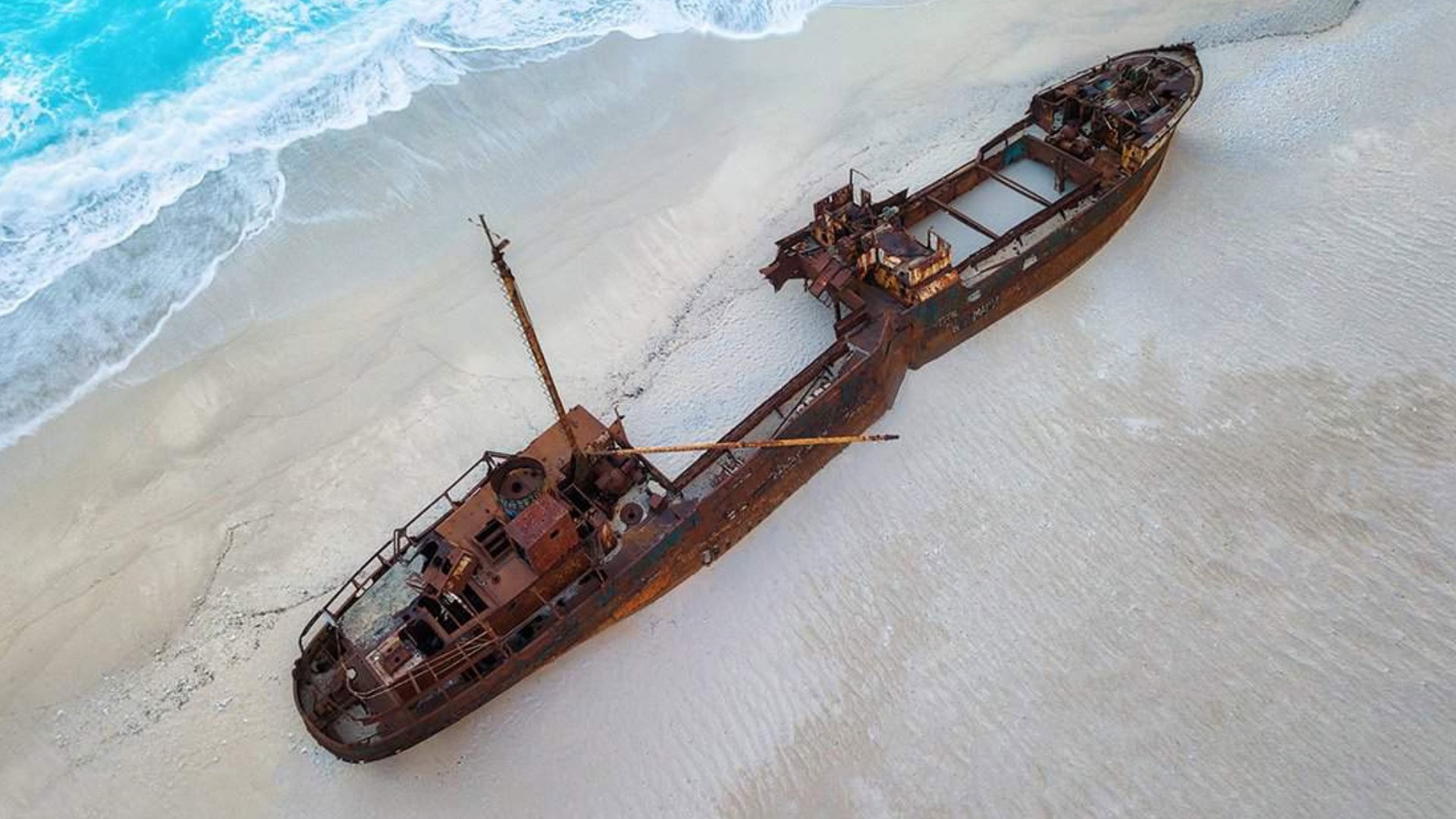
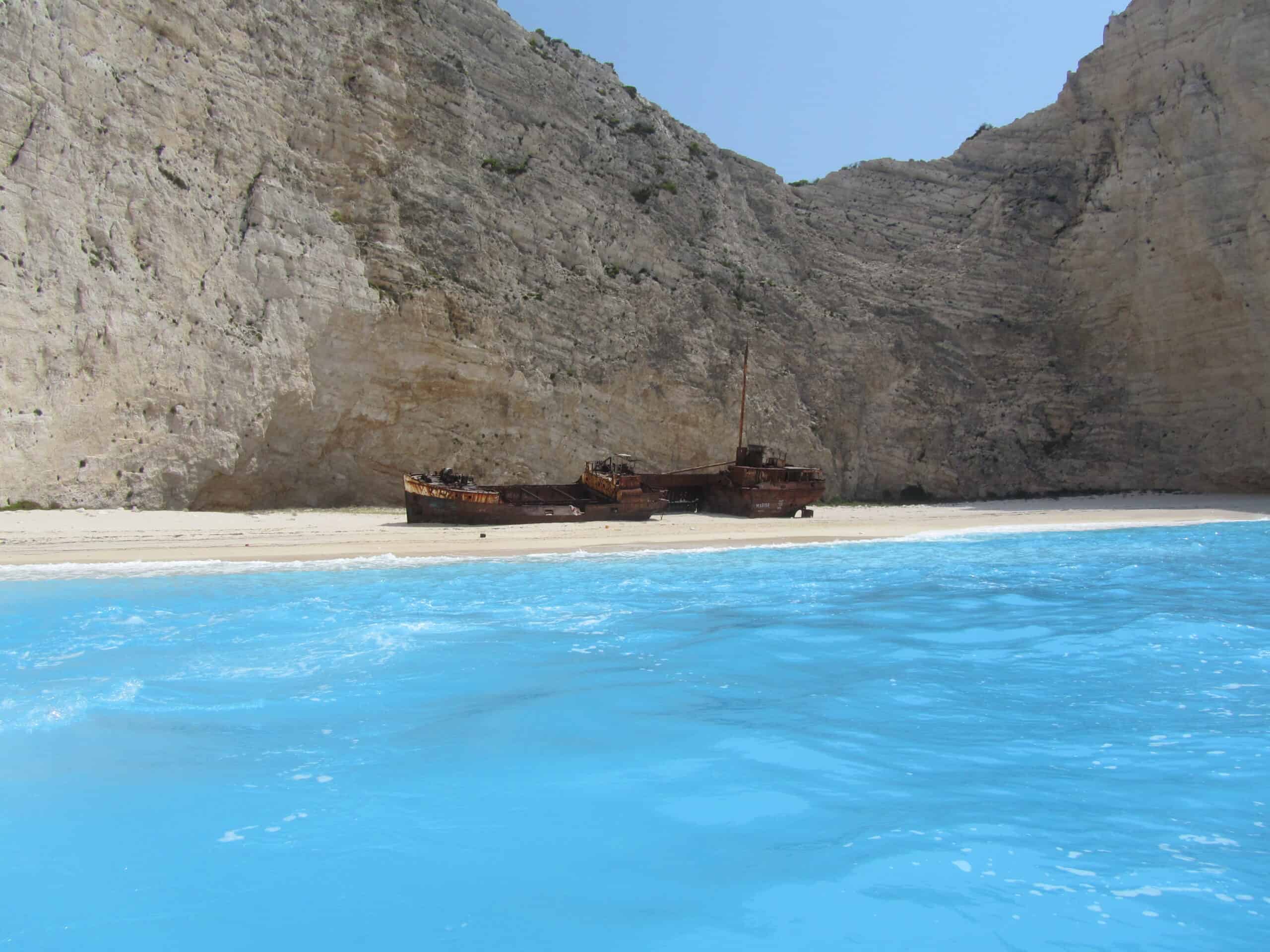
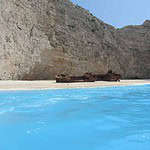
Panagiotis
- Lost: Ran aground in 1980
- Location: Navagio Beach, Zakynthos, Greece
- Discovery: Remains visible on the beach
Few shipwrecks have had a second life quite like the Panagiotis. The coastal freighter ran aground in 1980 on a tiny beach tucked between the limestone cliffs of Zakynthos. Its rusting hull helped turn the cove into one of Greece’s most recognizable photographs. Tales about cigarette smuggling and pursuit have become part of the legend, although accounts of exactly how the vessel ended up there differ. Important for would-be visitors: the beach itself has been closed to landings because of safety concerns. Boat excursions may offer views from offshore, subject to local restrictions.
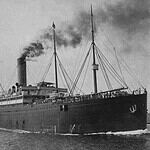
RMS Republic
- Lost: 1909
- Location: Off Nantucket, Massachusetts
- Discovery: Wreck located in the 20th century
A fog-bound collision between the ocean liner Republic and the Italian ship Florida in January 1909 killed six people. What followed was an extraordinary rescue. Wireless operator Jack Binns sent distress calls, allowing other vessels, including the Baltic, to help evacuate passengers before Republic sank. The wreck is sometimes said to contain an enormous fortune in gold coins, but the existence of that cargo has never been demonstrated. The proven story is impressive enough: an early example of wireless communication helping prevent a far greater maritime tragedy.
HMS Erebus
- Lost: Abandoned in 1848
- Location: Canadian Arctic, near King William Island
- Discovery: 2014
Sir John Franklin left Britain in 1845 with HMS Erebus, HMS Terror, and 129 men, hoping to chart a Northwest Passage. Both vessels became trapped in Arctic ice, and the expedition disappeared. Erebus was found in 2014 and Terror in 2016, with Inuit knowledge playing an essential role in guiding searches. A famous written message describing Franklin’s death and the abandonment of the ships was recovered on land in the 19th century—not from inside the newly found wreck. Ongoing archaeology continues to reveal details of the crew’s final years.
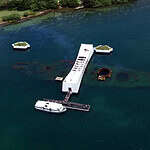
USS Arizona
- Lost: 1941
- Location: Pearl Harbor, Hawaii
- Discovery: Site preserved as a memorial
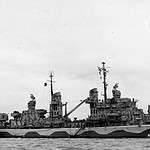
The battleship USS Arizona (BB-39) was moored at Pearl Harbor when Japanese aircraft attacked on December 7, 1941. Bombs triggered an explosion in its forward ammunition magazines, devastating the vessel and killing 1,177 service members. The sunken hull remains in the harbor beneath the USS Arizona Memorial, which honors the men who died aboard. Unlike some wrecks on this list, Arizona was never a forgotten ship waiting to be rediscovered. Its location is a protected place of remembrance, and for many families it is also a final resting place.
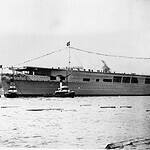
Graf Zeppelin
- Lost: 1947
- Location: Baltic Sea, north of Poland
- Discovery: 2006
Nazi Germany launched the aircraft carrier Graf Zeppelin in 1938 but never completed it for active service. Its wartime story ended largely at dockside. German forces scuttled it as Soviet troops approached in 1945; the Soviets later raised the vessel, examined it, and used it for explosive and torpedo tests. It finally sank in the Baltic in 1947. A Polish survey vessel detected the huge wreck in 2006, and subsequent investigations matched its features to the carrier’s plans. The ship never launched aircraft in combat, but its remains offer a rare look at a naval project that never fulfilled its purpose.
Dimitrios
- Lost: Grounded in 1981
- Location: Valtaki Beach, near Gythio, Greece
- Discovery: Remains visible on the beach
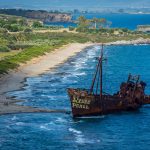
The rusting cargo ship Dimitrios has sat on Valtaki Beach in southern Greece since 1981. Photographers love the contrast between its decaying hull, pale sand, and blue water. Its backstory is less clear. One version says the ship was involved in cigarette smuggling; another says it was abandoned at a nearby port and later drifted onto the beach. Those tales are difficult to verify, so it is safer to describe them as local stories rather than established history. Either way, the hulking wreck has become a landmark in its own right.
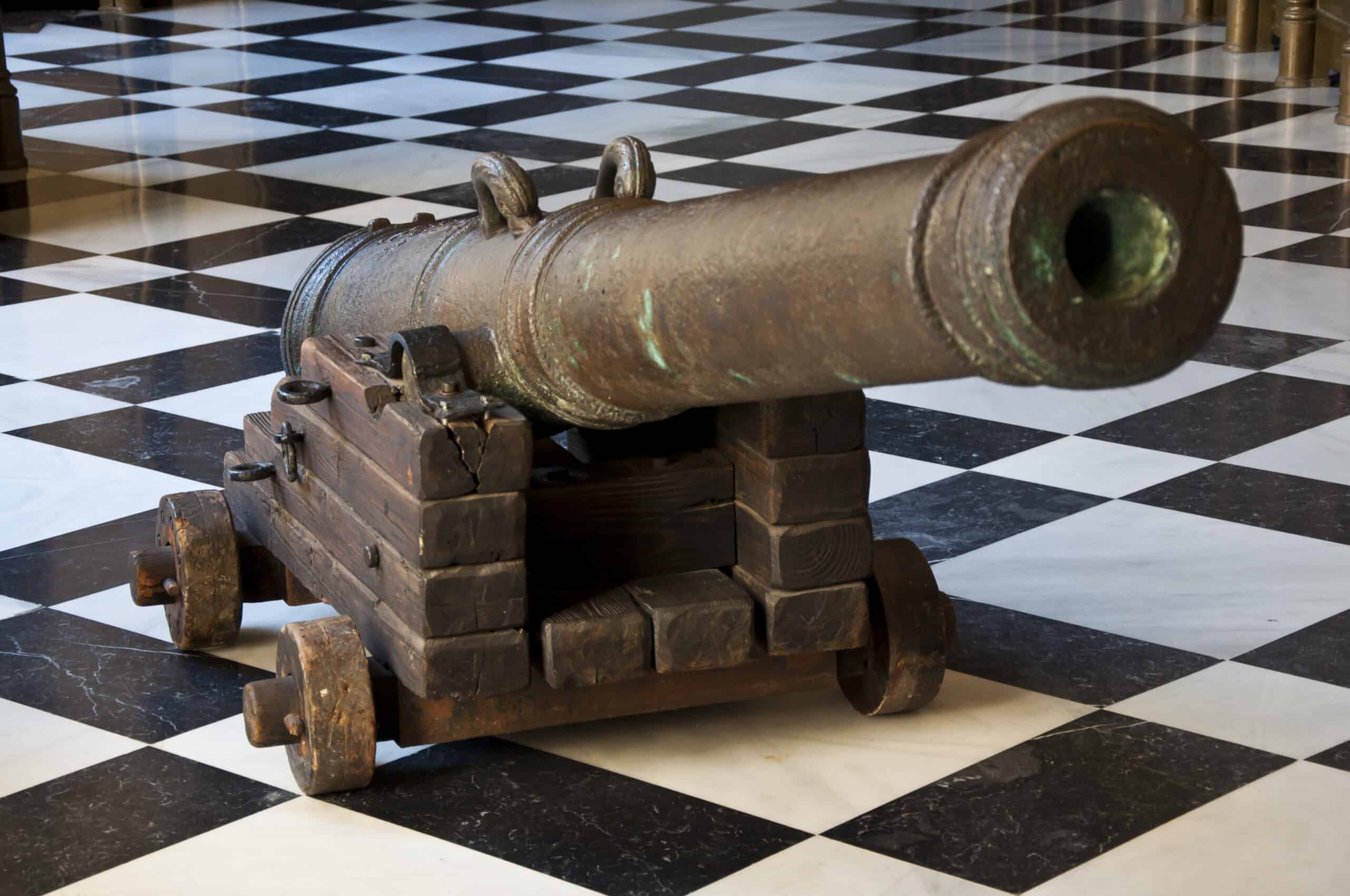
Queen Anne’s Revenge
- Lost: 1718
- Location: Beaufort Inlet, North Carolina
- Discovery: 1996
Before it became Blackbeard’s flagship, Queen Anne’s Revenge was the French slave ship La Concorde. The pirate Edward Teach captured it in 1717 and turned it into a heavily armed vessel. It ran aground near Beaufort, North Carolina, the following year. A wreck discovered in 1996 has yielded cannons, weapons, and thousands of other objects associated with the ship. The discoveries reveal both the working reality of piracy and the vessel’s earlier connection to the transatlantic slave trade—an important part of the story that Hollywood pirate adventures tend to leave out.
HMS Victory (1744)
- Lost: 1744
- Location: English Channel
- Discovery: Identified after surveys in 2008–2009
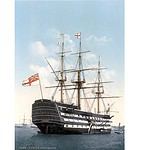
This HMS Victory is not the famous surviving ship commanded by Admiral Nelson at Trafalgar. It was an earlier Royal Navy first-rate warship that disappeared during a violent English Channel storm in 1744, taking more than 1,000 men with it. A deep-sea search located the wreck centuries later, and its bronze cannons helped establish its identity. Rumors about a large cargo of gold have circulated for years, but they should not be treated as confirmed treasure. The real significance is a rare archaeological record of an 18th-century British warship and its crew.
Whydah Galley
- Lost: 1717
- Location: Off Cape Cod, Massachusetts
- Discovery: 1984
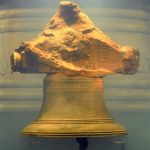
Built for the slave trade, the Whydah was captured by pirate Samuel “Black Sam” Bellamy in early 1717. Bellamy made it his flagship, but his luck lasted only a few months. A brutal April nor’easter drove the ship onto shoals off Cape Cod, leaving just two survivors from the wreck. Explorer Barry Clifford located the remains in 1984, and artifacts including a ship’s bell, coins, and weapons helped confirm the identification. The Whydah is especially important because it is one of the clearest archaeological links to the everyday lives of actual pirates.
Roman transport ship
- Lost: Roman era, possibly 1st century BC
- Location: Off the Albanian coast
- Discovery: Reported in 2011
An ancient merchant vessel found off Albania drew attention for the hundreds of amphorae—large ceramic jars used to move wine, oil, and other goods—lying around its wreck site. Reports date the ship to the Roman era, although precise ages and cargo descriptions vary. The jars offer clues to the trade routes that once linked ports across the Mediterranean. It is tempting to imagine a whole shipment of wine still waiting to be opened, but the presence of amphorae does not prove exactly what each held when the ship went down.
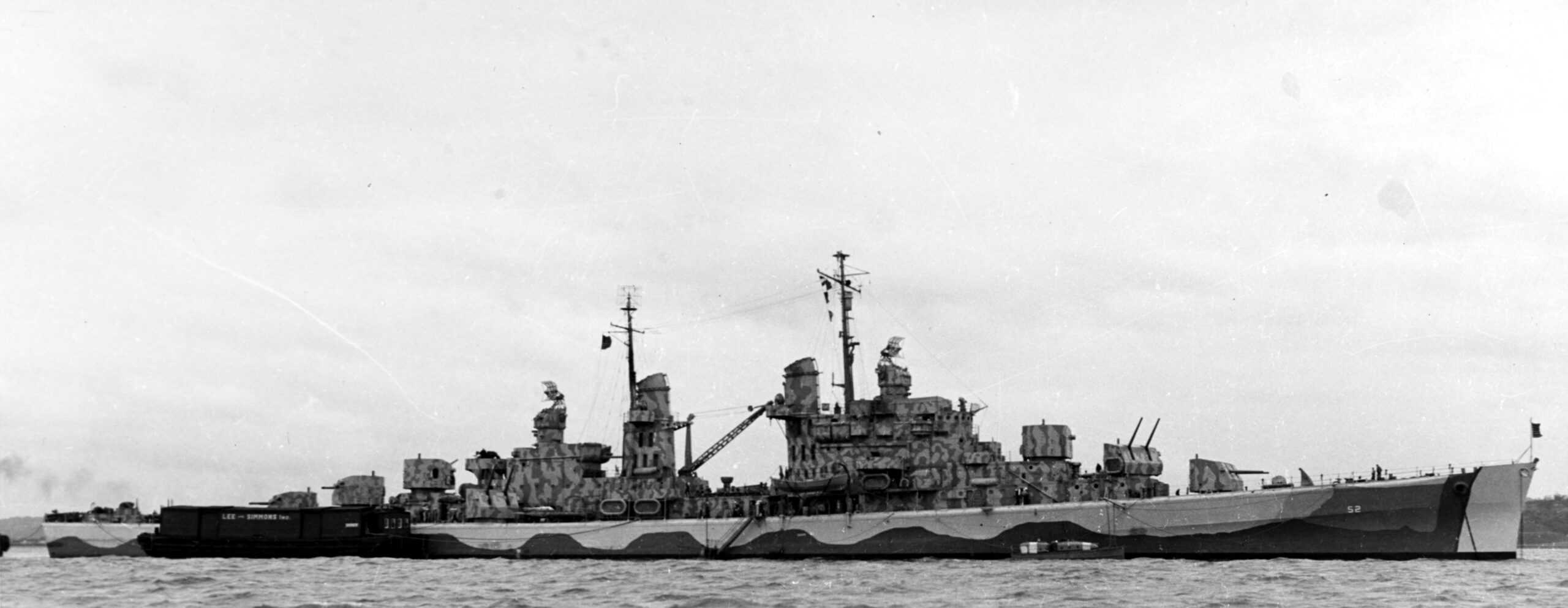
USS Juneau
- Lost: 1942
- Location: Solomon Islands, Pacific Ocean
- Discovery: 2018
The U.S. light cruiser Juneau was badly damaged during the fierce fighting around Guadalcanal in November 1942. A second Japanese torpedo caused the ship to explode and sink, leaving only a handful of survivors. Among the dead were all five Sullivan brothers of Waterloo, Iowa, whose loss became one of the war’s most devastating family stories. A search team working aboard the research vessel Petrel found the wreck in 2018. Its discovery offered a chance to remember the hundreds who died, not simply the well-known family whose tragedy came to symbolize the loss.
Two Brothers
- Lost: 1823
- Location: French Frigate Shoals, Northwestern Hawaiian Islands
- Discovery: 2008
Captain George Pollard Jr. had already survived the sinking of the whaling ship Essex, which was rammed by a whale in 1820 and later helped inspire Moby-Dick. Somehow, his next command went badly too. In 1823, the whaleship Two Brothers struck a reef in the remote Northwestern Hawaiian Islands. This time, the entire crew escaped and was rescued by another vessel. NOAA archaeologists began identifying the wreck in 2008 through anchors, whale-oil processing equipment, and other tools. It is quite a record for one captain—and a remarkable archaeological connection to America’s whaling past.
Japanese battleship Hiei
- Lost: 1942
- Location: Near Guadalcanal, Solomon Islands
- Discovery: Confirmed by underwater images in 2019
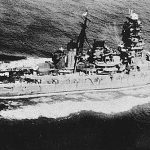
The Japanese battleship Hiei took part in some of the Pacific War’s most intense naval fighting. During the November 1942 battles around Guadalcanal, American gunfire crippled its steering, and air attacks followed. The warship eventually sank, becoming Japan’s first battleship loss of World War II. A research team working from the vessel Petrel photographed the upside-down wreck in 2019. Its damaged structure tells a story of close-range ship combat and the increasingly decisive role of aircraft in naval warfare.
Frank W. Wheeler
- Lost: 1885
- Location: Lake Superior, Michigan
- Discovery: Located and announced in 2021
The schooner-barge Frank W. Wheeler was under tow across Lake Superior when a fierce gale struck in September 1885. As the vessel took on water, its crew abandoned ship and reached safety before it sank. More than a century later, the Great Lakes Shipwreck Historical Society located the wreck in water more than 600 feet deep. The hull and cabins offer a remarkably tangible connection to the commercial shipping that once moved people and cargo across the Great Lakes. The region’s storms have claimed enough ships to earn a fearsome reputation without any help from the open ocean.
SS Thistlegorm
- Lost: 1941
- Location: Red Sea, off Egypt
- Discovery: Visited and documented by Jacques Cousteau in the 1950s
The British freighter Thistlegorm was transporting military supplies during World War II when German bombers attacked it in the Red Sea in October 1941. Explosions sent the ship to the bottom, along with trucks, motorcycles, ammunition, and other equipment. Jacques Cousteau explored the wreck in the 1950s, and it later became one of the world’s best-known wreck-diving destinations. What makes this site so striking is the cargo: a snapshot of wartime logistics preserved underwater. It is a dive site, though, not a place where artifacts should be taken as souvenirs.
SS Central America
- Lost: 1857
- Location: Atlantic Ocean off the Carolinas
- Discovery: 1988
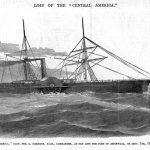
Nicknamed the “Ship of Gold,” SS Central America was carrying passengers, mail, and California gold toward New York when a hurricane overwhelmed it in September 1857. Hundreds of people died despite desperate rescue efforts. The loss of a large gold shipment also rattled an already fragile U.S. economy during the Panic of 1857. The wreck was located in 1988, and later expeditions recovered gold coins, bars, and personal possessions. There is plenty of treasure here, but the human story matters just as much as the headlines about what the cargo might fetch at auction.
USS Monitor
- Lost: 1862
- Location: Off Cape Hatteras, North Carolina
- Discovery: 1973; turret raised in 2002
The Civil War ironclad USS Monitor helped change naval warfare in 1862 when it fought the Confederate CSS Virginia to a standstill. Months later, the low-riding warship sank in a storm off Cape Hatteras, killing 16 sailors. Researchers located the wreck in 1973, and the site became America’s first national marine sanctuary in 1975. Salvage teams later raised important components, including the iconic gun turret in 2002. The original article got that last part wrong: divers did not recover the entire ship. Much of the Monitor still rests on the seafloor.
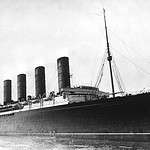
RMS Lusitania
- Lost: 1915
- Location: Off southern Ireland
- Discovery: Wreck subsequently located and explored
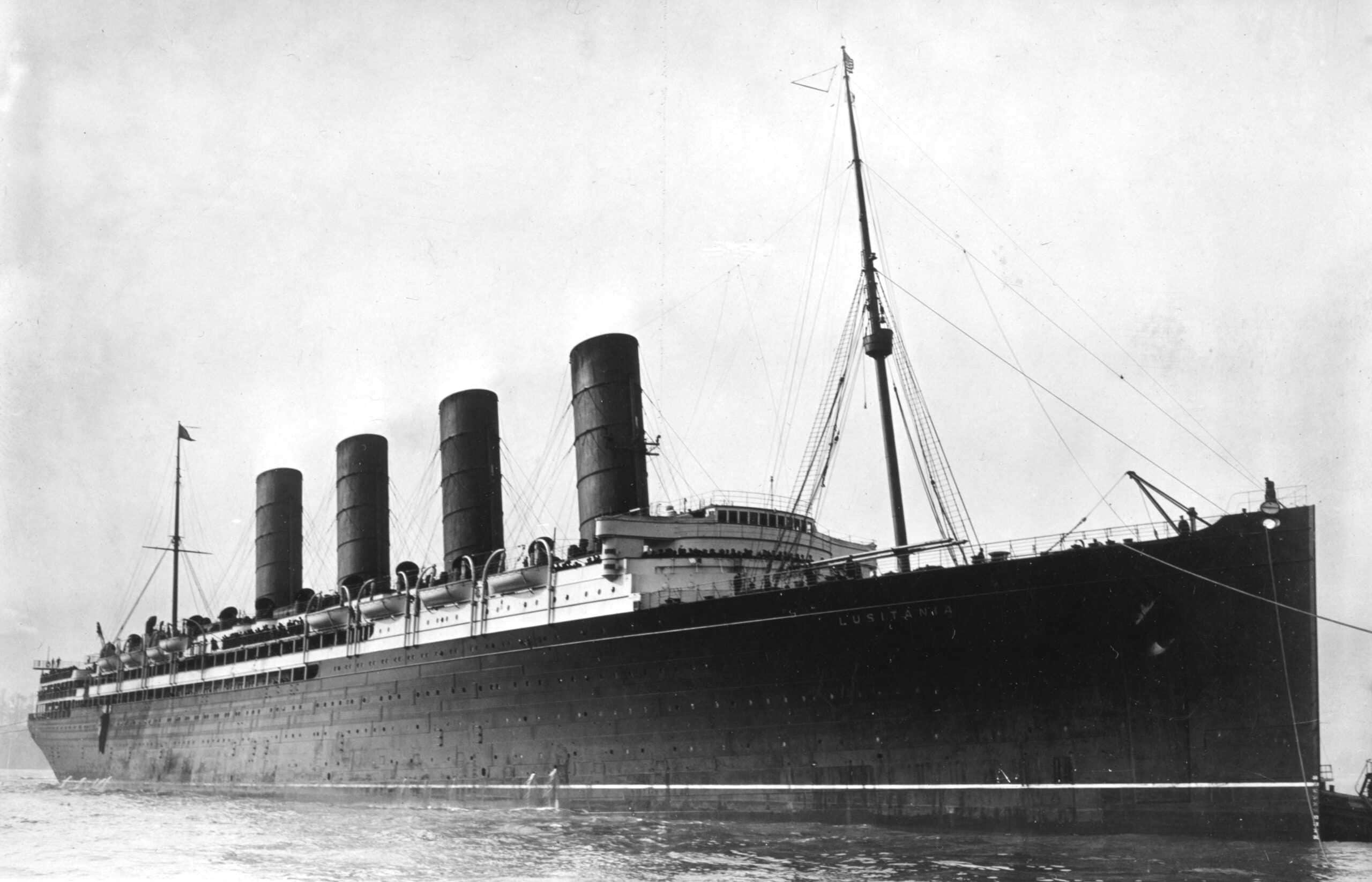
A German submarine torpedoed the British passenger liner Lusitania off Ireland on May 7, 1915, during World War I. The ship sank in roughly 18 minutes, killing nearly 1,200 people. Hundreds survived, so the idea that almost everyone aboard perished is incorrect. The disaster inflamed opinion in the United States, although America did not enter the war until 1917. The wreck has been explored over the decades and remains a sensitive site because of the scale of the loss and enduring questions about wartime shipping.
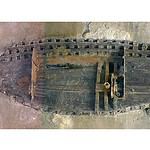
La Belle
- Lost: 1686
- Location: Matagorda Bay, Texas
- Discovery: 1995
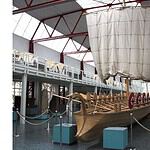
French explorer René-Robert Cavelier, Sieur de La Salle, sailed toward the Gulf of Mexico in 1684 hoping to establish a settlement near the Mississippi River. The expedition went off course, and the small supply ship La Belle sank in Matagorda Bay in 1686. Texas archaeologists found the wreck in 1995 and built a temporary enclosure around the site to excavate it. They recovered the hull and an extraordinary collection of everyday objects, tools, weapons, and trade goods. Many are displayed at the Bullock Texas State History Museum, giving visitors a rare close look at a failed colonial expedition.
Sultana
- Lost: 1865
- Location: Mississippi River near Memphis, Tennessee
- Discovery: Possible remains reported in 1982; identification not conclusive
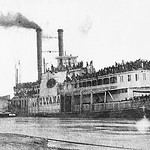
The steamboat Sultana was disastrously overcrowded with recently released Union prisoners of war when its boilers exploded on April 27, 1865. Fire and the Mississippi River claimed roughly 1,200 lives, making it one of the deadliest maritime disasters in U.S. history. The tragedy was quickly overshadowed by news of President Abraham Lincoln’s assassination. Possible wreck remains were reported beneath an Arkansas field in 1982, but that identification has not been conclusively established. The people aboard are remembered today through survivor accounts and the Sultana Disaster Museum.
USS Hornet (CV-8)
- Lost: 1942
- Location: South Pacific near the Solomon Islands
- Discovery: 2019
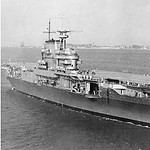
The aircraft carrier USS Hornet helped launch the daring Doolittle Raid on Japan in 1942 and fought at the Battle of Midway. Its brief career ended in October of that year, when Japanese bombs and torpedoes disabled it during the Battle of the Santa Cruz Islands. Most of the crew escaped, but more than a hundred Americans died. The wreck was located in 2019 by a research team aboard Petrel, roughly three miles beneath the surface. Its discovery brought renewed attention to the sailors lost in one of the Pacific War’s pivotal naval campaigns.
Vasa
- Lost: 1628
- Location: Stockholm, Sweden
- Discovery: Raised in 1961
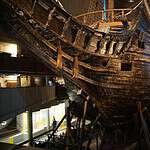
The Swedish warship Vasa was supposed to display royal power. Instead, it sailed only a short distance on its maiden voyage in August 1628 before a gust tipped the top-heavy ship, allowing water to rush through open gunports. About 30 people died. The vessel remained buried in the harbor until an ambitious recovery operation raised it in 1961. Because much of the wooden structure survived, the ship has become one of maritime archaeology’s most spectacular museum exhibits. Its famous failure also makes a point engineers still recognize: impressive armaments mean little if the ship carrying them is unstable.
Mary Rose
- Lost: 1545
- Location: The Solent, southern England
- Discovery: Rediscovered in 1971; major hull section raised in 1982
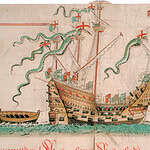
King Henry VIII’s warship Mary Rose capsized during fighting against a French fleet in 1545, sending hundreds of sailors to their deaths. Exactly what caused the loss remains debated. Underwater researchers located substantial remains in 1971, and a major section of the hull was lifted in 1982. Today the preserved timbers and thousands of objects are displayed in Portsmouth. Shoes, combs, weapons, and medical equipment make the story unusually personal: this is not just a ship from Tudor history, but a record of the people who worked and died aboard it.
RMS Titanic
- Lost: 1912
- Location: North Atlantic Ocean
- Discovery: 1985
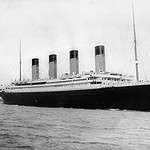
On its first voyage in April 1912, Titanic struck an iceberg and sank in the North Atlantic, killing about 1,500 of the more than 2,200 people aboard. The catastrophe exposed major gaps in lifeboat capacity and maritime safety practices. An expedition led by Robert Ballard and Jean-Louis Michel located the wreck in 1985, revealing that the ship had broken apart as it sank. Its scattered personal belongings tell a more powerful story than unsupported claims about huge fortunes in gold. The wreck is both an archaeological site and a memorial to the people who never reached New York.
AHS Centaur
- Lost: 1943
- Location: Off Queensland, Australia
- Discovery: 2009
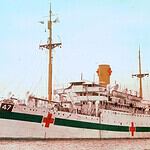
The Australian hospital ship Centaur was clearly marked with red crosses when a Japanese submarine torpedoed it in May 1943. The vessel sank within minutes, killing 268 of the 332 people aboard. Just 64 survived after many hours adrift. The attack caused widespread outrage because the ship was on a medical mission and was not carrying patients on that final voyage. The wreck was found off Queensland in 2009 and is protected. Its significance is not a cache of treasure but the memory of medical personnel and crew members killed in wartime.
Batu Hitam (Belitung shipwreck)
- Lost: About the ninth century AD
- Location: Near Belitung Island, Indonesia
- Discovery: 1998
The Belitung wreck, sometimes called Batu Hitam or the Tang shipwreck, carried tens of thousands of Chinese ceramics and other goods when it sank around the ninth century AD. That last abbreviation matters: the original article mistakenly placed it in 830 BC, more than a millennium too early. Fishermen discovered the wreck in 1998, and its cargo revealed just how extensive trade between China, Southeast Asia, and the western Indian Ocean had become. The recovery also sparked debate about commercial salvage and the protection of underwater cultural heritage.
Nuestra Señora de las Mercedes
- Lost: 1804
- Location: Atlantic Ocean off Portugal
- Discovery: 2007
The Spanish frigate Nuestra Señora de las Mercedes exploded during a clash with British warships in 1804 while carrying silver coins and other cargo from the Americas. A private salvage company recovered hundreds of thousands of coins from the wreck in 2007, setting off an international legal fight. U.S. courts ruled in Spain’s favor, and the Supreme Court declined to hear a further appeal in 2012; the recovered treasure was returned. The case helped establish an important principle: historical shipwrecks, particularly state warships, are not simply free-for-all treasure hunts.