
Neilson Barnard / Getty Images Entertainment via Getty Images

iip-photo-archive / Flickr

Archive Photos / Archive Photos via Getty Images

Bettmann / Bettmann via Getty Images

Michael Ochs Archives / Michael Ochs Archives via Getty Images

Bettmann / Bettmann via Getty Images

Bettmann / Bettmann via Getty Images
IMDB

Michael Ochs Archives / Michael Ochs Archives via Getty Images

alan-light / Flickr

Steven D Starr / Corbis Historical via Getty Images

Kena Betancur / Getty Images News via Getty Images

Terry Disney / Hulton Archive via Getty Images

David McNew / Hulton Archive via Getty Images

KMazur / WireImage via Getty Images

Frank Micelotta / Getty Images Entertainment via Getty Images

Kevin Winter / Getty Images Entertainment via Getty Images

Christopher Polk / Getty Images Entertainment via Getty Images

Timothy Hiatt / Getty Images Entertainment via Getty Images

Kevin Winter / Getty Images Entertainment via Getty Images

Kevin Winter / Getty Images Entertainment via Getty Images

Kevin Winter / Getty Images
Neilson Barnard / Getty Images Entertainment via Getty Images

Jason Mendez / Getty Images Entertainment via Getty Images

Dimitrios Kambouris/Getty Images
IMDB
IMDB





26 Oscar Moments Hollywood Still Can't Forget
The Oscars are supposed to be Hollywood at its most polished. Live television, human beings, and occasionally the wrong envelope have other ideas.
Over the decades, the Academy Awards have produced historic protests, bizarre fashion moments, controversial wins, disastrous musical numbers, awkward kisses, political firestorms, campaign fights, one very famous slap, and enough live-TV confusion to keep Hollywood talking long after the trophies were handed out. Some were genuine scandals. Others were mistakes or cultural flashpoints that became bigger stories than the awards themselves. Here are 26 Oscar moments Hollywood still can't forget, updated through the 2026 ceremony.
1940: Hattie McDaniel Wins an Oscar, Then the Award Disappears
Hattie McDaniel made history in 1940 when her performance as Mammy in Gone with the Wind made her the first Black person to win an Academy Award. The achievement came with an ugly reminder of the era. The ceremony was held at the segregated Cocoanut Grove nightclub in Los Angeles, and McDaniel and her guest were seated separately from the film's other nominees. She also did not receive the Oscar statuette we recognize today. Supporting acting winners received plaques at the time. McDaniel later left hers to Howard University, where it was displayed until the late 1960s before disappearing. Its whereabouts remain unknown. In 2023, the Academy finally presented Howard with a replacement plaque.
1961: Elizabeth Taylor Won for a Movie She Hated
Elizabeth Taylor's first Best Actress Oscar came for BUtterfield 8, which is funny considering how little she thought of the movie. Taylor had made the film to fulfill her obligations to MGM and later described it in much harsher terms than most critics ever would. There was another layer to the win. Just weeks before the April 1961 ceremony, Taylor nearly died from pneumonia while working on Cleopatra and underwent an emergency tracheotomy. She appeared at the Oscars with the scar still visible. Taylor herself later said she believed sympathy over her health crisis helped her finally win after four consecutive Best Actress nominations. She earned her second Oscar six years later for Who's Afraid of Virginia Woolf?.
1969: Barbra Streisand and Katharine Hepburn Somehow Tied
Oscar voting does not normally end without a single vote separating two contenders, but that is exactly what happened with Best Actress at the 1969 ceremony. Katharine Hepburn won for The Lion in Winter while Barbra Streisand won for Funny Girl, her first movie role. It remains the only tie in the history of the Best Actress category. The result also gave Hepburn her third acting Oscar, making her the first performer at the time to reach that mark. Streisand, meanwhile, managed to win Hollywood's biggest acting prize with her film debut. Not a bad way to get started.
1971: George C. Scott Won Best Actor and Wanted No Part of It
George C. Scott had already made his feelings about acting competitions clear by the time he was nominated for Patton. He asked the Academy to withdraw his name and famously dismissed the Oscars as a "meat parade." The Academy left him on the ballot anyway, and Scott won Best Actor. He did not attend the ceremony and refused the award, becoming the first actor to decline an Oscar. It was not a publicity stunt that suddenly materialized after he won, either. Scott had previously asked not to be considered when he was nominated for The Hustler a decade earlier. At least nobody could accuse him of being inconsistent.
1973: Marlon Brando Sent Sacheen Littlefeather to Refuse His Oscar
Marlon Brando won Best Actor for The Godfather, but he boycotted the ceremony and sent Native American activist Sacheen Littlefeather in his place. Littlefeather declined the Oscar on Brando's behalf and explained that he was protesting the film industry's portrayal and treatment of Native Americans, while also drawing attention to the occupation at Wounded Knee. The audience responded with a mixture of applause and boos, and Littlefeather faced years of personal and professional abuse afterward. Nearly five decades later, the Academy formally apologized to her in 2022 for the treatment she endured following the appearance.
1974: A Streaker Ran Across the Oscars Stage
David Niven was preparing to introduce Elizabeth Taylor when the 1974 Oscars suddenly became considerably less formal. Photographer and gallery owner Robert Opel ran naked across the stage behind him while flashing a peace sign. Niven barely missed a beat, responding with a joke about Opel exposing his "shortcomings." The perfectly timed comeback eventually fueled theories that the stunt had been planned, but that has never been definitively established. What is certain is that Opel managed to turn a few seconds of screen time into one of the most replayed moments in Oscar history.
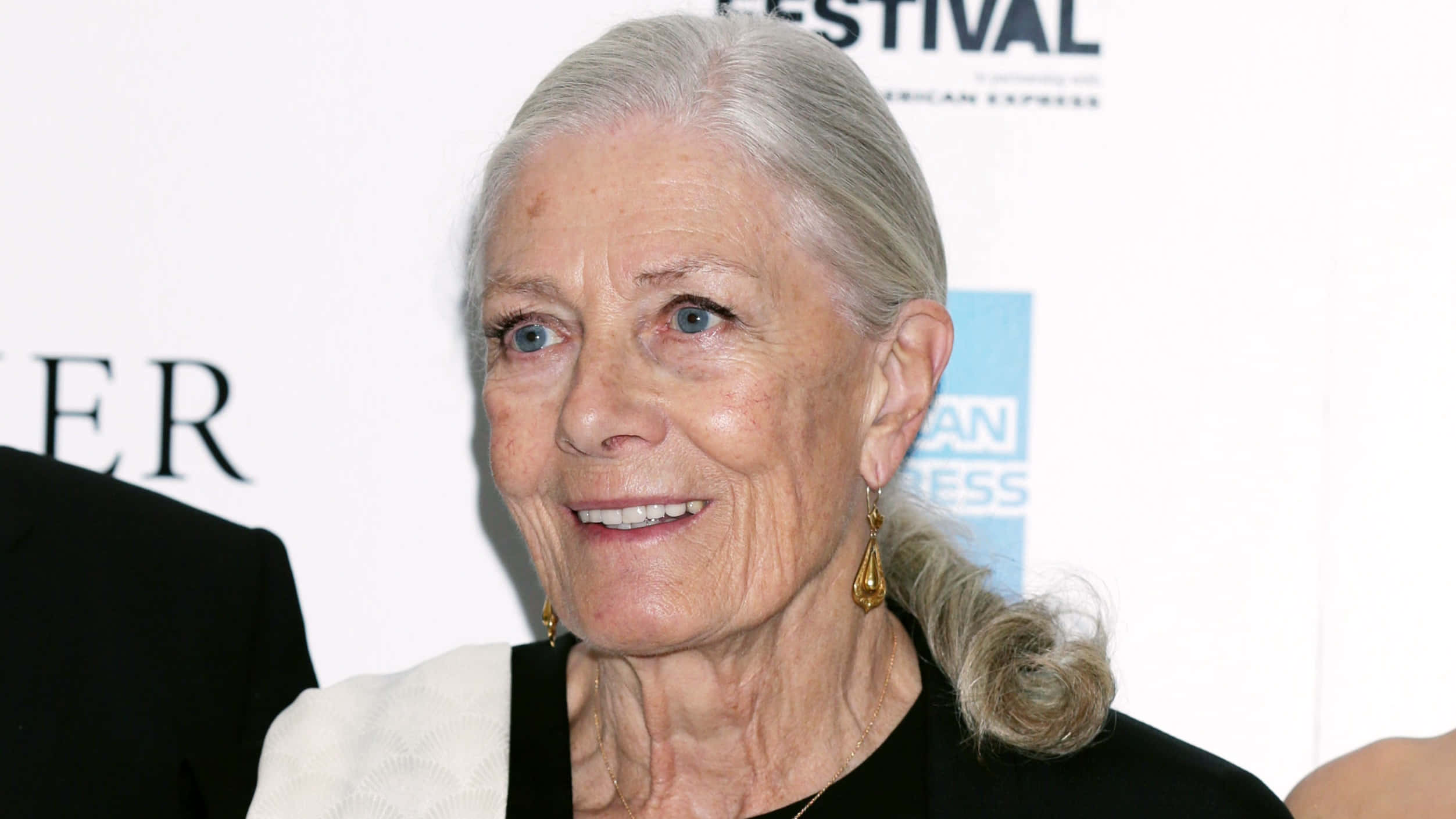
1978: Vanessa Redgrave Turned Her Win Into a Political Firestorm
Vanessa Redgrave won Best Supporting Actress for Julia at a time when her support for Palestinians and involvement with the documentary The Palestinian had already made her nomination controversial. Her acceptance speech pushed the argument directly onto the Oscar stage. Redgrave thanked the Academy for resisting pressure from what she called "a small bunch of Zionist hoodlums," drawing audible boos as well as applause. Later in the ceremony, screenwriter Paddy Chayefsky sharply criticized using an Oscar acceptance speech to make political statements, and his remarks drew applause of their own. Nearly 50 years later, it remains one of the clearest examples of international politics crashing directly into Hollywood's biggest night.
1986: Cher Answered an Oscar Snub With One Unforgettable Outfit
Cher had received critical praise for Mask but was left out of the Best Actress race in 1986. She still showed up to present Best Supporting Actor, only she did it in a spectacular Bob Mackie creation featuring a towering feathered headdress, exposed midriff, beads, sequins, and very little interest in traditional Oscar dress codes. Cher later acknowledged that the outfit was partly a response to the idea that Hollywood did not regard her as a serious actress. The Academy eventually changed its mind. Two years later, she won Best Actress for Moonstruck.
1989: Rob Lowe Sang With Snow White, and Disney Sued
The 1989 Oscars opened with a sprawling musical number featuring actress Eileen Bowman as Snow White and Rob Lowe singing a rewritten version of "Proud Mary." Calling the response negative would be generous. Critics and members of Hollywood piled on, but there was an even bigger problem waiting the next morning. Disney sued the Academy for using its Snow White character without permission. The dispute lasted only about a week before the Academy issued a public apology and Disney settled the lawsuit, but the number has lived on as shorthand for an Oscar telecast going spectacularly off the rails.
1993: Marisa Tomei Won, Then a False Rumor Wouldn't Die
Marisa Tomei was a surprise Best Supporting Actress winner for My Cousin Vinny, beating a field that included Joan Plowright, Vanessa Redgrave, Miranda Richardson, and Judy Davis. Almost immediately, a bizarre rumor took hold that presenter Jack Palance had announced the wrong name and that the Academy simply let the mistake stand to avoid embarrassment. There has never been credible evidence for it. Tomei was the actual winner, and the Academy's official records have always said so. Ironically, the very real Best Picture disaster in 2017 demonstrated exactly what happens when the wrong winner is announced: the mistake gets corrected, even if millions of people are watching.
1999: Shakespeare in Love Changed the Oscar Campaign Game
Saving Private Ryan entered the 1999 Oscars as the Best Picture favorite, but Harvey Weinstein and Miramax mounted an extraordinarily aggressive campaign for Shakespeare in Love. It worked. The romantic comedy won Best Picture and seven Oscars overall, while Weinstein's relentless screenings, publicity, lobbying, and negative campaigning helped reshape how studios chased Academy votes. His later downfall cast an even darker shadow over the victory. Weinstein was expelled from the Academy in 2017 following allegations of sexual assault and harassment. His original New York conviction was overturned in 2024, but a retrial produced another sexual-assault conviction, and he was sentenced to 15 years in New York in September 2026. A separate California rape and sexual-assault conviction remains intact, although an appeals court ordered him resentenced there in 2026.
1999: Elia Kazan's Honorary Oscar Split the Room
There was little dispute over Elia Kazan's influence as the director of films including A Streetcar Named Desire, East of Eden, and On the Waterfront. The problem was what happened away from the camera. In 1952, Kazan cooperated with the House Un-American Activities Committee and identified former Communist Party colleagues during Hollywood's blacklist era. When the Academy gave him an honorary Oscar in 1999, the old divide was visible in the room. Some audience members stood and applauded. Others remained seated and refused to clap. More than four decades after his testimony, Hollywood still could not agree on whether artistic achievement should outweigh what Kazan had done.
2000: Trey Parker and Matt Stone Went to the Oscars on LSD
South Park: Bigger, Longer & Uncut earned Trey Parker an Oscar nomination for the song "Blame Canada," which meant Parker and co-creator Matt Stone suddenly had a reason to attend Hollywood's fanciest night. Naturally, they went their own way. Parker wore a version of Jennifer Lopez's famous green Versace look, while Stone recreated Gwyneth Paltrow's pink Oscar gown from the previous year. Robin Williams performed the nominated song during the telecast. Years later, Parker and Stone confirmed another detail that explained at least some of the evening: they had taken LSD before attending the ceremony.
2001: Björk's Swan Dress Went From Punchline to Fashion History
Björk arrived at the 2001 Oscars wearing Marjan Pejoski's now-famous swan dress and even mimed laying eggs on the red carpet. She was there as an Original Song nominee for "I've Seen It All" from Dancer in the Dark, but the outfit quickly became the night's biggest conversation. The dress was mocked endlessly at the time, yet history has been much kinder to it. It has since been displayed by major museums, including the Museum of Modern Art, and is now routinely treated as one of the most recognizable red-carpet looks ever created. Sometimes being named to a worst-dressed list just means everyone remembers what you wore.
2003: Adrien Brody Kissed Halle Berry Without Warning
Adrien Brody was clearly overwhelmed after winning Best Actor for The Pianist. When presenter Halle Berry handed him the award, Brody grabbed her and kissed her before beginning his speech. At the time, the moment was widely replayed as spontaneous Oscar exuberance. It has aged differently. Berry later said the kiss had not been planned and that she had no idea Brody was about to do it. Brody addressed the moment again in 2025, saying he never intended to make anyone uncomfortable. Whatever the intent, the clip is now frequently remembered as an example of how dramatically attitudes about personal boundaries have changed since the early 2000s.
2011: The Oscars Tried to Get Younger With Franco and Hathaway
The Academy wanted a younger, hipper Oscars in 2011 and chose 28-year-old Anne Hathaway and 32-year-old James Franco as co-hosts. On paper, the experiment made sense. On television, not so much. Reviews were overwhelmingly rough, with critics particularly zeroing in on Franco's low-energy performance while Hathaway appeared to be working overtime to keep things moving. Even a bit that put Hathaway in a tuxedo and Franco in a dress could not rescue the chemistry. The broadcast still drew 37.6 million viewers, but that was down nearly 10% from the previous year's telecast. The attempt to reinvent the Oscars quickly became better remembered as a warning about forcing "young and hip" into the job description.
2014: John Travolta Introduced Idina Menzel as "Adele Dazeem"
John Travolta had one job before Idina Menzel performed "Let It Go" at the 2014 Oscars: say her name. What came out instead sounded like "Adele Dazeem," instantly giving the internet enough material to survive the rest of awards season. Travolta later explained that he had been thrown off backstage and encountered a phonetic spelling of Menzel's name that he had not rehearsed. Menzel eventually found the whole thing pretty useful, calling it the best mistake that had ever happened to her because suddenly everybody knew who she was. The following year, she returned the favor by introducing Travolta as "Glom Gazingo."
2015-2016: #OscarsSoWhite Forced a Reckoning
Activist April Reign created #OscarsSoWhite after all 20 acting nominees announced in January 2015 were white. When the same thing happened again in 2016, criticism grew dramatically and several prominent figures said they would not attend the ceremony. Academy president Cheryl Boone Isaacs acknowledged the lack of inclusion and promised major changes to membership and governance. Those changes were not instant, but they were significant. By 2020, the Academy said it had surpassed its goal of doubling both the number of women and the number of members from underrepresented racial and ethnic communities. The debate also pushed a much broader conversation about who gets opportunities long before Oscar ballots ever arrive.
2017: La La Land Won Best Picture for About Two Minutes
If the Oscars were ever going to have an actual nightmare scenario, this was it. Warren Beatty and Faye Dunaway announced La La Land as Best Picture, the filmmakers took the stage, and acceptance speeches were already underway when people behind them realized something was terribly wrong. Moonlight had actually won. PricewaterhouseCoopers later acknowledged that Beatty and Dunaway had mistakenly been handed the backup envelope for Best Actress, which Emma Stone had just won for La La Land. The result was corrected live, leaving one film's team handing the Oscar moment over to another while the entire room tried to process what had just happened.
2017: Casey Affleck's Win Came Under a Cloud of Allegations
Casey Affleck won Best Actor for Manchester by the Sea, but his awards run unfolded alongside renewed attention to sexual-harassment allegations made by two women who had worked on his 2010 film I'm Still Here. Affleck denied the allegations, and both civil lawsuits had previously been settled out of court. Brie Larson presented him with the Oscar and noticeably did not applaud after handing it over. When she was later asked about the moment, Larson said her actions onstage spoke for themselves. The controversy became part of a much larger debate that awards season about whether professional acclaim should be separated from allegations concerning a nominee's conduct.
2019: Kevin Hart Stepped Down, and the Oscars Went Hostless
Kevin Hart was announced as host of the 2019 Oscars in December 2018. Within hours, old homophobic tweets and comments resurfaced, and the Academy asked him to apologize. Hart initially pushed back, then stepped down from the job and later apologized again to the LGBTQ community. The Academy never found a replacement. Instead, the 2019 ceremony proceeded without a traditional host, something the Oscars had not done since the infamous 1989 telecast. What began as a controversy surrounding one comedian wound up forcing producers to rethink the basic structure of the entire show.
2022: Will Smith Slapped Chris Rock, Then Won Best Actor
Chris Rock was presenting at the 2022 Oscars when he made a joke about Jada Pinkett Smith's shaved head. Pinkett Smith had previously spoken publicly about having alopecia. Moments later, Will Smith walked onto the stage and slapped Rock across the face, returned to his seat, and shouted at him. Less than an hour later, Smith won Best Actor for King Richard and delivered an emotional acceptance speech. He apologized to Rock publicly the next day, resigned from the Academy, and was subsequently banned from attending any Academy event or program, including the Oscars, for 10 years beginning April 8, 2022.
2023: Andrea Riseborough's Grassroots Campaign Triggered an Academy Review
Andrea Riseborough's Best Actress nomination for the little-seen independent drama To Leslie seemed to come out of nowhere. Behind it was an intense last-minute grassroots campaign in which prominent actors and other Hollywood figures publicly praised her performance and encouraged voters to watch the movie. Questions quickly emerged over whether some of that outreach crossed Academy campaign rules. The organization reviewed the effort but determined that Riseborough's nomination would stand. It did, however, say that some social-media and outreach tactics had "caused concern" and later clarified its campaign regulations. Riseborough did not win, but her nomination changed the conversation about what an Oscar campaign could look like.
2024: Al Pacino Made Best Picture Sound Like Another Envelope Disaster
Seven years after the La La Land and Moonlight disaster, Oscar viewers were understandably a little sensitive about strange Best Picture announcements. Then Al Pacino opened the 2024 envelope and casually said, "my eyes see Oppenheimer." There was a noticeable pause before the room seemed to realize that yes, he had just announced the winner. Pacino also skipped reading the 10 nominees, which added to the confusion. This time there was no wrong envelope. Producers later confirmed that they had deliberately instructed Pacino not to repeat the nominees because each film had already been highlighted during the show. The unusual delivery was all Pacino.
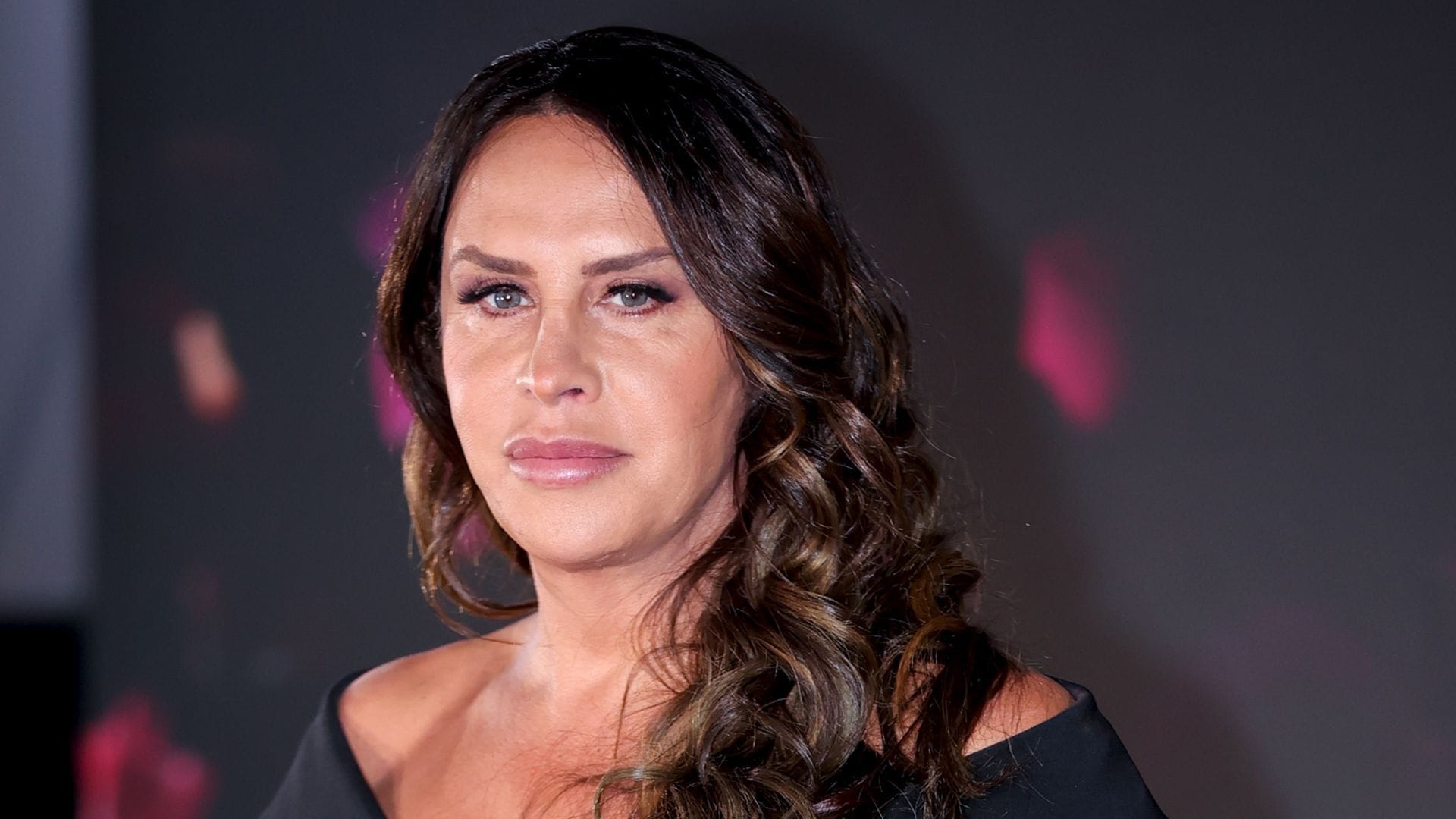
2025: Karla Sofía Gascón's Historic Nomination Was Overtaken by Old Posts
Karla Sofía Gascón made Oscar history when her performance in Emilia Pérez made her the first openly transgender performer nominated in an acting category. Days later, the awards conversation changed completely. Old social-media posts resurfaced in which Gascón made offensive remarks about Muslims, Islam, George Floyd, and other subjects. She apologized, deactivated her X account, and acknowledged that the posts had caused hurt. The controversy rapidly overshadowed what had been a historic nomination and became one of the dominant stories surrounding a film that entered the Oscars with 13 nominations.
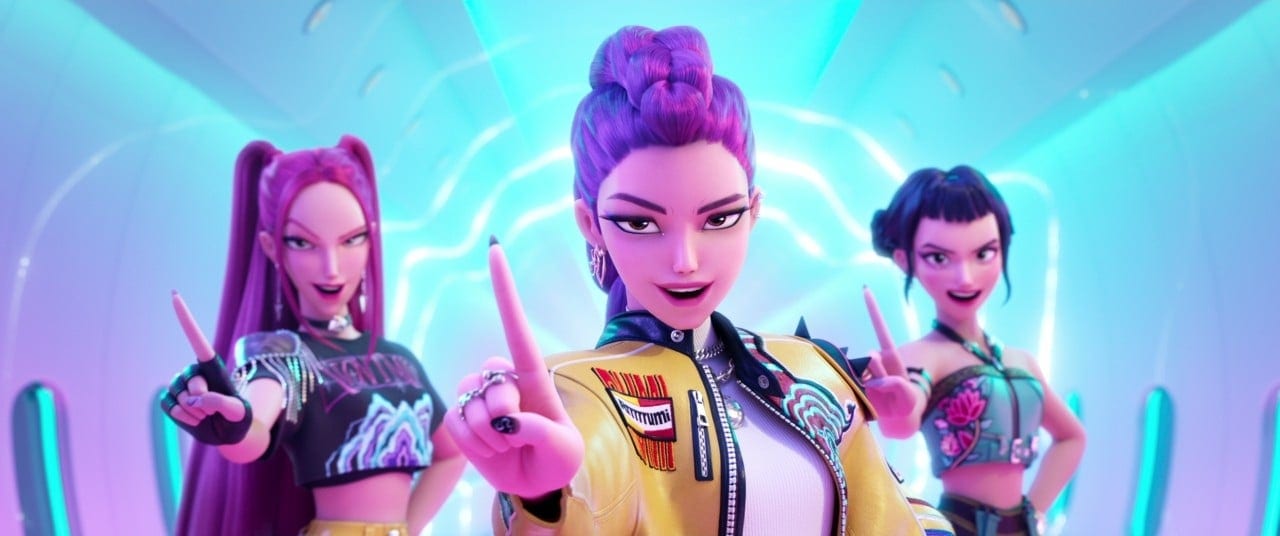
2026: The Oscars Played Off the "Golden" Songwriters Mid-Speech
"Golden" from KPop Demon Hunters won Best Original Song at the 2026 Oscars, giving the night's hugely popular animated hit another major moment. Then the orchestra stepped in a little too quickly. After EJAE spoke, fellow songwriter Yu Han Lee began his remarks only for the music to swell and effectively cut off the rest of the group. The audience responded with audible boos, and clips of the abrupt ending quickly spread online. The filmmakers and songwriters were later able to continue their remarks backstage in the Oscars press room. The song had just won one of Hollywood's biggest prizes, and somehow its creators still ran out of time.