
Creative Commons

Michael Ochs Archives / Michael Ochs Archives via Getty Images

One From RM / BY 2.0

franela :) / BY-ND 2.0

Wolf Gang / BY-SA 2.0

thecomeupshow / BY-ND 2.0

Toby Forage / BY-SA 2.0
Photograph: Miller Rodríguez (Pretty Puke) / BY-SA 3.0
kyonokyonokyono / BY 2.0
Creative Commons

Abode of Chaos / BY 2.0

nan palmero / BY 2.0

katexic / BY 2.0

thecomeupshow / BY-ND 2.0

fyunkie / BY 2.0

WarmSleepy / BY 2.0

Dell Inc. / BY-SA 2.0





16 Famous People Lost to Drug and Alcohol Overdoses
Fame, money, and success can open plenty of doors, but they don't make anyone immune to addiction or the dangers of drug and alcohol use. Some of the most talented musicians, actors, and artists in history have died from accidental overdoses, leaving behind families, friends, and millions of fans who still celebrate their work today. In many cases, their deaths also raised important questions about substance use, prescription medications, and the dangers of combining drugs.
It's also worth remembering that not every overdose involves someone with a diagnosed addiction. Some deaths result from dangerous combinations of prescription medications, while others involve unexpectedly potent or contaminated drugs. The circumstances vary, but every one of these losses represents a life that extended far beyond its final moments.
Here are 16 famous people whose lives ended because of drug or alcohol toxicity, the circumstances surrounding their deaths, and the contributions that continue to define their legacies.
Prince, Musician
Few musicians have left a legacy quite like Prince. The Minneapolis-born artist blended rock, funk, pop, and soul into a sound that was entirely his own, producing classics including "Purple Rain," "When Doves Cry," and "1999." On April 21, 2016, Prince was found unresponsive at his Paisley Park estate in Minnesota. He was 57 years old. The Midwest Medical Examiner's Office determined that his death resulted from accidental fentanyl toxicity, a powerful synthetic opioid. Investigators subsequently discovered counterfeit prescription pills containing fentanyl among medications found at his property. His death brought renewed attention to the dangers of counterfeit medications and the growing opioid crisis. While the circumstances surrounding his passing were tragic, Prince's extraordinary musical catalog, innovative performances, and influence on generations of artists remain the defining parts of his legacy.
River Phoenix, Actor
River Phoenix appeared destined for a remarkable Hollywood career. His performances in films like "Stand by Me," "Running on Empty," and "My Own Private Idaho" established him as one of the most promising young actors of his generation. Sadly, that career ended on October 31, 1993, when Phoenix collapsed outside the Viper Room nightclub in West Hollywood. He was just 23 years old. The Los Angeles County coroner determined that he died from acute multiple drug intoxication, with lethal concentrations of cocaine and morphine identified during toxicology testing. Authorities believed the morphine resulted from heroin use, and the death was ruled accidental. His passing shocked an entertainment industry that had watched him grow from a child actor into an acclaimed performer. Decades later, Phoenix remains admired for his natural acting ability and the memorable performances he delivered during his brief career.
Heath Ledger, Actor
Heath Ledger earned widespread acclaim for his performances in "Brokeback Mountain" and "The Dark Knight," demonstrating a remarkable ability to disappear into challenging roles. On January 22, 2008, the Australian actor was found dead in his New York City apartment at age 28. The city's medical examiner ruled his death an accident caused by the combined effects of six medications, including prescription painkillers, anti-anxiety drugs, and sleep aids. Importantly, the findings did not establish that Ledger had a substance-use disorder. Rather, his death demonstrated how dangerous certain combinations of medications can be, even when individual drugs are taken in therapeutic amounts. Ledger received a posthumous Academy Award for Best Supporting Actor for his portrayal of the Joker in "The Dark Knight." His career was painfully short, but his performances continue to influence actors and captivate audiences around the world.
Philip Seymour Hoffman, Actor
Philip Seymour Hoffman was one of the most accomplished character actors of his generation, earning an Academy Award for his performance in "Capote" and critical praise for films including "The Master," "Doubt," and "Charlie Wilson's War." Behind that success, Hoffman had also spoken about his history with addiction. After more than two decades of sobriety, he experienced a relapse and sought treatment in 2013. On February 2, 2014, the 46-year-old actor was found dead in his Manhattan apartment. New York City's medical examiner determined that he died from accidental acute mixed drug intoxication involving heroin, cocaine, benzodiazepines, and amphetamine. His death illustrated the serious risks associated with relapse, particularly when multiple substances are involved. Hoffman left behind an extraordinary body of work that continues to demonstrate his range, dedication, and ability to bring complicated characters to life.
Mac Miller, Musician
Mac Miller built a devoted following with music that evolved from playful hip-hop into deeply personal reflections on relationships, mental health, and his own struggles. His 2018 album "Swimming" demonstrated how far he had developed as both a rapper and producer. On September 7, 2018, Miller was found dead at his home in Studio City, California. He was 26 years old. The Los Angeles County medical examiner determined that his death resulted from accidental mixed drug toxicity involving fentanyl, cocaine, and ethanol, or alcohol. Federal investigators later established that counterfeit oxycodone pills containing fentanyl had been supplied to Miller before his death. His passing became another high-profile example of the dangers posed by fentanyl in the illicit drug supply. Miller's influence has continued through posthumous releases and the enduring popularity of the music he created during his career.
Anna Nicole Smith, Model and Actress
Anna Nicole Smith became one of the most recognizable personalities of the 1990s, rising to fame through modeling, television appearances, and a public life that frequently attracted tabloid attention. On February 8, 2007, Smith was found unresponsive at the Seminole Hard Rock Hotel in Hollywood, Florida, and later pronounced dead at a hospital. She was 39 years old. The Broward County medical examiner concluded that her death resulted from accidental combined drug intoxication. The sedative chloral hydrate was the primary toxic substance, with other prescription medications contributing to the fatal combination. Investigators also identified medical conditions that had complicated her health in the days before her death. Smith had experienced considerable personal hardship, including the death of her adult son just months earlier. Her story remains a reminder that public fame rarely reveals the full circumstances of someone's private life.
Lil Peep, Musician
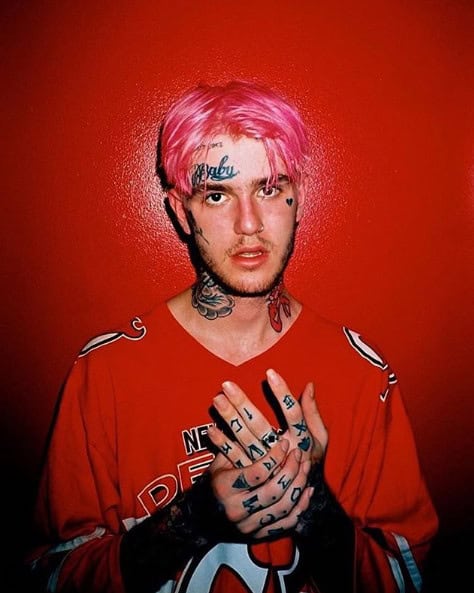
Lil Peep helped pioneer a style of music that blended hip-hop, emo, and alternative rock, building a devoted audience through deeply personal lyrics and an unconventional sound. Born Gustav Åhr, the young artist gained widespread recognition through online releases before putting out his debut studio album, "Come Over When You're Sober, Pt. 1," in 2017. On November 15 of that year, he was found unresponsive on his tour bus in Tucson, Arizona, ahead of a scheduled performance. He was only 21 years old. The Pima County medical examiner determined that his death resulted from the combined toxic effects of fentanyl and alprazolam, commonly known by the brand name Xanax. His death was ruled accidental. Although other substances were also detected, fentanyl and alprazolam were identified as the cause. Lil Peep's music continues to resonate with listeners drawn to his emotional honesty and distinctive approach to songwriting.
Tom Petty, Musician
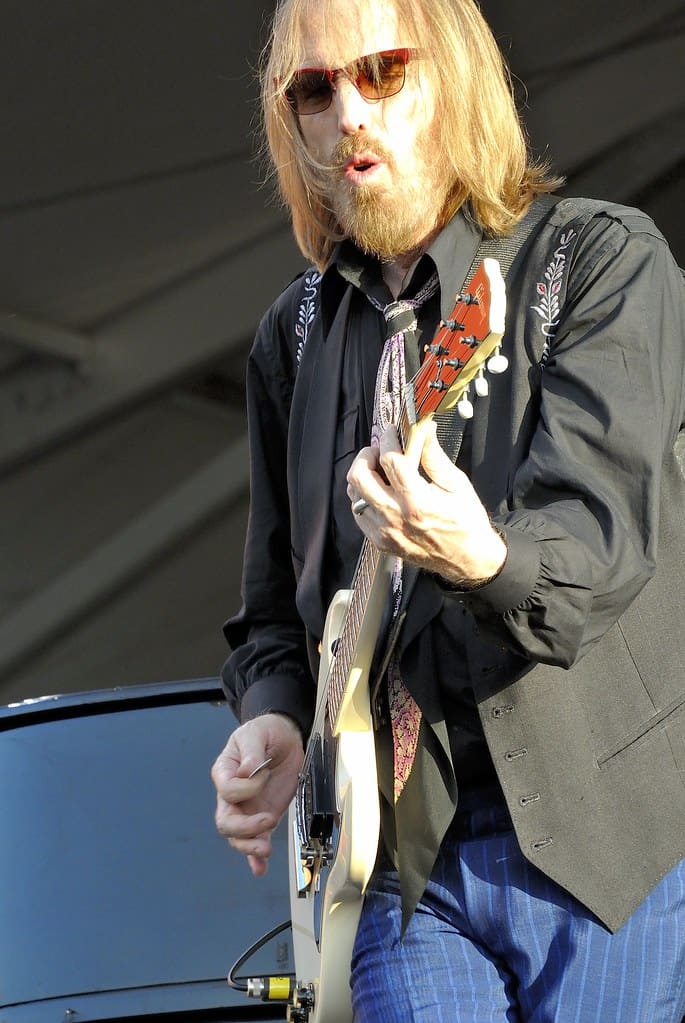
Tom Petty spent decades creating some of rock music's most enduring songs, including "American Girl," "Free Fallin'," and "I Won't Back Down." He died on October 2, 2017, at age 66, shortly after completing an extensive tour celebrating the 40th anniversary of Tom Petty and the Heartbreakers. His family later revealed that he had been dealing with serious health problems, including a fractured hip that worsened during the tour. The Los Angeles County medical examiner determined that his death resulted from multisystem organ failure caused by accidental mixed drug intoxication. The substances involved included fentanyl, oxycodone, and several other medications. His family explained that Petty had been taking medication to manage significant pain and other health problems. The tragedy highlighted the dangers associated with combining powerful medications, particularly when someone is managing chronic pain. Petty's music remains a defining part of American rock history.
Brad Renfro, Actor
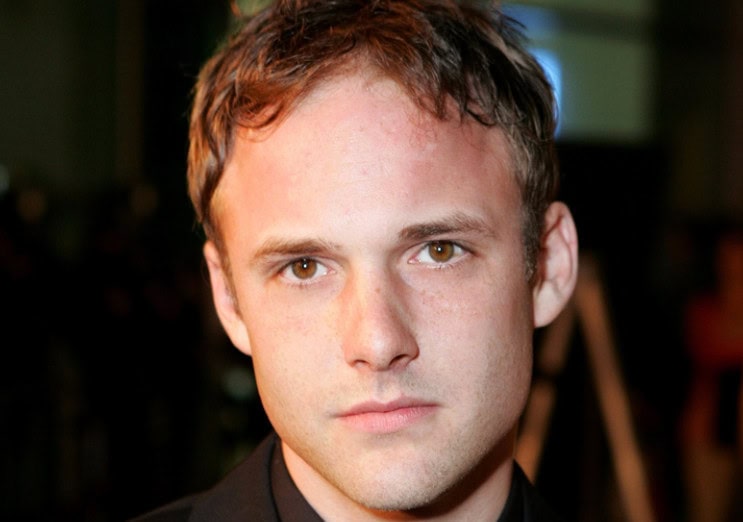
Brad Renfro made an impressive Hollywood debut at just 11 years old when he starred alongside Susan Sarandon and Tommy Lee Jones in the 1994 legal thriller "The Client." He went on to appear in films including "Sleepers," "Apt Pupil," and "Bully," establishing himself as a talented young actor. Unfortunately, his adult life was also marked by legal troubles and struggles involving drugs. On January 15, 2008, Renfro was found dead at his Los Angeles home at the age of 25. The Los Angeles County coroner ruled his death an accidental overdose caused by acute heroin and morphine intoxication. Reports following his death indicated that he had experienced a period of reduced drug use before the fatal incident. His passing drew attention to the risks associated with returning to opioid use after a period of abstinence, when tolerance may have decreased. Renfro's performances remain a reminder of the talent he displayed during his brief career.
Jean-Michel Basquiat, Artist
Jean-Michel Basquiat became one of the most influential artists of the 1980s, transforming his beginnings in New York City's street art scene into an internationally recognized career. His expressive paintings explored race, identity, history, and popular culture, earning the attention of prominent collectors and fellow artists, including Andy Warhol. Despite his extraordinary success, Basquiat struggled with substance use during his rise to fame. On August 12, 1988, he died at his Manhattan home at the age of 27. His medical examiner's findings identified acute mixed drug intoxication involving opiates and cocaine. Although his death is commonly described as a heroin overdose, the official findings reflected the involvement of more than one substance. Basquiat's artistic influence has continued to grow in the decades since his death, with his works becoming some of the most celebrated and valuable examples of contemporary American art.
Scott Weiland, Musician
Scott Weiland was one of the defining voices of alternative rock during the 1990s, leading Stone Temple Pilots through hits including "Plush," "Interstate Love Song," and "Vasoline." He later joined Velvet Revolver, bringing his distinctive vocals and energetic stage presence to another successful rock band. Throughout his career, Weiland struggled publicly with substance dependence, even as he continued recording and performing. On December 3, 2015, he was found dead on his tour bus in Bloomington, Minnesota. He was 48 years old. The Hennepin County medical examiner determined that he died from accidental mixed drug toxicity involving cocaine, alcohol, and methylenedioxyamphetamine, or MDA. The examiner also identified cardiovascular disease, asthma, and a history of substance dependence as significant conditions. Weiland's death marked another painful loss for the alternative rock generation, but his recordings remain an important part of the era's musical legacy.
Michael K. Williams, Actor
Michael K. Williams became one of television's most memorable performers through his portrayal of Omar Little on HBO's "The Wire." His work on "Boardwalk Empire," "Lovecraft Country," and other productions further established his reputation as an actor capable of bringing tremendous humanity to complicated characters. Williams also spoke openly about his struggles with addiction, including the challenges he experienced while working on "The Wire." On September 6, 2021, he was found dead in his Brooklyn apartment at age 54. New York City's medical examiner ruled his death an accident caused by the combined effects of fentanyl, para-fluorofentanyl, heroin, and cocaine. Federal authorities subsequently prosecuted individuals involved in distributing the drugs linked to his death. Williams was widely respected not only for his performances but also for his willingness to discuss addiction and other difficult subjects. His portrayal of Omar remains one of the most celebrated characters in modern television.
Juice WRLD, Musician
Juice WRLD emerged as one of the most successful young rappers of the late 2010s, blending hip-hop, alternative music, and emotionally vulnerable songwriting. Born Jarad Higgins, he gained international recognition with songs including "Lucid Dreams" and "All Girls Are the Same." On December 8, 2019, the 21-year-old experienced a medical emergency shortly after arriving at Chicago's Midway International Airport. He was transported to a hospital, where he was pronounced dead. The Cook County medical examiner subsequently determined that his death resulted from accidental oxycodone and codeine toxicity. His music frequently addressed emotional struggles and substance use, themes that connected strongly with his young audience. Despite his short career, Juice WRLD achieved substantial commercial success, and posthumous releases introduced more listeners to his work. His death also renewed conversations about prescription opioid misuse and the pressures surrounding young performers.
Amy Winehouse, Singer-Songwriter
Amy Winehouse possessed one of the most distinctive voices of her generation, blending soul, jazz, and contemporary pop into deeply personal music. Her 2006 album "Back to Black" brought international recognition, with songs like "Rehab" and "You Know I'm No Good" showcasing her songwriting and extraordinary vocal ability. Winehouse also experienced well-documented struggles with alcohol and drugs, often under intense public and tabloid scrutiny. On July 23, 2011, she was found dead at her London home at age 27. The official cause of death was alcohol toxicity, with the coroner recording a verdict of misadventure. Although Winehouse had previously experienced problems involving illicit drugs, her death was attributed to alcohol, not heroin or another narcotic. Her passing was a tremendous loss to music, but her influence remains evident in the work of countless singers and songwriters who followed.
Coolio, Rapper
Coolio became one of the most recognizable rappers of the 1990s, particularly after the enormous success of his Grammy-winning song "Gangsta's Paradise." Born Artis Leon Ivey Jr., he also found success with tracks like "Fantastic Voyage" and introduced himself to younger audiences through the theme song for Nickelodeon's "Kenan & Kel." On September 28, 2022, Coolio was found unresponsive at a friend's home in Los Angeles. He was 59 years old. The Los Angeles County medical examiner determined that his death resulted from the combined effects of fentanyl, heroin, and methamphetamine, and ruled it accidental. Heart disease and asthma were also identified among his existing health conditions. His death demonstrated once again how dangerous combinations of substances can be, particularly when other medical conditions are present. Coolio's music remains closely associated with a memorable era in hip-hop history.
Peaches Geldof, Television Presenter
Peaches Geldof grew up in the public eye as the daughter of musician and humanitarian Bob Geldof, eventually establishing her own career as a model, writer, and television presenter. She was also a mother of two young sons. On April 7, 2014, Geldof was found dead at her home in Kent, England, at the age of 25. A subsequent inquest determined that she died from heroin poisoning. Testimony revealed that she had previously sought treatment for heroin dependence and had been receiving methadone as part of her recovery efforts. Investigators also learned that she had resumed heroin use before her death. The circumstances highlighted the dangers of relapse, particularly after a period of reduced opioid use when tolerance may have decreased. Her death drew widespread sympathy in Britain and beyond, while also renewing attention to the challenges of recovery and the need for compassionate support.