
PixelPerfected / Shutterstock.com

Rita_Kochmarjova/Shutterstock
stocknadia/Shutterstock
fantom_rd / Shutterstock.com
Nils Jacobi / Shutterstock.com
Mookmixsth/Shutterstock
ChocoPie/Shutterstock

Foonia/Shutterstock

Motortion Films/Shutterstock

Konstantin Yolshin / Shutterstock.com

ElenaR/ Shutterstock

Petr Toman / Shutterstock.com

Fer Gregory/Shutterstock
Xseon/Shutterstock
Suphaksorn Thongwongboot/Shutterstock
LP Design/Shutterstock


15 Incredible Things Your Cat Can Do That You Probably Didn't Know
If you have a pet, you're in very good company. According to the American Pet Products Association's 2026 State of the Industry Report, 95 million U.S. households owned at least one pet in 2025. Dogs remain the most widely owned pets, living in about 71 million households, while cats have made themselves comfortable in roughly 53 million. Cat owners already know how impressive their pets can be, but even longtime feline fans may not realize just how much these animals are capable of.
To compile this list of 15 ways your cat is more impressive than you ever imagined, 24/7 Tempo reviewed information from veterinary, scientific, and animal-focused sources including the American Pet Products Association, Cornell University College of Veterinary Medicine, VCA Animal Hospitals, the ASPCA, PetMD, Guinness World Records, and NASA. Cats sometimes get tagged as aloof, standoffish, or unpredictable, but that reputation only tells part of the story. Behind all that mysterious cat behavior is an animal with some genuinely remarkable abilities.
Cats Can Jump Five to Six Times Their Body Length
Cats are natural athletes. A healthy adult cat can jump roughly five to six times its body length in a single leap. Powerful hind legs provide the initial burst, while a flexible spine and strong sense of balance help cats adjust their bodies in midair and stick landings that would make the rest of us reconsider our life choices.
Cats Are Exceptionally Good at Conserving Water
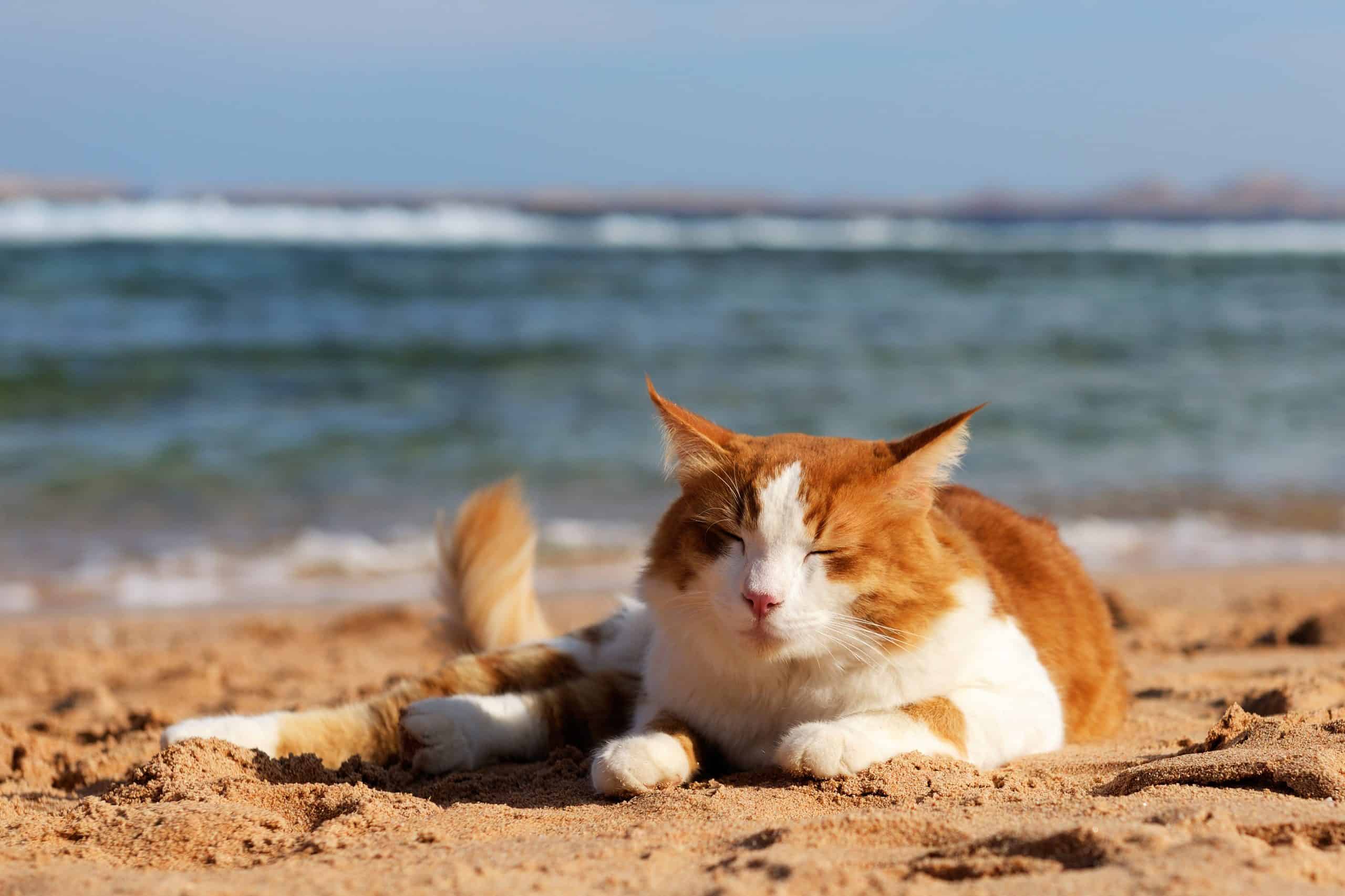
Domestic cats descended from desert-dwelling ancestors, and their bodies remain unusually efficient at conserving water. Healthy feline kidneys can produce concentrated urine when the body needs to hold onto fluids, which is one reason cats may drink less than dogs. That doesn't mean seawater is safe, however. Drinking excessive salt water can cause dangerous sodium poisoning, so cats should always have access to fresh, clean water.
Cats Can Rotate Their Ears 180 Degrees
A cat's ears are remarkably mobile. Cats have about 32 muscles controlling their outer ears, allowing them to rotate their ears as much as 180 degrees and point them toward faint or distant sounds. They can also move the ears independently, which explains why one ear may suddenly swivel toward a noise while the other remains focused somewhere else.
Cats Have an Impressive Vocal Repertoire
Meowing and purring are only the beginning. Cats can trill, chirp, chatter, hiss, growl, yowl, and make a variety of other vocalizations. Those sounds can communicate everything from contentment and excitement to frustration, fear, or pain. Adult cats also use meowing extensively when communicating with humans, so that midnight conversation outside your bedroom door is probably not accidental.
Cats See Far Better Than Humans in Low Light
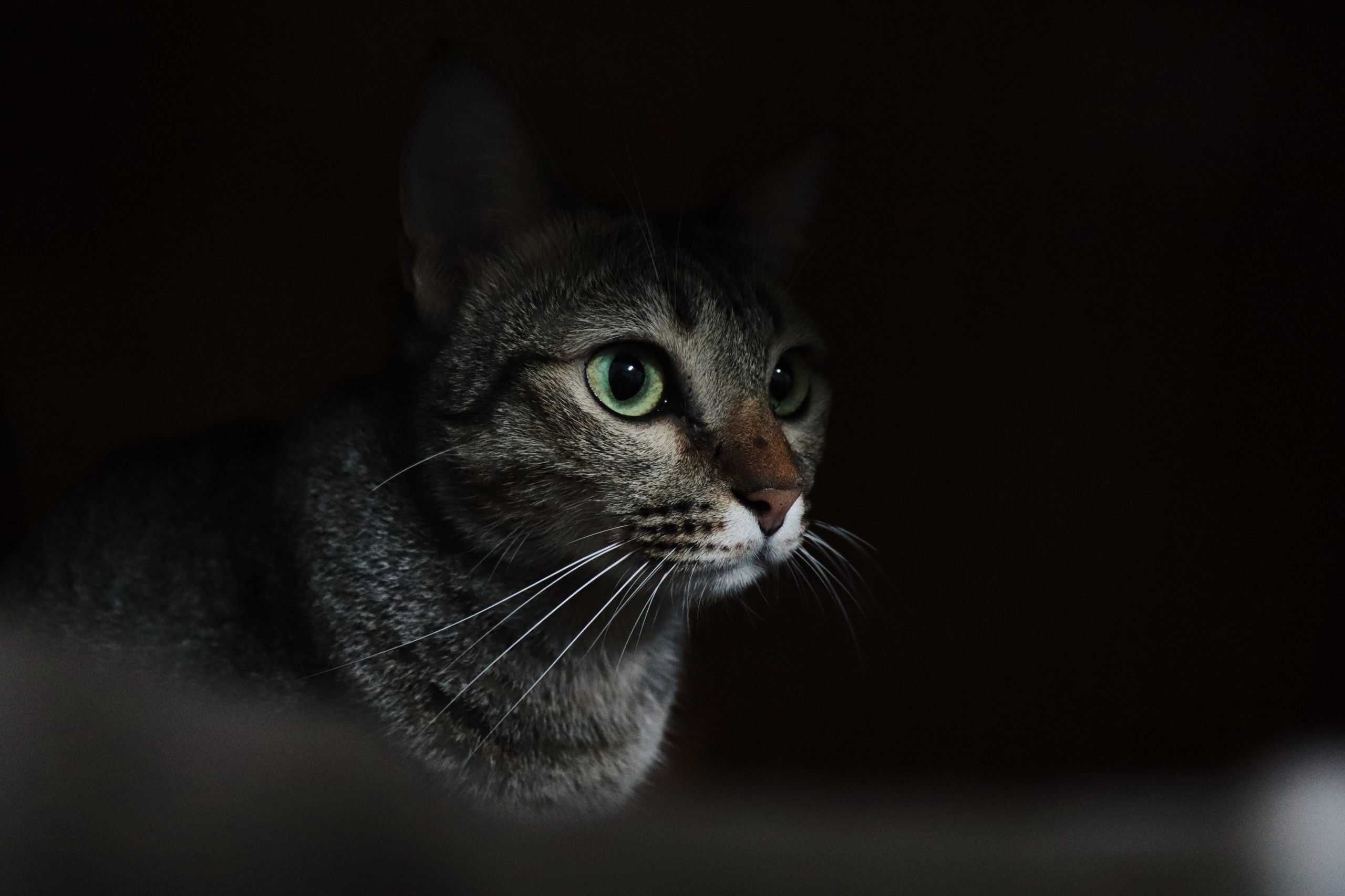
Cats can't see in complete darkness, but give them just a little light and they have a major advantage over humans. Their eyes contain a reflective layer behind the retina called the tapetum lucidum, which gives incoming light another chance to be absorbed. Cornell University estimates that this makes a cat's eyes about six times more sensitive to light than human eyes, helping them navigate and hunt in dim conditions.
Female Cats Can Have Multiple Litters in a Single Year
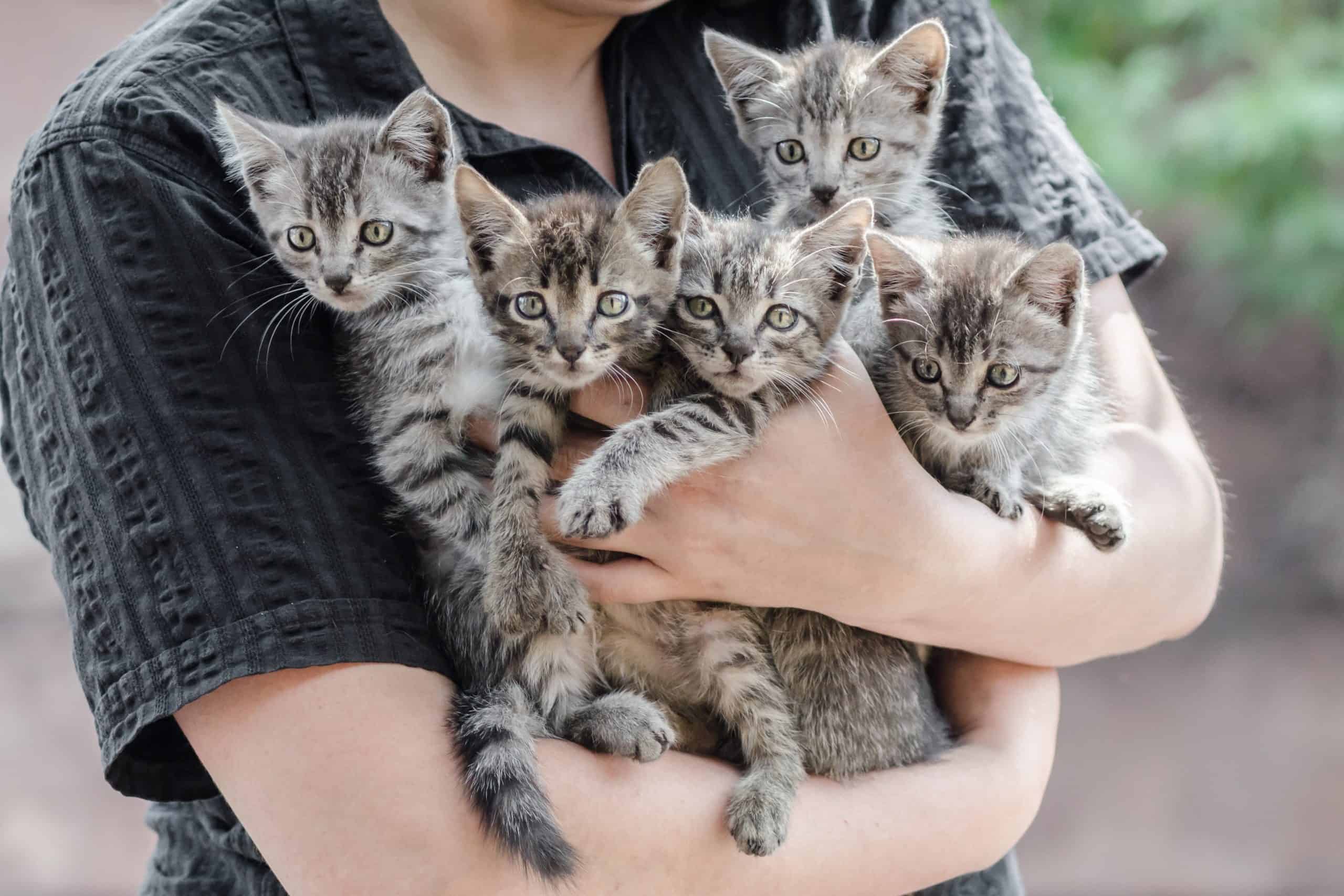
Cats are extremely efficient breeders. Cats Protection notes that an unspayed female can have as many as three litters in a year, with five or six kittens possible in each litter. That means a single female could potentially give birth to 15 or more kittens in a year, even before any future offspring enter the equation. It's one reason veterinarians and animal-welfare organizations strongly recommend preventing unintended litters through spaying and neutering.
Female Cats Can Become Pregnant at Just Four Months Old
That kitten may look nowhere near adulthood, but feline reproductive maturity can arrive surprisingly early. Female cats can become sexually mature and capable of becoming pregnant from about four months of age, although the average first heat occurs somewhat later. An unspayed young cat exposed to an intact male can therefore become pregnant while she still looks very much like a kitten herself.
A Cat Became Talkeetna's Honorary "Mayor"
Stubbs the cat became the famous honorary mayor of Talkeetna, Alaska, in 1997 and held the unofficial title until his death in 2017. Contrary to a story that has circulated for years, Stubbs was not actually elected in a write-in campaign. Talkeetna is an unincorporated community and does not have an official mayoral office. That didn't stop Stubbs from becoming a local celebrity and tourist attraction, though. Politics may never again produce a candidate quite that fluffy.
Disneyland Has Its Own Feral Cat Colony
For years, feral and community cats have lived around Disneyland and Disney California Adventure in Anaheim, California. The Los Angeles Times reported in 2010 that roughly 200 cats were roaming the resort, although the number naturally changes over time and Disney does not maintain a public running count. The resort has used feeding stations and spay-and-neuter efforts to manage the colony, and the cats have also helped keep rodent numbers under control. Calling them Disney employees might be stretching it, but they certainly seem to have found a niche.
A Cat Was Provided for Through a £7 Million Estate
Guinness World Records recognizes a cat named Blackie as the wealthiest cat on record. When British antiques dealer Ben Rea died in 1988, his estate was worth £7 million. Most of that money was divided among three cat charities with instructions that they look after Blackie, the last surviving member of Rea's 15 cats. So Blackie didn't literally walk into a bank with £7 million to his name, but his future was about as financially secure as a cat's could possibly be.
House Cats Can Sprint at Around 30 MPH
Domestic cats are built for short bursts of speed and can reach roughly 30 mph under ideal conditions. For comparison, Usain Bolt reached a peak speed of about 27.8 mph during his world-record 9.58-second 100-meter run in 2009. That doesn't mean a house cat would beat Bolt over an entire 100- or 200-meter race, since cats aren't built to maintain top speed for that distance. But in a very short sprint, your cat has some serious wheels.
A Cat Really Went to Space
On October 18, 1963, French scientists launched a cat named Félicette aboard a Véronique sounding rocket. The suborbital flight carried her more than 150 kilometers above Earth, high enough to reach space, before her capsule returned by parachute. Félicette was recovered alive, making her the first cat to travel to space and return safely. Forget knocking things off the kitchen counter. One member of the species actually left the planet.
Cats Experience REM Sleep
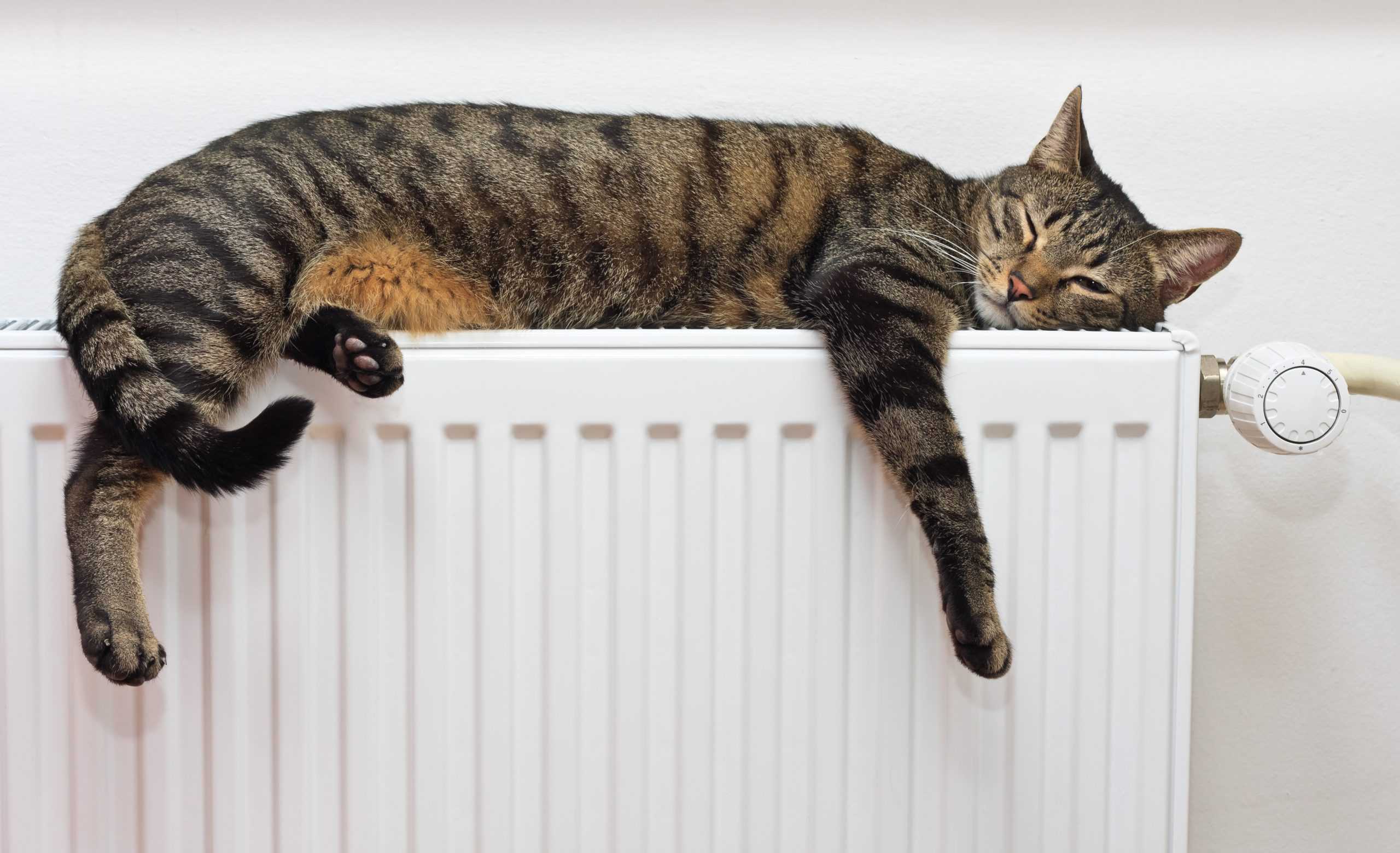
Cats don't just spend an impressive amount of time asleep. Research has documented rapid-eye-movement, or REM, sleep in cats, the sleep stage strongly associated with dreaming in humans. Studies of feline REM sleep have also observed behaviors consistent with dream-related activity. Scientists can't ask a cat what it dreamed about, of course, so claims that they're replaying dinner or chasing imaginary mice go beyond what the evidence can tell us.
One Cat Lived More Than 38 Years
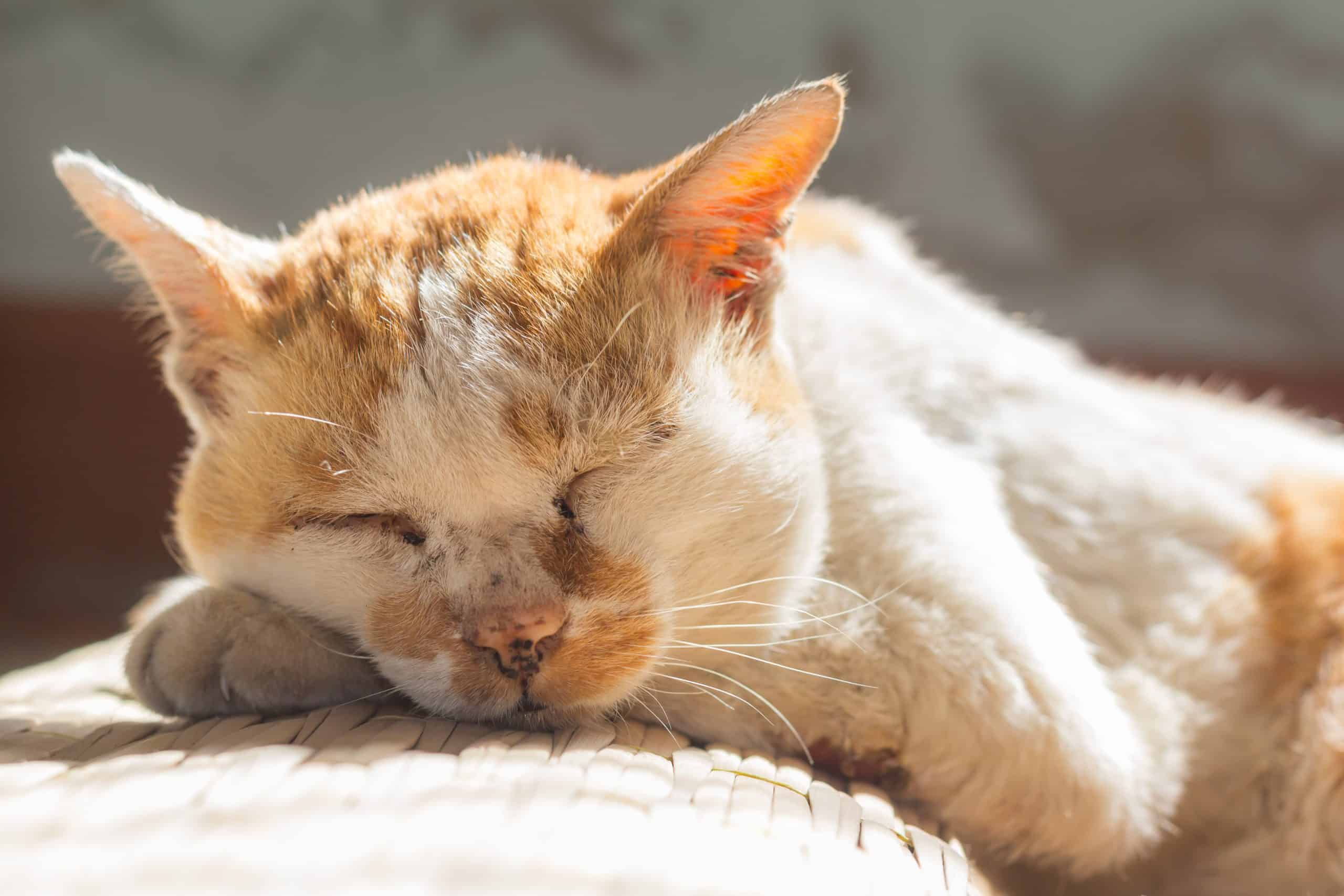
The oldest cat ever verified by Guinness World Records was Creme Puff, who lived with owner Jake Perry in Austin, Texas. She was born on August 3, 1967, and died on August 6, 2005, making her 38 years and three days old. That's an extraordinary lifespan for a domestic cat and far beyond what owners should normally expect, but the record remains one of the more remarkable feats in feline history.
Cats May Notice Changes During Human Pregnancy
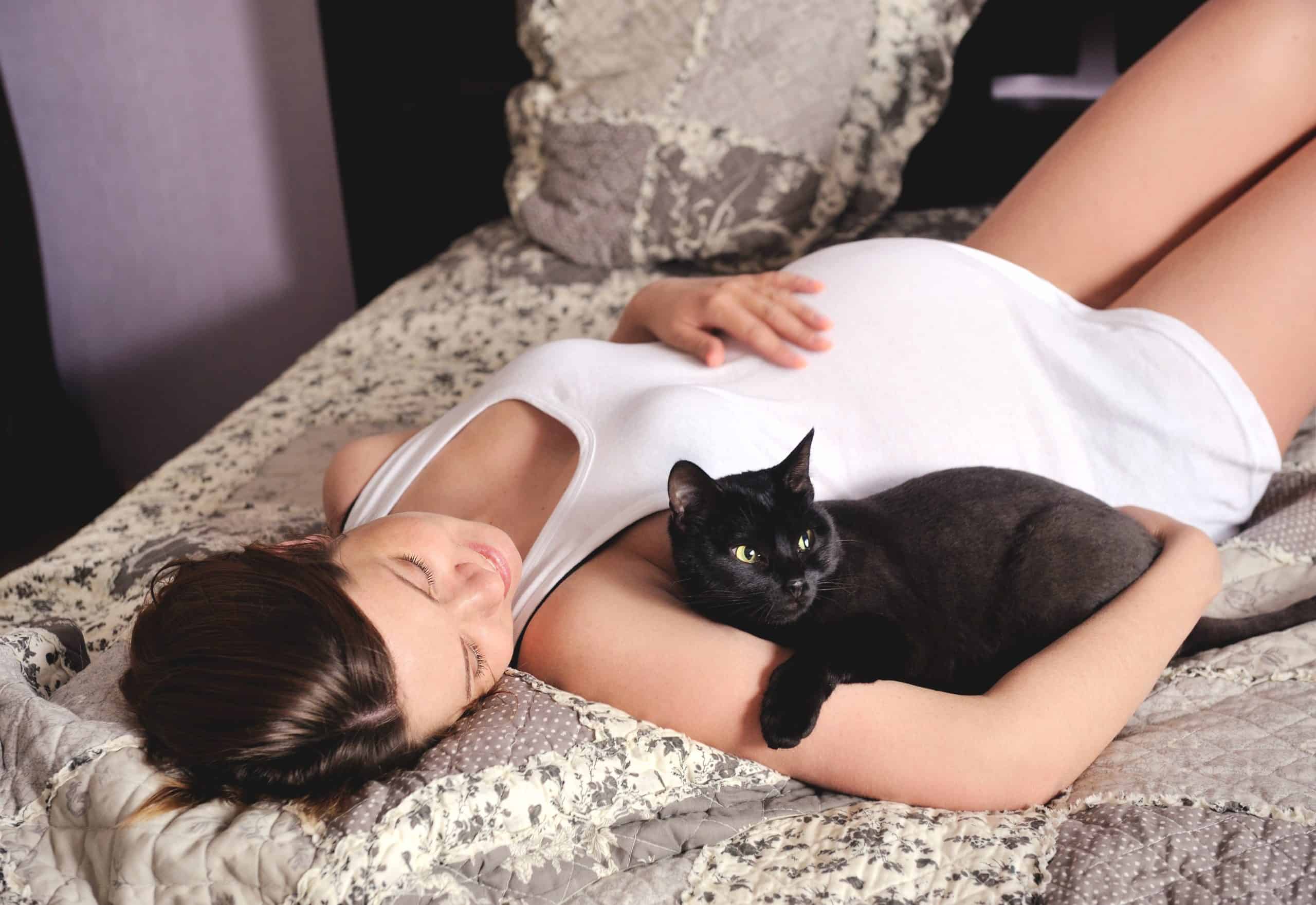
There isn't scientific evidence showing that cats can diagnose or predict a human pregnancy. What they may be able to notice are the changes that come with one. Cats have sensitive senses of smell and hearing, and they're good at picking up changes in their owner's routine and behavior. Some owners report their cats becoming more attentive or affectionate during pregnancy, but consider that an interesting feline reaction, not a substitute for a pregnancy test.