Gage Skidmore / BY-SA 2.0

Chip Somodevilla / Getty Images
Financial Times

technotheory / BY-ND 2.0

Georgia National Guard / BY 2.0
Suze Orman
IMDB
Gage Skidmore / BY-SA 2.0
AOL

Creative Commons
jdlasica / BY 2.0
Financial Times
DavidBach.com
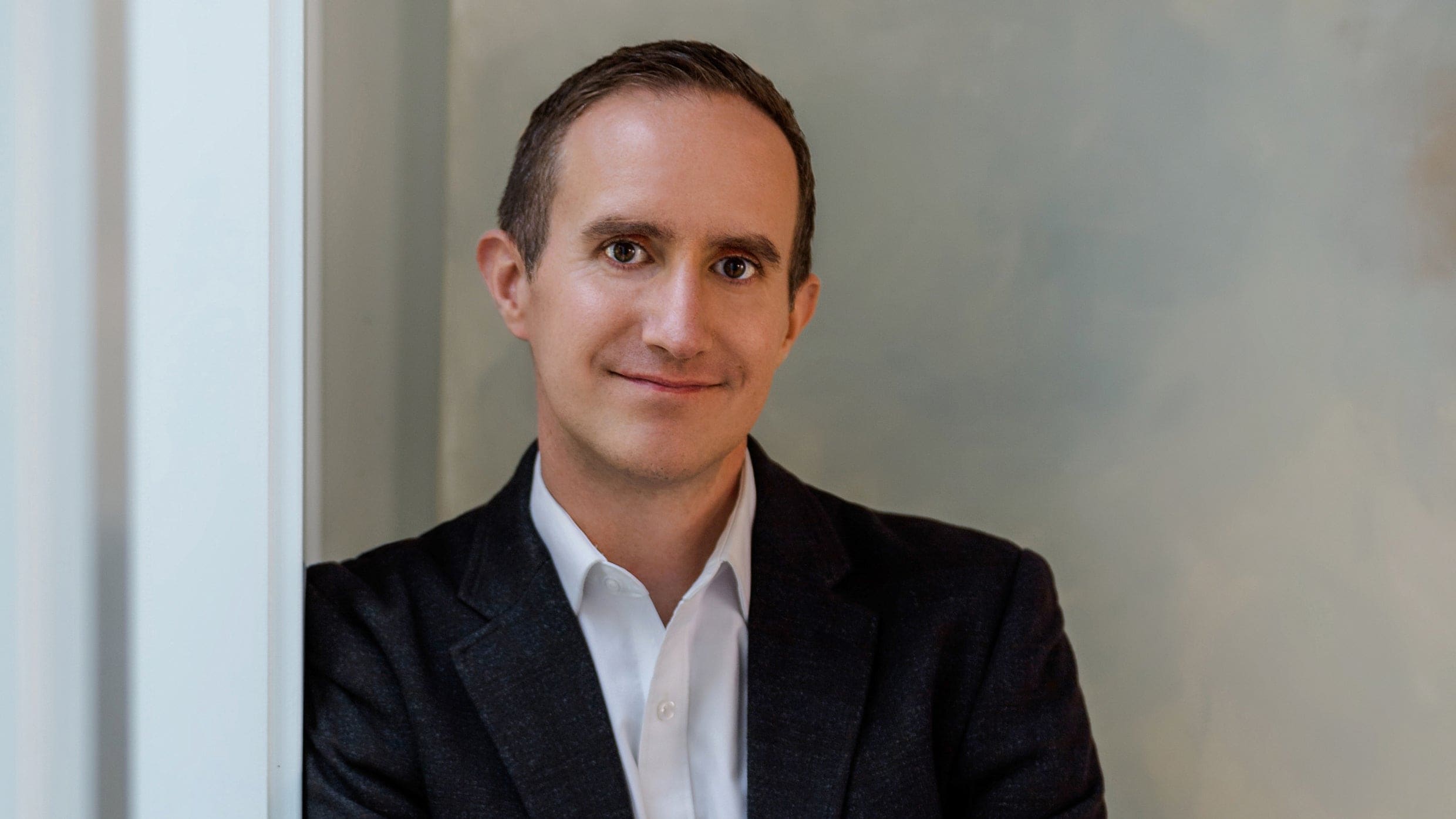
Morgan Housel
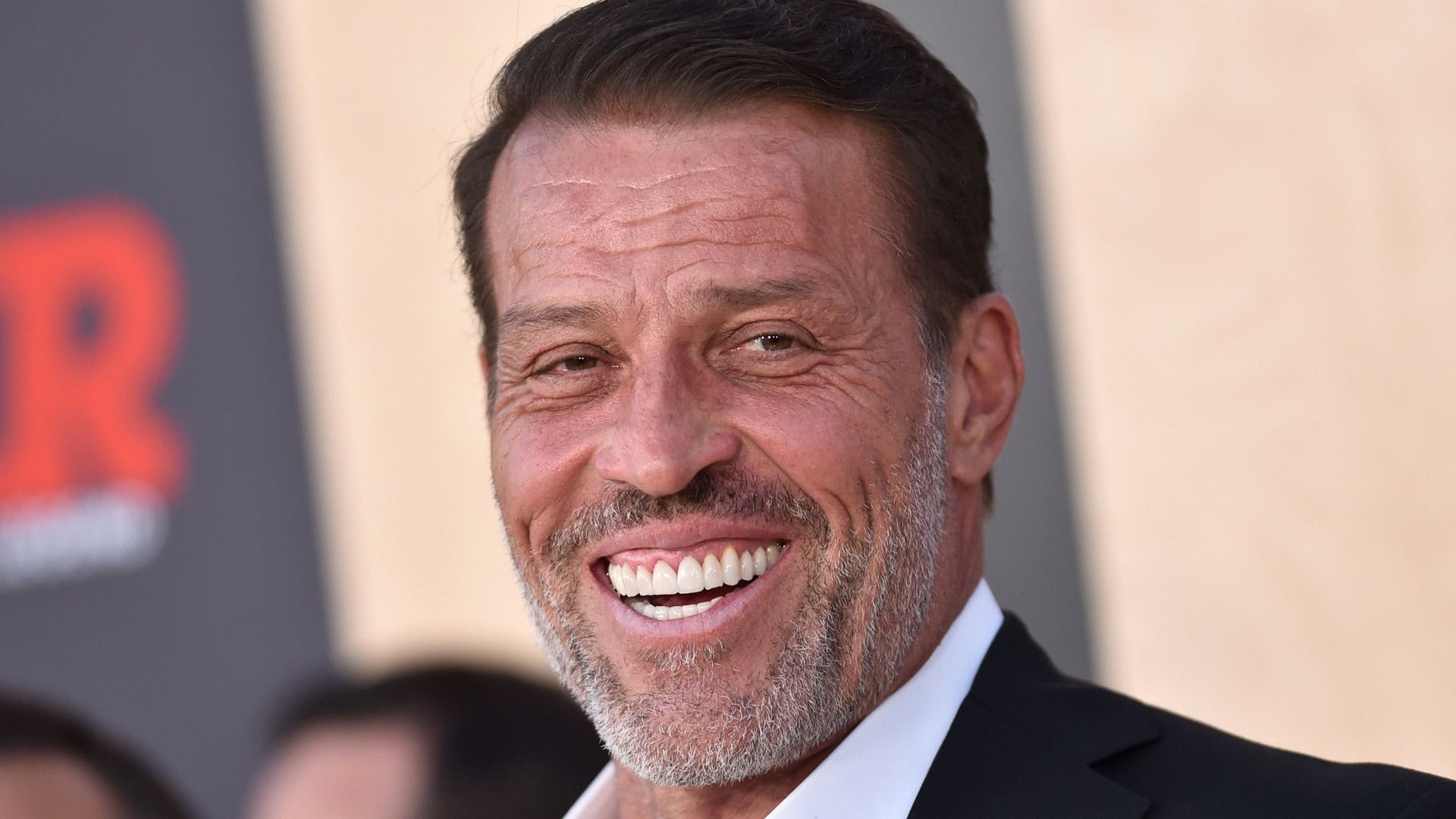
Tony Robbins

Gage Skidmore / BY-SA 2.0











15 Money Rules From Experts That Actually Make Sense
Money advice can get complicated in a hurry. One expert tells you to pay off debt first. Another wants you investing automatically. Someone else says the best thing you can do is stop messing with your investments altogether.
Fortunately, the useful part of most money advice is usually much simpler than the jargon makes it sound. We pulled one practical lesson from 15 well-known names in personal finance and investing and broke each one down in plain English. You will not agree with every rule, and not every strategy fits every household, but each one gives you something useful to think about the next time you get paid.
Warren Buffett: Most People Don't Need to Pick Stocks
Warren Buffett made his fortune choosing individual companies, but he has much simpler advice for most of us. In Berkshire Hathaway's 2013 shareholder letter, Buffett said the money left for his wife should eventually be invested 90% in a very low-cost S&P 500 index fund and 10% in short-term government bonds. An S&P 500 index fund basically lets you own tiny pieces of hundreds of large American companies at once instead of trying to guess which individual stock will win. The takeaway is not that everyone needs Buffett's exact 90/10 mix. It is that investing can work perfectly well without turning your evenings into stock-analysis homework.
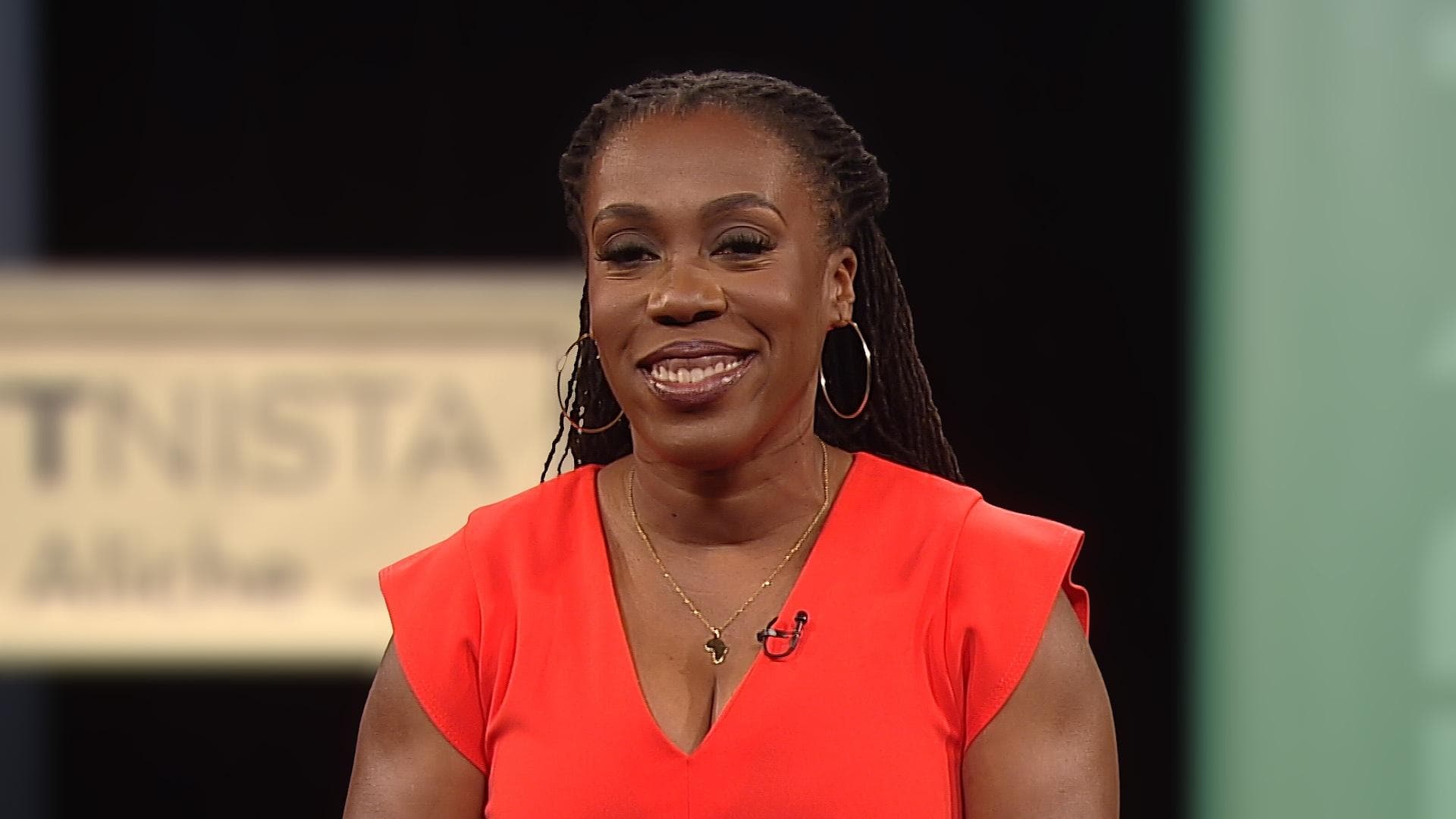
Tiffany Aliche: Is It a Need, Love, Like or Want?
Tiffany Aliche, better known as The Budgetnista, offers a simple way to slow down spending before it happens. Ask yourself whether the thing you are about to buy is a need, a love, a like, or a want. Needs are the things that keep your life running. Loves are things that genuinely matter enough to you that they may deserve room in your budget. Likes and wants are often where spending sneaks up on us because they are easy to buy without thinking. The point is not to live a joyless life where every dollar goes toward utilities. It is to make sure your money is going toward things you actually value instead of disappearing on purchases you barely remember a week later.
Ramit Sethi: Put Good Money Habits on Autopilot
Ramit Sethi's basic idea is that your money system should still work during the weeks when you are busy, tired, or simply not thinking about money. He recommends automating the important stuff shortly after payday. Bills get paid, money moves into savings, retirement contributions happen, and investments are funded without you having to remember every single step. If you use credit cards and pay them in full, those payments can be automated too. You should still check your accounts, but automation removes one big source of trouble: having to make the same good decision over and over again before life eventually distracts you.
Clark Howard: Freeze Your Credit Before You Need To
Clark Howard has pushed one free identity-theft precaution for years: freeze your credit with Equifax, Experian, and TransUnion. A freeze makes it much harder for someone who steals your information to open a new loan or credit card in your name because most lenders cannot pull your credit report while the freeze is active. It does not cancel the cards or loans you already have, and it does not hurt your credit score. When you actually want to apply for credit, you can temporarily lift the freeze. Howard's other point is just as useful: a credit freeze is free, so there is usually no reason to pay a company for a fancy "credit lock" that performs a similar job.
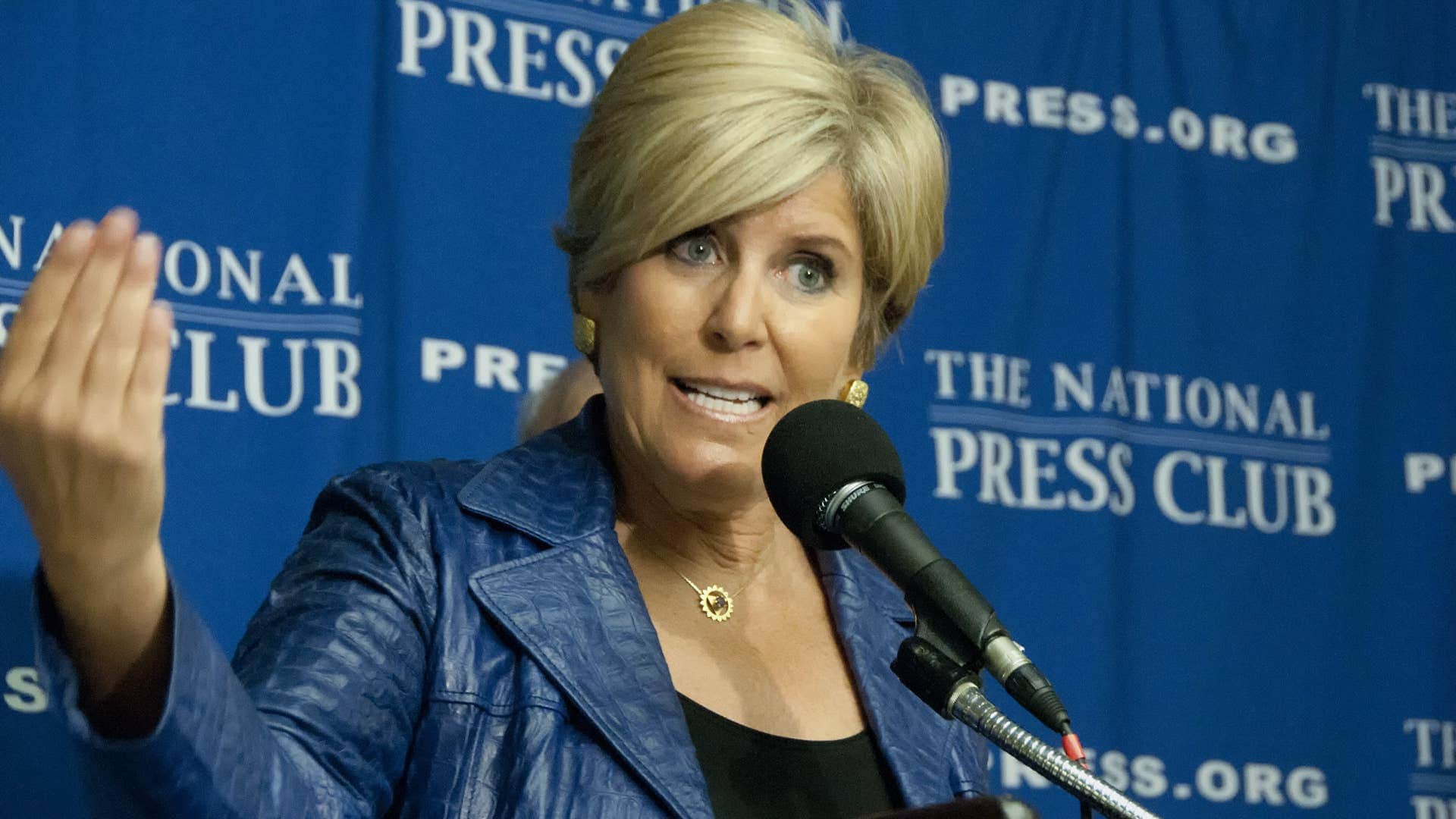
Suze Orman: Build More Emergency Savings Than You Think
Suze Orman wants people to keep a bigger emergency fund than the usual three-to-six-month recommendation. Her goal is eventually having enough cash to cover eight to 12 months of expenses you absolutely have to pay, such as housing, groceries, utilities, insurance, and minimum debt payments. That can sound impossible if you are starting from zero, so think of it as a long-term target rather than something you need by next Friday. Get to one month first, then two, and keep building. The reason is simple: losing a job or dealing with a family emergency can last much longer than expected. Cash gives you time to deal with the problem without immediately reaching for a credit card.
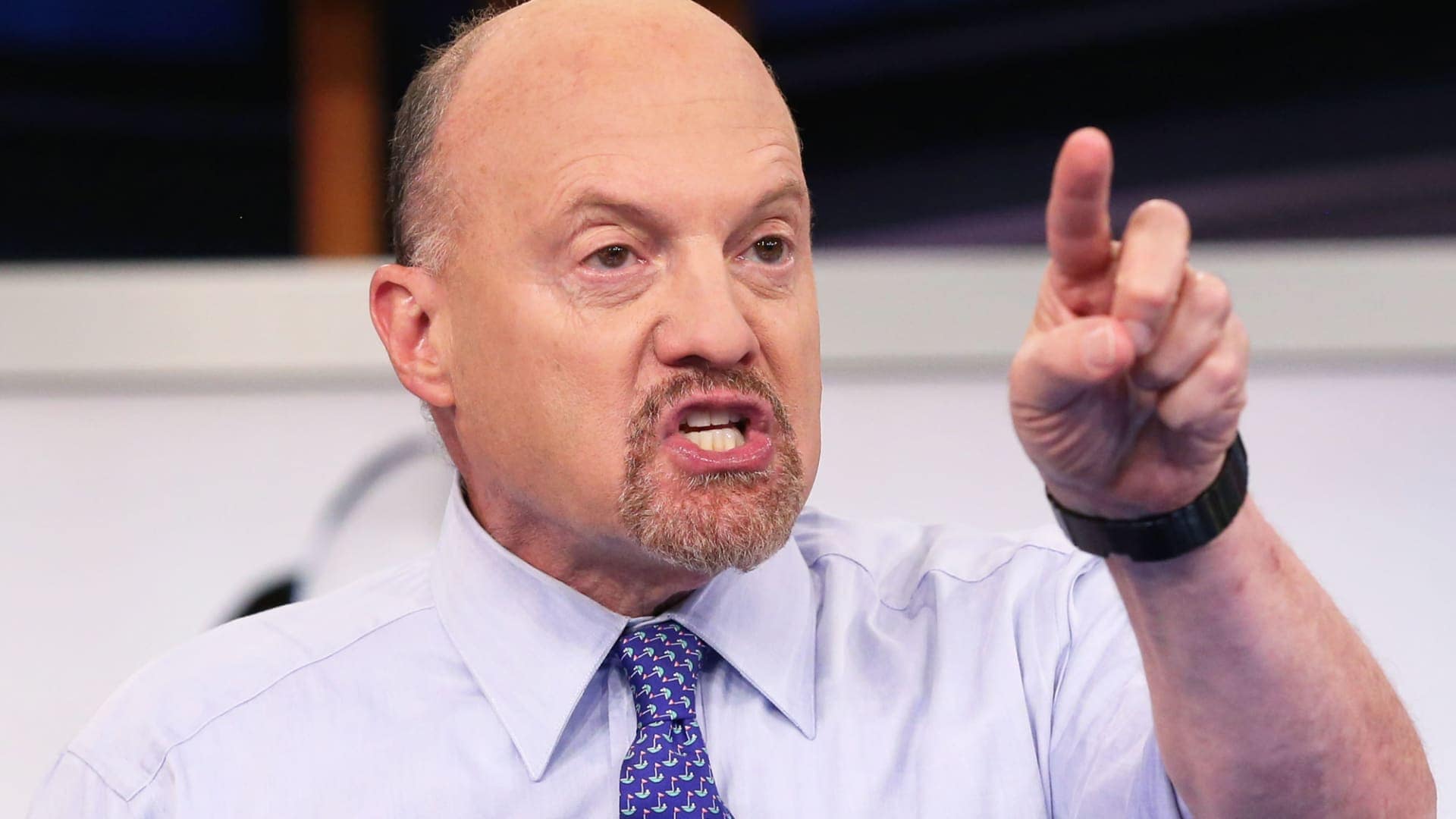
Jim Cramer: Five Stocks Can Still Be One Big Bet
Jim Cramer has long argued that people who buy individual stocks should spread their money across different parts of the economy. Owning five stocks does not make you diversified if all five depend on basically the same thing. Five technology companies, for example, could all get hit by the same industry slowdown. Even companies in different industries can share the same risk if they rely heavily on the same customers or trend. Think of diversification as making sure one bad event cannot knock over everything you own at once. Different ticker symbols are not enough. You want investments that are driven by different businesses, customers, and economic forces.
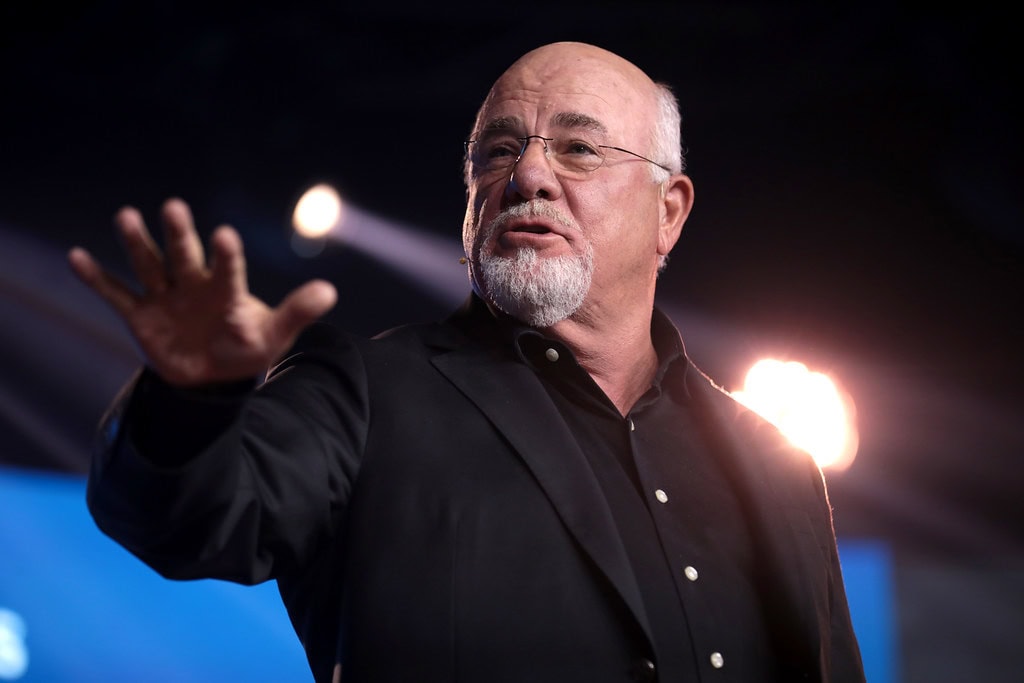
Dave Ramsey: Start With the Smallest Debt
Dave Ramsey's famous "debt snowball" is built around momentum. After putting together his $1,000 starter emergency fund, Ramsey tells people to list their non-mortgage debts from the smallest balance to the largest. Keep making the minimum payment on everything, but send every extra dollar to the smallest debt. Once it is gone, take that payment and attack the next one. Paying off the debt with the highest interest rate first can save more money mathematically, but Ramsey is aiming at a different problem: motivation. Watching an entire balance disappear can make it much easier to keep going when the finish line on your biggest debt still feels miles away.
Jean Chatzky: Aim to Save 15% for Retirement
Jean Chatzky has long used 15% of gross income as a useful retirement-savings target. "Gross income" simply means what you earn before taxes and other deductions come out of your paycheck. The 15% number is a guideline, not a guarantee. Someone who starts saving at 50 may need a higher percentage, while someone with a pension could have a very different situation. Employer contributions to a 401(k) can also help you reach the target. The real value of the rule is that it gives you an actual number to work toward. "I should probably save more for retirement someday" is a lot harder to measure.
John Bogle: Keep Fees Low and Stop Tinkering
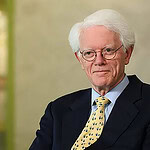
Vanguard founder John Bogle spent decades preaching an investing strategy that sounds almost suspiciously boring: spread your money across lots of investments, keep your costs low, and stick with your plan. His famous advice to "stay the course" did not mean ignoring serious changes in your life. It meant not blowing up a long-term investment plan every time the stock market has a bad week. Fees matter because money paid to an investment company is money that no longer gets to grow for you. A difference that looks tiny today can become a much bigger gap after decades of compounding. Sometimes the hardest part of investing is simply resisting the urge to constantly do something.
Mark Cuban: Credit Card Interest Can Wreck the Math
Mark Cuban has been extremely blunt about credit cards and has said one of his own early mistakes was carrying balances instead of paying them off every month. You do not necessarily need to swear off cards completely to understand his point. Rewards and credit-building benefits can be useful when the bill gets paid in full. The trouble starts when you carry a balance from month to month and begin paying high interest. If a card charges you more than 20% a year, earning 2% cash back is not exactly a financial victory. Before worrying about squeezing another percentage point out of an investment, getting expensive credit-card debt under control can be the much bigger win.
Peter Lynch: Knowing the Brand Is Only the First Step
Peter Lynch's famous "buy what you know" advice is often misunderstood. He was not telling people to buy stock in every restaurant they like or every company whose products they use. His point was that your job, hobbies, shopping habits, or everyday life can sometimes help you notice a promising business before Wall Street does. Then you still have to investigate it. How does the company make money? Is it growing? Does it have too much debt? Is the stock already extremely expensive? Loving a product can give you a reason to look at a company. It is not a reason by itself to hand the company your investment money.
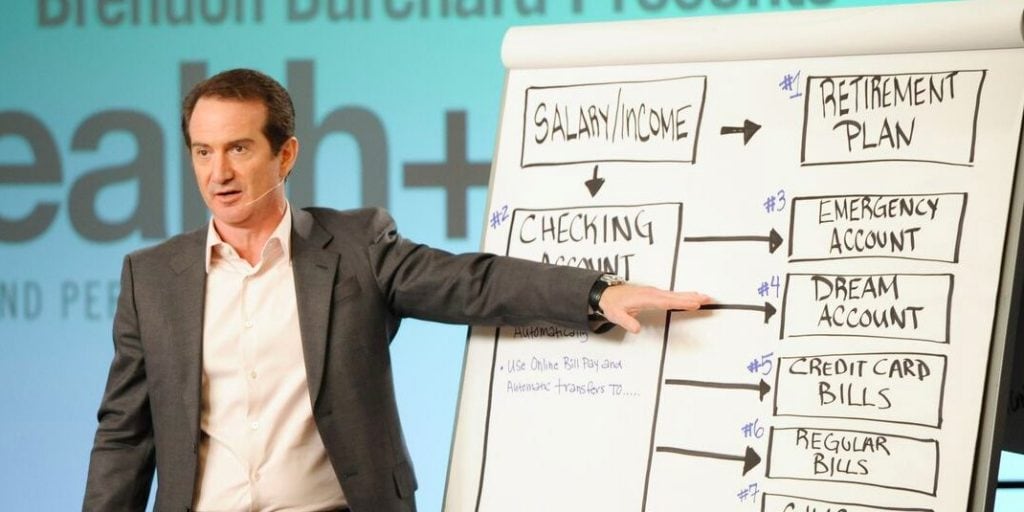
David Bach: Save Before You Spend
David Bach's No. 1 money recommendation for 2026 is something he has taught for years: pay yourself first, and make it automatic. Instead of waiting until the end of the month to see whether anything is left to save, move money toward retirement or savings as soon as you get paid. Payroll deductions and automatic transfers make that surprisingly easy. Bach has sometimes suggested saving roughly the equivalent of one hour of income from every workday, but the exact number is less important than the habit. If future-you only gets whatever survives after food delivery, subscriptions, and online shopping, future-you is probably not getting much.
Morgan Housel: Leave Yourself Some Wiggle Room
Morgan Housel calls it "room for error." In everyday language, that means do not build a financial life where absolutely everything has to go right. Maybe that means keeping extra cash in savings, avoiding the biggest loan a bank says you can technically afford, or using conservative assumptions when planning for retirement. Cars break. Jobs disappear. Markets fall. Houses suddenly decide they need expensive repairs at the worst possible moment. You cannot predict every surprise, but you can make sure one surprise does not wreck the whole plan. A little unused breathing room may look inefficient when everything is going well. It looks extremely smart when something goes wrong.
Tony Robbins: Know How Your Financial Adviser Gets Paid
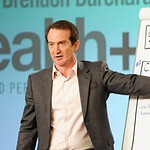
Tony Robbins has spent years telling investors to pay attention to fees, conflicts of interest, and whether the person giving them financial advice is required to put the client's interests first. You do not need to become an expert in financial regulation to use the basic lesson. Ask your adviser two simple questions: "What am I paying?" and "How do you make money from my account?" Investment advisers generally operate under a fiduciary duty, meaning they are required to act in their clients' best interests. Brokers follow a separate best-interest standard when making recommendations. Either way, you should understand the fees, commissions, and incentives involved before handing someone your retirement money.
Robert Kiyosaki: Buy Things That Can Make You Money
Robert Kiyosaki's most famous lesson from the Rich Dad books is to focus on buying assets instead of constantly adding liabilities. His definitions are simpler than the ones an accountant would use. In Kiyosaki's version, an asset puts money into your pocket while a liability takes money out. The useful idea underneath that is cash flow. Earning more money does not necessarily make you wealthier if every raise immediately turns into a bigger car payment, more subscriptions, and a more expensive lifestyle. Investments, businesses, royalties, or rental property can potentially produce income instead of another monthly bill. Before making a big purchase, it can be worth asking one simple question: will this help fund my future or make it more expensive?