
Corina Daniela Obertas / Shutterstock.com
Joe Seer / Shutterstock.com
David Livingston / Getty Images for AFI
mark reinstein/ Shutterstock
Joe Seer / Shutterstock.com
Corina Daniela Obertas / Shutterstock.com
Thomas Trompeter / Shutterstock.com
Hayk_Shalunts / Shutterstock.com
daily_creativity / Shutterstock.com
Benny Marty/ Shutterstock
mark reinstein / Shutterstock.com
ChameleonsEye / Shutterstock.com

Grossinger / Shutterstock.com

Public Domain / Wikimedia Commons

Gustavo Frazao/ Shutterstock
NBC Television / Getty Images


15 Moments That Defined Growing Up in the 1970s
Growing up in the 1970s meant watching the world change in real time. Saturday mornings still belonged to cartoons, home video games were suddenly becoming a thing, and a little science-fiction movie called "Star Wars" turned into a cultural phenomenon almost overnight.
But the decade had a much heavier side, too. Watergate brought down a president. Apollo 13 had millions watching a life-or-death rescue unfold from space. New York lived through the Son of Sam killings, the Jonestown tragedy shocked the world, and some of the most recognizable buildings in America rose over Lower Manhattan. For people who came of age during the decade, these 15 moments helped define what the 1970s felt like.
1. Saturday Morning Cartoons Became a Weekly Ritual
Before streaming, cable channels packed with children's programming, or the ability to watch pretty much anything on demand, Saturday morning television felt like an event. Kids got up early, planted themselves in front of the family television, and worked through hours of cartoons while the adults attempted to sleep a little longer.
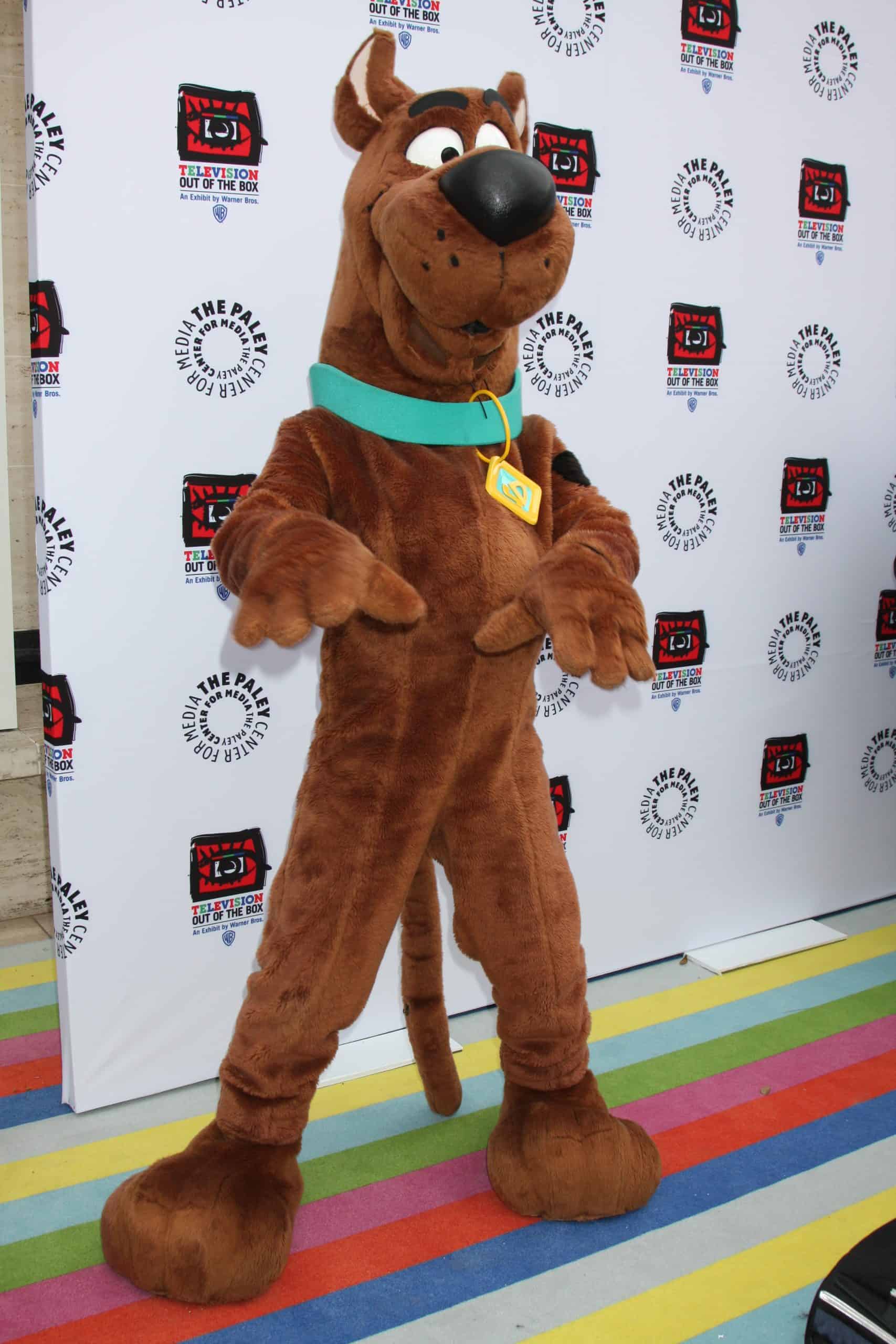
Shows such as "The Bugs Bunny/Road Runner Show" and various versions of "Scooby-Doo" became Saturday fixtures, alongside a rotating lineup of superheroes, talking animals, and increasingly elaborate toy commercials. Color television had existed well before the decade began, but by the 1970s color sets were becoming standard in American homes. For a generation of kids, Saturday morning was basically an appointment you did not miss.
2. "Star Wars" Arrived and Changed Movies
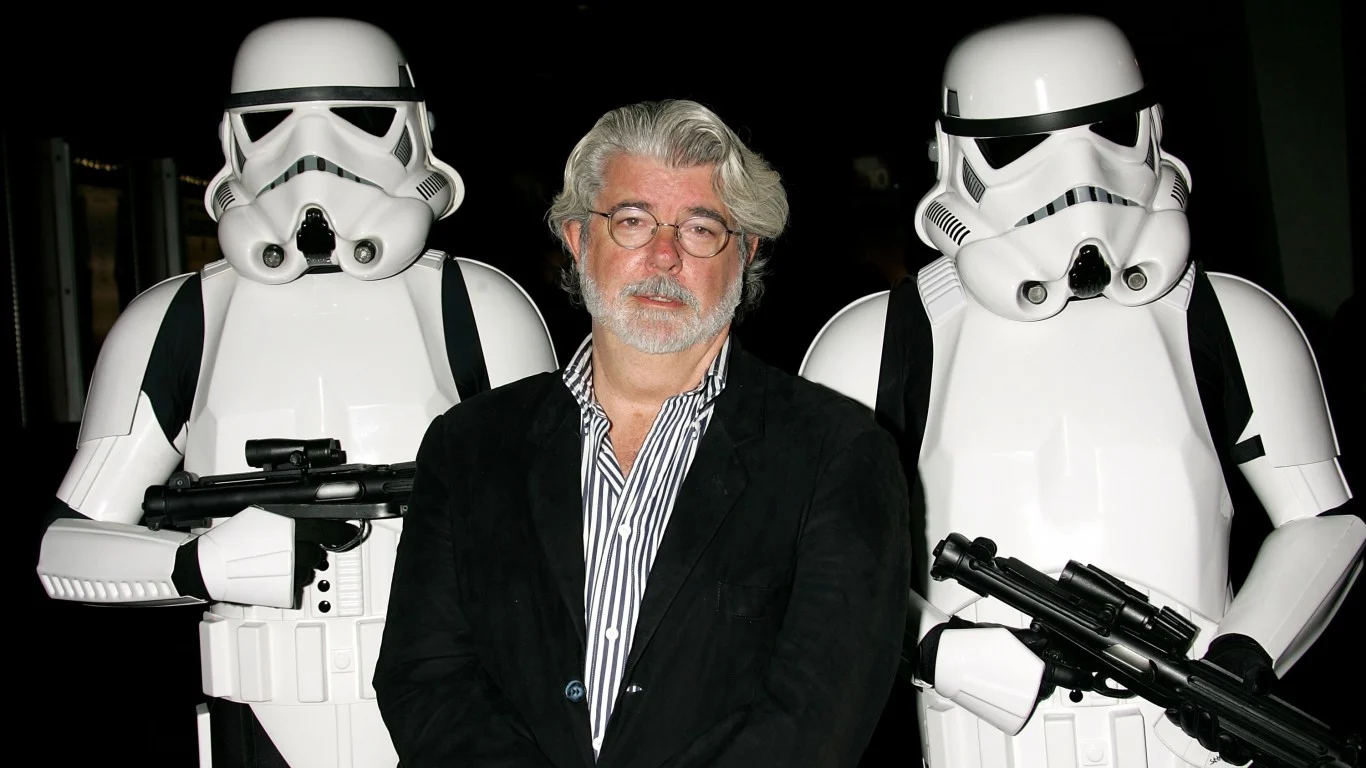
On May 25, 1977, "Star Wars" opened on just 32 U.S. screens. It did not stay small for long. George Lucas' space adventure became a cultural phenomenon by the end of the summer and helped reshape what Hollywood believed a blockbuster could be.
The movie we now know as "Star Wars: Episode IV - A New Hope" was originally released simply as "Star Wars." Its visual effects, sound, characters, and merchandising quickly escaped the theater. Kids wanted action figures, pretended sticks were lightsabers, and argued about whether they could use the Force. Nearly half a century later, Lucasfilm is still expanding the same galaxy that audiences first entered in 1977.
3. Watergate Ended a Presidency
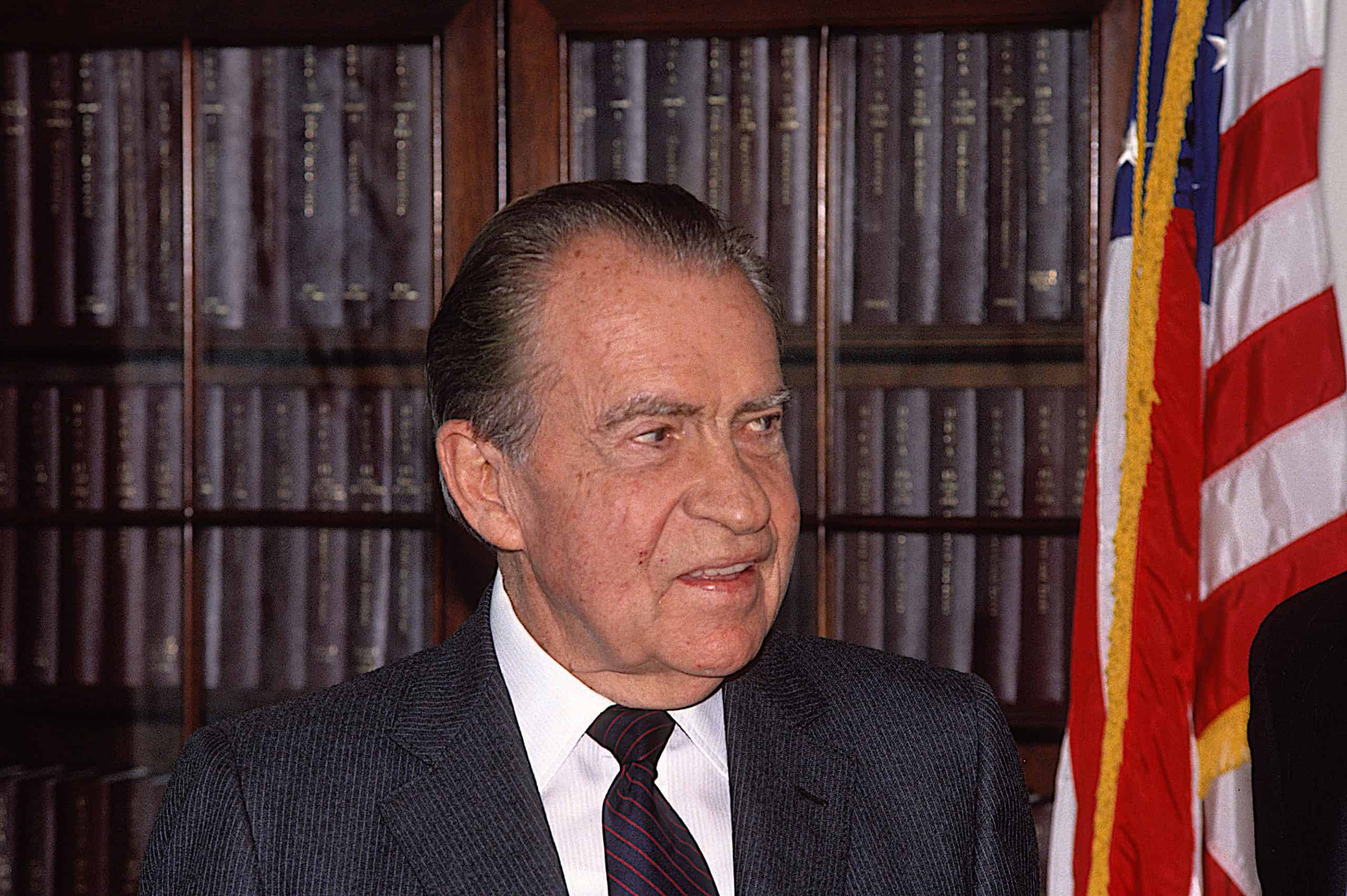
Five men were arrested inside Democratic National Committee headquarters at Washington's Watergate complex on June 17, 1972. The burglary initially looked like a strange campaign-season crime. It eventually grew into a scandal that exposed wrongdoing and a White House effort to conceal connections to the break-in.
There is no established evidence that President Richard Nixon personally ordered the Watergate burglary. What investigators and Nixon's own recordings did establish was his participation in the cover-up. In July 1974, the Supreme Court ordered him to surrender White House recordings, and the House Judiciary Committee approved three articles of impeachment. Nixon resigned on August 9 before the full House could vote, becoming the only U.S. president to resign from office.
4. Hank Aaron Broke Babe Ruth's Home Run Record
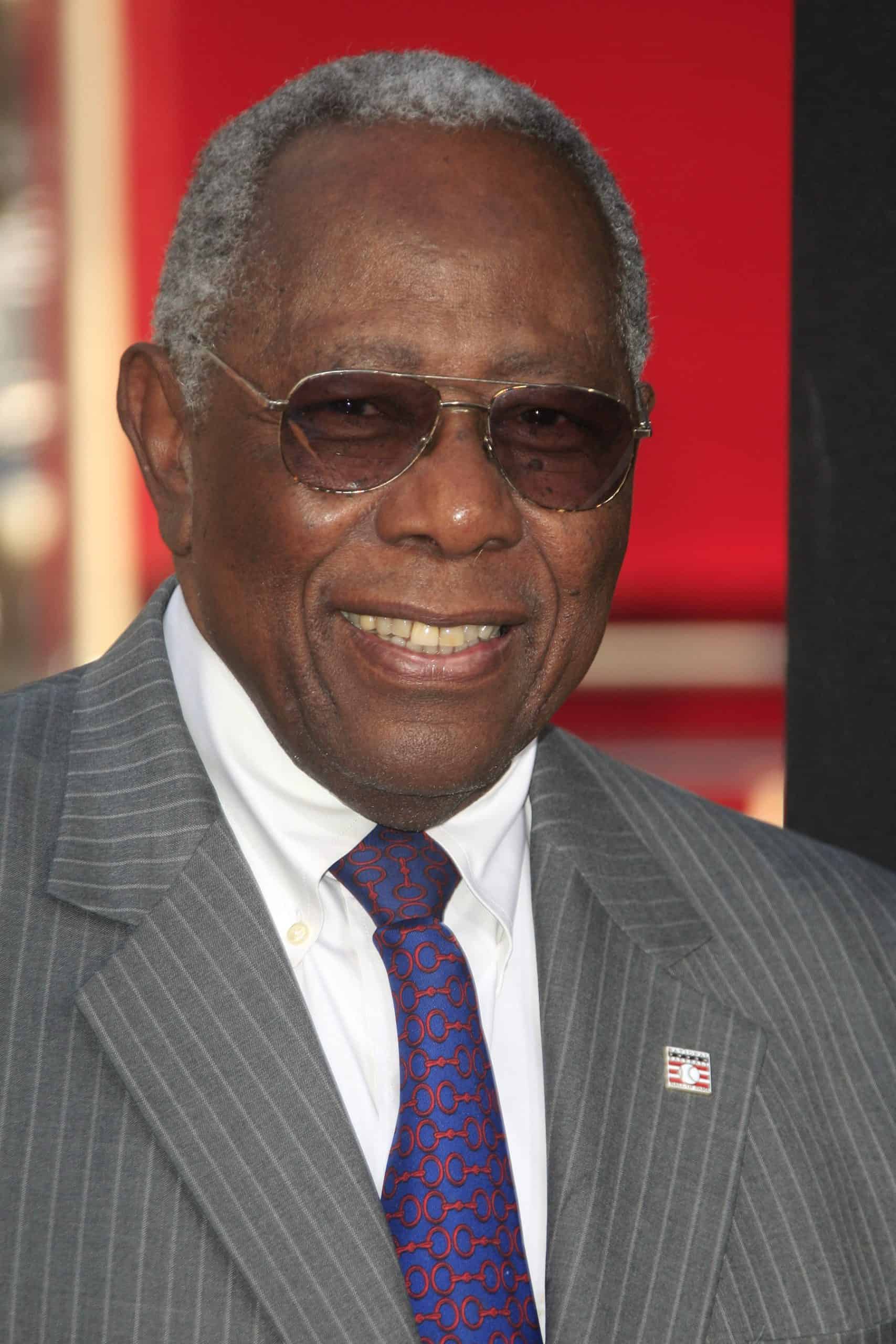
Hank Aaron finished the 1973 season with 713 career home runs, one shy of Babe Ruth's longtime record. He tied Ruth with No. 714 on Opening Day in 1974, then returned home to Atlanta with the entire baseball world waiting for one more swing.
It came on April 8 against Los Angeles Dodgers pitcher Al Downing. Aaron sent the ball over the left-center-field fence for career homer No. 715 and became Major League Baseball's all-time home run leader. The moment carried significance well beyond sports. Aaron had endured racist abuse and death threats during his pursuit of Ruth, and broadcaster Vin Scully reflected on the sight of a Black player receiving a standing ovation in the Deep South after breaking one of baseball's most cherished records.
5. Video Games Moved Into the Living Room
The 1970s did not invent electronic games, but they were the decade when video games started becoming a real consumer business. The Magnavox Odyssey arrived in 1972 as the first commercial home video game console. That same year, Atari introduced "Pong" in arcades and discovered that people were more than willing to feed quarters into a machine just to bounce a little square back and forth.
Atari released a home version of "Pong" in 1975, followed by the cartridge-based Atari Video Computer System, later known as the Atari 2600, in 1977. The graphics were primitive by modern standards, but the idea was enormous: your television was no longer something you only watched. Now you could play with it.
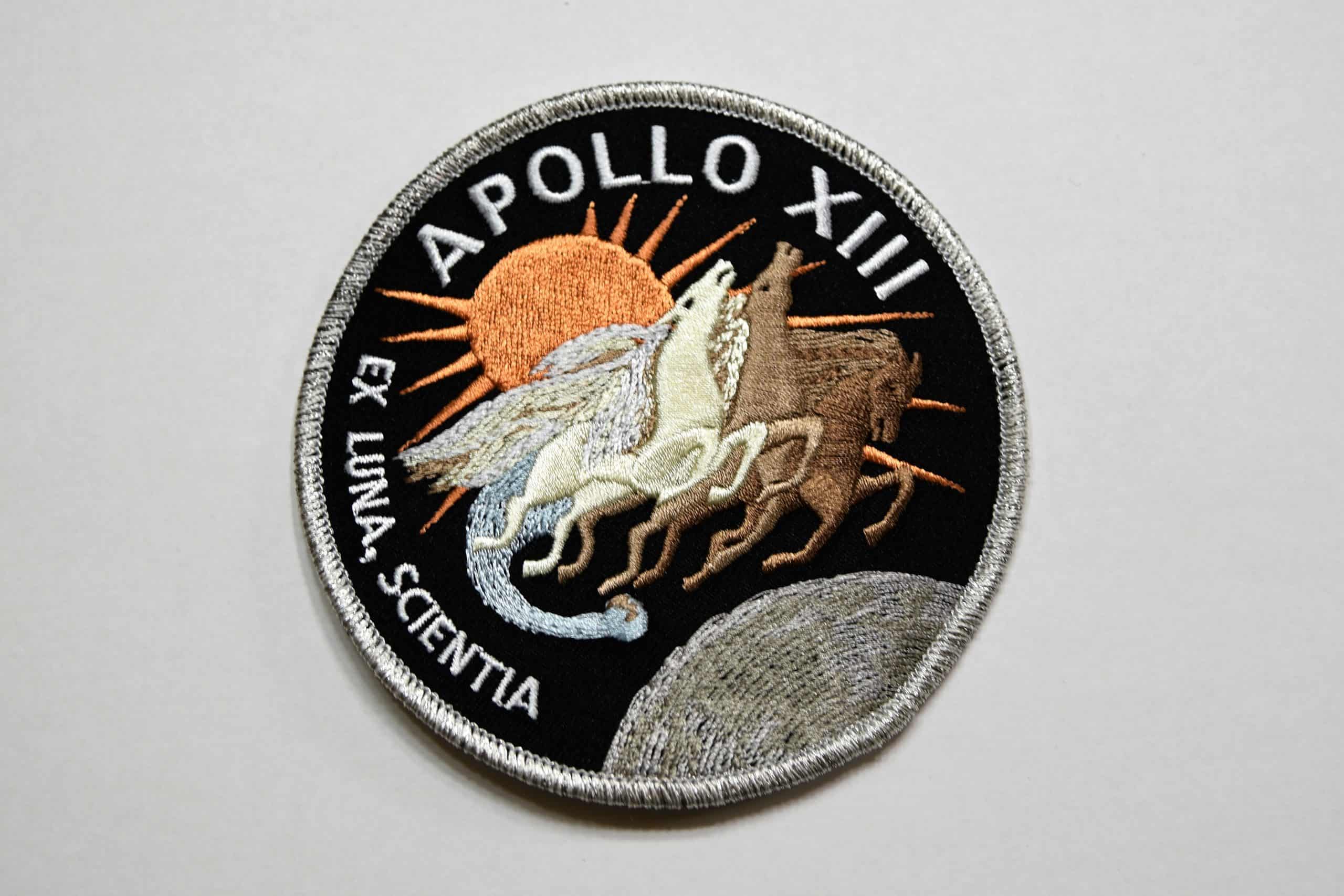
6. Apollo 13 Turned a Moon Mission Into a Rescue
Apollo 13 launched on April 11, 1970, carrying astronauts Jim Lovell, Jack Swigert, and Fred Haise toward what was supposed to be NASA's third crewed lunar landing. Two days later, with the spacecraft roughly 200,000 miles from Earth, an oxygen tank in the service module ruptured.
The Moon landing was immediately abandoned. The crew shut down much of the command module and used the lunar module Aquarius as a lifeboat while engineers on Earth improvised ways to conserve power, water, and breathable air. Apollo 13 splashed down safely in the Pacific on April 17. President Richard Nixon subsequently presented Presidential Medals of Freedom to the Apollo 13 crew and the Mission Operations Team whose work helped bring them home.
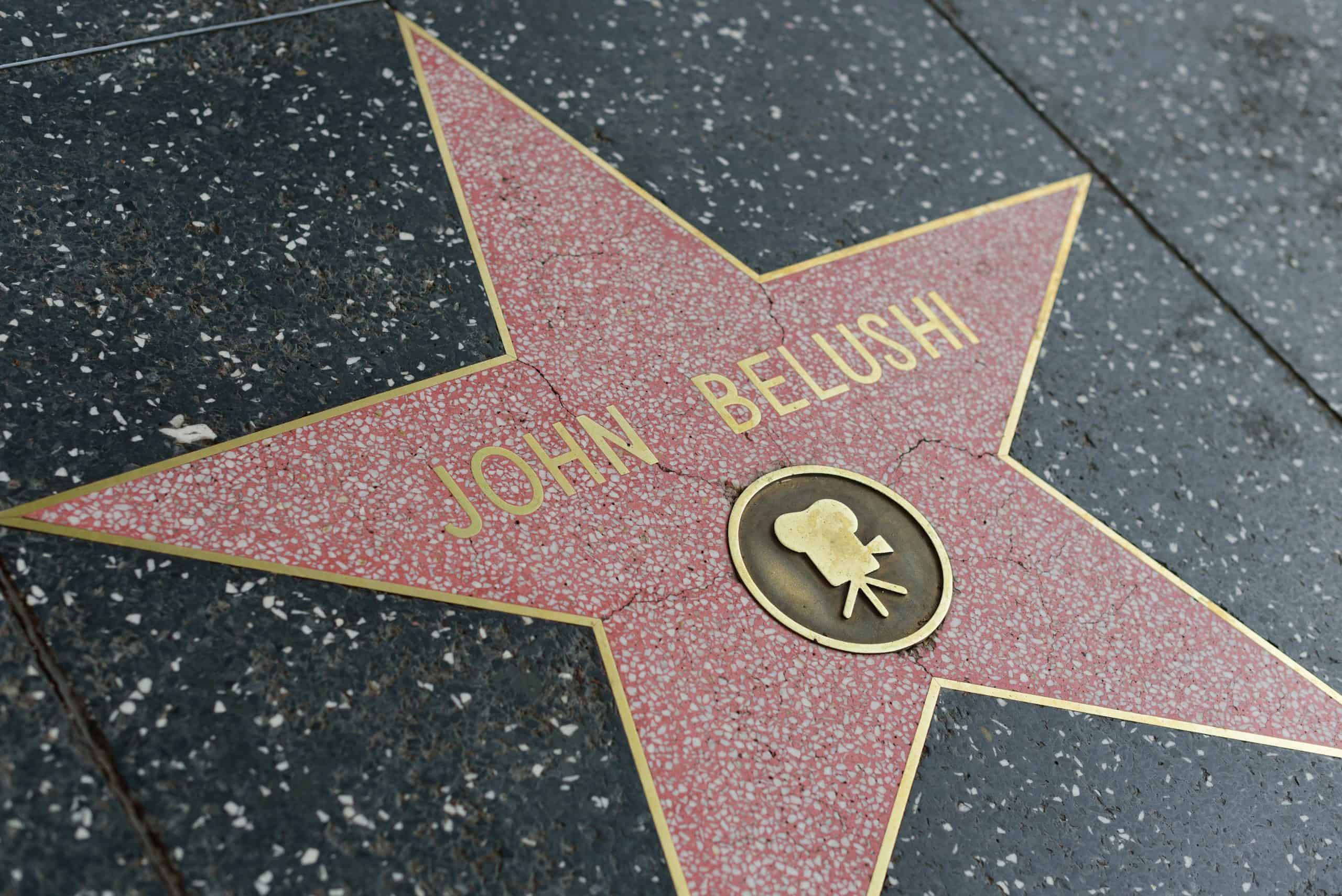
7. "Saturday Night Live" Made Its Debut
Late-night television changed on October 11, 1975, when NBC aired the first episode of what became "Saturday Night Live." George Carlin hosted, Billy Preston and Janis Ian were the musical guests, and the original cast included names such as Dan Aykroyd, John Belushi, Chevy Chase, Jane Curtin, Garrett Morris, Laraine Newman, and Gilda Radner.
The show mixed live sketches, music, stand-up, filmed segments, and a format loose enough that things occasionally went sideways on television in real time. That unpredictability became part of the appeal. Generations of comedians later used "SNL" as a launching pad, but kids and teenagers watching in the 1970s saw the whole weird experiment beginning from scratch.
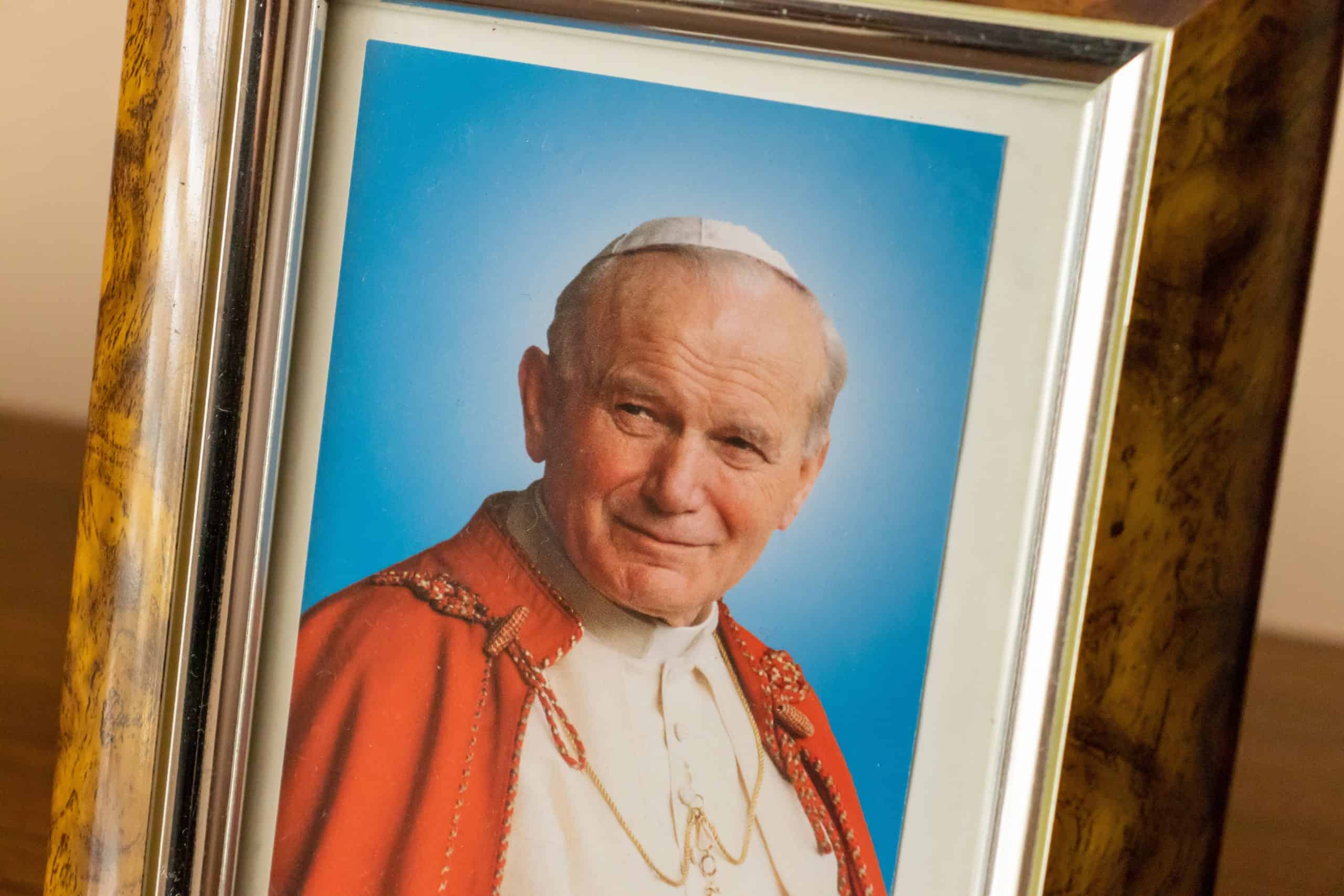
8. Pope John Paul II Made History
The Catholic Church went through an extraordinary stretch in 1978. Pope Paul VI died in August, and his successor, Pope John Paul I, died after a pontificate of only 33 days. Cardinals returned to conclave in October and elected Polish Cardinal Karol Wojtyła, who took the name John Paul II.
His election on October 16 was historic. John Paul II was the first Polish pope and the first non-Italian elected to the papacy in 455 years. His nearly 27-year pontificate eventually made him one of the most internationally visible popes in modern history. His 1979 visit to communist-controlled Poland also became an important moment for a country where opposition movements, including Solidarity, would soon challenge the communist government.
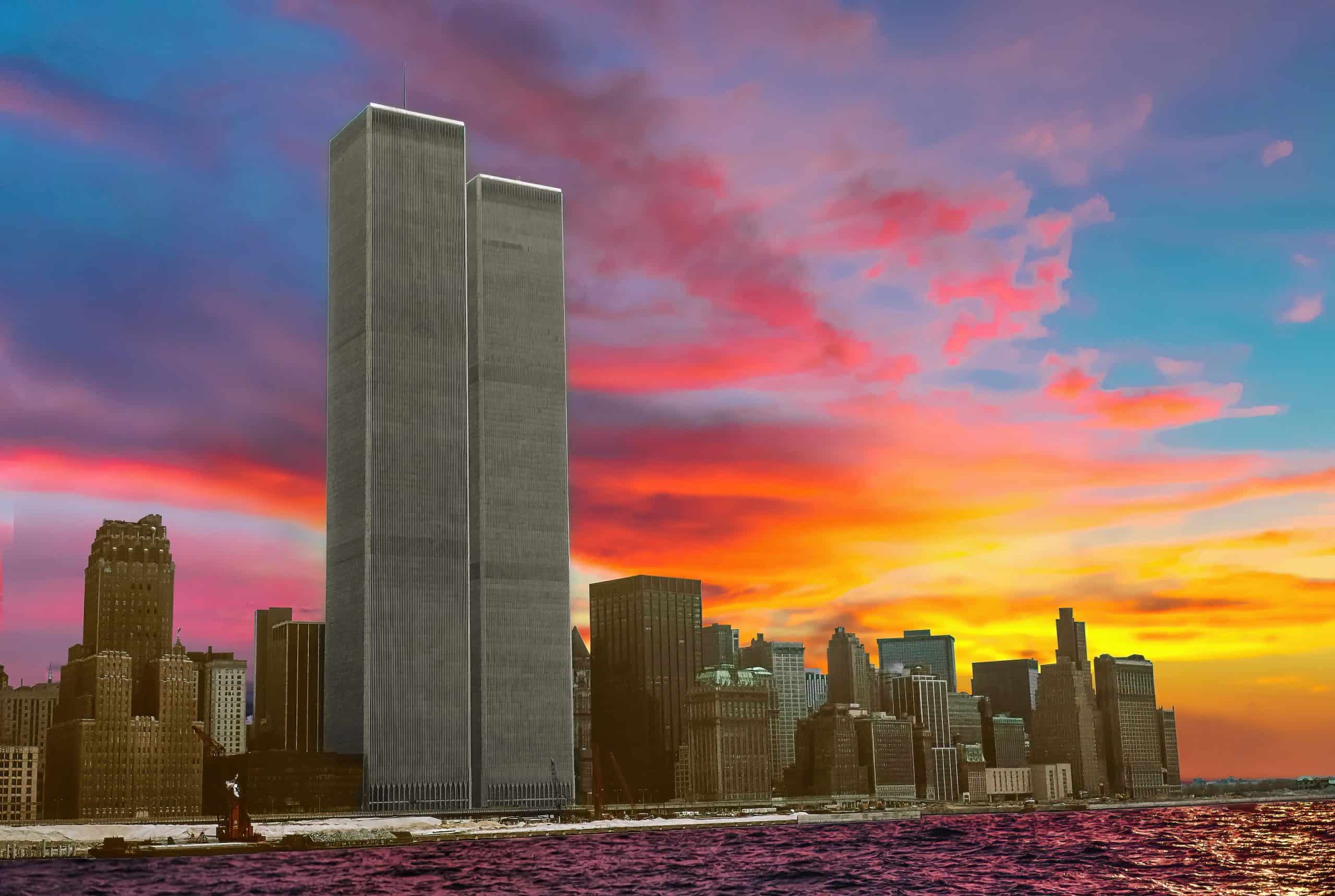
9. The Twin Towers Changed New York's Skyline
The World Trade Center was already under construction before the 1970s began. Work started in 1966, and the Twin Towers began rising above street level in 1968. The North Tower reached its full structural height in December 1970, followed by the South Tower in July 1971. Tenants began moving in before construction of the complex was finished.
The World Trade Center was formally dedicated on April 4, 1973. At 110 stories each, the towers briefly held the title of the world's tallest buildings and became defining features of the New York skyline. The complex was bombed in 1993, killing six people. On September 11, 2001, both towers were destroyed in terrorist attacks that killed thousands. The rebuilt World Trade Center now includes One World Trade Center and the 9/11 Memorial & Museum.
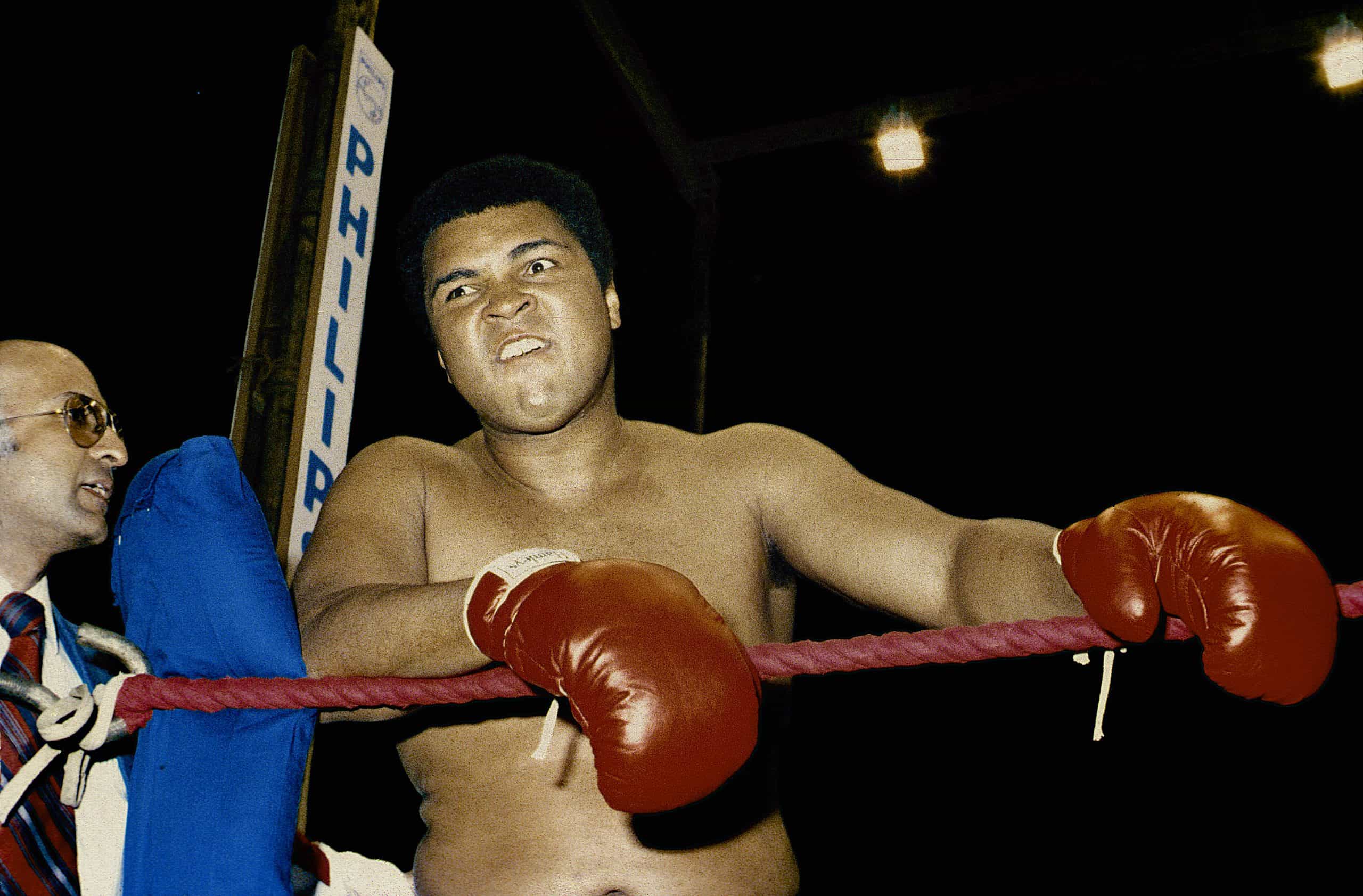
10. Muhammad Ali Stunned George Foreman
Muhammad Ali entered the 1970s after losing several prime years of his boxing career. In 1967, he refused induction into the U.S. military on religious grounds during the Vietnam War. He was convicted of draft evasion, sentenced to five years in prison, fined, stripped of his heavyweight championship, and denied boxing licenses. Ali never served the prison sentence because he remained free while appealing the conviction. The U.S. Supreme Court unanimously overturned it in 1971.
Then came October 30, 1974. Ali faced undefeated heavyweight champion George Foreman in Kinshasa, Zaire, now the Democratic Republic of the Congo. Foreman entered as the favorite, but Ali absorbed and deflected his power before knocking him out in the eighth round. The "Rumble in the Jungle" returned the heavyweight championship to Ali and became one of the defining fights in boxing history.
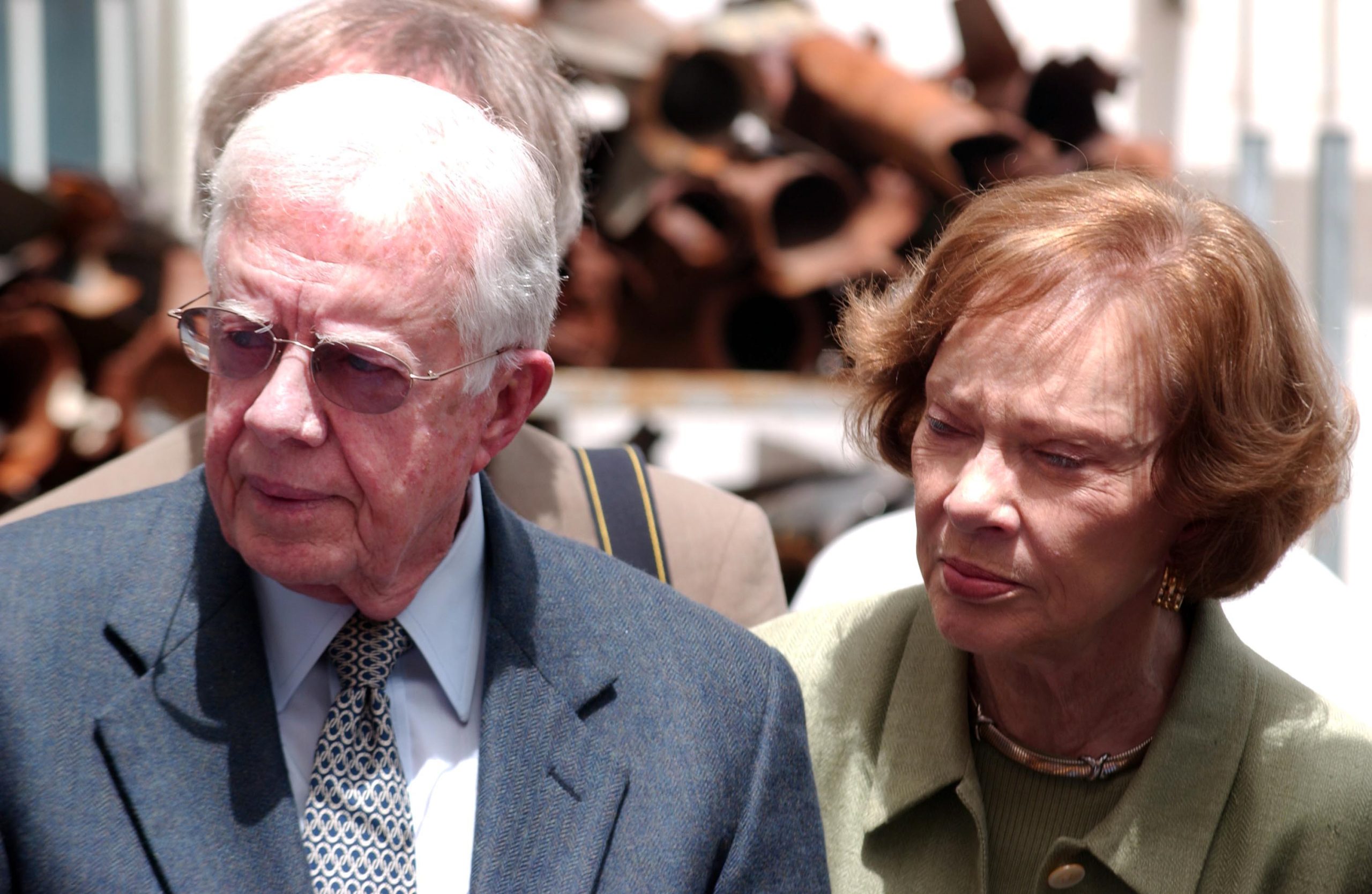
11. Jimmy Carter Won the White House as a Washington Outsider
Jimmy Carter began the 1976 presidential campaign as a former Georgia governor with little national recognition. In the aftermath of Vietnam and Watergate, he leaned heavily into being an outsider who was not part of the Washington establishment. The strategy worked. Carter won the Democratic nomination and then narrowly defeated incumbent President Gerald Ford in November.
One day after taking office in January 1977, Carter issued a broad pardon for people who had violated the Military Selective Service Act during the Vietnam era, with specified exceptions. His presidency also included the 1978 Camp David Accords between Egypt and Israel and the Panama Canal treaties, while the administration faced high inflation, energy problems, and the beginning of the Iran hostage crisis in 1979. Carter lost his reelection bid to Ronald Reagan in 1980.
12. The Son of Sam Killings Frightened New York
From July 1976 through July 1977, a gunman terrorized New York City in a series of shootings that killed six people and wounded seven. Many of the victims were young women or couples, and the attacker heightened public fear by sending taunting letters to police and the media under the name "Son of Sam."
Police arrested David Berkowitz on August 10, 1977, after investigators connected a parking ticket issued near the scene of his final attack to his vehicle. Berkowitz later pleaded guilty to six murders and received six consecutive sentences of 25 years to life. He remains incarcerated in New York. In May 2026, he declined to appear for what would have been his 13th parole hearing.
13. Ted Bundy's Crimes Crossed the Country
Ted Bundy's crimes became one of the most disturbing stories of the decade. By 1974, young women were disappearing in Washington state, and investigators eventually connected Bundy to crimes across several Western states. He was convicted in Utah in 1976 for kidnapping and assaulting a teenager, then later faced a murder charge in Colorado.
Bundy escaped custody twice in Colorado during 1977. After his second escape, he made his way to Florida. In January 1978, he attacked women inside Florida State University's Chi Omega sorority house, killing two and seriously injuring others. He was captured in Pensacola the following month and eventually convicted of multiple murders. Bundy was executed in Florida in 1989. FBI agents later interviewed him as part of research that helped expand the bureau's understanding of serial offenders and behavioral analysis.
14. Jonestown Became One of the Decade's Darkest Tragedies
Jim Jones founded the Peoples Temple in the United States before moving hundreds of followers to a remote agricultural settlement in Guyana known as Jonestown. By 1978, former members and relatives were making serious allegations about abuse, forced labor, confinement, and rehearsals for mass suicide.
California Congressman Leo Ryan traveled to Guyana that November to investigate. On November 18, Temple members attacked Ryan's group at the Port Kaituma airstrip, killing the congressman and four others. Back at Jonestown, Jones directed his followers to ingest a cyanide-laced drink. Evidence showed that not everyone participated voluntarily. A total of 909 people died at the Jonestown settlement, including many children, and 918 people died in the wider series of events connected to the tragedy.
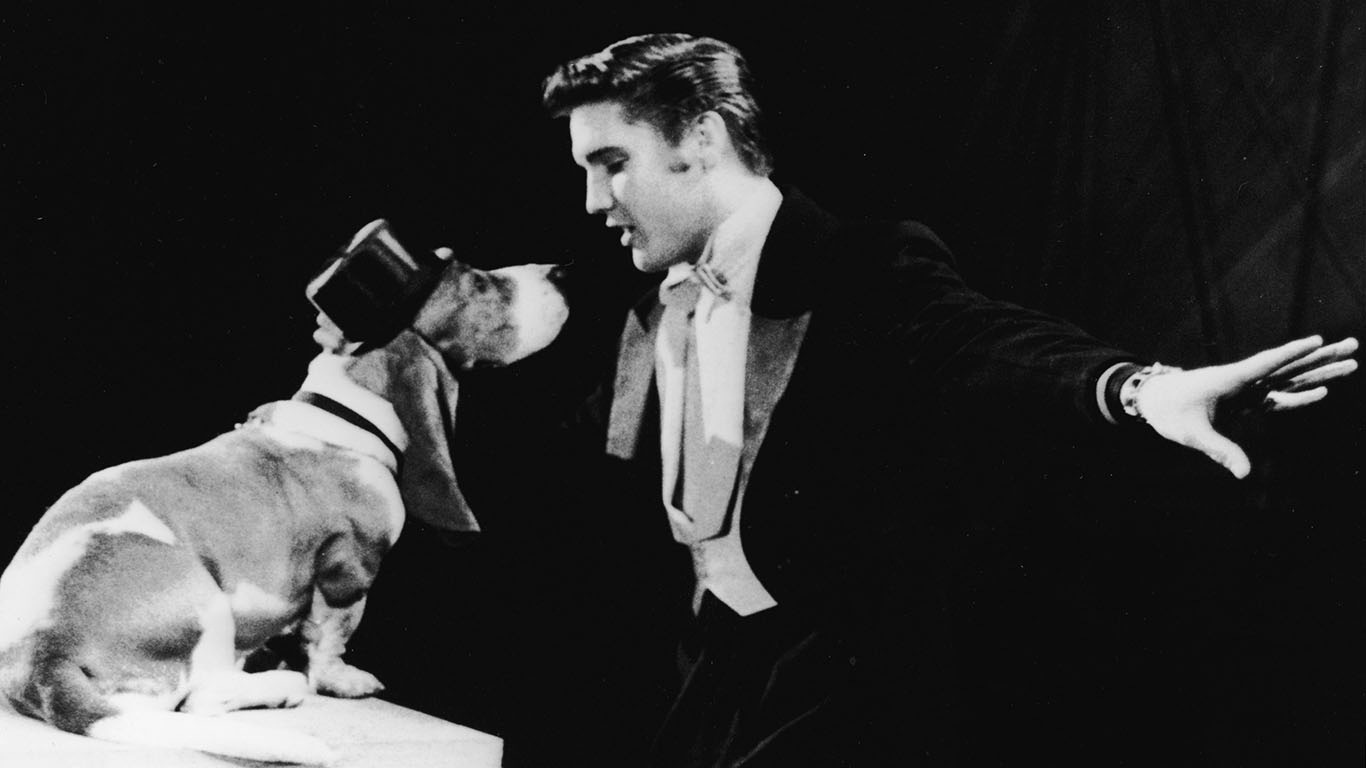
15. Elvis Presley's Death Shocked His Fans
By the 1970s, Elvis Presley had already spent two decades as one of the most famous entertainers in the world. His health had deteriorated, however, and on August 16, 1977, Presley was found unresponsive at Graceland in Memphis. He was taken to Baptist Memorial Hospital and pronounced dead at age 42.
The Shelby County medical examiner initially attributed his death to cardiac arrhythmia, or an irregular heartbeat. Presley's health and extensive prescription-drug use have been examined and debated for decades since. What was never in doubt was the public reaction. Fans gathered outside Graceland as news spread, and Presley's death became one of those moments when people who lived through it could remember exactly where they were when they heard the King of Rock 'n' Roll was gone.