Diet soda makes a pretty appealing promise: the familiar sweetness and fizz, minus the sugar and most or all of the calories. If you’re replacing regular soda, that can be a useful way to cut added sugar. But a zero on the nutrition label doesn’t mean every ingredient or habit surrounding the drink is irrelevant to your health.
Some effects are straightforward. Acid can wear down tooth enamel, caffeine can bother sensitive sleepers, and carbonation can make you burp or feel bloated. Other concerns, including diabetes, heart disease and changes in gut bacteria, come from research that is much harder to interpret. An association in a study doesn’t automatically mean the drink caused the problem.
So, is an occasional diet soda dangerous? Current evidence doesn’t support that blanket conclusion. The Food and Drug Administration considers approved sweeteners safe within their established limits, while the American Diabetes Association generally favors water and allows no-calorie drinks as a moderate, short-term alternative to sugary ones. Here’s what ten commonly discussed concerns actually mean.
1. Diet Soda Can Still Wear Down Tooth Enamel

The word ‘diet’ might change what’s in the can, but it doesn’t magically make the drink tooth-friendly. Many sugar-free sodas contain phosphoric acid, citric acid or other acidic ingredients. Repeated exposure can gradually dissolve tooth enamel, the hard outer layer that protects your teeth. The American Dental Association identifies frequent consumption of soft drinks, including diet soda, as a risk factor for dental erosion. That’s different from the cavity risk associated with sugar, and it matters even if the drink has zero calories.
How you drink it can make a difference, too. Nursing one can for hours repeatedly exposes your teeth to acid, while having it with a meal reduces the number of separate acid exposures. Rinsing your mouth with water afterward is sensible, and the ADA advises against brushing immediately after acidic drinks. None of this means a single can will ruin your smile. It means that swapping sugar for artificial sweetener doesn’t remove the need to think about dental health.
2. Caffeine May Interfere With Your Sleep

A diet soda may be calorie-free, but plenty of popular versions still contain caffeine. A 12-ounce Diet Coke, for example, lists 46 milligrams. That’s less than a typical cup of coffee, although several cans can add up, especially if you’re also drinking coffee, tea or energy drinks. Caffeine is a stimulant, and its effects depend on your sensitivity, the amount you consume and how close you are to bedtime. Some people hardly notice an afternoon cola. Others are still staring at the ceiling hours later.
Controlled sleep studies show that larger doses of caffeine can disrupt sleep, particularly when taken late in the day. That doesn’t establish that one diet soda will cause insomnia; the doses tested in some studies were considerably higher than a single can. Still, if you’re struggling to fall asleep or waking up tired, checking your total caffeine intake is a reasonable place to start. Caffeine-free diet sodas avoid this particular issue, though they may still be acidic.
3. Carbonation Can Cause Gas and Bloating

That refreshing fizz has a downside for some people: it can leave them feeling like they swallowed a balloon. Carbonated drinks release carbon dioxide gas, which may lead to extra belching, pressure or bloating. This isn’t exclusive to diet soda, and it isn’t proof that artificial sweeteners are damaging your stomach. The carbonation itself can be enough to cause discomfort. Mayo Clinic lists fizzy beverages among common contributors to belching, while federal digestive-health guidance notes that some people with indigestion find carbonated drinks aggravating.
The effect varies widely. Plenty of people enjoy soda without digestive problems, while others notice symptoms after just a glass. If you’ve already got a sensitive stomach, try drinking more slowly or switching to still water for a few days to see whether the discomfort settles down. Persistent bloating, pain or reflux deserves more attention than simply blaming the bubbles. The takeaway is practical rather than dramatic: zero sugar doesn’t mean zero chance of an uncomfortable afternoon.
4. Caffeine Can Briefly Raise Blood Pressure

Here’s a distinction the original version of this story missed: a temporary blood-pressure increase isn’t the same thing as developing high blood pressure. Caffeine can produce a short-lived rise in some people, particularly those who don’t regularly consume it. Mayo Clinic notes that habitual caffeine drinkers often develop tolerance, and regular caffeine use hasn’t been shown to cause chronic hypertension. A caffeinated diet cola could therefore have a noticeable short-term effect without being the reason someone has a long-term blood-pressure condition.
The old claim that diet soda’s sodium content was a major explanation didn’t hold up, either. A 12-ounce Diet Coke lists 40 milligrams of sodium, only about 2% of the daily value. That’s not the same as a high-sodium meal. Anyone who notices palpitations, jitters or a blood-pressure response after caffeine can check the label and consider a caffeine-free option. But there’s no sound basis for telling every diet soda drinker that the beverage is steadily driving up their blood pressure.
5. Zero Calories Do Not Guarantee Weight Loss

Replacing a sugary soda with a zero-calorie version can reduce your calorie intake, provided you don’t make up the difference elsewhere. That part is straightforward. What’s less certain is whether relying on sweeteners leads to lasting weight control. Observational studies sometimes find that people who drink more diet soda have higher body weight, but that could partly be because people already dealing with weight concerns are more likely to choose diet drinks. It’s a classic case where the chicken-and-egg problem really matters.
Randomized trials have also found benefits when low-calorie beverages replace sugar-sweetened drinks. The World Health Organization recommends against relying on nonsugar sweeteners as a long-term weight-control strategy, while the American Diabetes Association recognizes moderate, short-term substitution as one option for cutting calories and carbohydrates. Those positions are not as contradictory as they sound: swapping out sugar may help, but a diet soda doesn’t replace the rest of a balanced eating pattern.
6. Certain Sweeteners May Change Gut Bacteria

Your gut is home to a huge community of microorganisms, and scientists are investigating how different sweeteners interact with them. In a 2022 randomized study involving 120 healthy adults, researchers found that several nonsugar sweeteners changed aspects of the gut microbiome. Saccharin and sucralose also altered participants’ responses to a glucose challenge. That result is interesting, but it’s not the same as showing that diet soda destroys healthy gut bacteria, causes stomach disease or makes everyone insulin-resistant.
The study used measured doses of individual sweeteners in packets over two weeks, not a long-term trial of people drinking their usual sodas. The effects also varied by sweetener and individual; aspartame did not produce the same significant glucose-response change in that trial. Researchers still need to determine what these short-term findings mean for real-world health over months or years. For now, gut-microbiome changes are a legitimate research question, not a confirmed diet soda diagnosis.
7. Type 2 Diabetes Links Are Not Proof of Cause

Some large observational studies report higher rates of type 2 diabetes among people who regularly consume artificially sweetened beverages. That’s worth studying, but it’s misleading to turn those findings into a claim that diet soda directly causes diabetes. People who already have elevated blood sugar, weight concerns or other risk factors may switch from regular to diet soda, making the results harder to untangle. Researchers call this reverse causation, and it is one reason long-term nutrition studies need careful interpretation.
The American Diabetes Association’s 2026 standards say nonsugar sweeteners do not appear to have a significant effect on blood-glucose management when used appropriately, and that they can replace sugar-sweetened products in moderation. Water remains the preferred everyday drink. The original article also linked diet soda to blindness in people with diabetes; a small observational eye-health study cannot establish that the drinks cause vision loss. That frightening claim doesn’t belong in a responsible rewrite.
8. Heart Disease and Stroke Studies Raise Questions
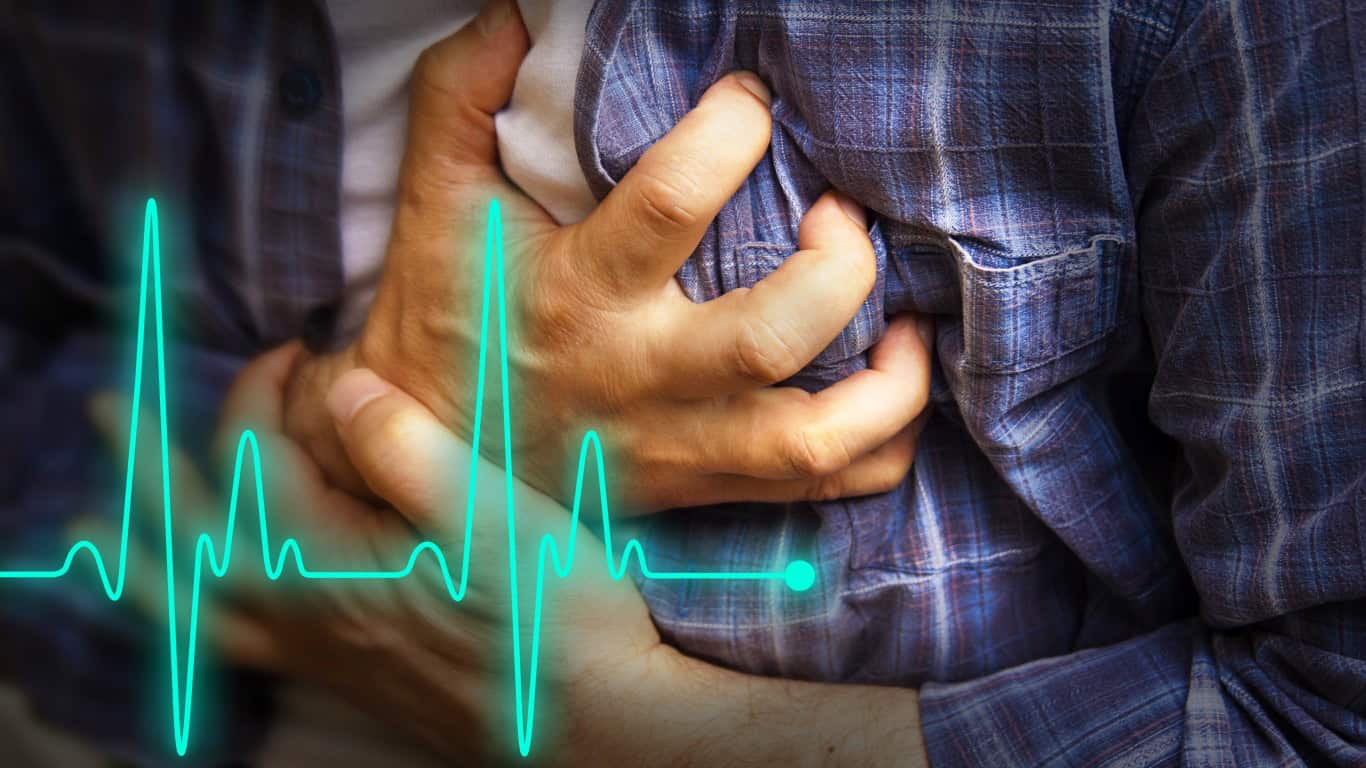
Heart disease and stroke are serious subjects, so the wording here matters. Researchers studying large groups of adults have sometimes found higher cardiovascular event rates among people who regularly consume artificially sweetened beverages. A study of more than 81,000 postmenopausal women, reported by the National Institutes of Health in 2019, associated two or more diet drinks a day with higher rates of stroke and heart disease. Those findings do not show that the drinks themselves caused the events.
People’s health conditions, diets, activity levels and reasons for choosing diet drinks can all influence observational results. A 2017 Framingham study also reported associations with stroke and dementia, but investigators and the American Heart Association cautioned against treating the results as cause and effect. These studies justify more research, not a declaration that a can of diet soda damages your heart. If the alternative is a heavily sugared drink, switching back to regular soda isn’t the obvious solution.
9. Diet Cola Has Been Linked to Lower Bone Density
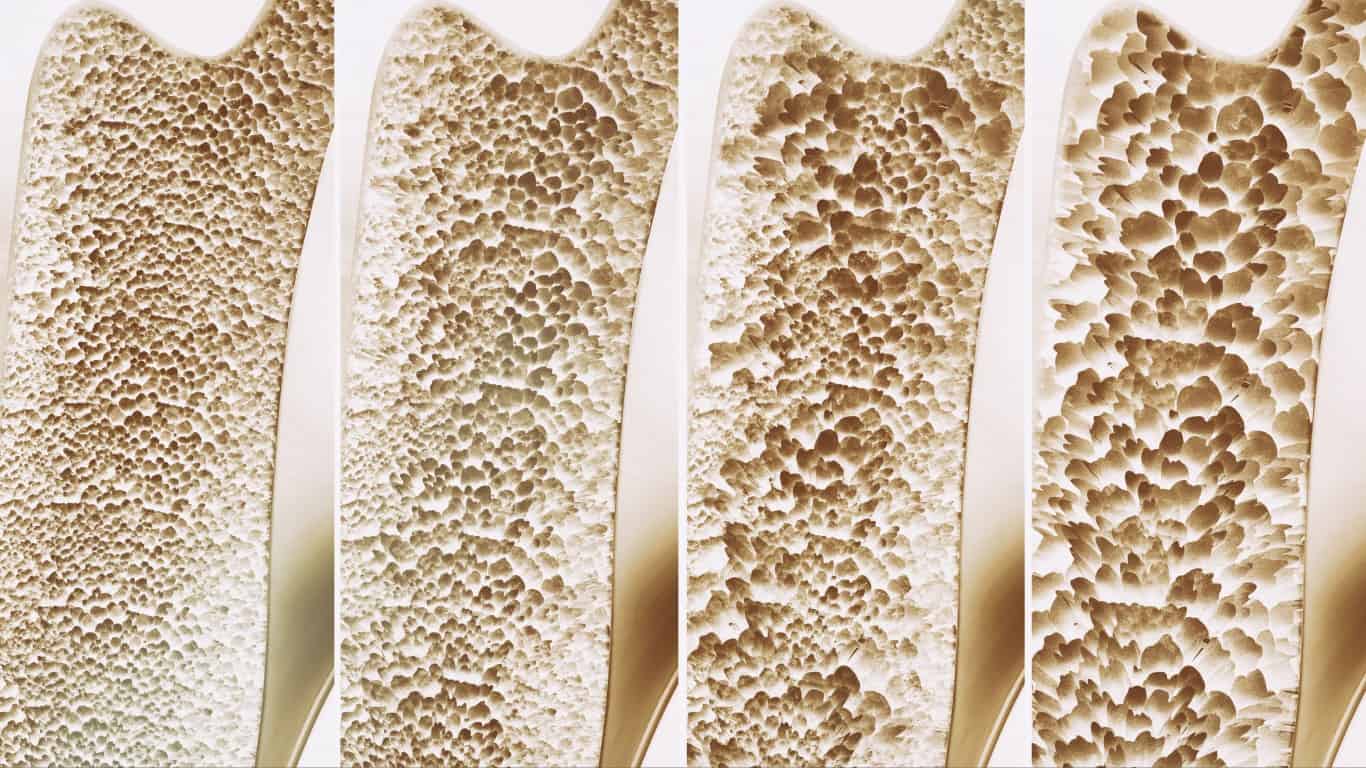
Not every fizzy drink has the same relationship with bone health. In a 2006 Framingham study, researchers found that women who drank cola more frequently tended to have lower bone mineral density at the hip. The association appeared with both regular and diet cola, but not with non-cola carbonated drinks, and the same pattern wasn’t found in men. That’s a narrower finding than saying all diet soda causes osteoporosis. It also doesn’t prove that phosphoric acid, caffeine or any single ingredient is responsible.
The researchers considered several lifestyle and dietary factors, yet observational studies can never eliminate every possible explanation. Calcium intake, overall diet, age and other health factors still matter greatly for bones. If cola is crowding out more nutritious beverages or you’re already at risk of osteoporosis, it is reasonable to look at your overall drinking habits. Still, the evidence does not justify telling readers that an occasional diet cola weakens their skeleton.
10. The Cancer Warnings Need Important Context

Aspartame made headlines in 2023 when the World Health Organization’s cancer research agency classified it as ‘possibly carcinogenic to humans.’ That phrase sounds alarming, but it describes a type of hazard assessment based on limited evidence, not proof that ordinary diet soda consumption causes cancer. A separate international expert committee reviewed exposure levels and left its acceptable daily intake unchanged. The U.S. Food and Drug Administration also says it has no safety concerns about aspartame when used under approved conditions.
There is one important, well-established exception: people with phenylketonuria, or PKU, must avoid or restrict aspartame because they cannot properly process phenylalanine, a component of the sweetener. Products containing aspartame carry a warning for them. Outside that specific situation, a blanket claim that diet soda causes cancer goes further than the scientific evidence allows. If you’d rather skip artificial sweeteners altogether, water is a simple choice, but fear shouldn’t be the reason readers misunderstand the research.