Online fans do more than review movies after they open. A loud enough response can determine whether a film gets made, how a character looks, what lands in the final cut, or whether a completed movie reaches audiences at all. The effect is not always on the plot itself, which is why this list looks more broadly at movies whose production, content, financing, or release changed after organized online fan activity.
To put this list together, 24/7 Tempo reviewed studio announcements, filmmaker interviews, official crowdfunding pages, and contemporary reporting. We included only cases in which a studio or filmmaker acknowledged the response or the campaign produced a documented result. Speculation that a divisive sequel was quietly rewritten to satisfy fans was not enough.
Coyote vs. Acme (2026)
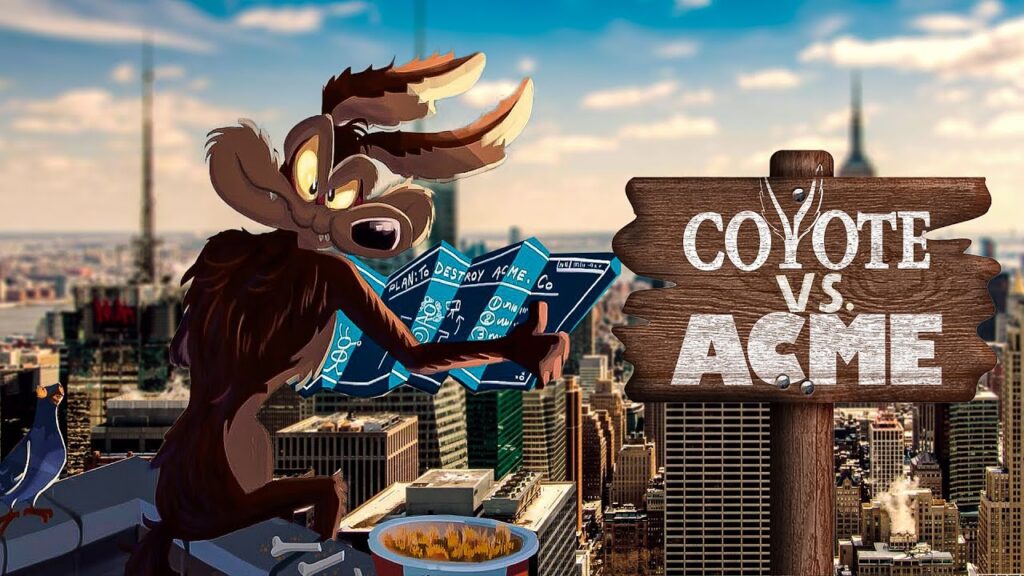
Warner Bros. Discovery planned to shelve the completed live-action and animated comedy in 2023, sparking the #ReleaseCoyoteVsACME campaign and industrywide criticism. The Associated Press reported that the backlash persuaded the studio to offer the film for sale, even though projects in that position often disappear for good. This time, Ketchup Entertainment stepped in, acquired the movie, and gave it a theatrical release on Aug. 28, 2026. The film closed with a dedication thanking everyone who posted, shared, held up signs, and spoke out when it mattered—an unusually direct acknowledgment that the campaign helped save it. Fans had been heard.
Zack Snyder’s Justice League (2021)
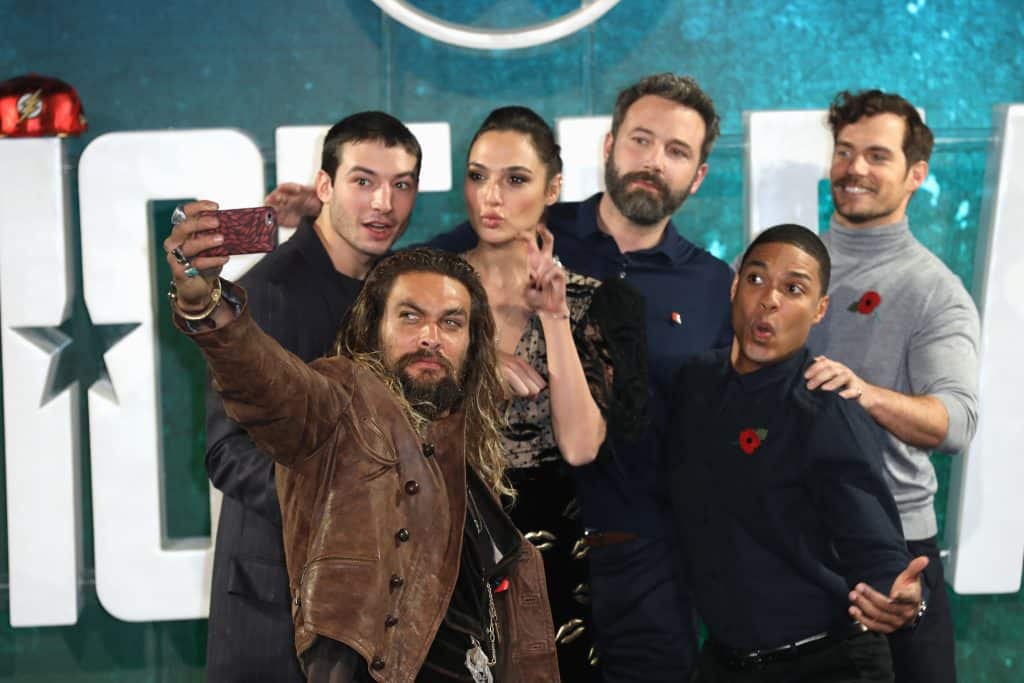
After the theatrical version of Justice League disappointed many viewers in 2017, fans spent years pushing the hashtag #ReleaseTheSnyderCut. WarnerMedia explicitly credited the movement’s “passionate fan calls to action” when it announced Zack Snyder’s version for HBO Max in May 2020. The four-hour film arrived in 2021 with extensive newly completed effects and additional photography. A later WarnerMedia analysis found that bots and other inauthentic accounts had amplified parts of the campaign, but the studio still treated the sustained audience demand as a reason to proceed.
Sonic the Hedgehog (2020)
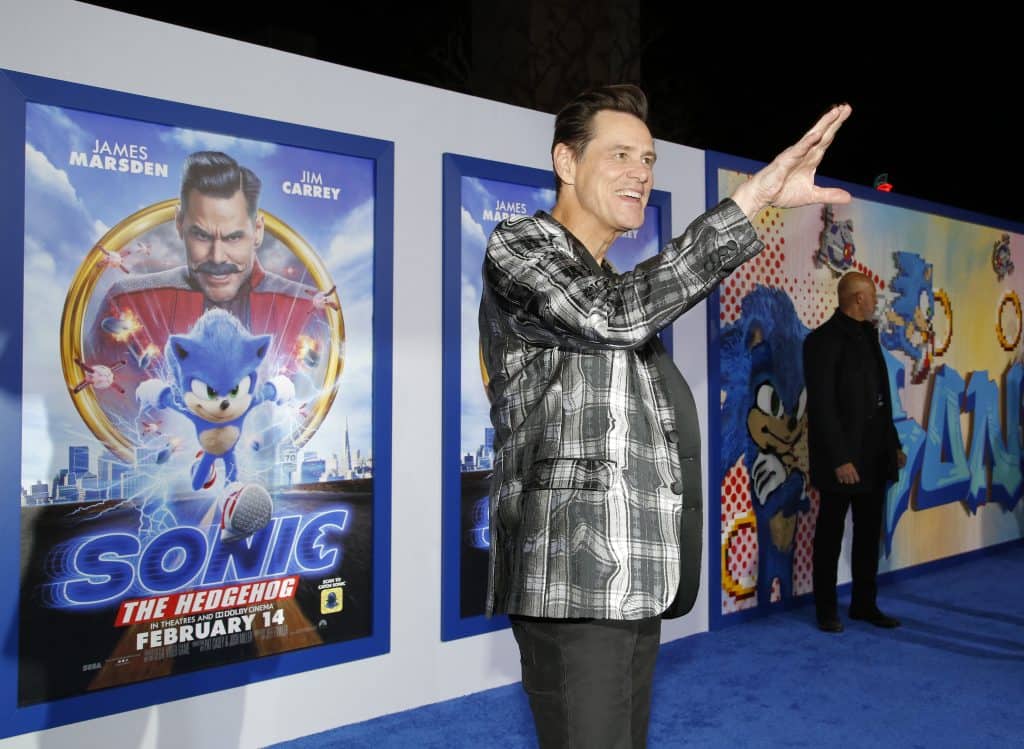
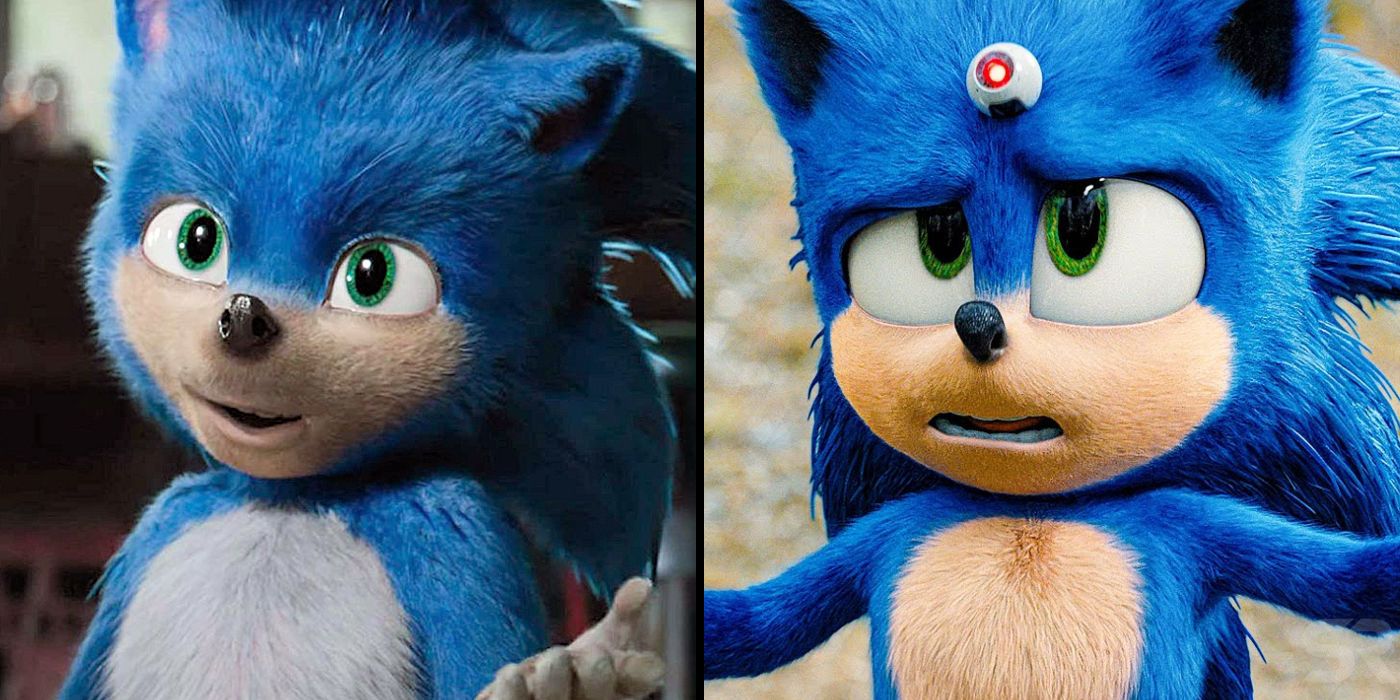
When Paramount released the first trailer for Sonic the Hedgehog in April 2019, fans were really stunned by a character with small eyes, muscular legs, human-looking teeth, and more realistic proportions. The backlash spread immediately across social media. Director Jeff Fowler promised that the design would change, and Paramount moved the release from November 2019 to February 2020 so the visual-effects team could rebuild the character. The finished Sonic looked closer to his video-game counterpart. As Vanity Fair reported, the redesign and delay became one of Hollywood’s clearest examples of a studio responding directly to online criticism.
Cats (2019)

The human-cat hybrids in the first Cats trailer became an instant source of memes and alarm online. Director Tom Hooper later said the reaction reinforced concerns about the designs, and the production adjusted the characters while the visual effects were still being finished. The scramble continued after opening weekend, when Universal sent theaters an updated version with improved effects. The internet did not change the plot, but it did affect the movie’s presentation before and after release. Vanity Fair detailed the revisions.
Super Troopers 2 (2018)
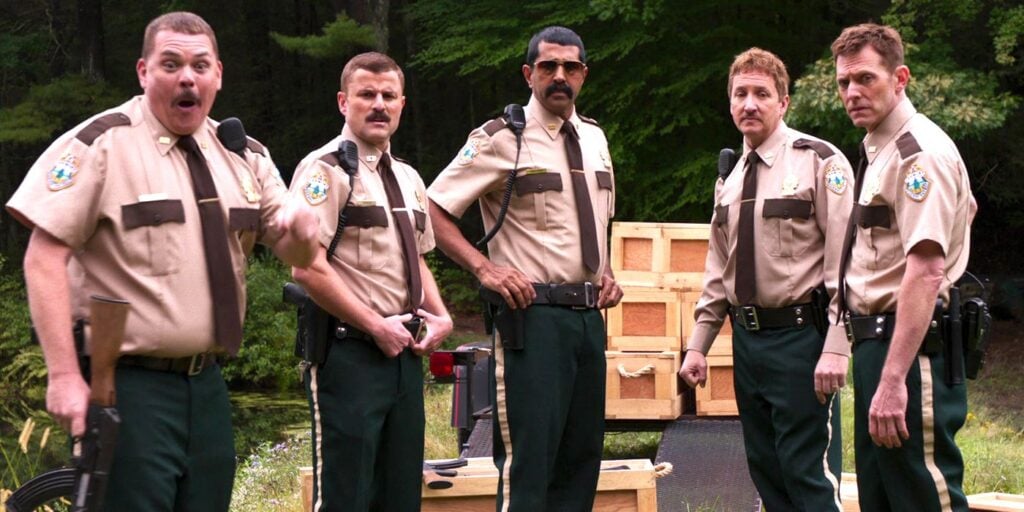
Fox Searchlight was willing to distribute a sequel to the 2001 cult comedy, but the Broken Lizard team had to finance production themselves. They turned to fans through Indiegogo, asking for $2 million. Supporters cleared that goal in about a day, and the campaign ultimately raised more than $4.6 million. The fans did not merely request a sequel; they supplied much of the money that allowed it to be made.
Deadpool (2016)
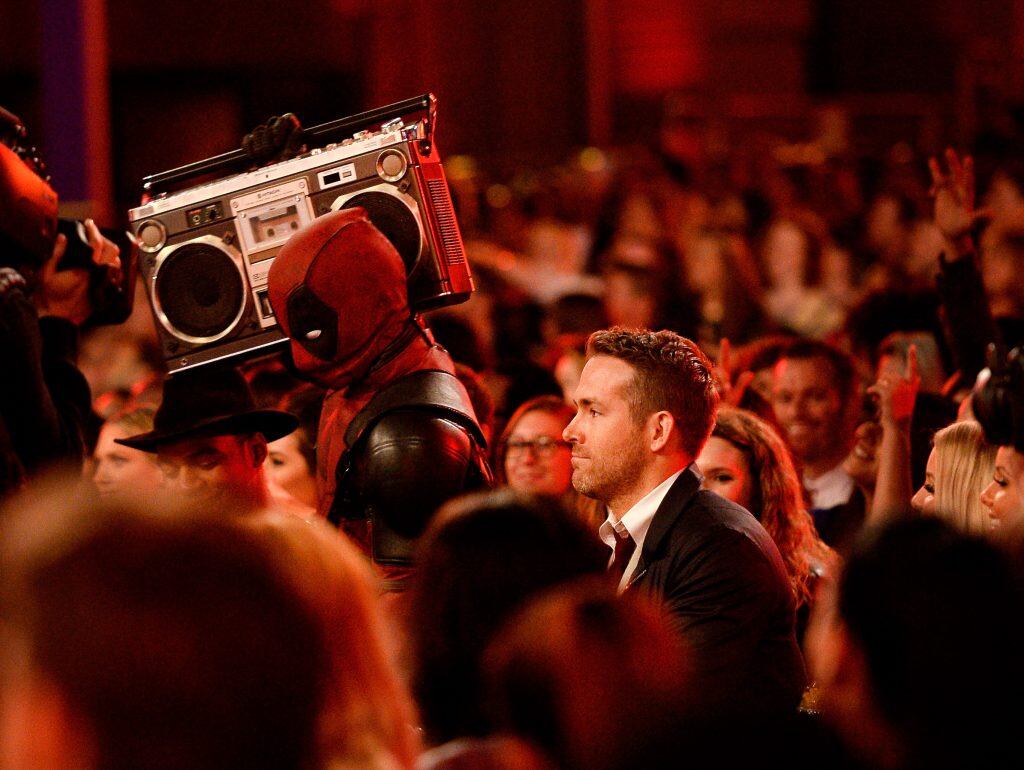
For years, 20th Century Fox hesitated to approve an R-rated Deadpool movie. Then test footage leaked online in 2014, and the enthusiastic response gave the studio a clear sign that an audience existed. Ryan Reynolds later said the reaction “overwhelmed” Fox and delivered the green light, according to the Los Angeles Times. The fan influence was not a last-minute change to the rating; it was helping the unapologetically violent and profane film get made in the first place.
Veronica Mars (2014)
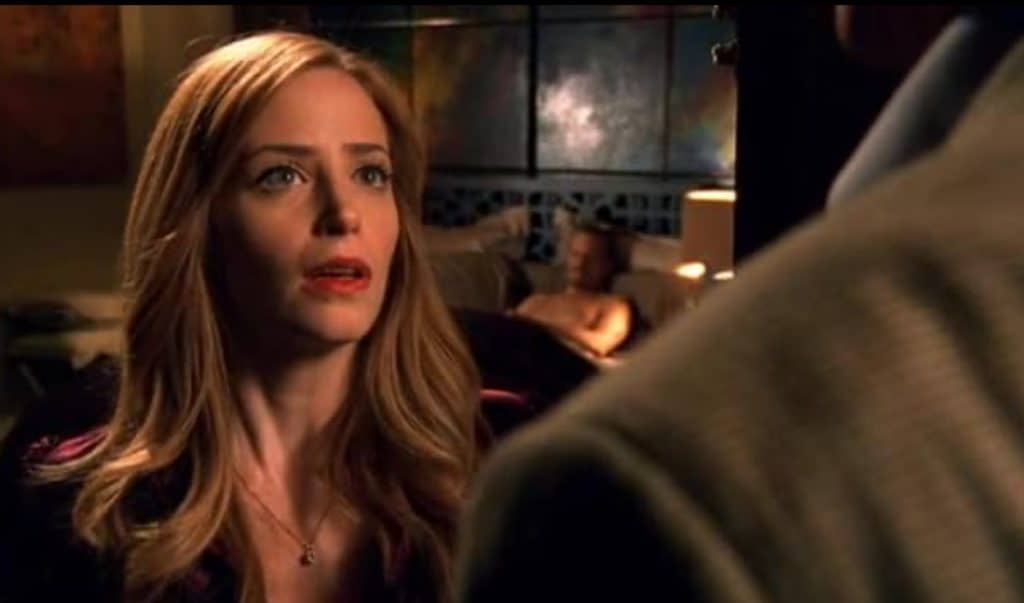
Years after Veronica Mars was canceled in 2007, creator Rob Thomas and star Kristen Bell asked fans to prove there was a real audience for a movie. They launched a Kickstarter in March 2013 with a $2 million goal, which supporters reached in less than 11 hours. By the end of the campaign, 91,585 backers had pledged $5,702,153—nearly three times the target. Warner Bros., which had declined to finance the project, agreed to handle distribution. As Kickstarter’s history of the campaign recounts, the fan community transformed years of discussion and rejected pitches into a completed movie, which reached theaters and video-on-demand in March 2014.
Teenage Mutant Ninja Turtles (2014)
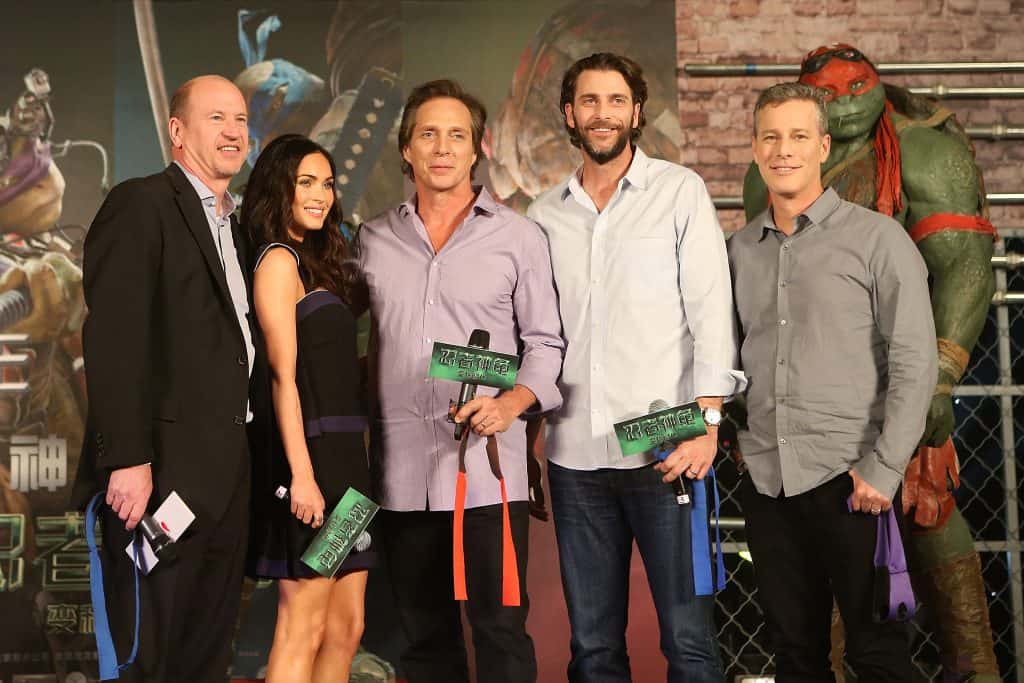
Producer Michael Bay angered longtime fans in 2012 when he said the new Turtles would come from an “alien race.” The filmmakers quickly began clarifying the remark, and Bay later said the Turtles themselves would not be aliens. The finished movie kept them as Earth-born turtles mutated by mutagen, although it gave the substance an extraterrestrial origin. The surviving production record does not prove that fan complaints alone rewrote the screenplay, but the backlash clearly forced the filmmakers to address the origin publicly and move away from the announced alien-Turtle idea. The Guardian traced the reversal.
Paranormal Activity (2007)
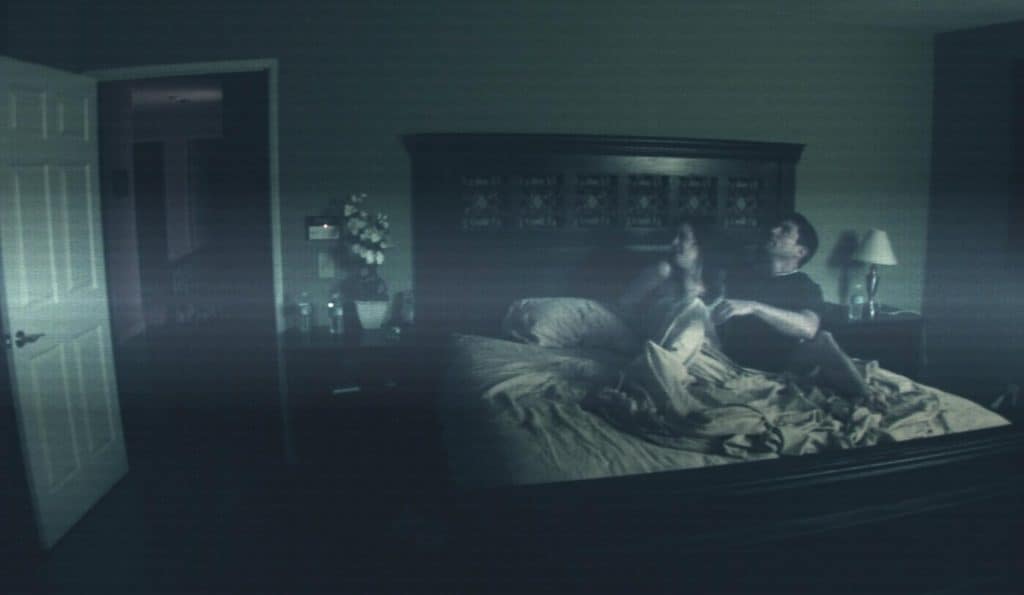
Paranormal Activity was already finished, but its unusual release strategy let viewers decide how widely it would play. Paramount used an online “Demand It!” campaign that asked people to request screenings in their cities. After more than 230,000 demands, the studio expanded the film into 20 additional markets; continued demand helped turn the tiny production into a national theatrical hit and a major horror franchise.
Snakes on a Plane (2006)
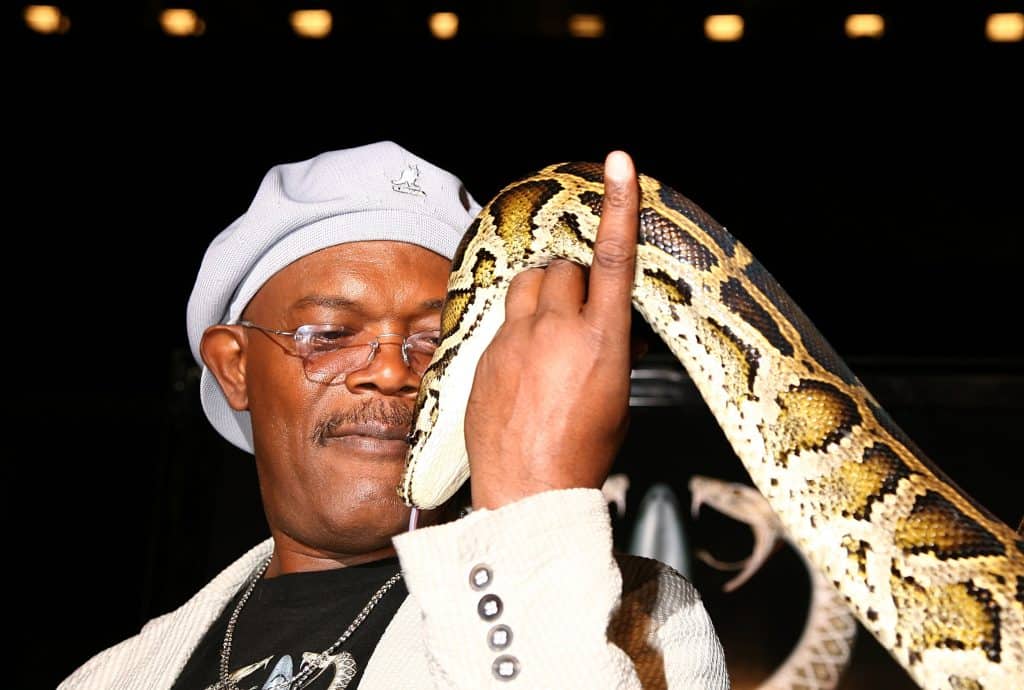
Before social media took its modern form, movie blogs and message boards turned this absurdly direct title into an internet phenomenon. Director David R. Ellis embraced the feedback. Five days of reshoots added more graphic attacks, sexual material, stronger language, and Samuel L. Jackson’s now-famous profane demand to remove the snakes. The additions helped move the movie from a planned PG-13 to an R rating. Ellis told the Los Angeles Times that he had tailored the film to match what online fans expected.