Kiselev Andrey Valerevich/Shutterstock.com
Courtesy of Twentieth Century Fox
Wikimedia Commons
IMDB
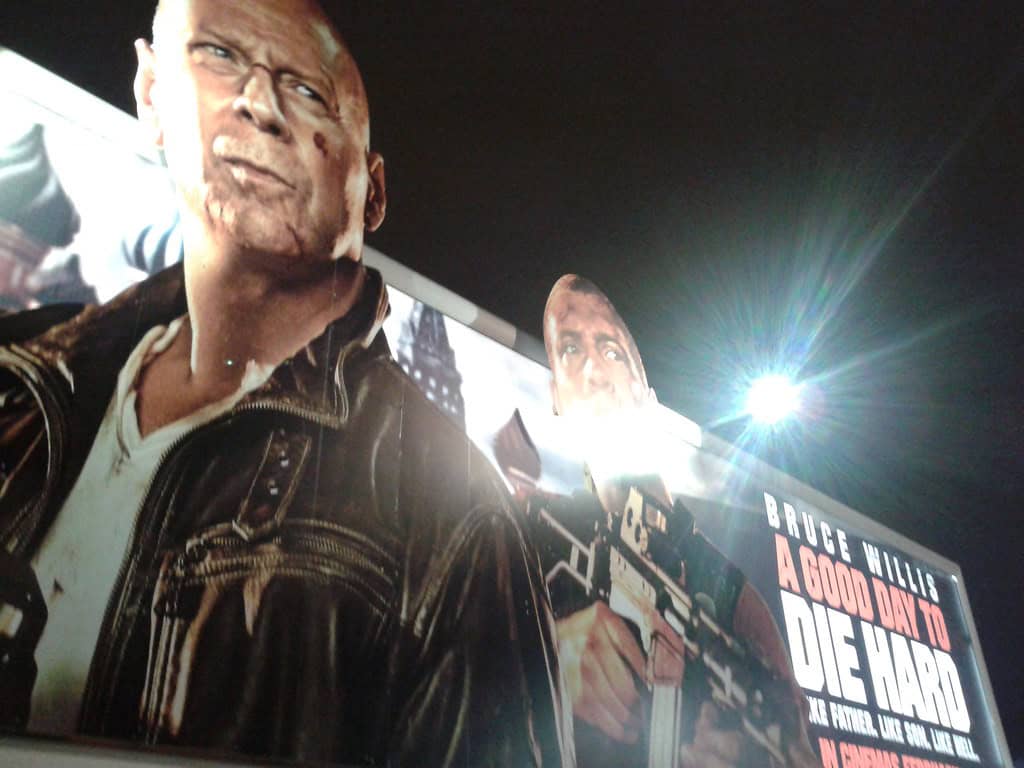
"A Good Day To Die Hard - billboard - Moor Street Queensway" by ell brown is licensed under BY 2.0.
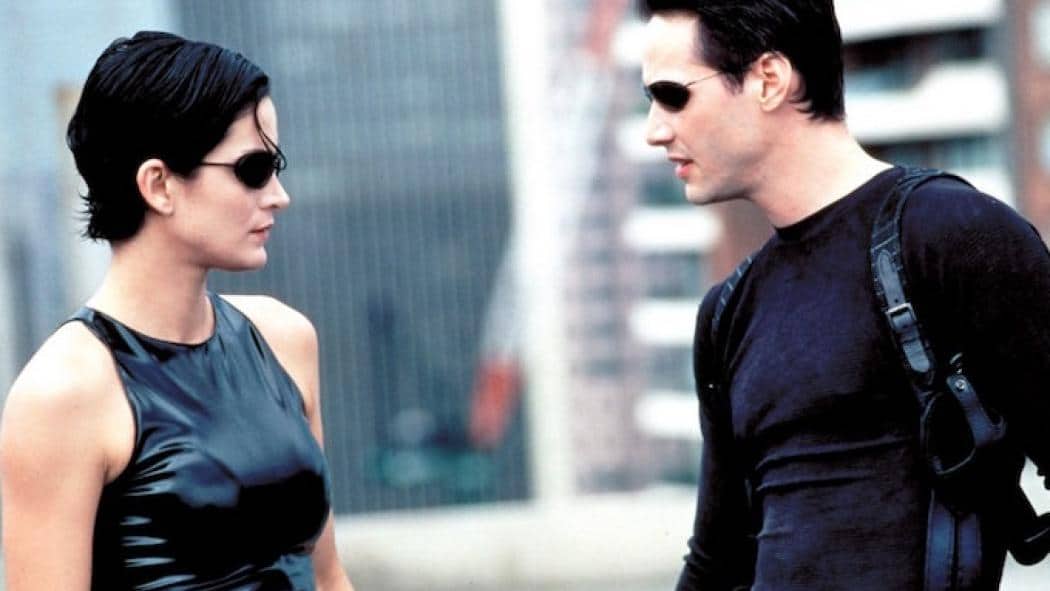
IMDB
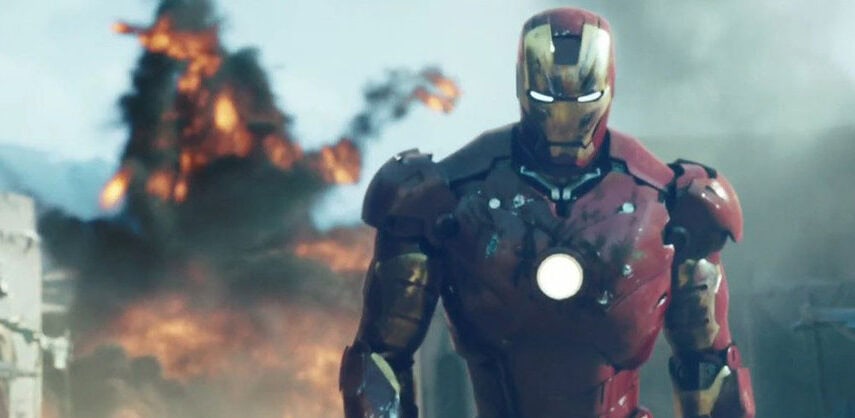
"Iron Man Review!" by AntMan3001 is licensed under BY-SA 2.0.
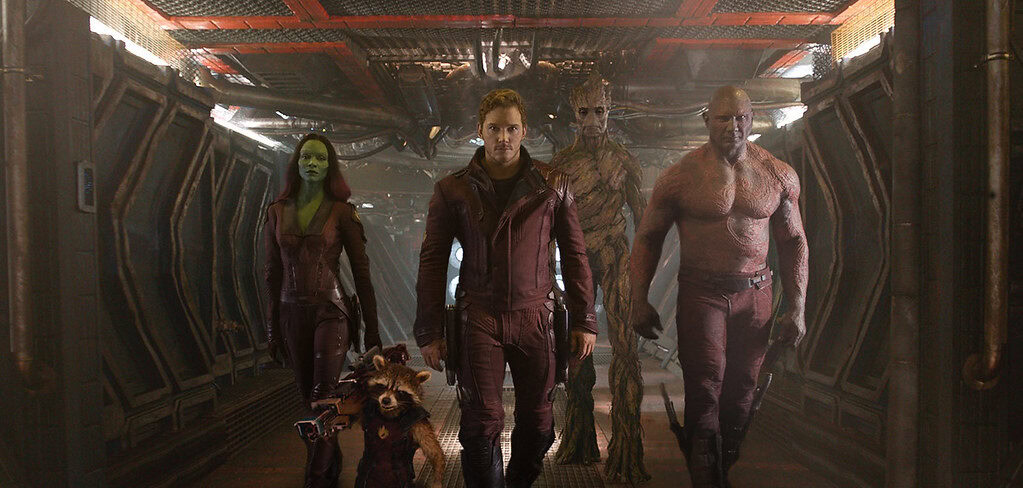
"Guardians of the Galaxy Review!" by AntMan3001 is licensed under BY-SA 2.0.
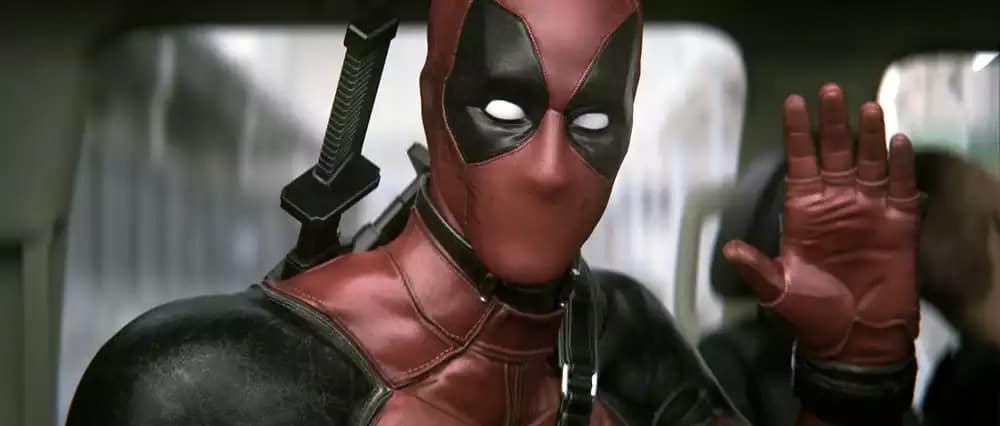
"LEAKED Deadpool Movie Test Footage!" by AntMan3001 is licensed under BY-SA 2.0.
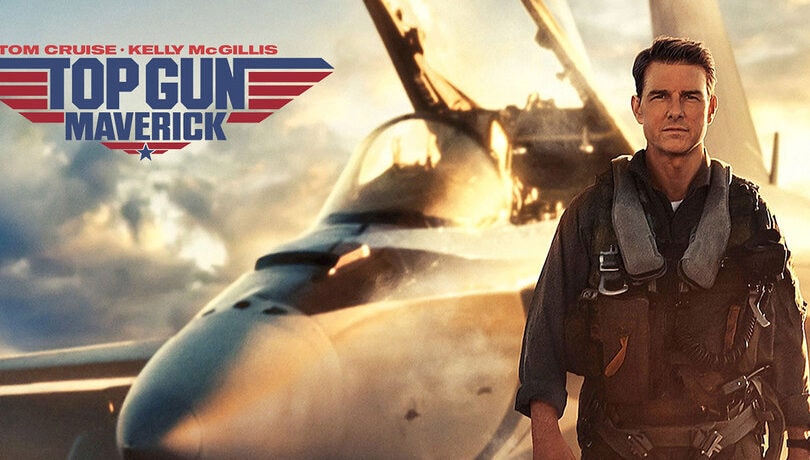
"Top Gun Maverick" by jsesma1 is licensed under PDM 1.0.
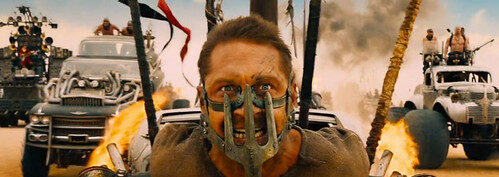
"Mad Max: Fury Road Review!" by AntMan3001 is licensed under BY-SA 2.0.
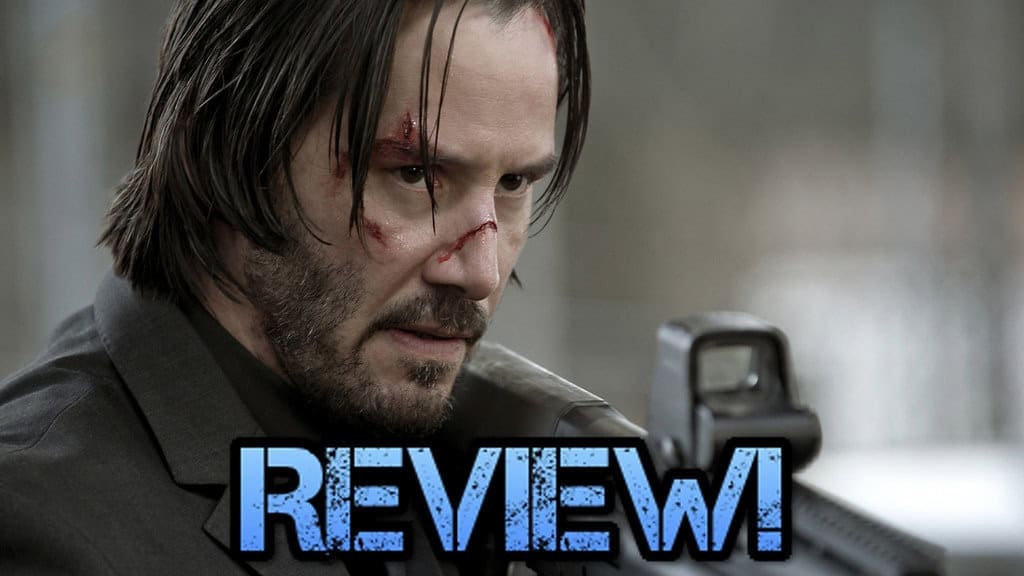
"John Wick Review!" by AntMan3001 is licensed under BY-SA 2.0.
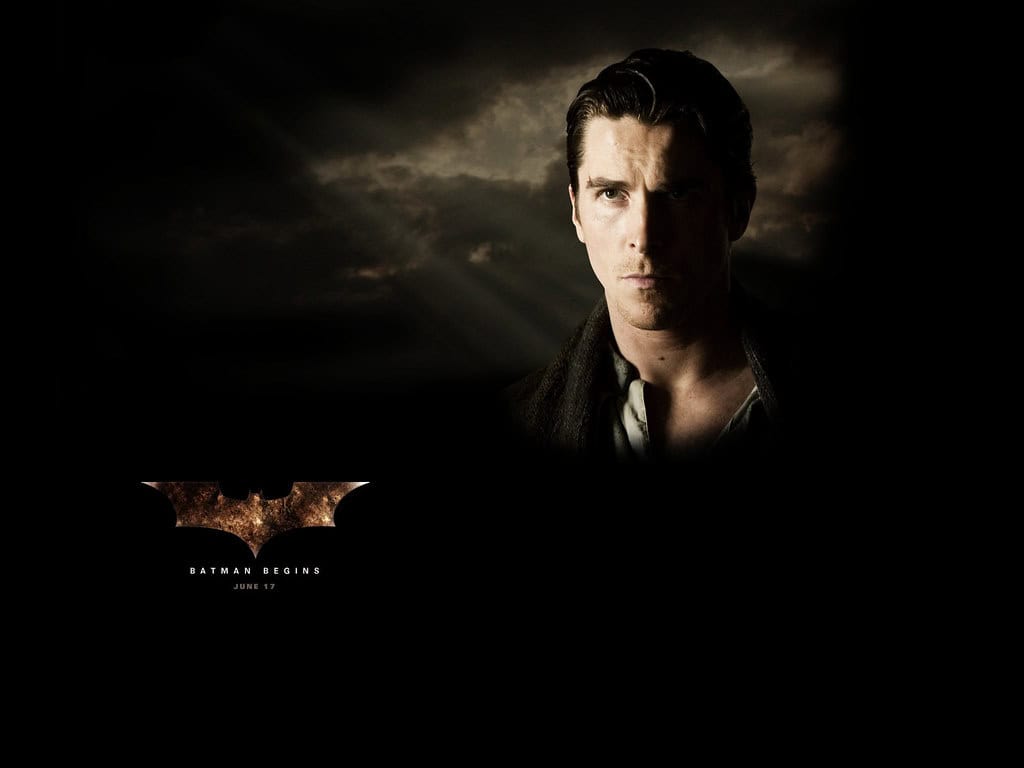
"Batman Begins" by chirinecarlao is licensed under BY 2.0.
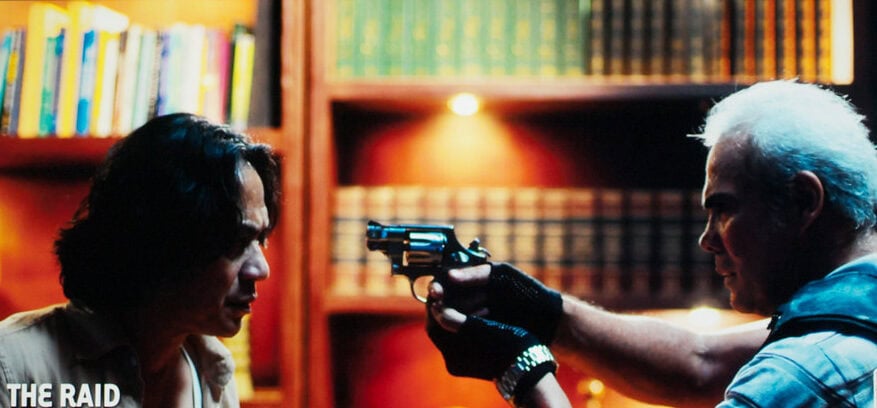
"The Raid / The Raid : Redemption - Serbun maut" by Tonio Vega is licensed under BY-SA 2.0.
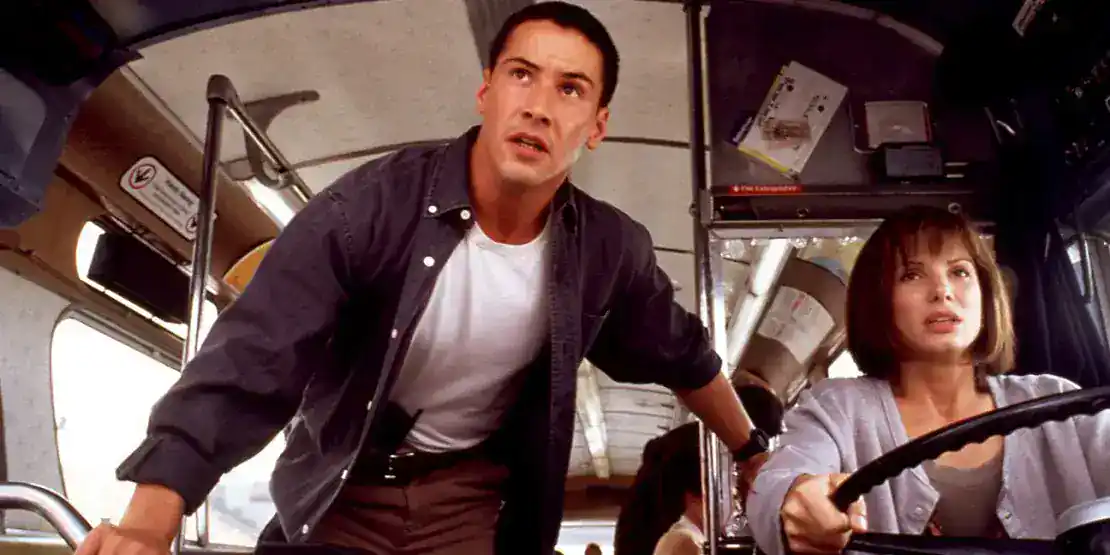
Courtesy of screenagewasteland.com

IMDB.com
donfiore/Shutterstock.com
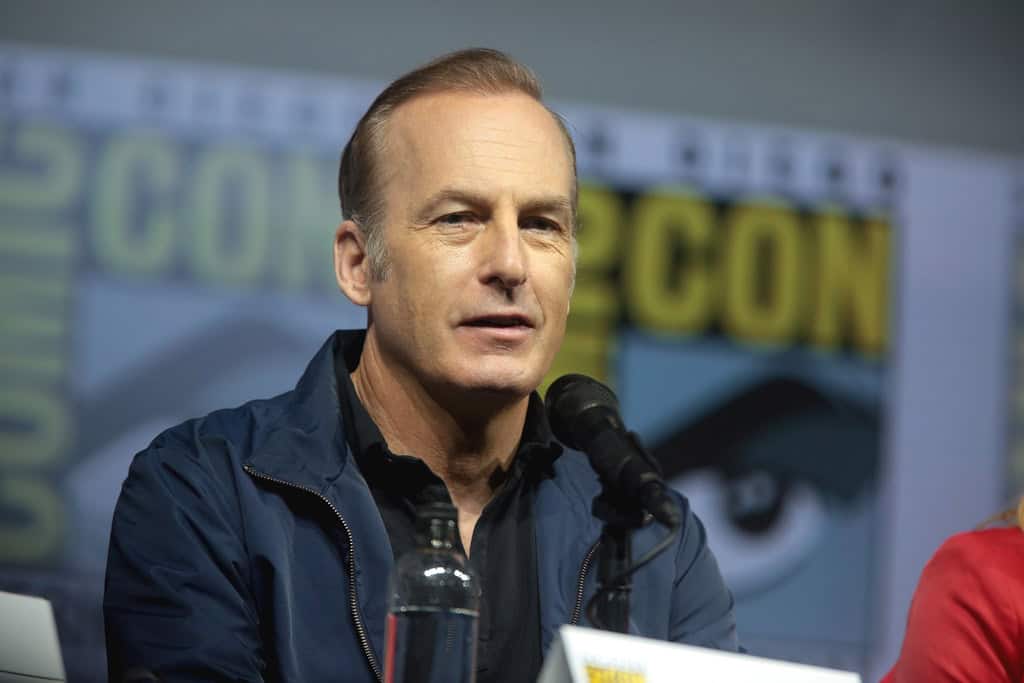
"Bob Odenkirk" by Gage Skidmore is licensed under BY-SA 2.0.
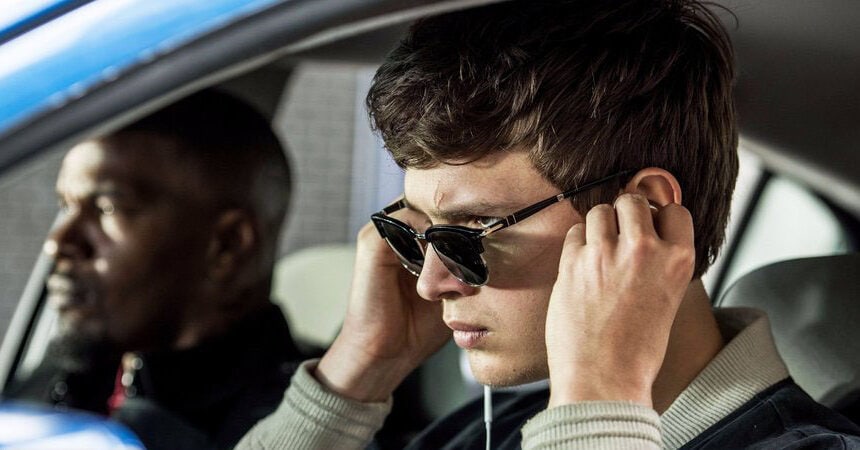
"Baby Driver Review!" by AntMan3001 is licensed under BY-SA 2.0.
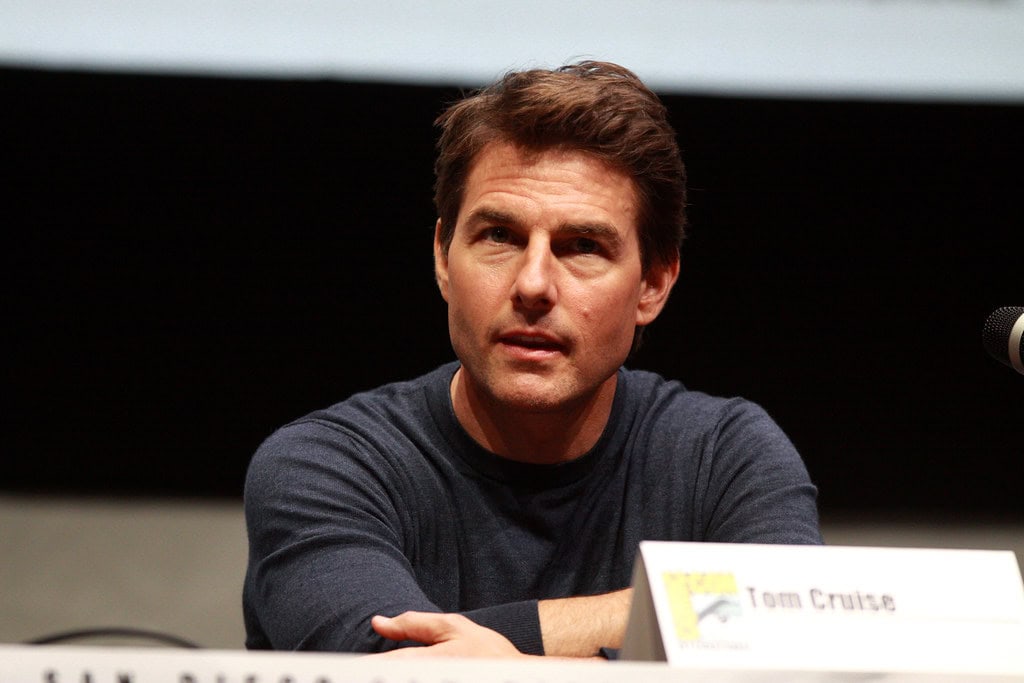
"Tom Cruise" by Gage Skidmore is licensed under BY-SA 2.0.
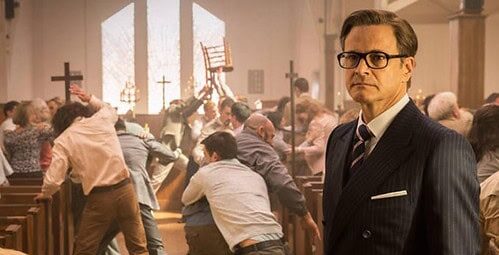
"Kingsman: The Secret Service Review!" by AntMan3001 is licensed under BY-SA 2.0.

20 Action Movies That Took Huge Risks and Paid Off
Hollywood has always been very confident about which movies are supposed to work, right up until the audience gets a vote. Giant studio bets can collapse in a weekend, while something that looks too strange, too small, too old-fashioned, or too risky can suddenly become the movie everybody is talking about.
There is no single formula here. Some of these movies were expensive gambles. Others were low-budget projects with odd premises, unlikely stars, or directors being handed their first real shot. Not every title became a billion-dollar blockbuster either. A few became modest theatrical hits whose critical reputation or influence grew far beyond their original box-office run.
What they have in common is that none looked like an easy layup going in. These 20 action movies faced real commercial or creative questions, then wound up becoming much bigger successes than their risk profile suggested.
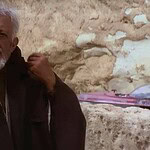
Star Wars (1977)
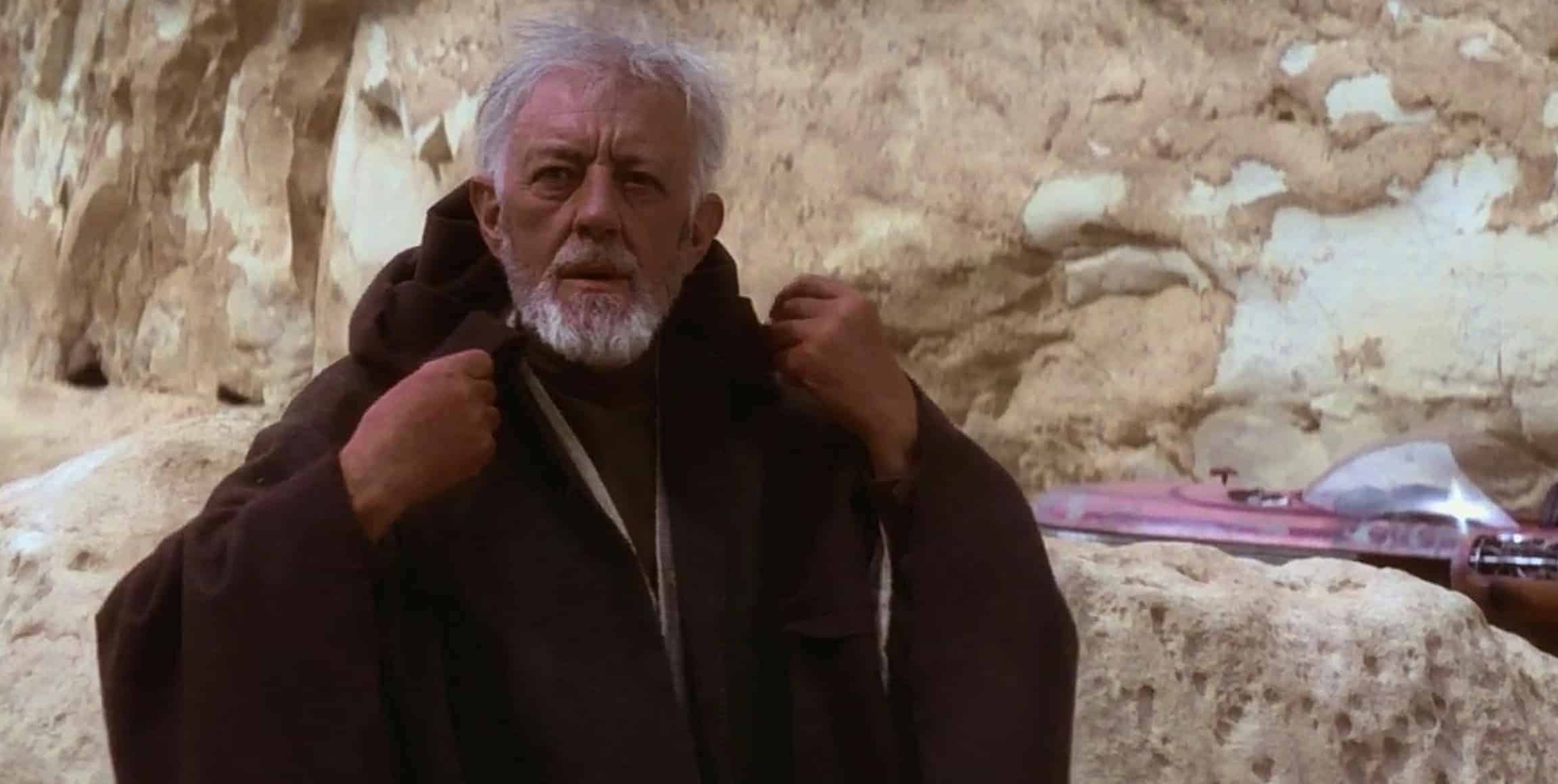
Before Star Wars became a cultural institution, it opened on just 32 U.S. screens on May 25, 1977. George Lucas' space opera had cost about $11 million, a serious investment in a genre Hollywood still treated cautiously. The small opening alone tells you how far this was from being viewed as an automatic summer monster.
As demand exploded, 20th Century Fox even got into legal trouble over how it booked the film. Federal authorities later accused the studio of requiring some theaters to play The Other Side of Midnight in order to get Star Wars, a violation that ended with a $25,000 fine. The gamble itself worked out slightly better. Across its theatrical runs, Star Wars has earned roughly $775 million worldwide and became the highest-grossing film in history during its original era. Not bad for a movie that started on 32 screens.
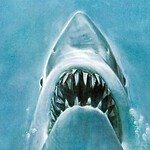
Jaws (1975)
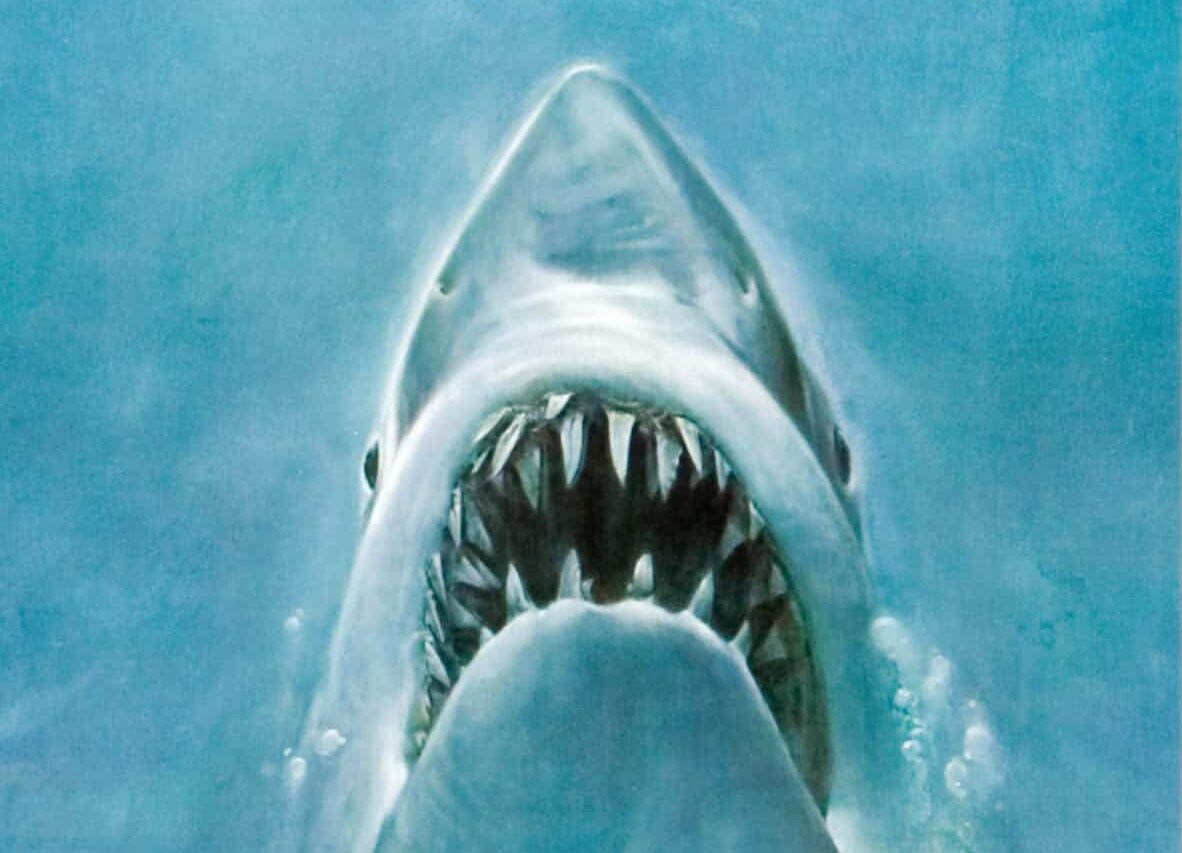
Jaws did not look like a smooth road to blockbuster status while Steven Spielberg was making it. The production went to sea off Martha's Vineyard, the mechanical sharks repeatedly malfunctioned in salt water, weather caused delays, and a project initially expected to cost only a few million dollars ballooned well beyond its original plan. Spielberg later turned the shark's unreliability into an advantage by keeping the creature off screen for long stretches and letting the audience do some of the work.
Universal then released Jaws in 409 theaters on June 20, 1975, unusually wide for a major release at the time. It earned about $7.8 million that opening weekend and has since accumulated nearly $498 million worldwide across theatrical runs. The combination of a wide opening, heavy national marketing, and enormous word of mouth helped establish the modern summer blockbuster model. A broken shark ended up changing Hollywood.
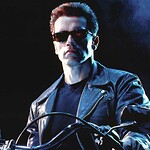
The Terminator (1984)
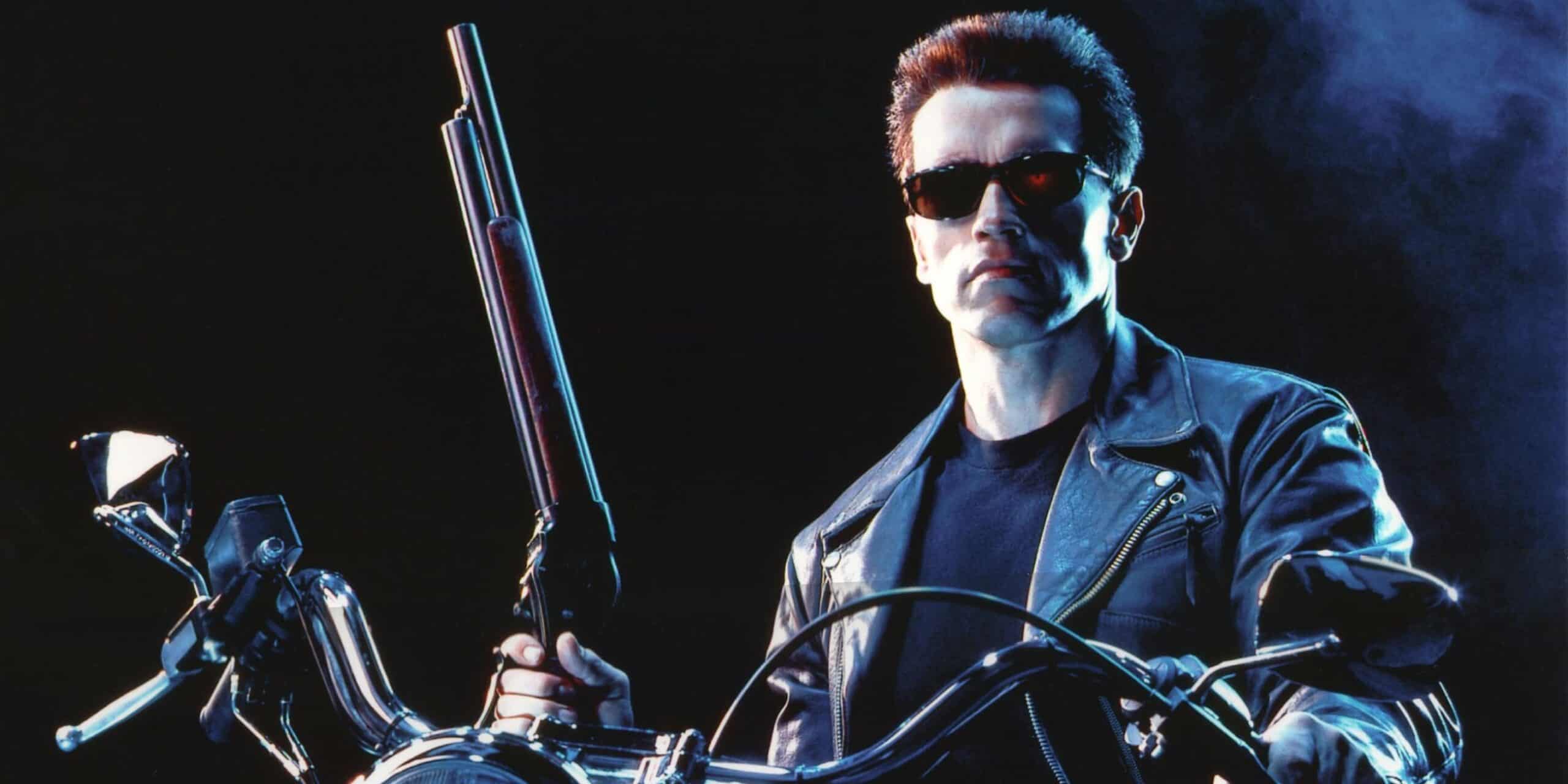
James Cameron was not exactly walking into The Terminator with a stack of directing hits behind him. His previous feature credit was the troubled Piranha II: The Spawning, and Cameron later recalled that studios liked his Terminator script much more than they liked the idea of letting him direct it. He sold the rights to producer Gale Anne Hurd for $1 on the condition that he stay in the director's chair.
The resulting movie cost about $6.4 million and paired Cameron with Arnold Schwarzenegger as a relentless cyborg assassin. It opened at No. 1 in the U.S. and eventually grossed about $78 million worldwide. More importantly, it launched one of action cinema's defining franchises and gave both Cameron and Schwarzenegger a much bigger platform. The $1 rights deal worked out fairly well for everybody except anyone who passed on it.
Die Hard (1988)
Bruce Willis was a risky choice for Die Hard for one simple reason: in 1988, audiences knew him primarily as the wisecracking television star of Moonlighting, not as the next Schwarzenegger or Stallone. His reported $5 million salary caused plenty of skepticism in Hollywood, and early marketing even downplayed his face. The movie itself opened in only 21 theaters before expanding.
That caution did not last. Made for about $28 million, Die Hard grossed roughly $143.7 million worldwide and turned Willis into a major action star. John McClane also gave Hollywood a different kind of hero, vulnerable, exhausted, and very capable of getting hurt. The basic setup proved so influential that "Die Hard on a..." became its own pitch format for action movies.
The Matrix (1999)
Before The Matrix, Lana and Lilly Wachowski had directed one feature, the stylish but much smaller crime thriller Bound. Warner Bros. then handed them a science-fiction action movie built around artificial reality, martial arts, philosophy, and visual effects techniques that were difficult to explain in a trailer. The reported production budget was about $65 million.
The movie opened to $27.8 million domestically and ultimately earned about $472.4 million worldwide. It also won all four Academy Awards for which it was nominated, including Film Editing and Visual Effects, and helped push "bullet time" into the visual language of mainstream action movies. What looked like a very expensive cyberpunk swing became one of the defining films of the late 1990s.
Iron Man (2008)
Marvel Studios entered Iron Man without access to several of Marvel's most famous film characters, whose movie rights had already been licensed to other studios. Tony Stark also was not Spider-Man-level famous with general audiences. Then Marvel and director Jon Favreau pushed for Robert Downey Jr., whose earlier legal and substance-abuse problems made some people inside the company wary of the casting. Kevin Feige later said there were executives who flatly rejected the idea before Downey won them over.
The gamble paid off immediately. Iron Man opened to about $102.1 million domestically and finished with roughly $584.9 million worldwide against a reported $186 million production budget. More important than the first film's gross was what it started. The movie became the foundation of the Marvel Cinematic Universe and turned a character who was hardly Marvel's safest commercial bet into its first on-screen centerpiece.
Guardians of the Galaxy (2014)
Even after Marvel had become a box-office machine, Guardians of the Galaxy looked weird on paper. The team included a gun-toting talking raccoon, a tree-like alien who mostly repeated one sentence, a green assassin, a literal-minded bruiser, and a human outlaw carrying around a cassette player. Director James Gunn was coming from movies like Slither and Super, not nine-figure studio blockbusters.
Marvel spent about $170 million anyway. The film opened to $94.3 million domestically and went on to earn roughly $770.9 million worldwide. Its oldies-heavy Awesome Mix Vol. 1 soundtrack even reached No. 1 on the Billboard 200, becoming the first chart-topping soundtrack made entirely from previously released songs. A talking raccoon was suddenly one of Marvel's safest bets.
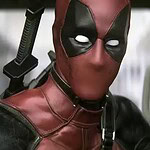
Deadpool (2016)
Deadpool spent years stuck in development because the version Ryan Reynolds, Tim Miller, and the writers wanted was an R-rated superhero movie full of violence, profanity, and fourth-wall jokes. Fox had test footage produced, but the project still stalled. Then that footage leaked online in 2014. Reynolds later said the fan response was so strong that it was the reason the studio finally gave the movie a green light.
The finished film cost about $58 million, tiny by modern superhero standards. It opened to roughly $132.4 million domestically and finished with about $781.9 million worldwide. That was enough to make Deadpool the highest-grossing R-rated film worldwide at the time and prove that an adult rating did not automatically put a ceiling on superhero box office.
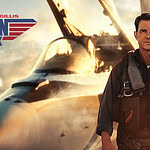
Top Gun: Maverick (2022)
A sequel arriving 36 years after Top Gun sounded like the sort of nostalgia play Hollywood makes because somebody found an old VHS in a conference room. Top Gun: Maverick then endured multiple pandemic-era release delays before finally reaching theaters in 2022. By that point, there was no guarantee audiences still wanted a movie built around Pete "Maverick" Mitchell.
They did. Top Gun: Maverick earned about $1.45 billion worldwide, by far the biggest theatrical gross of Tom Cruise's career. The production also went unusually hard on practical aerial photography, putting actors in the rear seats of real F/A-18 Super Hornets while Navy aviators flew the aircraft. The film earned a Best Picture nomination and won the Academy Award for Sound. Thirty-six years later, the sequel became much bigger than the original.
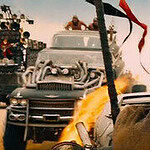
Mad Max: Fury Road (2015)
By the time Mad Max: Fury Road reached theaters, the previous Mad Max movie was 30 years old. George Miller had spent years trying to get a fourth film made, and the production was repeatedly delayed. Unusual rain transformed the planned Australian desert locations into green terrain, forcing the shoot to relocate to Namibia. Miller has also acknowledged that stars Tom Hardy and Charlize Theron did not get along during the difficult production.
The final movie cost about $150 million and grossed roughly $380.5 million worldwide, solid but not remotely the biggest box-office number on this list. Its real overperformance came with critics, filmmakers, and awards voters. Fury Road received 10 Academy Award nominations and won six, an almost absurd awards haul for a two-hour post-apocalyptic car chase. It turned a long-delayed sequel into a modern action benchmark.
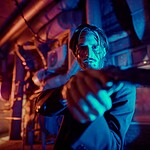
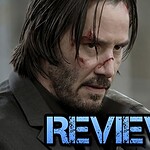
John Wick (2014)
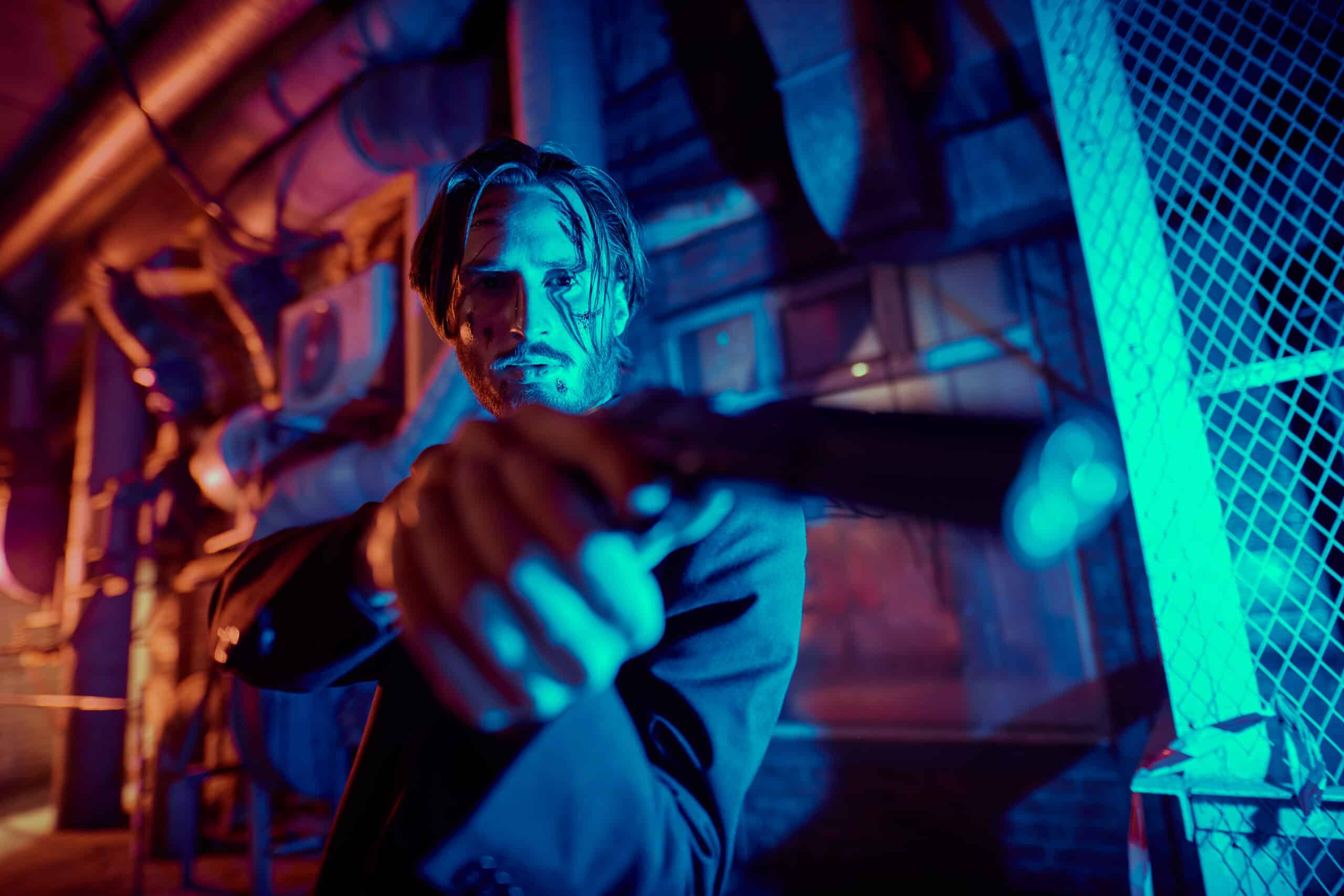
On paper, John Wick was an original R-rated action movie built around Keanu Reeves and directed by stunt veteran Chad Stahelski, who was making his credited feature-directing debut. The premise was refreshingly simple: retired assassin loses his wife, then loses the puppy she left him, and makes an entire criminal organization regret what happened next.
The Numbers lists the production budget at about $30 million. John Wick opened to $14.4 million domestically and finished with roughly $86.1 million worldwide. Those are not superhero numbers, but the movie's clean stunt work, gun-fu choreography, and surprisingly deep criminal underworld turned it into something much bigger than its first box-office run. Three direct sequels and a wider franchise followed.
Batman Begins (2005)
Batman was not exactly healthy on the big screen when Christopher Nolan took over. The previous live-action film, Batman & Robin, had arrived in 1997 to brutal reviews, and Warner Bros. spent years trying to figure out what to do next. Nolan was respected for Memento and Insomnia, but handing him a $150 million Batman reboot was still a very different scale.
Batman Begins grossed about $356.8 million worldwide. That was a respectable return rather than a record-shattering one, but its bigger success was restoring credibility to the character and establishing the grounded approach Nolan would carry into The Dark Knight. That sequel crossed $1 billion worldwide, while Heath Ledger posthumously won the Academy Award for Best Supporting Actor. The reboot did exactly what Warner Bros. needed it to do.
The Raid (2011)
The Raid was never going to compete with Marvel movies at the box office. Gareth Evans' Indonesian martial-arts film cost about $1.1 million and starred Iko Uwais as a rookie member of an elite special-forces team trapped inside a 15-story apartment building controlled by a crime lord. It premiered at the Toronto International Film Festival in 2011, then reached U.S. theaters in 2012 as The Raid: Redemption through Sony Pictures Classics.
The film earned only about $9.3 million worldwide, which is modest until you remember the tiny budget. Its real breakout came from word of mouth around the fight choreography and the way Evans staged close-quarters combat. The movie gave Uwais and Evans international profiles and became one of the most frequently referenced action films of the 2010s. Sometimes the important number is not the gross. It is how many filmmakers start taking notes.
Speed (1994)
Jan de Bont had spent years as a cinematographer on movies including Die Hard and Basic Instinct before making his directing debut with Speed. The premise was almost aggressively simple: a city bus is rigged with a bomb that will detonate if its speed drops below 50 mph. Keanu Reeves was the lead, and Sandra Bullock was still on the verge of becoming a major star.
The movie cost about $30 million and earned roughly $283.2 million worldwide, nearly ten times its production budget at the box office. It also received three Academy Award nominations and won two, for Sound and Sound Effects Editing. Bullock became a star, de Bont got an instant blockbuster, and the bus movie somehow became one of the defining action films of the decade.
Crouching Tiger, Hidden Dragon (2000)
A Mandarin-language wuxia film opening in only 16 North American theaters was never an obvious path to a nine-figure domestic gross. Ang Lee's Crouching Tiger, Hidden Dragon, based on a novel by Wang Dulu, blended romance, melodrama, and gravity-defying martial arts in a form that was familiar across parts of Asia but far less common in mainstream American theaters.
The movie expanded from that tiny opening and eventually earned about $128.5 million domestically and $214 million worldwide on a reported $15 million budget. It received 10 Academy Award nominations and won four, including Foreign Language Film, Cinematography, Art Direction, and Original Score. A subtitled martial-arts drama became one of the biggest crossover successes in American movie history.
Pirates of the Caribbean: The Curse of the Black Pearl (2003)
Turning a theme-park attraction into a $140 million movie sounded questionable enough. Then Johnny Depp showed up playing Captain Jack Sparrow as a swaggering, slurring pirate unlike the square-jawed adventure leads Disney usually put at the center of summer movies. Depp later said Disney executives "couldn't stand" his interpretation while the movie was being developed.
Audiences had a different reaction. The Curse of the Black Pearl grossed about $654.3 million worldwide and finished as the fourth-highest-grossing movie released in 2003. Depp also earned an Academy Award nomination for Best Actor. Four more films followed, pushing the five-film series past $4.5 billion worldwide. A Disneyland ride became one of Disney's largest live-action franchises.
Nobody (2021)
Bob Odenkirk had spent decades being known as a comedy writer, comic actor, and eventually Saul Goodman. He was not the first person most audiences would have picked to lead a hard-hitting action movie in his late 50s. Odenkirk knew that too, which is why he trained for roughly two years with the stunt team before Nobody went in front of cameras.
The movie does not begin with Russian gangsters invading his home. A home invasion exposes how passive Hutch Mansell has become, then a brutal bus fight with the son of a Russian crime boss pulls him into the larger conflict. Made for about $16 million, Nobody grossed roughly $57.5 million worldwide and successfully sold Odenkirk as an action lead. The concept had enough life to produce Nobody 2, released in 2025.
Baby Driver (2017)
Edgar Wright took an original, mid-budget crime movie and built nearly every chase, gunshot, and camera move around the rhythm of its soundtrack. That was not the obvious commercial play in a summer crowded with superheroes and established franchises. Baby Driver opened on June 28, 2017, one week before Spider-Man: Homecoming hit U.S. theaters.
Made for about $34 million, Baby Driver earned roughly $227 million worldwide. It also picked up three Academy Award nominations for Film Editing, Sound Editing, and Sound Mixing. For an R-rated original movie with no existing franchise behind it, that is the sort of result studios claim they want right up until somebody asks them to finance the next one.
Edge of Tomorrow (2014)
Edge of Tomorrow is the oddball on this list because its reputation ultimately became bigger than its theatrical performance. Warner Bros. sold it as a Tom Cruise alien-war movie even though the time-loop structure was what made the story different. The studio later pushed the tagline Live Die Repeat so prominently on home-video marketing that plenty of people came away thinking the movie had been retitled.
The film cost about $178 million and earned roughly $367 million worldwide, including only about $100.2 million domestically. That was not the breakout Warner Bros. wanted from such an expensive production. Over time, though, strong word of mouth and home viewing turned it into a durable sci-fi action favorite. Commercially, it was closer to a near miss than a blockbuster. Culturally, it aged much better.
Kingsman: The Secret Service (2015)
Kingsman: The Secret Service arrived as an R-rated spy comedy based on a relatively young comic property, with newcomer Taron Egerton in his first feature-film role and Colin Firth playing an elite action hero. Even director Matthew Vaughn called Firth's action casting a risk. The actor trained for months to make the joke work without turning every fight into an obvious stunt-double swap.
The film cost about $94 million and earned roughly $404.6 million worldwide. Egerton became a star, Firth proved he could convincingly wreck a room full of people, and the movie launched a franchise with a sequel and a prequel. What could have played like an expensive James Bond parody ended up finding its own lane.