
digidreamgrafix / iStock via Getty Images
Foxys Graphic / Shutterstock.com
Oleksii Liskonih
gustavofrazao/iStock via Getty Images

Maxger
DenisTangneyJr / iStock via Getty Images

Sean Pavone/iStock.com

Engel Ching / Shutterstock.com

TZIDO SUN/Shutterstock.com

Robert Harding Video / Shutterstock.com
GR.Stocks/Shutterstock.com
albertc111

littleny / iStock Editorial via Getty Images












10 States With the Strongest Economies in America
A huge economy is not necessarily a healthy one. California, Texas, and New York have an obvious advantage when it comes to sheer size, but a strong state economy also depends on things like job growth, new businesses, housing, population trends, and whether the state can weather a slowdown.
That is what makes CNBC's latest state economy ranking interesting. Some of America's biggest economic heavyweights made the top 10, but so did several smaller states that simply had a better mix of growth and stability. Here are the 10 states that came out on top.
What Makes a State Economy "Strong"?
CNBC did not simply line up the states by GDP and call it a day. Its 2026 America's Top States for Business study looked at economic growth, jobs, housing, state finances, new businesses, major employers, investment, trade, and other factors that can help determine whether an economy is actually moving in the right direction. Think of this list as a measure of momentum and stability rather than a ranking of America's richest states. That distinction is why a smaller state can sometimes finish ahead of an economic giant.
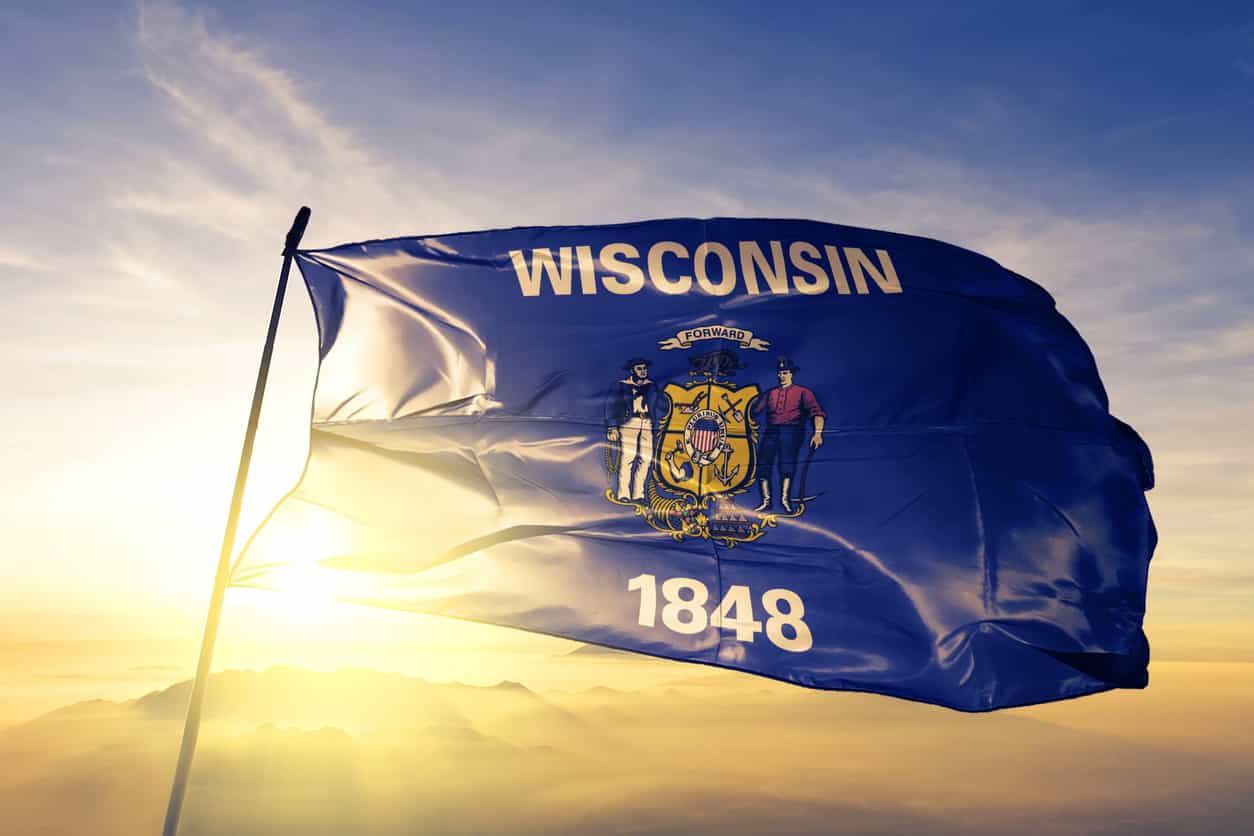
10. Wisconsin
Wisconsin sneaks into the top 10 with an economy that is not flashy, but has been remarkably steady. Its inflation-adjusted GDP grew 1.5% in 2025, while the state has seen a noticeable jump in new small businesses since 2020. Just as important, those young businesses have tended to survive at a healthy rate. Wisconsin still depends heavily on manufacturing, agriculture, and trade, but its economy has enough different pieces working at once to give it the kind of stability CNBC rewarded.
9. Ohio
Ohio actually finished No. 1 in CNBC's overall ranking of the best states for business, but its economy alone landed at No. 9. The state grew 1.7% in 2025 and benefits from a huge manufacturing base, relatively affordable operating costs, and major companies including Procter & Gamble and GE Aerospace. Ohio also sits within a day's drive of a massive share of the U.S. population, which is a major advantage for companies moving goods around the country. Its economy may not be growing as quickly as some Sun Belt states, but it remains one of the country's most durable.
8. Minnesota
Minnesota is another state where stability does a lot of the heavy lifting. Its economy grew 1.6% in 2025, not exactly breakneck speed, but the state has strong finances, a healthy record for keeping young businesses alive, and some very large companies anchoring the economy. Target, UnitedHealth Group, 3M, General Mills, and Hormel all have deep Minnesota ties. Housing also remains more manageable than in many coastal states, giving Minnesota a fairly balanced economic picture even without explosive population growth.
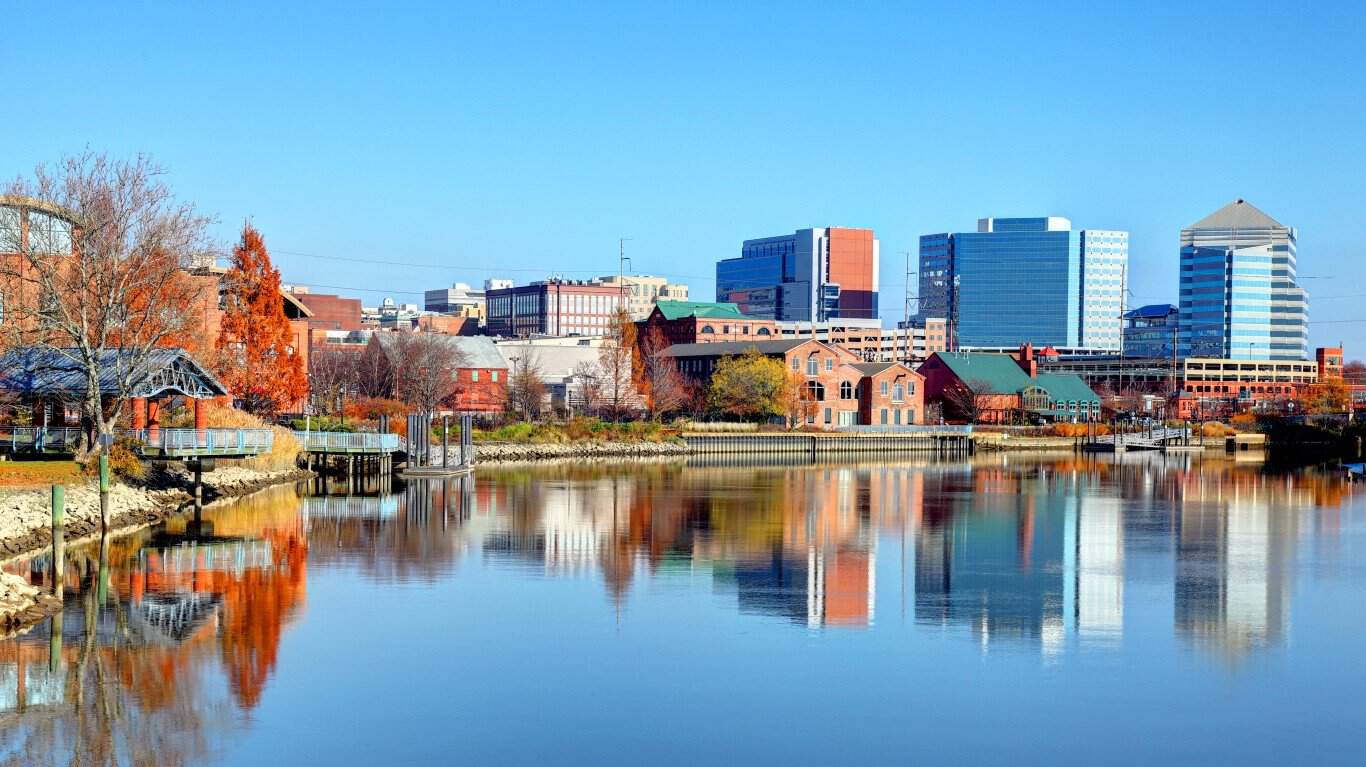
7. Delaware
Delaware proves that a state does not need a massive population to build a strong economy. Its real GDP grew 2.3% in 2025, while the state's finances remain in strong shape. Delaware is famous for its business-friendly corporate laws, which is why so many American companies are legally incorporated there, but the economy goes beyond paperwork. Finance, health care, manufacturing, and professional services all play important roles. Delaware also relies less heavily on federal spending than many states, which gives it a little more insulation when Washington starts tightening the purse strings.
6. South Carolina
South Carolina has become one of the country's bigger economic growth stories. Its real GDP jumped 3.1% in 2025, putting it among the fastest-growing states in the ranking, while jobs and population have continued moving in the same direction. College-educated workers are moving into the state, and CNBC found South Carolina especially strong at keeping newly created businesses alive. Manufacturing has also become a major force, particularly in the automotive and aerospace industries. Put all of that together and South Carolina looks very different economically than it did a generation ago.
5. Washington
It is hard to talk about Washington's economy without mentioning Amazon, Microsoft, and Costco, but the state's strength goes well beyond three giant companies. Washington's real GDP grew 2.2% in 2025, while technology, aerospace, trade, retail, and a steady stream of entrepreneurs give the state one of the country's strongest private-sector economies. The weak spot is state finances, where Washington has a smaller cushion than most states if revenue suddenly drops. For now, though, the strength of its businesses and workforce was enough to put Washington comfortably inside the top five.
4. New York
New York's economy was on a strong run when CNBC assembled its ranking. Real GDP grew 2.9% in 2025, helped by strong financial markets, technology investment, and one of the world's largest concentrations of corporate activity. There are real drawbacks. Housing is expensive, starting a business can be challenging, and New York continues losing some college-educated residents to other states. Even so, the sheer variety of industries operating there makes the economy difficult to count out. Finance gets most of the attention, but health care, technology, media, tourism, education, and professional services all help keep New York near the top.
3. California
California still has an economic engine few places on Earth can match. Its inflation-adjusted GDP reached about $3.38 trillion in 2025, powered by technology, entertainment, agriculture, trade, tourism, and some of the world's most valuable companies. The artificial intelligence boom has only added more fuel. That does not mean everything is rosy. California also had one of the country's highest unemployment rates when CNBC compiled the ranking, and housing costs remain brutal in many parts of the state. Even with those problems, there is simply too much economic firepower here for California to fall very far down the list.
2. Texas
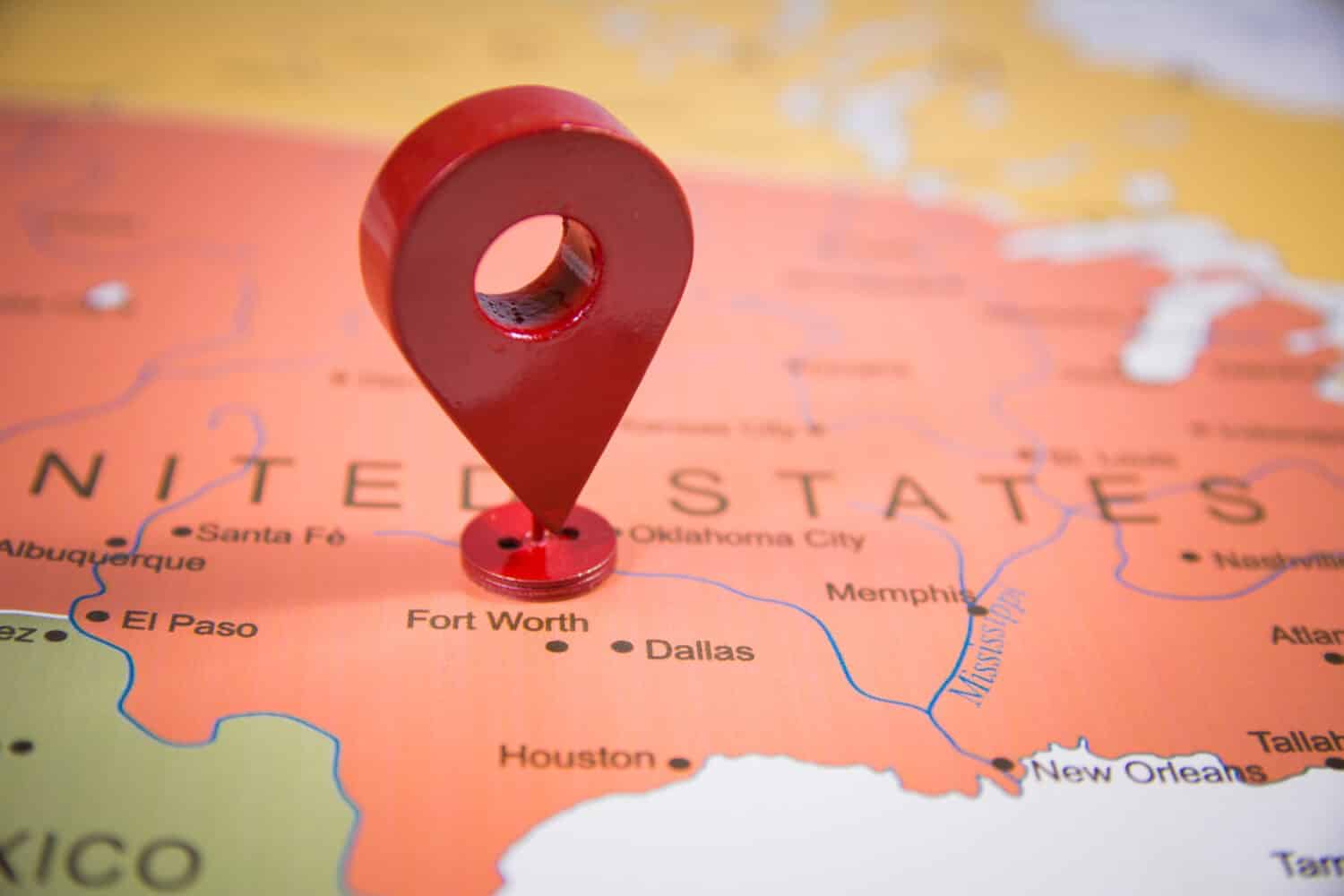
Texas came very close to taking the top spot. Its real economy grew 2.5% in 2025 and reached roughly $2.27 trillion, while people, employers, and new businesses continue pouring into the state. Texas has long been associated with oil and gas, but its modern economy also includes technology, finance, manufacturing, logistics, health care, and enormous corporate headquarters. The downside is that Texas depends heavily on international trade, making it more vulnerable when tariffs or global trade disputes flare up. Housing has also cooled in some of the markets that boomed earlier in the decade.
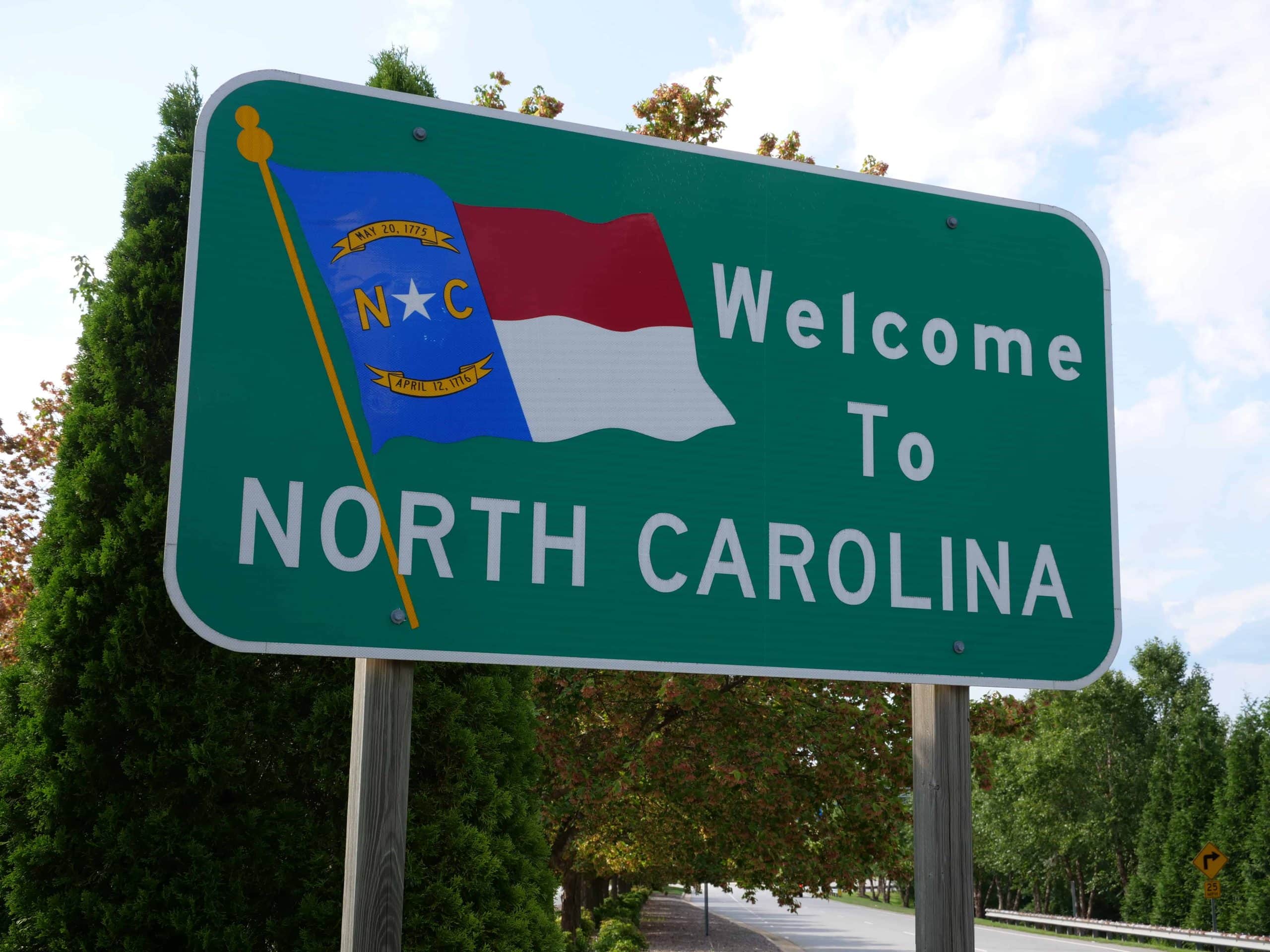
1. North Carolina
North Carolina beat much bigger states by being strong in a little bit of everything. Its economy grew 2.7% in 2025, jobs and new businesses continued expanding, and people are still moving there in large numbers. The state added roughly 84,000 residents through domestic migration between July 2024 and July 2025, more than any other state. Charlotte remains a major banking center, while the Research Triangle has become a magnet for technology, pharmaceuticals, health care, and research. North Carolina does depend more heavily on federal money than some states on this list, but CNBC found that its combination of growth, business activity, migration, and financial stability was enough to earn the top spot.
A Strong Economy Does Not Mean Life Is Cheap
There is one big thing to remember before packing a moving truck. This is an economic ranking, not a list of the cheapest or easiest states to live in. California can have one of America's strongest economies while also having extremely expensive housing. Texas can rank second economically while scoring much lower on some quality-of-life measures. North Carolina can be No. 1 here without being No. 1 for affordability. The ranking is really telling us which states currently have the strongest mix of jobs, growth, businesses, investment, and economic stability. Whether you would actually want to live there is a completely different question.