Sean Pavone
Vladimir Mulder / Shutterstock.com
Maksim Safaniuk / Shutterstock.com
Parilov / Shutterstock.com

LMPark Photos / Shutterstock.com
CSellC / Shutterstock.com
Lvivjanochka Photo / Shutterstock.com
Paul Lowry / BY 2.0
UNIKYLUCKK / Shutterstock.com
Dallas Krentzel / BY 2.0

Andrii Yalanskyi / Shutterstock.com







10 States Americans Say Have Changed the Most Since the 1980s
If you look at a map from 1985, the state boundaries all look the same. Those haven’t changed. What’s inside those lines has changed a lot, though. A lot of times, the industries that shaped those states into what they were are gone, and towns that had a reason to exist no longer do. In the midst of all this, some states have found something new to be, while others are still searching. These are 10 states that Americans think have changed the most in the last four decades.
West Virginia
There is coal in West Virginia, but the mining jobs are gone along with the community that was created around them. More than half of those jobs disappeared within a decade, yet during that same decade, the mines continued working without fail. This is what parents were never able to make their children understand. The coal is still being mined, just not by them anymore.
People had no other choice but to leave. They have been leaving ever since, which makes West Virginia the only state in the United States smaller now than it was when Ronald Reagan took office. One can travel through McDowell County and see the place where there used to be five times as many people as now.
North Dakota
The people of North Dakota saw eighty years of quiet decline through most of the twentieth century. Their numbers topped out in 1930, and each subsequent decade saw the consolidation of their schools and the migration of the young people to Minneapolis. They would not regain that 1930 level until 2011.
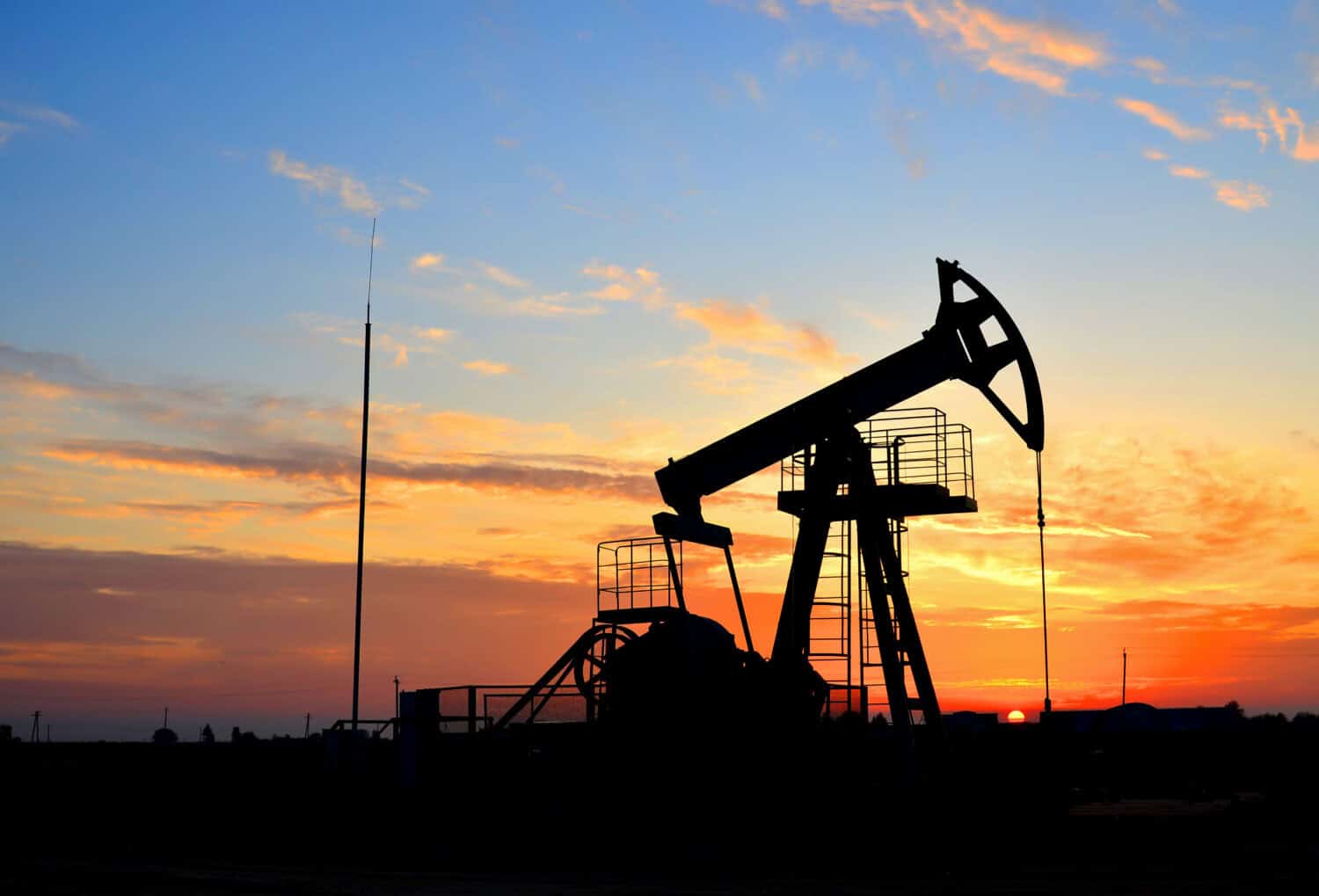
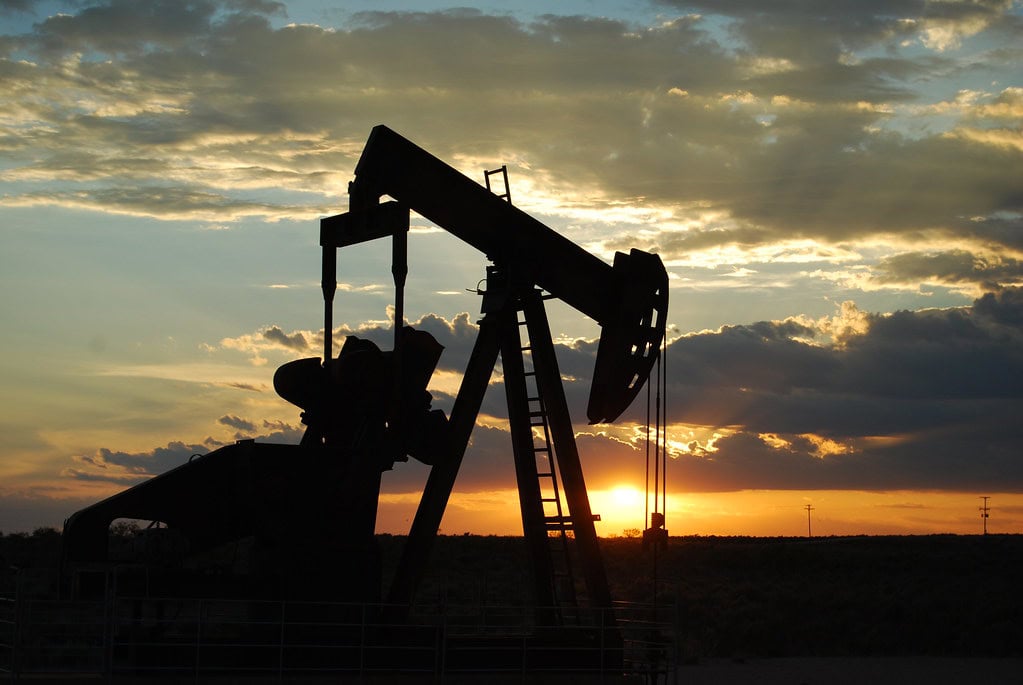
Then came the oil. All of a sudden, men were sleeping in pickup truck beds in Williston because there was nowhere else to sleep, and North Dakota was the fastest-growing state in America. The growth slowdown is evident now. But a state that spent eighty years shrinking is not shrinking anymore.
Minnesota
For a hundred years, the Iron Range fed America's steel mills, and it developed a culture doing so. Mining families and union towns. Those were communities in which everyone's grandfather worked the same pit. Then came the steel crisis in the eighties. It took most of the jobs in the area and never gave them back.
Here is the part that still confuses people up there. The mines never closed. Production came back, but the jobs didn't. Using the right machinery, one man can do what an entire shift did previously. The region lost 40% of its people anyway, and the center of gravity in Minnesota shifted south towards the cities.
Mississippi
Mississippi didn’t allow gambling. That was part of its character and it was something people there liked to say about themselves. In 1990, the state passed a law legalizing dockside casinos.
When the eighties started, Tunica County was the poorest county in America. In a decade, it had become known as the Las Vegas of the South. The casinos along the Gulf Coast were washed out in 2005 by Katrina, and the state let them rebuild on land, which is why the coast looks the way it does now. A state that used to define itself by not having casinos now has 25 of them.
Kentucky
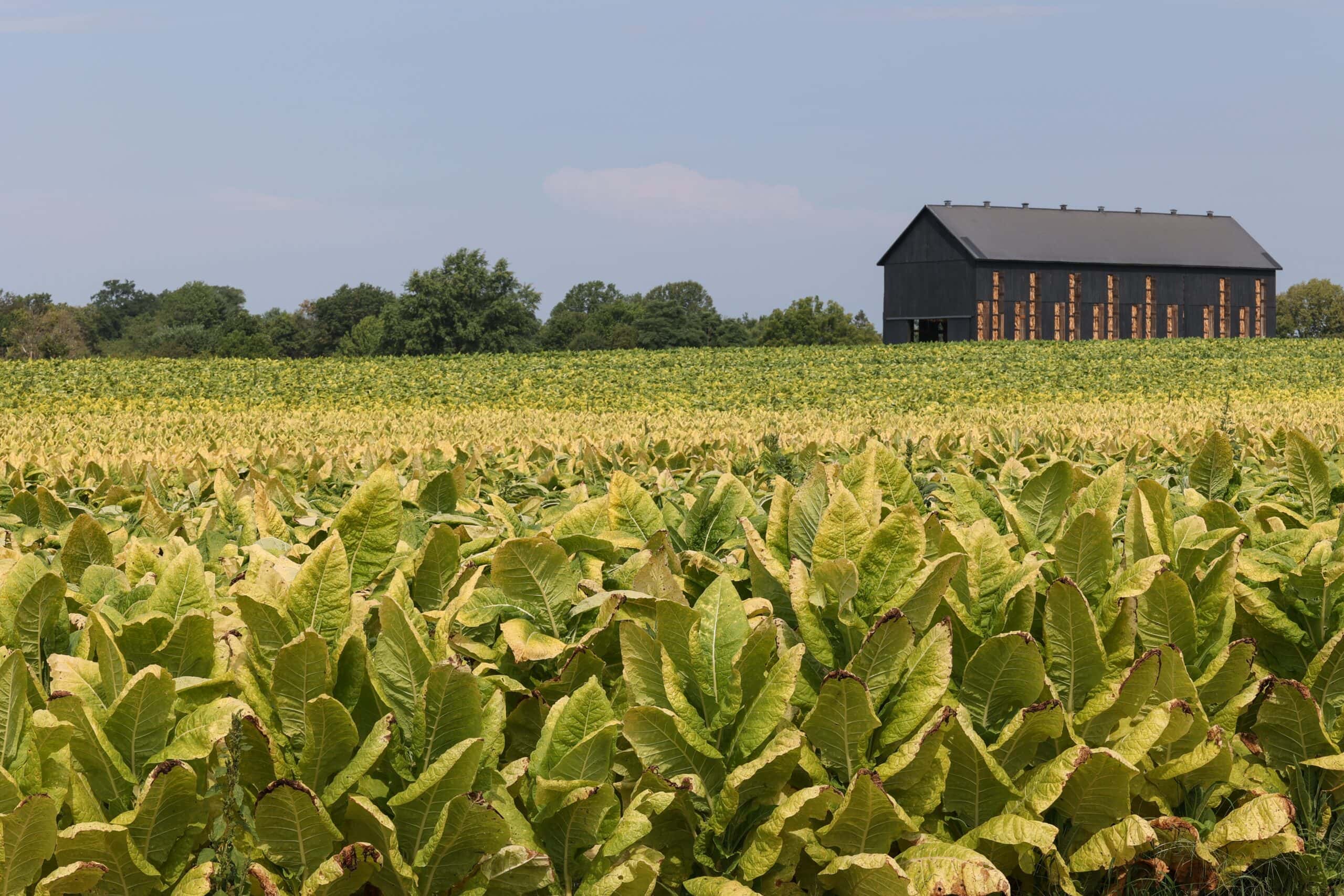
In 1987, there were almost 62,000 tobacco farms in Kentucky. Now, there are fewer than 1000. Whole families worked those fields, and those numbers tell a tale of a way of life wiped out.
Coal went the same way in the eastern half of the state. What the state has now is Toyota, which began manufacturing Camrys in Georgetown in 1988 and currently operates the largest production plant for the company across the globe. Bourbon also ended up being an attraction for tourists to a state that has moved from growing things to assembling and distilling them.
Maine
The paper companies owned roughly half of Maine. Almost half the state's land was under their control, and the mill town was a company town right down to the school, which the company itself built. Being from Millinocket meant coming from the mill.
The plants began closing down around the late eighties and have continued doing so ever since. Millinocket has lost more than 40% of its population since 1970. The people who stayed got old and the younger generation went south, which is part of why Maine is the oldest state in the nation today. The industry that defined the place left, and the new generation followed.
Oklahoma
In Oklahoma, people believed in oil like they would in the weather. It was just something that was always going to be there. Then a bank operating out of the back of a shopping mall in Oklahoma City went under in the summer of 1982. It took Seattle's largest bank with it and nearly brought down a Chicago banking behemoth. It was the first of more than a hundred Oklahoma banks to fail that decade.
Oil prices dropped from forty dollars to ten. The Oklahoma that came out the other side is far more cautious and a whole lot less certain about anything. Tribal gambling became an economic power in the space that oil used to fill. Nobody bets on it the way they bet on oil, though.
Alabama
For most of the last hundred years, Alabama was known for its textile and steel production, and for its agriculture. By the 1980s, two of these industries faced challenges. In September 1993, however, Mercedes-Benz announced its plans to build a car factory in Tuscaloosa County, the first the company had ever built outside of Germany.
The people of Alabama have been using the event to mark time since. Honda and Hyundai followed, then a Mazda-Toyota plant in Huntsville. Cars have become the main product Alabama exports to the rest of the world. What makes it a state's story is where the factories went. They are spread across Tuscaloosa, Montgomery, and Huntsville, so the change reached places that were never expected to be part of it.
Louisiana
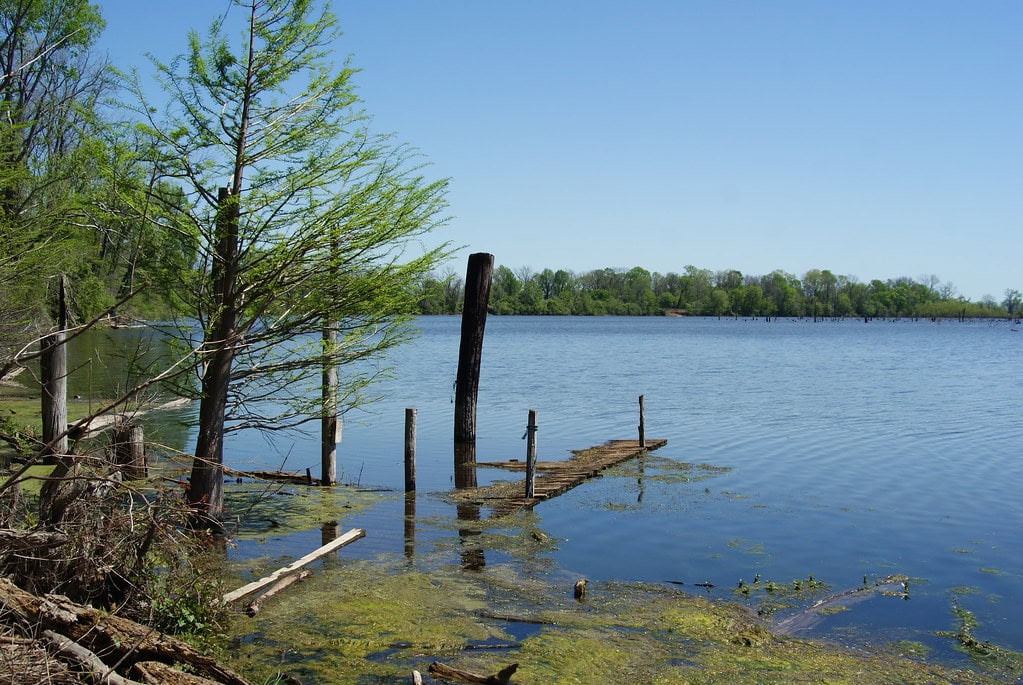
Louisiana got clobbered by the oil bust just like Oklahoma did, and it has taken the state forty years to figure out how else to be. But oil left something behind more permanent than a recession. About 2,000 square miles of Louisiana land have slipped beneath the water since the 1930s, either because of levees preventing sediment from building up the delta or due to the countless miles of canals dug through the marsh to reach the wells. Katrina in 2005 was the loud version of a quiet story. People are moving up the bayou a few miles at a time, and communities that appeared on a map in 1985 don’t appear anymore. Every other state on this list changed. Louisiana is vanishing.
Iowa
The seventies were good to Iowa. Land prices climbed and everyone assumed it would hold. But ask any old farmer in Iowa from the eighties, and he will tell you about the auctions before he mentions the money. Friends and neighbors gathered around to watch a man's equipment being auctioned out in front of him, returning home, and wondering how long until their turn came.
Enterprise farming has taken over, carried out at a scale unimaginable even in 1980. The state continues to provide food for the country. It just doesn’t have the same number of people in it doing so, and the little towns that used to live off those farms never got their grocery stores back.