KTLA 9 News

Public Domain / Wikimedia Commons
Dual Freq / Wikimedia Commons

Florida Memory Project / Wikimedia Commons
Public Domain / Wikimedia Commons
Bettmann / Contributor / Bettmann / Getty Images

Bettmann / Contributor / Getty Images

Public Domain / Wikimedia Commons

Public Domain / Wikimedia Commons
Public Domain / Wikimedia Commons
Topical Press Agency / Hulton Archive via Getty Images
Public Domain / Wikimedia Commons
Public Domain / flickr
Public Domain / Wikimedia Commons
Everett Collection / Shutterstock.com

G. Lamar Yancy / flickr
Public Domain / Wikimedia Commons
Public Domain / Wikimedia Commons

Courtesy of the FBI
Public Domain / Wikimedia Commons
Raggedstone / Shutterstock.com







10 of the Most Notorious Criminals in US History
Some criminals become so deeply embedded in American culture that their names outlive the eras in which they operated. Their notoriety may come from the scale of their crimes, the fear they created, the attention surrounding their trials, or the books, movies, and television programs that followed.
This list spans several kinds of offenders, including serial killers, a cult leader, organized crime figures, Depression-era outlaws, and a domestic terrorist. These labels aren’t interchangeable. Al Capone was a mob boss, Bonnie and Clyde were fugitives on a multistate crime spree, and Ted Kaczynski carried out an ideological bombing campaign.
Serial killers still account for many of the best-known names here. Their crimes have generated decades of reporting and entertainment, sometimes pushing victims and survivors to the edge of the story. The facts are more complicated than the mythology, and several familiar claims about these cases don’t hold up under scrutiny.
To identify some of the most notorious criminals in U.S. history, 24/7 Tempo focused on people whose names remain widely recognizable rather than ranking them by body count or financial damage. We reviewed official records, court decisions, historical reporting, and biographical sources to examine their documented crimes, convictions, sentences, and eventual fates. Unidentified offenders, including the Zodiac Killer, were excluded.
Jeffrey Dahmer
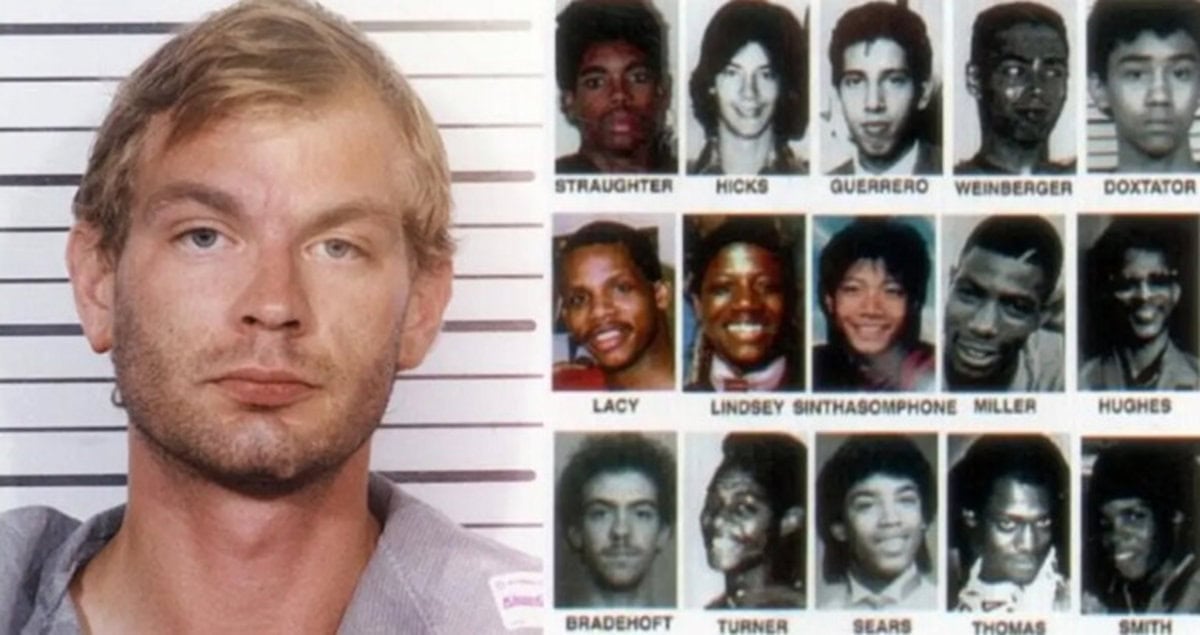
Jeffrey Dahmer was born in Milwaukee on May 21, 1960. Between 1978 and 1991, he murdered 17 boys and young men in Ohio and Wisconsin. He also dismembered his victims and committed necrophilia and cannibalism in some cases, details that made his crimes especially notorious.
Dahmer was arrested on July 22, 1991, after Tracy Edwards escaped from his Milwaukee apartment with a handcuff still attached to one wrist and flagged down police. Officers who entered the apartment found photographs and human remains, and Dahmer ultimately admitted to all 17 killings.
Jeffrey Dahmer (continued)
Dahmer killed his first victim, Steven Hicks, in Bath Township, Ohio, in 1978. His next known victim was Steven Tuomi in Milwaukee in 1987. The victims were boys and young men, many of them Black, Asian, or Latino, and several were members of Milwaukee’s gay community.
In 1992, a Wisconsin court gave Dahmer 15 consecutive life sentences for 15 murders. He later received a 16th life sentence in Ohio for Hicks’s murder. No charge was filed in the killing of Tuomi because investigators lacked enough physical evidence to prosecute that case.
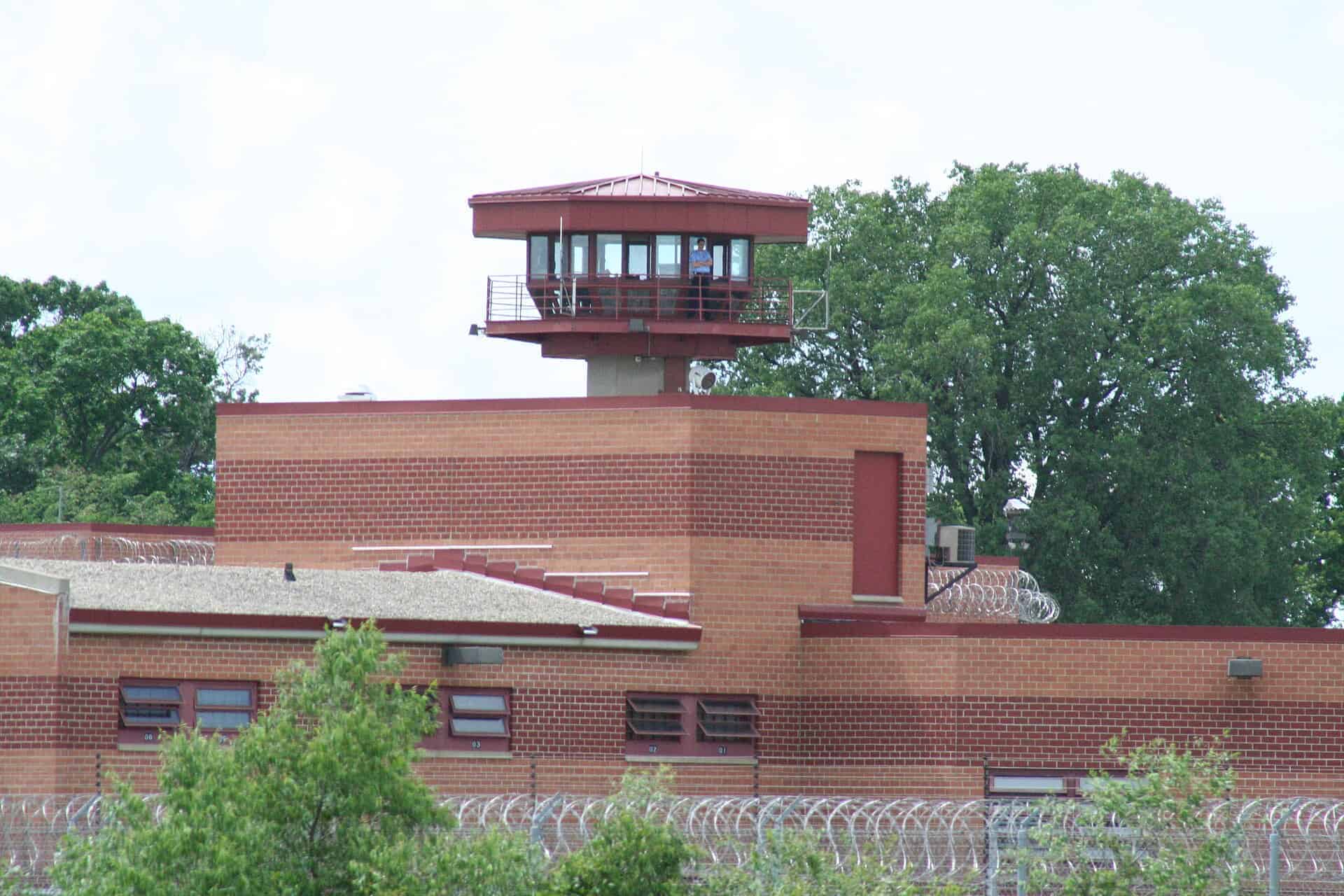
The case also exposed grave failures by Milwaukee police. In May 1991, officers returned 14-year-old Konerak Sinthasomphone to Dahmer despite the concerns of women who had found the injured boy outside. Dahmer killed him after the officers left. On November 28, 1994, fellow inmate Christopher Scarver beat Dahmer to death at Columbia Correctional Institution in Wisconsin.
Ted Bundy
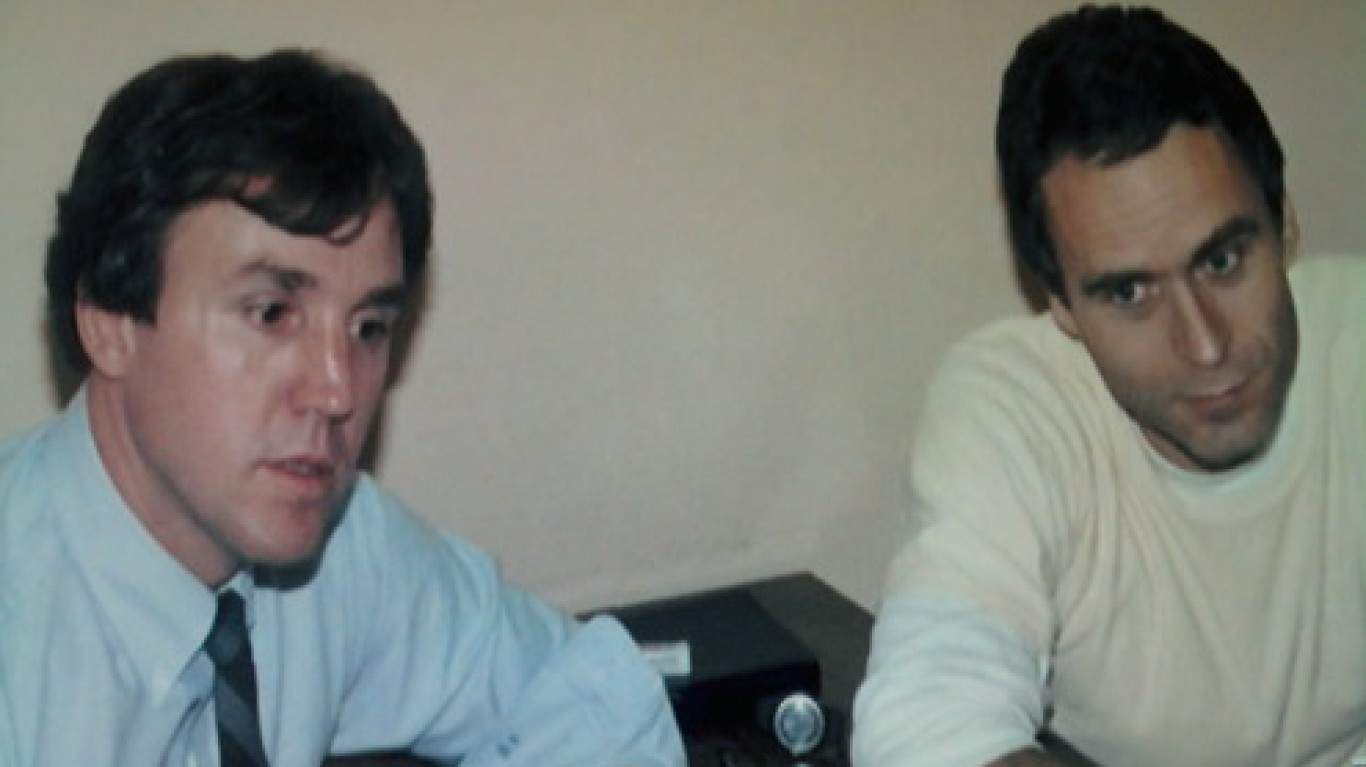
Ted Bundy confessed to 30 murders committed between 1974 and 1978, although the true number remains unknown. His known crimes stretched across seven states and primarily targeted young women and girls. He was convicted of three murders in Florida.
His 1979 trial for the murders of Florida State University students Margaret Bowman and Lisa Levy was televised and intensely covered. That attention helped turn Bundy into a true-crime fixture, often emphasizing his appearance and courtroom manner at the expense of the women he attacked.
Ted Bundy (continued)
Bundy earned a psychology degree from the University of Washington in 1972 and later attended law school in Utah without graduating. Police first arrested him in Utah in 1975 after finding suspicious items in his Volkswagen. He was convicted of kidnapping survivor Carol DaRonch, whose testimony helped identify him.
Bundy escaped custody twice in Colorado in 1977. After the second escape, he reached Florida and killed Bowman and Levy at the Chi Omega sorority house. He later abducted and murdered 12-year-old Kimberly Leach. Florida courts imposed death sentences for the three murders.
Bundy gave a series of confessions shortly before he was executed in Florida’s electric chair on January 24, 1989. In April 2026, new DNA testing definitively linked him to the 1974 murder of 17-year-old Laura Ann Aime in Utah, allowing authorities to close a case that had remained open for more than 50 years.
Charles Manson
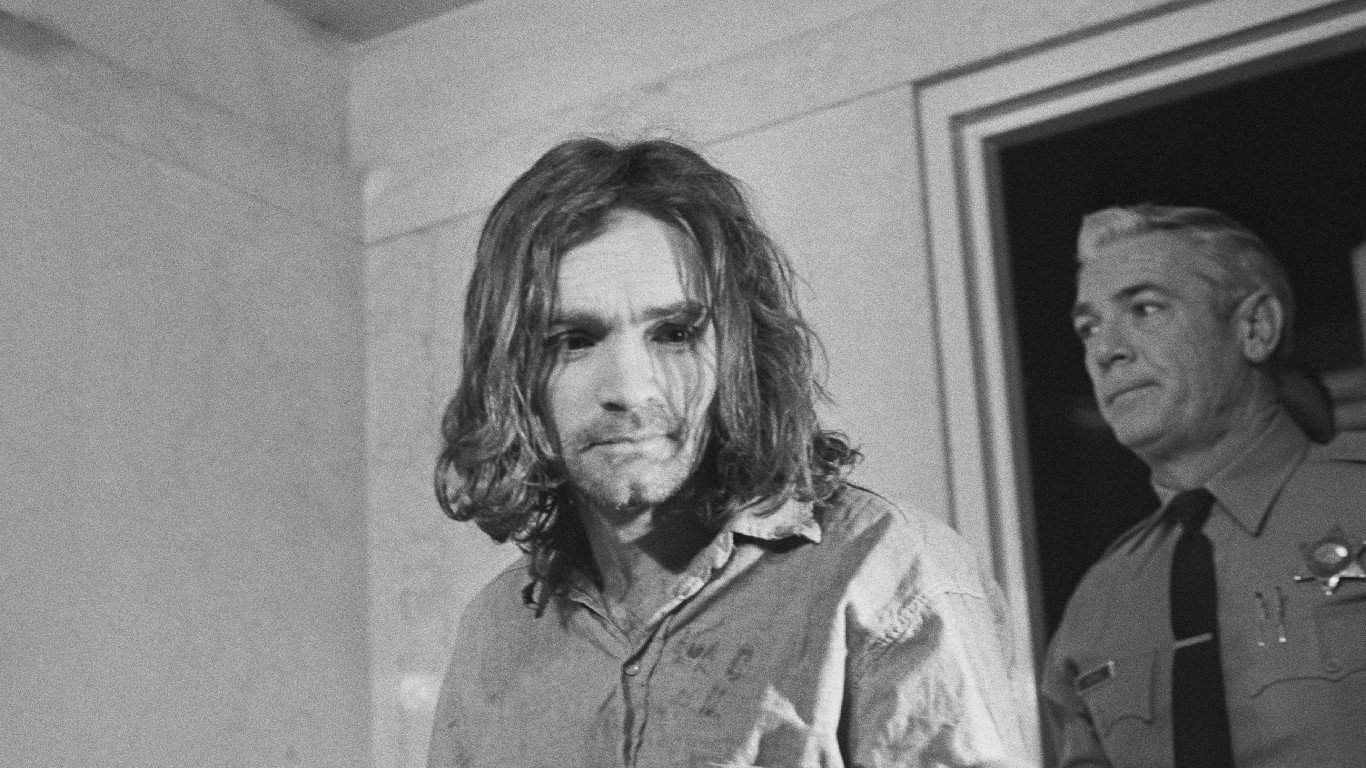
Charles Manson was a cult leader whose followers committed a series of murders in California in 1969. The group became known as the Manson Family, and its crimes were later chronicled in the bestselling 1974 book Helter Skelter by prosecutor Vincent Bugliosi and Curt Gentry.
Manson’s apocalyptic worldview mixed biblical imagery, Beatles lyrics, racism, and his own interpretations. Prosecutors argued that he expected the killings to help ignite a race war he called “Helter Skelter.” In August 1969, Family members murdered seven people over two nights, including actor Sharon Tate, who was eight months pregnant.
Charles Manson (continued)
Manson spent much of his youth and early adulthood in reform schools and prisons for offenses including theft, robbery, and parole violations. After his release from federal prison in 1967, he moved to San Francisco and began attracting a circle of mostly young followers. The group later settled at Spahn Ranch near Los Angeles.
Manson’s followers carried out the Tate-LaBianca killings, but he was convicted in 1971 of seven counts of first-degree murder and one count of conspiracy for directing the crimes. He was later convicted of the murders of Gary Hinman and Donald Shea. His death sentences were reduced to life in prison after the California Supreme Court invalidated the state’s death penalty law in 1972.
California officials denied Manson parole 12 times, most recently in 2012. He died of natural causes at a hospital in Kern County on November 19, 2017, while still serving his life sentences.
John Wayne Gacy
John Wayne Gacy ran a contracting business and was active in his Chicago-area community. He also performed as “Pogo” and “Patches” the clown at parties and civic events. The clown appearances became a lasting part of his public image, although they weren’t how he committed his murders.
Gacy murdered 33 boys and young men between 1972 and 1978. Investigators recovered 26 bodies from the crawl space beneath his home, three from elsewhere on the property, and four from the Des Plaines River. At trial, his attorneys argued that he was legally insane, but the jury rejected that defense.
John Wayne Gacy (continued)
Gacy’s criminal record predated the murders. In 1968, an Iowa court convicted him of sexually assaulting a teenage boy and sentenced him to 10 years in prison. He served about 18 months before being paroled in 1970 and returning to the Chicago area.
The investigation that ended his killing spree began with the December 1978 disappearance of 15-year-old Robert Piest. Police learned that Piest had planned to speak with Gacy about a job shortly before he vanished. Search warrants, surveillance, and evidence from Gacy’s home eventually led investigators to the crawl space.
A jury convicted Gacy of all 33 murders in March 1980 and sentenced him to death. He was executed by lethal injection at Stateville Correctional Center on May 10, 1994. Five of his victims remain unidentified, according to the Cook County Sheriff’s Office.
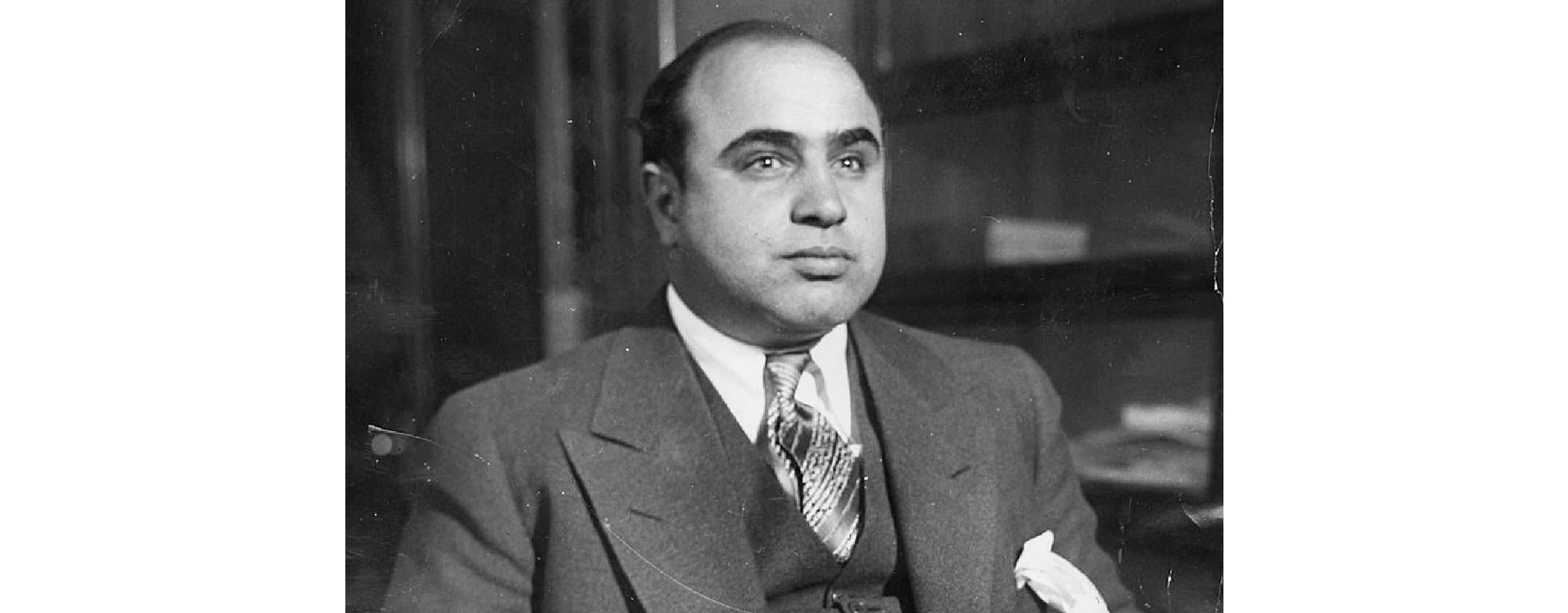
Al Capone
Alphonse “Al” Capone was born in Brooklyn, New York, on January 17, 1899, to Italian immigrant parents. He left school after the sixth grade and joined street gangs as a teenager, beginning the criminal career that would eventually make him the most famous mob boss of the Prohibition era.
Capone worked for New York gangster Frankie Yale and came under the influence of Johnny Torrio. Around 1920, he followed Torrio to Chicago. When Torrio retired in 1925 after surviving an assassination attempt, Capone took control of an organization that profited from bootlegging, gambling, prostitution, and protection rackets.
Capone cultivated a flashy public image while his organization used bribery and violence to protect its business. Newspapers called him “Scarface,” a nickname he disliked. The 1932 film Scarface was loosely inspired by his life and reputation.
Al Capone (continued)
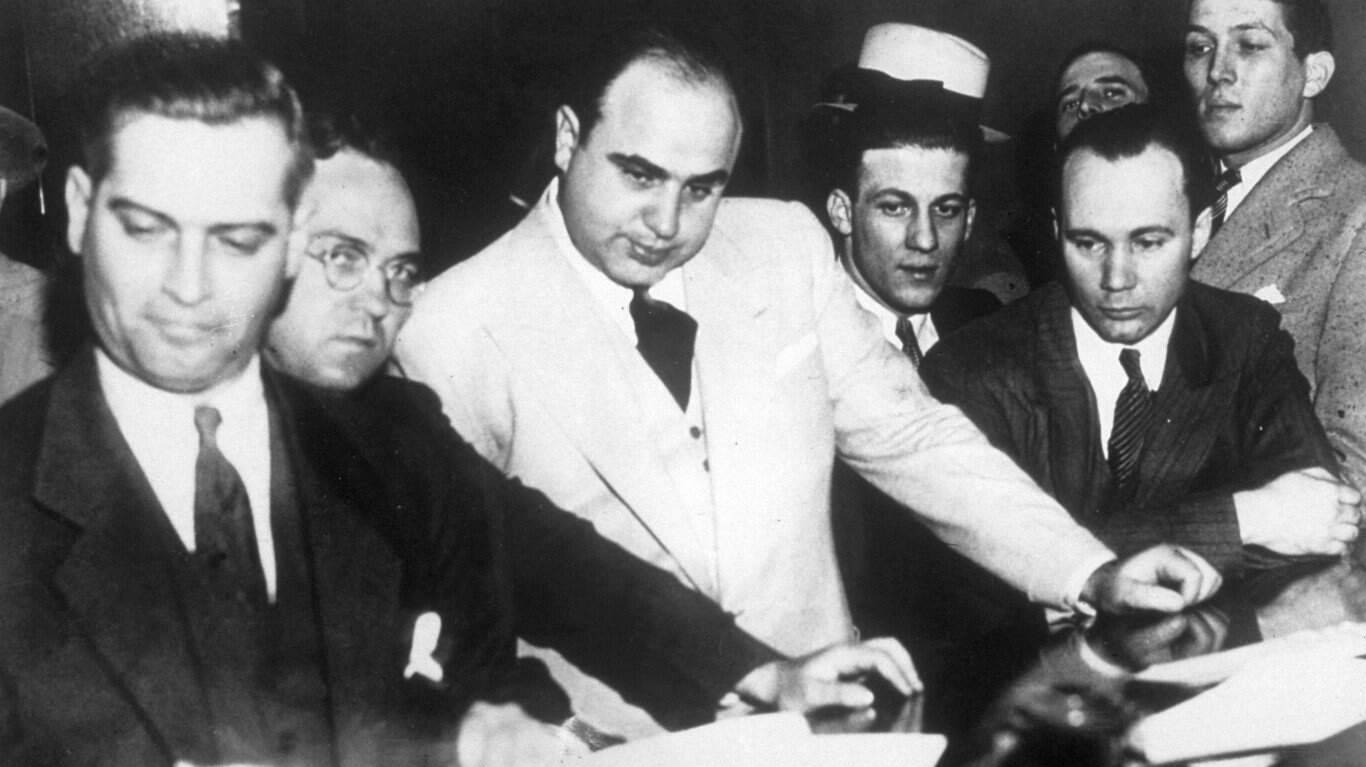
Capone’s Chicago Outfit was widely blamed for the St. Valentine’s Day Massacre on February 14, 1929, when seven members and associates of rival Bugs Moran’s gang were shot to death. Capone was in Florida at the time, and he was never charged in connection with the killings.
Federal authorities ultimately built their strongest case around Capone’s finances rather than gangland violence. In 1931, a jury convicted him of tax evasion. He received an 11-year federal prison sentence and later served time at Alcatraz.
Capone was released in November 1939 after serving about seven and a half years. By then, complications from syphilis had severely damaged his health. He died at his Florida home on January 25, 1947, at age 48 after suffering a stroke and pneumonia. His larger-than-life reputation continued to shape fictional portrayals of American gangsters long after his death.
Richard Ramirez
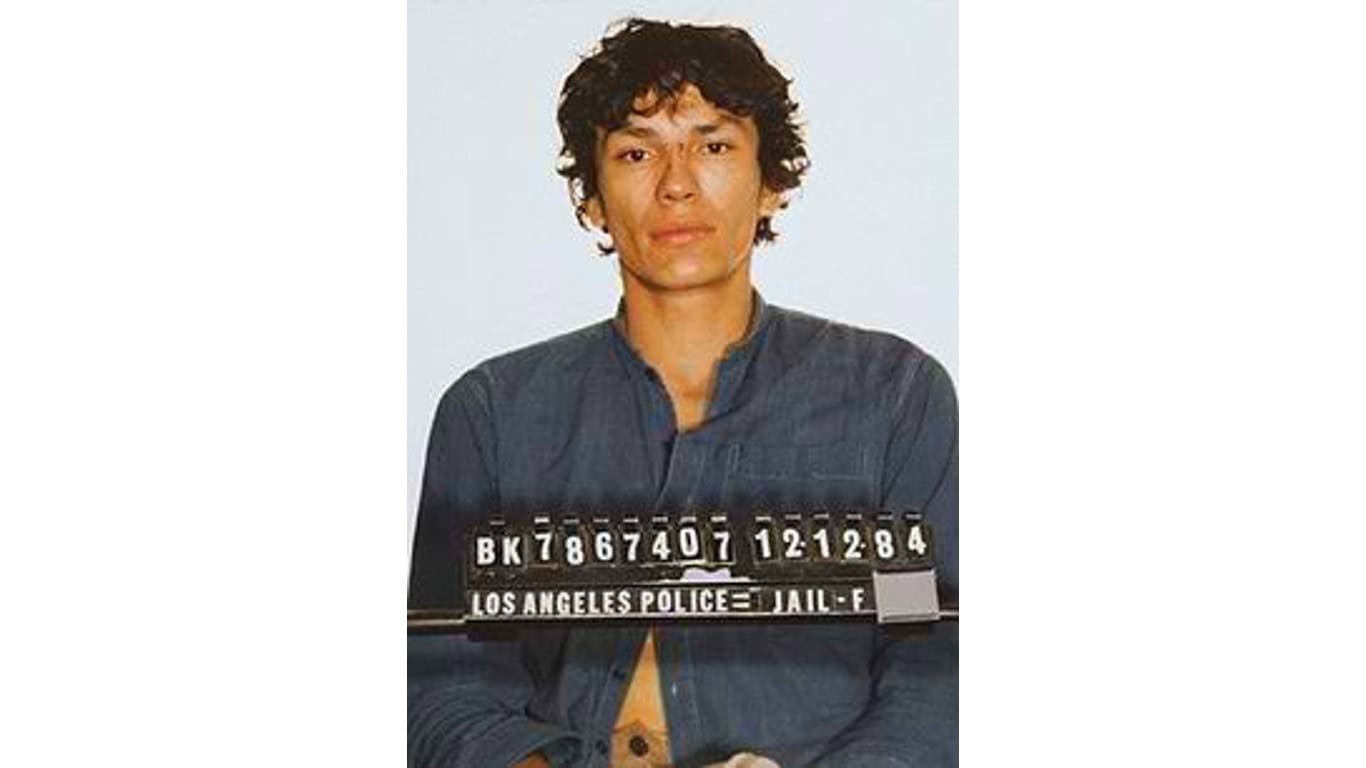
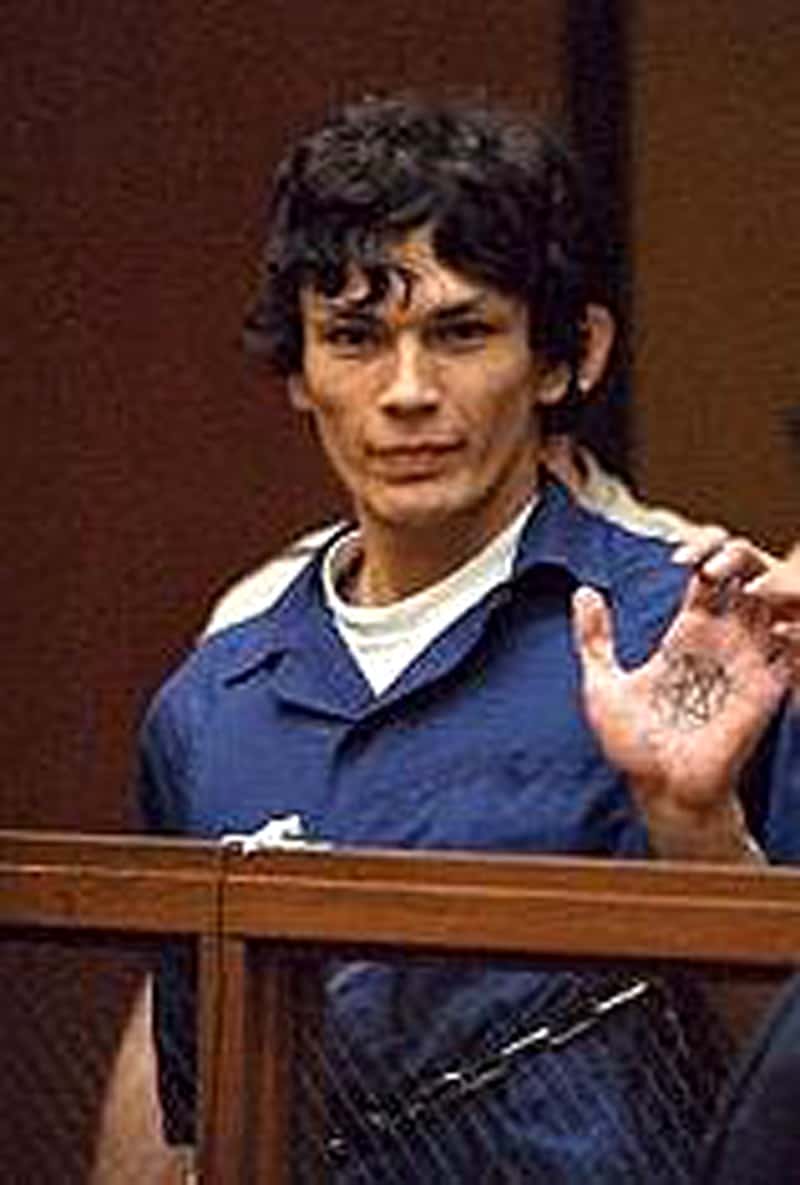
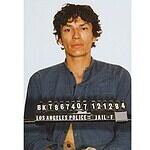
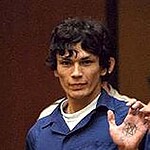
Richard Ramirez terrorized California during a series of home invasions in 1984 and 1985. Newspapers called the unidentified attacker the “Night Stalker,” and the case frightened residents across Southern California because the victims varied widely in age and the attacks appeared unpredictable.
In 1989, a jury convicted Ramirez on 43 counts: 13 murders, five attempted murders, 11 sexual assaults, and 14 burglaries. He received a death sentence but was never executed. Ramirez died from complications of B-cell lymphoma on June 7, 2013, while on death row at San Quentin. He was 53.
Richard Ramirez (continued)
Ramirez was born in El Paso, Texas, in 1960 and later moved to Los Angeles. His crimes involved burglary, robbery, sexual assault, attempted murder, and murder, often committed after he entered homes through unlocked doors or windows.
The first murder included in his Los Angeles trial was the June 1984 killing of 79-year-old Jennie Vincow. Over the next 14 months, investigators linked Ramirez to a series of attacks across Los Angeles County and the San Francisco Bay Area. Fingerprint evidence eventually gave police his identity.
In 2009, DNA evidence also linked Ramirez to the April 1984 murder of 9-year-old Mei Leung in San Francisco, but he was never charged in that case. Ramirez was captured on August 31, 1985, after East Los Angeles residents recognized him from a newly published photograph, chased him during attempted carjackings, and held him until police arrived.
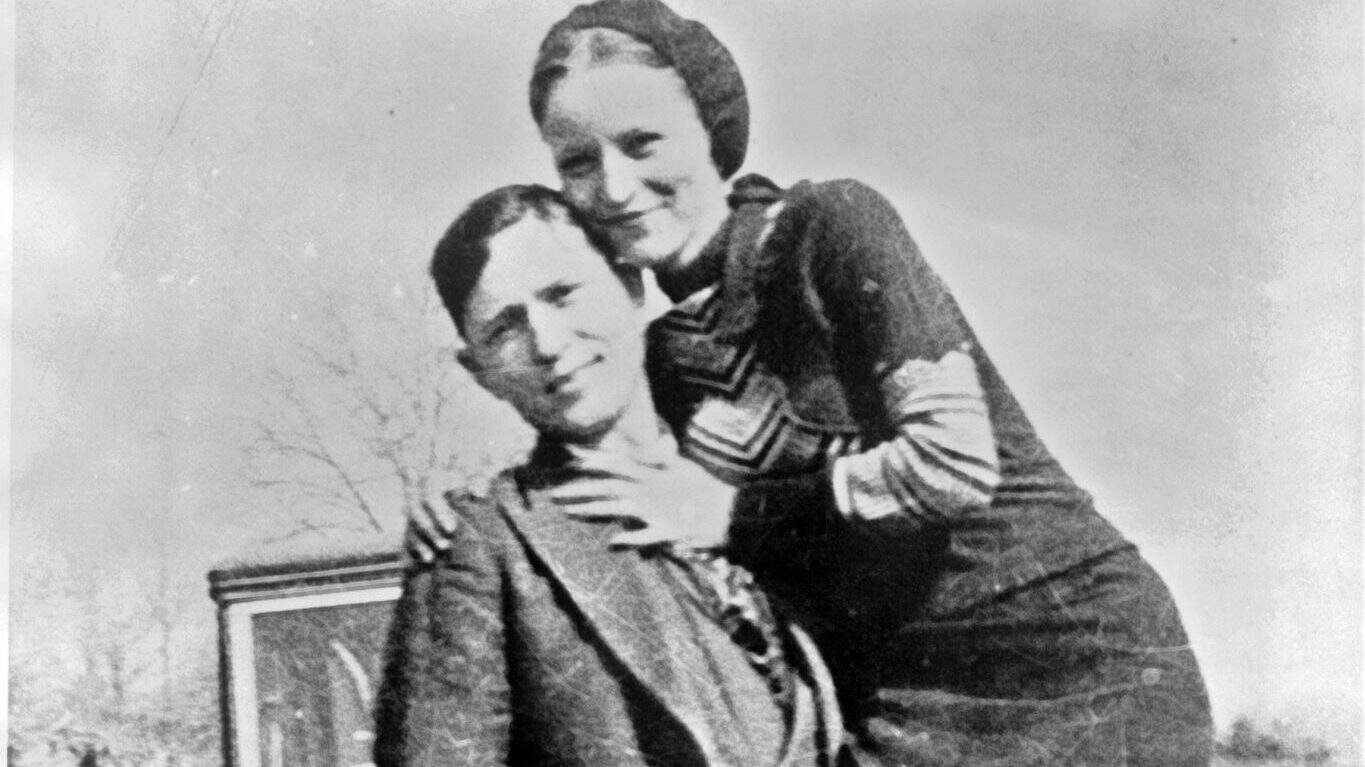
Bonnie and Clyde
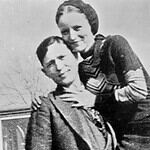
Bonnie Parker and Clyde Barrow were Depression-era outlaws, not serial killers. They met in Texas in January 1930, but their best-known crime spree began after Barrow was paroled from prison in February 1932 and lasted until their deaths in May 1934. Newspapers turned the pair into national celebrities, often romanticizing a record that included robberies, burglaries, kidnappings, and killings.
The Barrow Gang’s membership changed over time and included Raymond Hamilton, W.D. Jones, Clyde’s brother Buck Barrow, and Buck’s wife, Blanche. Although Bonnie and Clyde are remembered as bank robbers, they also targeted small stores and gas stations. The FBI says the gang was believed responsible for 13 murders and several robberies and burglaries.
Bonnie and Clyde (continued)
The FBI entered the case in December 1932 after evidence showed that a stolen car had been transported across state lines. A prescription bottle found in another abandoned vehicle helped investigators connect the cars to Barrow’s family. Federal agents obtained a warrant in May 1933 for interstate transportation of a stolen automobile.
The gang repeatedly escaped police traps, including an ambush near Grand Prairie, Texas, in November 1933. In January 1934, Barrow helped five prisoners escape from the Eastham prison farm while escapees shot two guards, killing one. Gang members later killed two Texas highway patrolmen near Grapevine on April 1 and mortally wounded a constable near Miami, Oklahoma, on April 6.
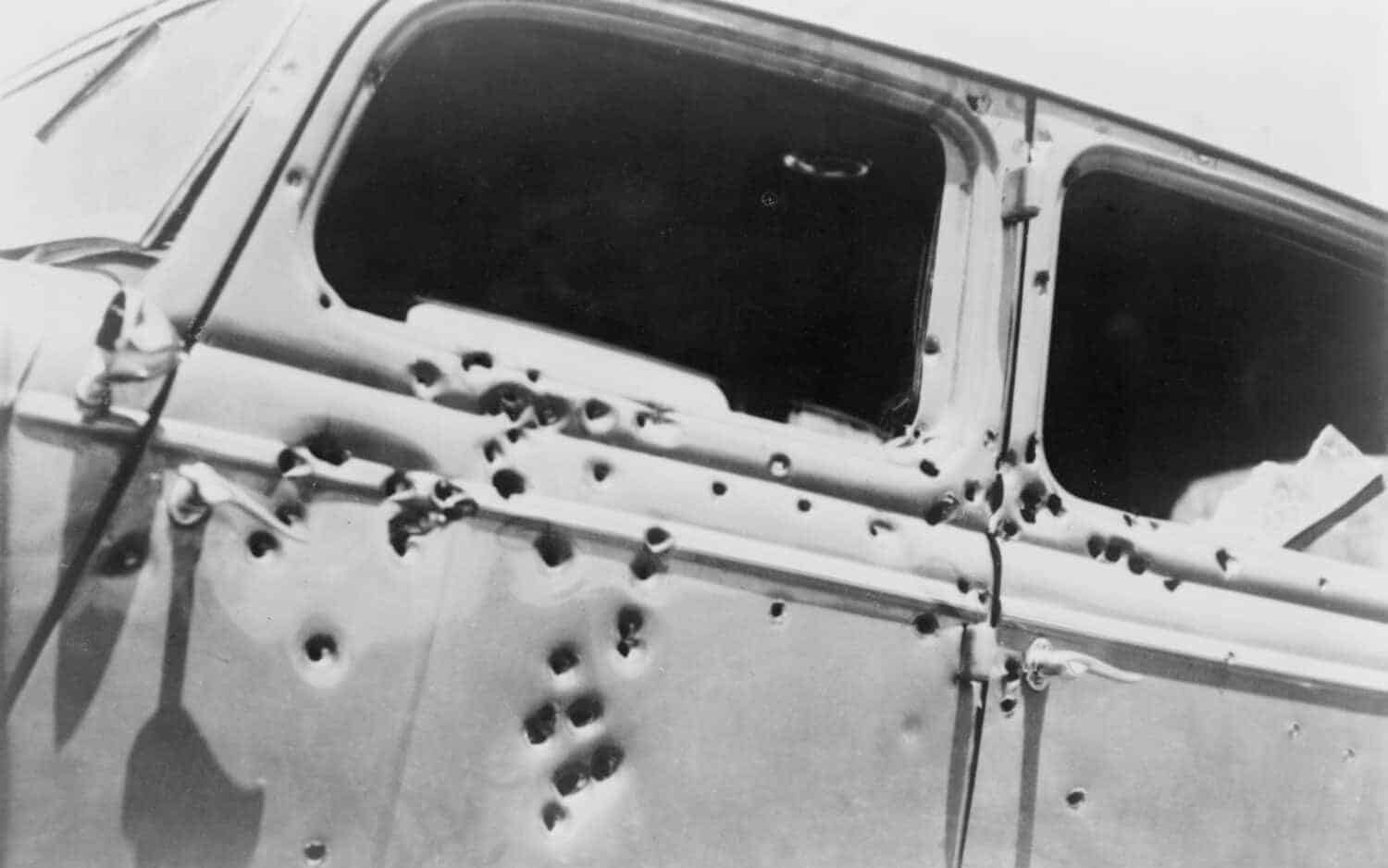
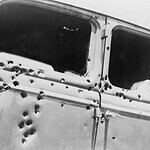
Investigators learned that Parker and Barrow were likely to return to Bienville Parish, Louisiana, where gang member Henry Methvin had family. On May 23, 1934, a six-man posse waited beside a highway near Sailes and opened fire on the pair’s car. Parker and Barrow were killed at the scene.
Ed Gein
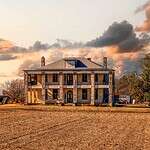
Ed Gein was a murderer and grave robber whose crimes influenced fictional characters in Psycho, The Texas Chain Saw Massacre, and The Silence of the Lambs. Those films weren’t direct retellings of his life, but each borrowed elements from the discoveries made at his Plainfield, Wisconsin, farm. The farmhouse itself is gone: it burned down in March 1958, shortly before the property was scheduled to be auctioned.
Ed Gein (continued)
Gein lived on an isolated farm with his family near Plainfield. His older brother, Henry, died during a brush fire in 1944. The death was officially ruled accidental, and later suspicions that Gein killed him were never proved.
On November 16, 1957, hardware store owner Bernice Worden disappeared. A receipt showed that Gein had been her last customer. Investigators searched his farm that evening and found Worden’s body, along with human remains and objects made from skin and bone.
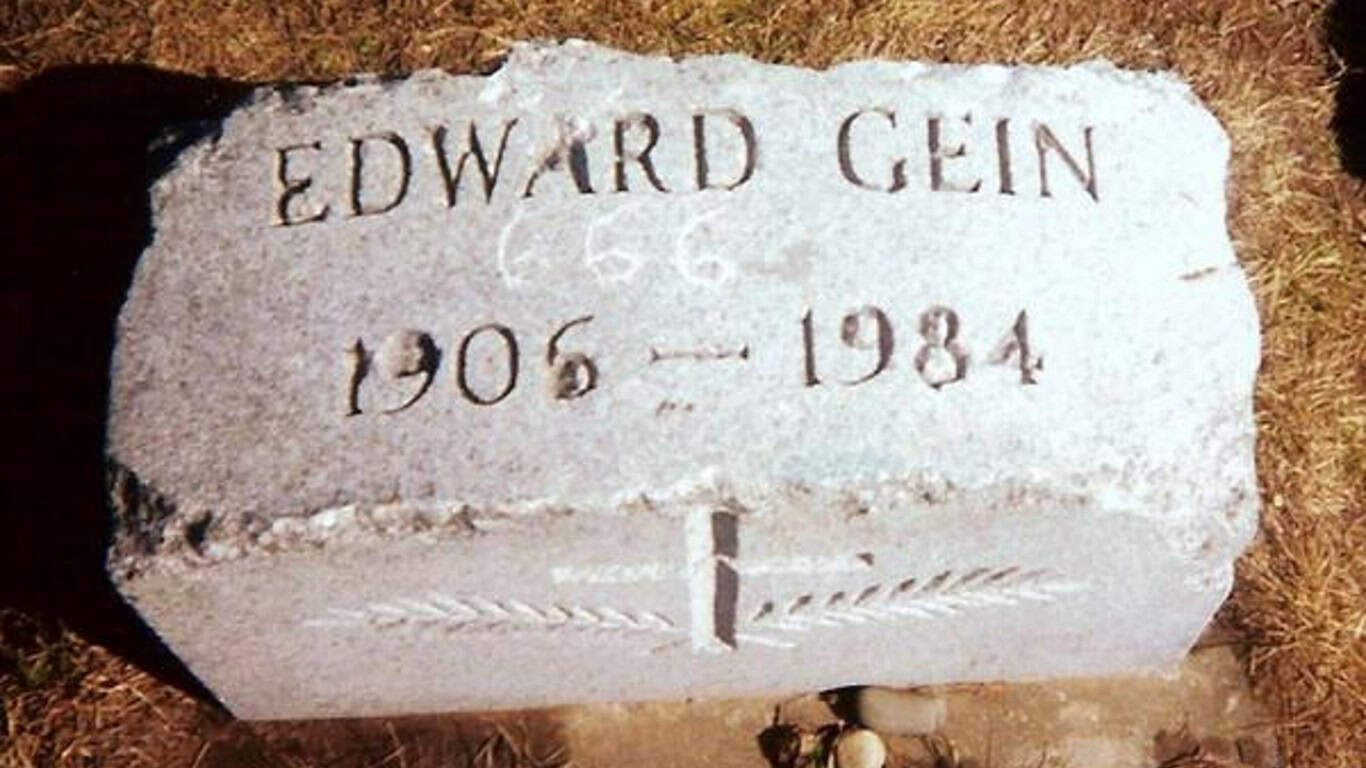
Gein confessed to killing Worden and tavern owner Mary Hogan, who had disappeared in 1954, and admitted robbing local graves. He was initially ruled incompetent to stand trial. In 1968, a judge found him guilty of Worden’s murder but not guilty by reason of insanity, and he remained institutionalized. Gein died of respiratory failure caused by cancer at Mendota Mental Health Institute on July 26, 1984. He was 77.
Ted Kaczynski
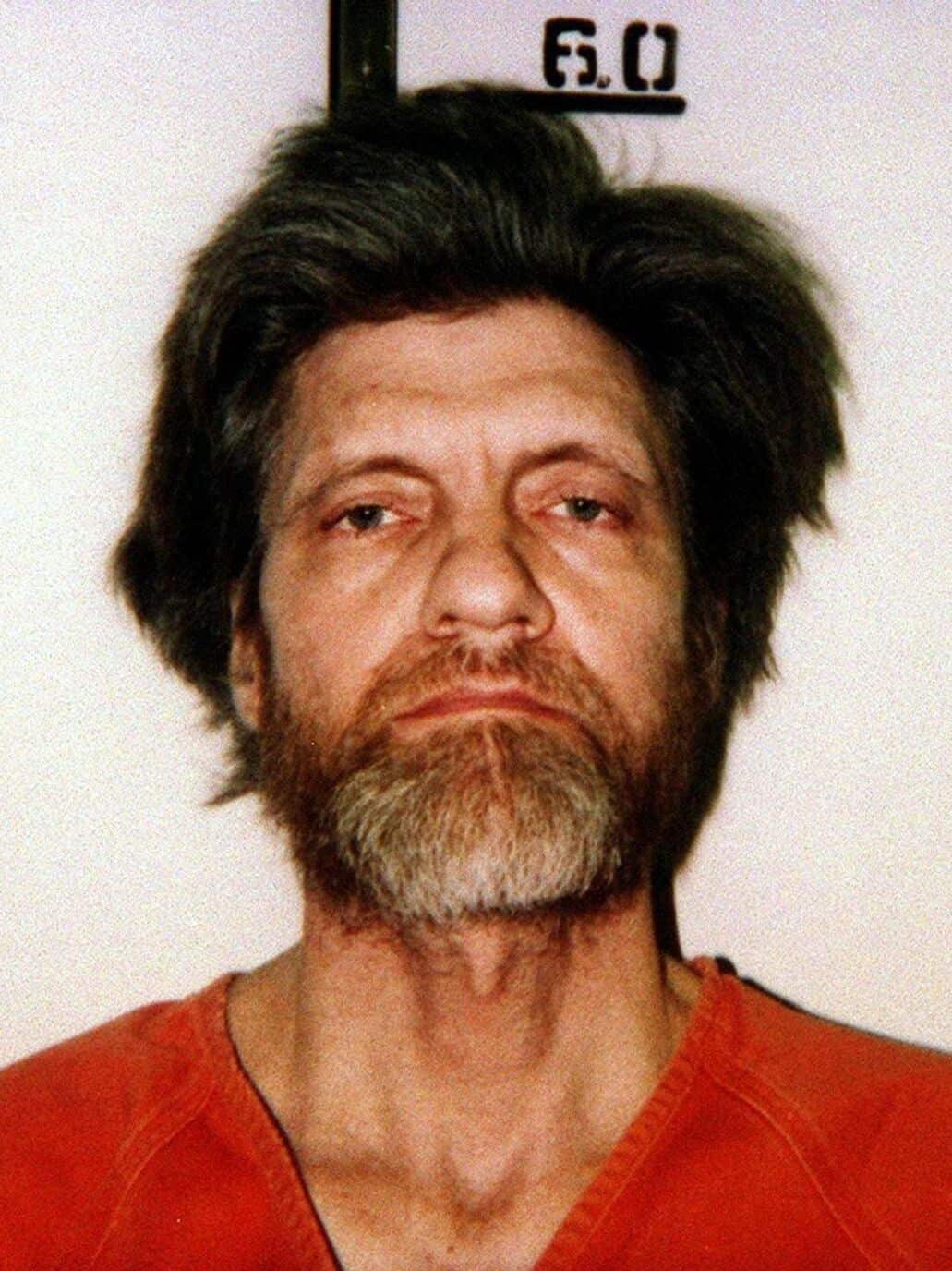
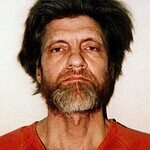
Ted Kaczynski, better known as the Unabomber, was a domestic terrorist who carried out a 17-year bombing campaign from 1978 to 1995. He mailed or placed 16 explosive devices, killing three people and injuring more than 20. His targets included universities, airlines, and people connected to technology and industry.
Kaczynski graduated from Harvard University and earned a doctorate in mathematics from the University of Michigan. In 1967, at age 25, he became an assistant professor at the University of California, Berkeley. He resigned in 1969.
Ted Kaczynski (continued)
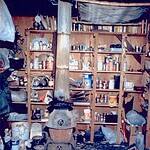
After leaving Berkeley, Kaczynski eventually settled near Lincoln, Montana, on land he and his brother David had purchased. He lived in a 10-by-14-foot cabin without electricity or running water. From there, he developed the anti-industrial ideas that appeared in his journals and later manifesto.
In 1995, Kaczynski demanded publication of a roughly 35,000-word essay titled Industrial Society and Its Future. After it appeared in The Washington Post, David’s wife, Linda Patrik, recognized the ideas and persuaded David to examine the writing. David supplied letters to the FBI, and linguistic comparisons helped investigators obtain a search warrant.
Agents arrested Kaczynski at the cabin on April 3, 1996, and found bomb components, extensive journals, and a live bomb ready to be mailed. He pleaded guilty in 1998 and received four life sentences plus 30 years. Kaczynski died by suicide at a federal prison medical center in North Carolina on June 10, 2023. He was 81 and had metastatic rectal cancer.
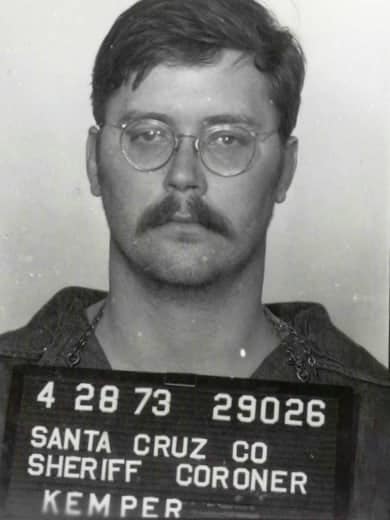
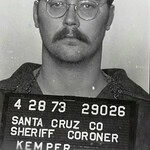
Edmund Kemper
Edmund Kemper killed 10 people in California between 1964 and 1973. His victims included his paternal grandparents, six girls and young women, his mother, and his mother’s friend. He was convicted of eight murders committed after his release from a psychiatric hospital.
Kemper was 15 when he shot and killed both grandparents in 1964. He was committed to Atascadero State Hospital and released in 1969 at age 21. The decision would later receive intense scrutiny after he began killing again in the Santa Cruz area.
Edmund Kemper (continued)
Between May 1972 and April 1973, Kemper murdered six female hitchhikers, most of them students. He then killed his mother, Clarnell Strandberg, and her friend Sara Hallett. After leaving California, he called police from Pueblo, Colorado, and confessed.
A California jury convicted Kemper in November 1973 of eight counts of first-degree murder. Because the California Supreme Court had invalidated the state’s death penalty the previous year, he received life sentences rather than execution.
Kemper remains incarcerated at California Medical Facility in Vacaville. In July 2024, the California Board of Parole Hearings denied him parole for seven years. He did not attend the hearing.