Long before Las Vegas became synonymous with enormous resorts, celebrity chefs, and extravagant entertainment, it was a relatively modest railroad town in the Nevada desert. In fact, one of its most historic casino hotels opened just a few years after the Wright brothers’ first powered flight.
Nevada legalized casino gambling in 1931, laying the groundwork for an entertainment industry that would transform Las Vegas and the surrounding communities. Following World War II, increasingly elaborate resorts began attracting visitors from across the country, many of whom came for the entertainment as much as the gambling.
While countless casinos have come and gone over the decades, several historic establishments have survived remarkably well. Others, like the recently demolished Tropicana, remain important chapters in the city’s history. Here are 11 historic casinos that helped turn a dusty desert town into the entertainment capital of the world.
Golden Gate Hotel & Casino (1906)
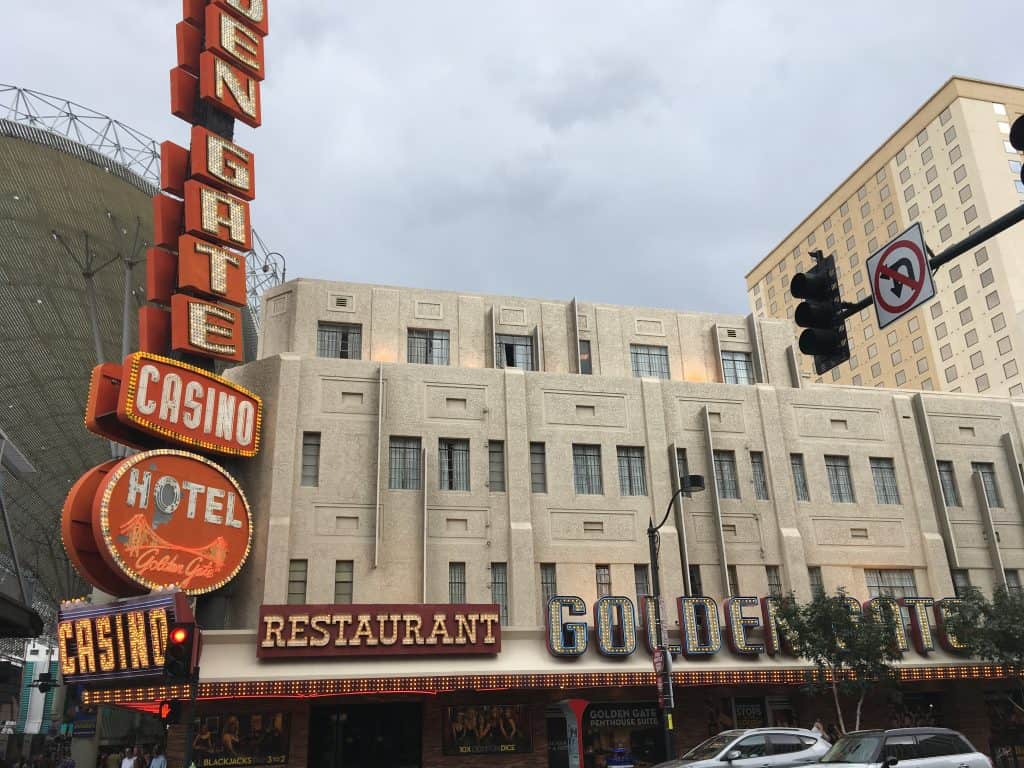
Celebrating its 120th anniversary in 2026, the Golden Gate Hotel & Casino traces its history back to January 1906, when it opened as the Hotel Nevada. At the time, guests could secure room and board for just $1 per day. The following year, the hotel became home to the city’s first telephone, which had the remarkably easy-to-remember phone number of 1.
Gambling operations were suspended when Nevada outlawed the practice in 1910, but gaming returned following legalization in 1931. The establishment adopted the Golden Gate name in 1955 and introduced its famous shrimp cocktail in 1959. Located at One Fremont Street, the property offers a fascinating connection to the earliest days of Las Vegas, long before towering resorts dominated the skyline.
Railroad Pass Hotel & Casino (1931)
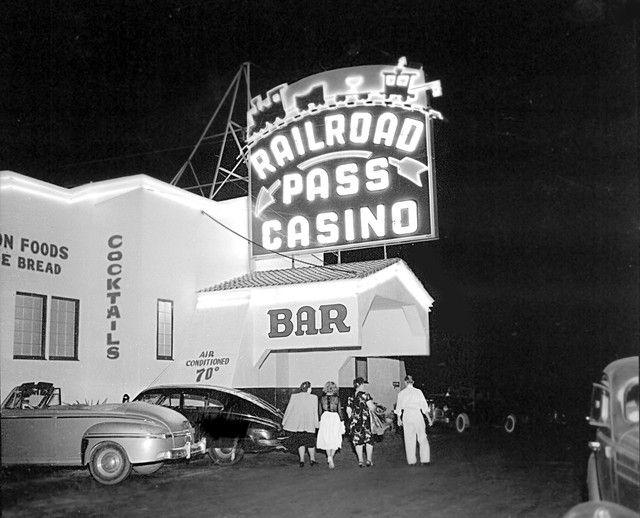
Although the Golden Gate occupies an older property, Railroad Pass holds the distinction of being Nevada’s longest-running casino. Located near Boulder City in Henderson, the establishment opened on August 1, 1931, less than five months after Nevada legalized casino gambling. Its location was particularly significant given what was happening just a short distance away.
Thousands of workers had descended upon the region to construct what would eventually become Hoover Dam. Since gambling was prohibited in Boulder City, Railroad Pass provided workers with an opportunity to unwind outside the federally managed community. The casino has changed ownership and expanded over the decades, but it remains in operation at its original location, celebrating its 95th anniversary in 2026.
El Cortez Hotel & Casino (1941)
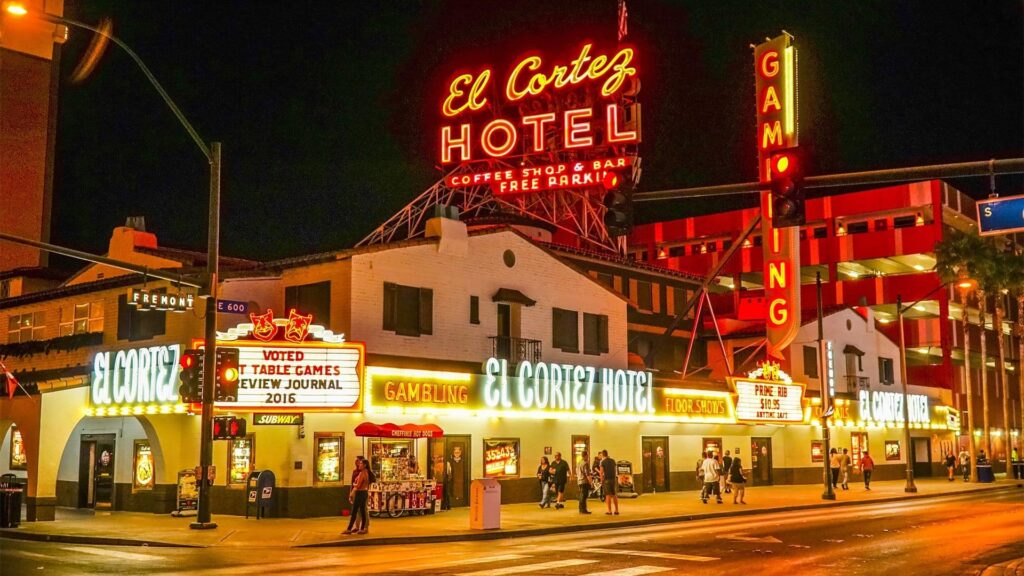
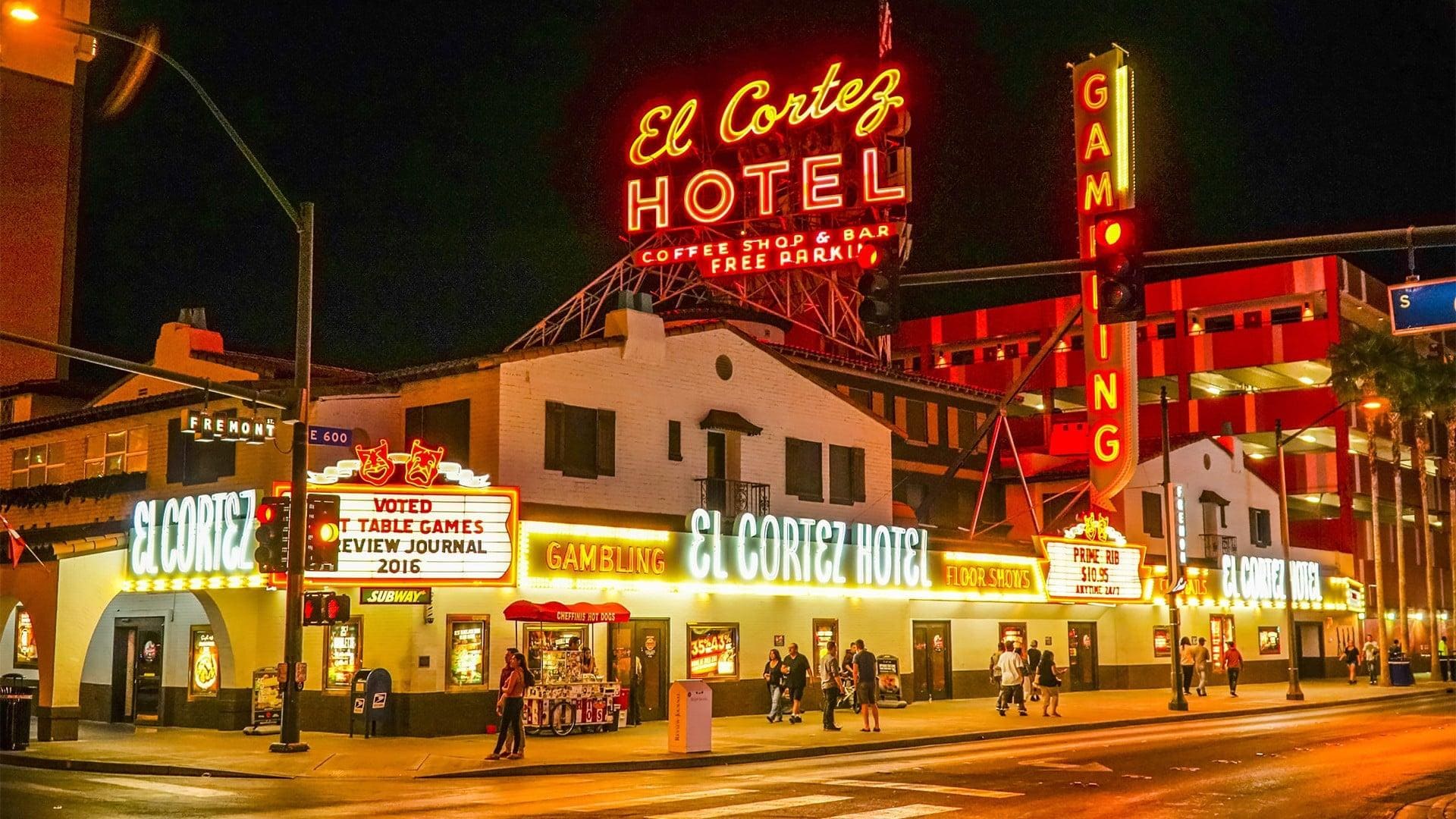
Few properties capture the atmosphere of old Las Vegas quite like the El Cortez. Opening on November 7, 1941, just one month before the United States entered World War II, the Fremont Street establishment helped establish downtown Las Vegas as a gambling destination. Its history also includes some of the most recognizable figures associated with the city’s organized crime era.
In 1945, a group that included Bugsy Siegel and Meyer Lansky purchased the casino before selling it the following year. Longtime casino operator Jackie Gaughan later became synonymous with the property, even living in its penthouse. With its distinctive Spanish-inspired exterior and vintage neon signage, the El Cortez earned a place on the National Register of Historic Places, preserving an increasingly rare piece of old Las Vegas.
Golden Nugget Las Vegas (1946)
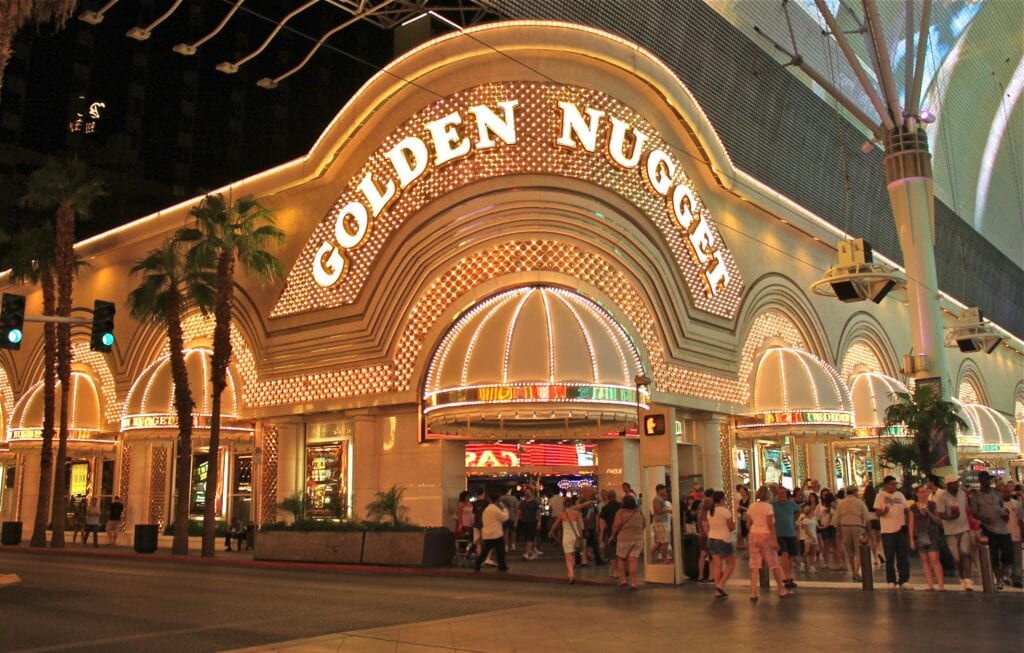
The Golden Nugget opened on August 30, 1946, when downtown Las Vegas was still the center of the city’s gambling industry. Founded by Guy McAfee, the casino distinguished itself with elaborate decorative elements and a Western-inspired identity. Over the following decades, the property evolved from a gambling establishment into a full-scale resort while maintaining its recognizable name.
Perhaps its most appropriately named attraction is the Hand of Faith, an enormous gold nugget discovered by an Australian prospector using a metal detector in 1980. Weighing approximately 61 pounds, the nugget was purchased by the casino and remains on display. Although the Golden Nugget has undergone extensive renovations, its presence on Fremont Street serves as a reminder of the era when downtown, rather than the Strip, was the heart of Las Vegas.
Flamingo Las Vegas (1946)
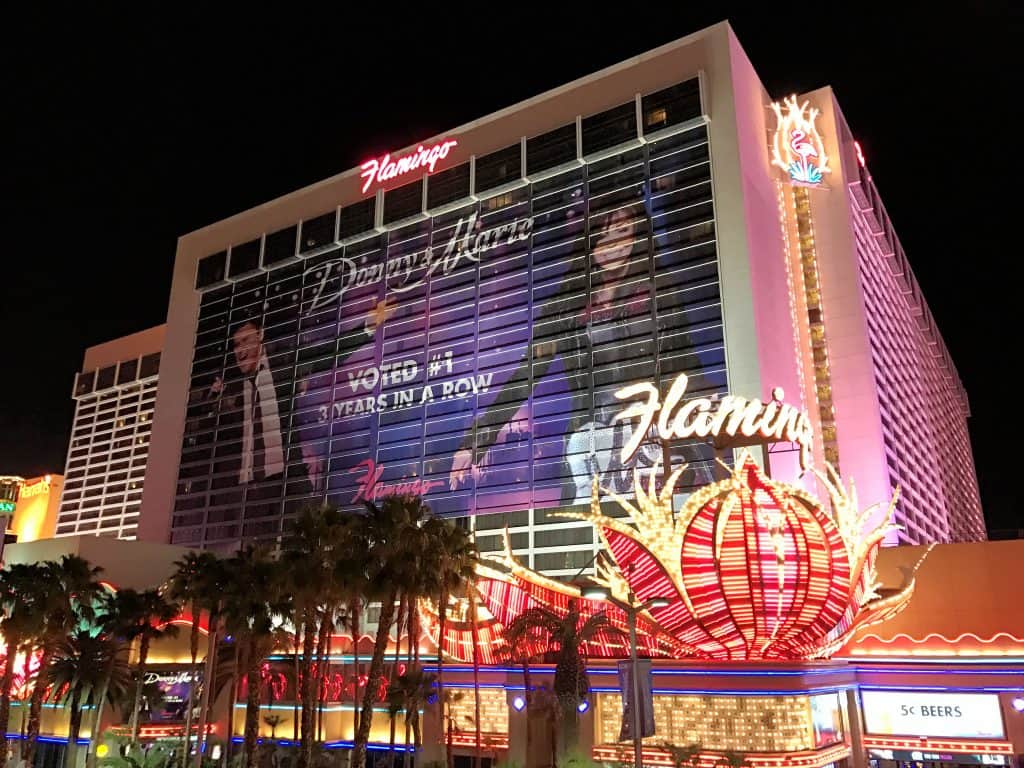
Opening on December 26, 1946, the Flamingo is the oldest operating resort on the Las Vegas Strip. Although gangster Benjamin “Bugsy” Siegel is frequently credited with its creation, the project was originally conceived by Hollywood publisher Billy Wilkerson. The resort’s luxurious design helped establish a new direction for Las Vegas, moving beyond relatively modest gambling halls and roadside establishments.
While the original buildings have disappeared through decades of redevelopment, the Flamingo name has endured. One of its more unusual attractions is its outdoor wildlife habitat, where visitors can observe Chilean flamingos and other birds among tropical landscaping. Celebrating its 80th anniversary in December 2026, the Flamingo remains one of the most recognizable names in the history of the Strip.
Binion’s Gambling Hall (1951)
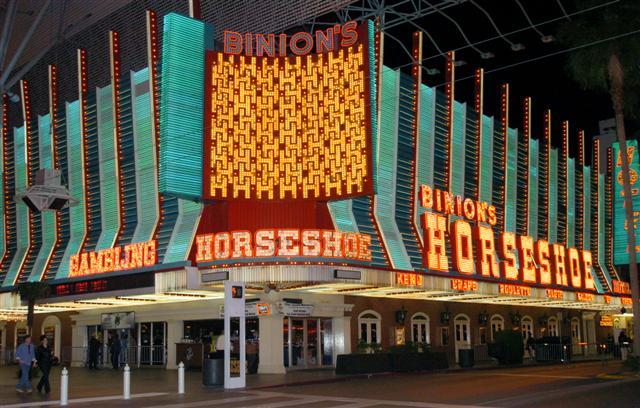
Benny Binion established the Horseshoe casino on Fremont Street in 1951, although portions of the property date back considerably further. The historic Hotel Apache, which now operates as part of Binion’s, originally opened in 1932 and was notable for amenities such as an electrically operated elevator and an air-conditioned lobby, luxuries that were particularly welcome in the desert.
Binion’s greatest contribution to gambling history came in 1970, when it hosted the inaugural World Series of Poker. What began as a relatively small gathering eventually developed into an internationally recognized competition. Although the tournament is no longer held at the original property, Binion’s remains closely associated with poker history. Its connection to both the early railroad town and the rise of professional poker makes it a particularly significant downtown landmark.
Sahara Las Vegas (1952)
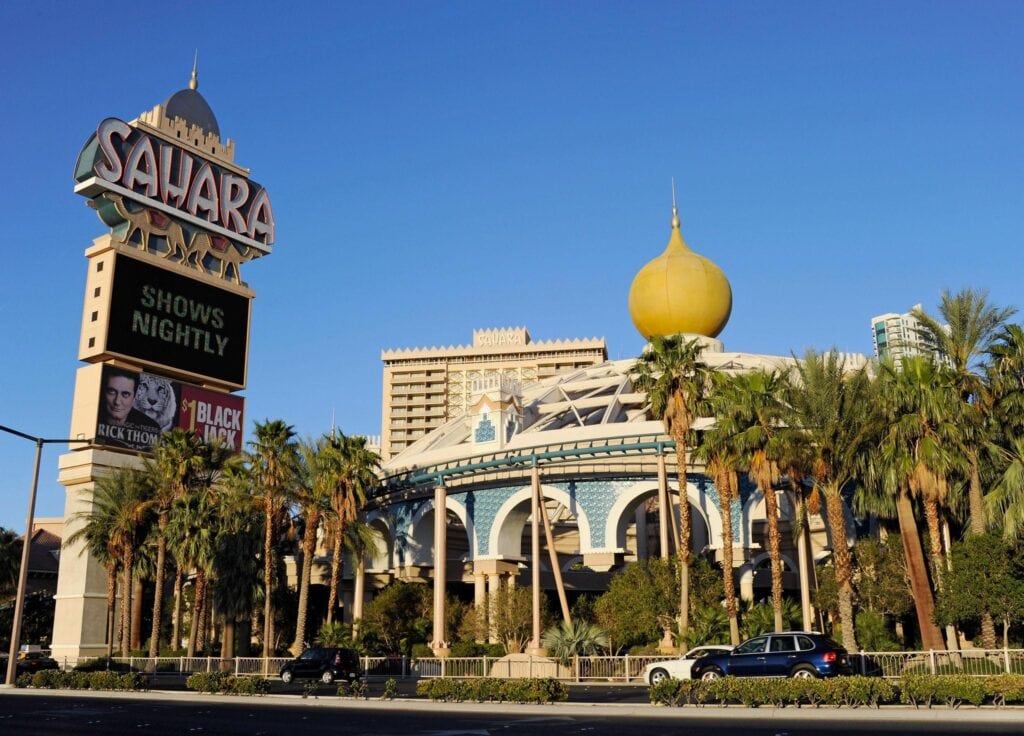
When the Sahara opened in October 1952, its North African-inspired architecture offered visitors an exotic escape in the Nevada desert. Over the decades, the resort became associated with the glamorous entertainment scene that defined Las Vegas during the middle of the 20th century. Like many of its contemporaries, the Sahara expanded considerably as the city’s popularity increased.
Unlike some historic casinos that have maintained uninterrupted operations, the Sahara experienced a lengthy absence from the Strip. The resort closed in 2011 before reopening in 2014 following extensive renovations under the name SLS Las Vegas. In 2019, the Sahara name officially returned. Although the modern property looks considerably different from its original incarnation, the restoration of its historic identity preserved a familiar name from the golden age of Las Vegas entertainment.
Fremont Hotel & Casino (1956)
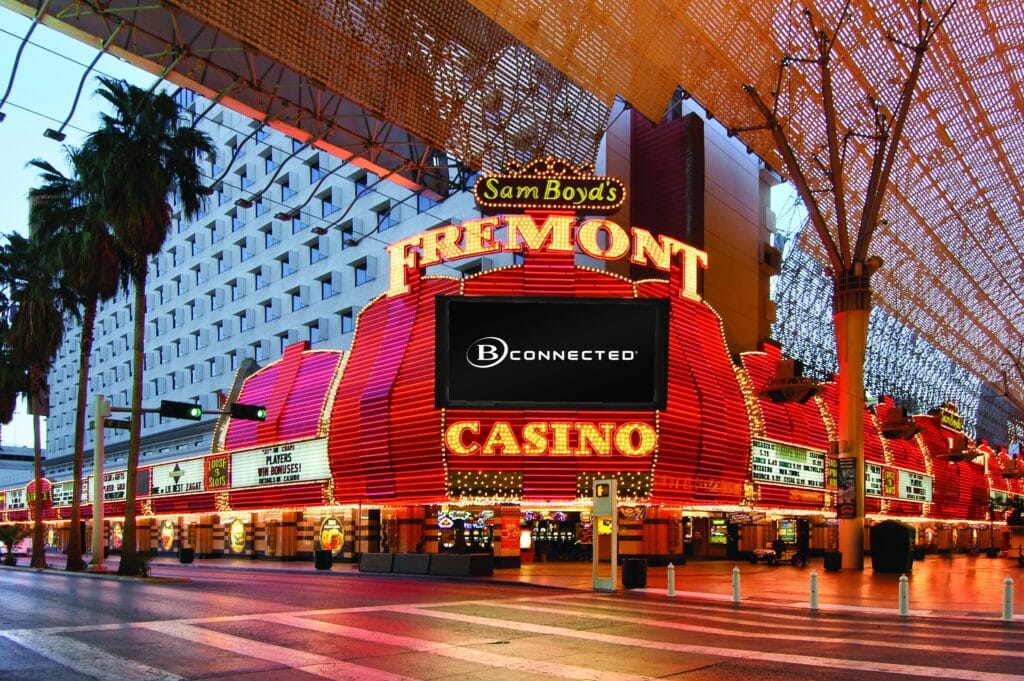
Opening on May 18, 1956, the Fremont Hotel & Casino helped transform the downtown skyline during a period of rapid development. Originally featuring just 155 hotel rooms, the property underwent several expansions as Las Vegas attracted increasing numbers of visitors. Its location in the heart of Fremont Street placed it at the center of the city’s established entertainment district.
The Fremont also played an important role in the career of Wayne Newton, who performed in its Carnival Lounge while still a teenager. Newton would eventually become so closely associated with the city that he earned the nickname “Mr. Las Vegas.” Boyd Gaming acquired the property in 1985, and despite numerous renovations, the Fremont has maintained its historic identity. In 2026, the establishment celebrated seven decades of operation in downtown Las Vegas.
Tropicana Las Vegas (1957–2024)
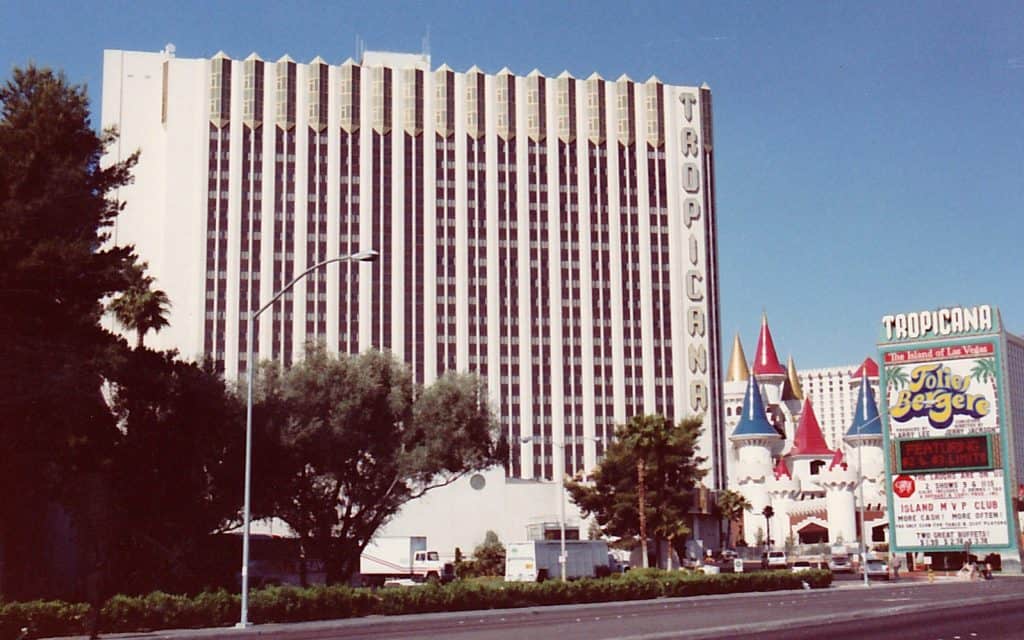
Although the Tropicana is no longer standing, its place in Las Vegas history deserves recognition. Opening on April 4, 1957, the elegant resort earned a reputation as one of the Strip’s most luxurious destinations. Its tropical landscaping, elaborate entertainment productions, and distinctive stained-glass casino ceiling became familiar sights to generations of visitors.
The Tropicana permanently closed on April 2, 2024, just two days shy of its 67th anniversary. Its remaining hotel towers were demolished in a spectacular implosion on October 9 of that year, clearing the way for the Athletics’ new Major League Baseball stadium. The disappearance of the Tropicana marked the end of another chapter in the city’s history, illustrating how Las Vegas continually reinvents itself, often at the expense of its most recognizable landmarks.
Caesars Palace (1966)
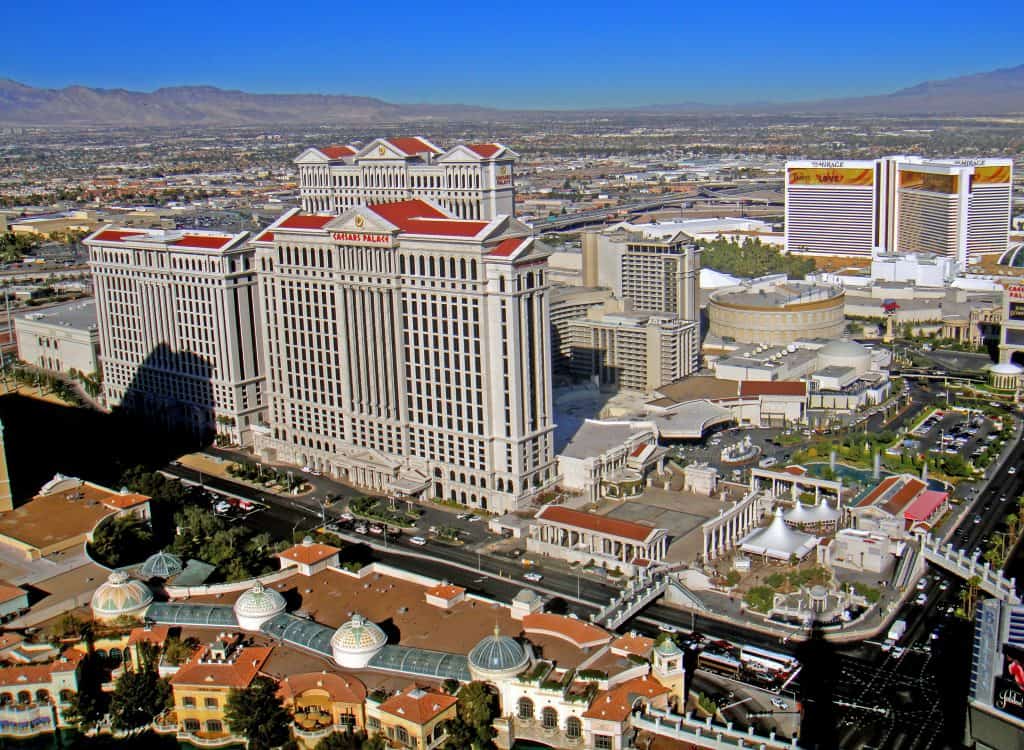
When hotel developer Jay Sarno opened Caesars Palace on August 5, 1966, he introduced a particularly extravagant interpretation of luxury to the Las Vegas Strip. Drawing inspiration from ancient Rome, the resort featured imposing columns, elaborate fountains, statues, and architectural flourishes that made guests feel as though they had stepped into another era entirely.
Caesars Palace has hosted some of the biggest names in entertainment, including Frank Sinatra, Elton John, and Celine Dion. It also provided the backdrop for Evel Knievel’s infamous motorcycle jump over its fountains in 1967 and numerous major boxing matches. Over the decades, the property expanded to include additional hotel towers, the Forum Shops, and the Colosseum. Celebrating its 60th anniversary in 2026, Caesars Palace remains an enduring symbol of Las Vegas extravagance.
Circus Circus Las Vegas (1968)
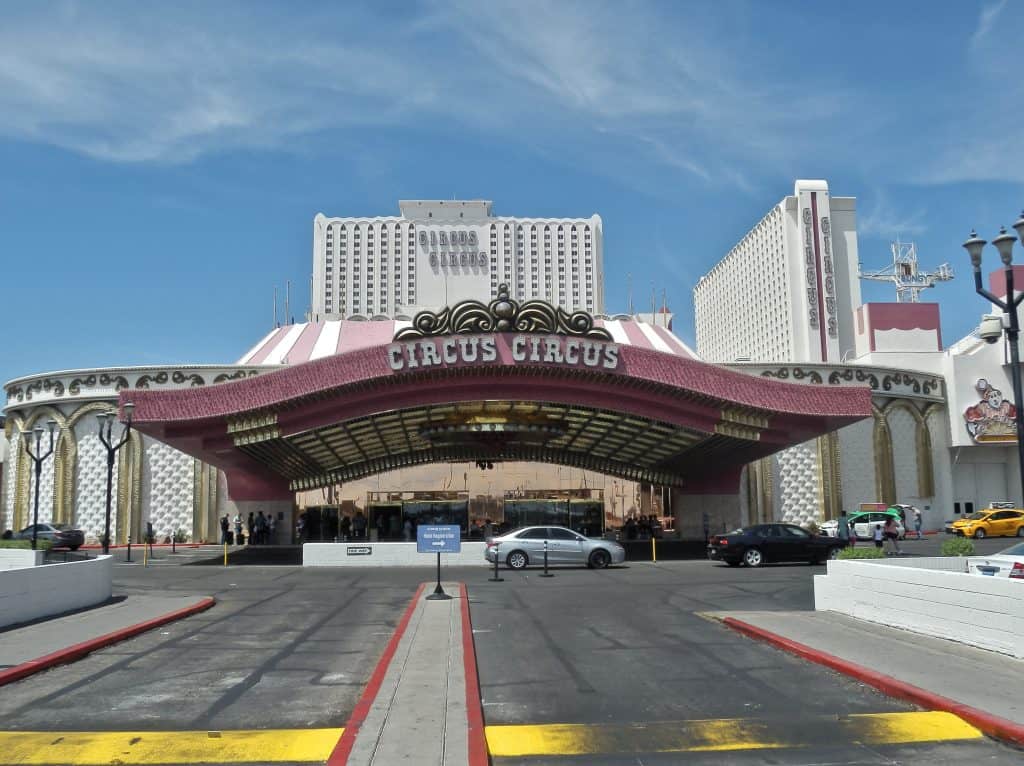
Two years after opening Caesars Palace, Jay Sarno introduced an entirely different concept to the Las Vegas Strip. Circus Circus opened on October 18, 1968, combining gambling with carnival games and circus performances. Interestingly, the establishment didn’t originally include hotel accommodations. Its first hotel tower wouldn’t arrive until 1972, when the property began evolving into a more conventional resort.
Circus Circus helped pioneer the concept of Las Vegas as a family entertainment destination, decades before other major resorts embraced similar approaches. In 1993, the property introduced an indoor amusement park that would eventually become the Adventuredome. Housed beneath an enormous pink glass dome, the five-acre park features roller coasters, carnival attractions, and other rides. The resort’s distinctive circus theme remains one of the most recognizable examples of vintage Las Vegas architecture.