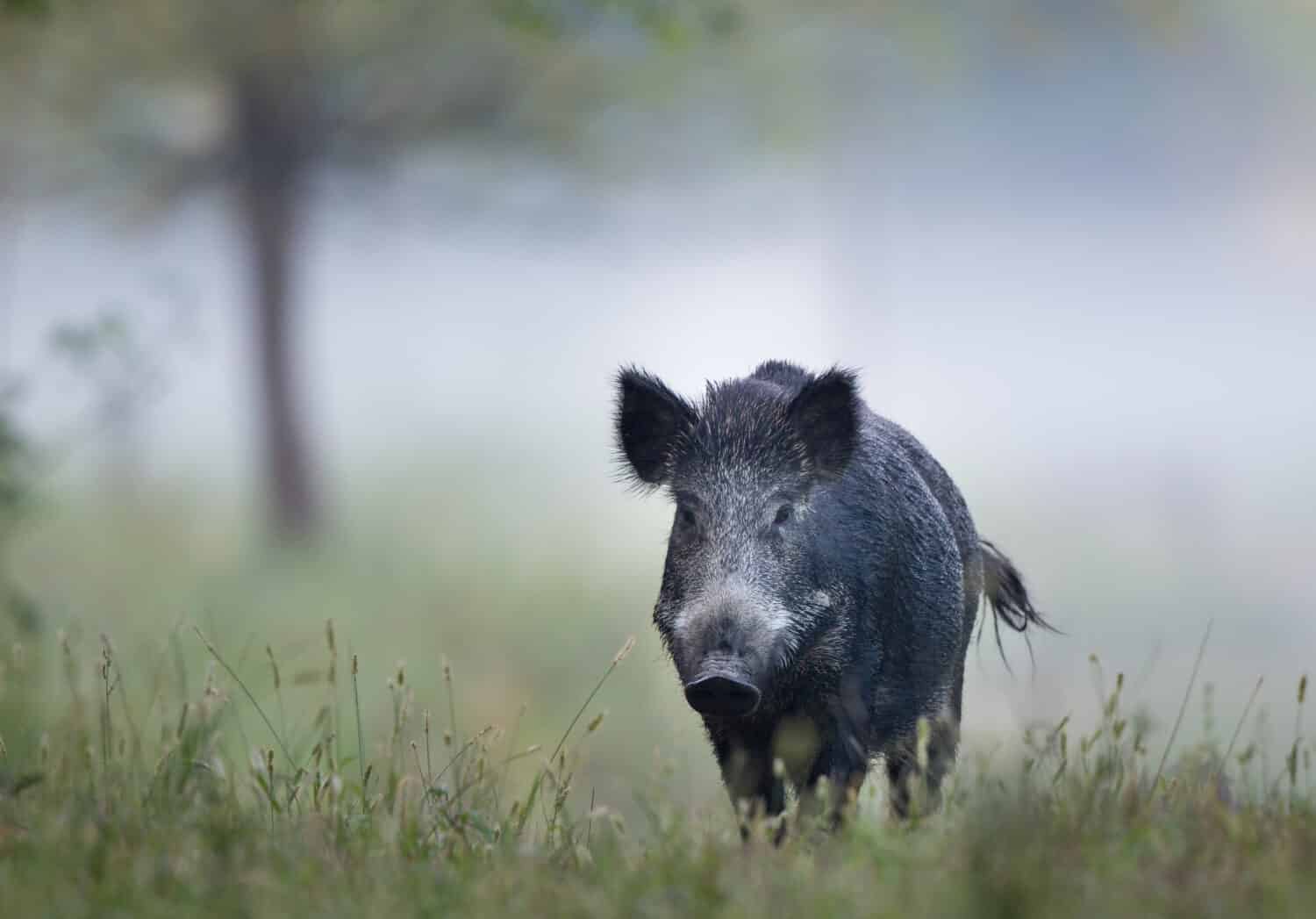
Radioactive boars may sound like something from a nightmare or a fictional horror movie, but they are real. In certain areas affected by nuclear contamination, wild boars have become a serious problem. These animals roam through restricted forests, dig through contaminated soil, and can carry radioactive material in their bodies.
The result is a strange and unsettling situation: a nuclear wasteland where wildlife has continued to survive, spread, and in some cases thrive, even though the land remains dangerous for people.
What Is a Nuclear Wasteland?
A nuclear wasteland is an area that has been heavily contaminated by radioactive material. These places are considered unsafe by government or scientific standards because exposure can pose serious risks to both people and wildlife. Nuclear wastelands can form after major nuclear accidents, weapons testing, or the improper disposal of radioactive waste.
Radiation levels are measured to determine how dangerous an area is. When radiation exposure is high enough, it can damage living cells. Over long periods of time, exposure may increase the risk of serious health problems, including cancer, genetic mutations, and other long-term illnesses.
Nuclear contamination can also affect the surrounding ecosystem. Soil, plants, water, fungi, and animals may absorb or carry radioactive material, allowing contamination to move through the food chain. Even when an area is unsafe for humans to live in, some wildlife may remain there or move through it.
That is what makes radioactive boars so alarming. Wild boars dig through soil, eat roots and fungi, and travel across large areas. In contaminated regions, this behavior can expose them to radioactive material and allow it to build up in their bodies. As a result, they can become unsafe to hunt, eat, or handle, turning an already dangerous landscape into an even stranger and more troubling environmental problem.
Nuclear wastelands are deemed much too dangerous for humans.
Where Is the Overrun Wasteland Located?
The nuclear wasteland overrun by radioactive boars is located in and around the Fukushima exclusion zone in northeastern Japan. This area was evacuated after the March 11, 2011, earthquake and tsunami caused meltdowns at the Fukushima Daiichi nuclear power plant. Entire towns near the plant were abandoned, leaving behind homes, farms, roads, and fields that were once part of everyday life.
With people gone, nature quickly moved back in. Forests thickened, fields became overgrown, and wildlife began roaming through areas that had once been heavily populated. Wild boars were among the animals that benefited most from the absence of humans. Without the usual pressure from residents, farmers, hunters, and traffic, their numbers increased, and they began moving freely through abandoned towns and farmland.
Although some areas around Fukushima have since reopened, contamination remains a serious issue in certain places, especially forests and mountain regions where radioactive cesium can linger in soil, plants, and fungi. That lingering contamination is part of what made the boars such a complicated problem: they were not just living in abandoned places, but feeding in landscapes where radioactive material was still present.
What Is a Radioactive Boar?
A radioactive boar is not a mutated monster or glowing animal. It is a wild boar that has absorbed radioactive material from its environment, usually by eating contaminated plants, roots, mushrooms, and other foods found in the soil. Wild boars are especially vulnerable to this kind of contamination because they root through the ground as they feed, bringing them into direct contact with radioactive particles that may remain in the landscape.
In Fukushima, testing found that many wild boars carried levels of radioactive cesium above Japan’s legal limit for food. One study of wild boars captured within 20 kilometers of the Fukushima Daiichi plant found that 98.6% of tested muscle samples exceeded Japan’s general food limit for radiocesium. Some reports also found boar meat with radiation levels hundreds of times above the amount considered safe for human consumption.
That made the animals a serious problem for nearby communities. Wild boars damaged farms, tore through abandoned areas, and became difficult to control because hunters could not simply treat them like ordinary game. Their meat was often unsafe to eat, and even disposing of the carcasses became a challenge in some towns.
The boar population also grew quickly after the disaster. With fewer people living in the evacuation zone, they had more space, less disturbance, and access to abandoned farmland and overgrown vegetation. Reports from the years after the disaster described thousands of boars being hunted or culled, with numbers rising sharply as officials tried to limit agricultural damage and prevent the animals from spreading farther into inhabited areas.
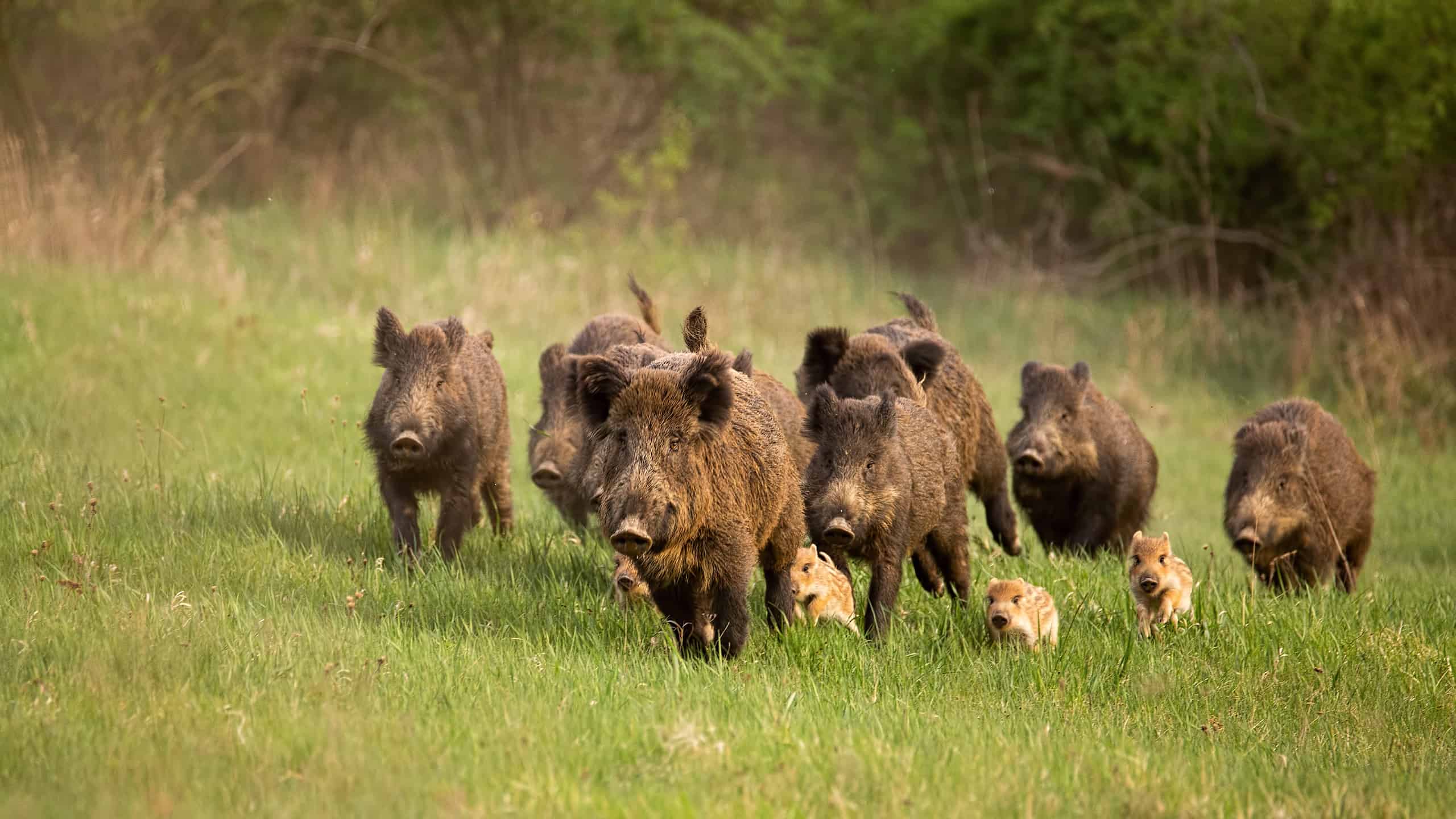
Wild boars cause massive damage to the agricultural industry.
Why Are Radioactive Boars a Problem??
Radioactive boars have caused problems in several ways, especially for farmers and residents trying to return to areas near Fukushima. Wild boars are powerful foragers, and when they move through farmland, they can tear up soil, trample crops, and eat whatever they find. For farmers already trying to rebuild after the nuclear disaster, this has created another expensive and frustrating obstacle.
The damage is not limited to crops. Boars have also moved into abandoned homes, empty streets, and overgrown neighborhoods that were left behind after evacuations. In some places, they became so comfortable in human spaces that officials had to remove them from buildings before residents could safely return. Their presence made the recovery process even more difficult, especially in towns trying to reopen after years of restricted access.
Wild boars can also be dangerous animals. Even without radiation concerns, they are strong, fast, and capable of injuring people if they feel threatened or cornered. The added issue in Fukushima is that many of these boars may carry radioactive contamination in their bodies, making them unsafe to hunt, eat, or handle like ordinary wild game.
Controlling the population has been an ongoing challenge. Because so many people left the area after the disaster, the boars had years to spread with little human interference. They found shelter in abandoned buildings, fed on overgrown land, and multiplied quickly. Culling efforts have helped reduce their numbers in some places, but the problem has not disappeared.
Since 2018, more people have started returning to once-abandoned towns near Fukushima as evacuation orders were lifted in certain areas. But moving back has not been as simple as reopening the doors. Residents have had to deal with damaged homes, changed landscapes, lingering contamination concerns, and wildlife that took over while humans were gone. In many ways, the fight against radioactive boars has become part of the larger struggle to reclaim these towns and make them livable again.