Richard McMillin / iStock Editorial via Getty Images
Trong Nguyen / Shutterstock.com
Eric Hunt / CC BY-SA 3.0 / Wikimedia Commons

Kwangmoozaa / iStock via Getty Images
nblx / Shutterstock.com

Clearphoto / Getty Images
blackCAT / Getty Images
Dusan Petkovic / Shutterstock.com
ViDI Studio / Shutterstock.com
Fascinadora / iStock via Getty Images

ANDRANIK HAKOBYAN / Shutterstock.com

Joe Raedle / Getty Images News via Getty Images
Drazen Zigic / Shutterstock.com

Ivan Kruk / Shutterstock.com
Markus Mainka / Shutterstock.com
monkeybusinessimages / Getty Images












While the grocery store might seem like a ubiquitous feature of the modern American community, it's actually been less than 100 years since the first grocery store that looked similar to what we have today first opened. The first grocery store in the style of the shops we see today opened in the early 1900s for a short period before experiencing an idea resurgence in the 1930s when these stores started to crop up all over the country and soon became the community presence that they have today. Let's examine the fascinating history of the American grocery store and how we got the megamarts of today.
We traced this topic using various search queries on different platforms to gain an understanding of what preceded American grocery stores. Then, we looked at the different modern-adjacent grocery stores that opened across the U.S. and assessed their individual histories to determine how they impacted the overall trajectory of the American free market to determine its place in the creation of what we now know as grocery stores in America.
1915: The Founding of Astor Market
Prior to 1915, all shopping was done at small speciality shops. When someone needed bread, they went to the baker. Meat came from the butcher. Etcetera. The idea of an all-in-one, one-size-fits-all shop that contained all the accoutrements that modern folks are used to at their supermarkets had not yet been introduced to the American economy on a wide scale. When Vincent Astor founded Astor Market in 1915, the idea was still ahead of its time and the average American still preferred to do their shopping at small speciality stores instead of Astor Market. The market sold produce, meat, cheese, and even flowers, much like we see in modern supermarkets. However, the idea didn't catch on at the time and Astor Market closed its doors in 1917.
1916: Piggly Wiggly Opens
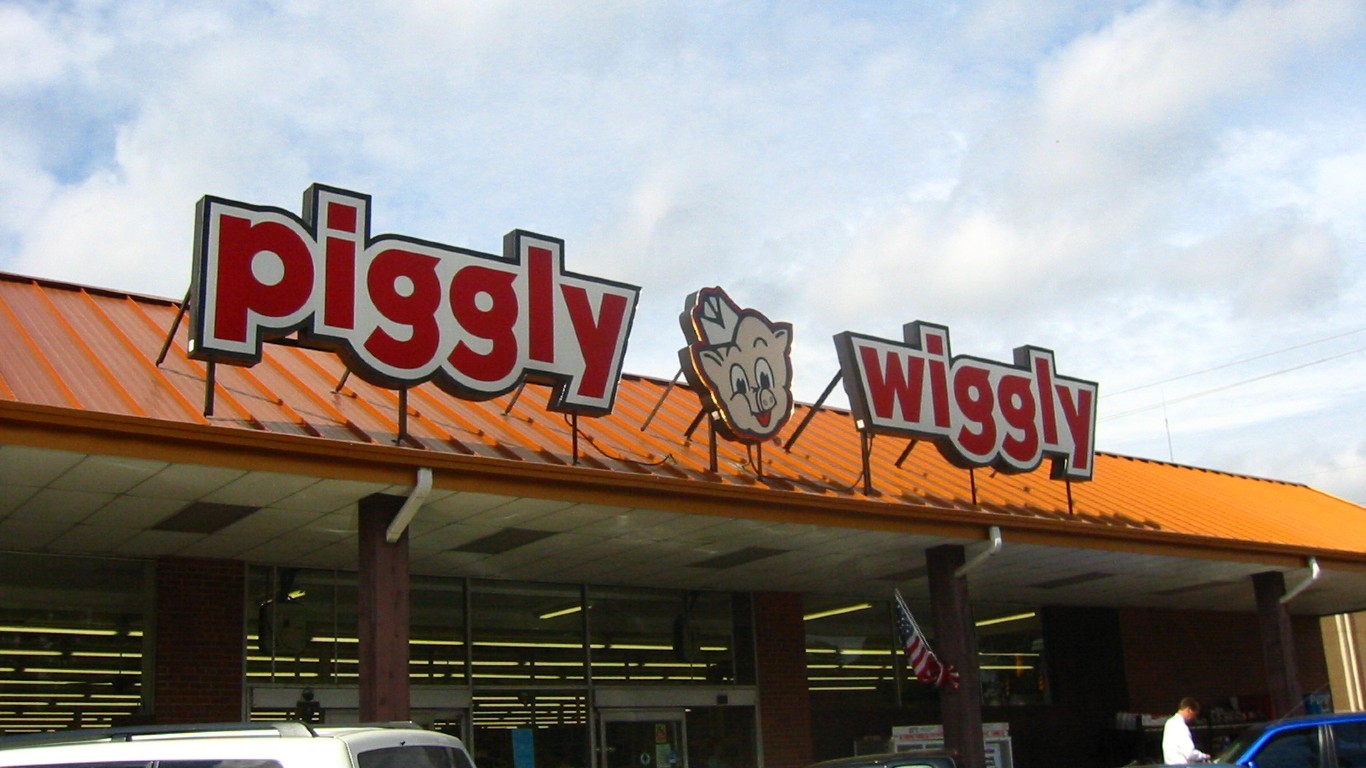
In 1916, the first self-service supermarket-adjacent store opened in America, known as Piggly Wiggly. Before Piggly Wiggly, shoppers would hand a list of items over to the clerk when they entered the store and the clerk would go and find the items for them. However, Piggly Wiggly changed the game by introducing self-service shopping to their formula. Customers were now free to wander the store and impulse buy to their hearts' content. Piggly Wiggly was also the first store in America to start policy of attractive shelf arrangements and prices on every item to allow self-service shoppers to make smart purchasing decisions.
1920s: Regional Grocery Chains Open
In the 1920s, regional grocery chains that some users might recognize, such as Kroger, Loblaws, and others began to crop up around the nation. These initial stores were counter-service oriented and clerks would fetch items from the store for the customers who gave them a list. Self-service shopping would be added to these regional chains later. At first, these stores mostly sold dry goods and rarely sold produce or other perishables. However, they were the precursor and predecessor of modern department-style grocery stores that we know today.
1924: Ye Marketplace Opens
The introduction to department-shopping in America came in the form of Ye Marketplace in 1924. The department store featured several standalone shops arranged in a cul de sac that allowed shoppers to access their cars and every shop easily. While these different departments weren't in a single building yet, this venture was the first to create a functional department store where multiple shop sectors came together to coexist in one establishment.
1929: Home Food Sales Spike During the Great Depression
Unfortunately, soon after the opening of Ye Marketplace, the country spiralled downward into the Great Depression. The state of the American economy hit many families very hard, leaving them unable to afford basic necessities for their children. Some families began buying groceries in bulk and selling what they couldn't use out of their homes or using abandoned storefronts from the downturn in the economy. Many of these family-owned businesses from the time are now worth billions.
1930: King Kullen Opens
In 1930, the first store that resembled what we now know as a grocery store opened its doors, known as King Kullen. This store sold thousands of products, ranging from meat to produce to dairy and dry goods. According to the Smithsonian Institute, this store represents the first supermarket as we know them today. The success of King Kullen is partially attributable to the rise of cars and refrigerators in the 1920s that made buying food and storing it at home much easier.
1937: Self-Service Checkout Is Invented
The entrepreneur behind Piggly Wiggly's self-service grocer had more ideas than simply allowing customers to roam the store freely. Clarence Saunders also dreamed of fully automating his store's operations using his invention, the Keedoozle. Unfortunately, the Keedoozle was prone to critical failures that made it impossible to implement it full-time without human oversight to ensure it was running correctly.
1937: The First Shopping Cart
As large supermarkets started to become more ubiquitous and people started using them more, a revamp of how people navigated storefronts was necessary. Before the advent of the supermarket, people would go to small shops and purchase what they needed, but grocery stores brought about the introduction of bulk buying and purchasing larger volumes of product from single stores, requiring an apparatus to carry all the things shoppers needed to purchase. Thus, the shopping cart was born.
1950s: The First International Food Aisle
In the roaring 50s, there was resurgence of popularity in interest in international foods. Suddenly, Americans everywhere were desperate to try the next greatest thing in food and that meant sampling all the cuisine that the world has to offer. Thus, supermarkets began implementing an international section that stocked ingredients from far away places to bring the joys of international travel to consumer kitchens.
1952: The Introduction of Barcodes
One of the turning points of the introduction of supermarkets to the American landscape was the creation of barcode technology. A researcher at the Drexel Institute of Technology came up with the idea for barcodes to improve the flow of supermarket cashier lines and stocking. However, this technology remained as a "proof of concept" at the time as the technology required to create an efficient and effective scanning method for barcodes was still out of reach.
1967: Trader Joe's Is Founded
In 1967, the iconic American marketplace Trader Joe's was founded by Joe Coulombe. This small and groundbreaking business would grow into one of the most well-known supermarket chains in the country.
1974: The First Price Scanner Comes to the American Supermarket
Almost two decades after the first barcode was invented, the technology needed to implement Universal Product Codes (UPCs) into supermarkets came onto the market. The first one was installed in a Marsh supermarket in 1974 and these devices are still used in supermarkets today.
1989: Peapod Introduces the First Online Grocery Shopping Experience
The first iteration of the now-iconic Peapod grocery delivery service. The original Peapod service required users to install software from a CD-ROM that allowed them to browse the selection of items at nearby Jewel grocery locations and purchase products for delivery to their homes.
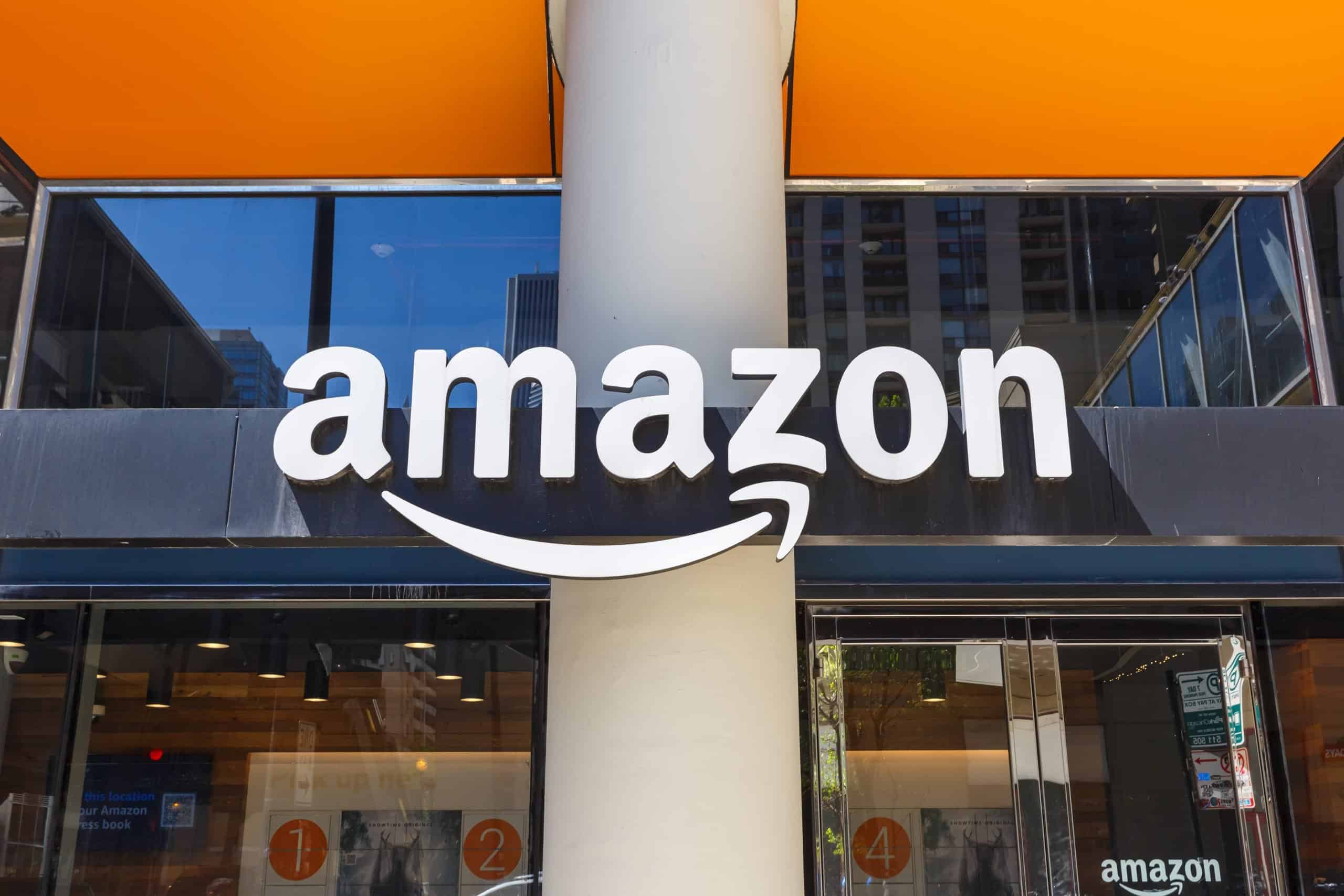
2007: Amazon Fresh Revolutionizes Online Grocery Shopping
In 2007, Amazon first launched its online grocery shopping platform, Amazon Fresh. The service revolutionized the ability to shop for groceries from home, allowing users more convenience and value in their grocery purchases on the platform compared to Peapod. It typically offered a bigger selection and more speciality foods when compared with services that relied on local stock instead of internal stock options.
2018: Amazon Go Introduces a Brick and Mortar Grocery Store with No Cashiers
To expand their reach and services, Amazon opened up brick and mortar grocery stores with a unique catch: there were no cashiers. All of the check out services are done using handheld devices that allow them to scan the items as they go and check out by scanning the device. Other chains such as Stop and Shop also have similar services. These shops allowed Amazon's grocery services to reach locations where delivery services like Amazon Fresh wouldn't be feasible or profitable.