Andrew Clemente
Roxiller / iStock via Getty Images
AnnaPustynnikova / iStock via Getty Images
Nutthaseth Vanchaichana / iStock via Getty Images
Wiktory / Getty Images
spflaum1 / iStock Editorial via Getty Images
bhofack2 / Getty Images
carotur / Getty Images
arsenisspyros / iStock via Getty Images
beats3 / iStock via Getty Images
KLSbear / iStock via Getty Images

msheldrake / iStock via Getty Images
coldsnowstorm / E+ via Getty Images
12 Restaurant Menu Traps Diners May Want to Avoid
Going out to eat should feel like a treat, but not every menu item is worth the money, calories, or risk. Some restaurant dishes are priced high because they are easy profit-makers, while others can be loaded with sodium, sugar, saturated fat, or oversized portions that make them less appealing once you know what is really in them.
There are also foods that require extra care to prepare, store, and serve safely. Raw or undercooked items, buffet foods, poorly handled seafood, and certain drinks can become risky when a restaurant is not following strong food safety practices. That does not mean every item on this list is always unsafe or unhealthy, but they are the kinds of orders diners may want to think twice about.
Tempo reviewed common restaurant foods and drinks that can be disappointing, overpriced, unhealthy, or more prone to food-safety concerns, depending on where and how they are served. The goal is not to shame anyone’s order, but to help diners make more informed choices the next time they sit down at a menu.
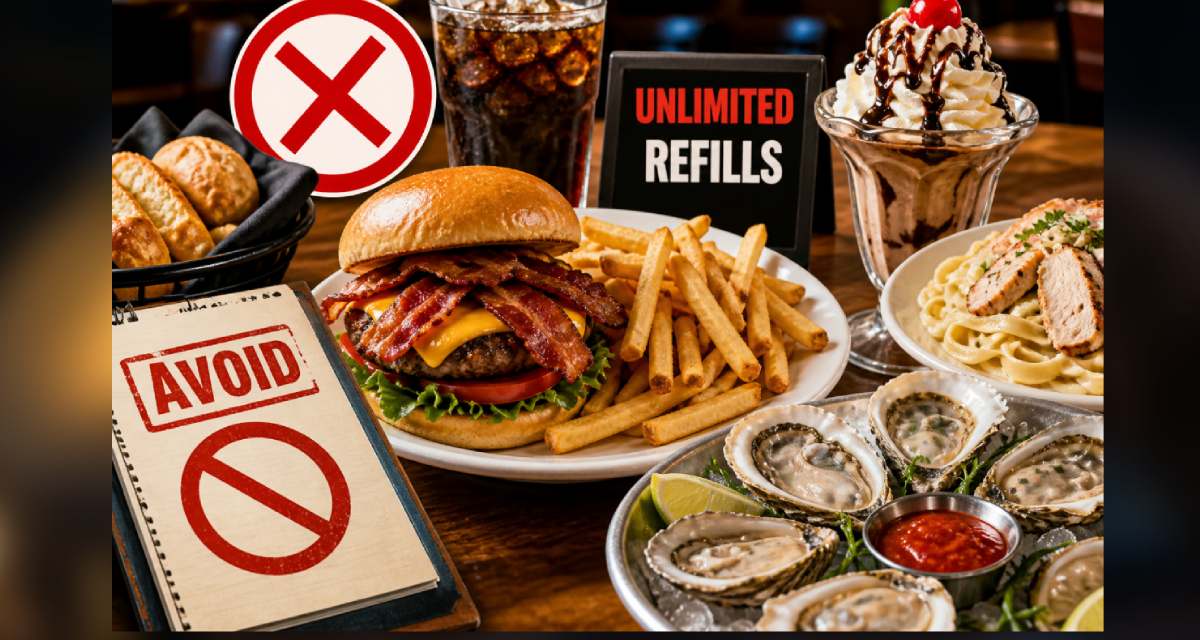
Anything That’s “Unlimited”
On the face of it, this seems like a cost-effective option but there are some significant drawbacks to eating in this way. Firstly, you will eat too much! No matter how good your self control is, the temptation to over-indulge will be overwhelming and you will probably end up feeling uncomfortable and a little ill by the time you leave. Secondly, the restaurant has to make make money somehow so they will be compromising on quality to make up for the large quantities that they are providing.
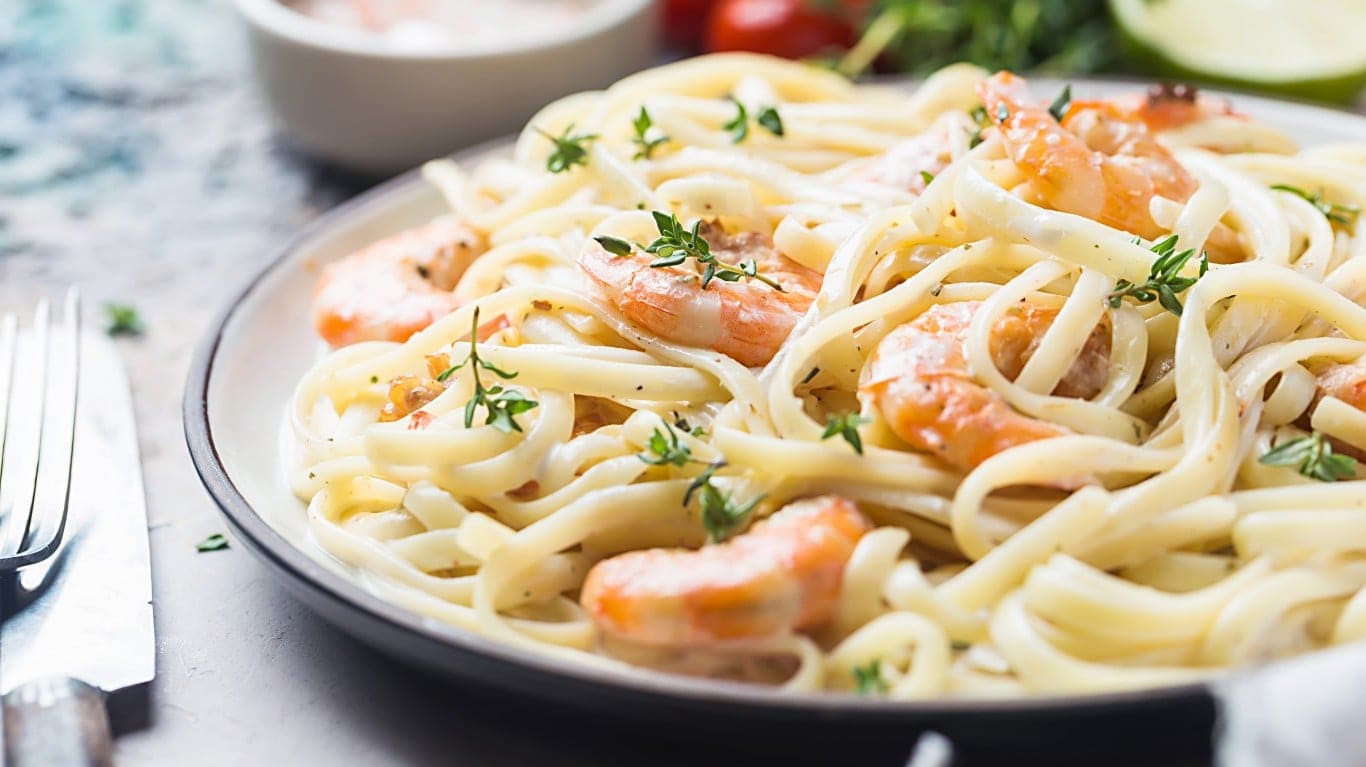
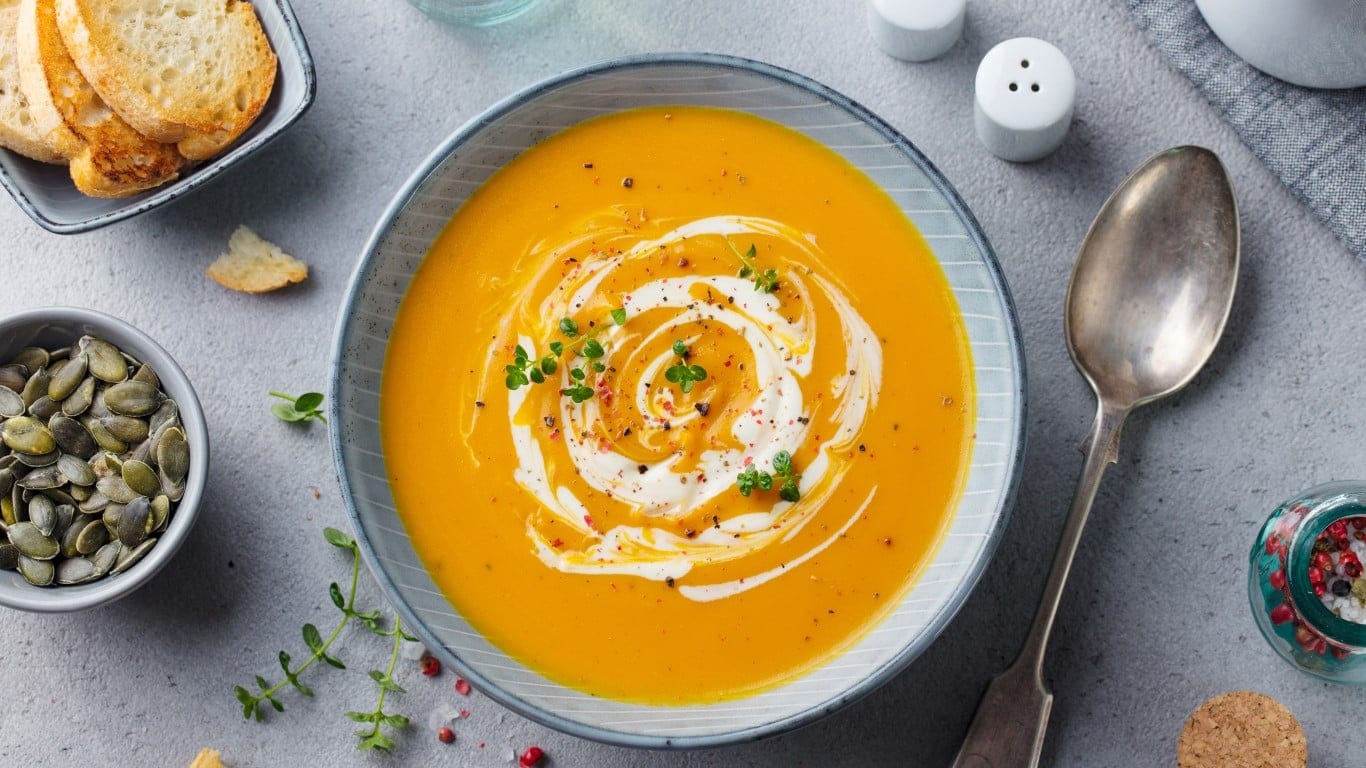
Creamy Soups As an Appetizer
While we’re on the subject of filling up on appetizers, watch out for the soup. A small cup of a broth-based soup like chicken noodle or minestrone can be a great way to start your meal, but watch out for the thick and/or creamy soups like New England clam chowder and split pea: those hearty soups can get really filling, really fast. And at high-end restaurants like steakhouses, the portion will most likely be larger than you think. And trust us: few things in life are more disappointing than not being able to enjoy a $60 ribeye because you filled up on the split pea soup and bread first.
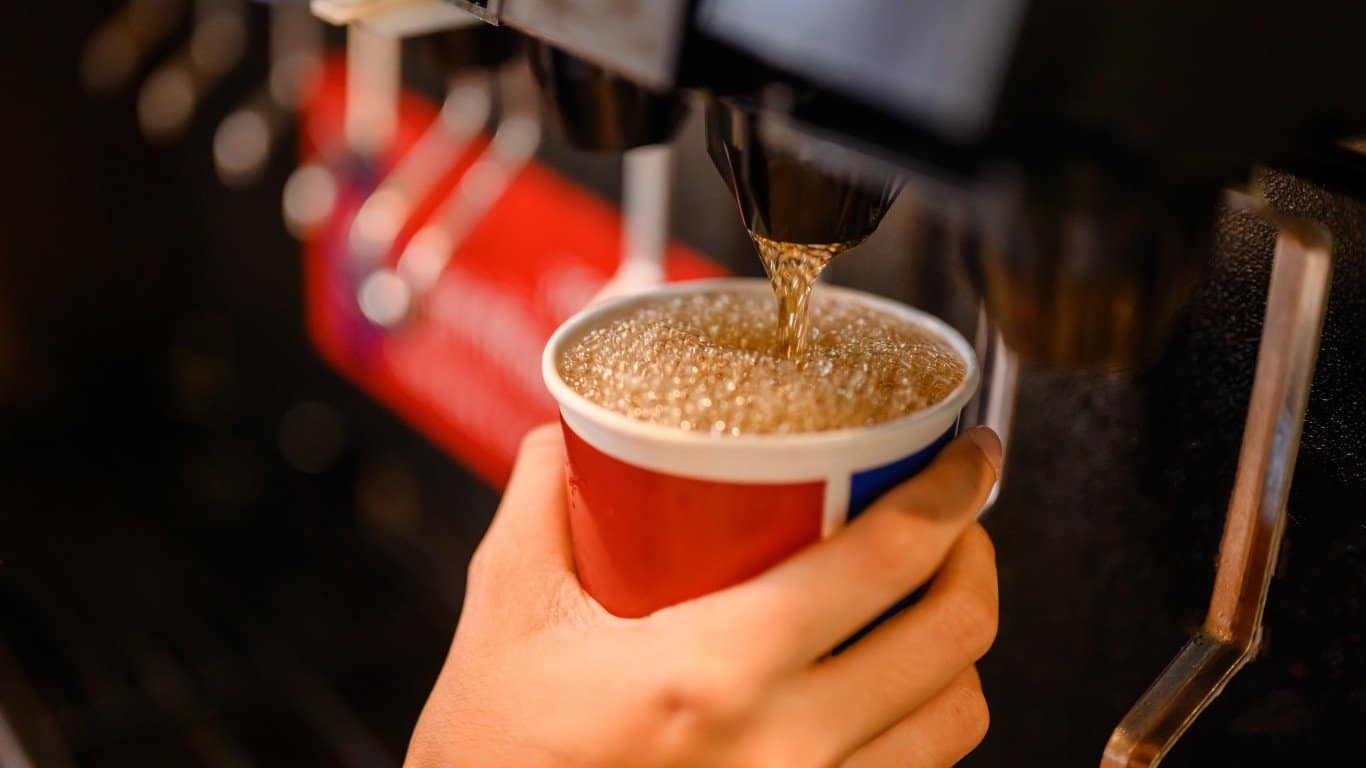
Sugary Drinks With Free Refills
Sugary drinks are okay as a treat but free refills encourages you to drink far too much of them. After three or four cups of soda you will probably feel full but these are empty calories and they will not last. Once the sugar rush subsides, you will be feeling tired and hungry. It’s best to fill up on food and drink a glass of water!
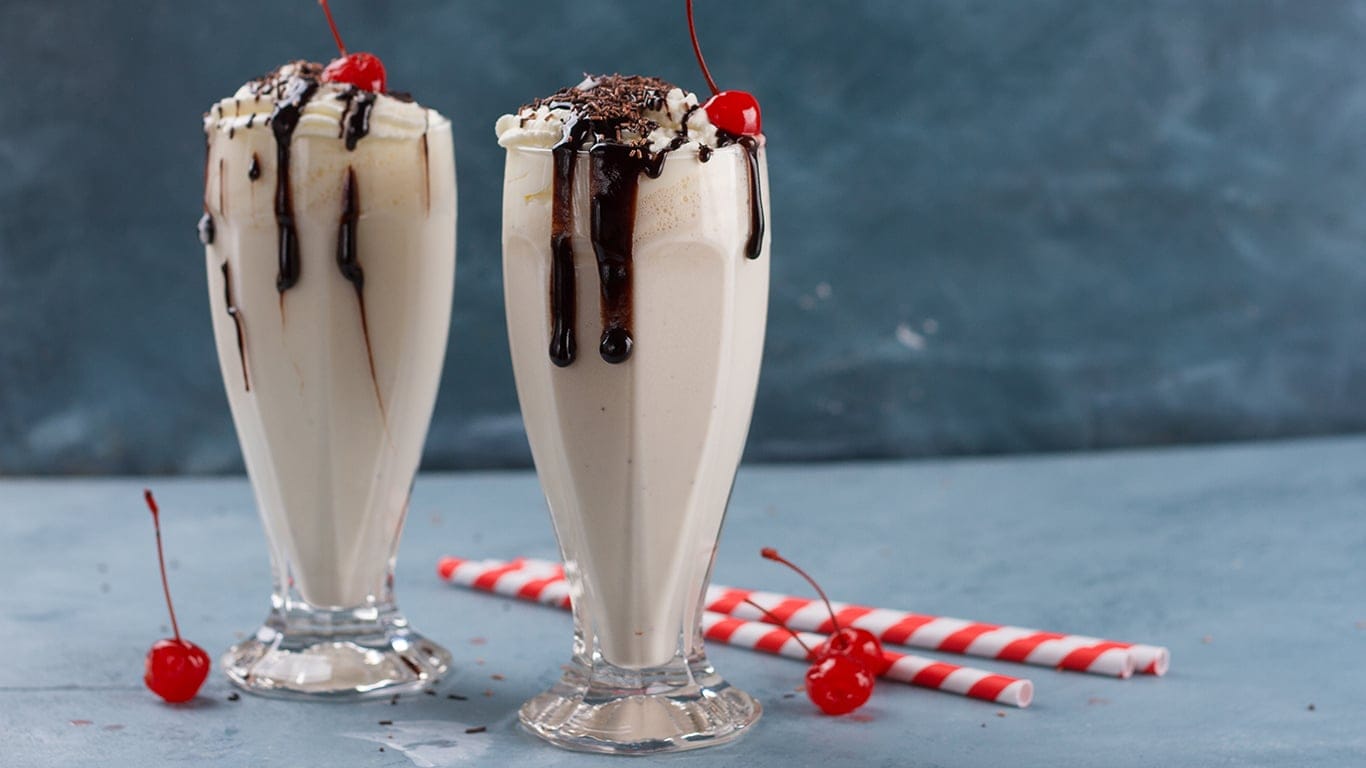
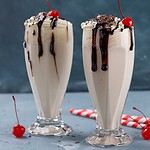
Smoothies & Milkshakes as a Beverage
In the same vein, smoothies and milkshakes are also essentially desserts and not the ideal beverage to wash down spaghetti bolognese with. They also tend to be really filling, taking up valuable stomach space.
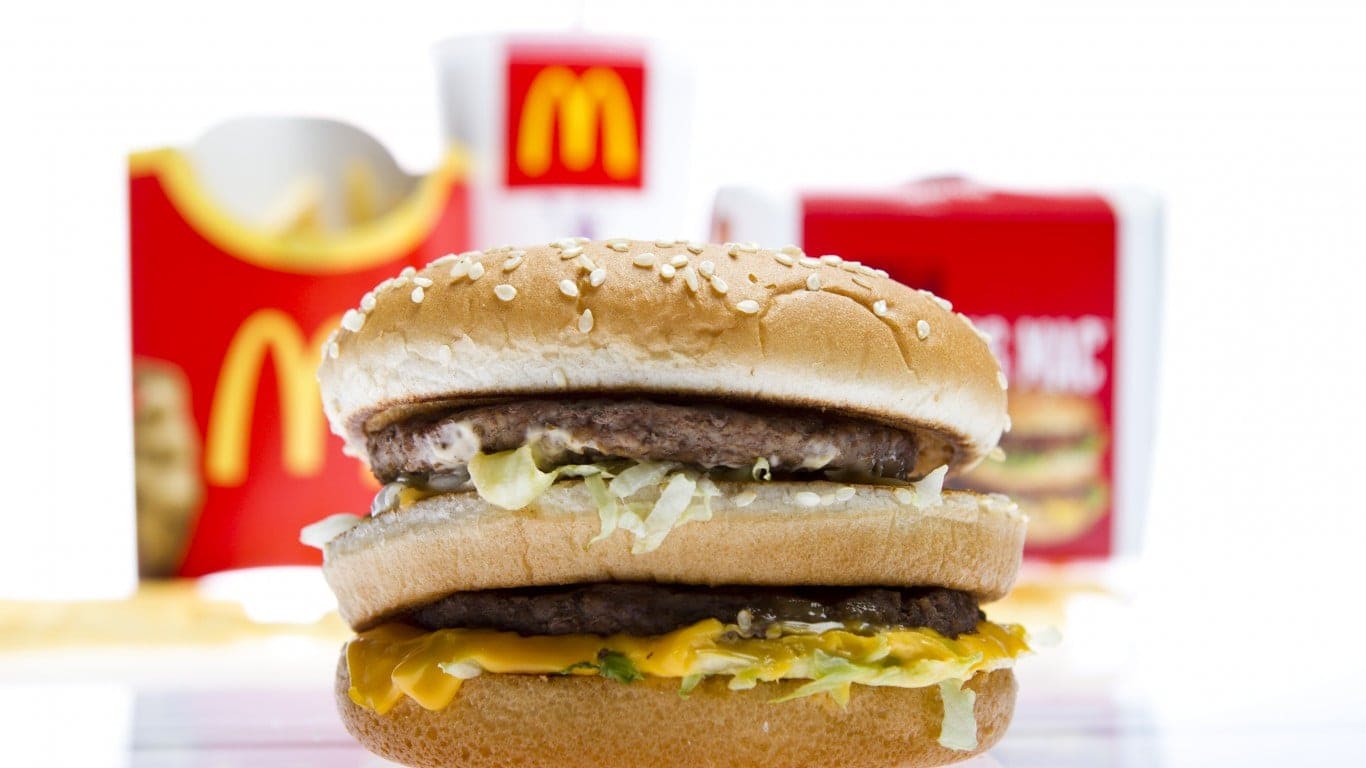
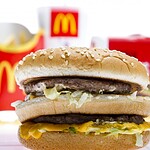
Rare Burgers
Eating ground beef that has not been thoroughly cooked is risky and should be avoided. The outside of the meat joint can get contaminated and when the meat is minced up, this ends up on the inside. This is why a rare steak is fine but a ‘pink’ burger is not. If it arrives pink in the middle, send it back and ask for another one. It is not risking getting an E.coli O157 infection.
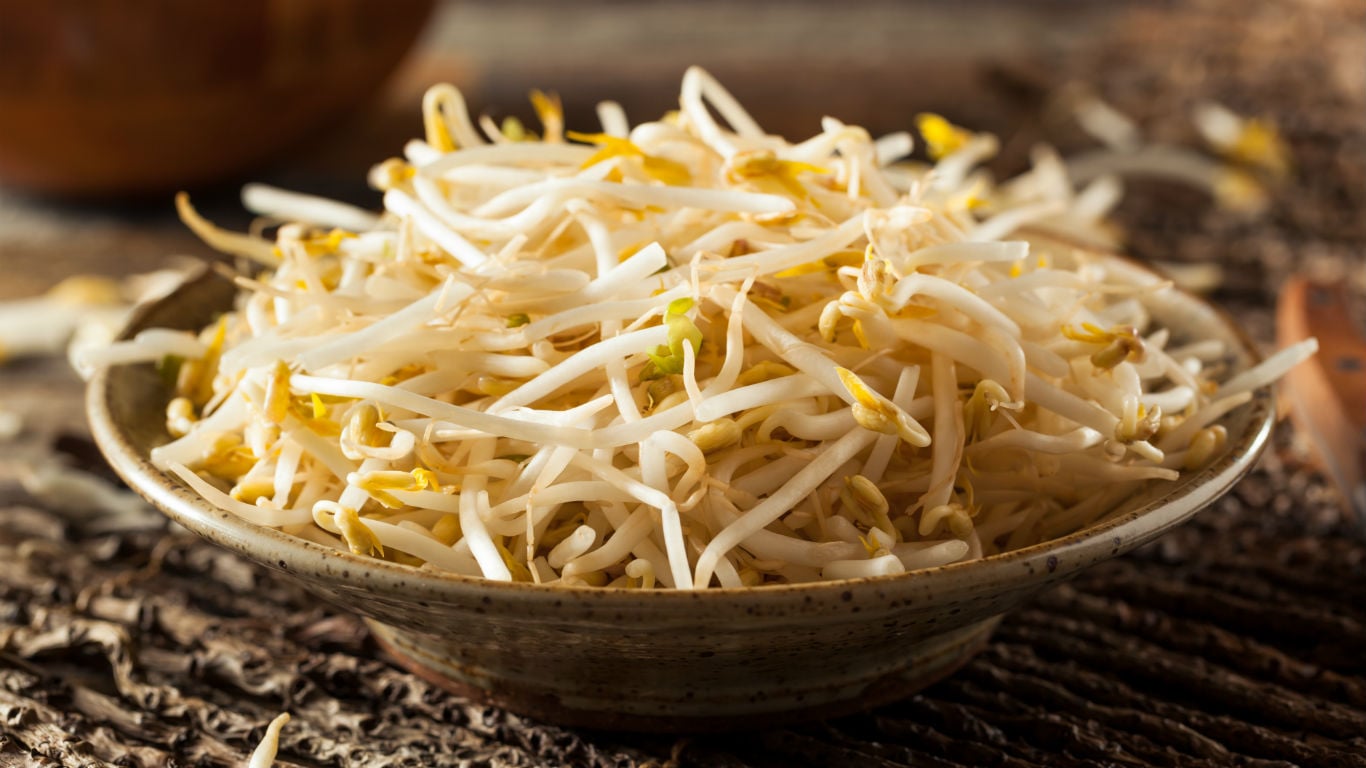
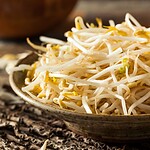
Sprouts
Few foods have been associated with more bouts of foodborne illness than sprouts (alfalfa and bean sprouts, for example). This is for a few reasons: One, they’re usually grown in warm and humid environments, ideal bacteria breeding ground. Two, their shape makes them difficult to properly wash. And three, they’re served raw. It’s probably best to leave them off your salad.
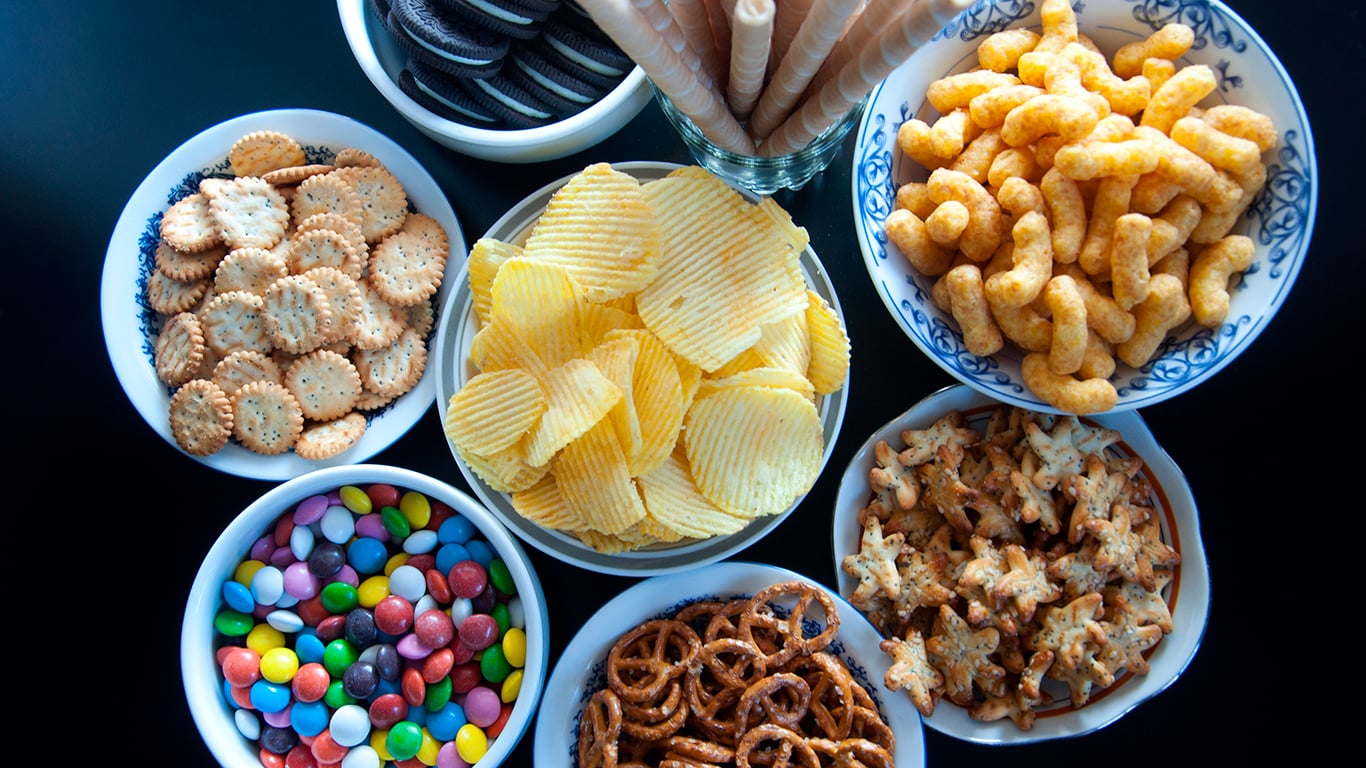
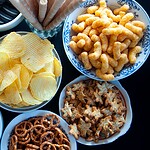
Shared Bar Snacks
That bowl of shared free pretzels or peanuts sitting on the bar might look mighty tempting after a couple of pints of beer, but it should be fairly obvious by now that you don’t want to be eating from a communal bowl of food that others have been sticking their hands into. Thankfully, post-Covid, most bars have abandoned this practice and sell bags of chips instead.
Food & Drink Garnishes
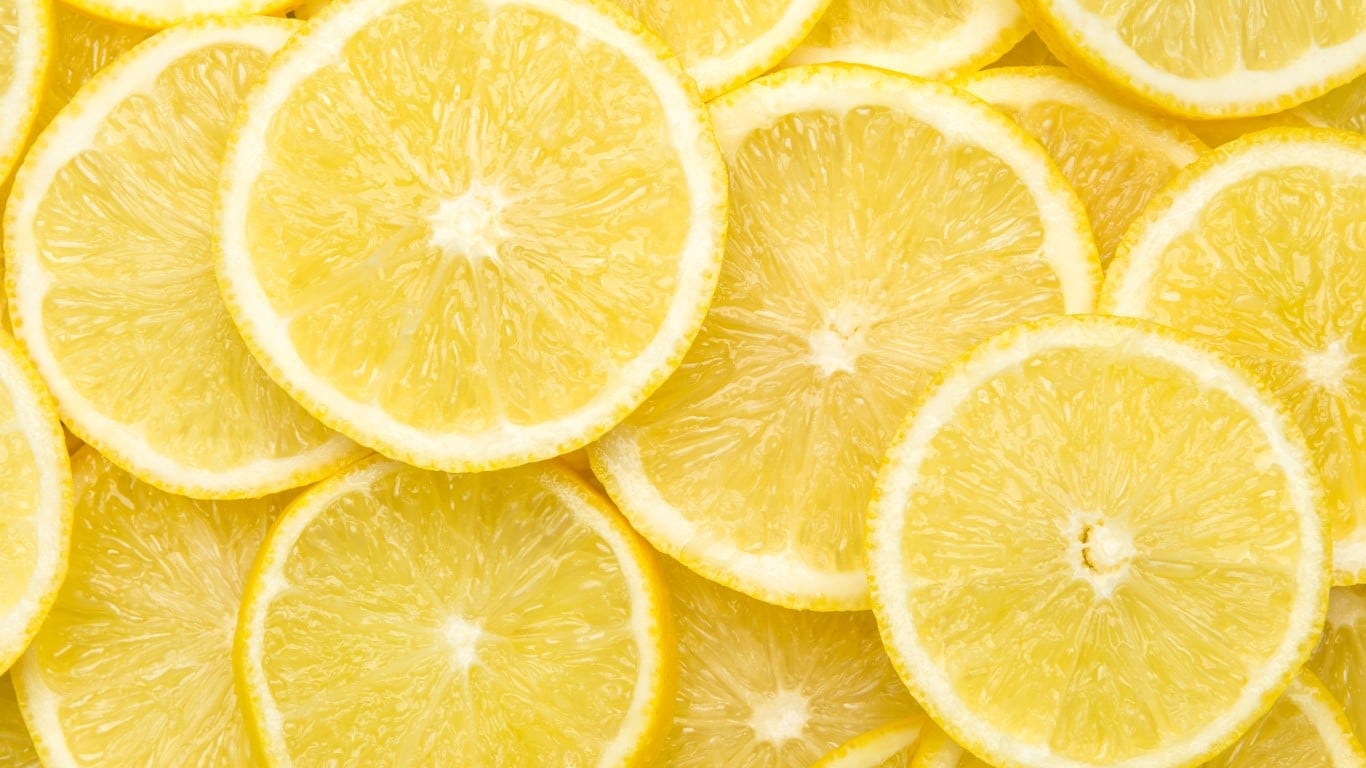
Similarly, that lemon on the rim or your Diet Coke or pineapple wedge garnishing your pina colada is most likely not super-clean, either. They’re usually sliced up by a bartender who may or may not have washed their hands, on a cutting board that may or may not be clean, and they’ve been sitting out on the bar for a while, too. If you want to squeeze the lemon or lime into your drink that’s fine, but just to be safe you probably shouldn’t drop the whole thing into it. And once you’re seated, if there’s some superfluous kale on your plate, you should probably leave that be, too.
Large Wagyu Steaks
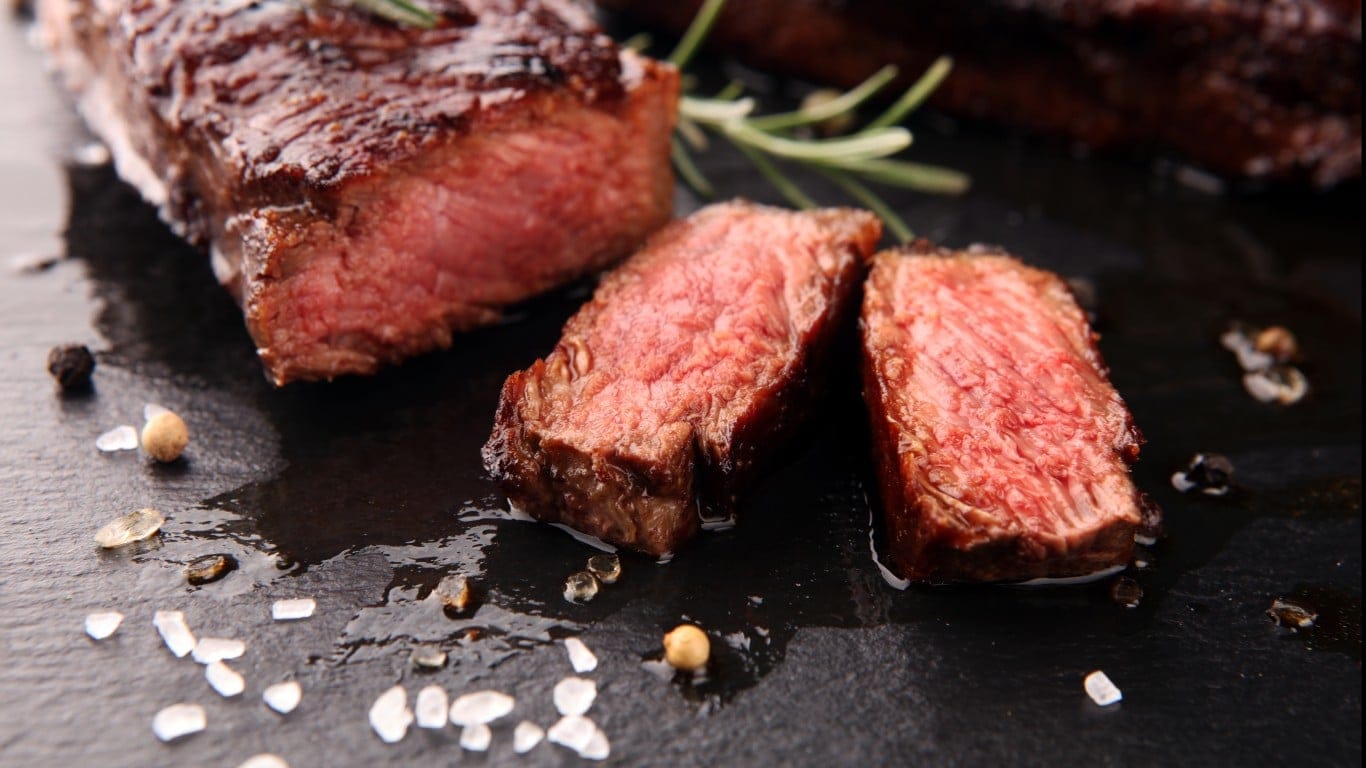
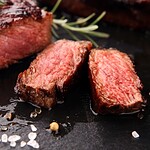
Wagyu is the pinnacle of beef, rightfully regarded as the highest quality of steak you can buy (it’s also usually shockingly expensive). You might be able to down a traditional 12-ounce steak no problem, but Wagyu has one major, obvious difference from regular beef, which is evident just by looking at it: it has a lot more marbling, or intramuscular fat. For this reason, it’s incredibly rich and filling. Wagyu is usually priced by ounce for a good reason. If you’re ordering a Wagyu steak, you most likely aren’t going to want to order more than four ounces per person; after that, the law of diminishing returns begins to take effect quickly.
Shellfish & Sushi When It’s Not the Restaurant’s Focus
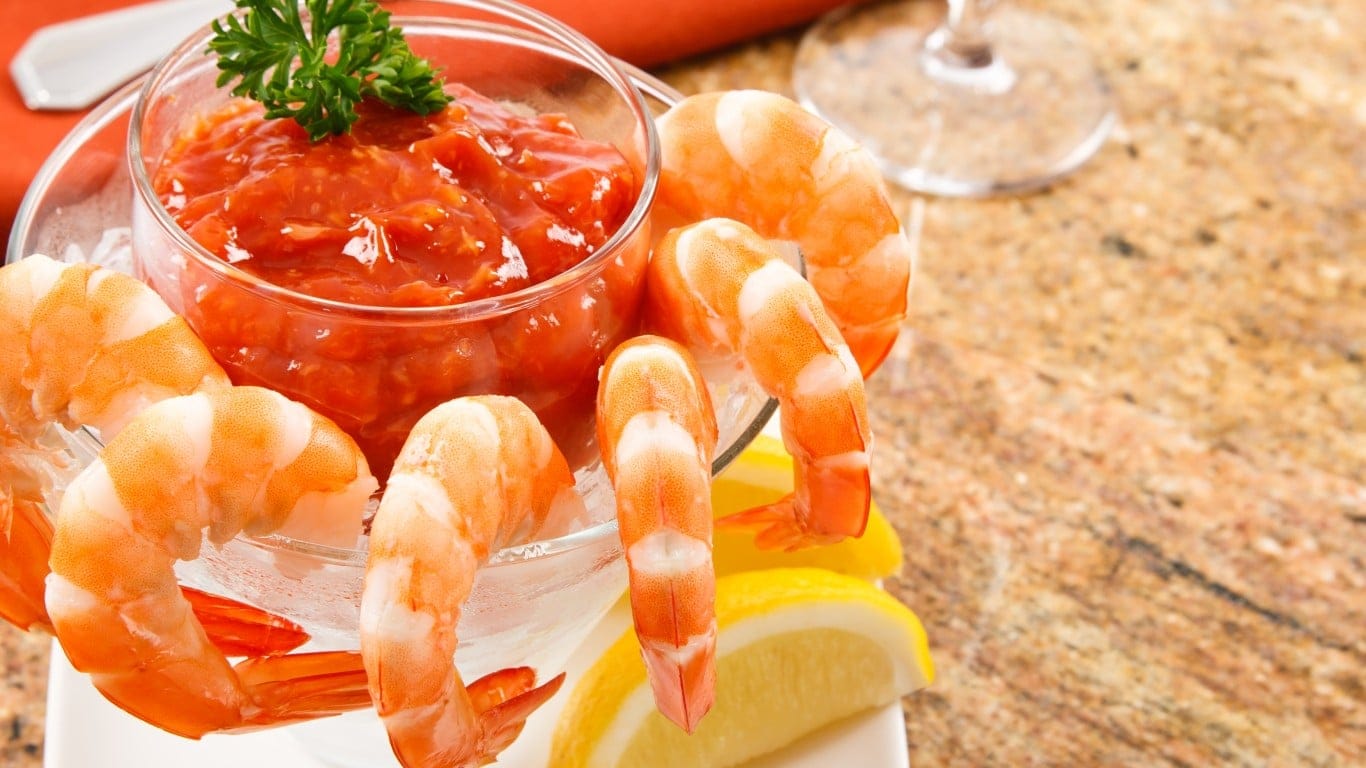
If you’re in a Japanese restaurant or one of those steakhouses that also serves great sushi, then order the sushi. If you’re in a so-so Chinese restaurant that also offers some sushi for no apparent reason and nobody else in there is eating it, don’t order the sushi. If you’re in a French bistro, order the mussels. If you’re in a sticky-floored bar, don’t order the mussels. If you’re in a seaside lobster shack or clam bar, go ahead and order the bounty of the sea. If you’re in a diner hundreds of miles from the ocean, who knows how long that lobster has been in the freezer? In short, Before you order anything that might put your intestinal well-being at risk, read the room.
Grilled Cheese
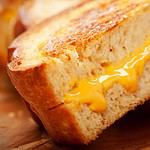
A grilled cheese is one of the easiest foods to cook at home. It also tends to get a little soggy if left on the plate for too long before being eaten. For those two reasons, you really shouldn’t order a grilled cheese at a restaurant. Just make one for yourself instead; it’ll taste better.
Gimmicky Foods
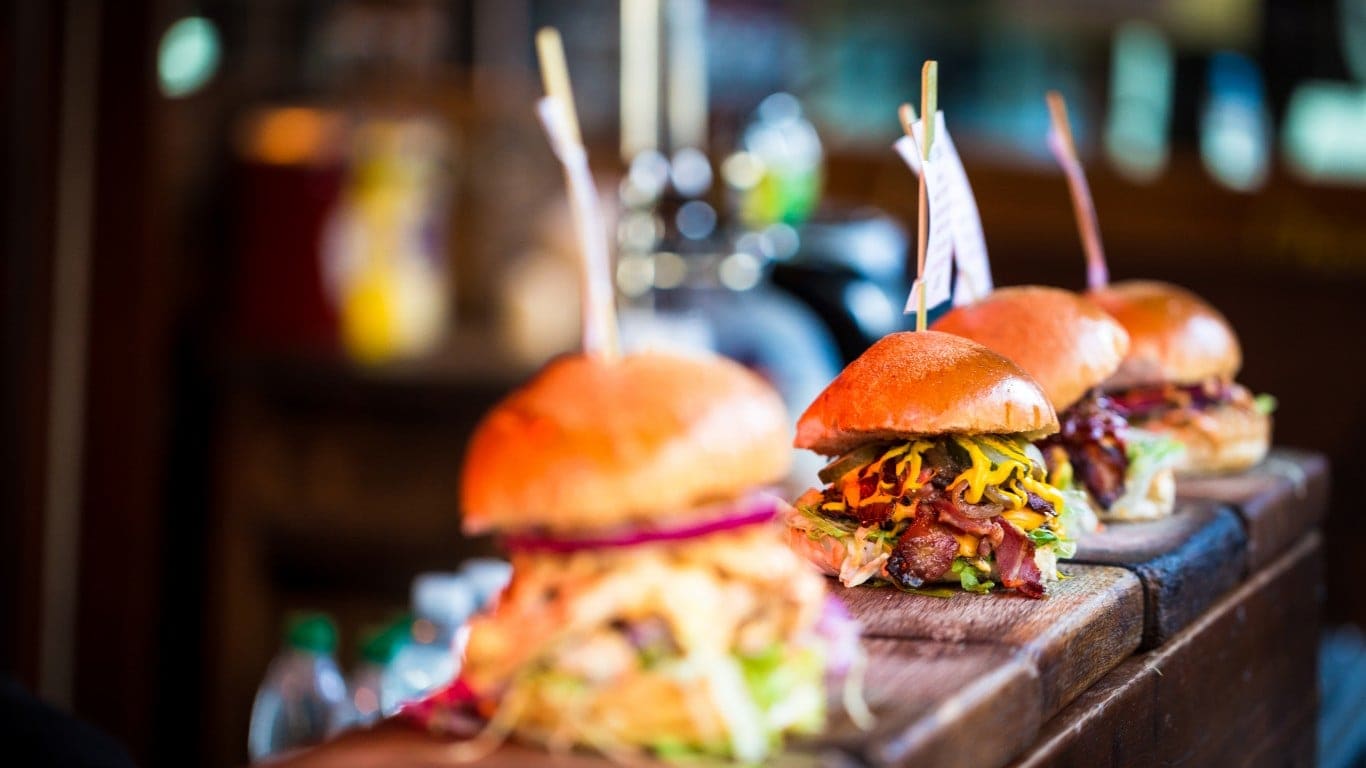
If you’re browsing a menu and you encounter something that’s truly head-scratching (burgers are usually involved), you probably shouldn’t order it. Gimmicky foods are usually just added to menus for attention and are usually overpriced amalgams of foods that don’t actually complement each other very well. These blatant attention-grabbers are just one example of foods we wish would be banned.