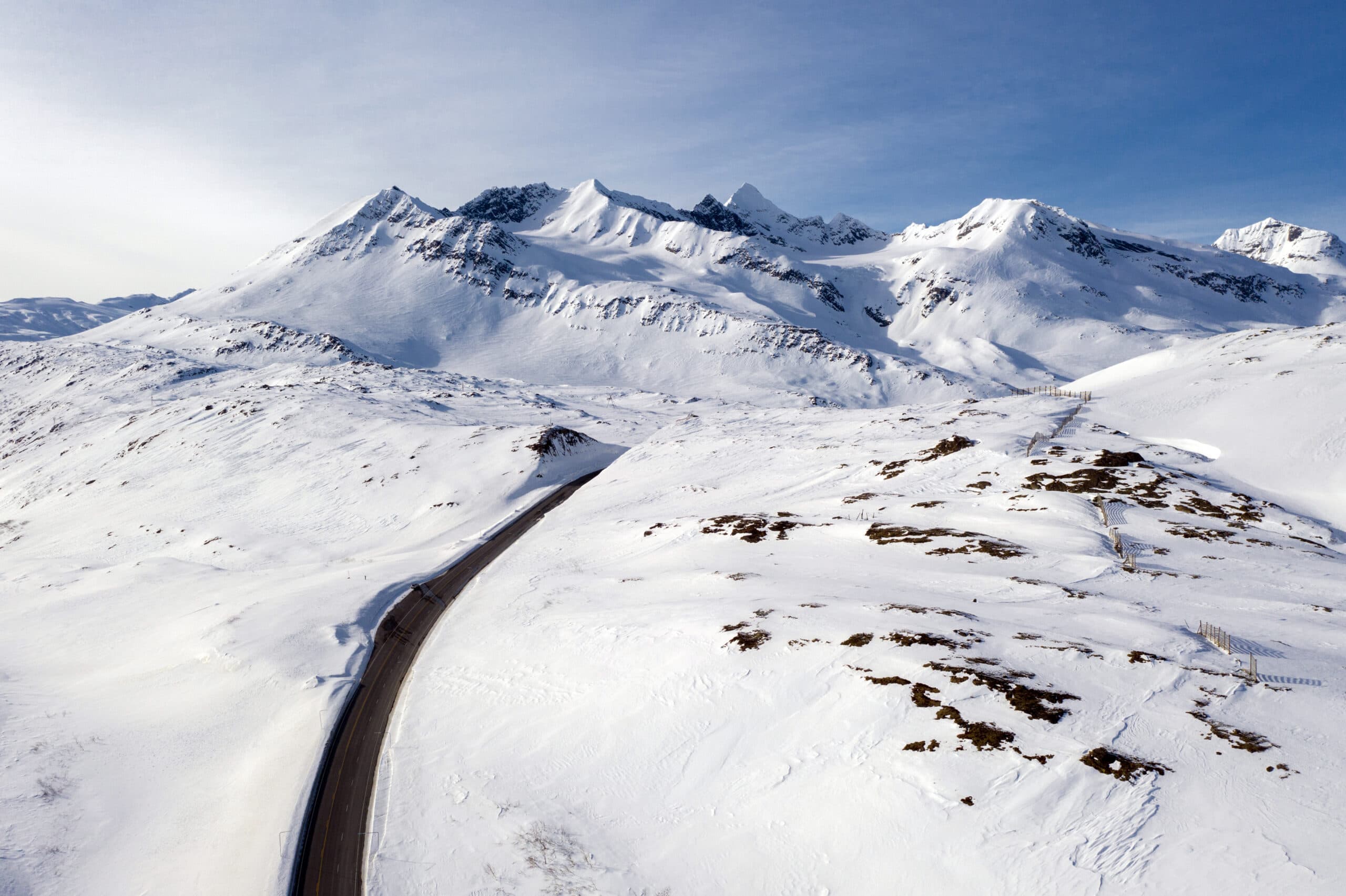
Some places rarely see snow, and when they do, the entire community shuts down. Others are used to spending winter buried under dozens of feet of it. The snowiest places on Earth tend to have the perfect combination of environmental factors: cold temperatures, moisture, and mountains that push wet air upward. Japan is especially known for this; chilly Siberian air gathers moisture as it crosses the Sea of Japan, eventually dumping enormous amounts of snow on the country’s mountains. In America, the Pacific Northwest and Alaska have their own incredibly snowy spots. Though there isn’t a single global database ranking every place on Earth by snowfall, these eight locations definitely get more snow than you can imagine.
Sukayu, Japan
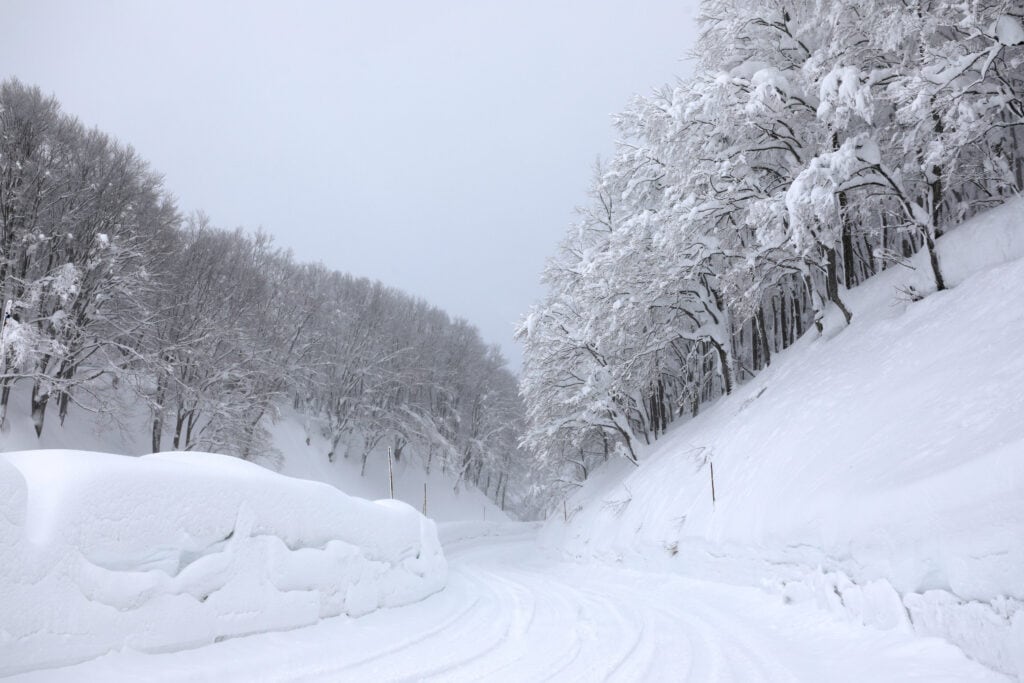
If you are obsessed with snow, Sukayu might be your ideal destination. This mountainous area is located in Japan’s Aomori Prefecture. It gets an estimated average of around 694 inches of snow each year! That’s nearly 58 feet. The conditions in the area are truly perfect for snow, as cold air drifts in from Siberia. As it passes the Sea of Japan, the air picks up plenty of moisture. This moisture-packed air is then quickly forced upward over the steep mountains, making for some tremendous snowfall. During the coldest months, it is not uncommon to see snowbanks towering over roads and buildings in Sukayu. Calling this place a winter wonderland almost feels like an understatement.
Mount Baker Area, Washington
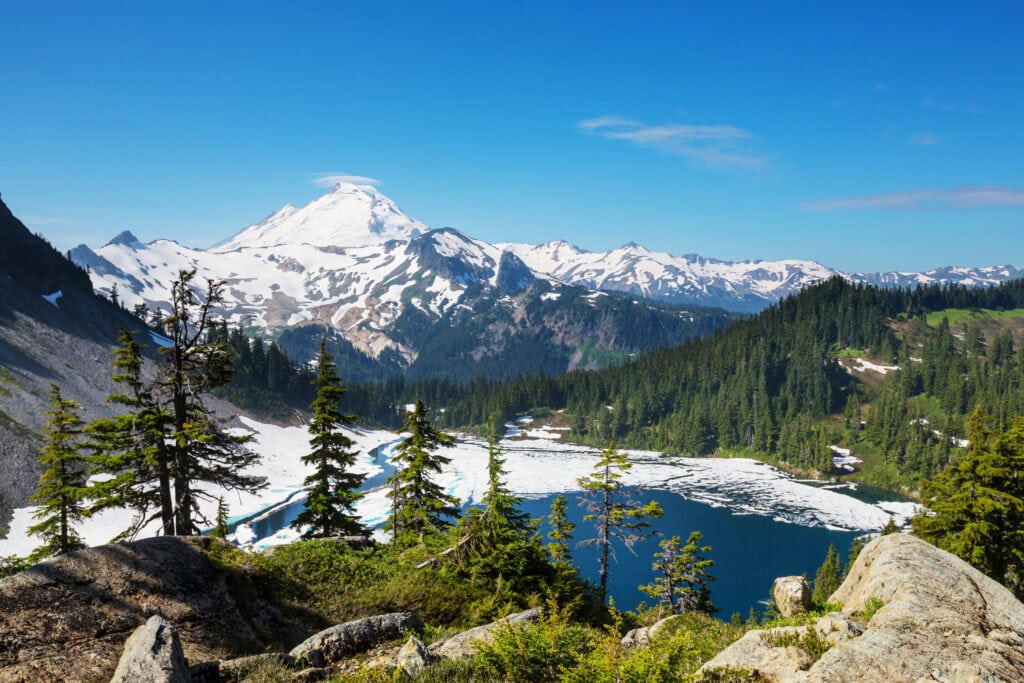
Washington’s Mount Baker area is legendary in terms of snowfall. Ski fanatics love it here, and for good reason; it gets roughly 640 inches of snow during an average season. And above-average seasons can be record-breaking. During the winter of 1998–1999, a remarkable 1,140 inches fell there. That’s an astounding 95 feet of snow in just one season. In this area, a couple of geographic factors help produce the incredible snow cover. Storms coming from the Pacific Ocean meet the Cascade Mountains, forcing air to rise. Once this air drops in temperature, it releases tremendous amounts of precipitation, creating some fantastic skiing opportunities.
Paradise, Mount Rainier, Washington
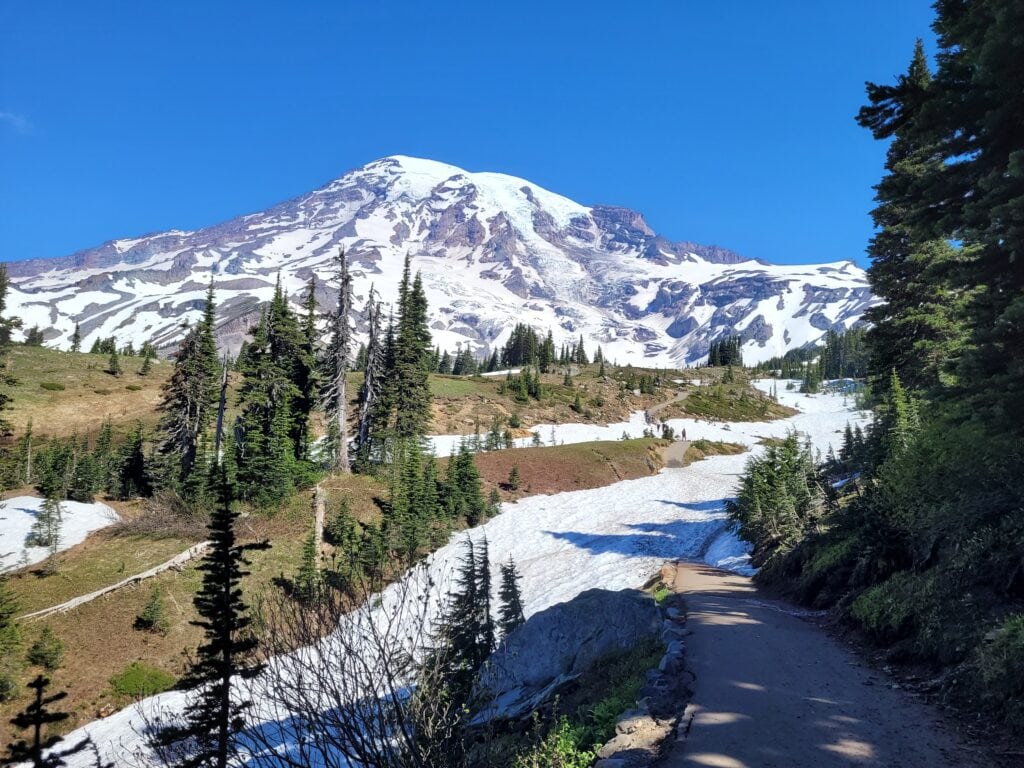
A place called Paradise sounds beachy and tropical, but this one is full of snow for several months out of the year. With an elevation of about 5,400 feet on Mount Rainier, Paradise averages 637 inches of snow each year. During the winter of 1971–1972, a whopping 1,122 inches of the white stuff fell. For a short time, it even held the world record for annual snowfall. Because Paradise is located close to the Pacific Ocean, storms carry plenty of moisture. Once Mount Rainier comes into play, that air is swiftly forced upward. The result is one completely snow-covered mountain.
Thompson Pass, Alaska
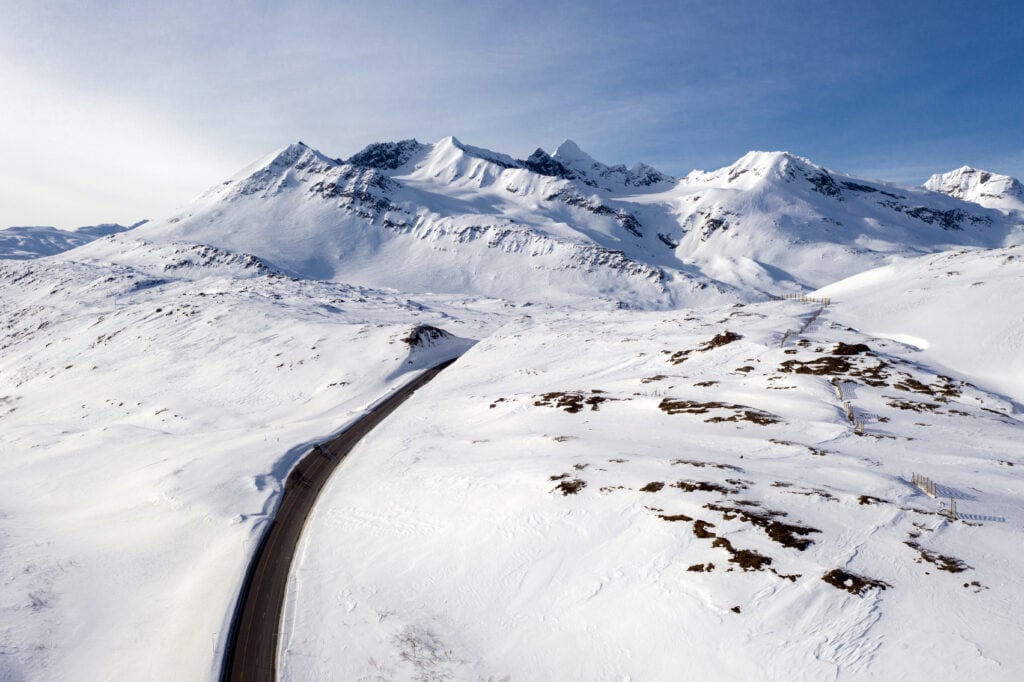
It’s no surprise that Alaska needs a spot on this list, as the state is basically synonymous with snow. Thompson Pass, in the Chugach Mountains near Valdez, averages 500 to 550 inches per year. This area has also held some wild records when it comes to snowfall. During the winter of 1952–1953, locals reported that more than 974 inches fell. One 24-hour period in December 1955 saw 62 inches. In this case, the main snow-inducing culprits are the Gulf of Alaska and the Chugach Mountains. Wet Gulf air slams into the steep slopes generating heavy snow. If you absolutely adore snow, Thompson Pass might be worth visiting.
Alta, Utah
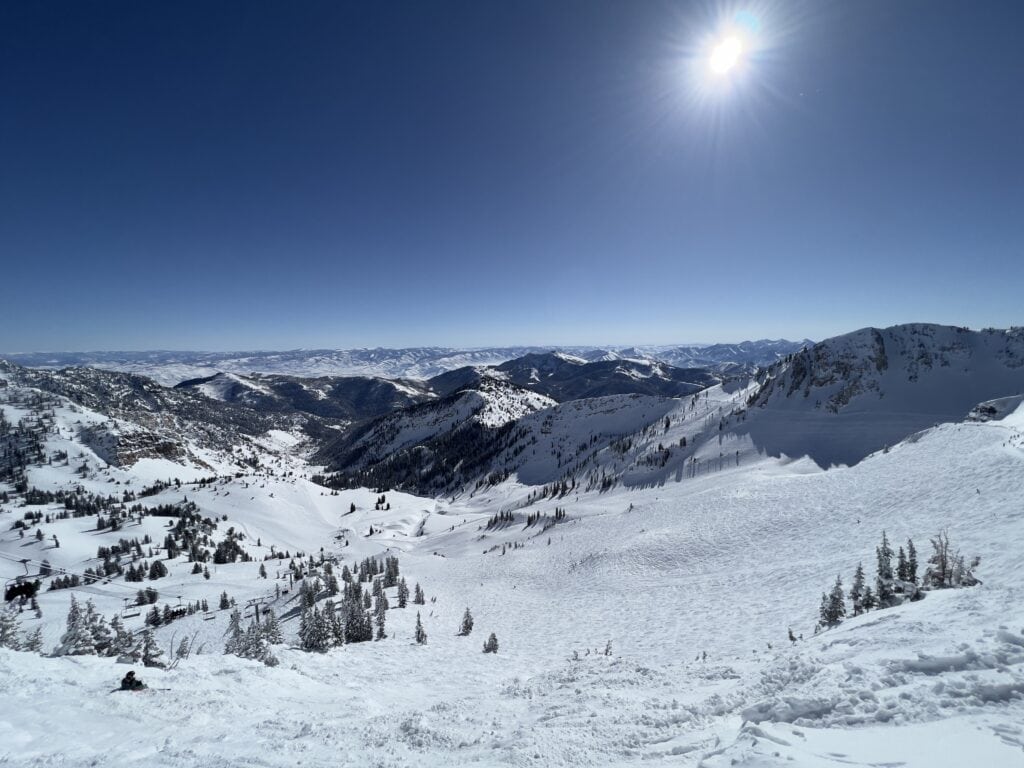
Utah claims to have the “Greatest Snow on Earth,” and many skiers would agree. In addition to quality, Utah snow is also known for its quantity. Alta’s mountain community and famous ski area average roughly 548 inches of snow annually. Alta has had certain winters that were even snowier than usual. Most recently, it got an incredible 903 inches during the 2022–2023 season. When moisture-dense air is pushed toward the east, it hits the Wasatch Mountains, producing snowstorms. The dry snow the state is so known for, often referred to as powder, is one reason skiers are obsessed with the place.
Tsunan, Japan
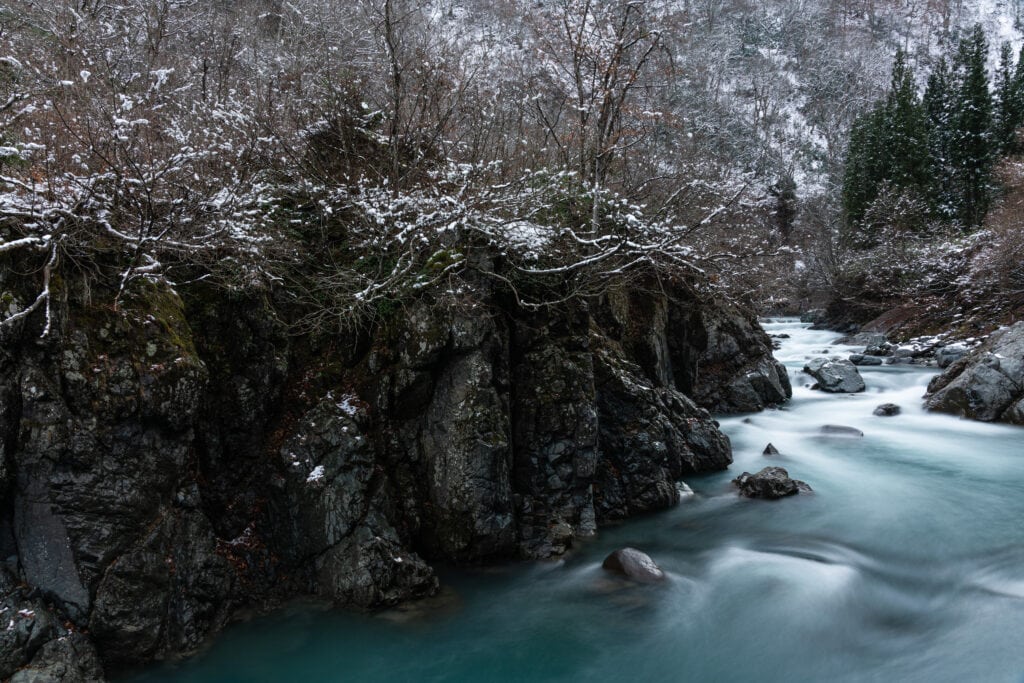
Those who don’t know much about Japan might be surprised it earns another entry on our list. (Spoiler alert: it’s also numbers 7 and 8.) Several portions of the country are perfectly situated to receive loads of snow. Tsunan is a mountain town in Niigata Prefecture. Its average annual snowfall is estimated at about 531 inches (more than 44 feet). Like Sukayu, its location near the Sea of Japan means it is in the direct path of moisture-heavy winter storms. The mountains are the finishing touch, allowing snow to fall at a shocking pace. January just by itself averages 174 inches of snow. That’s more snow in one month than lots of famously snowy American cities get in a whole year.
Kutchan, Japan
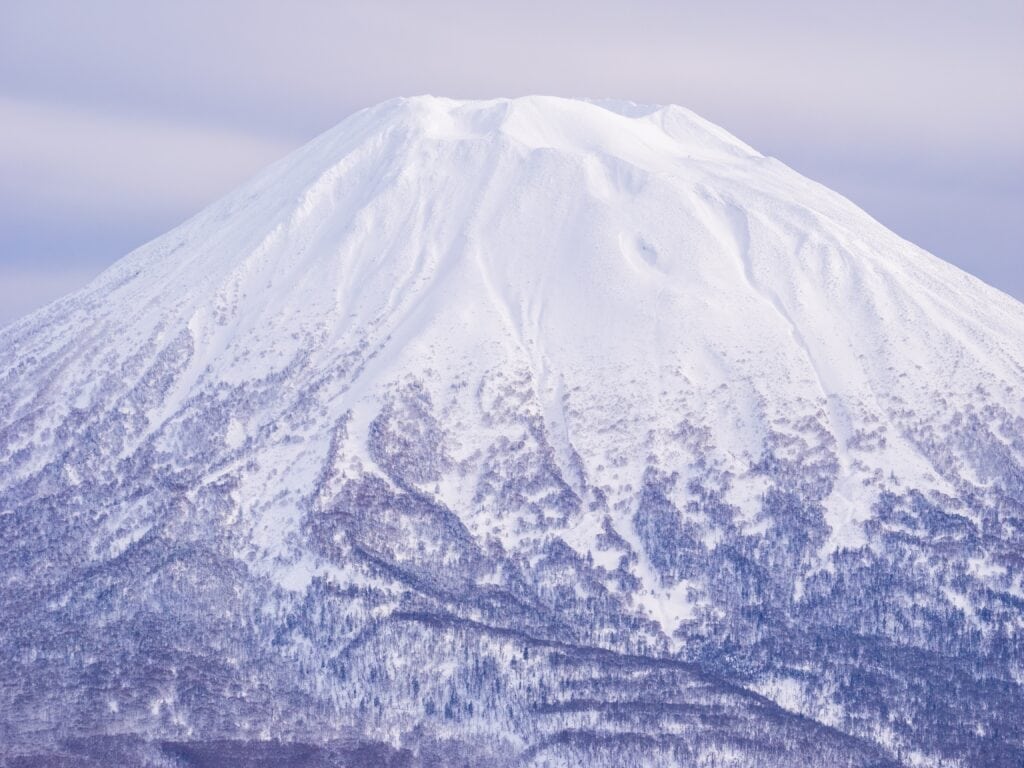
Kutchan sits on the Japanese island of Hokkaido, with Mount Niseko towering over it. The area averages 418 inches of snow each year. Once again, cold air moving over the Sea of Japan is mostly responsible for the nonstop snowfall. January alone can bring close to ten feet. The Niseko region is close by and has become world famous in the ski community, known for its deep, light powder. The snow even has its own nickname: ‘Japow.’ Resorts around Niseko attract visitors from around the world who come specifically for the snow.
Aomori, Japan
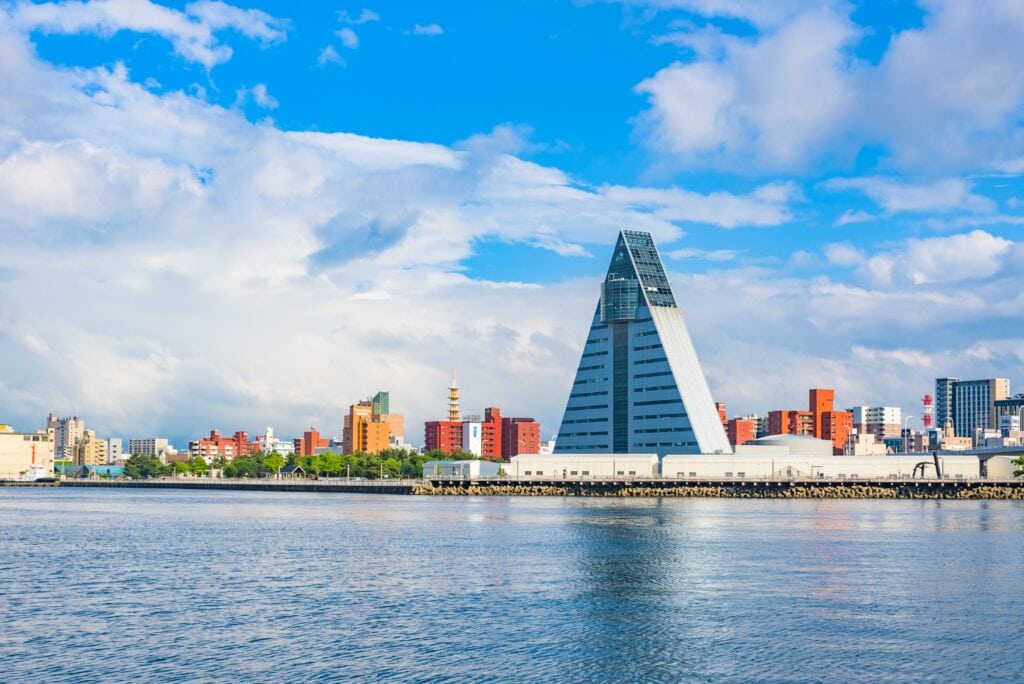
Aomori proves that you don’t have to live on a mountain to get absolutely buried in snow. The city averages around 260 inches of snow annually, making it one of the snowiest major cities on Earth. It is situated towards the northern end of Honshu, putting it in the path of the moisture-rich winter air responsible for most of Japan’s tremendous snow. Unlike remote mountain villages, this is a fully functioning city with a population of hundreds of thousands. Residents have to navigate this snow to get to work and continue living their lives. Crews work nearly constantly to keep the city functioning, as huge piles threaten to block roadways and sidewalks. Aomori is certainly a place that has learned to cope with winter.