
From terrifying first contact stories to explorations of newly discovered alien civilizations, science fiction novels have entertained for decades. Some focus on nonstop action, while others use extraterrestrial encounters to dissect philosophy, politics, or the meaning of life. Here are eight of the best alien-themed novels ever written.
1. The War of the Worlds by H.G. Wells
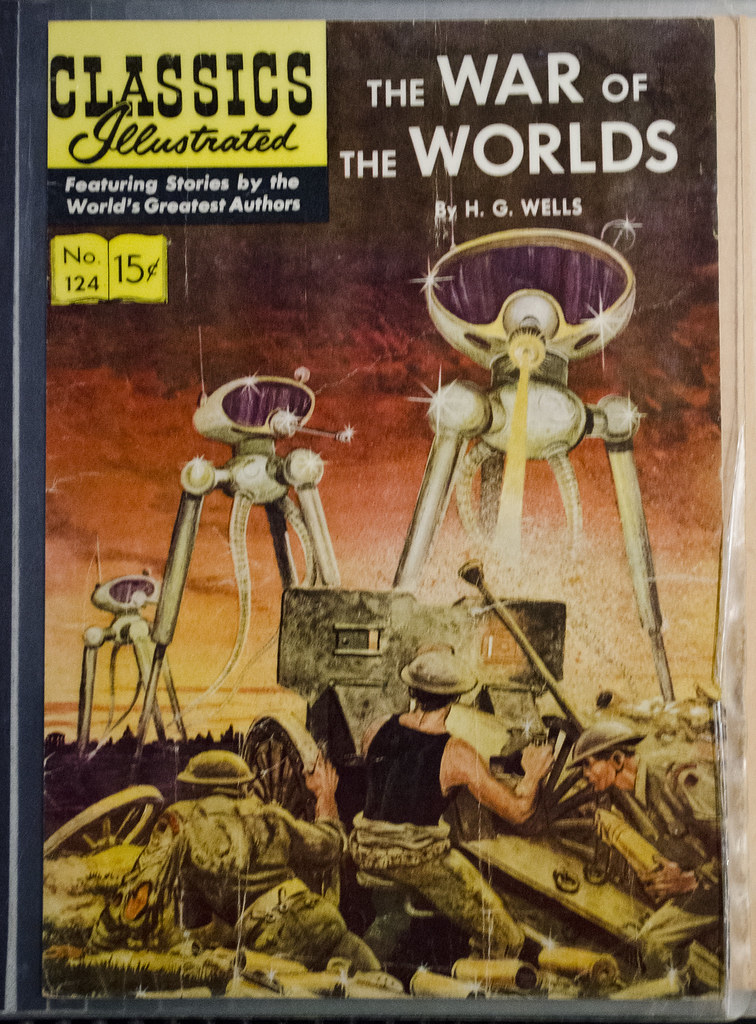
Published in 1898, this novel helped define the alien invasion genre. It tells the story of Martians attacking Earth using massive war machines and high-tech weapons. Humanity is forced to contend with how powerless it really is. Even though it is now over a century old, Wells’ story is still surprisingly tense to modern-day readers. It turned out to be very influential, inspiring many of Sci-Fi’s favorite books, films, and TV shows.
2. Childhood’s End by Arthur C. Clarke
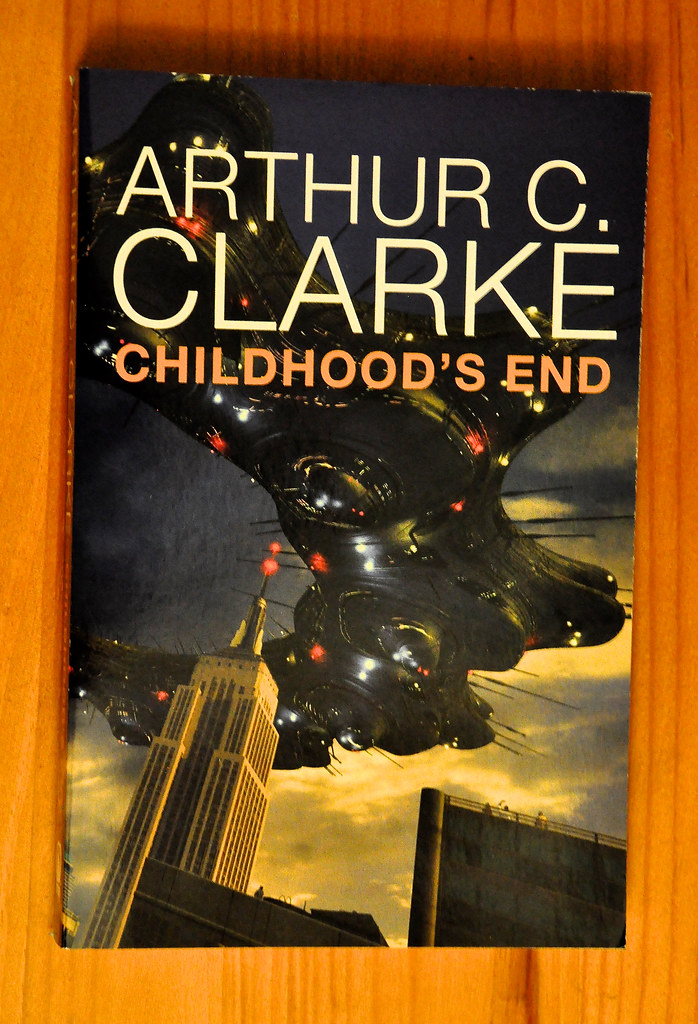
Earth’s future changes forever when mysterious aliens known as the Overlords come to our planet. They seem altruistic, spreading peace and eliminating war, but they won’t reveal their motives for decades. This page turner slowly builds toward one of science fiction’s most unforgettable endings. It’s a thoughtful story that touches on evolution and the consequences of progress.
3. The Three-Body Problem by Liu Cixin

This award-winning novel begins during China’s Cultural Revolution. It quickly turns into a bold story of first-contact. As citizens of Earth realize they are being approached by an alien civilization, scientists and governments struggle to come to terms with the threat. The book mixes known science with big philosophical ideas.
4. Project Hail Mary by Andy Weir

A solo astronaut wakes up aboard a spacecraft with no memory of who he is or why he’s there. As his memories slowly return, he remembers that he’s on a crucial mission and may be humanity’s last hope against extinction. The novel uses realistic problem-solving with plenty of humor and heart. This book also gave us one of the most beloved alien characters ever.
5. Contact by Carl Sagan
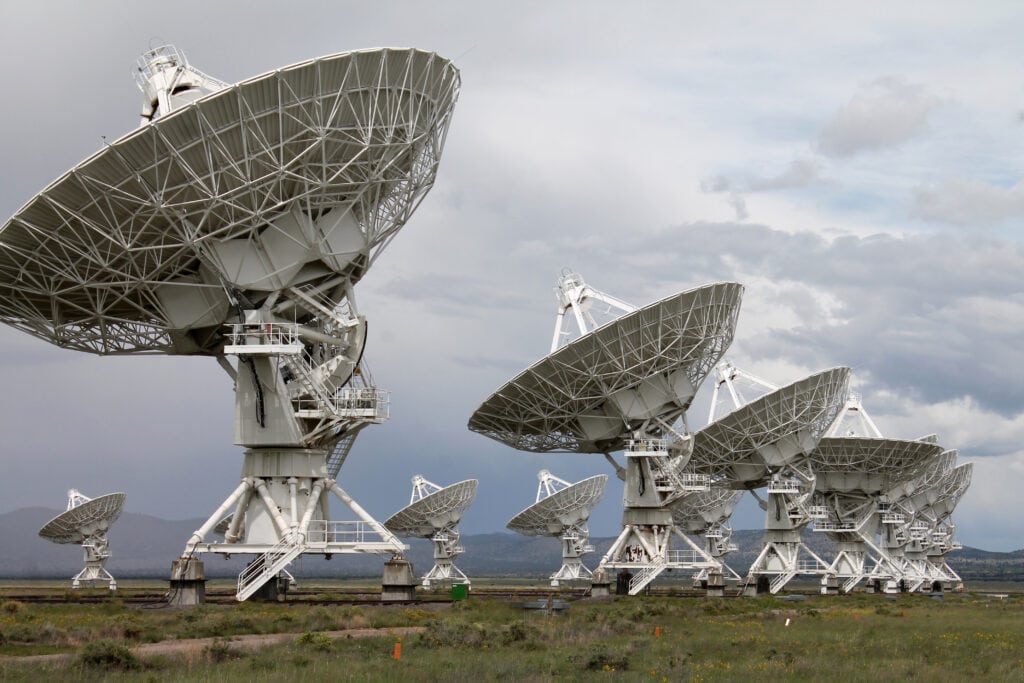
When scientists detect a signal from another star system, the discovery changes everything overnight and forever. Instead of focusing on invasion or interspecies war, Sagan tells a story of how humanity might realistically react to proof of intelligent extraterrestrial life. The novel offers lots of scientific realism to make it feel absolutely possible. It also raises questions about faith, politics, and human nature. It’s one of the smartest first-contact stories ever written. Sagan chose not to rely on action or chaotic space battles. The novel unfolds through discovery and the enormous and world-altering implications of making contact with another race.
6. The Mote in God’s Eye by Larry Niven and Jerry Pournelle
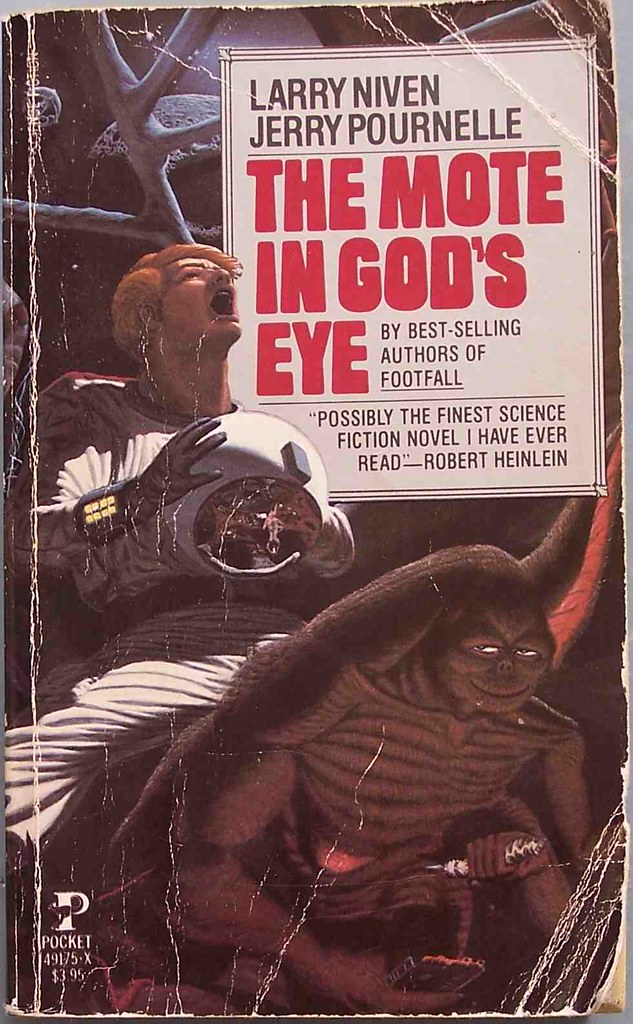
This book is considered one of the greatest of the first-contact subgenre. It follows humans who encounter an alien civilization so advanced that it’s unlike anything they could have imagined. The creatures, called Moties, are fascinating, intelligent, and complex on a deep level. Every interaction between them and humans is unpredictable. Pure scientific mystery is what moves this story forward. It did an excellent job of creating aliens that feel both believable and truly mind boggling. Instead of portraying them as either terrifying creatures or God-like, altruistic heroes, the novel paints them as multi-dimensional beings. They are a fully realized civilization with a full history, strengths, and weaknesses.
7. Blindsight by Peter Watts

After strange objects appear in Earth’s solar system, a crew is sent to investigate an unknown alien presence. The story that unfolds is extremely unsettling. It takes a hard look at intelligence, raising the question of whether self-awareness is actually an evolutionary advantage. Watts details assumptions readers have about both humanity and potential extraterrestrial life.
8. The Sparrow by Mary Doria Russell

After astronomers discover intelligent life around a nearby star, Earth launches a small mission as the first human journey to another planet. It begins as an inspiring and groundbreaking mission, but slowly unravels. It pivots to a tragedy defined by morality and misunderstandings. Russell focuses on the ethical considerations of meeting an unknown alien race. It’s one of the most powerful science fiction novels ever published.