
Creative Commons
Wikimedia / Creative Commons

Wikimedia / Creative Commons

Creative Commons

motleypixel / BY 2.0

Creative Commons

Yayayoyo / Shutterstock.com
Fort Bragg / BY-ND 2.0
m01229 / BY 2.0

Billion Photos / Shutterstock.com








9 Inventors Who Later Regretted the Impact of Their Creations
Inventions have shaped nearly every part of modern life, changing how we work, communicate, and understand the world around us. From major technological breakthroughs to everyday conveniences, new ideas have consistently pushed society forward, often in ways their creators could never have fully predicted. What begins as a solution to one problem can quickly grow into something far more influential.
But not every invention leads to a sense of pride for the people behind it. In some cases, creators watched their ideas take on unintended uses, sparking ethical concerns, causing harm, or contributing to consequences they never imagined. As their inventions spread, the real-world impact became difficult to control, leaving some inventors to reflect on outcomes that didn’t align with their original intentions.
In this slideshow, we take a closer look at nine inventors who later expressed regret over what they created. By exploring their stories, you’ll see how innovation can come with unexpected consequences, and how even the most groundbreaking ideas can leave a complicated legacy.
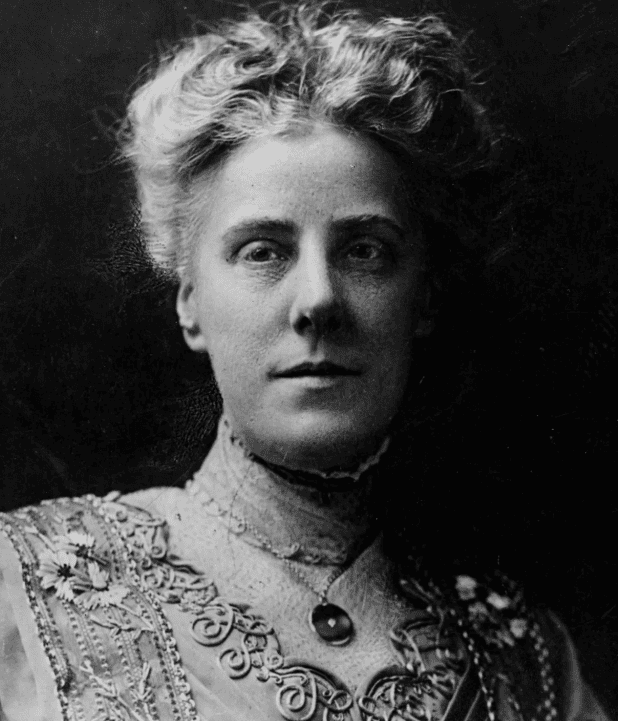
Anna Jarvis – Mother’s Day
- Distraught over her mother’s death in 1905, Jarvis created Mother’s Day in 1908 with a commemorative church event and her mother’s favorite flower, the white carnation.
- The holiday became so popular that the floral industry profited by promoting red carnations for living mothers.
- Jarvis later tried to trademark Mother’s Day and spent years trying to stop the celebration altogether.
Ethan Zuckerman – Pop-Up Ads
- While working at Tripod.com, Zuckerman wrote code that created the pop-up ad to place advertising in a separate window.
- The format spread quickly and became one of the internet’s most annoying ad experiences.
- Zuckerman later expressed regret, saying his intentions were good.
Robert Propst – Cubicles
- Propst developed the Action Office as a flexible workspace designed to improve health and productivity.
- Businesses adopted it widely, but it was eventually warped into a way to pack more workers into less space.
- Propst later called the result a “monolithic insanity.”
Wally Conron – Labradoodles
- Conron combined poodles and labradors to create the Labradoodle, helping spark the designer-dog craze.
- The breed became hugely popular, but also contributed to unhealthy and abandoned dogs.
- Conron later said he had “done a lot of damage.”
Mikhail Kalashnikov – AK-47
- Kalashnikov designed the AK-47 while recovering in a hospital bed.
- The rifle became famous worldwide for being cheap, efficient, and nearly indestructible, but also for its role in violent conflicts.
- He reportedly expressed deep regret over the weapon before his death.
Scott Fahlman – Emoticons
- Fahlman sent the first horizontal smiley face to indicate joking in online messages.
- That simple symbol helped launch the modern emoticon and emoji culture.
- He later said his creation had gone places he did not approve of.
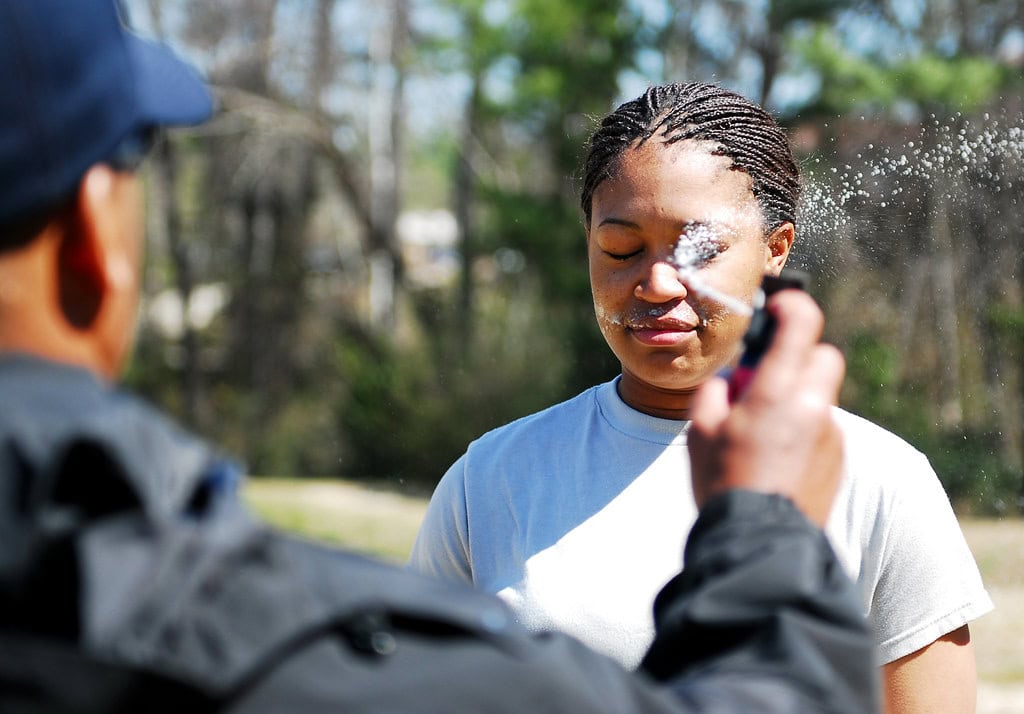
Kamran Loghman – Pepper Spray
- Loghman developed weapons-grade pepper spray for crowd control.
- Law enforcement agencies adopted it widely, but its use against peaceful protesters troubled him.
- He later said it was not what pepper spray was developed for.
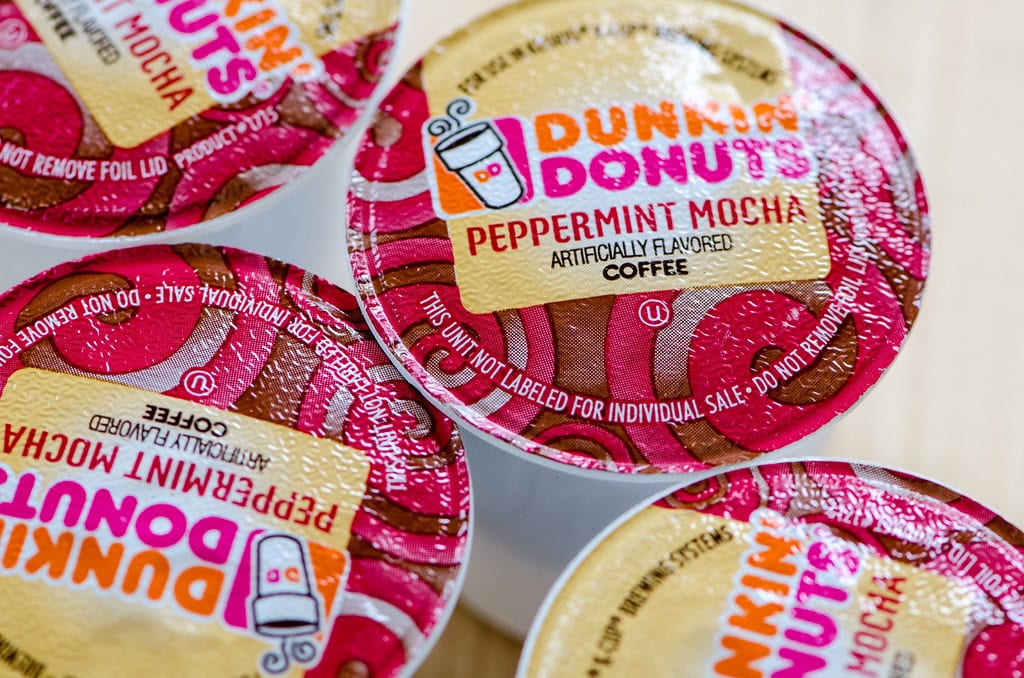
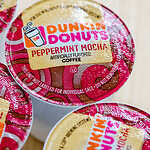
John Sylvain – K-Cups
- Sylvain developed the single-serve plastic coffee cup in 1992.
- K-Cups became ubiquitous, but they also generated massive non-biodegradable waste.
- He later said he felt bad about creating them and now works in solar energy.
Victor Gruen – The Shopping Mall
- Gruen invented the first shopping mall in Minnesota in the late 1950s to serve suburban shoppers.
- Developers later stripped away the greenery and art that made the original concept welcoming.
- Gruen famously disowned the mall’s later evolution, saying they destroyed cities.