
Millennials grew up during a strange and highly specific transitional period. As the world changed from analog to digital and the economy shifted, this generation was living in a much different time than their Boomer parents. As a result, Millennials developed a variety of habits, coping mechanisms, and behavioral quirks that older generations never developed. Millennials approach communication, entertainment, work, and even stress very differently than their parents did. Whether these habits seem relatable or completely baffling, they helped define this social-media shaped generation.
Taking Pictures of Their Food

Remember when your Boomer parent would pull out the family camera and snap a picture of everyone’s plate before dinner? Of course not; never happened. For previous generations, food was meant to be eaten immediately while it was still hot. Millennials, however, helped turn meals into miniature art projects and photo shoots, especially once Instagram became popular. Restaurant tables suddenly became filled with people adjusting lighting and angles before taking the first bite. To many parents, the idea of photographing avocado toast to post online still makes absolutely no sense.
Using GIFs for Everything

GIFs are a fun way to express how you’re feeling on social media or in a text message, and no one uses them better than Millennials. Older generations have nailed emojis, but millennials are known for their GIF game. No one can find the perfect GIF faster than a millennial, and they can even have entire conversations in a group chat using only GIFs. Bonus points for Millennials who solely use “The Office” GIFs.
Treating Student Loans Like Permanent Accessories

When Boomers were in school, education was much more affordable. You generally paid for it in the moment or skipped college altogether. Many millennials came of age during a time when the cost of advanced education skyrocketed and student debt became widespread. Over time, these loans morphed into massive financial burdens. Many millennials feel they will never be able to pay off the entirety of their student loans. As a result, joking about never-ending loan payments became part of the generation’s shared sense of humor, and a method of coping with loans that have become an all-too-familiar part of life.
Expressing Nostalgia for the Early Internet
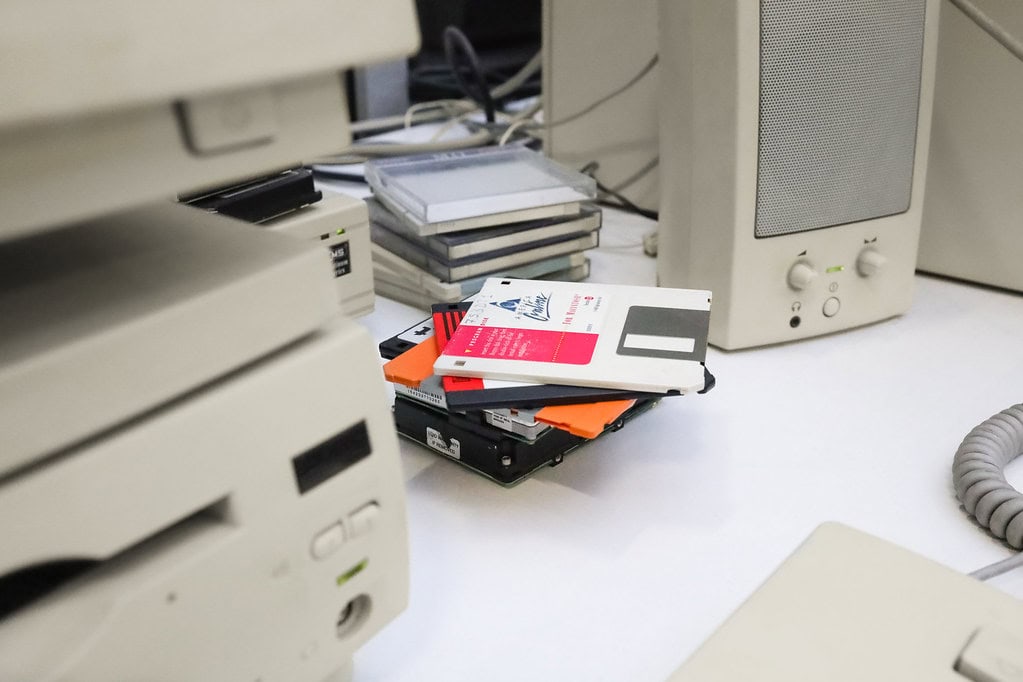
Older generations were well into adulthood when the internet came along, while younger generations have never known a time without the internet. But Millennials associate the internet with coming of age as teenagers. This strange and highly specific period of history was defined by dial-up sounds, AIM away messages, MySpace profiles, the cool new video site called YouTube. No one can understand the disappointment of accidentally downloading a virus from LimeWire the way a Millennial can. This generation now looks back on the early internet with surprising emotional attachment.
Spending Money on Experiences

Some of the older generations may frown upon what millennials choose to spend their money on. Saving early and often is what made them successful. After all, that cross-country road trip will come to an end with nothing tangible to show for it. However, it’s common for millennials to prioritize experiences over material things. They put more value in traveling, going out with friends, or concert tickets than owning actual items. While stuff tends to junk up your home, memories continue to bring joy.
Refusing to Answer Phone Calls

Millennials react to unexpected phone calls as if a SWAT team were banging on their door. While older generations treated phone calls as necessary and convenient, millennials seem to believe speaking to another human may lead to sudden and instant death. Parents view this habit as rude, antisocial, or just downright weird.
Turning Therapy Language into Everyday Vocabulary

Previous generations did not go to therapy. You had a problem; you handled it yourself the normal way, by bottling it up somewhere deep inside. Mental health discussions were generally considered taboo. Millennials grew up during a time when the value of mental health was widely accepted. They helped normalize conversations about therapy, anxiety, boundaries, burnout, and emotional well-being. Terms like “gaslighting,” “trauma response,” and “toxic behavior” became part of their daily vocabulary. While parents may have initially rolled their eyes, they have since learned a lot about self-care and emotional health from the younger generation.
Spending Huge Money on Coffee While Complaining About Housing Prices

The stereotype of millennials spending too much money on coffee has existed for years. But how else will this exhausted generation function without a Venti white chocolate mocha, extra shot? Expensive fancy coffees seem to be top priority for Millennials, who shell out hundreds of dollars a month at Starbucks while also continually stating they will never be able to afford a house.
Having a Side Hustle

Many older people married earlier (combining finances) and entered adulthood during a more affordable economic period. Living off of one salary was often completely practical. Millennials tend to remain single longer, coming into adulthood with crushing student loan debt, economic uncertainty, and rising housing costs. That one 9-5 job may not be cutting it. Millennials introduced the world to the side hustle. Instead of relying on a primary job, many millennials juggle freelance work, online shops, food delivery apps, content creation, or other extra income streams. For many millennials, having one job simply feels financially unrealistic.
Treating Pets Like Children

While older generations were busy wrangling kids, they barely had time to feed the family dog before moving on to more human-centric endeavors. Millennials have far fewer children than their Boomer parents did. For Millennials, their pets are their children. Your parents may not understand why you have 3,204 photos of your pup or why you order matching sweaters from Amazon. They certainly don’t understand why you started an Instagram account just for your furry friend. To older generations, the idea of pushing a dog in a stroller or planning vacations around pets seems excessive. For Millennials, it’s a normal way of life.