Talk shows are supposed to feel spontaneous, but there is usually a lot happening behind the scenes. Guests are booked in advance, producers prepare questions, interviews are discussed beforehand, and everyone generally has some idea of where the conversation is headed.
Every once in a while, none of that matters.
Over the years, viewers have watched celebrity interviews turn painfully awkward, confrontations become physical, and seemingly ordinary television appearances take on far greater significance after the cameras stopped rolling. Some became unforgettable pieces of pop-culture history. Others raised serious questions about how far television should go in the pursuit of a compelling moment.
Here are seven talk show interviews that went somewhere nobody watching could have expected.
The Jenny Jones Show: A “Secret Admirer” Reveal With Tragic Consequences
In 1995, The Jenny Jones Show invited Jonathan Schmitz onto an episode built around the revelation that he had a secret admirer. Schmitz reportedly believed that admirer would be a woman. Instead, the person revealed onstage was Scott Amedure, a male acquaintance who expressed his attraction to Schmitz in front of the studio audience.

What happened several days later transformed the unaired episode from another piece of sensational daytime television into a national controversy. Schmitz shot and killed Amedure and later turned himself in. He was convicted of second-degree murder and eventually paroled in 2017.
Amedure’s family later won a $25 million civil verdict against the show’s distributor, although that judgment was overturned on appeal. The episode itself was never broadcast. The Jenny Jones Show remained on television until 2003, but the case became one of the most infamous controversies of the daytime talk-show era.
Geraldo: The Studio Brawl That Broke Geraldo Rivera’s Nose
Geraldo Rivera had already built a reputation for television that could become confrontational, but a 1988 episode of Geraldo produced a moment even he probably wasn’t expecting.
The episode, titled “Young Hatemongers,” brought civil rights activist Roy Innis together with white supremacist John Metzger. What began as an attempted discussion quickly deteriorated after Metzger directed inflammatory remarks toward Innis and members of the audience.
A physical fight erupted on the set. Chairs went flying, and Rivera was struck in the face during the chaos, leaving him with a broken nose and blood visible on camera. Rather than stopping the story at the studio door, the footage itself became the story.
It remains one of the defining images of the anything-can-happen era of daytime television, when producers routinely put people with violently opposing views into the same room and hoped the cameras captured something memorable.
The Tomorrow Show: Tom Snyder Sits Down With Charles Manson
Tom Snyder’s Tomorrow was never afraid of an unusual guest, but few bookings were stranger or more unsettling than his 1981 interview with Charles Manson.
Manson was already one of America’s most notorious convicted criminals when Snyder interviewed him at the California Medical Facility in Vacaville. Instead of a polished celebrity exchange, viewers got a long, unpredictable conversation with a man whose name had become synonymous with one of the darkest chapters of the late 1960s.
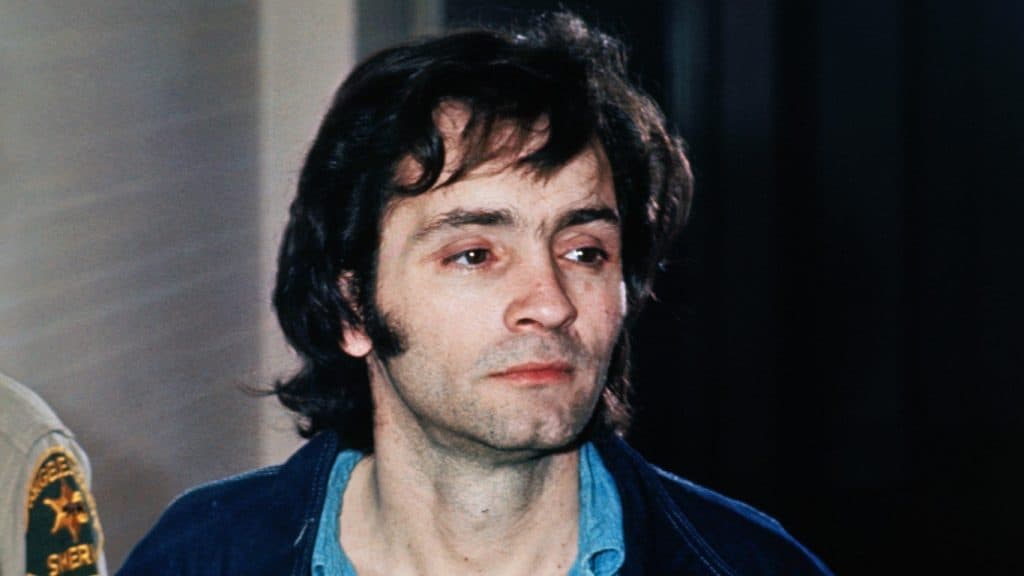
Manson shifted between relatively calm answers and rambling, erratic statements. Snyder largely allowed him to talk, creating television that could be difficult to look away from even when it was deeply uncomfortable.
Today, an interview like it would almost certainly come surrounded by extensive context and debate about whether it should happen at all. In 1981, television simply put Manson opposite a late-night host and let the cameras roll.
CBS This Morning: R. Kelly’s Interview With Gayle King Explodes
When R. Kelly sat down with Gayle King in 2019, he was facing criminal charges and attempting to publicly defend himself. Instead, one portion of the interview became one of the most replayed television moments of the year.
King continued asking direct questions while Kelly became increasingly emotional. He eventually stood up, raised his voice, gestured toward the camera, and angrily insisted that the allegations against him were untrue.
Through it all, King remained seated.
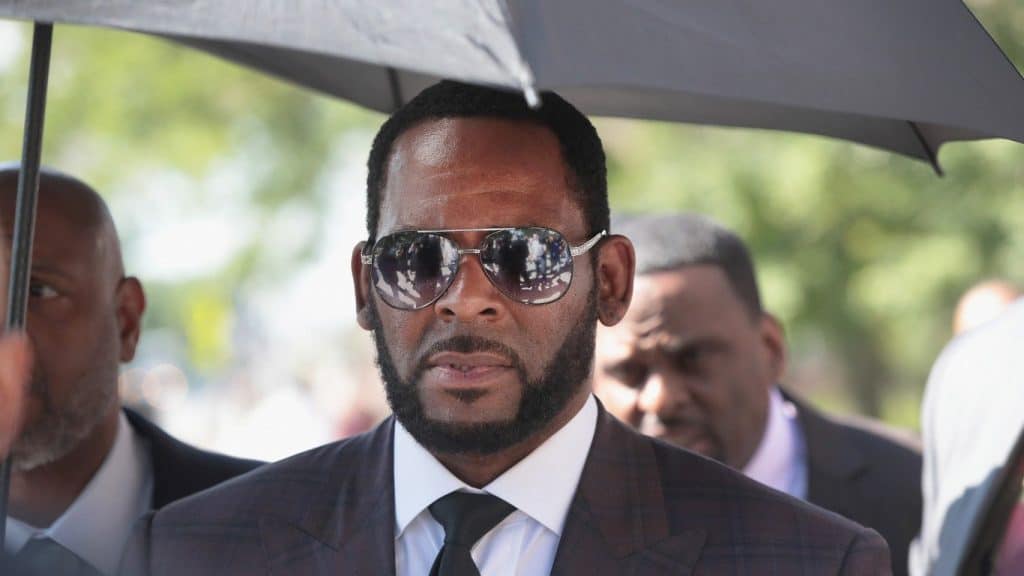
That visual became nearly as memorable as anything Kelly said: an increasingly agitated celebrity moving around the room while the interviewer calmly waited for an opportunity to continue questioning him. King later explained that she was focused on keeping the interview going rather than escalating the situation.
Kelly was convicted in federal court in 2021 and later sentenced to 30 years in prison. The King interview remains one of the defining television appearances from the period leading up to his conviction.
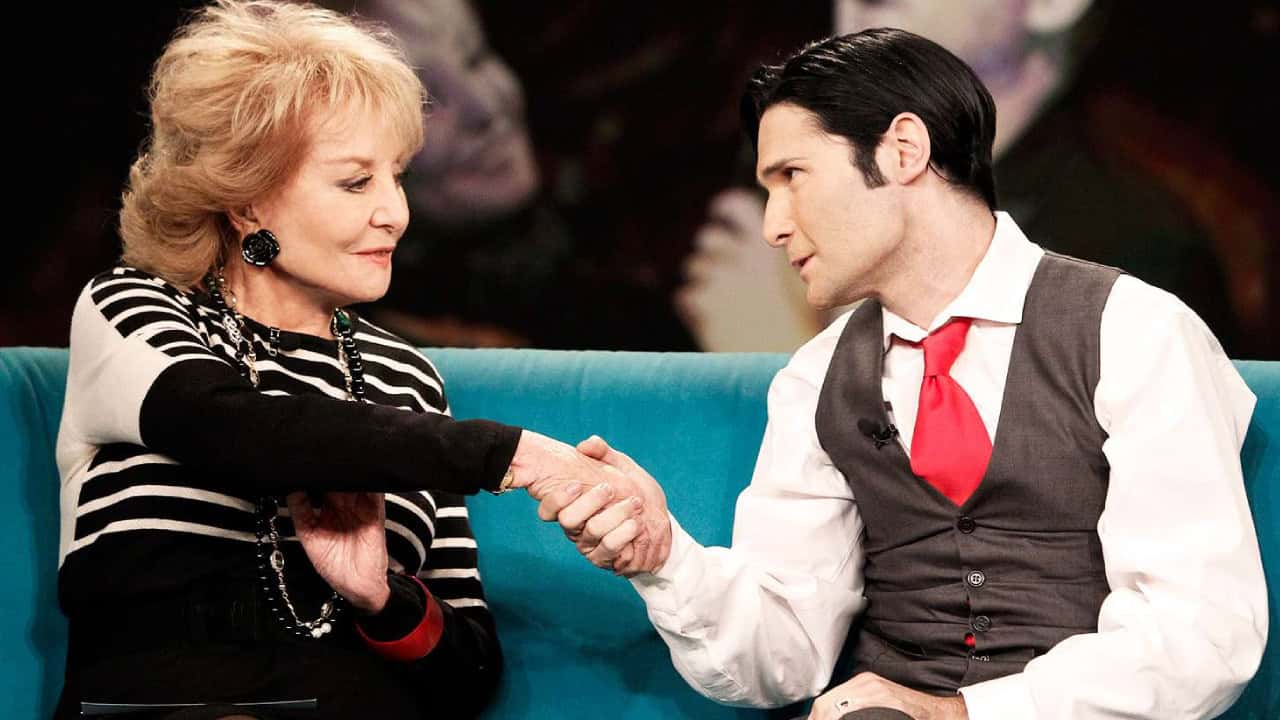
The View: Corey Feldman’s Warning Meets a Chilly Response
Corey Feldman’s 2013 appearance on The View looks different in retrospect than it did to many viewers at the time.
Feldman appeared on the program while discussing allegations that he and the late Corey Haim had experienced sexual abuse while working as young actors. He argued that abuse was a serious problem within the entertainment industry and that people responsible for it had been protected.
Barbara Walters pushed back during the conversation and told Feldman, “You’re damaging an entire industry.”
It was a striking exchange. Feldman was trying to convince a mainstream television audience that the problem was larger than individual incidents, while one of television’s most respected interviewers openly challenged what his claims could do to Hollywood’s reputation.
Feldman later described the exchange as deeply painful. Whatever viewers thought of his broader claims, that moment became one of the more uncomfortable celebrity interviews of the era.
Late Show With David Letterman: Joaquin Phoenix’s Bizarre Act Fools Viewers
Joaquin Phoenix arrived for his February 2009 appearance on Late Show With David Letterman looking nothing like the movie star audiences were accustomed to seeing.
He wore dark sunglasses and a heavy beard, gave short and sometimes awkward answers, chewed gum during the interview, and discussed his supposed decision to walk away from acting and become a hip-hop artist.

Letterman tried joke after joke as Phoenix barely engaged. Eventually, the host closed the interview with the now-famous observation that he was sorry Phoenix “couldn’t be here tonight.”
For viewers who didn’t know what was going on, the appearance looked like a celebrity unraveling on national television.
There was another explanation. Phoenix’s strange public persona was part of I’m Still Here, the Casey Affleck-directed mockumentary that followed his supposed departure from acting.
Years later, Phoenix admitted just how uncomfortable the Letterman appearance had been. What looked like one of late-night television’s strangest celebrity meltdowns had actually been an elaborate performance.
The Jeremy Kyle Show: The Unaired Episode That Helped Bring Down the Series
For more than a decade, Britain’s The Jeremy Kyle Show specialized in confrontational television. Guests discussed infidelity, family conflicts, addictions, and other deeply personal subjects in front of a studio audience.
Then came an episode that never made it to television.
In May 2019, 63-year-old Steve Dymond appeared on the program and took a lie-detector test as part of a dispute involving his relationship. During the taping, host Jeremy Kyle confronted Dymond over the test results. Dymond was found dead seven days later.
ITV immediately suspended the program and soon canceled it entirely after 14 years on the air. The circumstances surrounding Dymond’s appearance also prompted intense scrutiny of the show’s treatment of guests and the duty of care provided by reality and talk-show productions.
A coroner’s inquest that concluded in 2024 did not find a direct causal link between Dymond’s appearance on the program and his death.
Unlike most infamous talk-show moments, viewers never saw this episode. Its impact was felt anyway. A series that had aired thousands of confrontational encounters disappeared from television almost overnight.