
Andrew Clemente
Inside Creative House/Shutterstock.com

wavebreakmedia/Shutterstock.com
George Dolgikh/Shutterstock.com

V. Matthiesen/Shutterstock.com
Marie C Fields/Shutterstock.com

Oliver Hoffmann/ Shutterstock






5 Easy Ways to Help Picky Kids Eat More Vegetables
If you have ever watched a child inspect one green speck in a bowl of pasta as if it were evidence in a criminal investigation, you already know that serving vegetables and getting children to eat them are two very different accomplishments.
Working vegetables into familiar meals can be genuinely helpful, but hiding every carrot is not the whole answer. Children also need opportunities to see, taste, and become comfortable with vegetables in recognizable forms. The goal is not to win one dramatic dinner-table showdown. It is to make vegetables a normal, low-pressure part of family meals and keep offering them long enough for familiarity to do some of the work.
Some days, a child will eat the broccoli. Other days, the broccoli will apparently have committed a personal offense. Keep serving balanced meals, include at least one familiar food, and give new foods another chance later. Progress with picky eating is usually measured over weeks and months—not by whether one dinner plate comes back clean.
Start With Variety, Not a Perfect Vegetable
Vegetables supply fiber, vitamins, minerals, and other compounds that support health, but no single vegetable needs to carry the entire family. Leafy greens, broccoli, carrots, sweet potatoes, peppers, beans, peas, and dozens of other options contribute different nutrients. The CDC recommends aiming for variety instead of obsessing over one so-called superfood. Fresh is not the only acceptable form, either. Frozen and canned vegetables can be useful, affordable choices; compare labels when possible and look for products with less added sodium or sugar. Starchy vegetables such as corn, peas, and potatoes also count as vegetables. Preparation and the overall eating pattern matter more than putting foods into simplistic “good vegetable” and “bad vegetable” categories.
Use the Blender, but Do Not Make It a Secret
A blender can make spinach disappear into a berry smoothie, turn carrots or squash into a smooth soup, and fold cauliflower into a cheese sauce without creating a texture battle. Those are easy ways to add flavor, color, and nutrients to foods your family already eats. The important catch is that purees should supplement visible vegetables, not replace them completely. The American Academy of Pediatrics advises continuing to offer fruits and vegetables in recognizable forms so children can learn what they are and develop their own preferences. Add the spinach to the smoothie, by all means. Just do not act as if the spinach has entered witness protection.
Build Vegetables Into Soups, Breakfasts, and Baked Goods
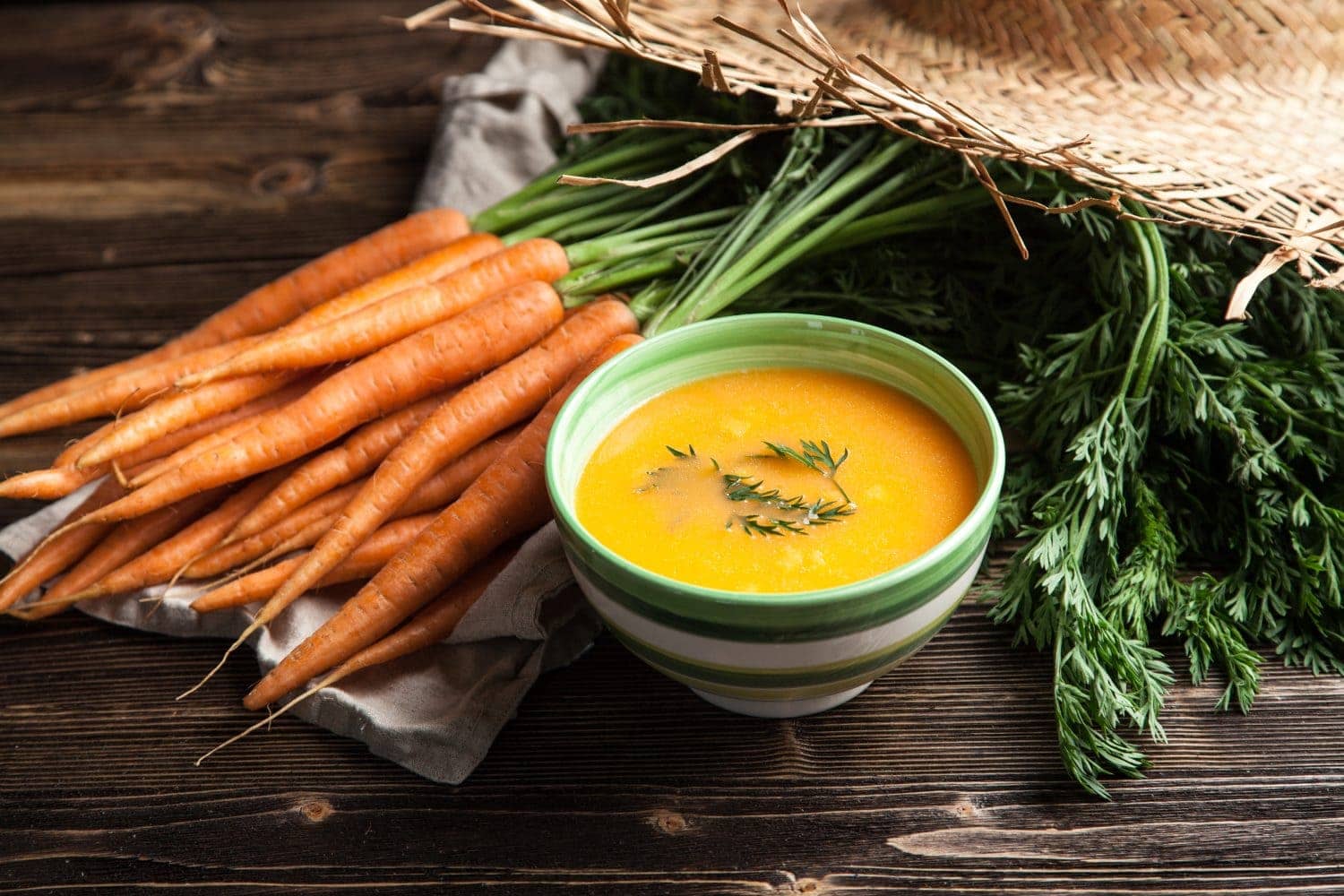
Vegetables do not have to arrive as a lonely pile beside the main course. Pureed carrots, squash, cauliflower, or zucchini can give soup body and color. Shredded zucchini or carrots work in muffins and quick breads, while pumpkin or sweet potato can add moisture to pancakes. Breakfast offers even more easy openings: peppers, spinach, tomatoes, mushrooms, and onions fit naturally into eggs, burritos, quesadillas, and savory muffins. These dishes still need to make sense as food; dumping vegetables into every recipe until nobody trusts a muffin again defeats the purpose. Start with combinations that already taste good and build from there.
Add Vegetables to Foods Your Family Already Likes
Familiarity makes experimentation less intimidating. Let children choose a vegetable topping for pizza, add peppers or onions to tacos, layer spinach or zucchini into lasagna, or mix finely chopped mushrooms and onions into meatballs. You can also stir some mashed cauliflower into potatoes or add extra vegetables to a favorite pasta sauce. There is no need to replace every noodle with zucchini or every hamburger bun with a mushroom unless your family actually enjoys it. The more sustainable move is usually an addition, not a culinary identity swap. Keep one familiar food on the table, make small changes, and let the meal remain recognizable.
Make Vegetables Easy, and Keep Offering Them
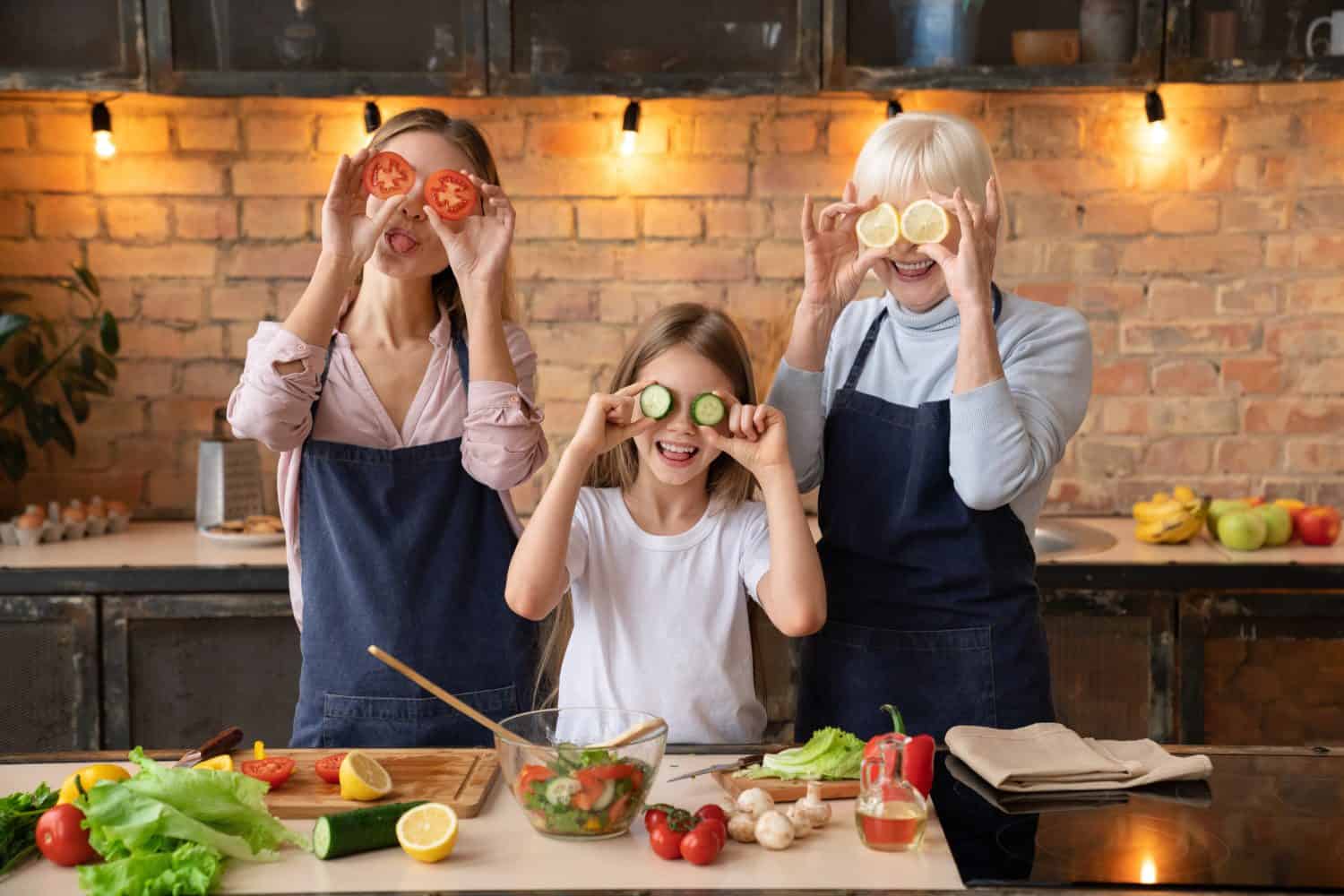
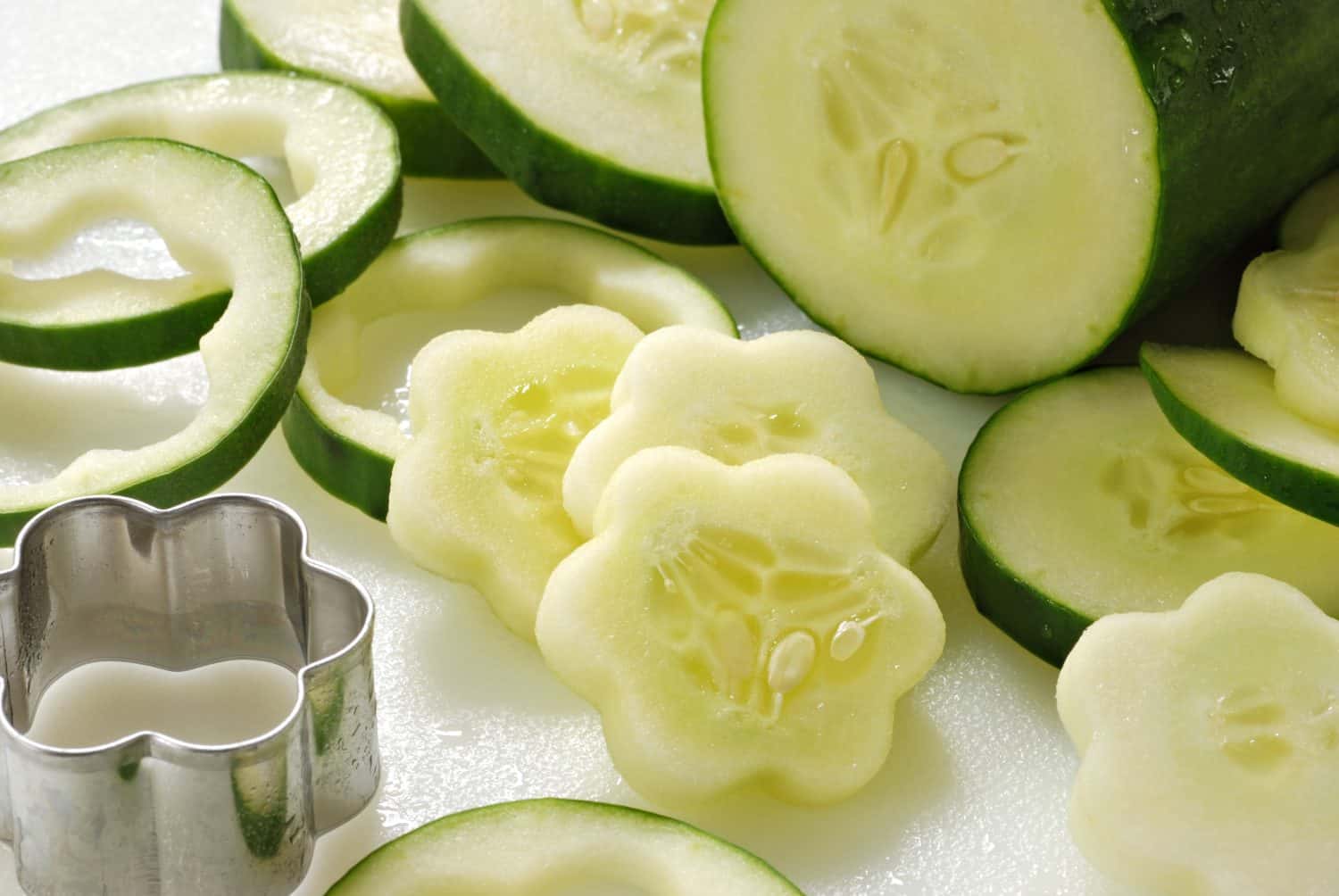
Colorful plates, small portions, dips, and fun shapes can make vegetables feel less like an assignment. Let children select a vegetable at the store, rinse produce, stir a dip, or arrange a snack plate. Then keep expectations realistic. According to the CDC, a young child may need eight to 10 exposures before becoming willing to try a new food. Model eating it, avoid pressure or bribes, and let the child decide whether and how much to eat. For young children, preparation also matters: hard raw vegetables and whole cherry tomatoes can be choking hazards, so follow age-appropriate cutting, cooking, and supervision guidance.
Don't Give Up, Your Kiddos Need Them
Some days, a child will eat the broccoli. Other days, the broccoli will apparently have committed a personal offense. Keep serving balanced meals, include at least one familiar food, and give new foods another chance later. Progress with picky eating is usually measured over weeks and months—not by whether one dinner plate comes back clean.