
Courtesy of Buena Vista Pictures Distribution
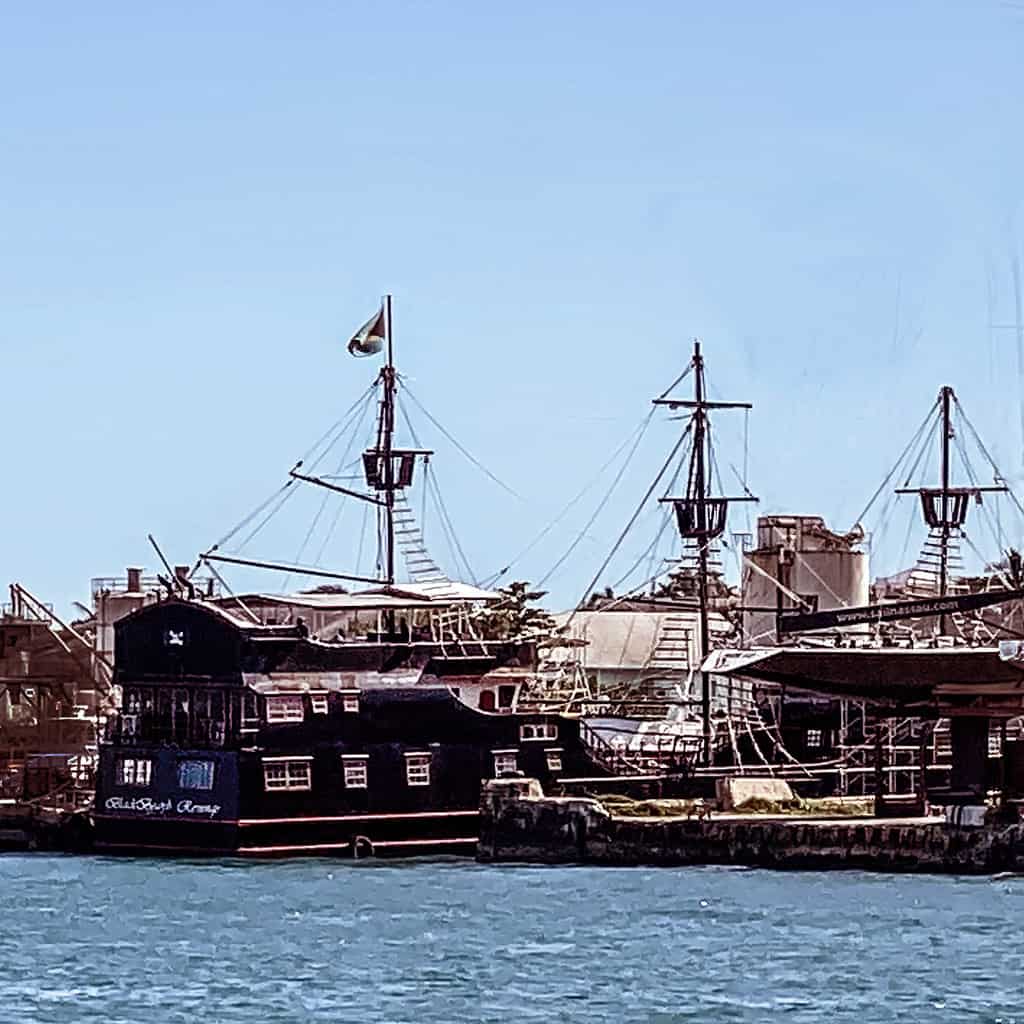
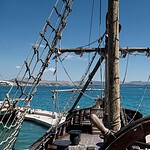
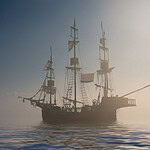
"'Genuine Replica' of Blackbeard's Ship in Nassau" by JFGryphon is licensed under CC0 1.0.
Fer Gregory/Shutterstock.com
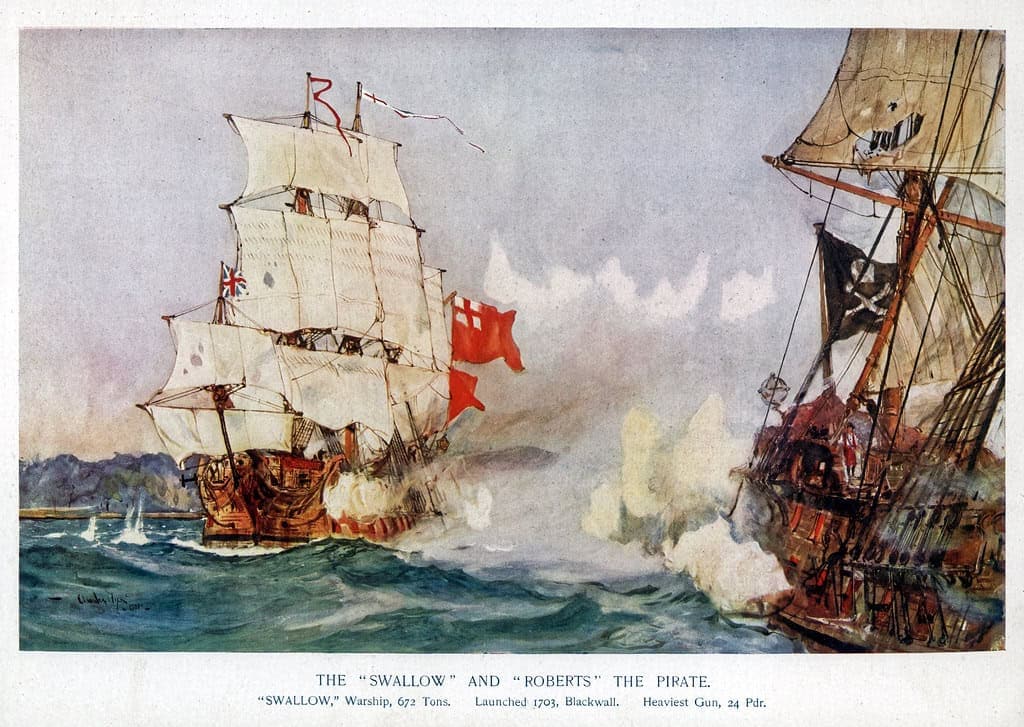
"Charles Edward Dixon HMS Swallow 1703 Black Bart Battle of Cape Lopez Bartholomew Roberts" by Acabashi is licensed under PDM 1.0.
Andrejs Marcenko/Shutterstock.com
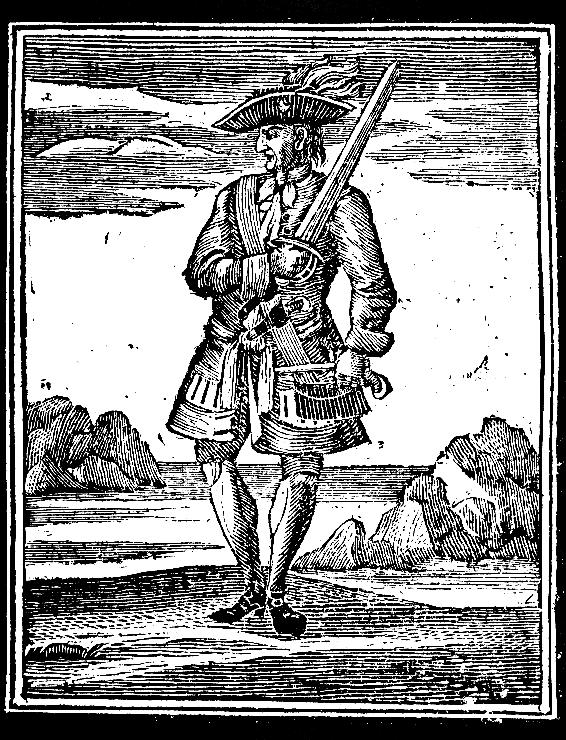
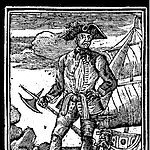
A General History of the Robberies and Murders of the Most Notorious Pyrates / Public Domain
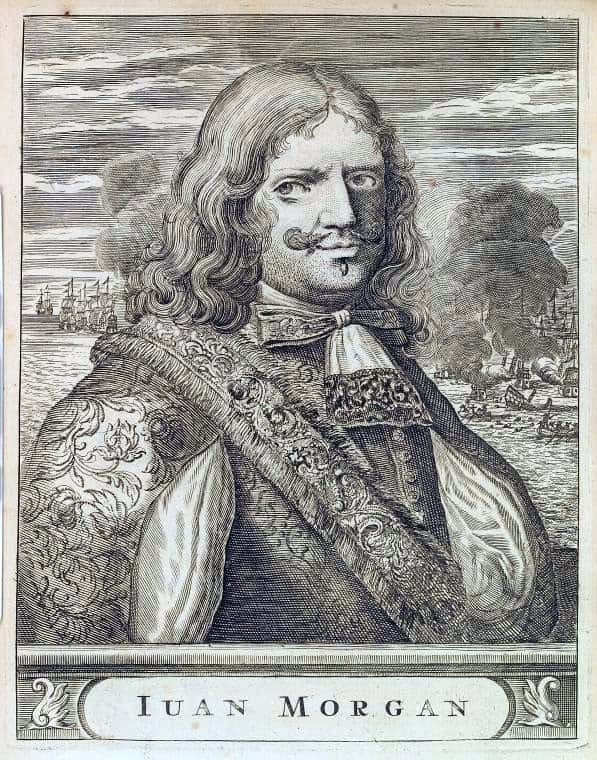
Alexandre Exquemelin / Public Domain
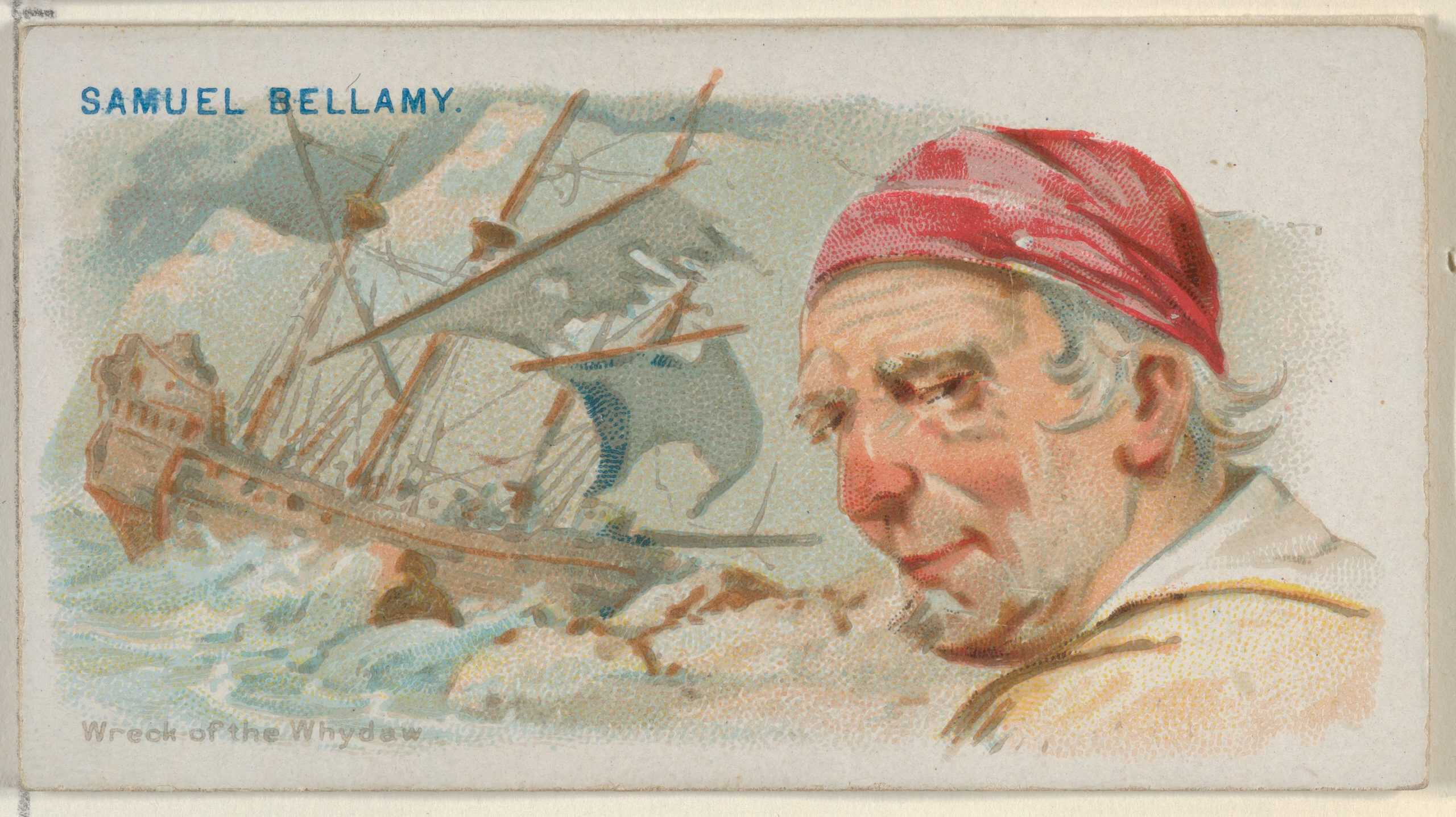
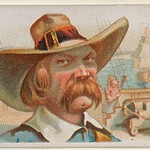
Geo. S. Harris and Sons / Creative Commons CC0 1.0 Universal Public Domain Dedication
muratart/Shutterstock.com
"Sir Francis Drake" by lisby1 is licensed under PDM 1.0.
Geo. S. Harris and Sons / Creative Commons CC0 1.0 Universal Public Domain Dedication
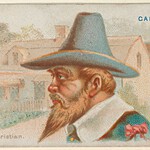
"Captain Tew, A Calm, Rich Christian, from the Pirates of the Spanish Main series (N19) for Allen & Ginter Cigarettes" by Allen & Ginter is licensed under CC0 1.0.
Geo. S. Harris and Sons / Creative Commons CC0 1.0 Universal Public Domain Dedication
Puzzle studio/Shutterstock.com
unknown / Public Domain
WORLD WIDE GUM CO. / Public Domain
Dino Osmic/Shutterstock.com
Mouhamed Abass/Shutterstock.com
Geo. S. Harris and Sons / Creative Commons CC0 1.0 Universal Public Domain Dedication
Aleh Varanishcha/ via Getty Images


19 Famous Pirates Whose Real Stories Were Wilder Than Fiction
Movies have given us a pretty specific picture of pirate life: buried treasure, wooden legs, enormous fortunes and captains ruling their ships with absolute authority. The real stories were usually messier. Pirate careers could last only a few months, crews sometimes voted their own captains out, and much of the loot was ordinary cargo rather than chests overflowing with gold.
There is also an important difference between pirates and privateers. Some of the most famous names below, including Francis Drake and Henry Morgan, sometimes operated with government permission to attack enemy ships. Others were outright criminals hunted by the same governments. From Blackbeard's carefully cultivated reputation to a pirate whose shipwreck is still being studied today, these 19 stories are more interesting without trying to turn centuries-old plunder into a modern net-worth ranking.
Blackbeard Built a Reputation Almost Bigger Than His Actual Career
Edward Teach, or Thatch depending on the historical source, became Blackbeard largely because he understood the value of terrifying people before a fight even started. Contemporary descriptions portrayed him with a huge black beard, multiple pistols and smoking fuses designed to make him look downright demonic.
His pirate career was surprisingly brief. Blackbeard captured dozens of ships around the Caribbean and Atlantic coast, took command of the former French slave ship he renamed Queen Anne's Revenge, and blockaded Charles Town in 1718. Yet surviving evidence does not support the idea that he spent his career casually murdering captives. His final battle at Ocracoke was another matter entirely: Blackbeard was killed in vicious hand-to-hand fighting in November 1718.
Stede Bonnet Basically Bought His Way Into Piracy
Most pirates did not begin with a comfortable plantation, money and social status. Stede Bonnet did. The wealthy Barbados landowner purchased a ship called Revenge, armed it with cannons and hired a crew despite having very little maritime experience.
That lack of experience eventually showed. Bonnet joined forces with Blackbeard, who effectively took control of his ship while Bonnet remained aboard the larger Queen Anne's Revenge. Bonnet later regained command and returned to piracy, but authorities captured him near the Cape Fear River in 1718. The man remembered as the "Gentleman Pirate" was hanged in Charleston that December.
Bartholomew Roberts Captured More Than 400 Ships
Bartholomew Roberts, better known as Black Bart, was one pirate who really did operate on an enormous scale. During a career lasting only about three years, the Welsh captain and his crews plundered more than 400 vessels on both sides of the Atlantic.
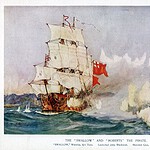
Roberts commanded a succession of ships named Royal Fortune and became known for elaborate clothing, strict discipline and bold attacks on commercial shipping. His run finally ended off West Africa in February 1722, when he was killed during a battle with the Royal Navy ship HMS Swallow.
Jean Fleury Intercepted Treasure Taken From the Aztec Empire
Jean Fleury operated long before the pirates most people associate with the Caribbean. The French privateer became famous in 1523 when he intercepted Spanish ships returning from the Americas near Portugal.
The cargo was extraordinary. Two of the ships were transporting treasure and objects seized during Hernán Cortés' conquest of the Aztec Empire, including gold, silver, pearls and other valuables. Fleury's success helped demonstrate that Spain's treasure could be attacked after it crossed the Atlantic, inspiring generations of privateers and pirates to try the same thing.
Calico Jack Became Famous for His Crew, Not a Giant Fortune
John Rackham, better known as Calico Jack, was nowhere near the most successful pirate of his era. His modern fame comes largely from two extraordinary members of his crew: Anne Bonny and Mary Read.
Rackham took command after Charles Vane's crew removed Vane as captain in 1718. After briefly accepting a pardon, Rackham returned to piracy with Bonny and later Read. Jamaican authorities captured the group in 1720. Rackham was convicted and hanged, while Bonny and Read were also convicted but had their executions postponed after both said they were pregnant.
Henry Morgan Was a Privateer Who Eventually Became a Government Official
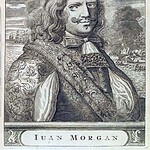
Sir Henry Morgan is frequently grouped with pirates, but technically he spent much of his career as a privateer. That meant English authorities gave him permission to attack Spanish interests during the fierce colonial rivalry of the 17th century.
The Welsh commander led spectacular raids against Portobelo, Maracaibo and Panama. His 1671 attack on Panama became his most famous campaign and also created a diplomatic mess because England and Spain had recently agreed to peace. Morgan was sent to England, but instead of disappearing into prison, he was knighted in 1674 and returned to Jamaica as a senior colonial official.
Samuel Bellamy's Treasure Ended Up on the Bottom of the Atlantic
Samuel "Black Sam" Bellamy is sometimes labeled the richest pirate in history, but any precise modern-dollar estimate deserves plenty of skepticism. What we do know is that Bellamy captured the Whydah, a recently built slave ship carrying a valuable cargo, in the Bahamas in 1717.
Bellamy converted the vessel into his flagship and headed north along the American coast. On April 26, 1717, the Whydah wrecked in a violent storm off Cape Cod, killing Bellamy and nearly everyone aboard. The wreck was rediscovered in 1984, and thousands of coins along with gold and other artifacts recovered from the site have given historians an unusually tangible look at real pirate plunder.
Edward Low Earned a Reputation for Brutality
Edward Low's pirate career lasted only a few years in the early 1720s, but he managed to build a formidable operation. Historical accounts credit Low and his crews with capturing at least 100 vessels while operating in the Atlantic and Caribbean.
Unfortunately, Low is remembered just as much for his cruelty as his success. Contemporary and later accounts describe brutal treatment of captured sailors and passengers. Exactly how Low's life ended remains uncertain, with conflicting stories placing his death or capture in different locations.
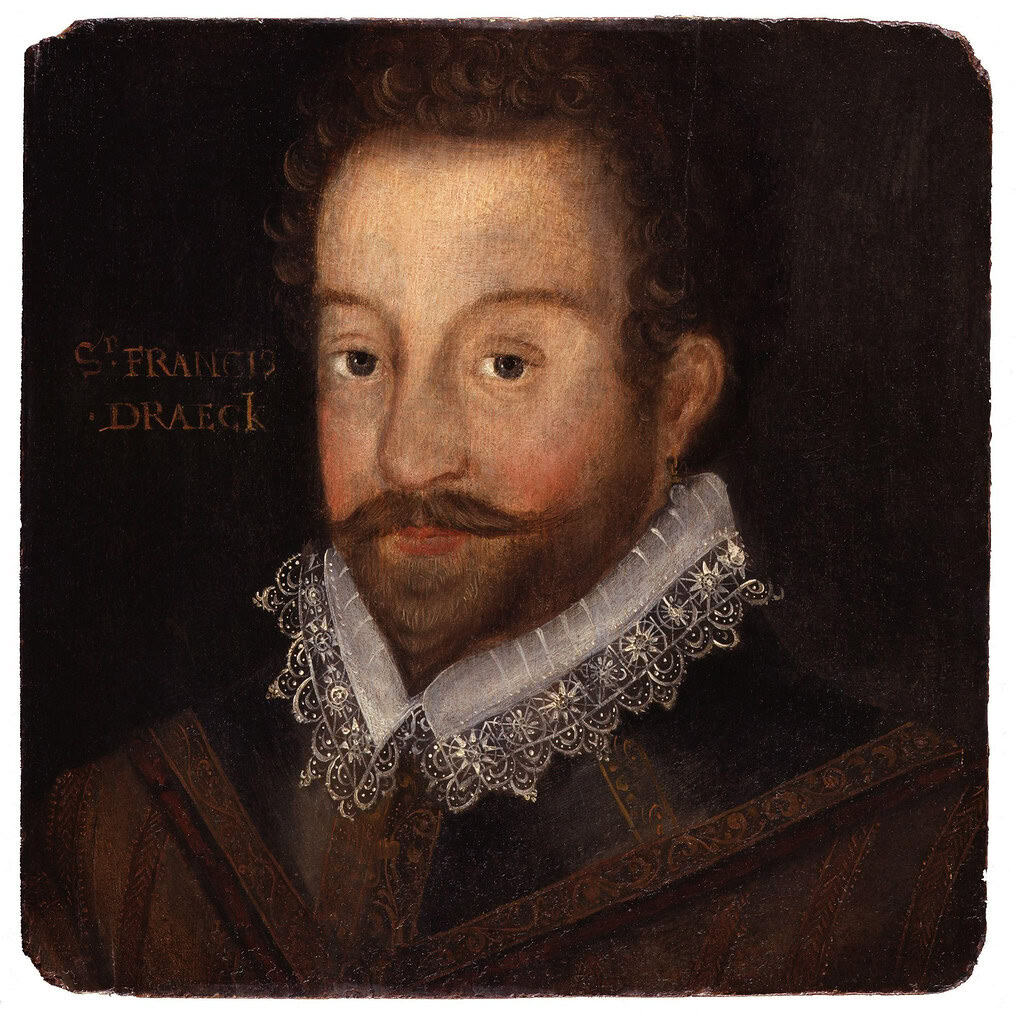
Francis Drake Was England's Hero and Spain's Pirate
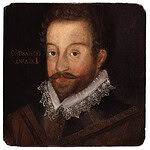
Whether Francis Drake was a pirate depends heavily on which flag you were standing under. Queen Elizabeth I sanctioned his attacks on Spanish ships and settlements, making him an English privateer. To Spain, that distinction was understandably meaningless.
Between 1577 and 1580, Drake became the first Englishman to circumnavigate the globe, raiding Spanish targets along the way. He later served as a vice-admiral during England's defense against the Spanish Armada in 1588. Drake's story also has a much darker side that popular retellings sometimes skip: earlier in his career, he participated with his cousin John Hawkins in English slave-trading voyages to West Africa and the Americas.
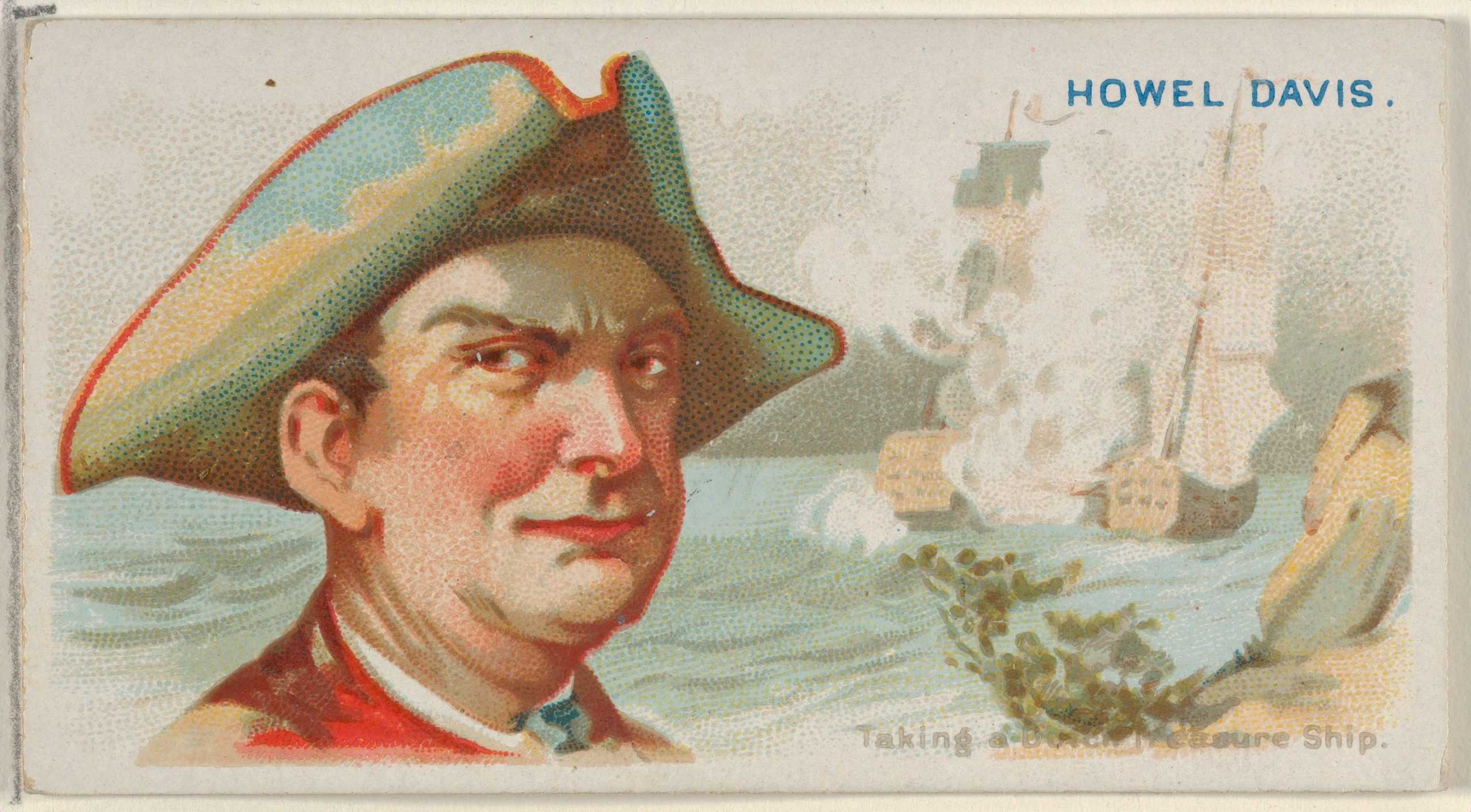
Howell Davis Packed an Entire Pirate Career Into 11 Months
Howell Davis did not need years to make an impression. The Welsh pirate's documented career lasted only about 11 months, from 1718 until his death in June 1719.
During that short stretch, Davis captured about 15 known British and French vessels while operating from the Caribbean to West Africa. His career ended on the island of Príncipe, where officials realized he was planning a deception and ambushed him. One member of Davis' crew would go on to become considerably more famous: Bartholomew Roberts was chosen to replace him.
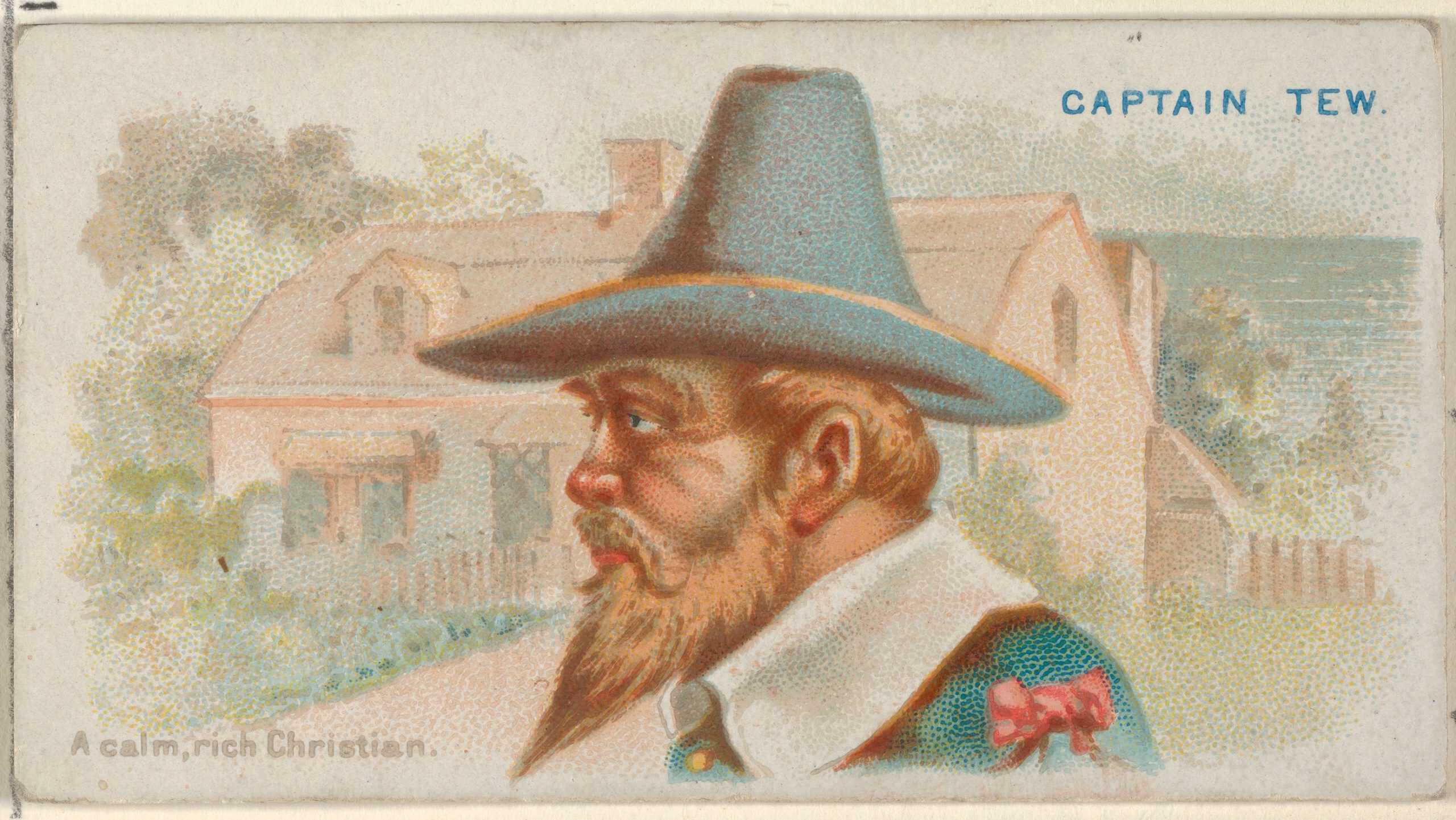
Thomas Tew Helped Popularize the Pirate Round
Thomas Tew began with a privateering commission but became far better known for sailing into the Indian Ocean in search of much richer prizes. His first major voyage took him toward the Red Sea, where his crew captured a valuable ship and returned with an impressive haul.
That success helped popularize the long route from the Atlantic around southern Africa and into the Indian Ocean that became known as the Pirate Round. Tew tried it again in 1695, joining other pirates hunting wealthy shipping near the Red Sea, but he was killed during an attack on a large vessel before he could repeat his earlier success.
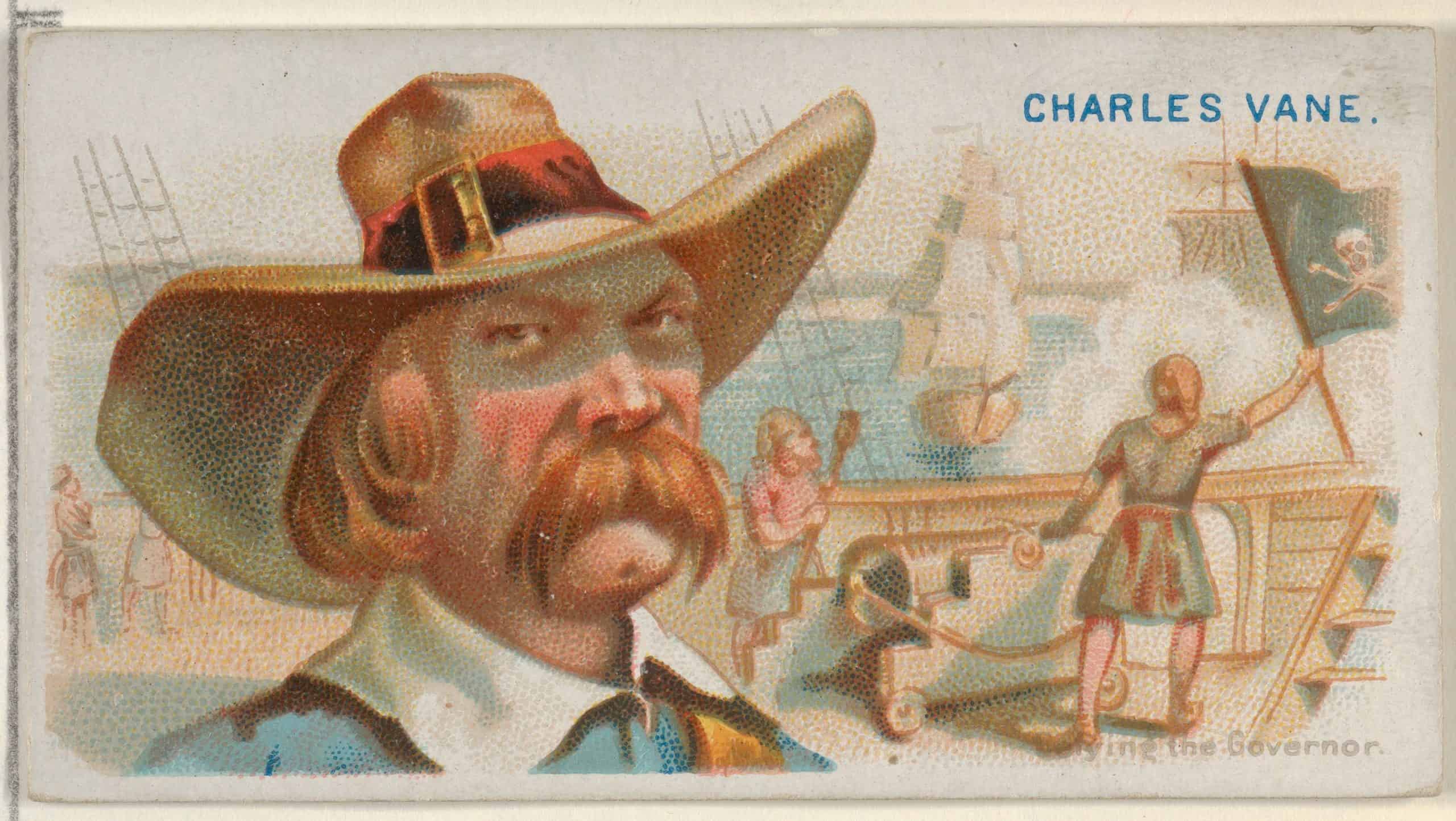
Charles Vane's Own Crew Finally Voted Him Out
Charles Vane became one of the better-known pirates operating out of Nassau during the final years of the Golden Age of Piracy. Accounts from captured sailors also gave him a reputation for treating prisoners brutally.
His downfall started when his crew wanted to attack a powerful French vessel and Vane decided the target was too dangerous. The crew considered that cowardice and voted him out as captain in 1718, replacing him with John "Calico Jack" Rackham. Vane continued pirating with a smaller crew until a shipwreck eventually led to his capture. He was hanged in Jamaica in 1721.
François Le Clerc Was a Real Peg-Legged Privateer
The wooden-legged pirate did not come entirely from fiction. François Le Clerc, a French privateer nicknamed Jambe de Bois, or "Wooden Leg," lost a leg while fighting the English around Guernsey in 1549.
Instead of retiring, Le Clerc continued operating against Spanish targets and became a major privateering commander. His career predates the classic Golden Age pirates by well over a century, making him one of the historical figures who helped create an image later pirate stories would turn into a stereotype.
Edward England Was Overthrown for Showing Mercy
Edward England was an Irish pirate who operated around Africa and the Indian Ocean during the early 1700s. Among the vessels associated with him were the Pearl, which he renamed Royal James, and later the much larger Fancy.
England developed a reputation for being comparatively merciful toward prisoners, and that actually helped cost him his command. After a fierce battle with the merchant ship Cassandra, England spared members of the defeated crew. His own men objected, mutinied and marooned their captain. Pirate democracy could be every bit as unforgiving as pirate violence.
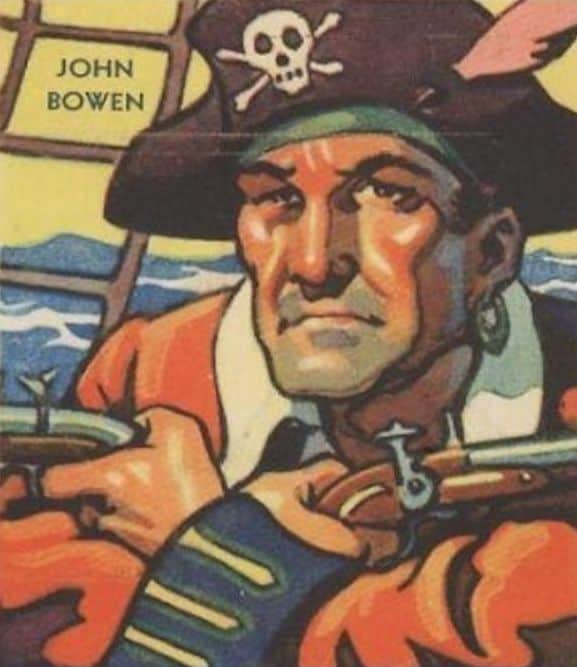
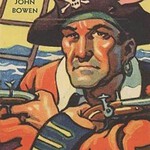
John Bowen Found His Biggest Prizes in the Indian Ocean
John Bowen spent much of his pirate career far from the Caribbean, hunting valuable commercial traffic around Madagascar, the Red Sea and the Indian Ocean in the opening years of the 18th century.
Bowen helped capture several valuable ships and eventually commanded vessels of his own. His ship Speaker was wrecked near Mauritius, but Bowen survived and continued pirating with other captured vessels. He eventually tried to retire, only to die from illness in 1704 before he could enjoy much of that retirement.
Samuel Burgess Moved Between Piracy, Trade and the Slave Economy
Samuel Burgess had one of the more complicated careers on this list. After spending time among pirates, he arrived in New York in the 1690s and began working for wealthy merchant Frederick Philipse.
Those Madagascar voyages were not simply ordinary trading runs. Historical records connect the network with supplying pirates while bringing valuable goods and enslaved Africans back to New York. Museum research credits Burgess with captaining profitable voyages for Philipse and transporting hundreds of enslaved people. His story is a reminder that piracy, colonial commerce and the slave trade sometimes overlapped much more closely than the romantic version of pirate history suggests.
John Halsey Started With a Legal Commission
Boston-born John Halsey initially went to sea as a privateer during Queen Anne's War, carrying government authority to attack enemy shipping. When that commission expired, the line between legal privateering and piracy disappeared pretty quickly.
Halsey moved into the Indian Ocean and Red Sea, where his crew targeted merchant shipping and eventually captured valuable prizes. Contemporary accounts remembered him as unusually courteous toward prisoners compared with many of his peers. His career ended not on the gallows but in Madagascar, where he died of fever in 1708.
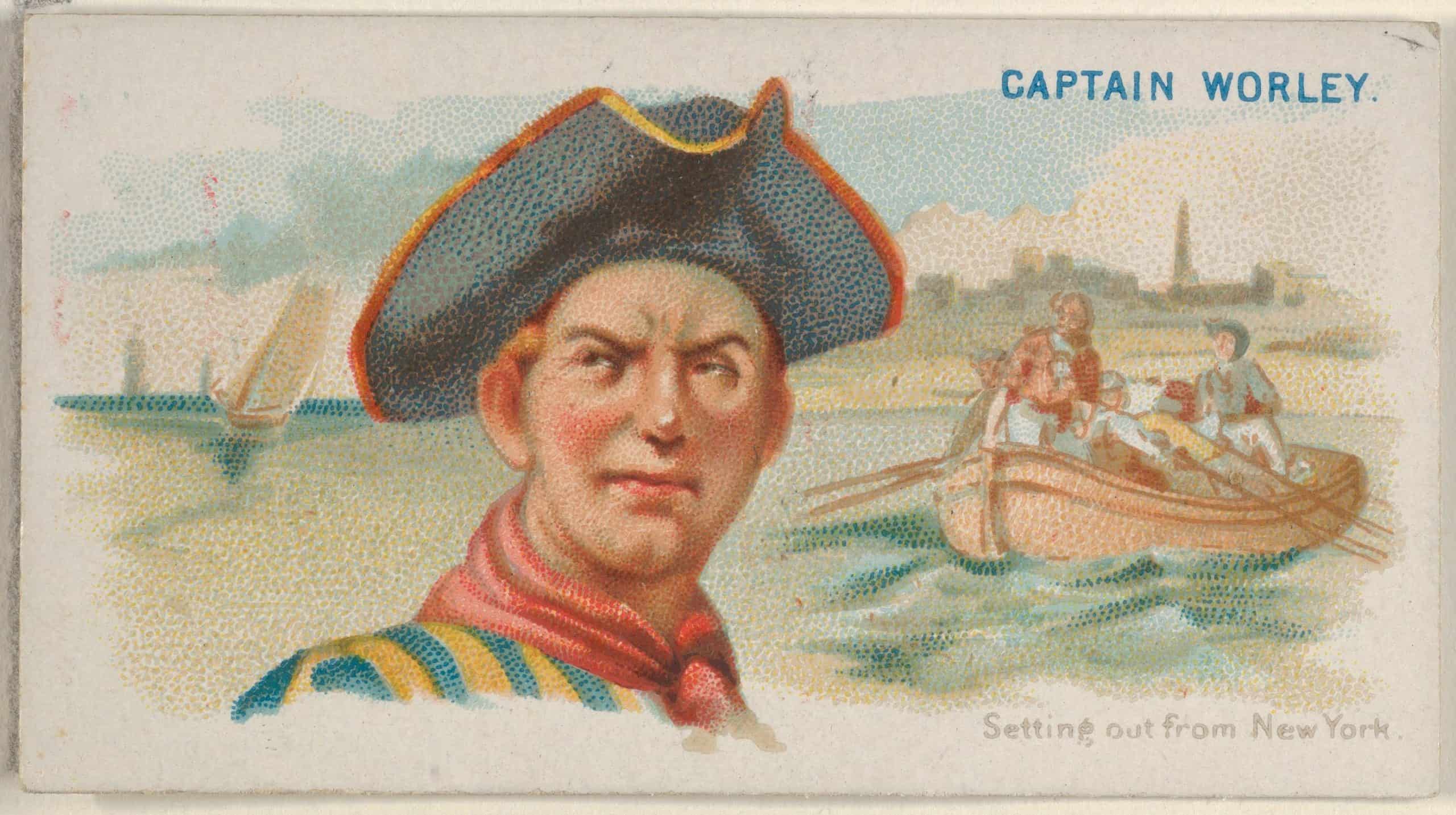
Richard Worley's Pirate Career Was Short and Chaotic
Richard Worley entered the historical record with a tiny crew, reportedly leaving New York with only eight men in 1718. From there, his group attacked vessels along the East Coast of the American colonies and expanded as the crew captured additional ships.
Worley's career barely had time to develop. Colonial authorities organized armed vessels against him, leading to a violent confrontation in which most of his crew was killed. Historical accounts differ on some details of his final battle, but Worley was either killed in the fighting or mortally wounded, captured and executed shortly afterward.
Thomas White's Story Shows How Messy Pirate History Can Be
Thomas White is much less famous than Blackbeard or Roberts, and the surviving accounts of his career do not always agree. He appears to have begun as a legitimate sailor before his ship was captured by French pirates near West Africa around the end of the 17th century.
White eventually became involved with pirate crews in the Indian Ocean and sailed with figures including John Bowen, Thomas Howard and Nathaniel North. He later participated in raids around the Red Sea and Indian Ocean before settling in Madagascar, where he died in 1708. His complicated path from captive to pirate is much more interesting than attaching an unverifiable modern-dollar fortune to his name.