Heleno Viero/Shutterstock
Heleno Viero/Shutterstock
Alexander Prokopenko / Shutterstock.com
Maksym Fesenko/shutterstock
Heleno Viero/Shutterstock
luckyraccoon/Shutterstock
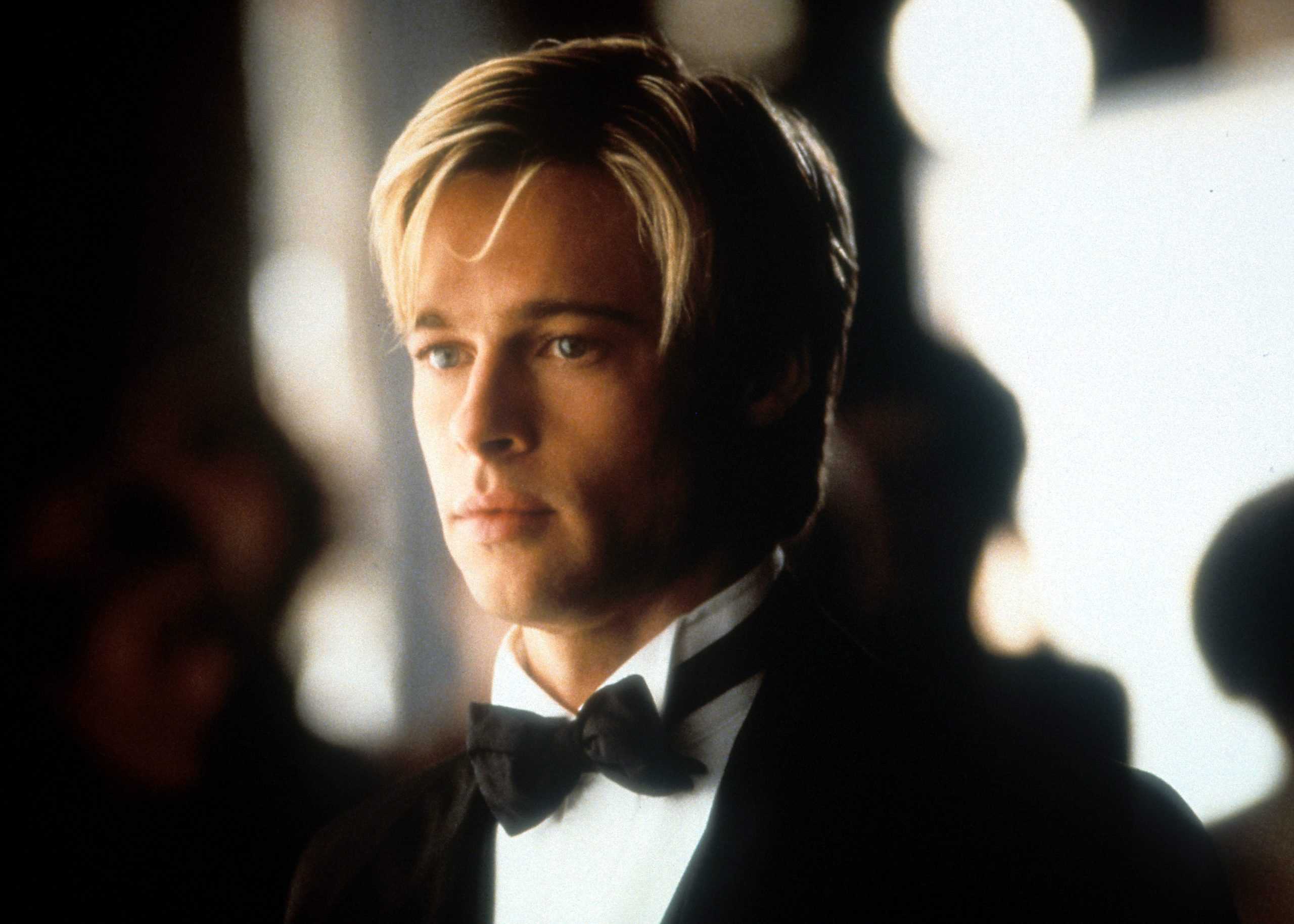
Photo by Universal/Getty Images
Wirestock Creators / Shutterstock.com
5PH/Shutterstock
Fred Duval / Shutterstock.com
Cavan-Images/Shutterstock
Marian Weyo/Shutterstock
Maksym Fesenko/Shutterstock
SergeyIT / Getty Images
qoppi/Shutterstock
Brent Hofacker / Shutterstock.com


15 Things Every Old Fashioned Drinker Should Know
The Old Fashioned is about as close as cocktails get to a living fossil. Whiskey, sugar, bitters, water, and ice do most of the work, yet that deceptively simple formula has survived more than two centuries of changing tastes, bartending trends, and increasingly elaborate drink menus.
Its history is also messier than some of the popular origin stories suggest. The basic formula dates to the earliest documented definition of a cocktail in 1806, long before anyone called it an Old Fashioned. Louisville later became deeply associated with the drink, Wisconsin built an entire brandy-soaked culture around its own version, and bartenders around the world have spent generations arguing about everything from rye versus bourbon to whether fruit belongs anywhere near the glass.
To separate cocktail history from barroom mythology, 24/7 Tempo reviewed sources including the International Bartenders Association, Smithsonian, Drinks International, Louisville Tourism, Wisconsin government records, and modern cocktail authorities. Here are 15 things worth knowing before your next Old Fashioned.
The Old Fashioned Did Not Originate in 1690
Richard Stoughton, a London apothecary, did begin selling an influential herbal bitters preparation around 1690. That makes Stoughton's Bitters important to cocktail history, but it does not mean someone was sipping an Old Fashioned in a London tavern that year. The drink came much later.
The better starting point is 1806, when a newspaper in Hudson, New York, defined a “cocktail” as a mixture of spirits, sugar, water, and bitters. Sound familiar? That basic formula is essentially the blueprint for what became the Old Fashioned. By the late 19th century, bartenders were making increasingly elaborate cocktails, and customers who wanted the simpler original style began asking for drinks made the “old-fashioned” way. References to old-fashioned cocktails appeared in print by 1880.
That timeline also complicates the famous story that the drink was invented at Louisville's Pendennis Club. The club did not open until 1881, after the phrase was already appearing in print. Louisville remains an important part of the cocktail's story, but its claim as the literal birthplace is better treated as tradition than settled history.
The Classic Recipe Is Almost Ridiculously Simple
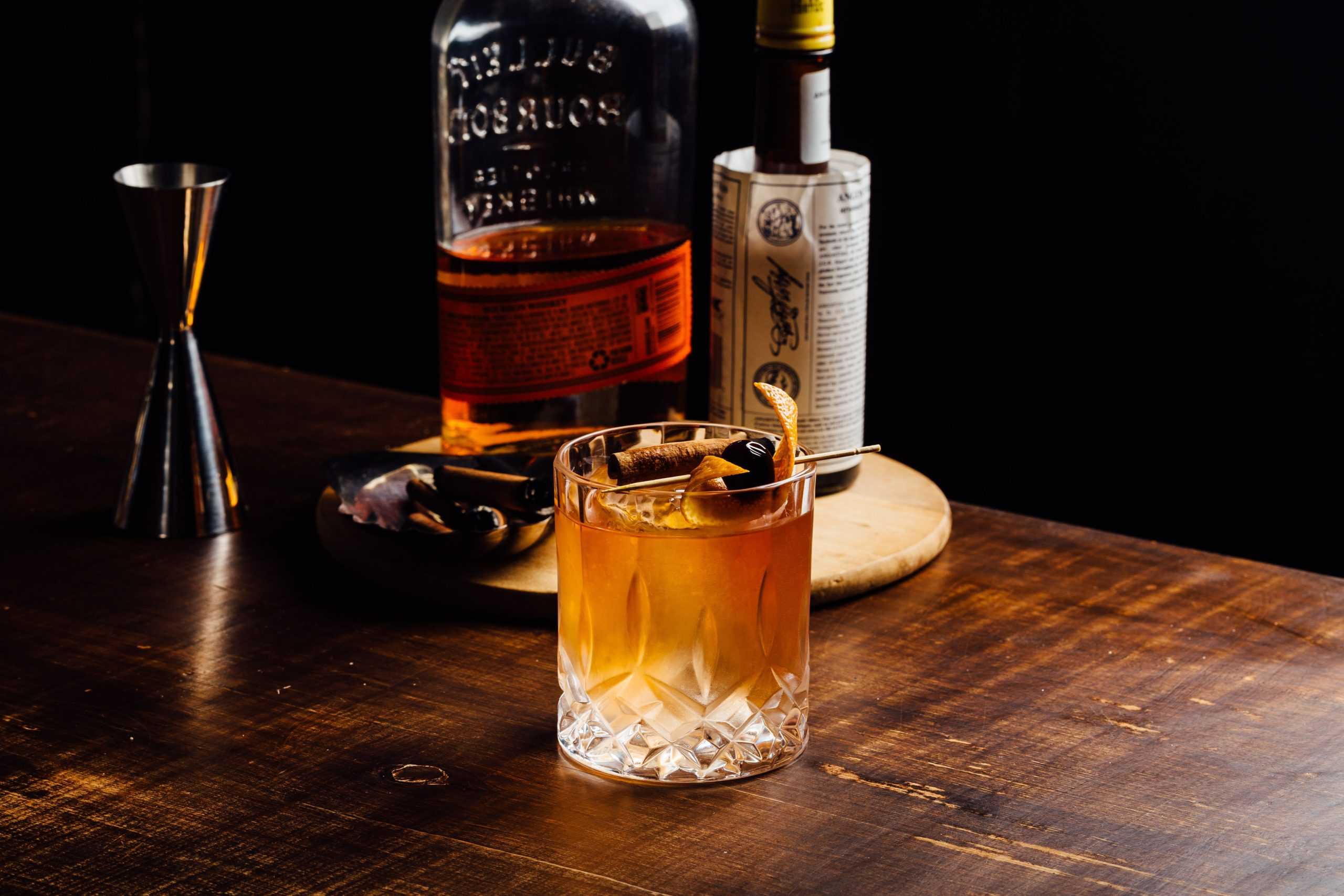
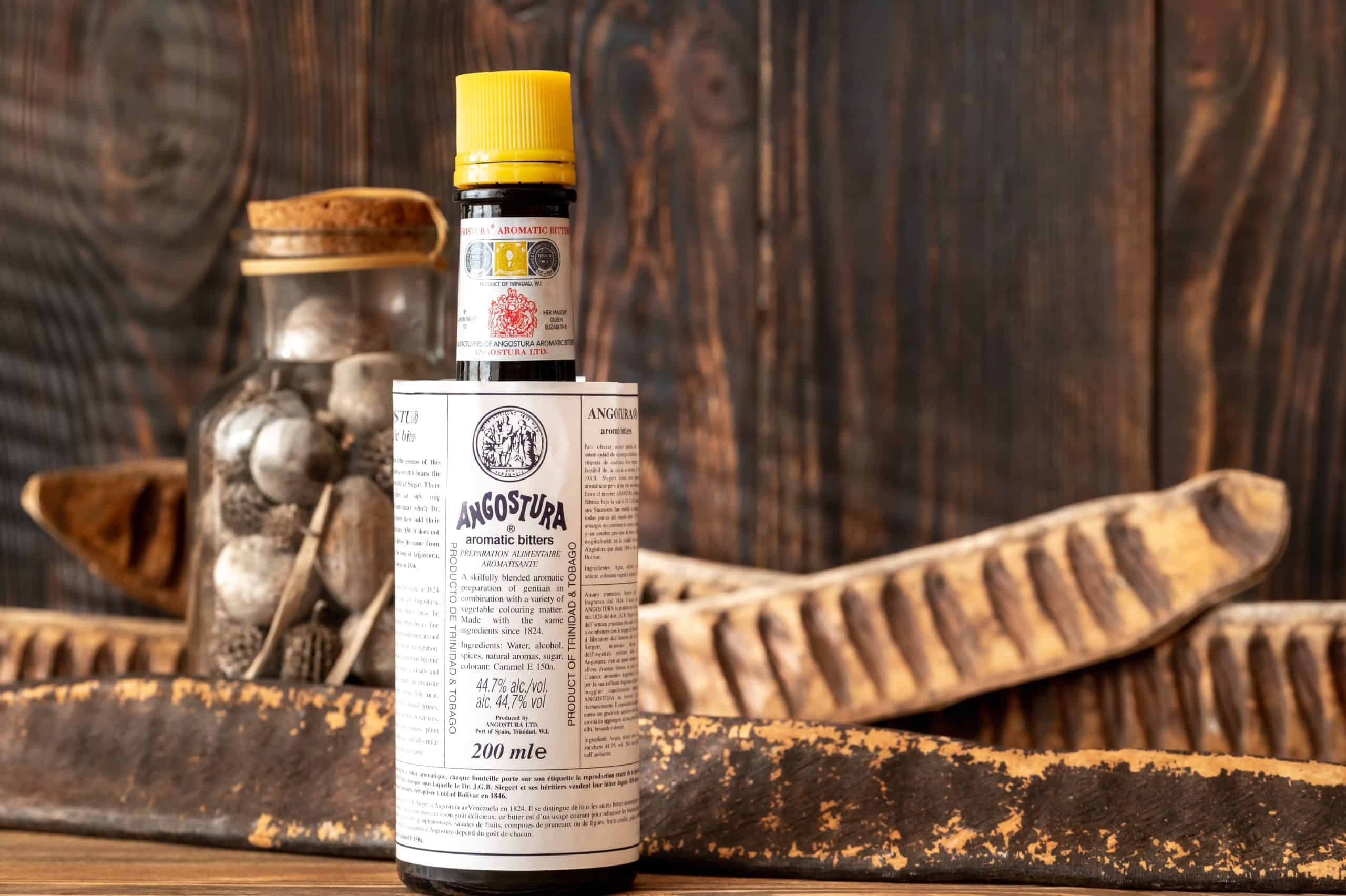
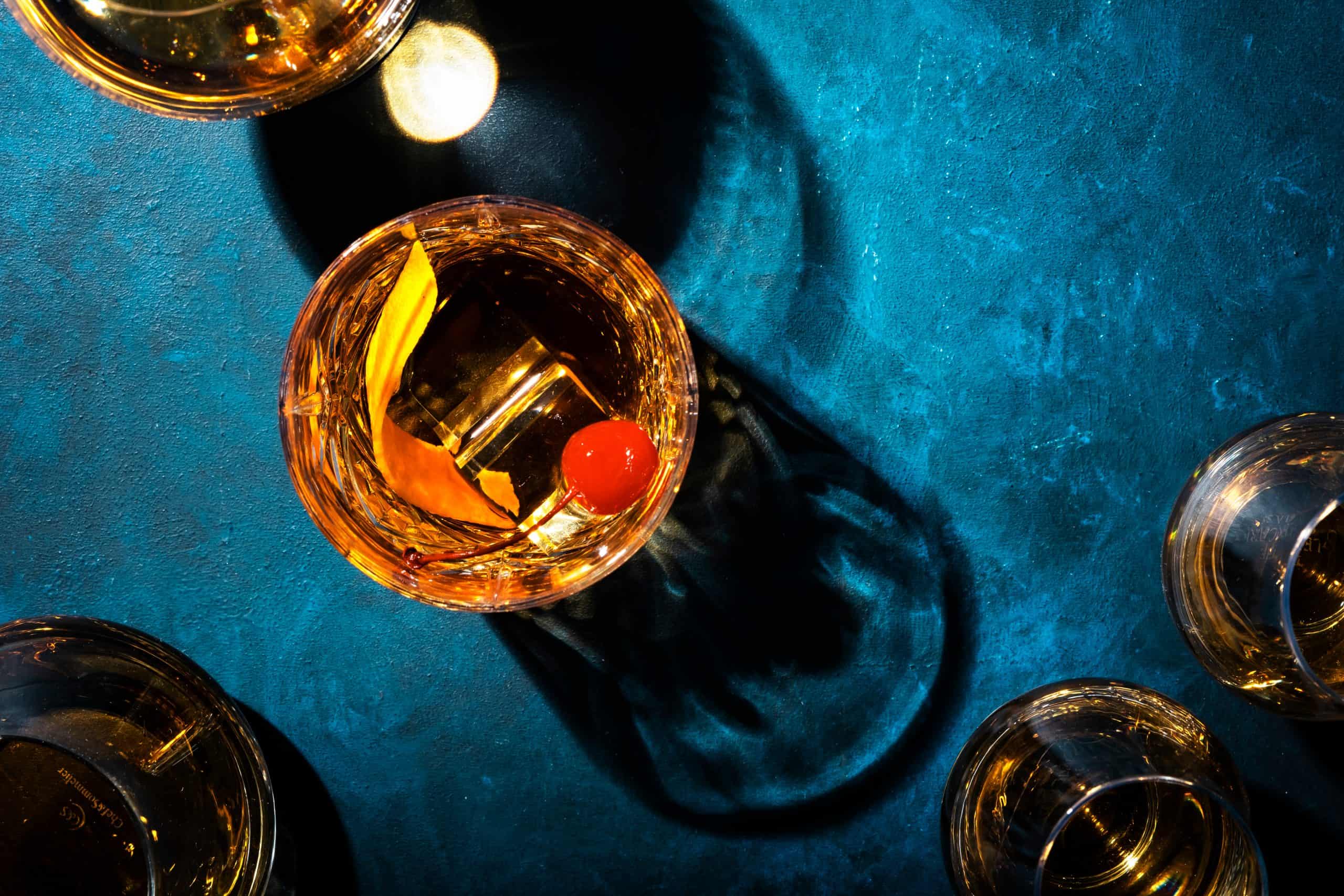
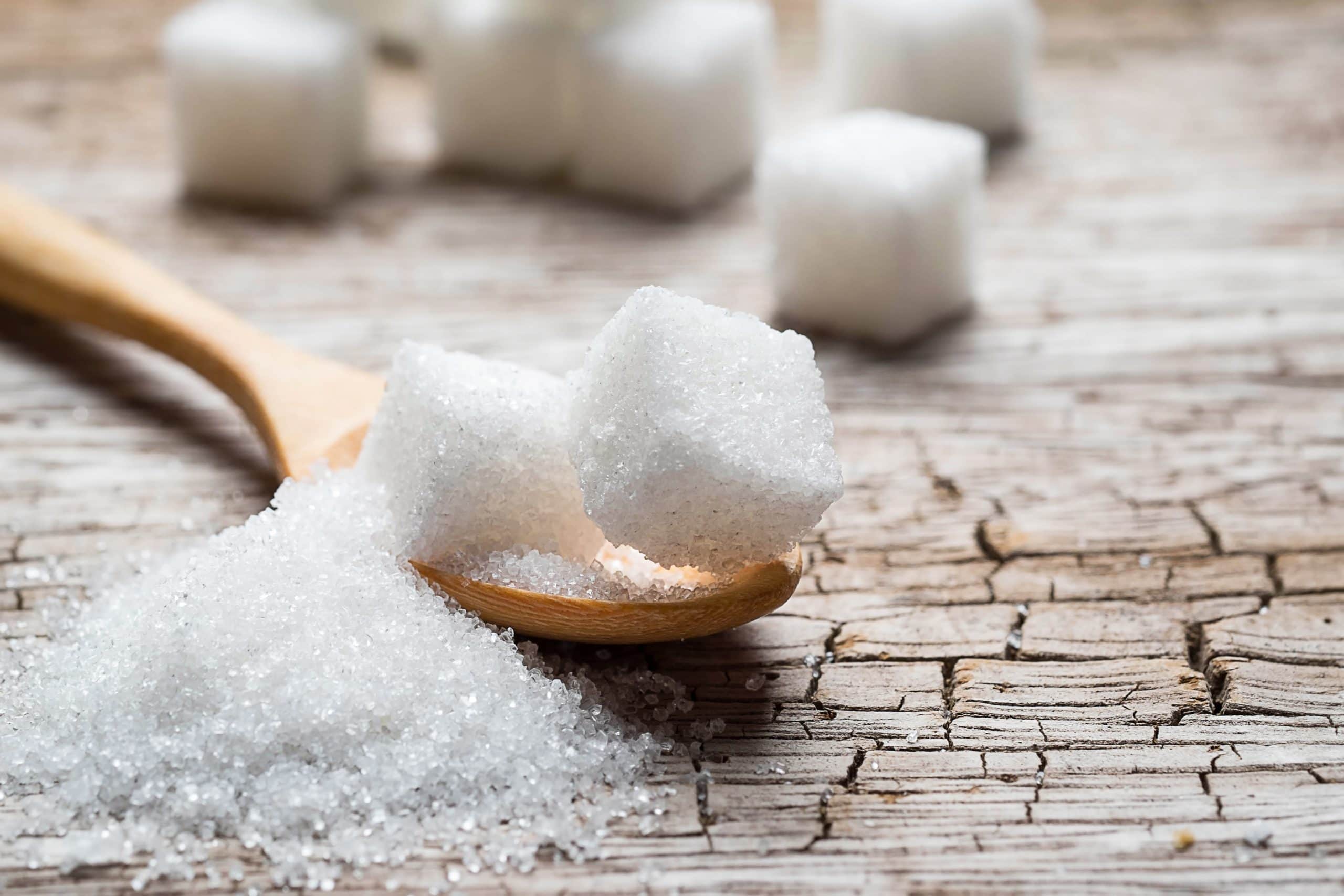
An Old Fashioned does not need half the bottles behind the bar. The International Bartenders Association's official recipe calls for bourbon or rye whiskey, one sugar cube, a few dashes of Angostura bitters, a few dashes of plain water, and ice.
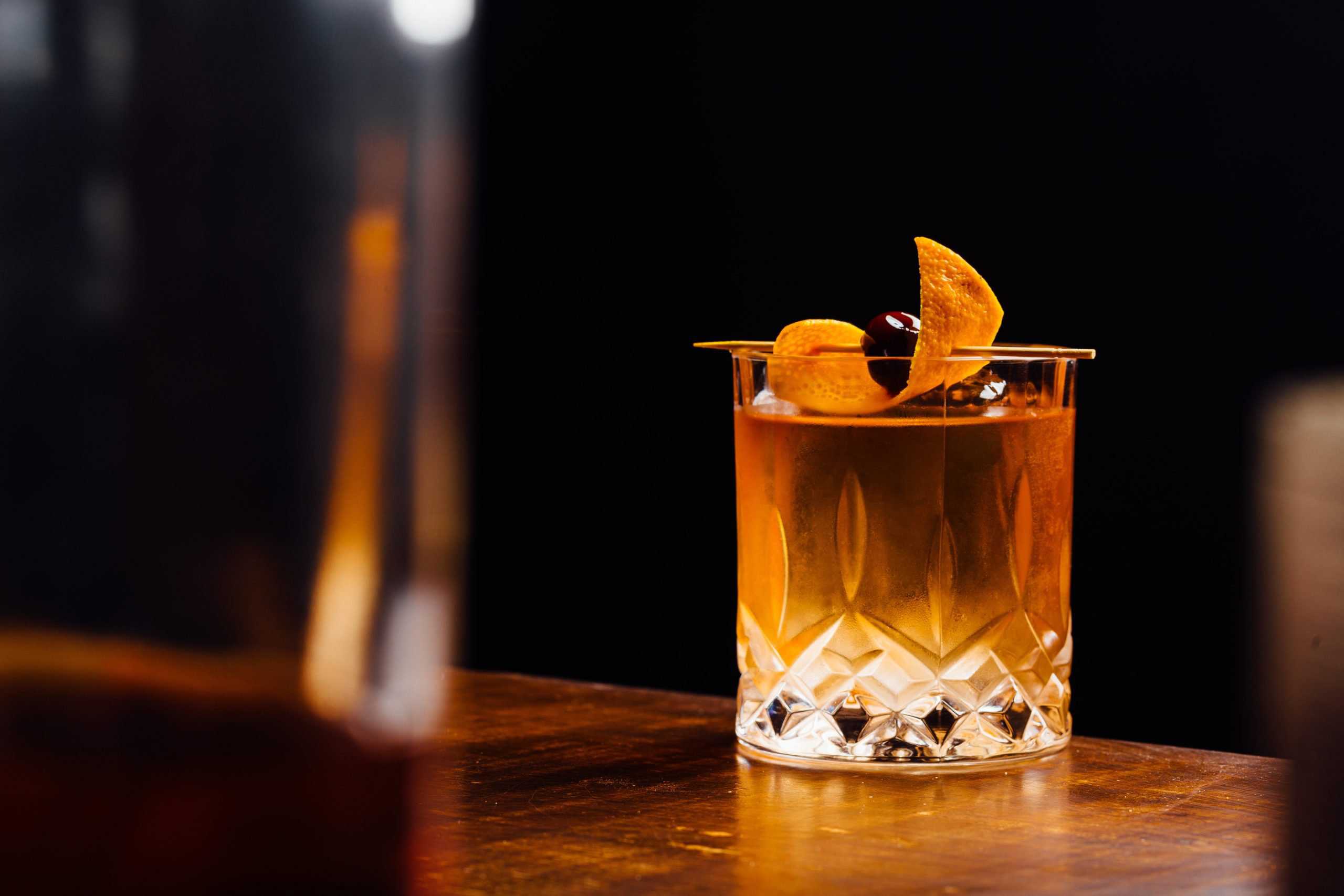
The sugar is saturated with bitters and water, muddled until dissolved, then joined by ice and whiskey. The drink is stirred gently and finished with orange zest or an orange slice and a cocktail cherry. That's basically it.
Modern bartenders frequently swap simple syrup for the sugar cube, play with different bitters, or use alternative sweeteners. None of that changes why the drink has lasted. The Old Fashioned is less about piling on ingredients and more about getting a few of them into balance.
An Old Fashioned Is Traditionally Served Over Ice
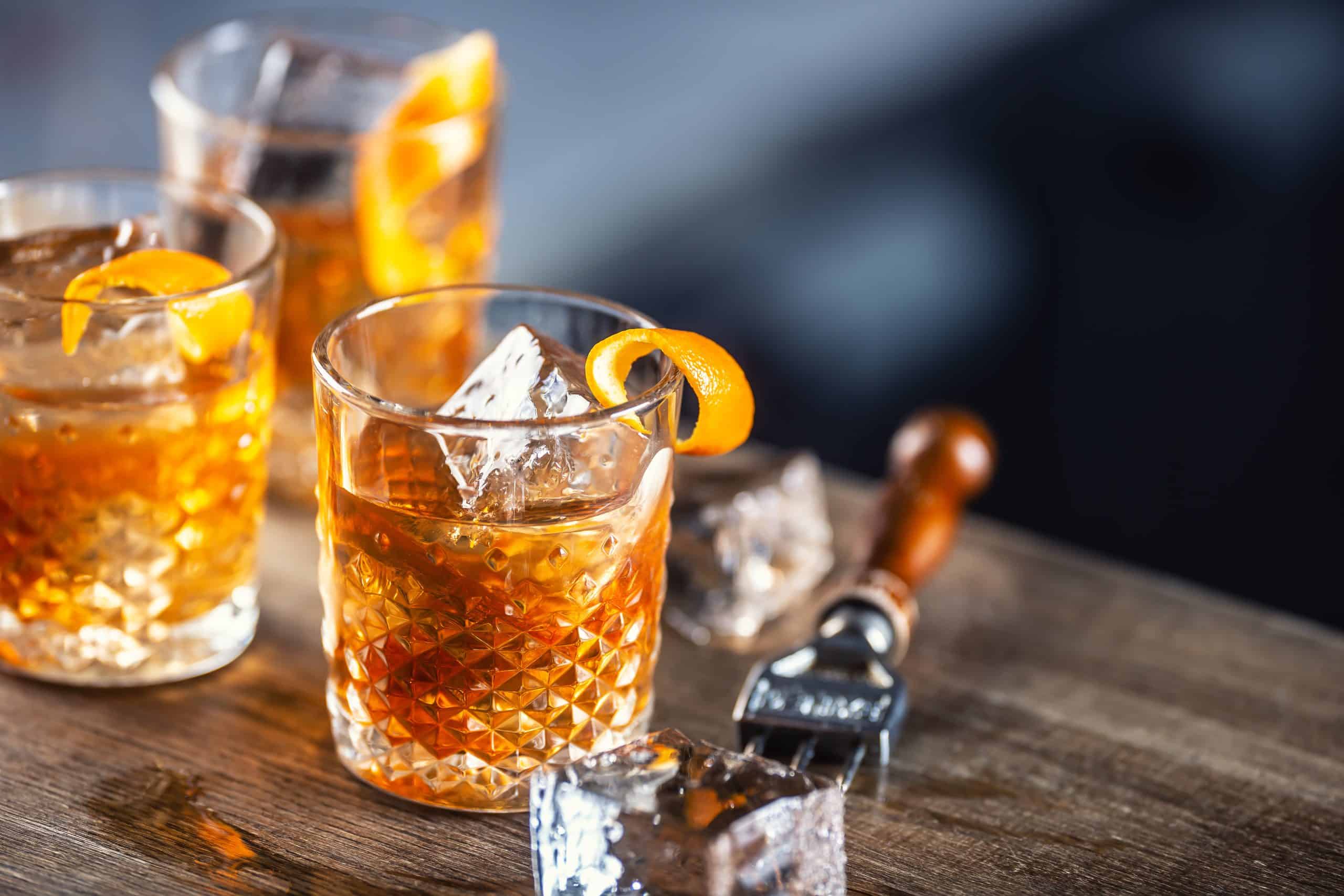
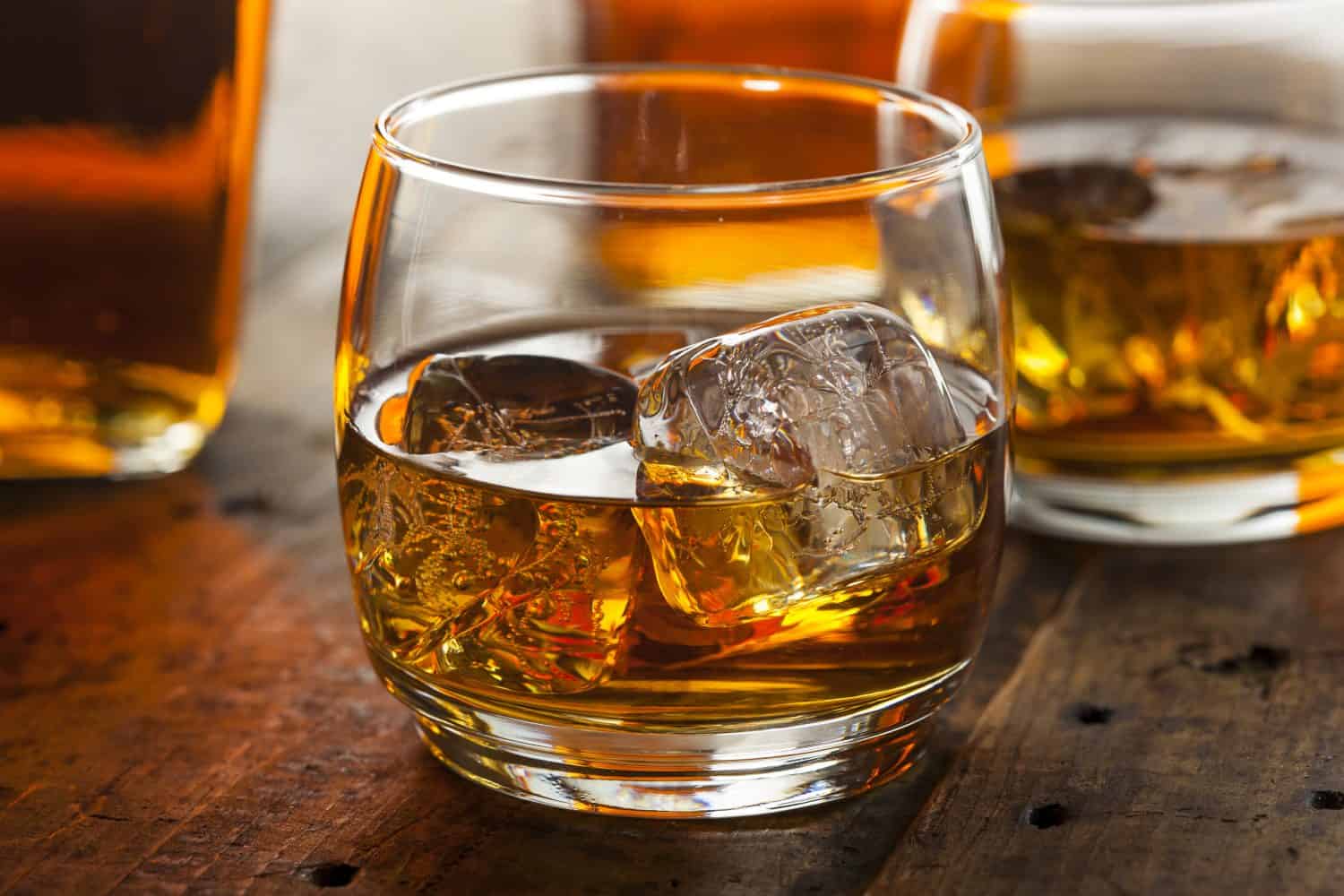
Order an Old Fashioned at a cocktail bar and you should normally expect it over ice in a short rocks glass, which is also commonly called an old-fashioned glass. The International Bartenders Association specifically calls for filling the glass with ice before adding the whiskey.
That ice is not just there to make the drink cold. A little dilution is part of the cocktail. As the whiskey, sugar, bitters, and water chill together, the alcohol's sharper edges soften and the flavors open up.
That does not mean you need to race the ice cube to the bottom of the glass. Good ice is supposed to melt gradually. The goal is controlled dilution, not a completely undiluted whiskey drink followed five minutes later by bourbon-flavored water.
About 150 Calories Is Possible, but It Is Not a Fixed Number
You will often see an Old Fashioned listed at roughly 150 calories, and that is reasonable for a restrained version made with approximately two ounces of 80-proof whiskey and a small amount of sugar. It is not a universal number, though.
MedlinePlus lists 1.5 ounces of 80-proof whiskey at about 97 calories. Scale that to a two-ounce pour and the whiskey alone lands around 129 calories. Add roughly a teaspoon of sugar and you are in the neighborhood of the familiar 145-to-150-calorie estimate before any larger syrup pour, sweet garnish, or higher-proof whiskey enters the picture.
That is also why comparisons claiming every margarita contains 700-plus calories or every Long Island Iced Tea contains nearly 800 are misleading. Cocktail calories can vary dramatically with serving size and recipe. An Old Fashioned is relatively simple, but simple does not mean calorie-free.
Wisconsin Made the Brandy Old Fashioned Its Own
Spend enough time in Wisconsin and ordering an Old Fashioned may get you something noticeably different from the whiskey version served elsewhere. The Wisconsin Brandy Old Fashioned swaps bourbon or rye for brandy and commonly adds muddled fruit along with a topper such as lemon-lime soda, club soda, or a sour mix.
The drink is so closely tied to Wisconsin that lawmakers pursued a resolution declaring it the state cocktail in 2023. The designation did not become a statutory state symbol, and Gov. Tony Evers' office still described the Brandy Old Fashioned as Wisconsin's unofficial state cocktail in a 2025 proclamation.
Unofficial or not, few regional cocktails are more closely tied to one state. In Wisconsin supper clubs, asking for an Old Fashioned often raises an entirely different question: sweet, sour, or press?
Maple Syrup Has Become a Popular Old Fashioned Twist
White sugar may be traditional, but the Old Fashioned's tiny ingredient list makes it unusually easy to customize. Maple syrup is one of the more natural substitutions because it replaces the sweetener without turning the drink into an entirely different cocktail.
There is even a Brad Pitt connection floating around. Templeton Mercantile in California, which says its vintage cocktail trailer was used during production of Once Upon a Time in Hollywood, promotes a Pitt-linked Old Fashioned made with maple syrup and orange zest. That is a venue's account rather than a direct quote from Pitt, so it is better treated as a Hollywood cocktail anecdote than some sacred celebrity recipe.
Either way, maple works. It brings a deeper caramel-like sweetness than plain sugar and pairs naturally with bourbon's vanilla and oak notes.
The Old Fashioned Is Louisville's Official Cocktail
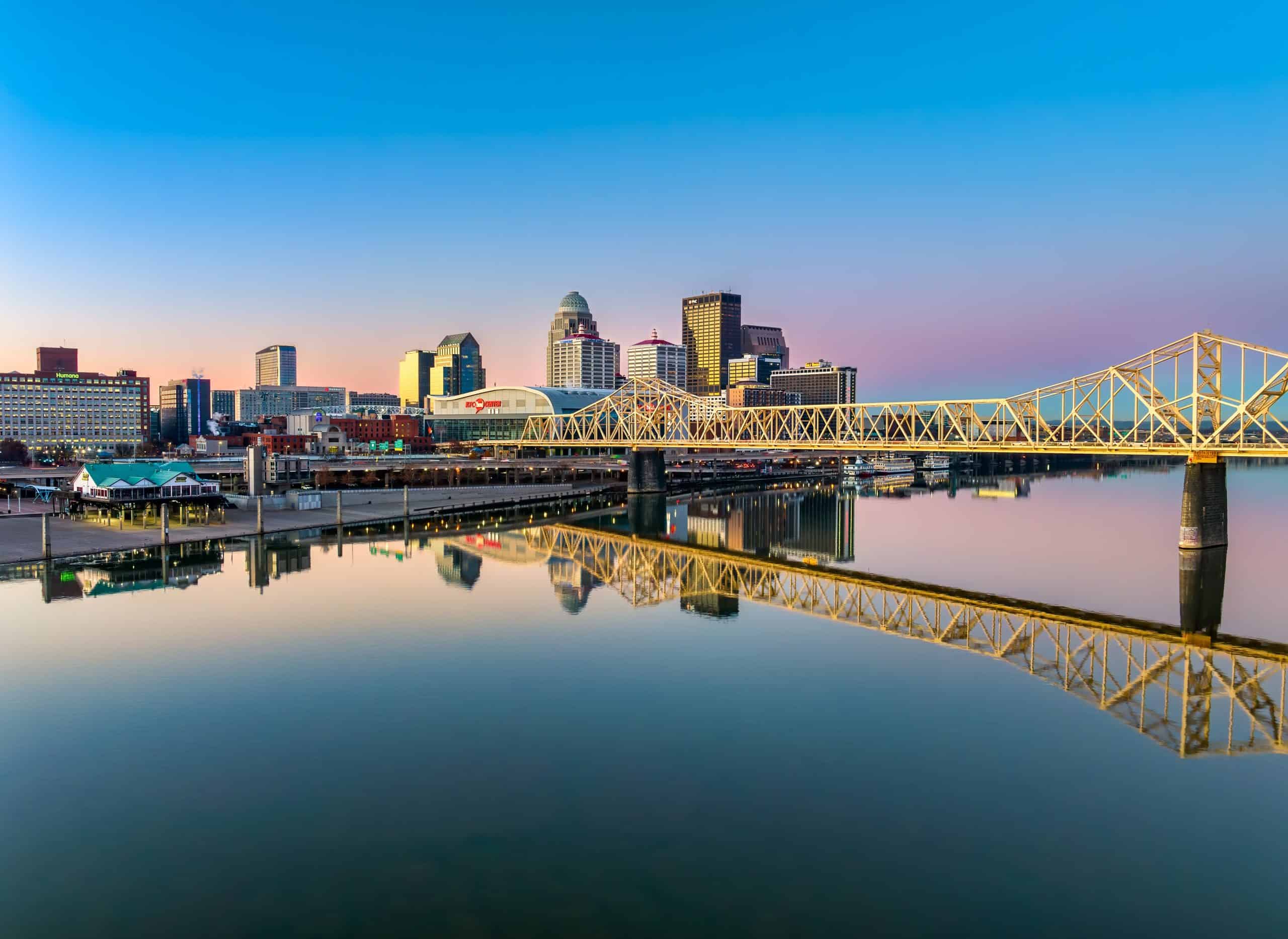
Whatever you make of Louisville's claim to inventing the Old Fashioned, the city has unquestionably adopted the drink as its own. In 2015, then-Mayor Greg Fischer proclaimed the Old Fashioned Louisville's official cocktail.
The designation is still actively celebrated. Louisville Tourism holds Old Fashioned Fortnight each June, running from June 1 through June 14 with cocktail specials, tastings, classes, and other bourbon-focused events around the city.
The local Pendennis Club origin story remains central to Louisville's version of the drink's history even though earlier printed references complicate the invention claim. Call it cocktail history, hometown mythology, or a little of both. Louisville is not giving the drink back.
June 14 Is Widely Celebrated as National Old Fashioned Day
June 14 shows up across bars, whiskey brands, event calendars, and cocktail publications as National Old Fashioned Day. It is an informal food-and-drink observance rather than a federal holiday, so you can probably hold off on expecting the banks to close.
The date also overlaps neatly with National Bourbon Day. Louisville uses June 14 as the finale of its annual Old Fashioned Fortnight, which begins on June 1, the anniversary of Kentucky's statehood.
For home bartenders, the celebration is considerably easier than most holidays. Whiskey, bitters, sugar, water, ice, and an orange are enough to participate without buying decorations you will regret storing for the next 11 months.
Pop Culture Helped Make the Old Fashioned Cool Again
The Old Fashioned spent decades appearing in movies, books, and television, but few fictional drinkers became more closely associated with it than Don Draper on Mad Men. The show's lavish use of midcentury cocktail culture arrived just as classic bartending was enjoying a real-world revival.
Eater has credited the association between Draper and his Old Fashioned with helping push the drink back into popular consciousness. The Smithsonian even holds cocktail glasses used by Jon Hamm as Draper in its National Museum of American History collection.
The drink had plenty of screen time before Mad Men, too. A memorable Old Fashioned scene appears in the 1963 comedy It's a Mad, Mad, Mad, Mad World. By the 2000s, though, the cocktail no longer felt like something trapped in your grandfather's liquor cabinet. It was fashionable again.
There Is a Reason Bars Love One Big Ice Cube
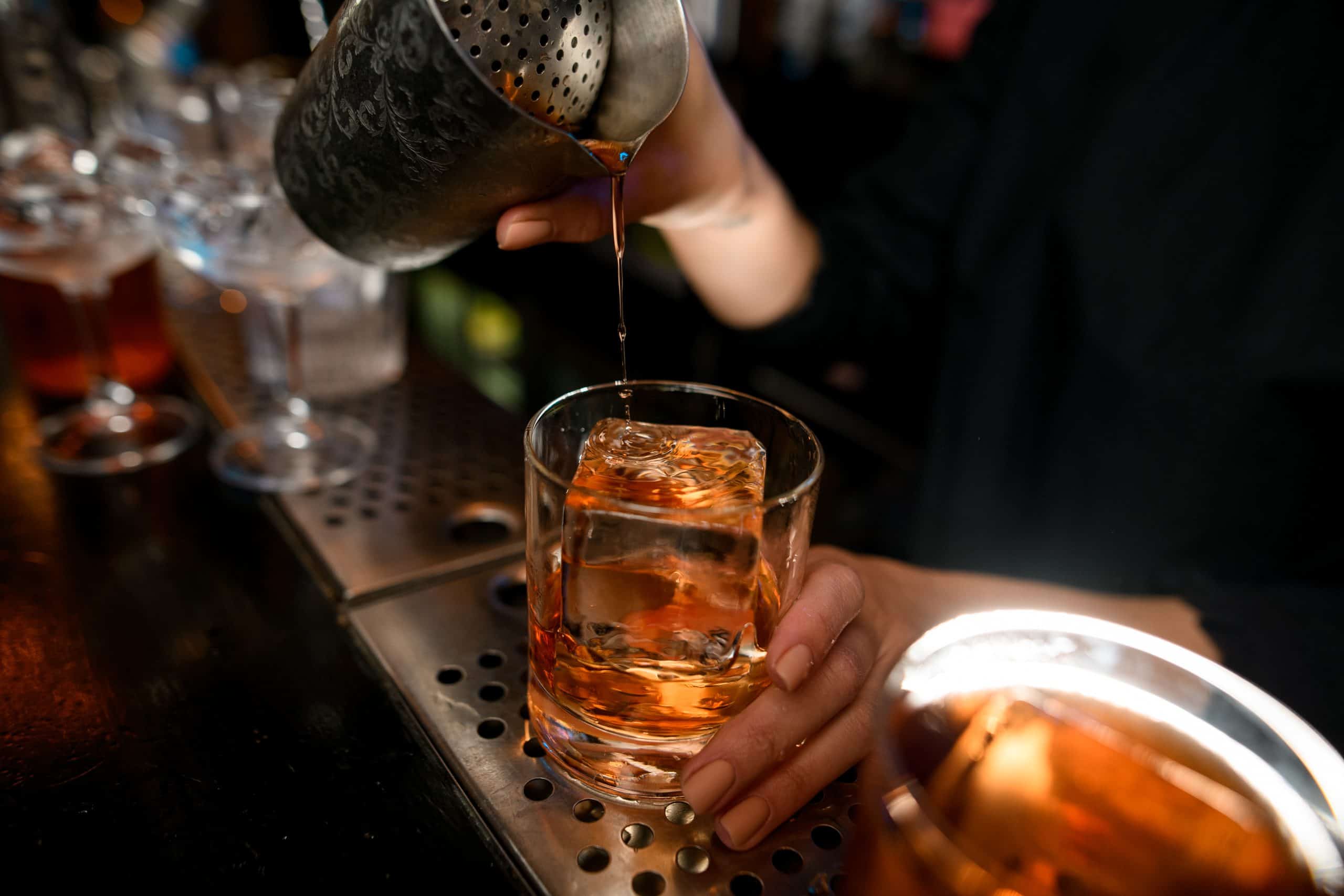
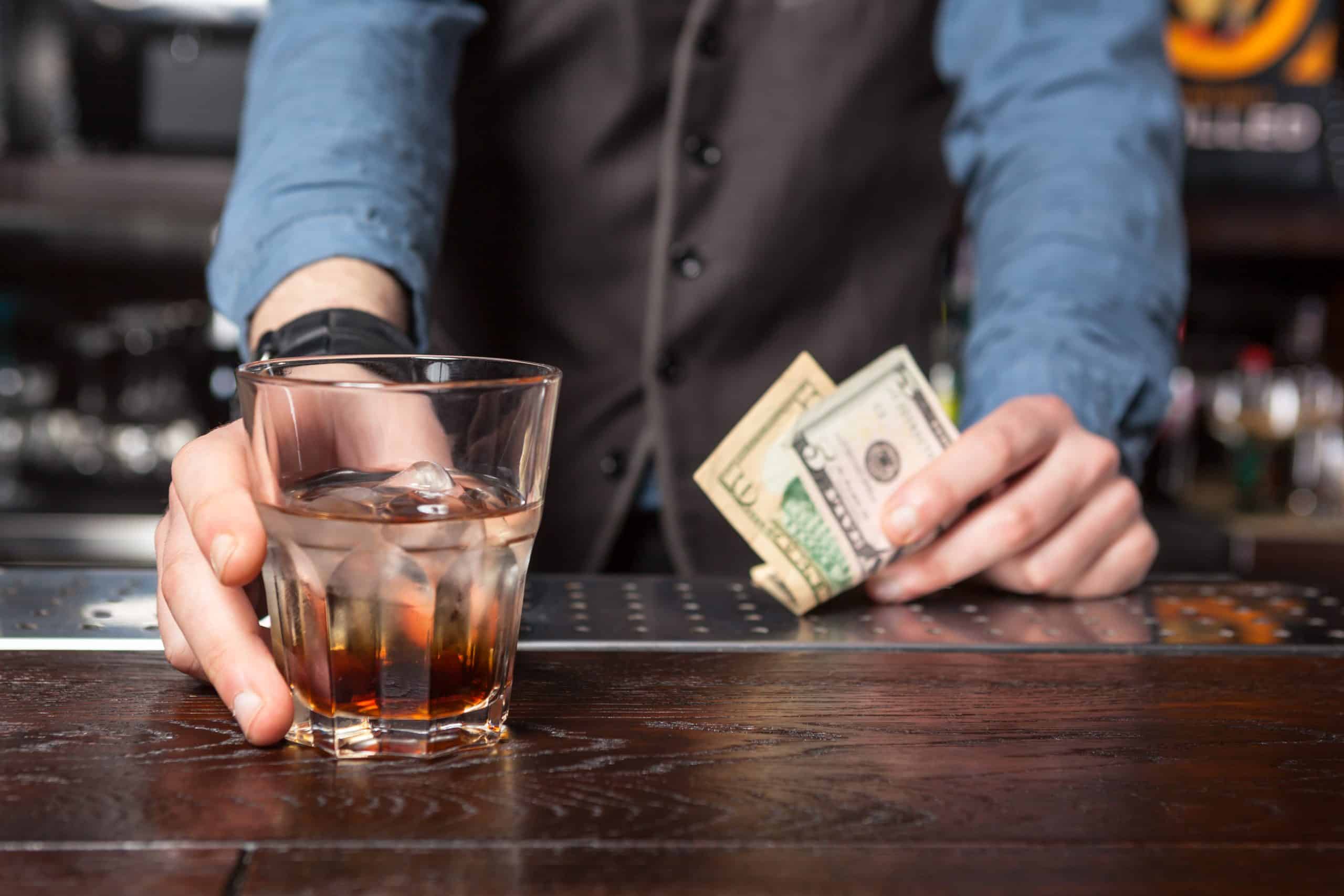
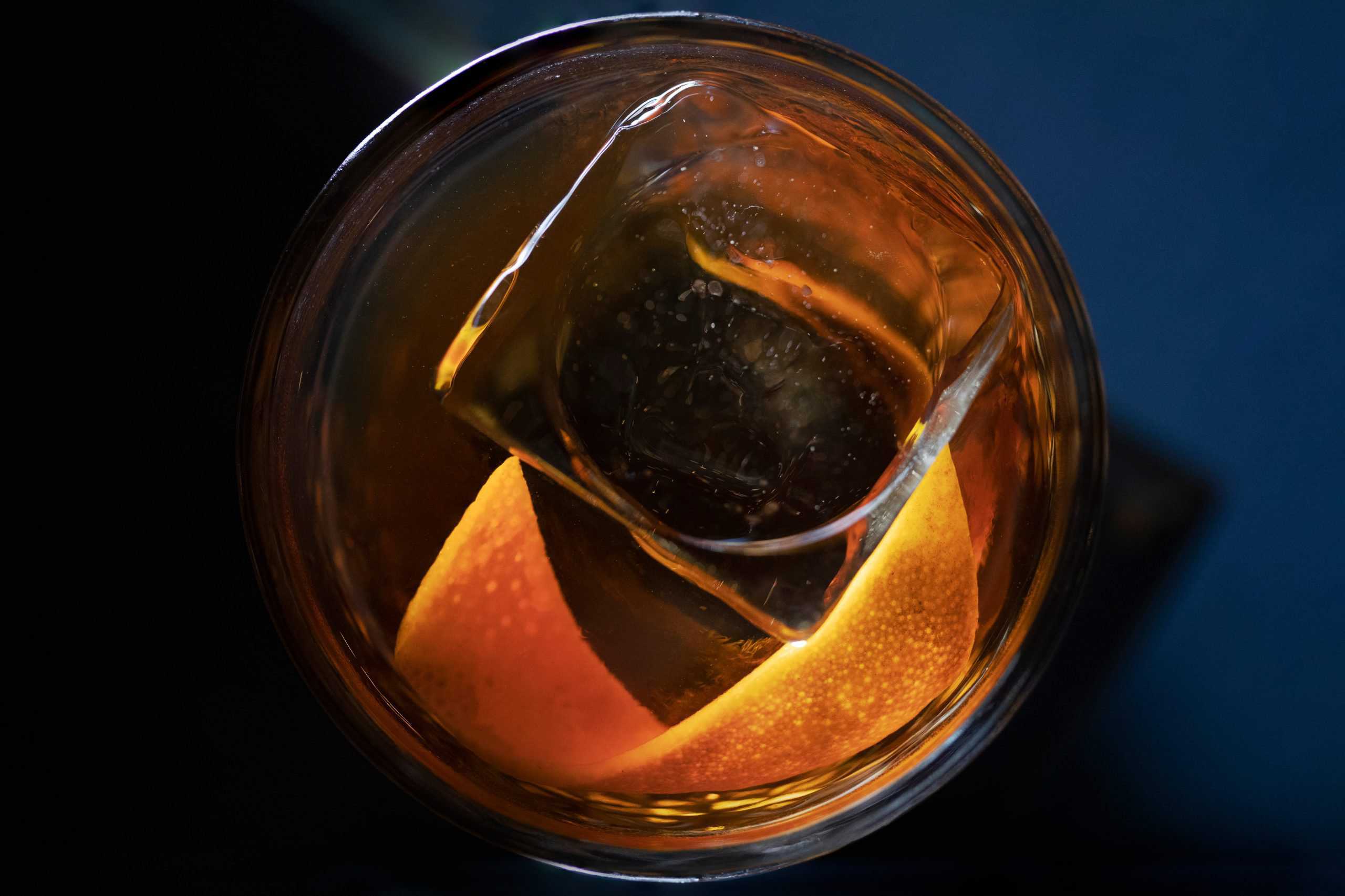
The oversized cube in an Old Fashioned is not there just so the bartender can charge you $18 and dim the lights. Large-format ice has a practical purpose.
A large cube has less surface area relative to its volume than the same amount of ice broken into smaller pieces. That generally means it melts more slowly, allowing the cocktail to remain cold while its dilution changes more gradually as you drink it.
Some dilution is still desirable. Water is part of the Old Fashioned's original formula, and melting ice helps soften a spirit-forward cocktail. The point of the giant cube is not to prevent melting altogether. It simply gives you more control over how quickly the drink changes in the glass.
The Old Fashioned Dominated Global Cocktail Rankings for Years
The Old Fashioned really did top a major cocktail survey in 2016, but the original story has one important detail wrong: this was not a poll of America's busiest bars.
Drinks International asked 100 of the world's leading bars to rank their bestselling classic cocktails. The Old Fashioned finished first in the 2016 ranking, ahead of the Negroni and Manhattan. It was part of a much longer run, too. According to the publication's 2026 review of more than a decade of data, the Old Fashioned held the top position from 2015 through 2021.
Tastes eventually shifted. The Negroni took over the lead, and the Old Fashioned fell to third place in the 2026 report. For a drink built around a formula recognizable from the early 1800s, third in the world is not exactly a bad retirement plan.
An Old Fashioned Should Usually Be Stirred, Not Shaken
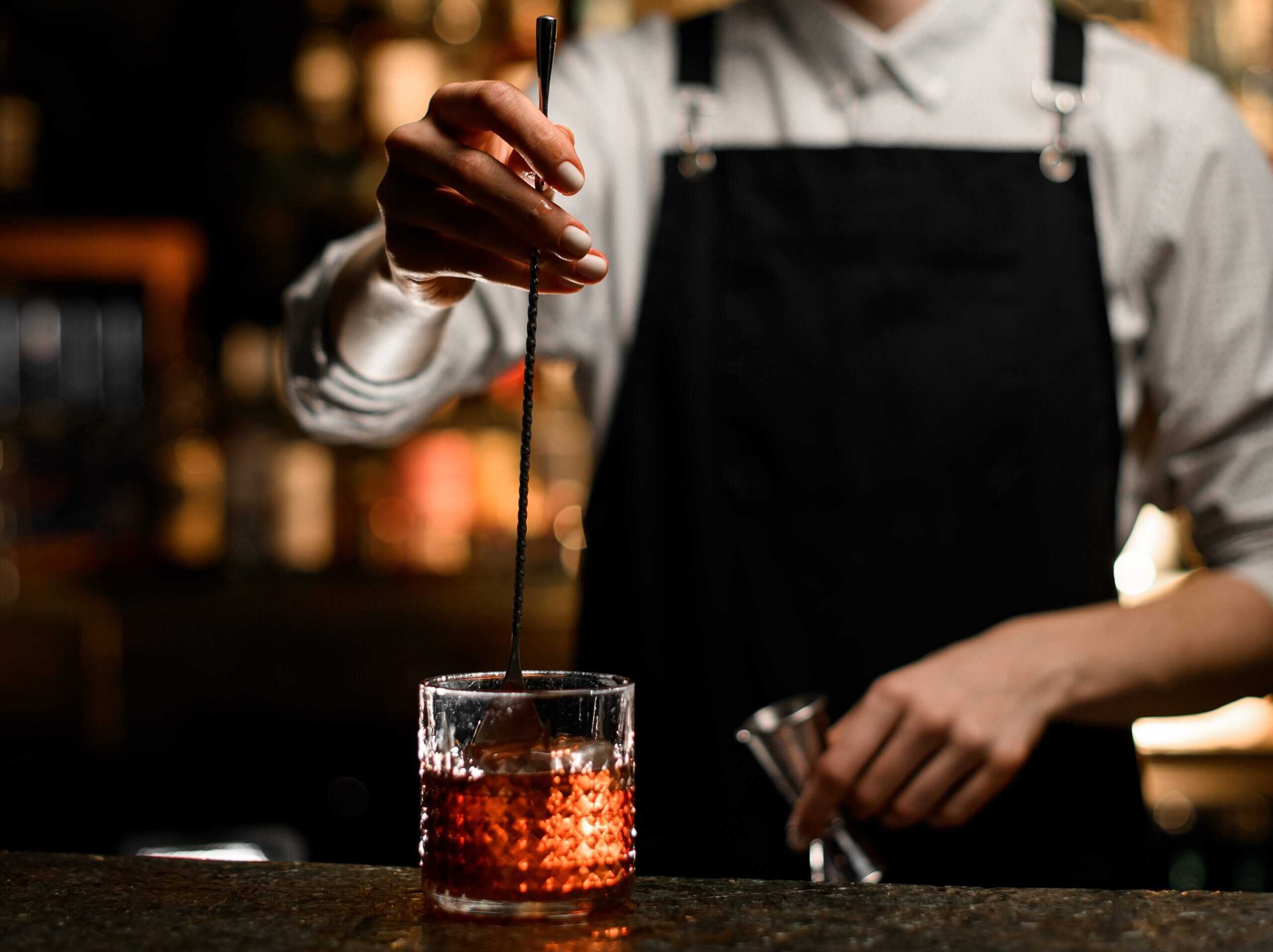
James Bond can keep the shaker. A classic Old Fashioned is a stirred cocktail. The International Bartenders Association's official method calls for building the drink in the glass and stirring it gently after the whiskey and ice are added.
Shaking is generally used for cocktails containing ingredients such as citrus juice, dairy, or egg because the technique chills quickly while adding aeration and texture. An Old Fashioned is made almost entirely from spirits and dissolved sugar, so stirring gives it the smooth, clear texture people expect while providing controlled chilling and dilution.
And no, a bartender shaking one is not necessarily secretly drowning under 40 drink tickets. It is simply not the standard preparation for the classic recipe.
The Old Fashioned Is Almost Built for Seasonal Variations
Few cocktails are easier to give a seasonal makeover without completely losing the original drink. The basic structure is so simple that changing the sweetener, bitters, or garnish can move the flavor in a different direction while leaving the whiskey at center stage.
Maple syrup is an obvious fall or winter substitute for sugar. Spiced or aromatic bitters can lean into cinnamon, clove, or other holiday flavors. Orange remains a natural garnish, while cranberries can add color if you want the glass to look like December showed up with a whiskey bottle.
There is no official “Christmas Old Fashioned” recipe. That is part of the appeal. As long as the variation maintains the basic balance of spirit, sweetness, bitters, and dilution, the Old Fashioned provides plenty of room to experiment.
The Sugar Cube Is Not Just an Old-Timey Prop
If you see a bartender drop a sugar cube into an Old Fashioned glass, they are not performing historical theater for the tourists. A sugar cube is part of the International Bartenders Association's official recipe.
The traditional approach is to saturate the cube with Angostura bitters, add a few dashes of water, and muddle until the sugar dissolves. Ice and whiskey follow. Simple syrup has become common because it dissolves immediately and makes consistency easier behind a busy bar, but either technique can produce a proper Old Fashioned.
The sweetener is there for balance, not to turn the drink into dessert. A well-made Old Fashioned should still taste unmistakably like its base spirit.
Bourbon and Rye Are Both Classic Choices
There is no need to declare a winner in the bourbon-versus-rye argument. The International Bartenders Association recognizes either whiskey in an Old Fashioned, and each pushes the drink in a slightly different direction.
Bourbon tends to bring sweeter notes such as vanilla, caramel, and oak, while rye often contributes more spice and dryness. Cocktail historian David Wondrich has argued that rye was probably the more historically likely choice for early whiskey Old Fashioneds, even though bourbon is extremely common in modern bars.
That flexibility is part of why the drink has survived. Brandy owns Wisconsin's regional version, and modern bartenders build Old Fashioned-style drinks around rum, mezcal, tequila, and other spirits. But if someone hands you bourbon or rye, sugar, bitters, water, and ice, you are standing firmly on classic ground.