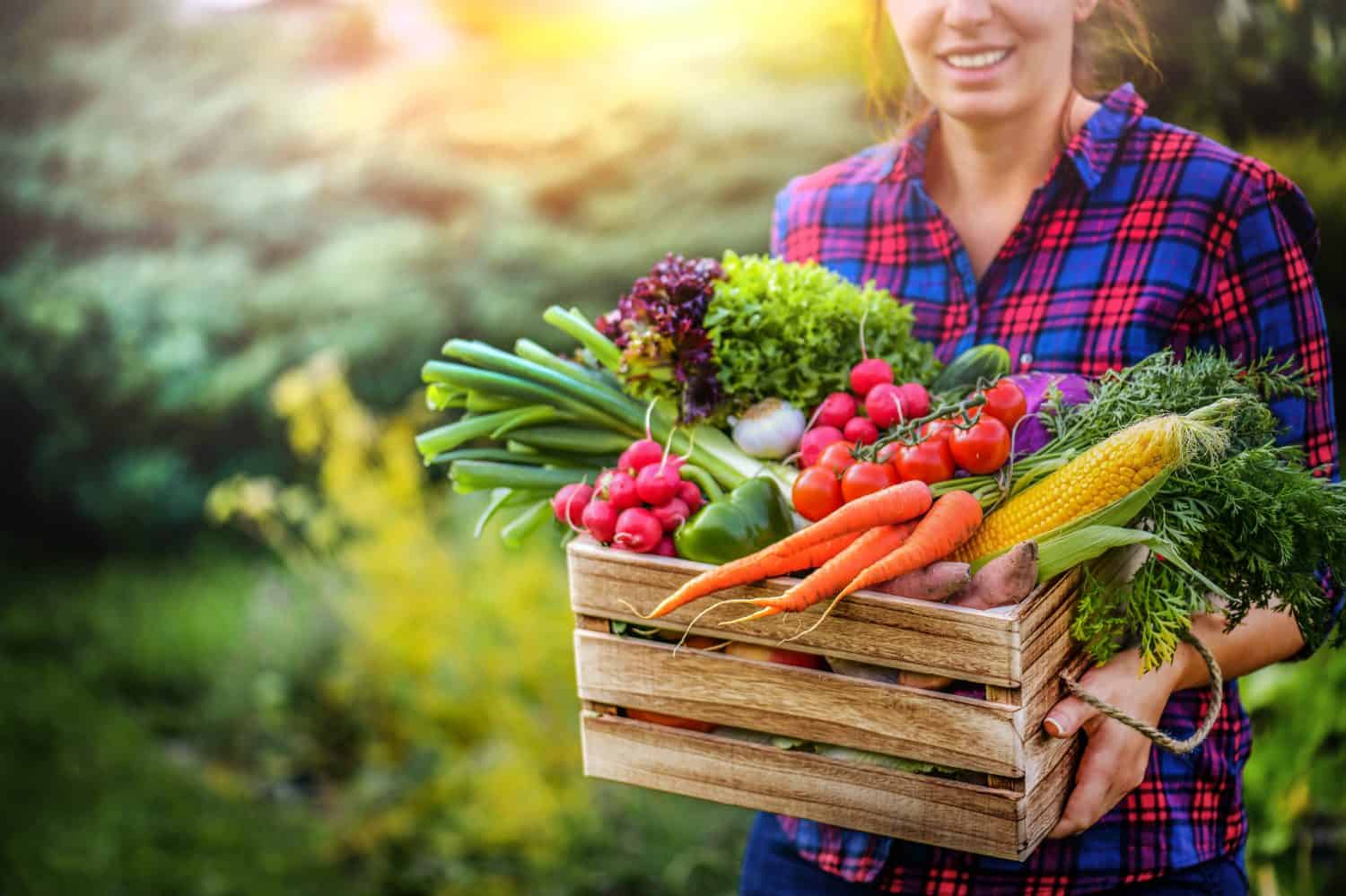
Krasula / Shutterstock.com
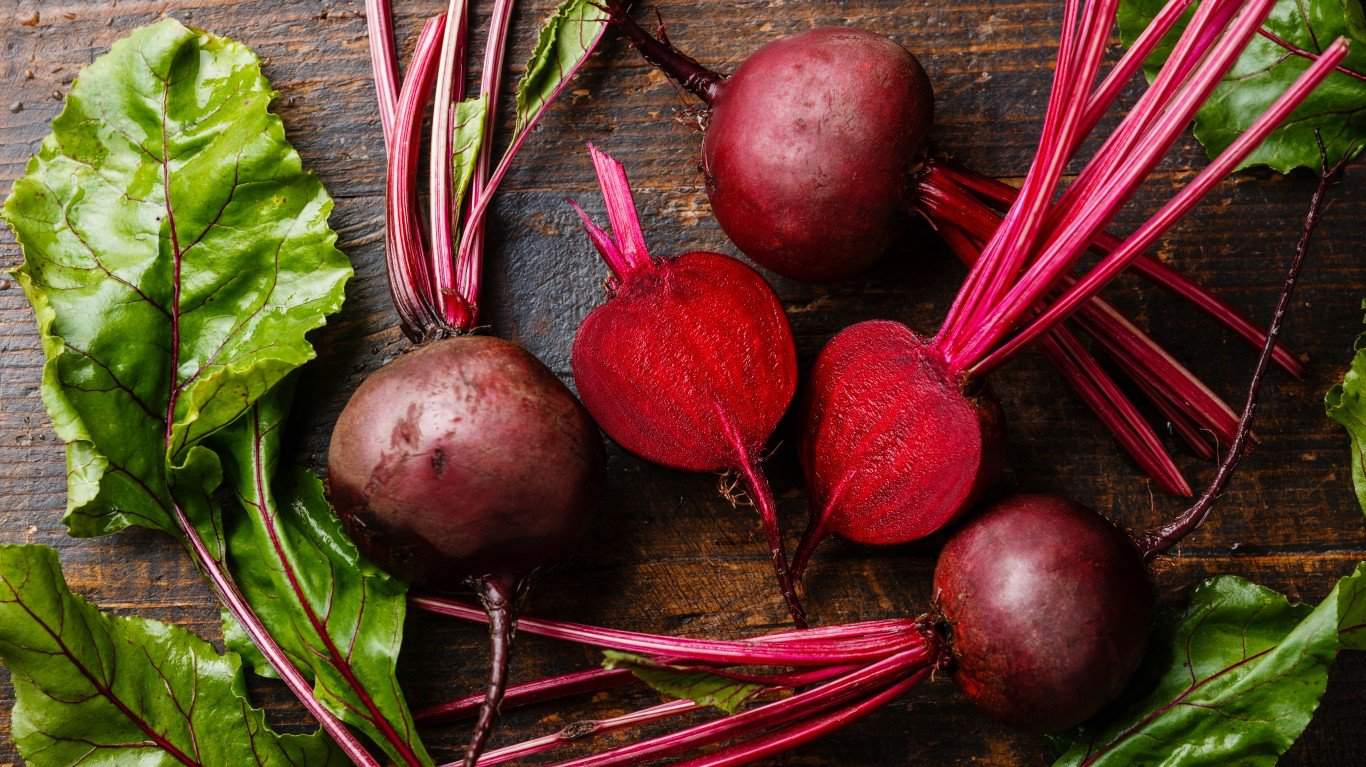
Lisovskaya / Getty Images
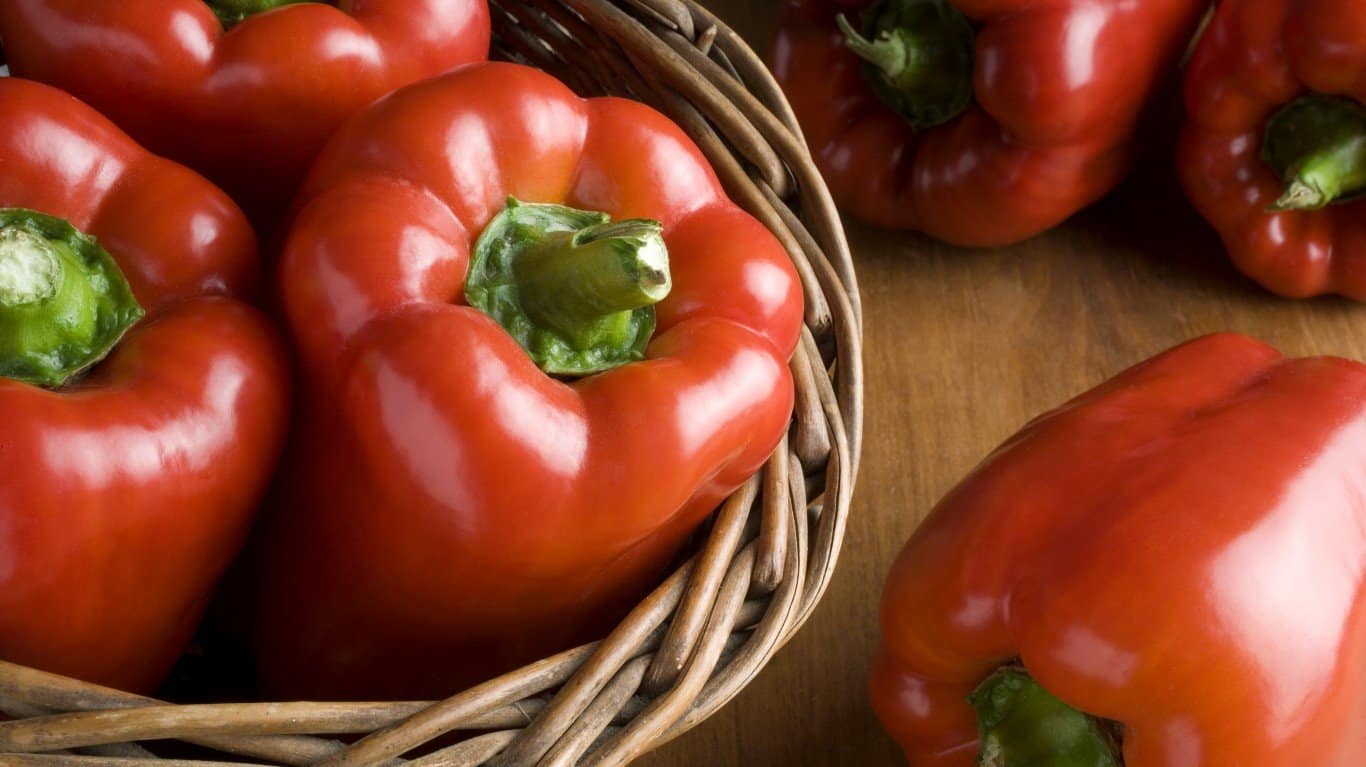
Donhype / Getty Images
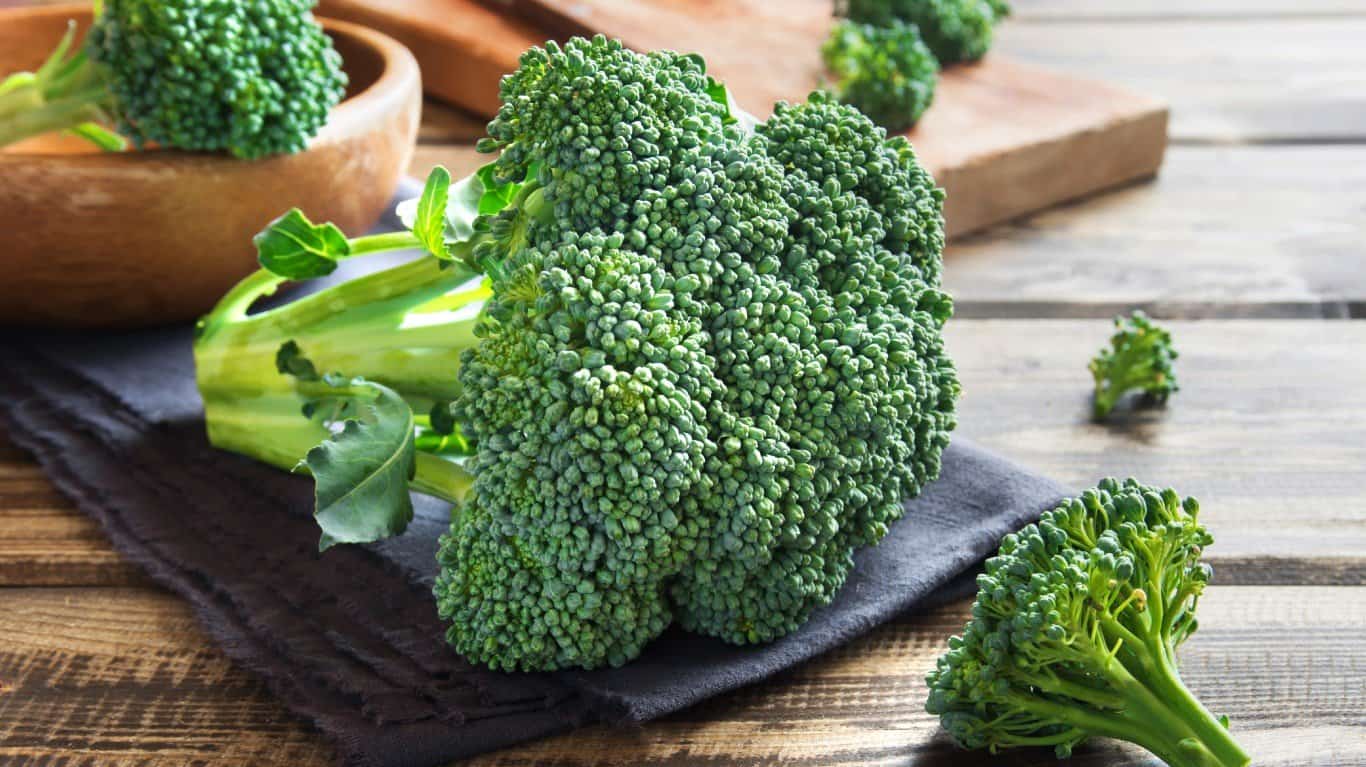
Mizina / Getty Images
fcafotodigital / Getty Images
AlexandraFlorian / Getty Images
anna1311 / Getty Images

Wako Megumi / iStock via Getty Images
alice dias didszoleit / iStock via Getty Images
bhofack2 / Getty Images
leventina / iStock via Getty Images
bhofack2 / Getty Images
zeleno / Getty Images



12 Vegetables Worth Eating Raw More Often
Raw versus cooked is not an all-or-nothing nutrition contest. Cooking can make some compounds easier for the body to use, while heat and water can reduce others. Vitamin C, for example, is water-soluble and sensitive to heat, while cooking tomatoes can make their lycopene more available. The vegetables below are all nutritious cooked, but each also gives you a good reason to work the raw version into your meals from time to time.
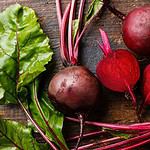
Beets
Raw beets provide folate, manganese, potassium, fiber, and naturally occurring dietary nitrate. Cooking does not suddenly make beets unhealthy, and nitrate from cooked beets can still be absorbed efficiently, but boiling can move some water-soluble nutrients into the cooking water. Shredded or thinly sliced raw beets add an earthy crunch to salads and pair especially well with nuts, citrus, or goat cheese.
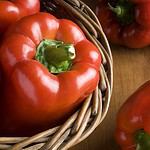
Bell Peppers
Botanically speaking, bell peppers are fruits, but they are treated as vegetables in the kitchen. Red and green peppers are notable sources of vitamin C, a nutrient that can decline during prolonged heating. Raw peppers also provide carotenoids and other plant compounds, although cooking may improve the availability of some of those pigments. Slice them for hummus, chop them into salsa, or toss them into a crunchy slaw.
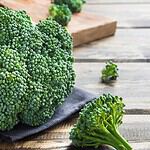
Broccoli
Broccoli is one of the better examples of a vegetable that offers something different when eaten raw. It contains glucoraphanin and an enzyme called myrosinase that work together to form sulforaphane when the plant tissue is chopped or chewed. Human studies have found considerably greater sulforaphane availability after eating raw broccoli than after thoroughly cooked broccoli because high heat can deactivate myrosinase.
That does not mean you should stop cooking broccoli. Light steaming can preserve much more of its nutrients than prolonged boiling. For a raw option, chop the florets small and use them in a salad with nuts, dried fruit, or a tangy dressing.
Brussels Sprouts
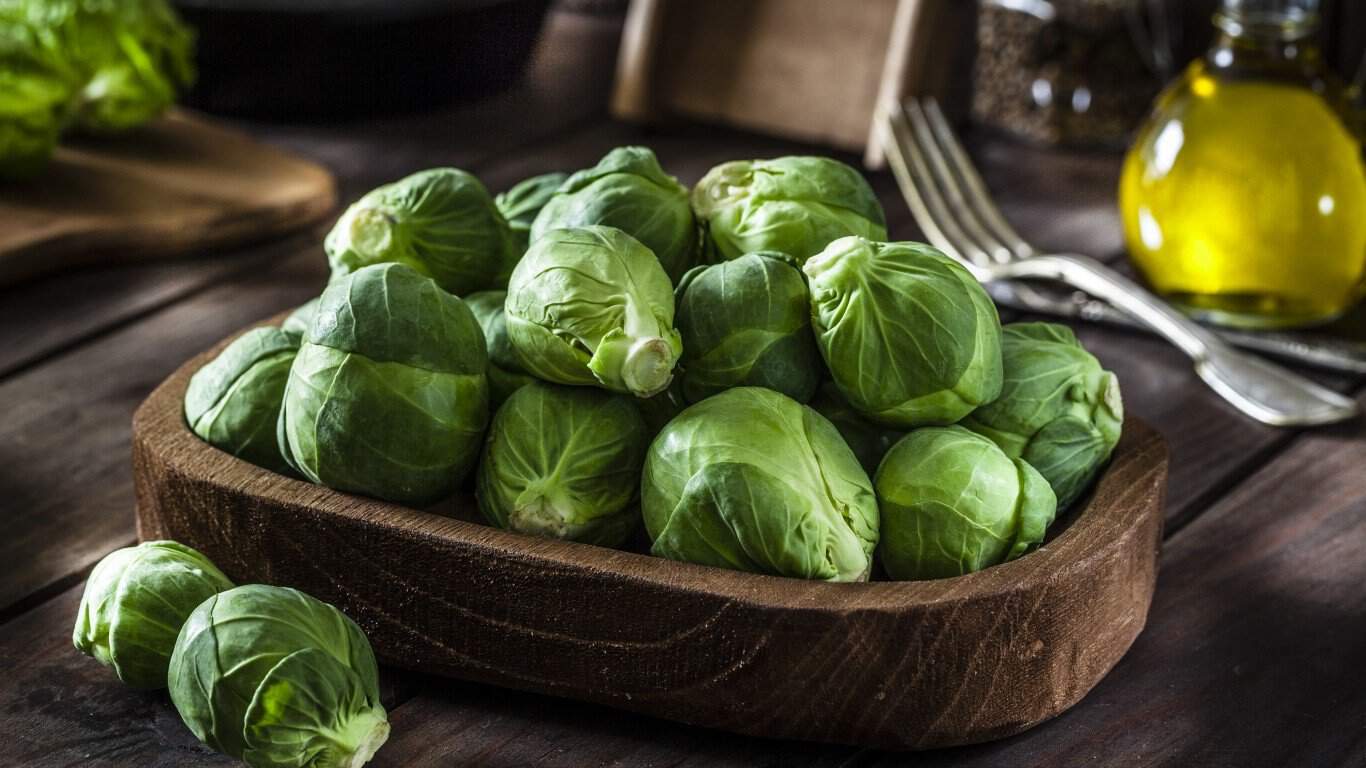
Brussels sprouts provide vitamin C, vitamin K, folate, fiber, and the glucosinolates found throughout the cruciferous-vegetable family. Because vitamin C is sensitive to heat and can leach into cooking water, eating some Brussels sprouts raw avoids those cooking losses. The easiest approach is to shave them extremely thin and use them like cabbage in a slaw rather than trying to crunch through a whole raw sprout.
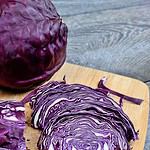
Cabbage
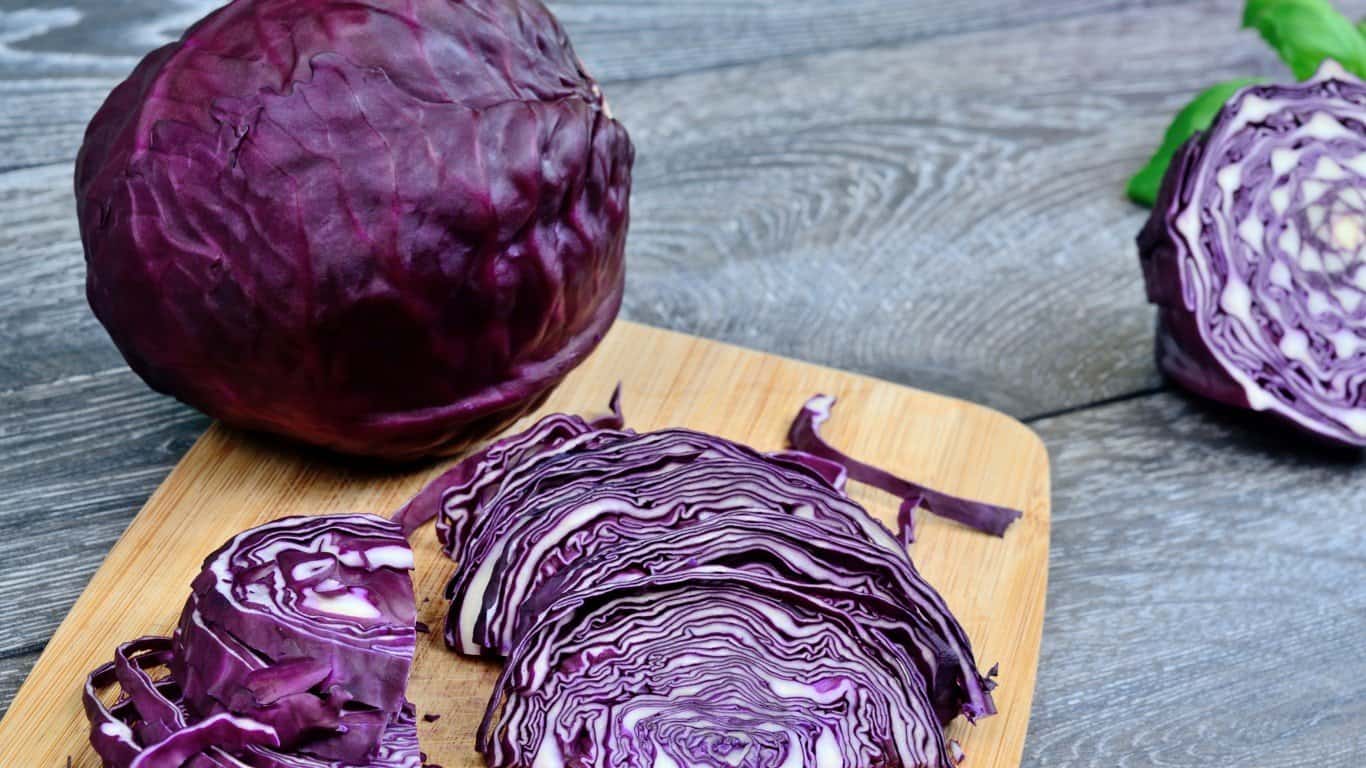
Raw cabbage supplies vitamin C, vitamin K, folate, fiber, and glucosinolates. Research comparing raw and cooked cabbage has found greater production and absorption of certain isothiocyanates after the raw vegetable is eaten, largely because cooking can deactivate the plant's myrosinase enzyme. Boiling can also send a sizable portion of glucosinolates into the cooking water.
Fortunately, cabbage is one of the easiest vegetables to eat raw. Shred it into traditional coleslaw, combine it with carrots and herbs, or give it an Asian-inspired dressing with sesame, lime, or peanut sauce.
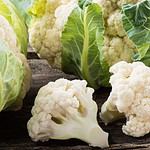
Cauliflower
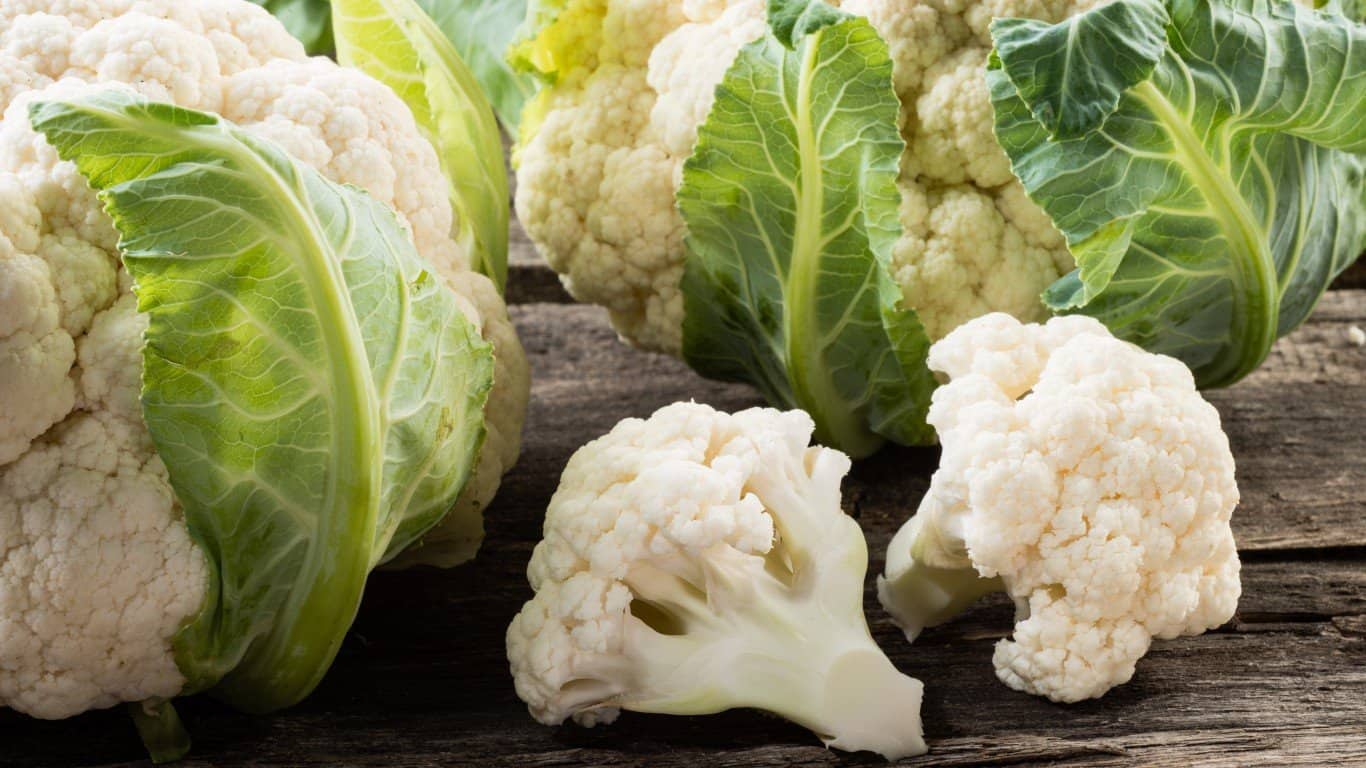
Cauliflower contains vitamin C, folate, fiber, glucosinolates, and several other plant compounds. Studies comparing preparation methods have found higher concentrations of several glucosinolates, polyphenols, and flavonoids in uncooked cauliflower than in boiled cauliflower, while steaming tends to preserve more than boiling.
Raw cauliflower does not have to mean eating giant florets straight from the refrigerator. Chop it finely into a salad, turn it into cauliflower "rice," or pair bite-sized florets with hummus or another dip.
Garlic
Garlic gets much of its distinctive chemistry from sulfur-containing compounds. When a clove is crushed or chopped, the enzyme alliinase helps convert alliin into allicin and related compounds. Strong or prolonged heating can deactivate that enzyme, which is why freshly crushed raw garlic has a different chemical profile from garlic that goes straight into a hot pan.
Raw garlic is obviously intense, so a little goes a long way. Try blending a small amount into hummus, pesto, salad dressing, or another uncooked sauce. If you prefer cooked garlic, chopping or crushing it before cooking still gives the plant tissue time to react before it reaches the heat.
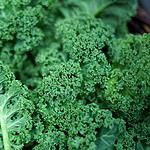
Kale
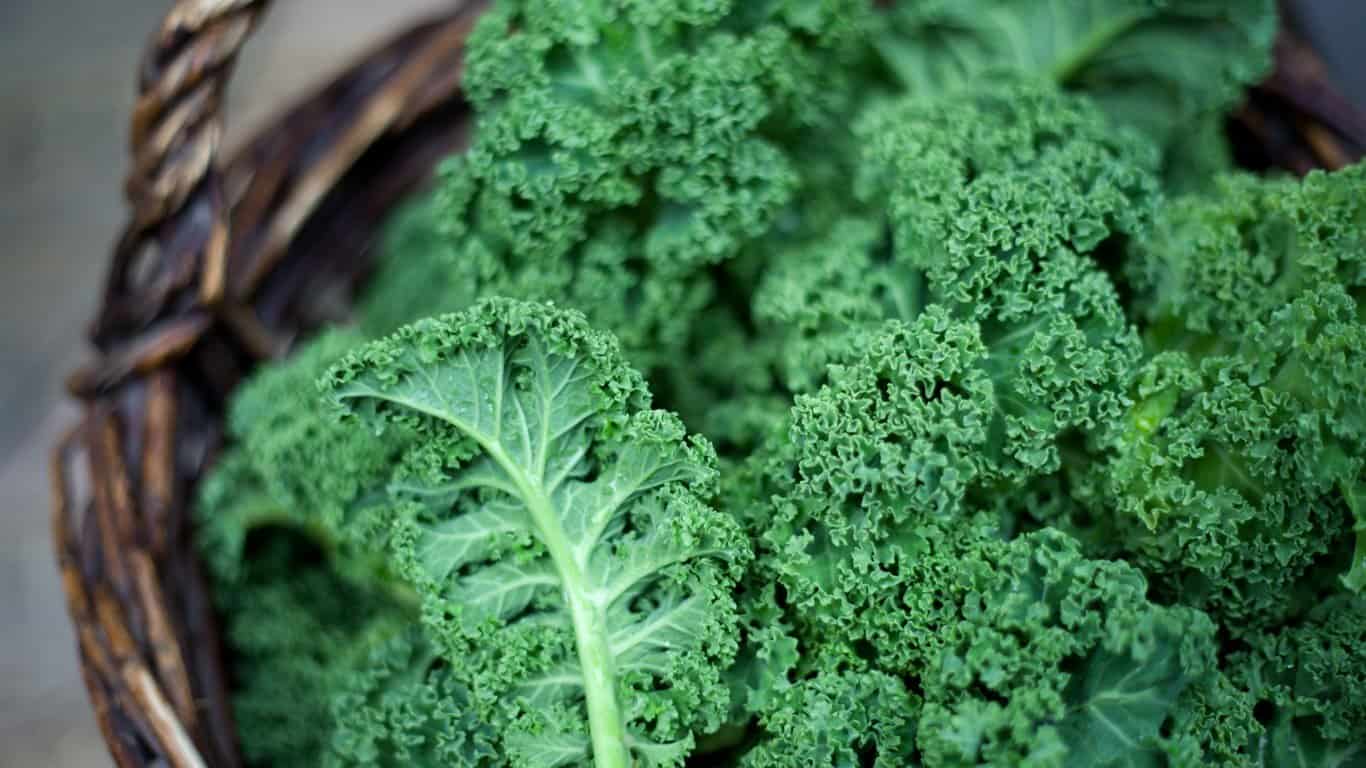
Kale provides vitamin C, vitamin K, folate, carotenoids, and glucosinolates. Raw kale retains heat-sensitive vitamin C and the active myrosinase enzyme that helps convert glucosinolates into other compounds. Cooking can lower some of those components, although heat can also make certain carotenoids easier to access and makes the tough leaves far easier for many people to eat.
If raw kale feels like chewing landscaping, massage the leaves with a little olive oil and lemon juice for a minute or two. That softens the texture considerably without cooking them.
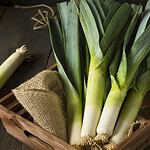
Leeks
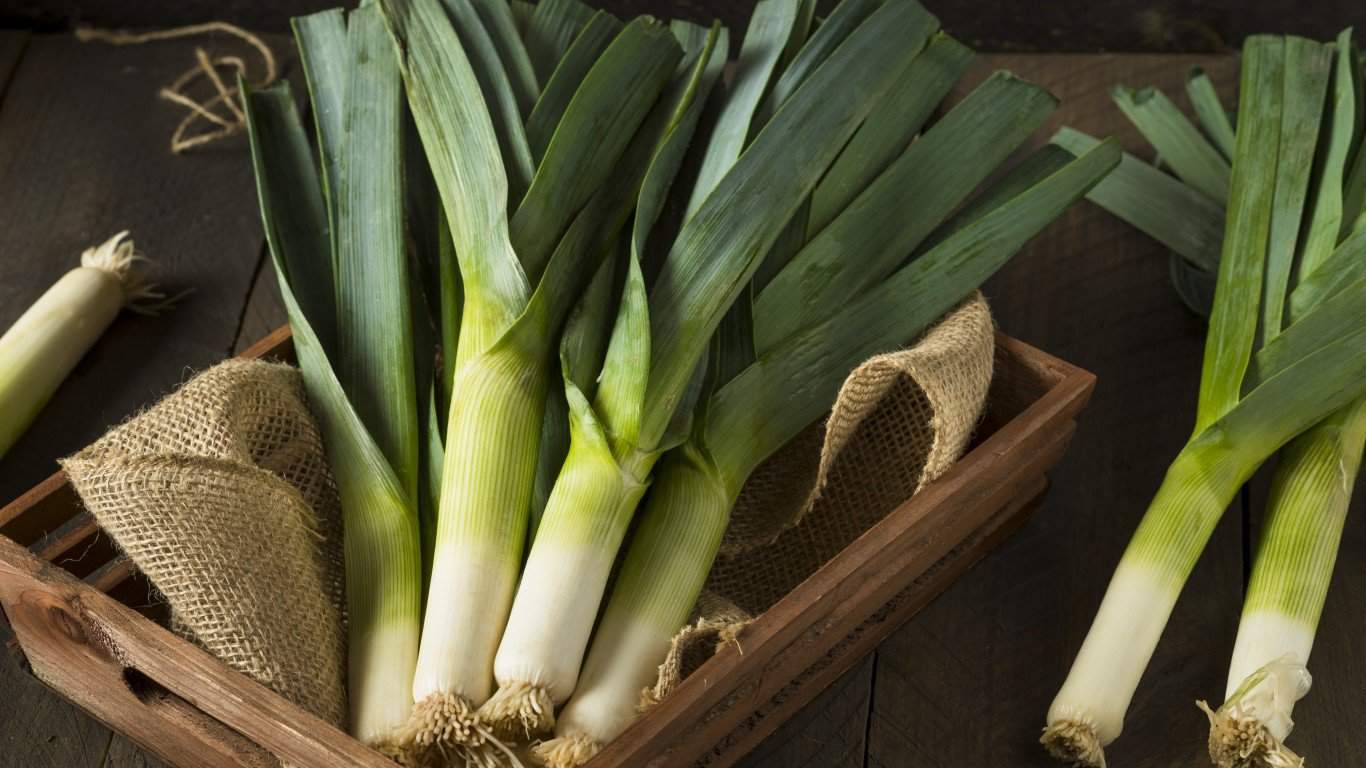
Leeks belong to the same allium family as onions and garlic and provide vitamin K, folate, vitamin C, and several sulfur-containing and phenolic compounds. Cooking method matters more than a simple raw-versus-cooked label. Research has found that boiling can reduce some of the phenolic compounds in leeks, while steaming generally preserves them better.
Raw leeks have a milder flavor than many raw onions, but slice them thinly. They work well in salads, fresh salsa, guacamole, or as a crisp garnish. Be sure to wash between the layers carefully because soil can collect deep inside the stalk.
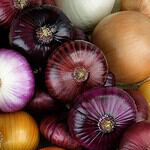
Onions
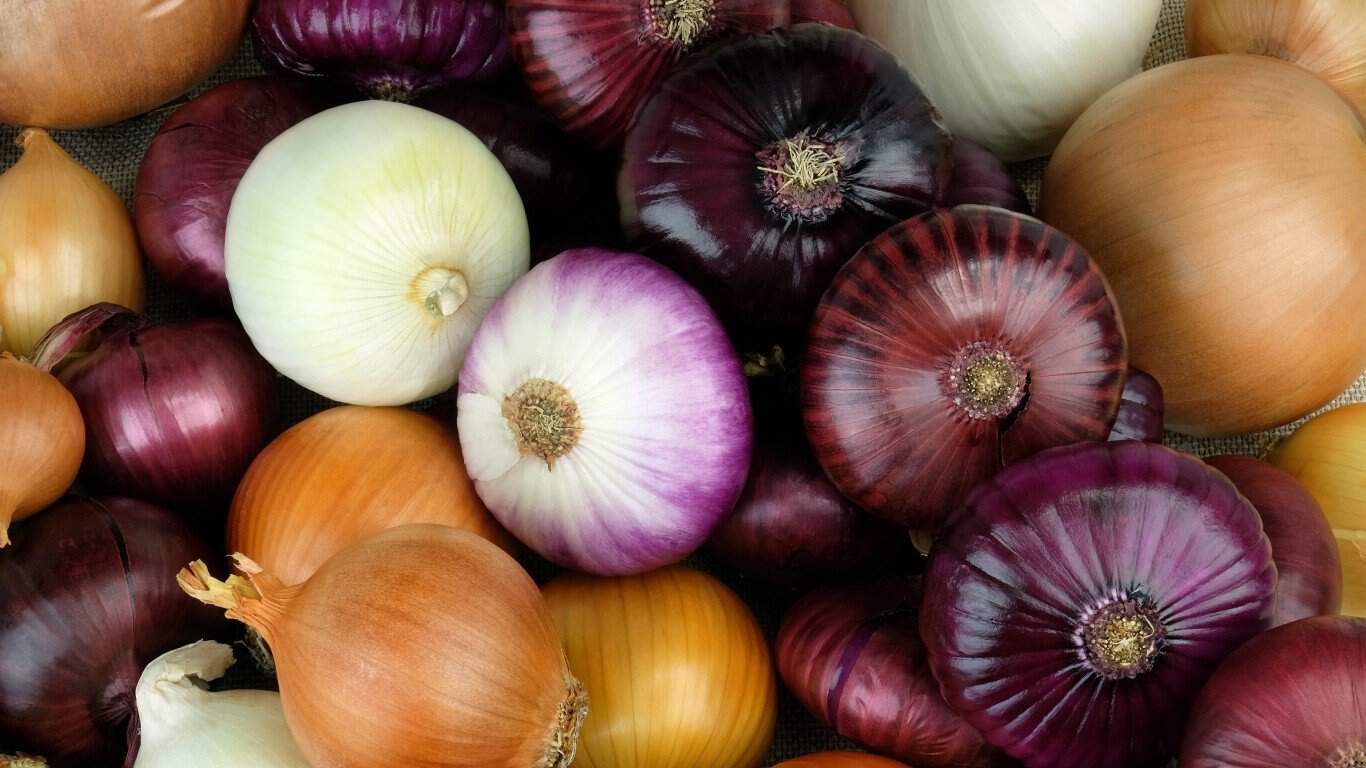
Onions provide vitamin C along with sulfur compounds and flavonoids such as quercetin. Raw onions can retain high levels of those compounds, but the cooking story is more complicated than the original "raw is always better" claim. Boiling can move quercetin into the cooking water, while baking, grilling, or frying may retain or even increase the amount of some measurable phenolic compounds.
So there is no reason to abandon cooked onions. Instead, think of raw onions as another option. Thin slices add bite to sandwiches and salads, while diced onion is a natural fit for salsa, pico de gallo, and guacamole.
Snow and Snap Peas
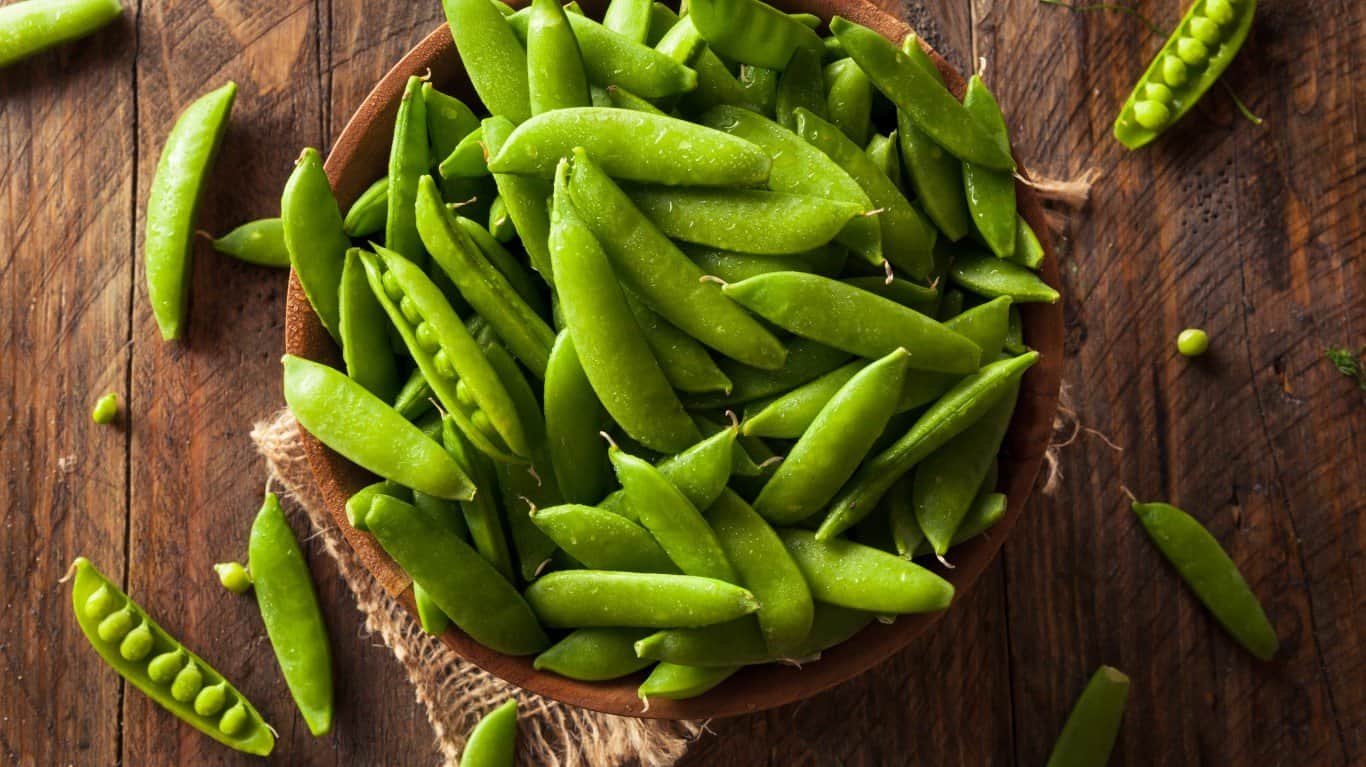
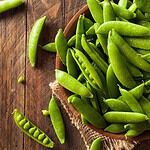
Edible-pod peas such as snow peas and sugar snap peas are naturally suited to eating raw. They provide vitamin C, vitamin K, folate, and fiber while delivering considerably more crunch than ordinary shelled peas. Eating them without cooking also avoids heat-related vitamin C losses.
They are easy to snack on by themselves, but they also work especially well sliced into salads with herbs, citrus, cheese, or a light vinaigrette. Remove any tough string along the seam if the variety has one.
Tomatoes
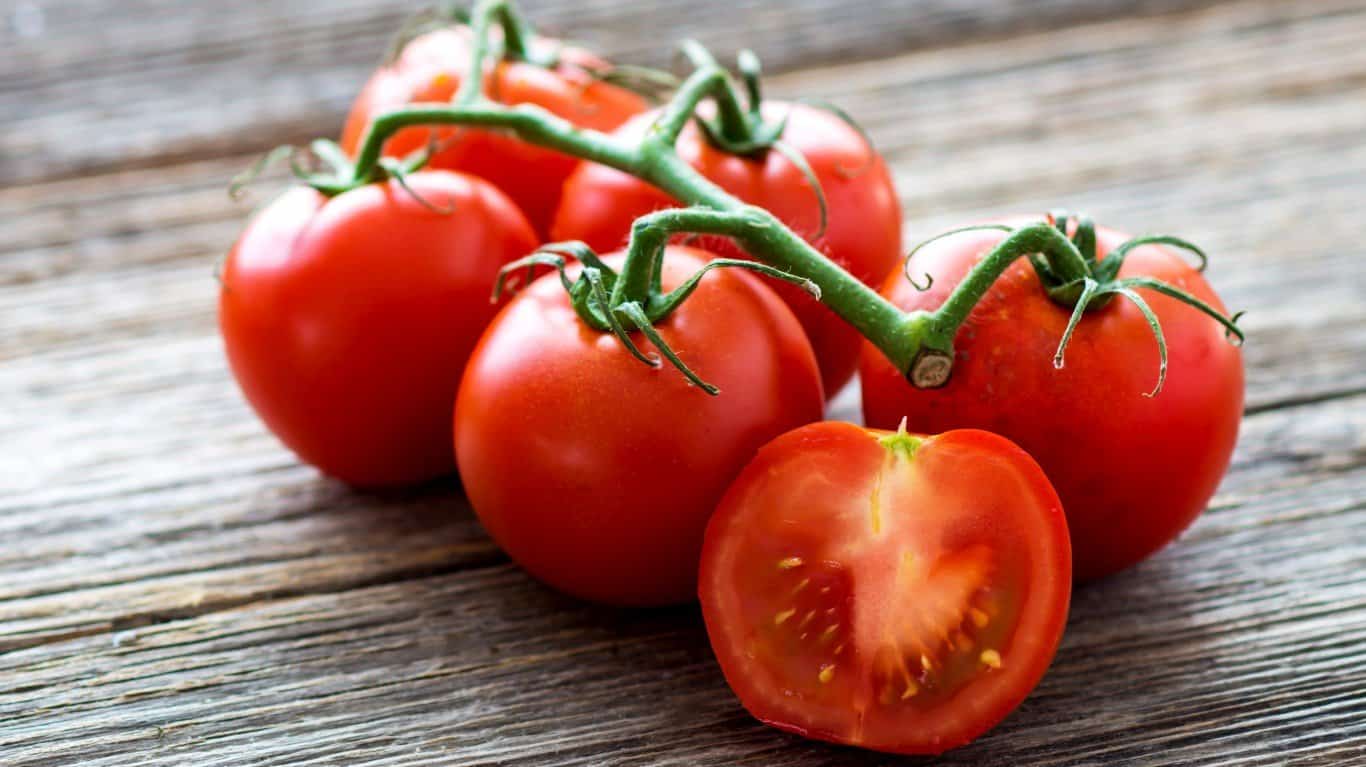
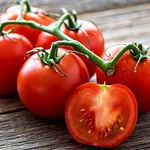
Tomatoes are another botanical fruit that lives in the vegetable aisle, and they perfectly illustrate why "raw or cooked" is the wrong question. Raw tomatoes provide vitamin C, potassium, folate, and carotenoids without heat-related vitamin C loss. Cooking, however, can make lycopene easier for the body to absorb, particularly when tomatoes are eaten with a little fat.
The practical answer is to eat tomatoes both ways. Fresh tomatoes shine in salads, sandwiches, salsa, and caprese, while sauces and other cooked tomato dishes offer their own nutritional advantages.